by
Assoc. Prof. Dr. Mohamad Nizam Mohamed Shapie
Leader, Combat Sports & Martial Arts Research Network (AIRBORNE)
Faculty of Sports Science & Recreation,
Universiti Teknologi MARA (UiTM)
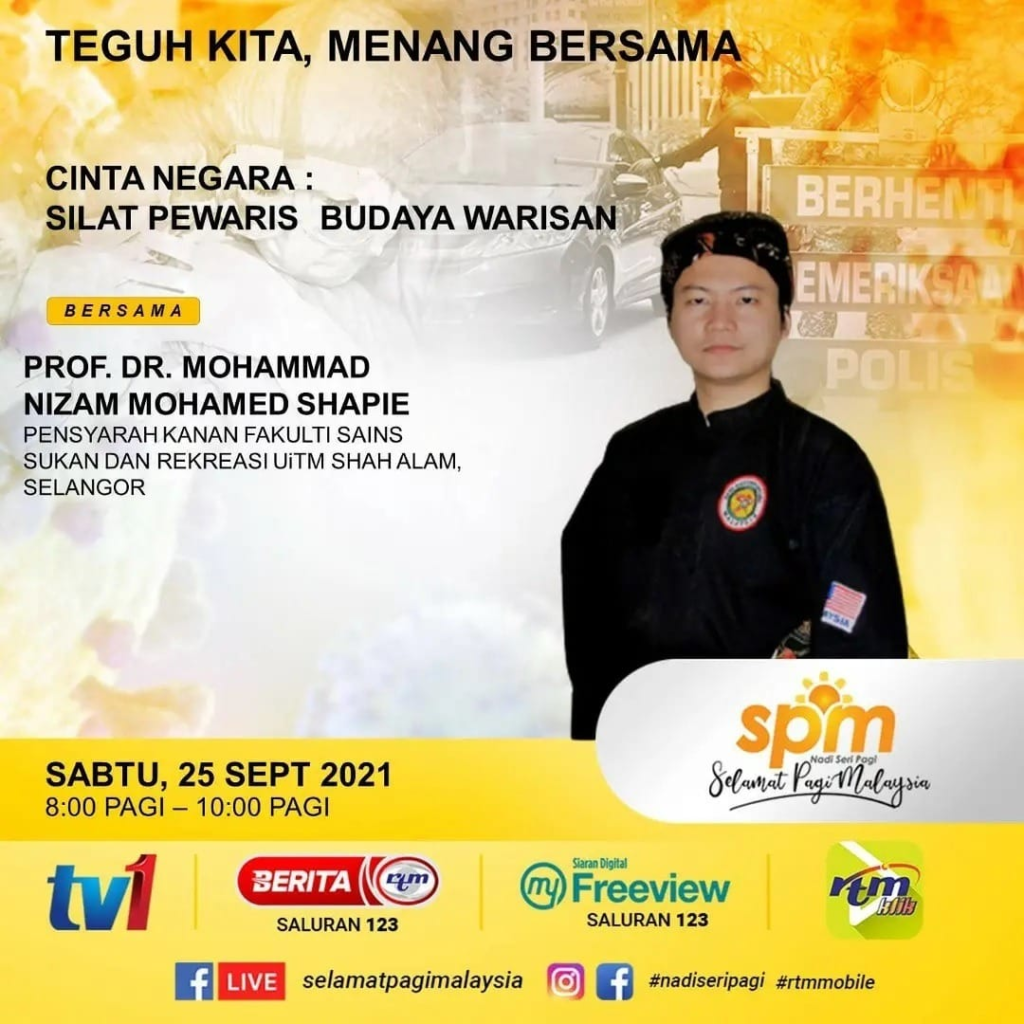
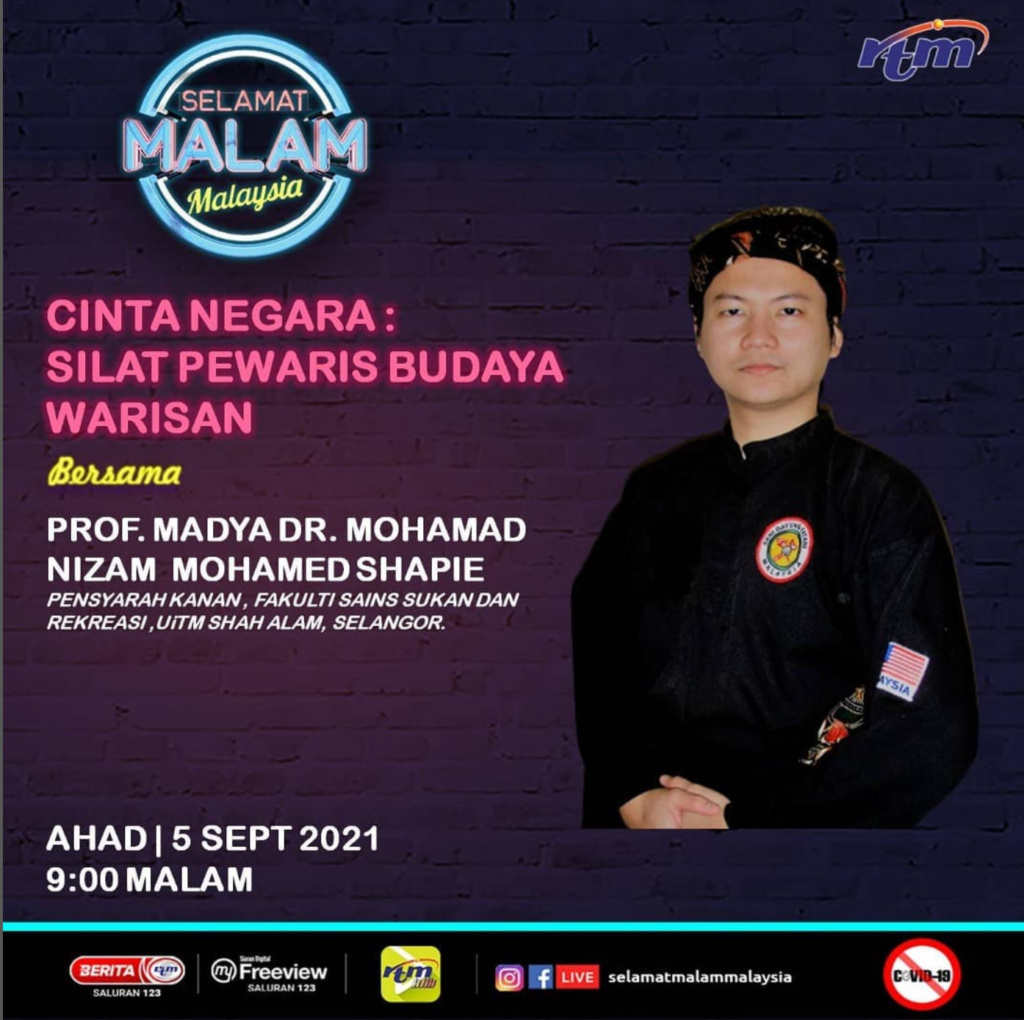
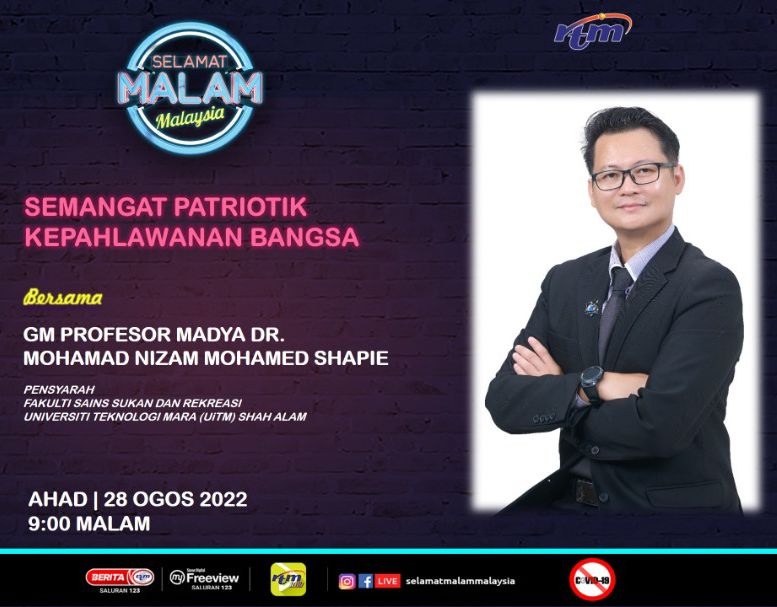
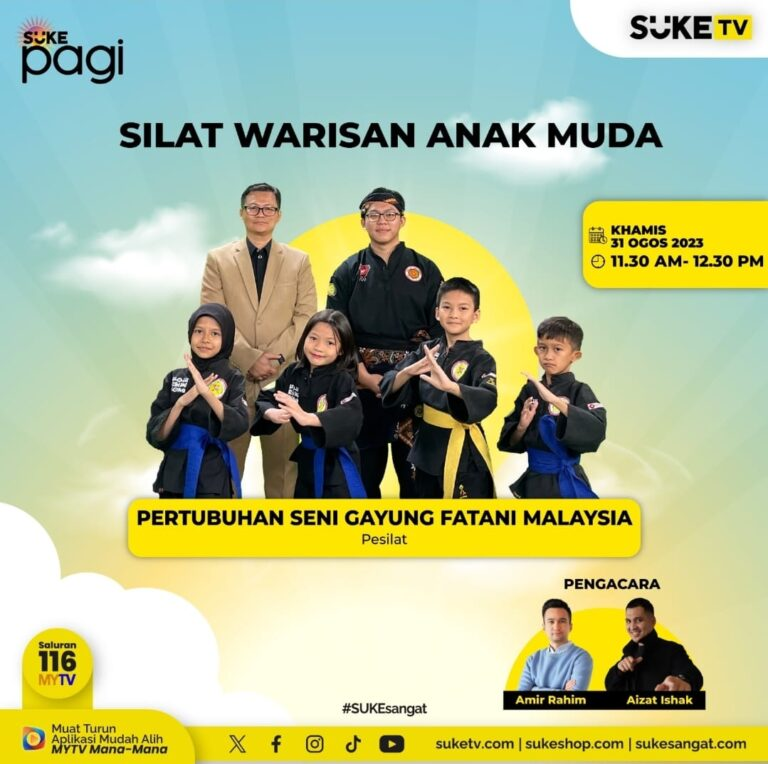
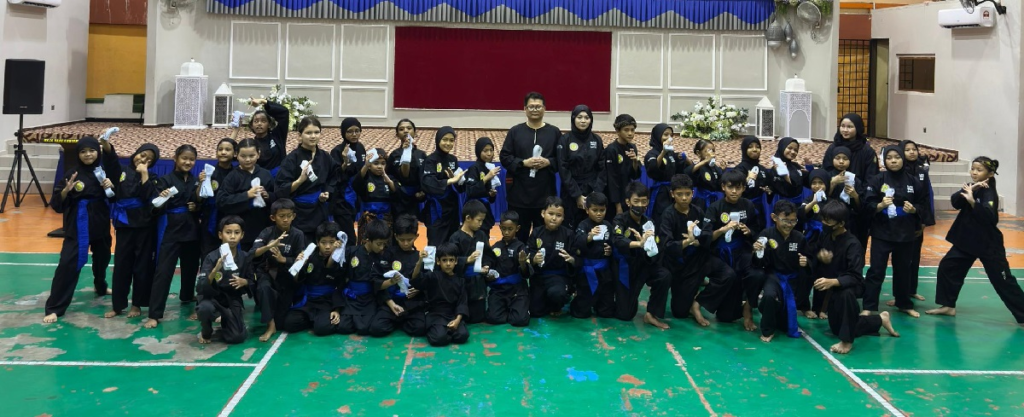
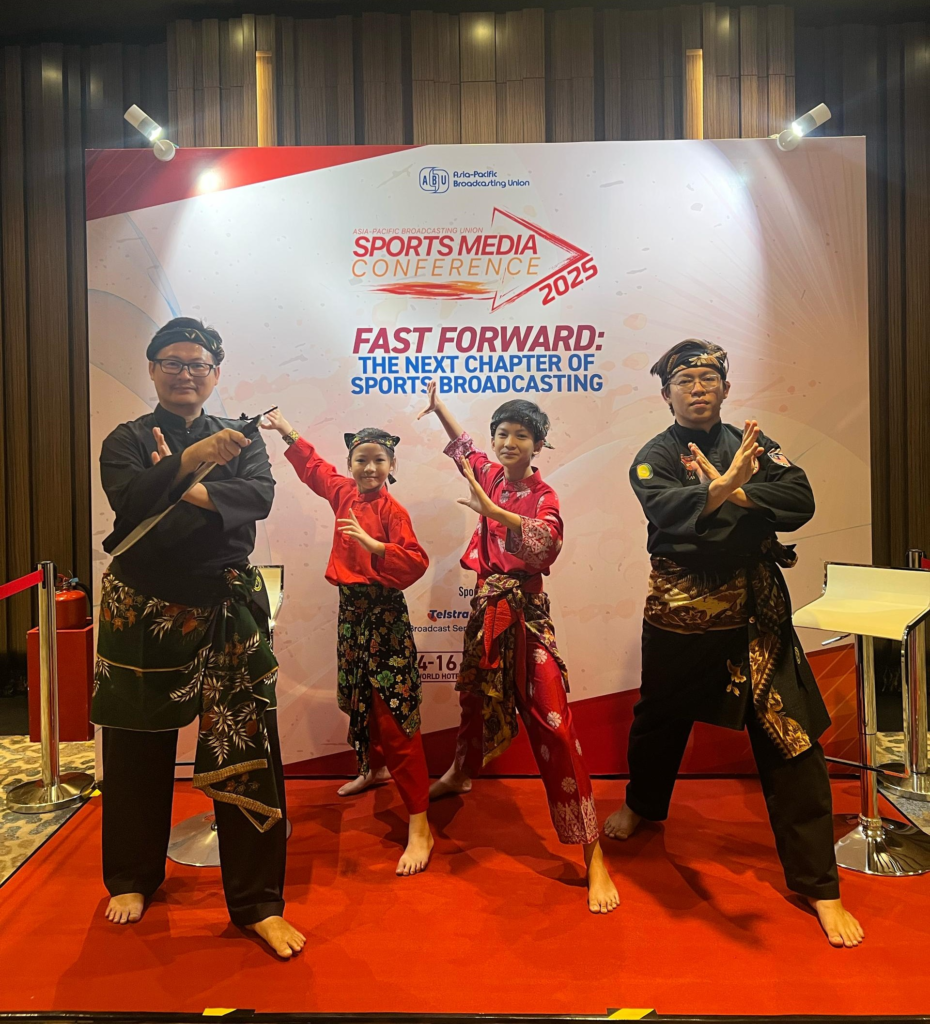
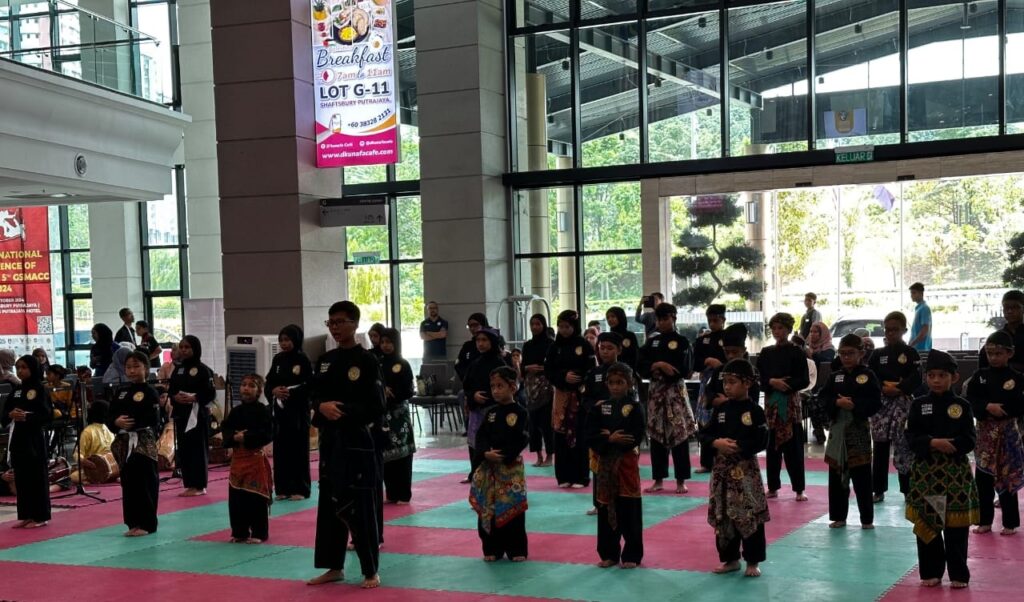
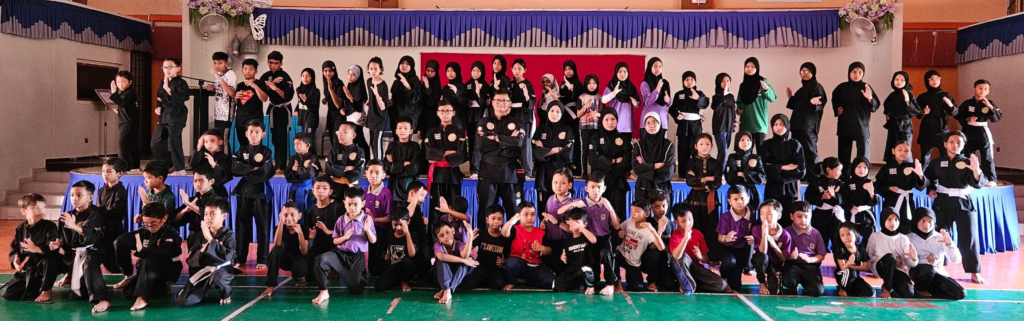
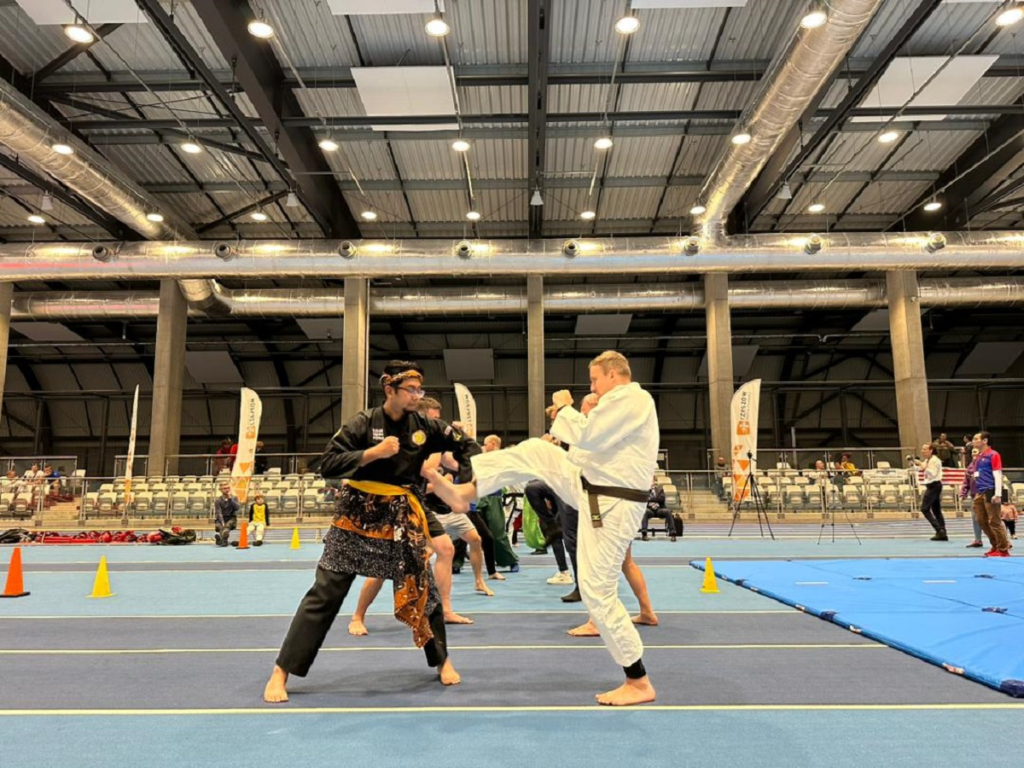
Silat has long been seen as a traditional martial art—rich in culture, full of discipline, and deeply rooted in Malay heritage. But today, Silat is also becoming something more: a sport backed by science.
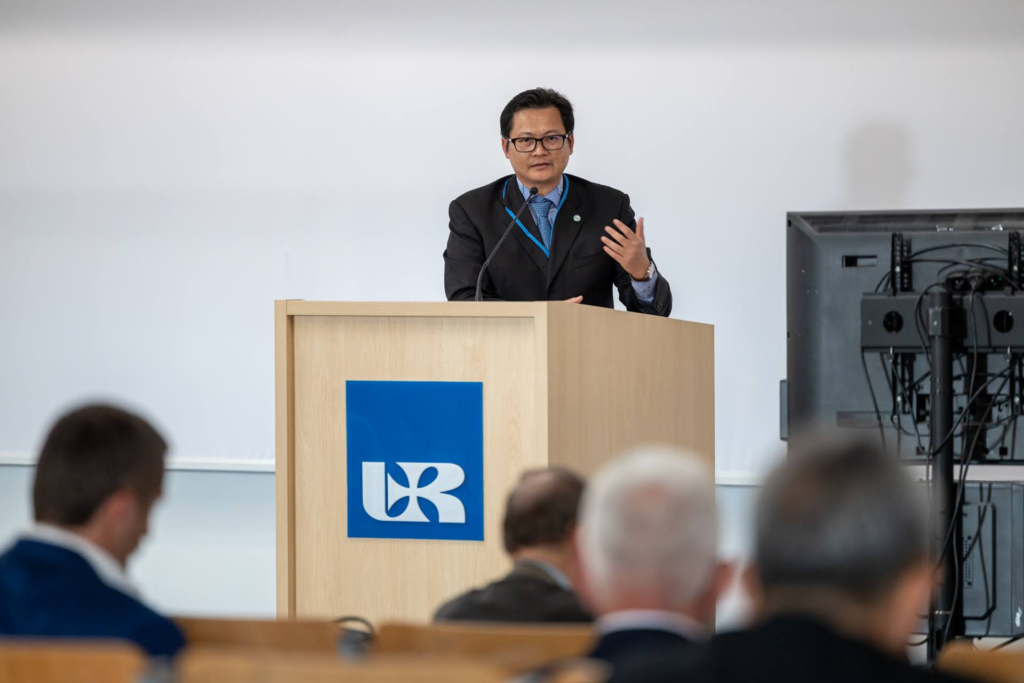
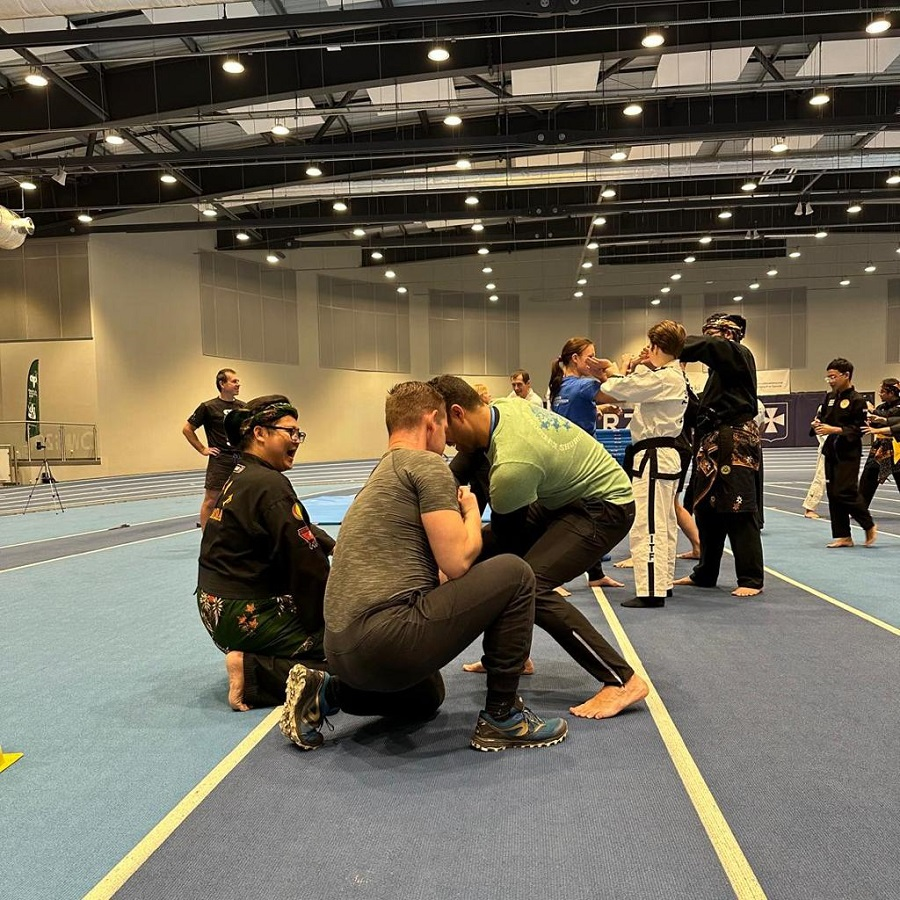
Thanks to the work of AIRBORNE UiTM, Silat is evolving into a modern, research-driven discipline. AIRBORNE, which stands for the Martial Arts and Combat Sports Research Network, is a special initiative by Universiti Teknologi MARA (UiTM). It brings together experts in sports science, biochemistry, and coaching to study how Silat can be taught, practiced, and improved using scientific methods.
Why Science Matters in Silat
When we think of martial arts, we often picture strength, speed, and technique. But behind every movement is a complex system of biology and chemistry. AIRBORNE UiTM dives deep into this system to understand how the body works during Silat training.
For example, researchers study how ATP (adenosine triphosphate)—the body’s energy currency—is produced and used during kicks, punches, and defensive moves. They look at how muscles get tired, how hydration affects performance, and how oxygen helps fuel movement. These insights help coaches design better training routines that are safer and more effective for athletes of all ages (Shapie et al., 2020).
Making Silat Safer and Smarter
One of AIRBORNE’s goals is to make Silat safer, especially for children and youth. Through studies in exercise biochemistry and injury prevention, AIRBORNE helps instructors understand how to avoid overtraining, reduce the risk of injury, and support recovery.
For instance, knowing how muscles respond to stress allows trainers to adjust intensity levels. Understanding hydration and body temperature regulation helps athletes stay healthy during long practice sessions. These scientific findings are not just for elite athletes—they benefit everyone who practices Silat, from school students to community members (Shapie et al., 2023).
From Tradition to Innovation
AIRBORNE UiTM doesn’t just keep its research in the lab. It shares its findings through workshops, publications, and digital platforms. Two standout innovations are:
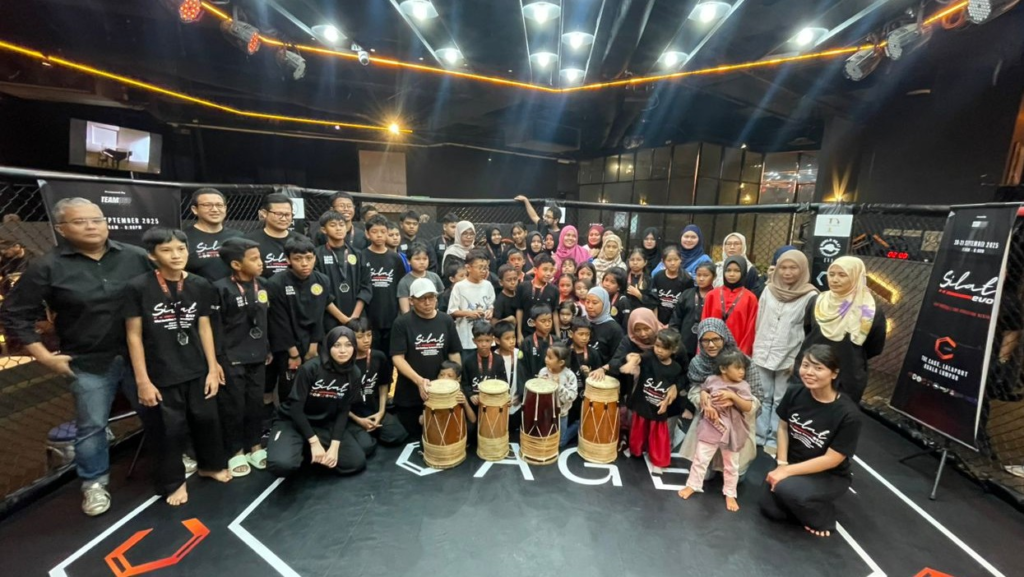
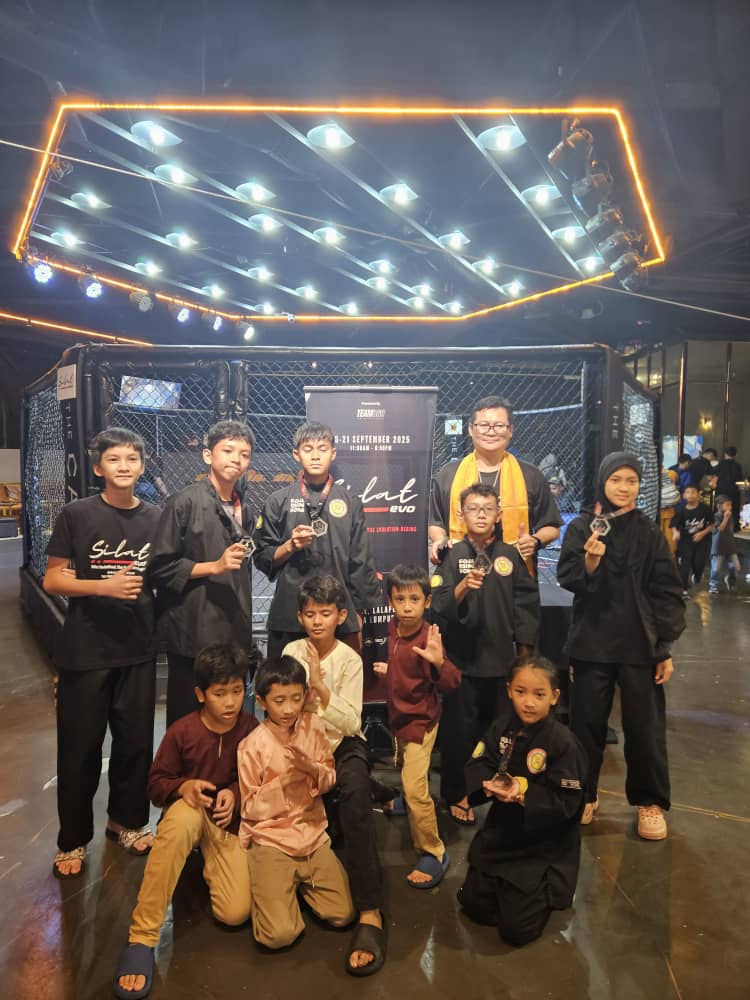
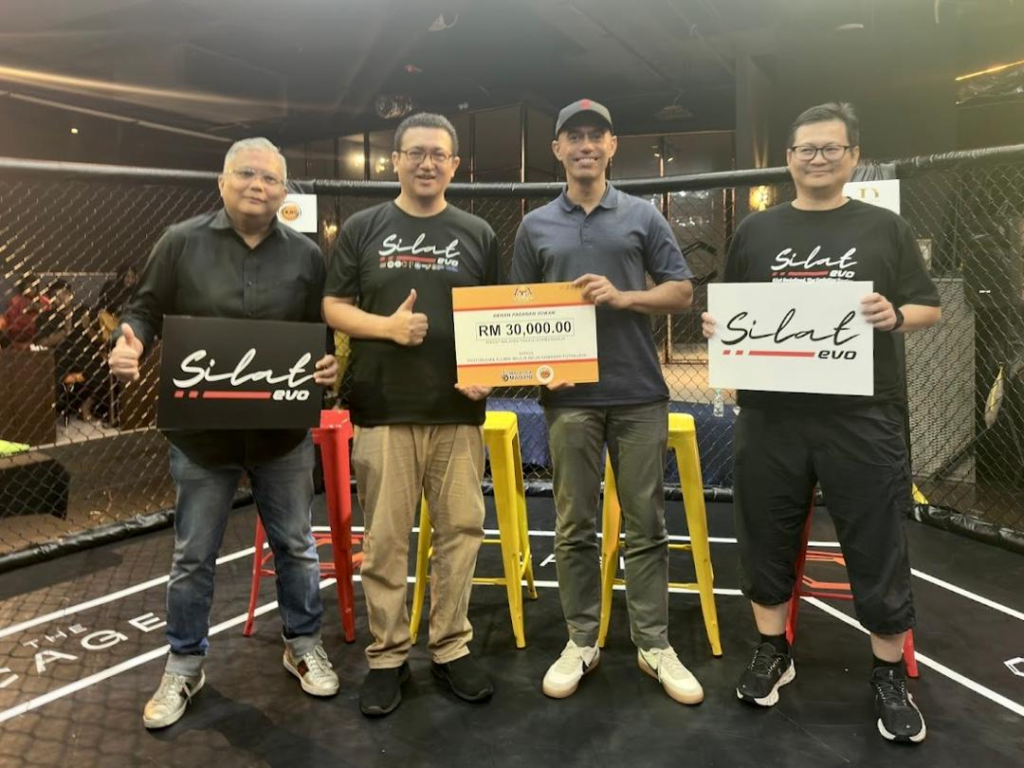
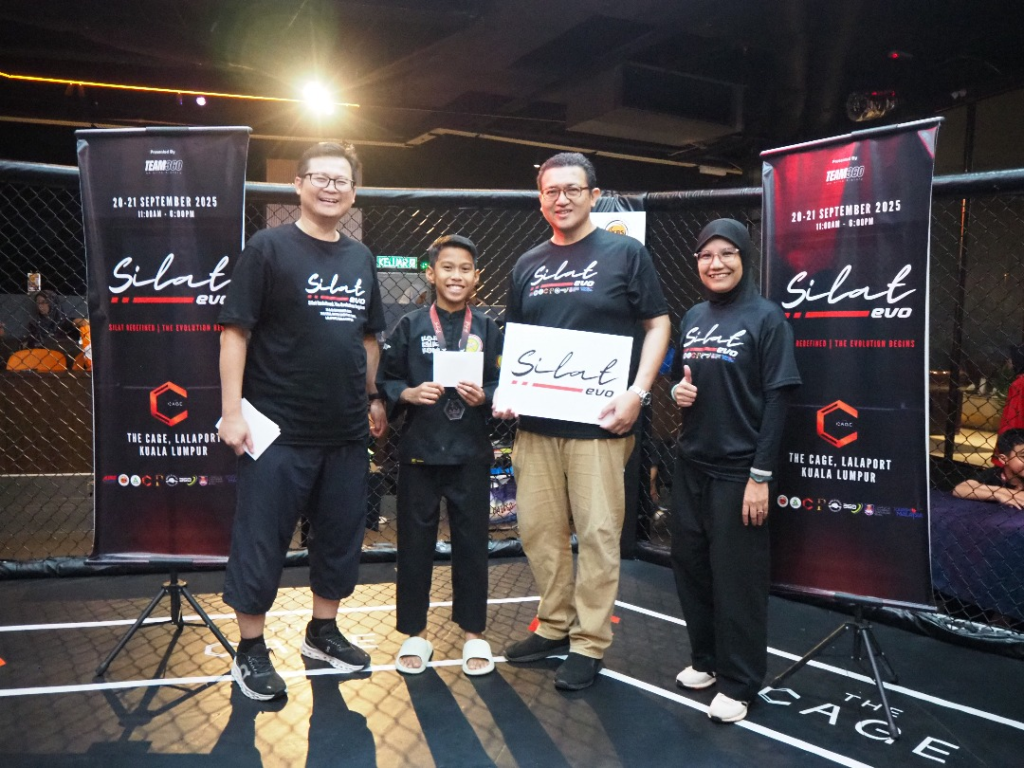
- Silat EVO: A modern competition format that presents Silat in a professional cage arena, similar to MMA but with a strong Malay identity.
- Silat for Beginners: An online learning platform where students can watch training videos, submit performance recordings, and earn digital certificates.
These platforms make Silat more accessible to people across Malaysia and even around the world. They also help preserve the cultural essence of Silat while adapting it to modern lifestyles (Parnabas et al., 2023).
Silat as a Global Sport
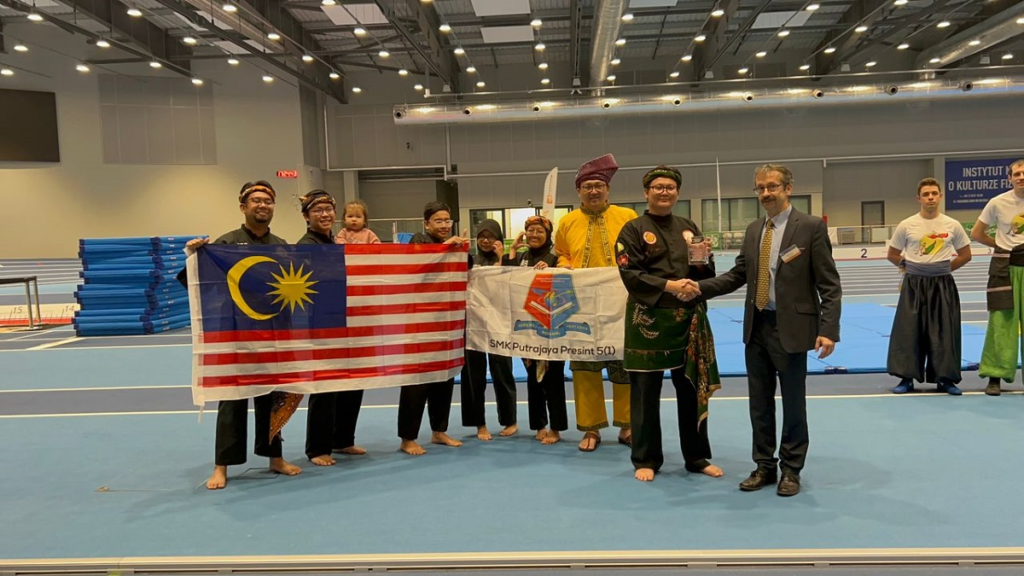
AIRBORNE’s research is helping Silat gain recognition on the global stage. By applying scientific principles to training and performance, Silat is becoming more credible in international sports communities. It’s no longer just a cultural practice—it’s a sport with measurable outcomes, structured coaching, and evidence-based development.
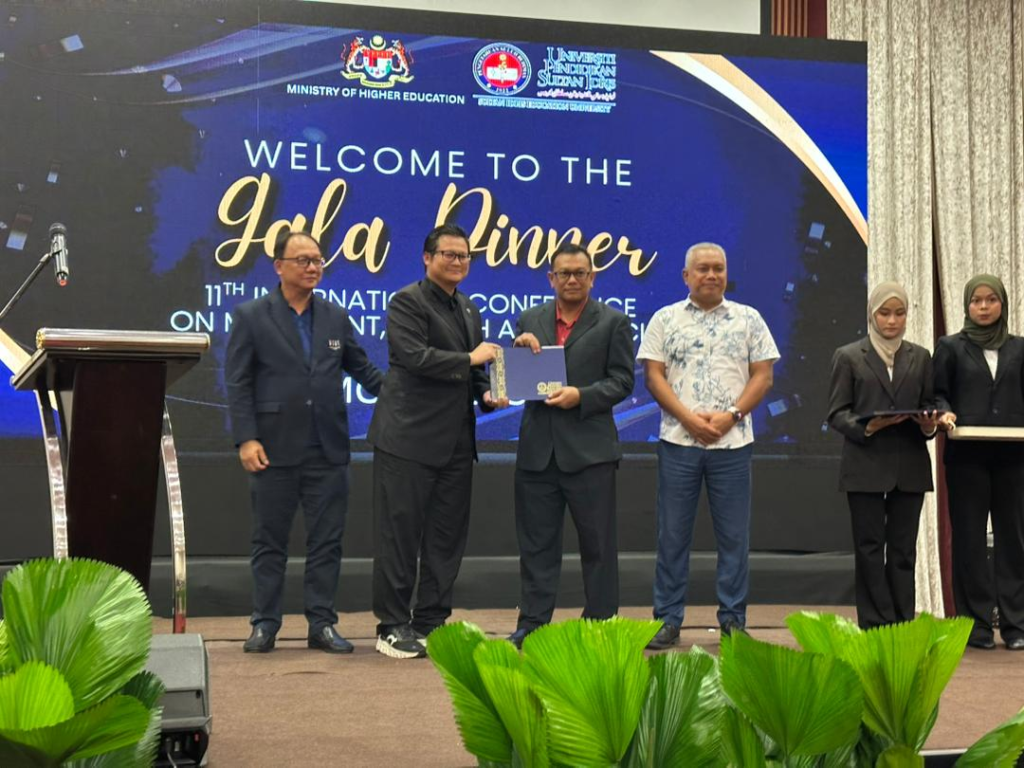
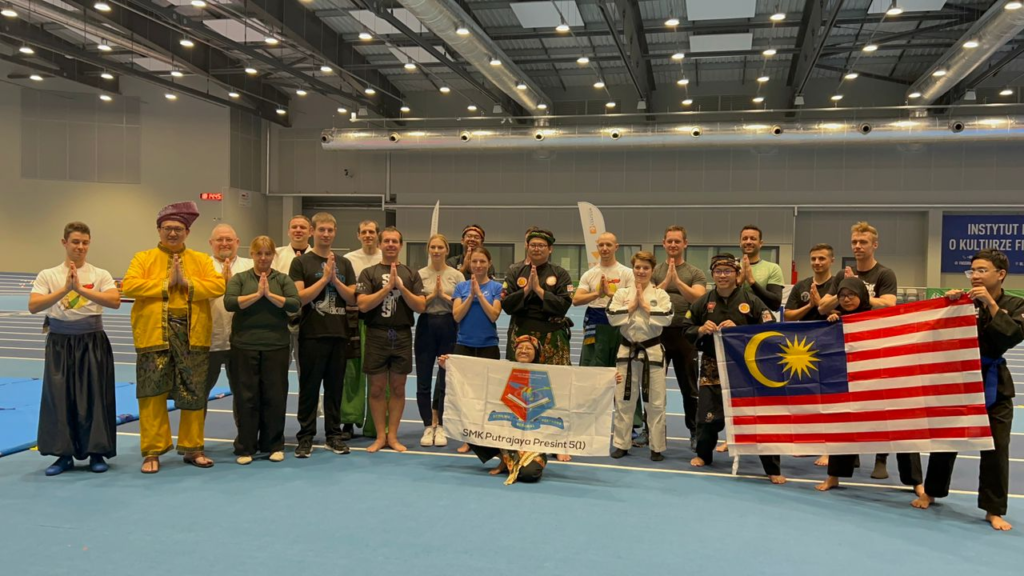
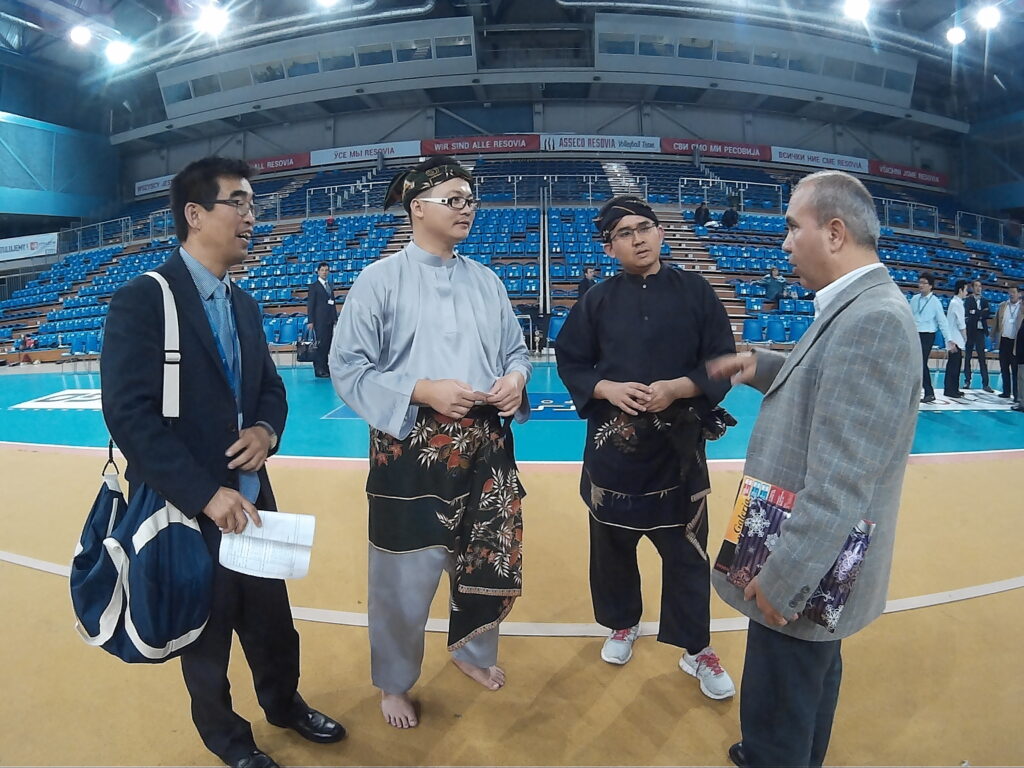
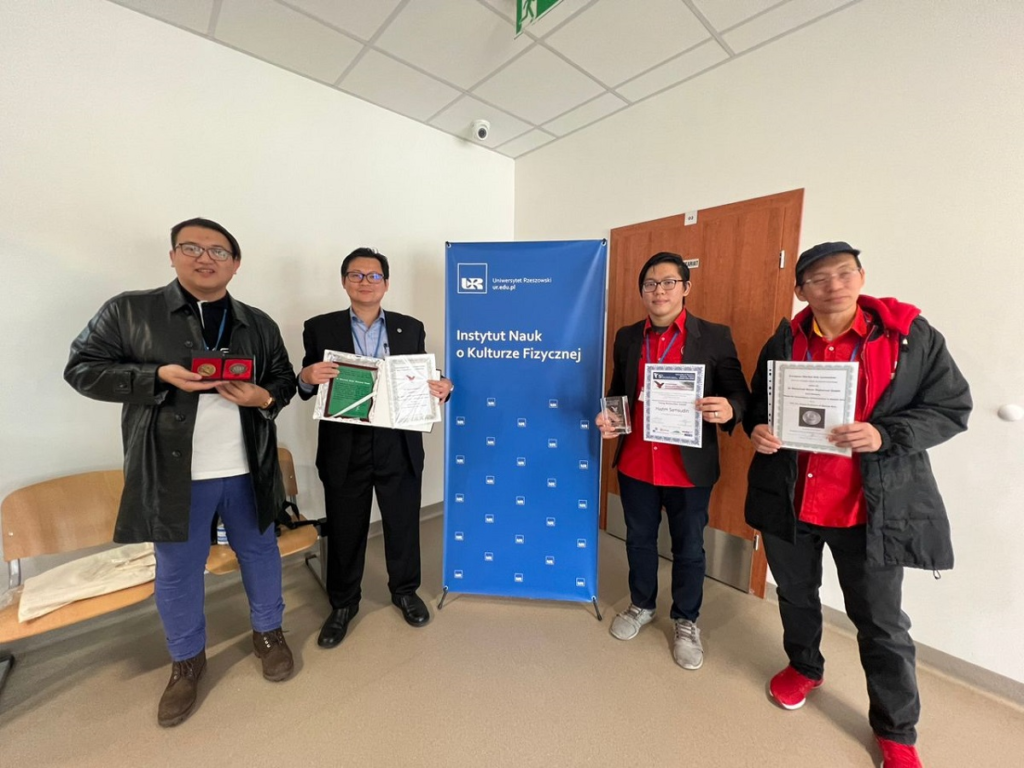
This transformation is supported by collaborations with international bodies like the World Silat Federation and UNESCO ICM, as well as academic conferences and publications. AIRBORNE’s work shows that Silat can stand alongside other global martial arts like Taekwondo and Karate—not just in tradition, but in science and sport (Shapie et al., 2024).
Conclusion: Tradition Meets Technology
Silat is changing—and AIRBORNE UiTM is leading the way. By combining tradition with science, AIRBORNE is helping Silat grow into a sport that is not only culturally rich but also scientifically sound.
For students, athletes, and coaches, this means better training, safer practice, and more opportunities. For Malaysia, it means showcasing Silat as a national treasure that’s ready for the world.
And for the rest of us, it’s a reminder that even the most ancient traditions can evolve—with the right knowledge, the right people, and the right purpose.
References (APA Style)
Parnabas, V. A., Abdullah, N. M., Shapie, M. N. M., Rahim, M. R., Parnabas, J., & Parnabas, A. M. (2023). E-learning motivation among student-athletes of Universiti Teknologi MARA (UiTM), Malaysia. Malaysian Journal of Sport Science and Recreation, 17(1), 20–34.
Shapie, M. N. M., Samsudin, H., Mohd Nazri, S., Indrayuda, I., et al. (2023). Seni Silat Malaysia curriculum: The arts of Silat combat in Tempur Seni. Research Journal of Budo, 56(Supplement), S76–S77. https://doi.org/10.11214/budo.56.S_76
Shapie, M. N. M., Wahidah, T., Kusrin, J., Elias, M. S., & Abdullah, N. M. (2019). Silat Tempur: An overview of the children’s combat sports. Ido Movement for Culture. Journal of Martial Arts Anthropology, 19(1s), 55–61.
Shapie, M. N. M., Samsudin, H., Abdullah, N. M., Rahim, M. R. A., Ihsan, N., Nawai, N. S. N., & Padli. (2024). Tradition to academia: The transformation of Silat education (2014–2024). In N. Ruslan, A. Zid, R. Radeeuddin, & M. N. Fariduddin (Eds.), The 10th ASEAN Council of Physical Education and Sport (ACPES) International Conference 2024 (pp. 478–482). UiTM Malaysia.