by
Assoc. Prof. Dr. Mohamad Nizam Mohamed Shapie
Leader, Combat Sports & Martial Arts Research Network (AIRBORNE)
Faculty of Sports Science & Recreation,
Universiti Teknologi MARA (UiTM)
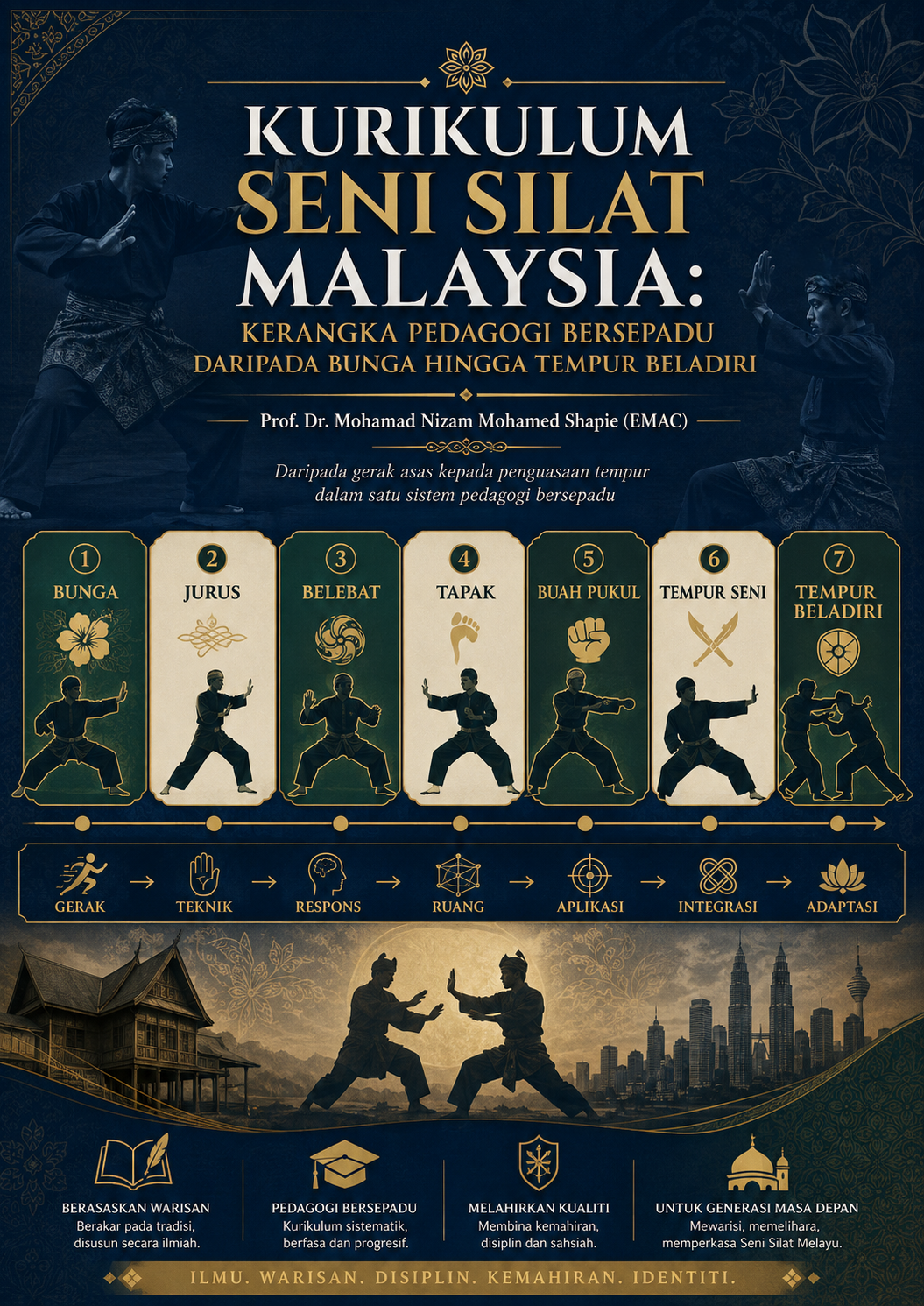
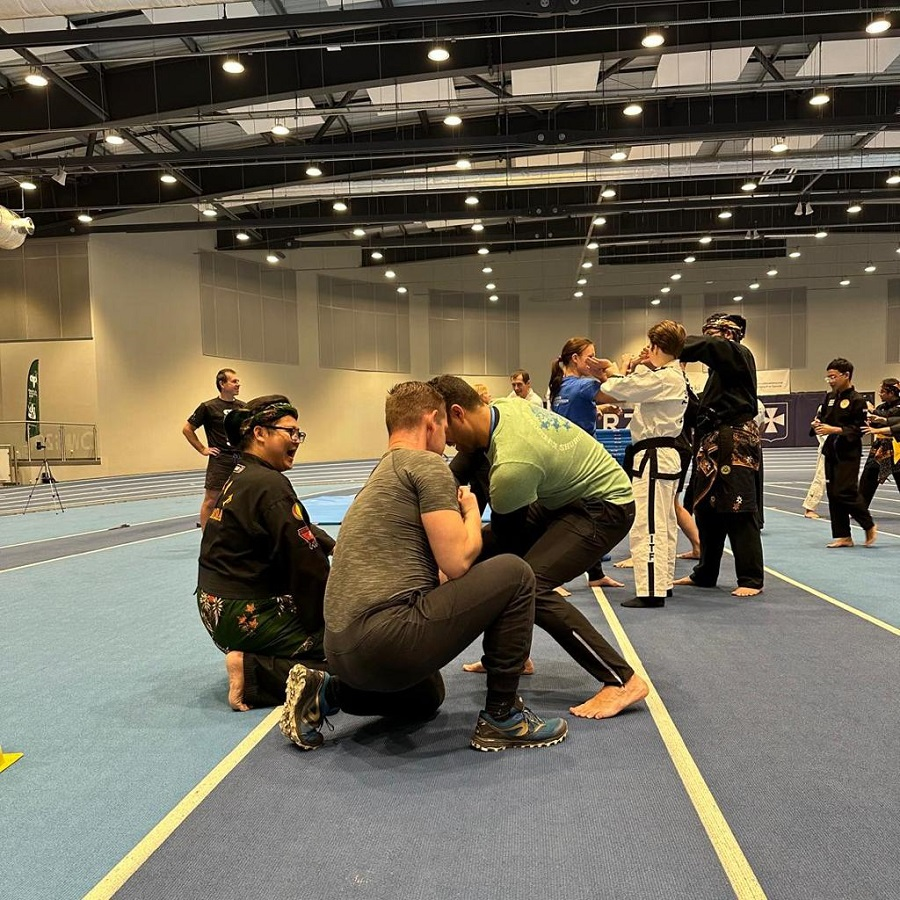
Silat, the traditional martial art of the Malay world, has long been revered not only for its combative techniques but also for its philosophical depth and cultural significance. Historically taught orally in secluded bangsal (training huts), Silat was passed from guru to student through lived experience, rituals, and storytelling. Today, this ancient wisdom has been transformed into a structured educational framework, thanks to the efforts of The Malaysian Organization of Authentic Malay Silat Arts (PASSMAL).
From Oral Tradition to Curriculum
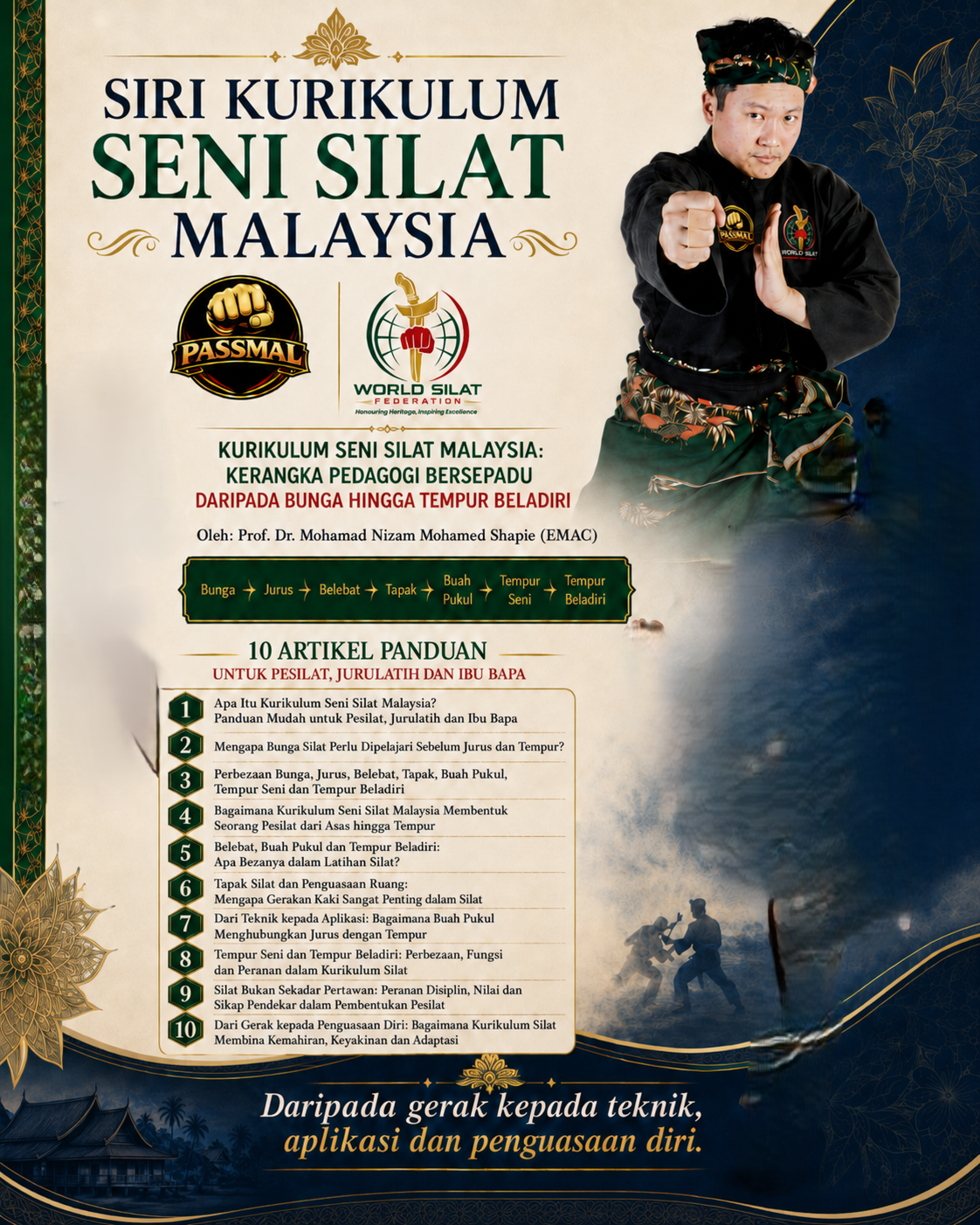
The transition from oral transmission to formal curriculum marks a pivotal moment in the history of Silat. While the traditional method preserved the intimacy and sacredness of the guru-student relationship, it also posed challenges in terms of accessibility, consistency, and scalability. Recognizing the need to preserve Silat’s authenticity while adapting to modern educational standards, PASSMAL undertook the monumental task of codifying Silat into a structured curriculum.
This effort culminated in the publication of the Manual Kejurulatihan Seni Silat Malaysia Tahap 1 & 2, which outlines the national and international standards for Silat instruction (Shapie & Ramli, 2025a;b). These manuals provide clear guidelines on pedagogy, technique, ethics, and cultural context, ensuring that Silat can be taught effectively in schools, universities, and global platforms.
Holistic Modules for Holistic Development
The educational framework developed by PASSMAL is distinguished by its holistic approach. It goes beyond physical training to include modules on:
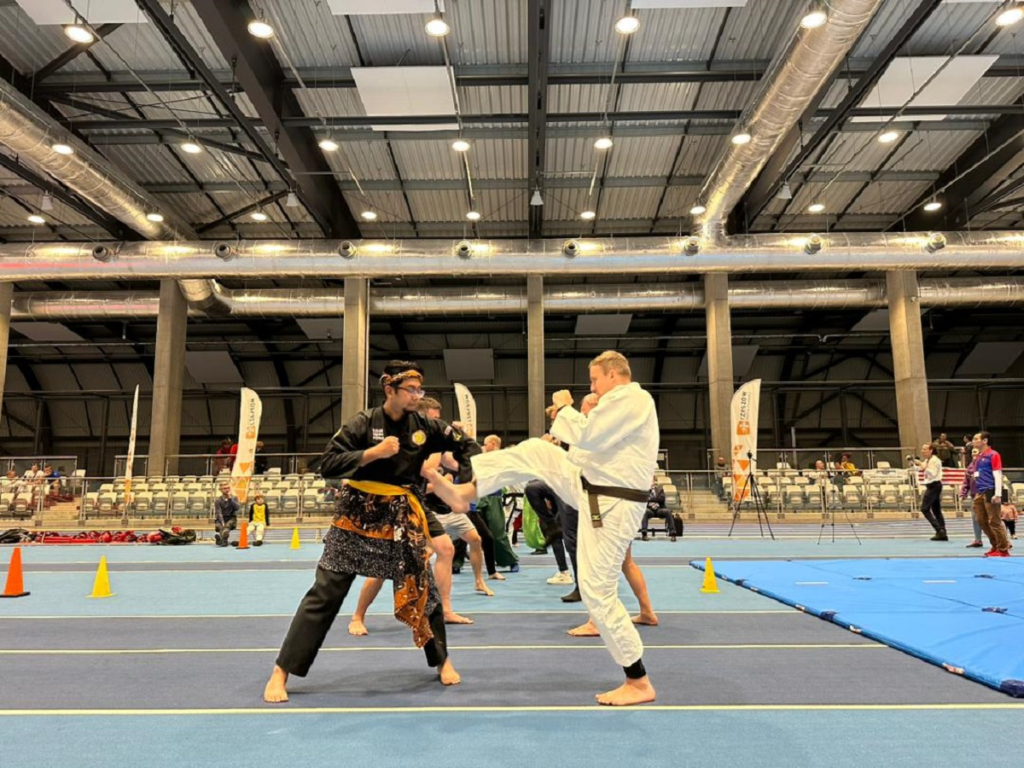
- Technique and Movement: Detailed breakdowns of strikes, blocks, stances, and footwork.
- Philosophy and Ethics: Teachings on adab, humility, respect, and spiritual discipline.
- History and Heritage: Exploration of Silat’s origins, evolution, and role in Malay civilization.
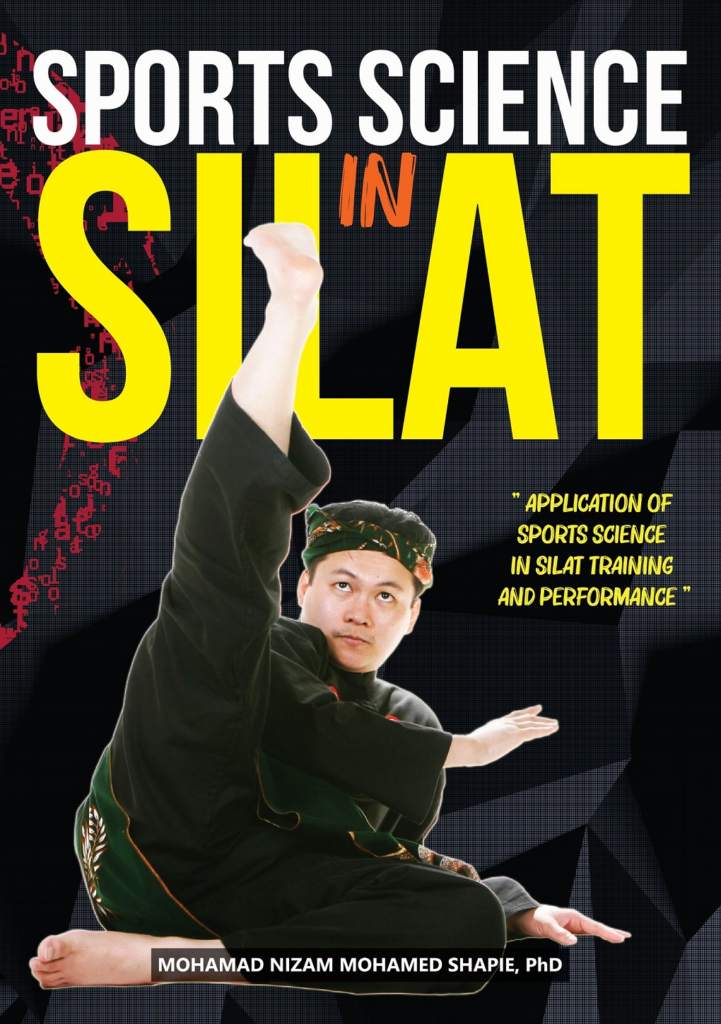
- Sports Science Integration: Application of biomechanics, physiology, and psychology to optimize performance (Shapie, 2020).
This comprehensive structure ensures that students receive a well-rounded education, one that nurtures the body, mind, and spirit. It also aligns with contemporary educational goals, making Silat a viable subject for formal learning environments.
Academicisation and Research Integration
The academicisation of Silat has been a key driver in its elevation from traditional practice to scholarly discipline. Over the past decade, researchers have produced a wealth of studies examining Silat’s impact on physical fitness, psychological development, and pedagogical innovation. For instance, Shapie et al. (2024) documented the transformation of Silat education from 2014 to 2024, highlighting its integration into university curricula and international conferences.
Moreover, Silat has been the subject of numerous peer-reviewed journal articles. Studies such as those by Rahim et al. (2022) and Aziz et al. (2023) have analyzed the effects of Silat training on youth athletes, demonstrating improvements in psychological profiles, performance metrics, and leadership skills. These findings validate the educational framework and support its continued refinement.
Global Recognition and Collaboration
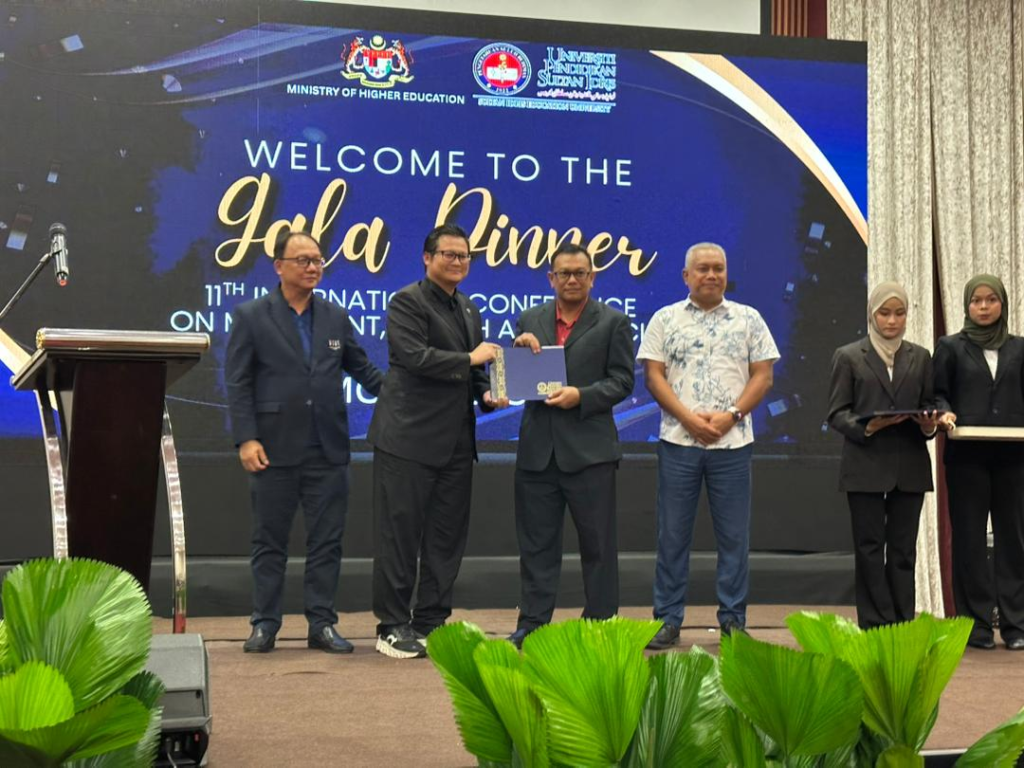
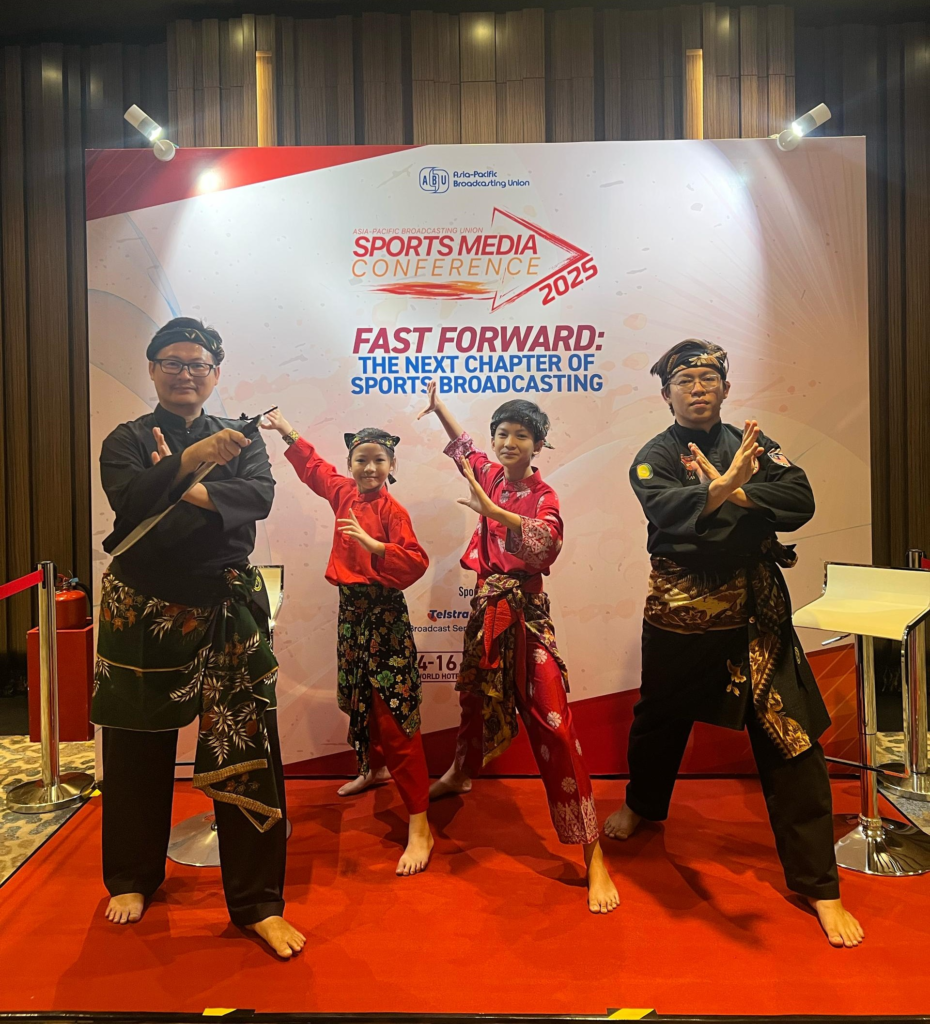
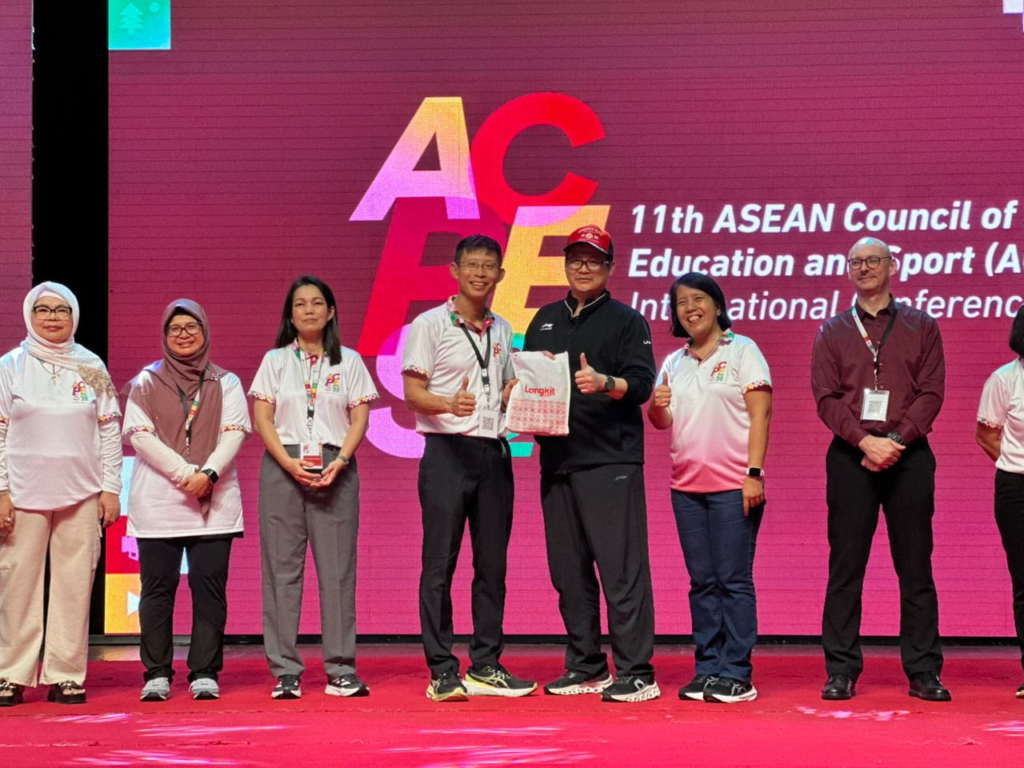
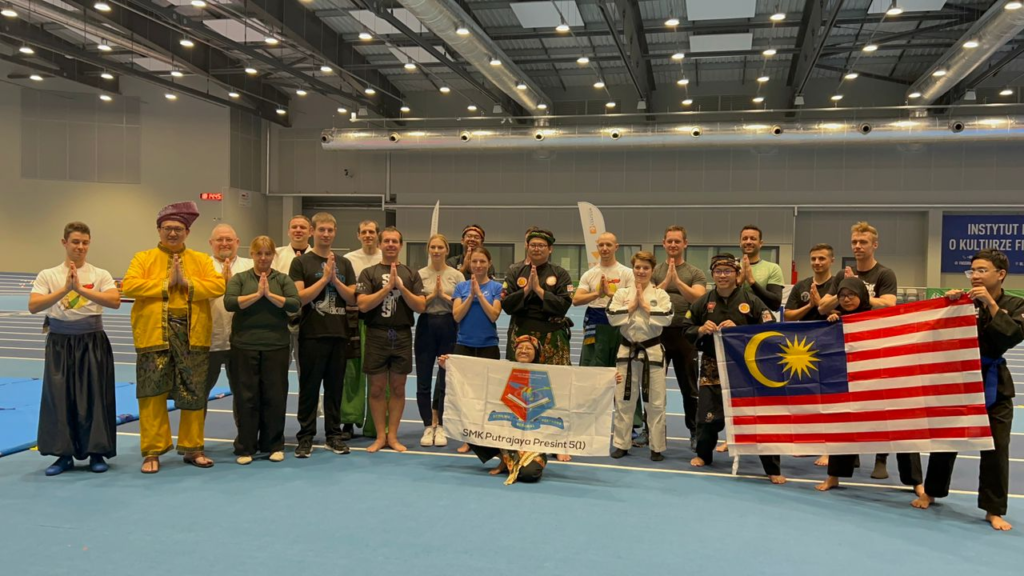
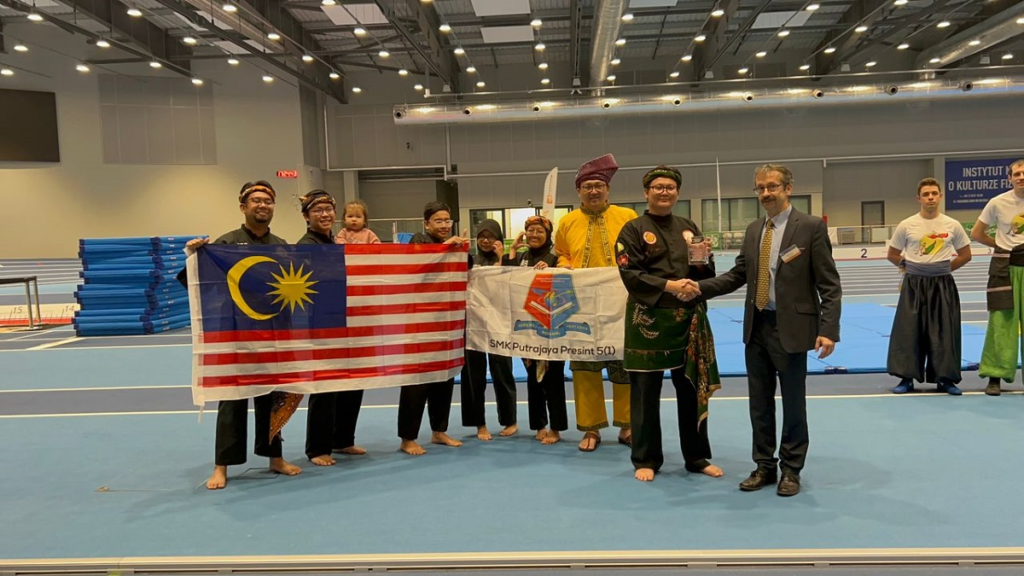
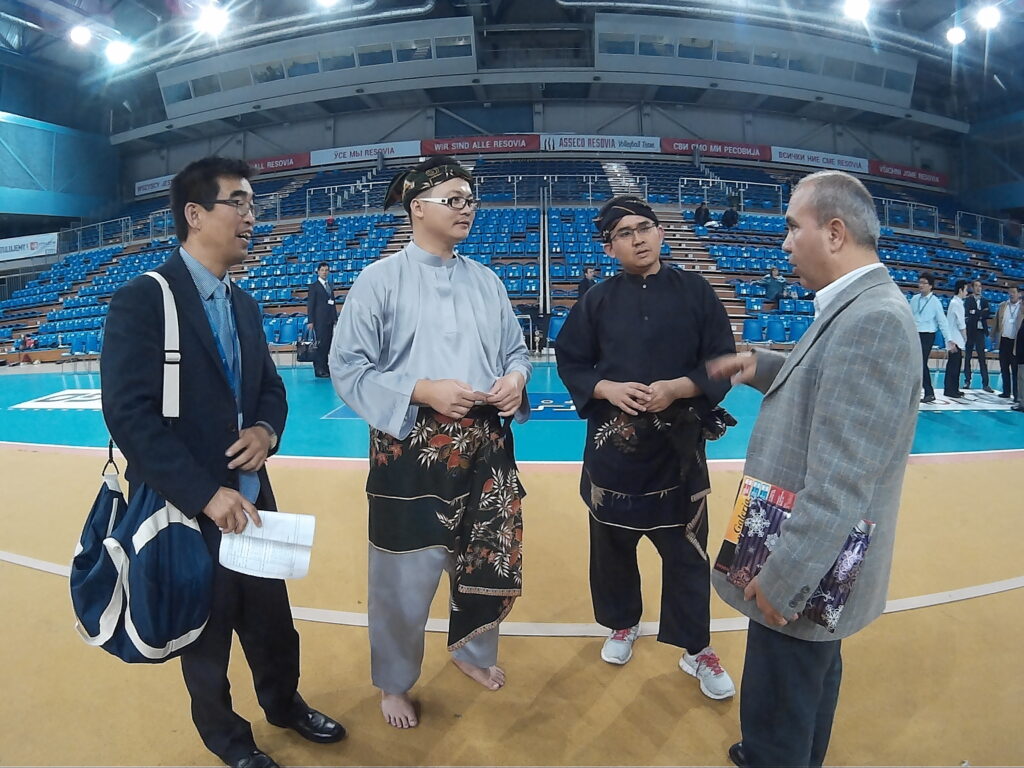
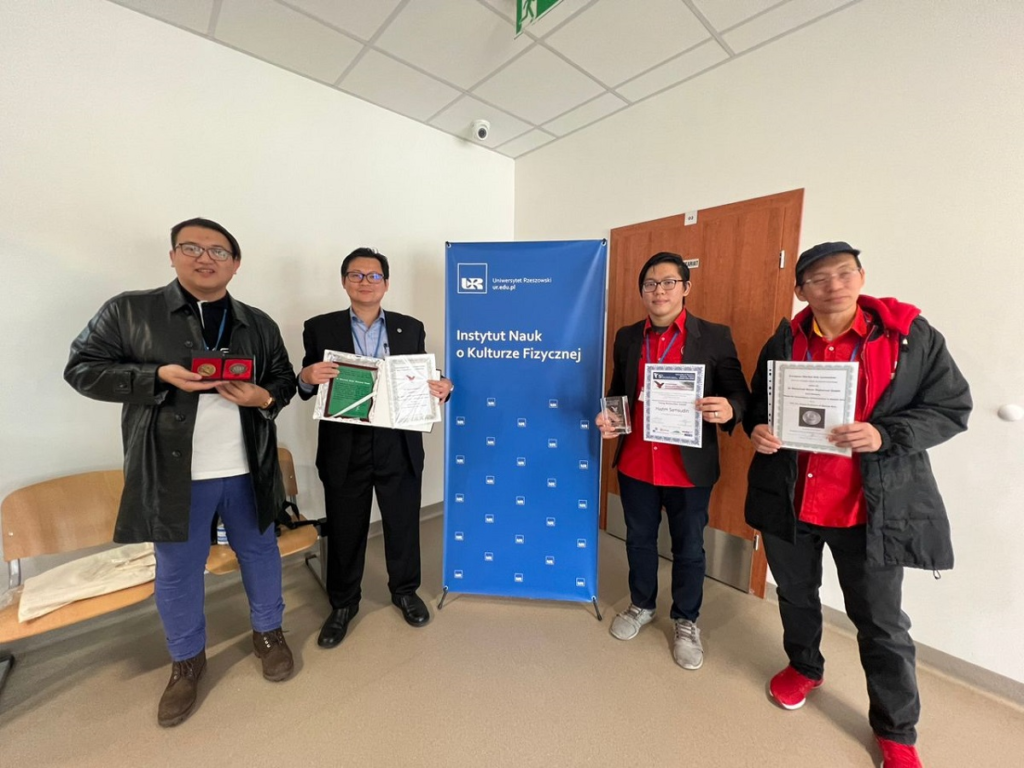
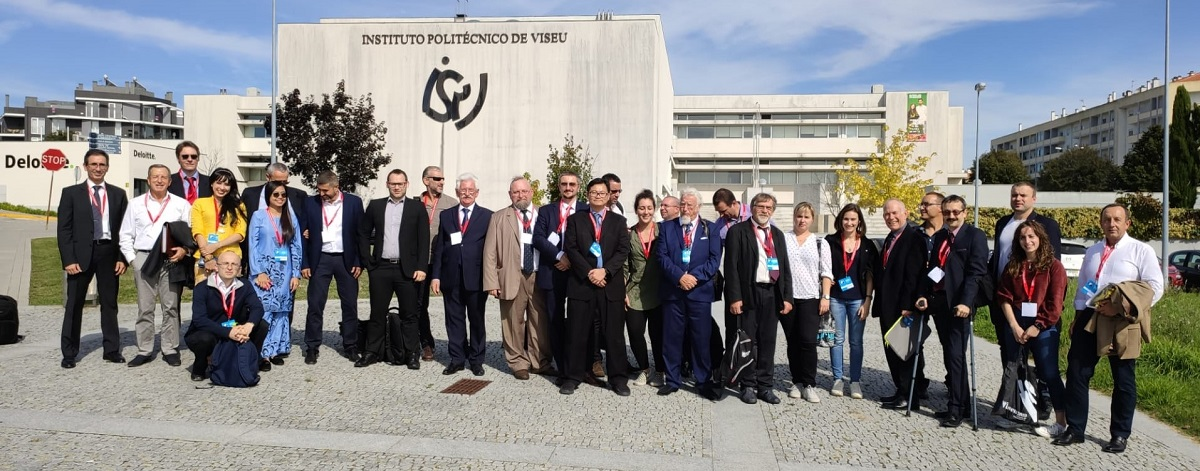
PASSMAL’s collaboration with the World Silat Federation (WSF) has been instrumental in gaining international recognition for its curriculum. Through joint initiatives, Silat has been showcased at global events such as the IMACSSS International Congress and the ACPES Conference, where it is celebrated not only as a martial art but as a model for cultural education and diplomacy (Shapie et al., 2023).
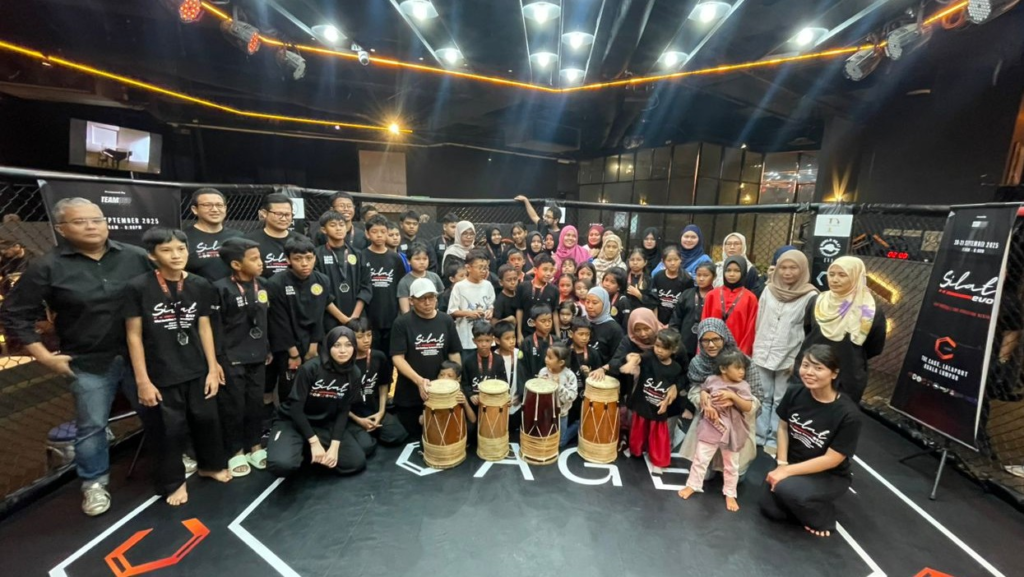
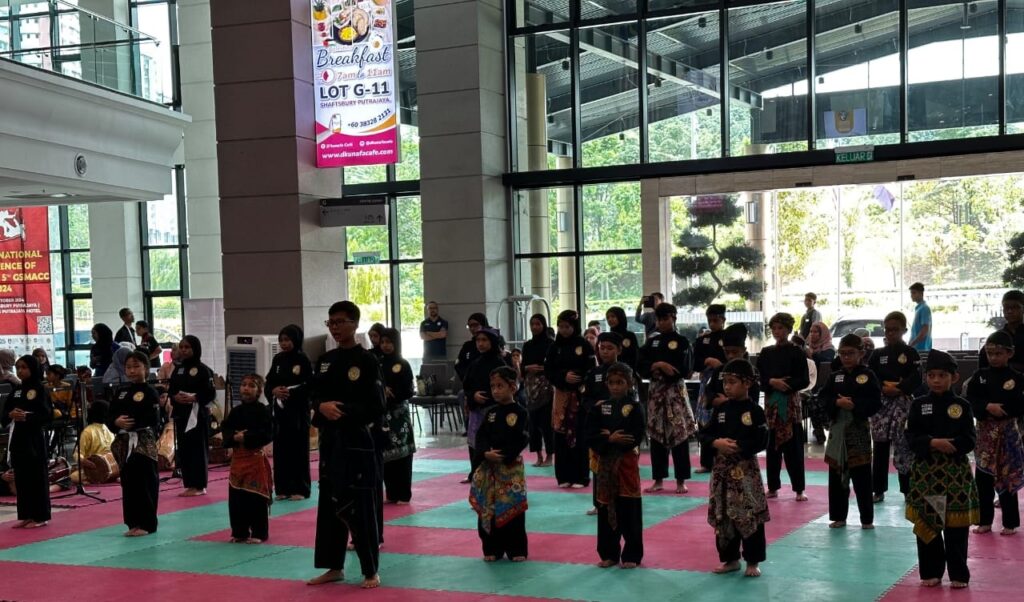
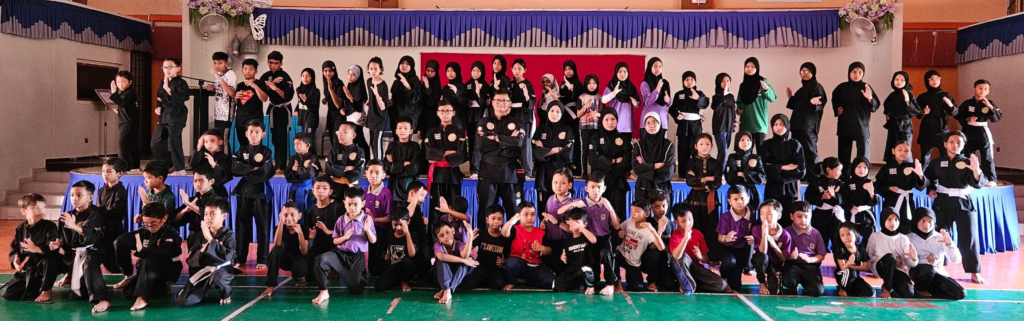
The structured curriculum has enabled Silat to be taught in diverse settings—from primary schools to universities, from community centers to international workshops. This scalability ensures that Silat remains relevant and accessible, reaching new generations of practitioners across borders.
Preserving Indigenous Knowledge Through Pedagogy
The success of PASSMAL’s educational framework lies in its ability to preserve indigenous knowledge while adapting it to modern pedagogical standards. By documenting traditional practices, rituals, and philosophies, PASSMAL has created a repository of Silat wisdom that can be studied, taught, and shared globally.
This approach aligns with UNESCO’s goals of safeguarding intangible cultural heritage. Silat, once confined to village arenas and oral transmission, is now part of academic discourse, cultural diplomacy, and youth development programs. It serves as a case study for how indigenous knowledge systems can be elevated through thoughtful curriculum design and institutional support (Shapie, 2022).
Empowering Educators and Coaches
The framework also empowers educators and coaches by providing them with standardized tools and resources. The manuals include lesson plans, assessment rubrics, and coaching strategies tailored to different age groups and skill levels. This professionalization of Silat instruction enhances its credibility and ensures quality control across institutions.
Furthermore, the curriculum incorporates sports science principles, enabling coaches to apply evidence-based methods in training. Studies on biomechanics, plyometric conditioning, and performance analysis have been integrated into the framework, bridging traditional wisdom with modern science (Al-Syurgawi & Shapie, 2019).
Silat in Schools and Universities
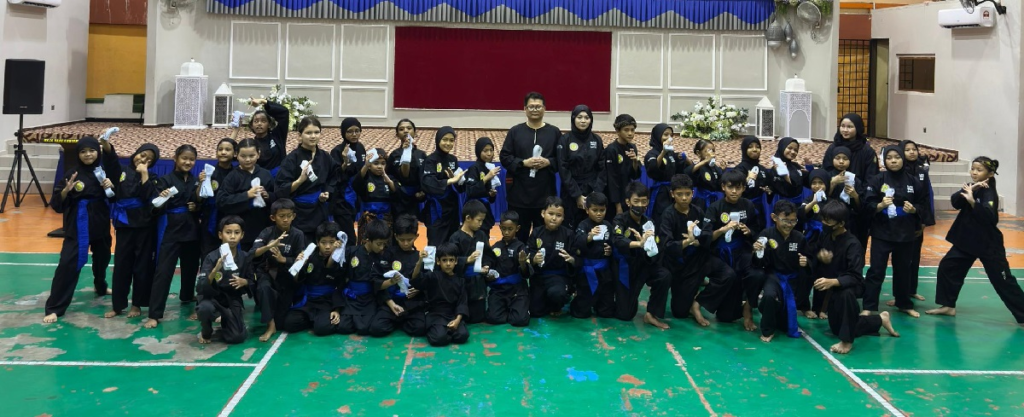
The inclusion of Silat in formal education has had a transformative impact. In schools, Silat is used to promote discipline, cultural awareness, and physical fitness. In universities, it is studied as part of sports science, anthropology, and cultural studies programs. This academic presence not only legitimizes Silat but also attracts research funding, international collaboration, and policy support.
The Seni Silat Malaysia Curriculum, developed by PASSMAL and PSGFM, has been recognized for its contribution to heritage and civilization (Shapie et al., 2015). It serves as a blueprint for other indigenous knowledge systems seeking integration into formal education.
A Model for Cultural Sustainability
PASSMAL’s educational framework offers a model for how traditional knowledge can be preserved, adapted, and elevated. It demonstrates that cultural heritage need not be static or nostalgic—it can evolve, thrive, and inspire. By structuring Silat into a curriculum, PASSMAL has ensured that the art remains alive, relevant, and respected.
This model has implications beyond Silat. It can be applied to other indigenous practices, from traditional medicine to performing arts, enabling communities to safeguard their heritage while engaging with the modern world.
Conclusion
The journey of Silat from secluded bangsal to global classrooms is a testament to the power of structured education. Through PASSMAL’s visionary leadership and collaboration with the World Silat Federation, Silat has become a beacon of cultural pride, educational innovation, and international recognition.
As Malaysia continues to champion its heritage, Silat stands as a symbol of resilience, wisdom, and unity. Its educational framework ensures that the next generation will not only learn to defend themselves but also to honor their roots, embody their values, and share their legacy with the world.
References
- Shapie, M.N.M., Ramli, M.S. (2025a). Manual Kejurulatihan Seni Silat Malaysia Tahap 1, Peringkat Antarabangsa, 2026–2030. ANS Diversified Sdn Bhd.
- Shapie, M.N.M., Ramli, M.S. (2025b). Manual Kejurulatihan Seni Silat Malaysia Tahap 2, Peringkat Antarabangsa, 2026–2030. ANS Diversified Sdn Bhd.
- Shapie, M.N.M., Samsudin, H., Abdullah, N.M., Rahim, M.R.A., Ihsan, N., Nawai, N.S.N., & Padli. (2024). Tradition to Academia: The Transformation of Silat Education (2014–2024). In ACPES International Conference Proceedings, UiTM Malaysia.
- Shapie, M.N.M. (2020). Sports Science in SILAT: Application of Sports Science in Silat Training and Performance. Pertubuhan Seni Gayung Fatani Malaysia.
- Al-Syurgawi, D., & Shapie, M.N.M. (2019). The Effects of A 6-Week Plyometric Training on Muscular Strength Performance in Silat Athletes. Revista de Artes Marciales Asiáticas, 14(2s), 28–30.
- Shapie, M.N.M., Elias, M.S., Ismail, S., & Hamid, N.A. (2015). Sumbangan Kurikulum Seni Silat Malaysia kepada Warisan dan Tamadun Melayu. In ICOMHAC Proceedings, Universiti Teknologi MARA.