by
Assoc. Prof. Dr. Mohamad Nizam Mohamed Shapie
Leader, Combat Sports & Martial Arts Research Network (AIRBORNE)
Faculty of Sports Science & Recreation, Universiti Teknologi MARA (UiTM)
Name of Research:
Silat Tempur League: The Analysis of Ranking Points on Silat Exponents in 2018 Competitions
Citations:
Shapie, M.N.M., Ramli, S.S.S., Nordin, R., Robi, A.A.M., Nawai, N.S., Rahim, M.R.A., Abdullah, N.M., Parnabas, V., Samsudin, H., Nor, M.A.M. (2024). In Wannaporn, S.B. (Ed.), Book of the 9th ASEAN Council of Physical Education and Sport (ACPES) International Conference 2023, (pp.337–345). Mahasarakham University, Thailand. ISBN: 978-974-19-6103-0
Purpose of the Study:
To analyze the ranking points of Silat Tempur exponents in 2018 competitions, comparing performance across gender (male/female) and age categories (children/youth), and evaluating the effectiveness of the ranking system.
Key Findings:
- Ranking System:
- Win = 50 points, Loss = 25 points, Champion = +30 points.
- <2,000 points = Junior Athlete; >10,000 points = Grandmaster.
- Participation & Performance:
- Children (mean = 184.29) scored significantly higher ranking points than youth (mean = 26.11) among male exponents (p < 0.001).
- Female youth (mean = 163.33) scored significantly higher than male youth (mean = 26.11) (p < 0.05).
- No significant difference between male and female in the children category.
- Participation Trends:
- Children participated more actively in all four 2018 competitions (Piala Aminuddin Anuar, Avengers, Champion, Final Chapter).
- Female youth exponents had higher ranking points, possibly due to more consistent participation.
Practical Implications for Silat:
1. Ranking System Optimization:
- The study validates the effectiveness of the Silat Tempur ranking system in tracking athlete progress.
- Coaches and managers should understand and utilize the ranking system to strategically plan athlete participation and maximize point accumulation.
2. Youth Engagement Strategy:
- Youth male exponents had lower participation and ranking points.
- Silat organizations should develop targeted programmes to increase youth engagement, especially among males.
3. Gender Representation:
- Female youth exponents performed better in ranking, but overall female participation was lower.
- Lack of role models and visibility may hinder female involvement.
- Silat federations should promote female athletes, provide mentorship, and increase visibility to encourage more girls to participate.
4. Curriculum Validation:
- The study confirms that the Seni Silat Malaysia curriculum is effective in preparing athletes for competition.
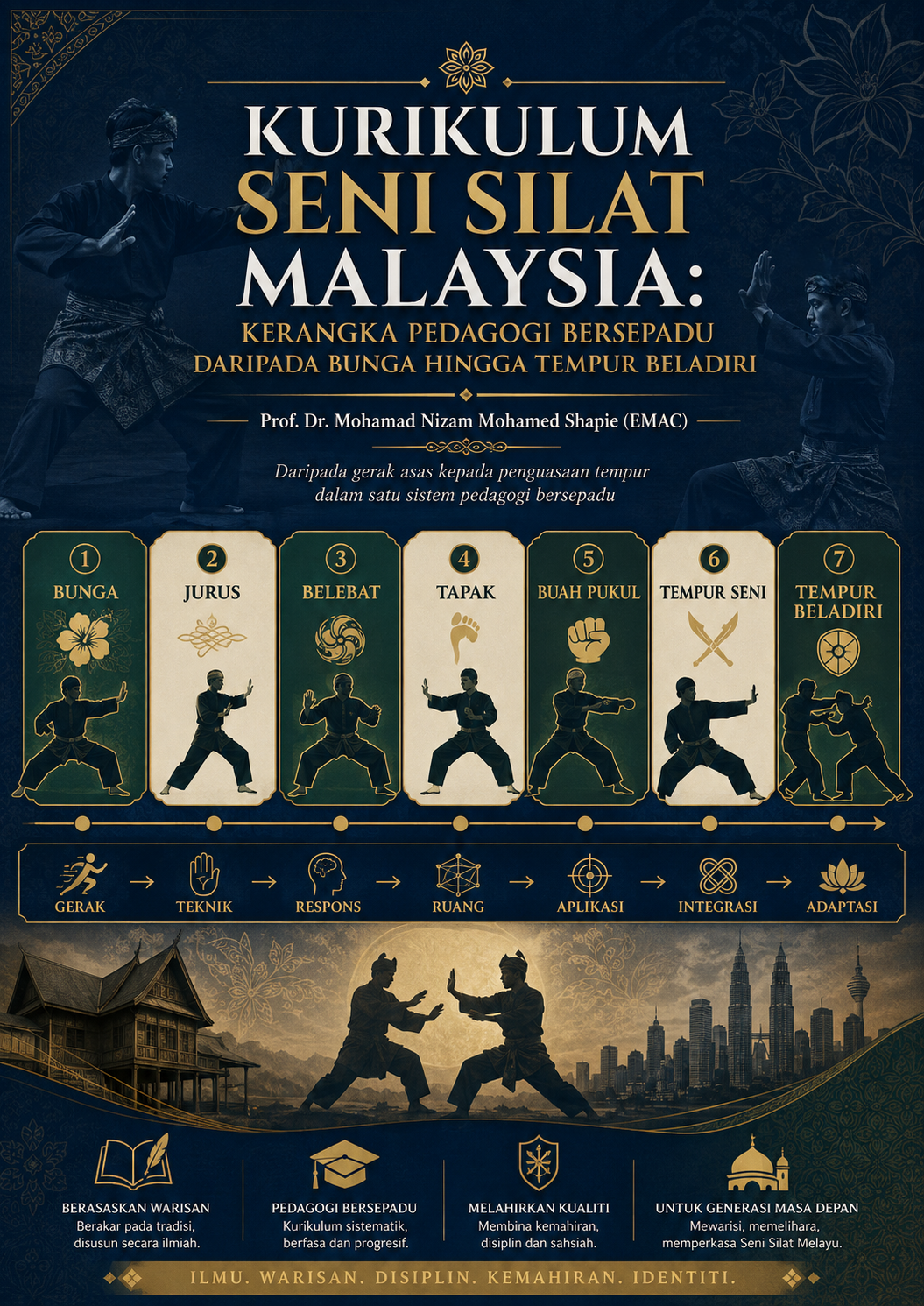
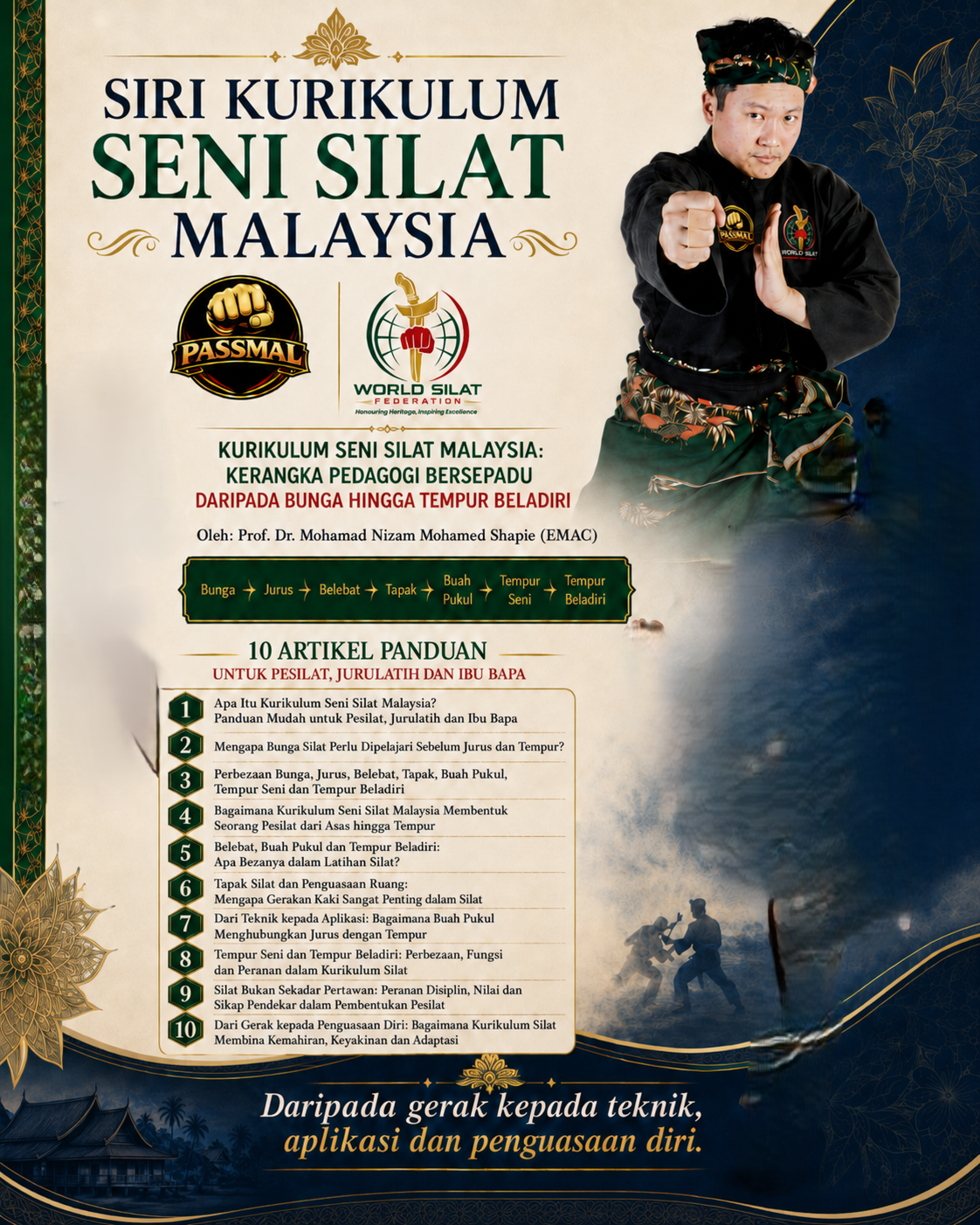
- The curriculum’s structured progression through seven belt levels and techniques (Bunga, Jurus, Belebat, Tapak, Buah Pukul, Tempur Seni, Tempur Bela Diri) supports holistic development.
5. Data-Driven Planning:
- The use of ranking data and statistical analysis provides a model for performance monitoring.
- Silat organizations can adopt similar data systems to track athlete development, evaluate training outcomes, and inform selection processes.
Tips for Application:
Athletes:
- Understand the ranking system and aim for consistent participation to accumulate points.
- Focus on mastering techniques that contribute to scoring and winning.
Parents:
- Encourage children to participate in multiple competitions to build experience and ranking.
- Support girls in Silat by connecting them with female role models and mentors.
Coaches:
- Use ranking data to identify high-potential athletes.
- Design training plans that align with competition schedules and point strategies.