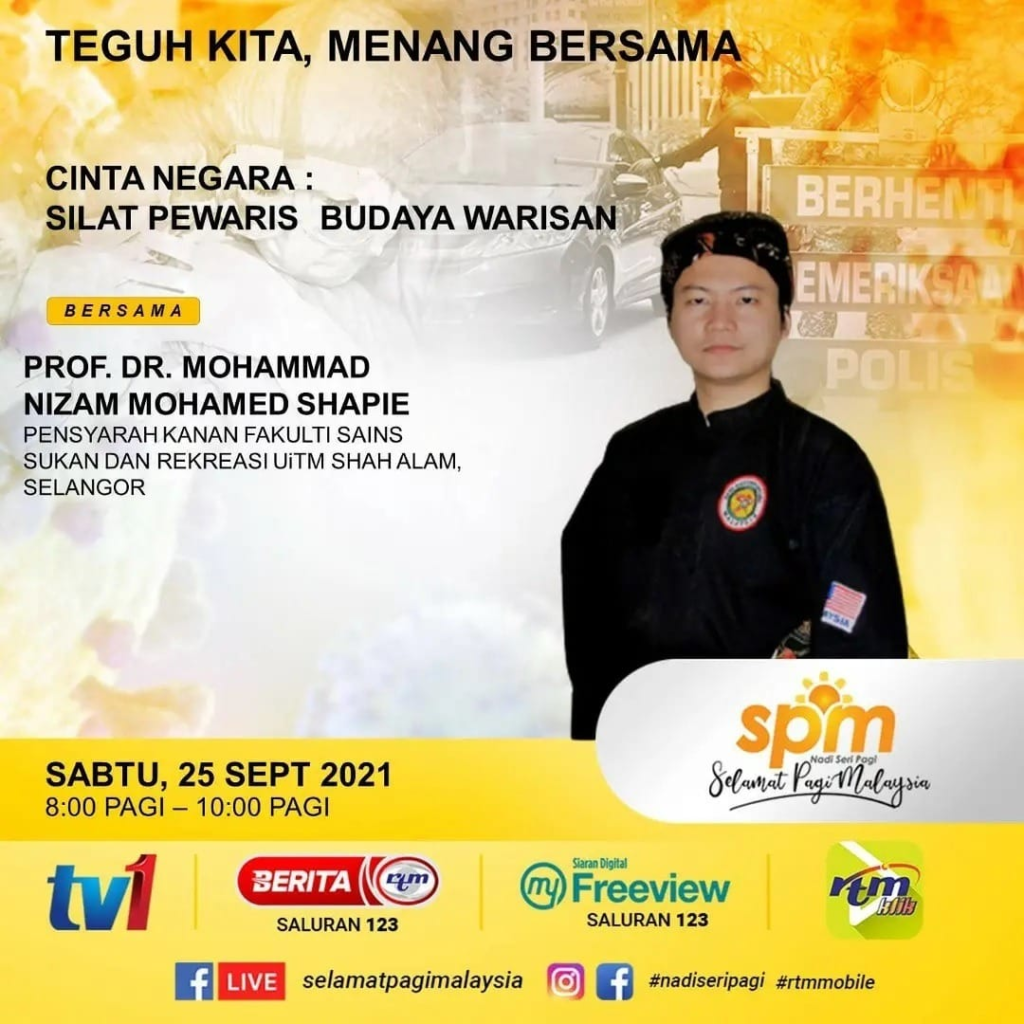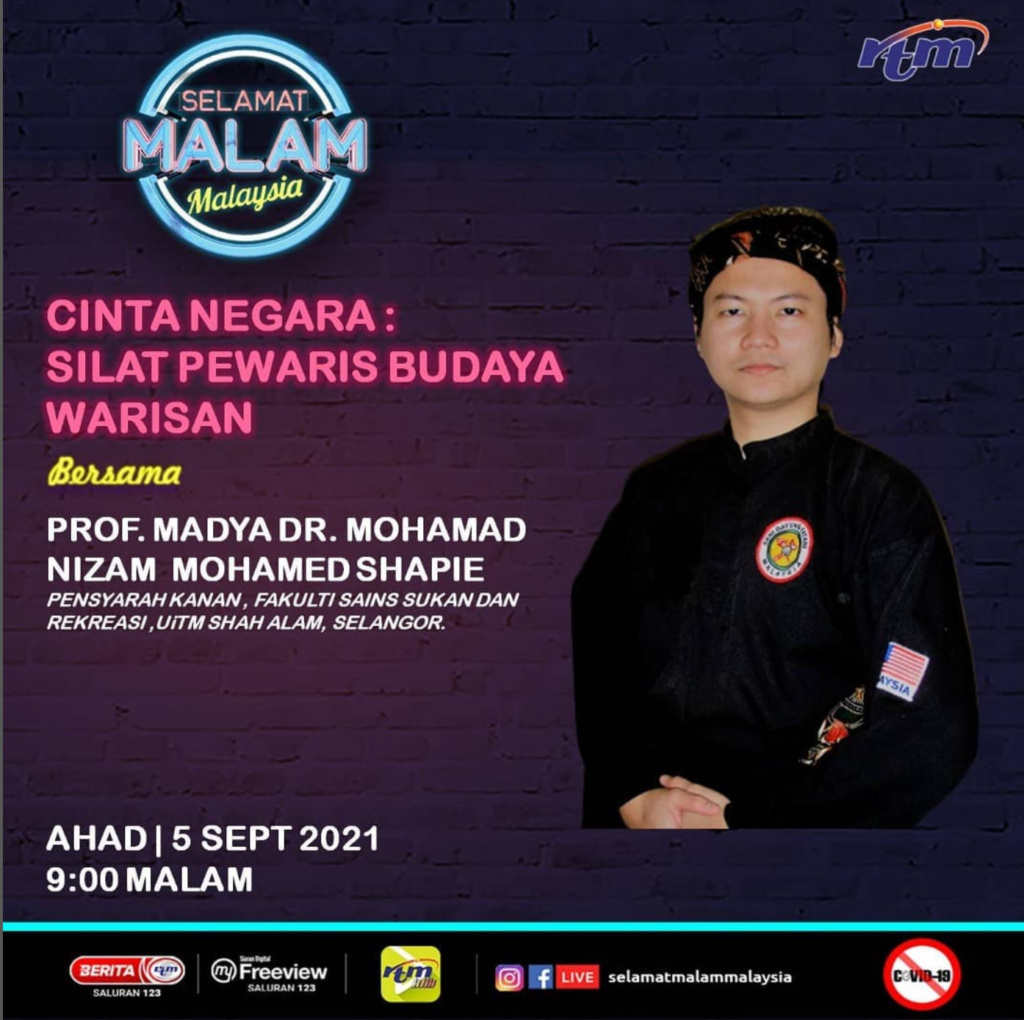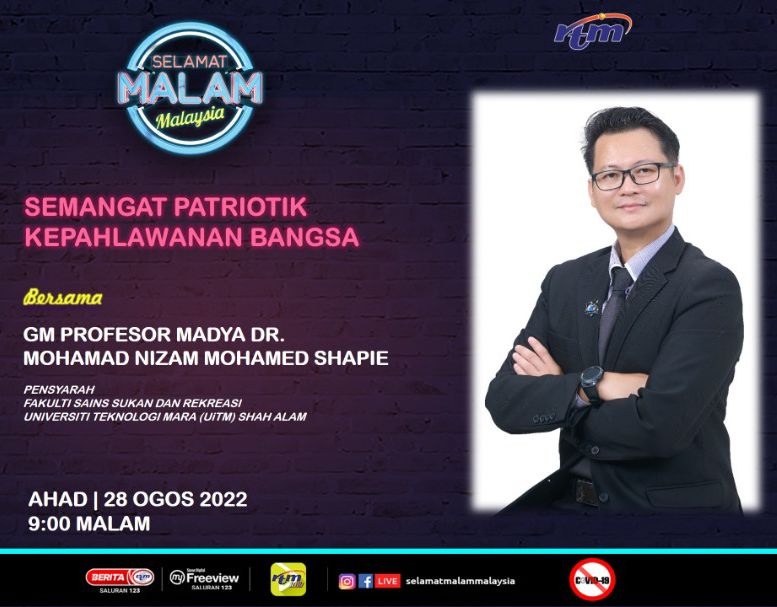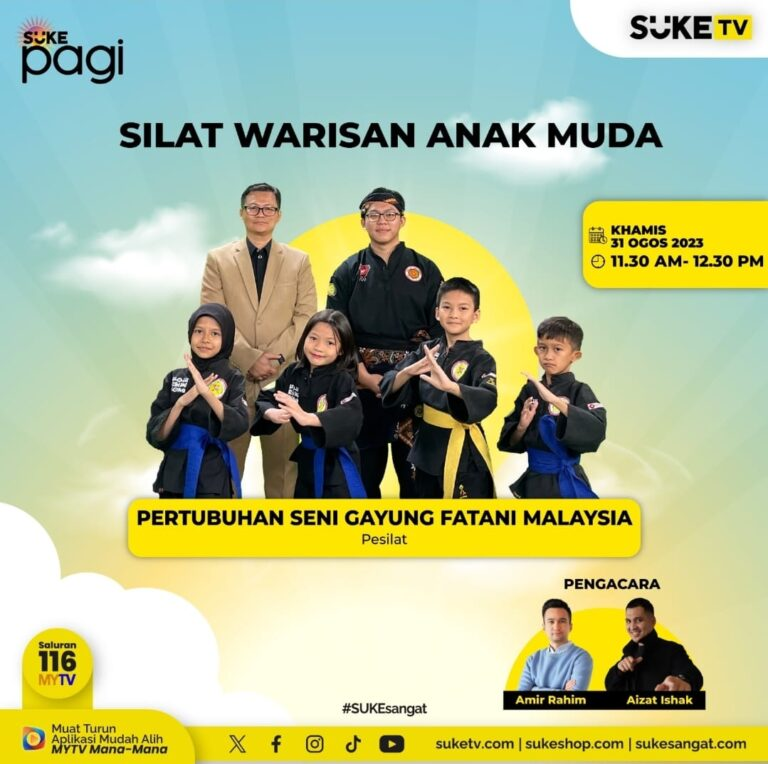
Assoc. Prof. Dr. Mohamad Nizam Mohamed Shapie
Leader, Combat Sports & Martial Arts Research Network (AIRBORNE)
Faculty of Sports Science & Recreation,
Universiti Teknologi MARA (UiTM)
Silat, the traditional martial art of the Malay world, is more than a discipline of self-defense—it is a powerful tool for community building and cultural diplomacy. Rooted in values of respect, cooperation, and shared identity, Silat brings people together across generations, backgrounds, and borders.
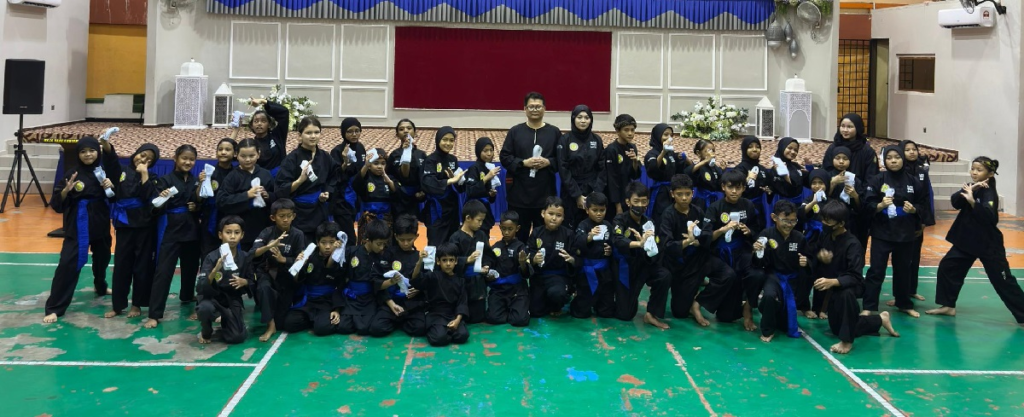
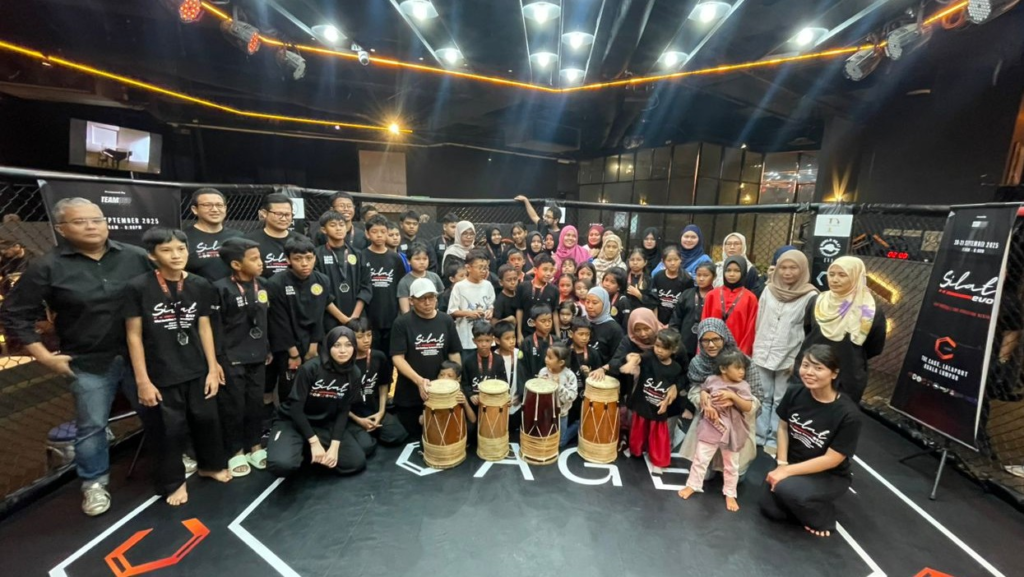
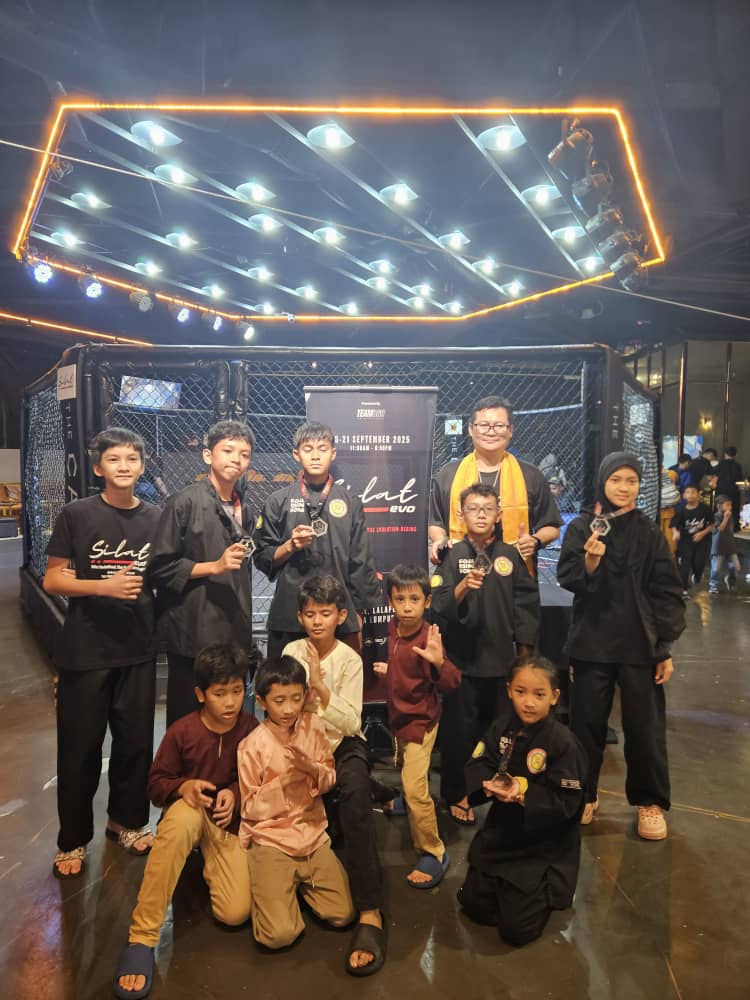
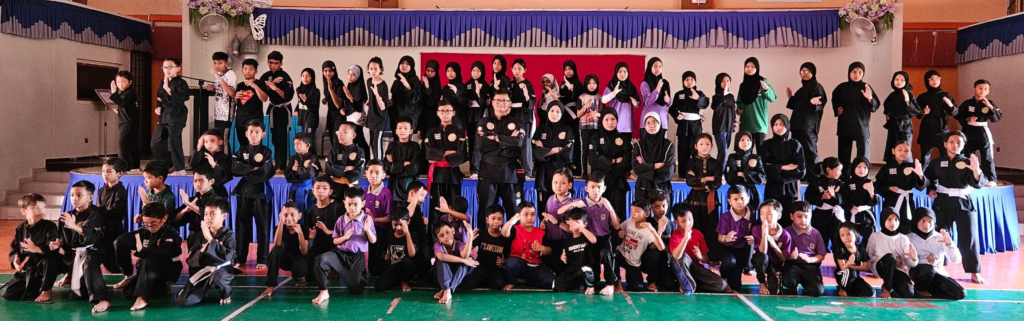
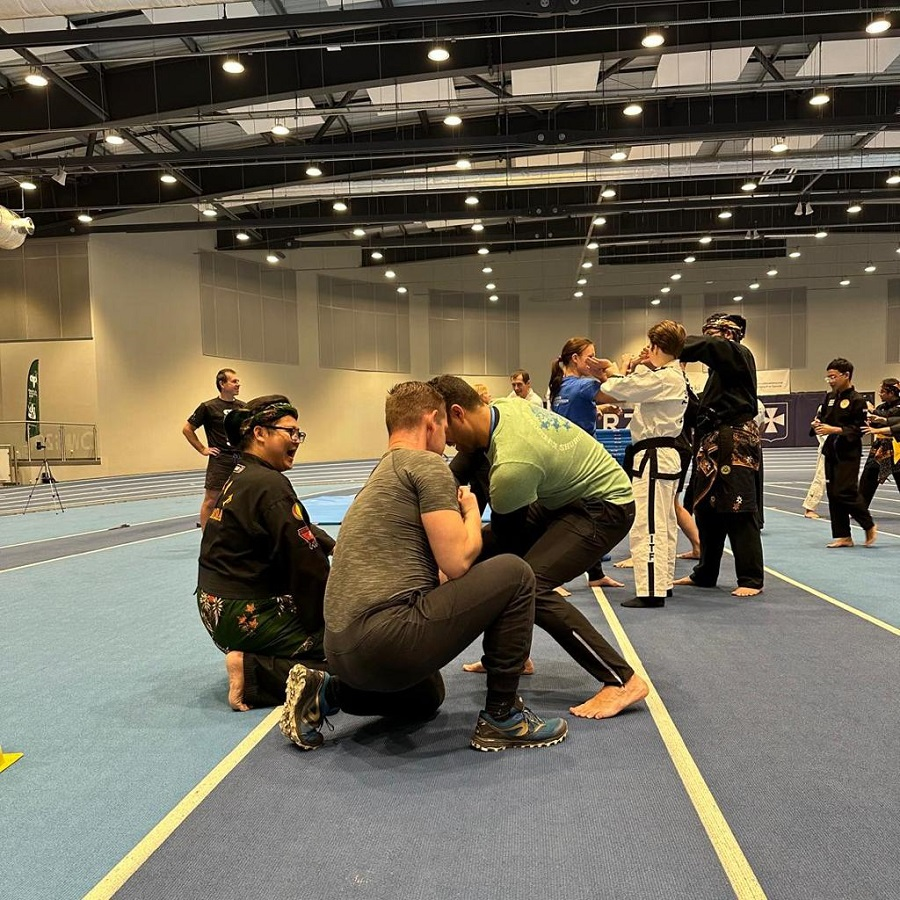
In local communities, Silat functions as a social glue. It fosters intergenerational dialogue, where elders pass down not only techniques but also life lessons and cultural values. The gelanggang silat becomes a space of learning, bonding, and mutual respect. Young practitioners learn discipline and humility, while elders find purpose in mentoring and preserving tradition. This transmission of knowledge is not limited to physical combat—it includes spiritual teachings, rituals, and philosophies that shape character and community values (Anuar, 2002; Shapie & Elias, 2015).
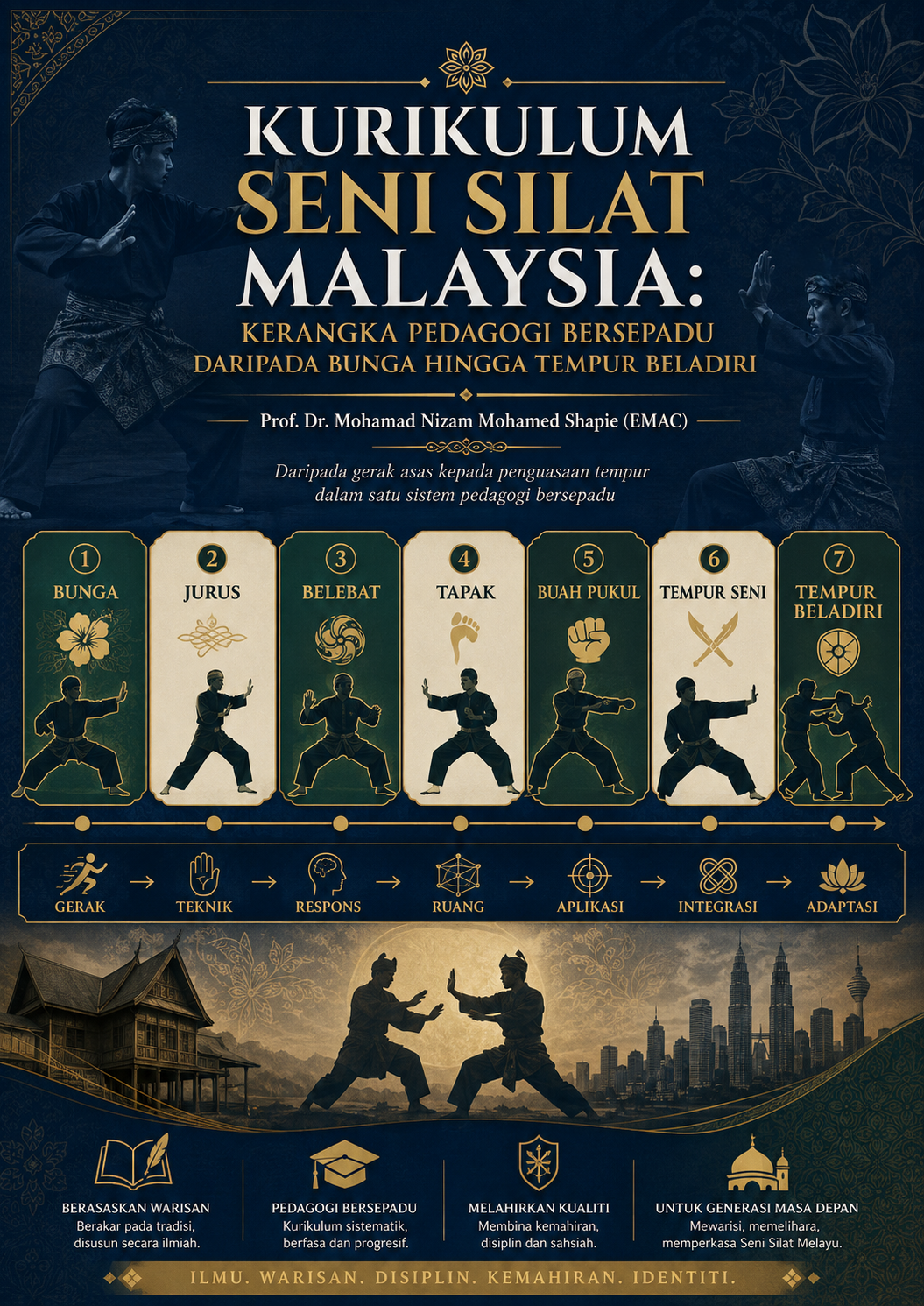
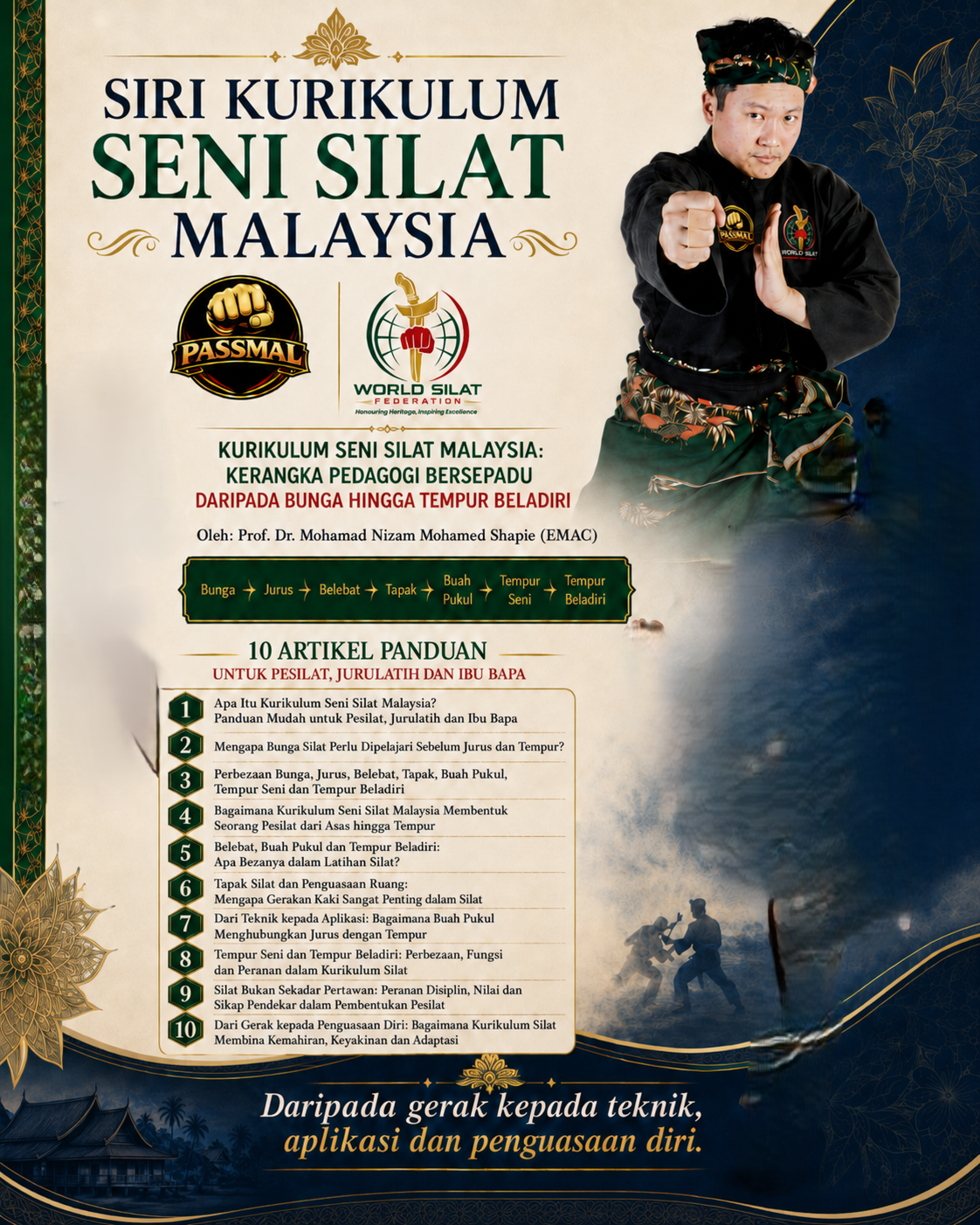
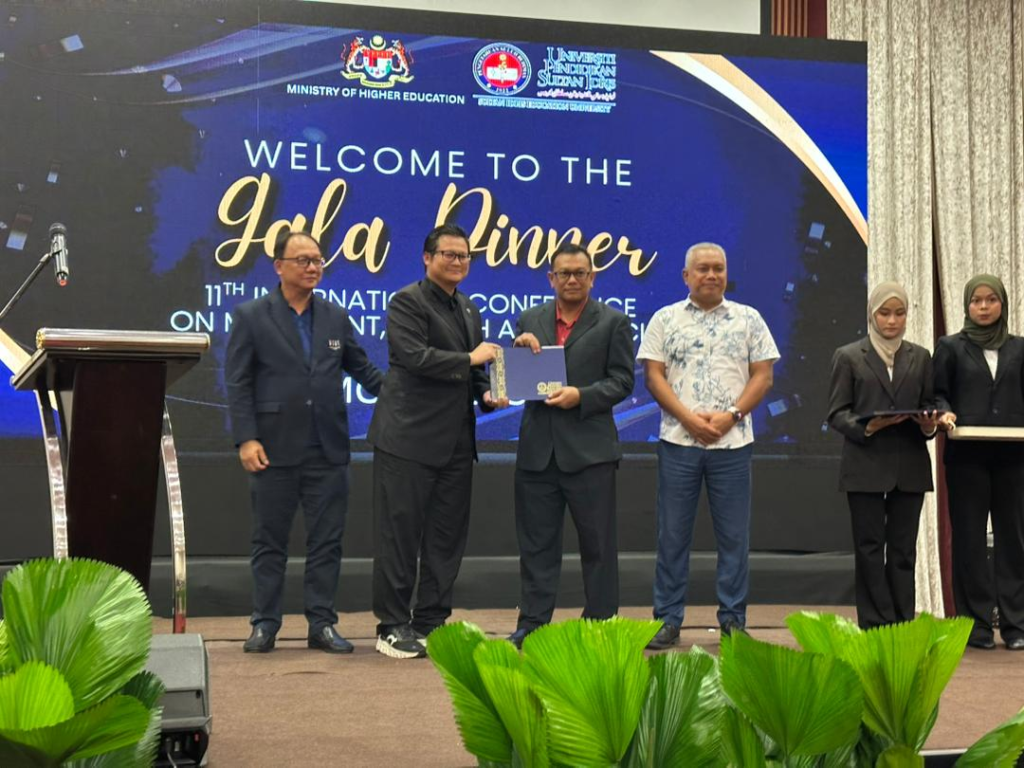
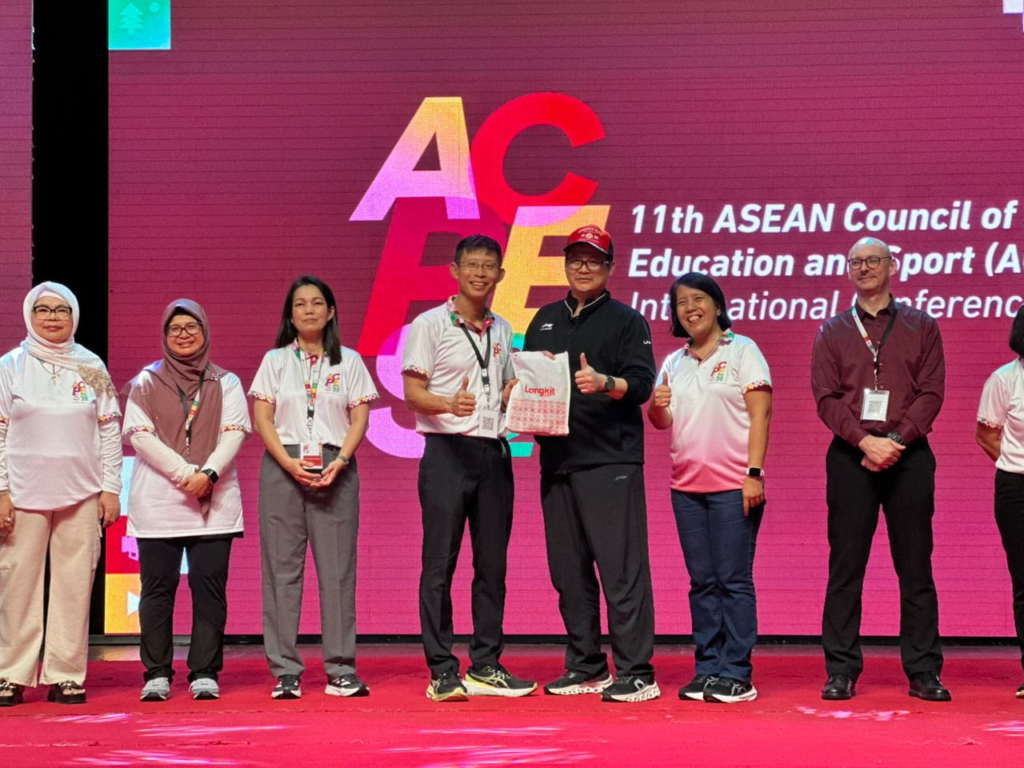
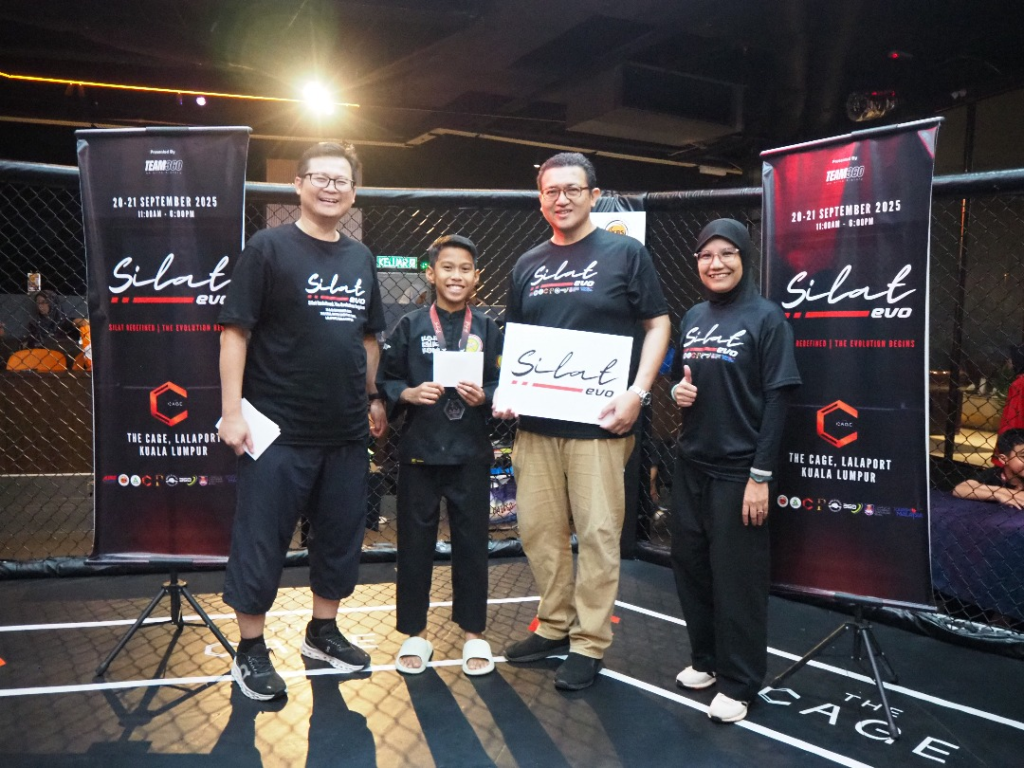
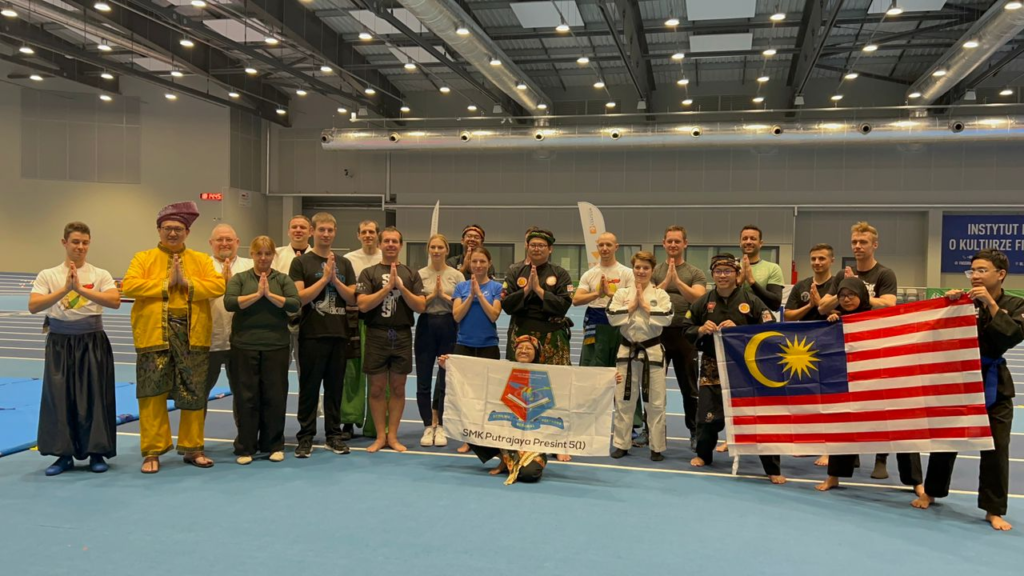
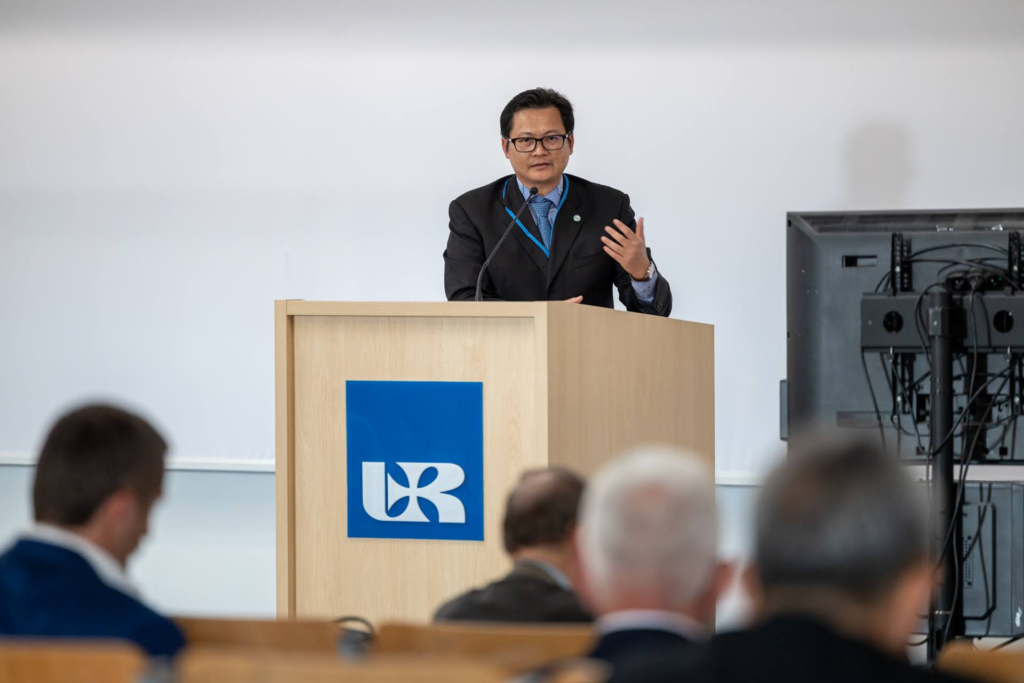
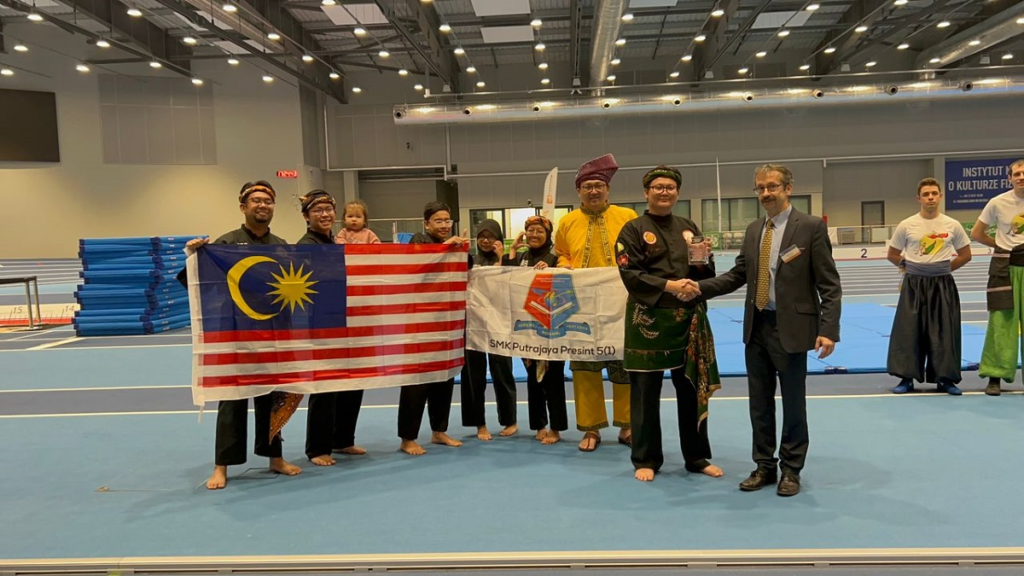
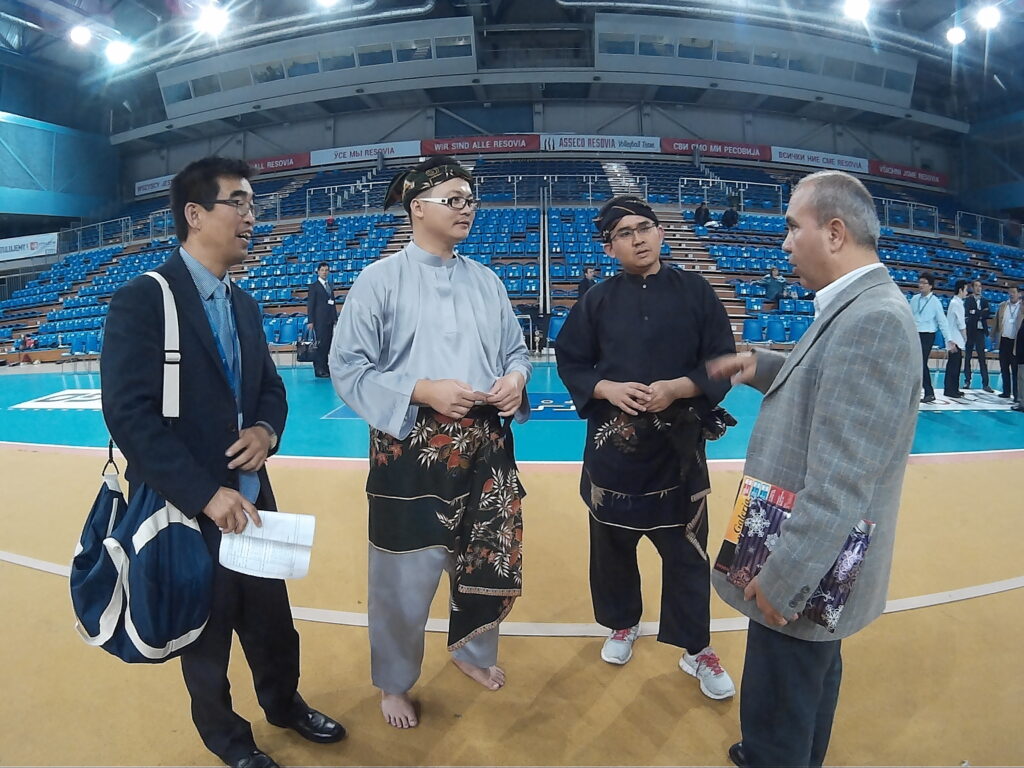
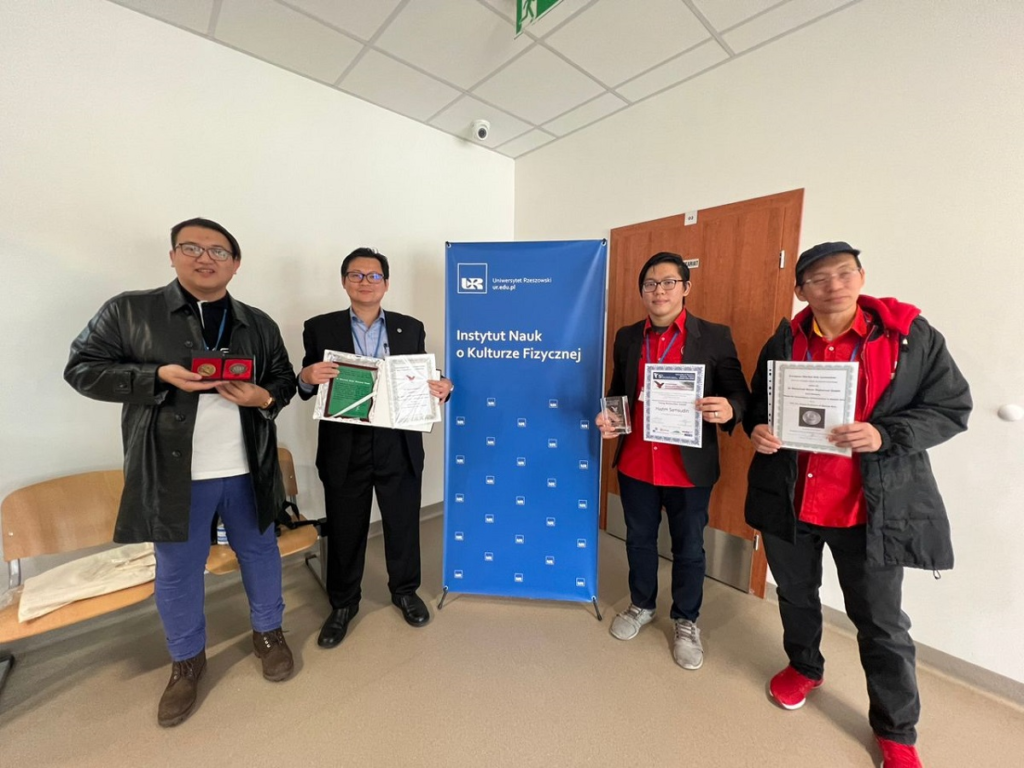
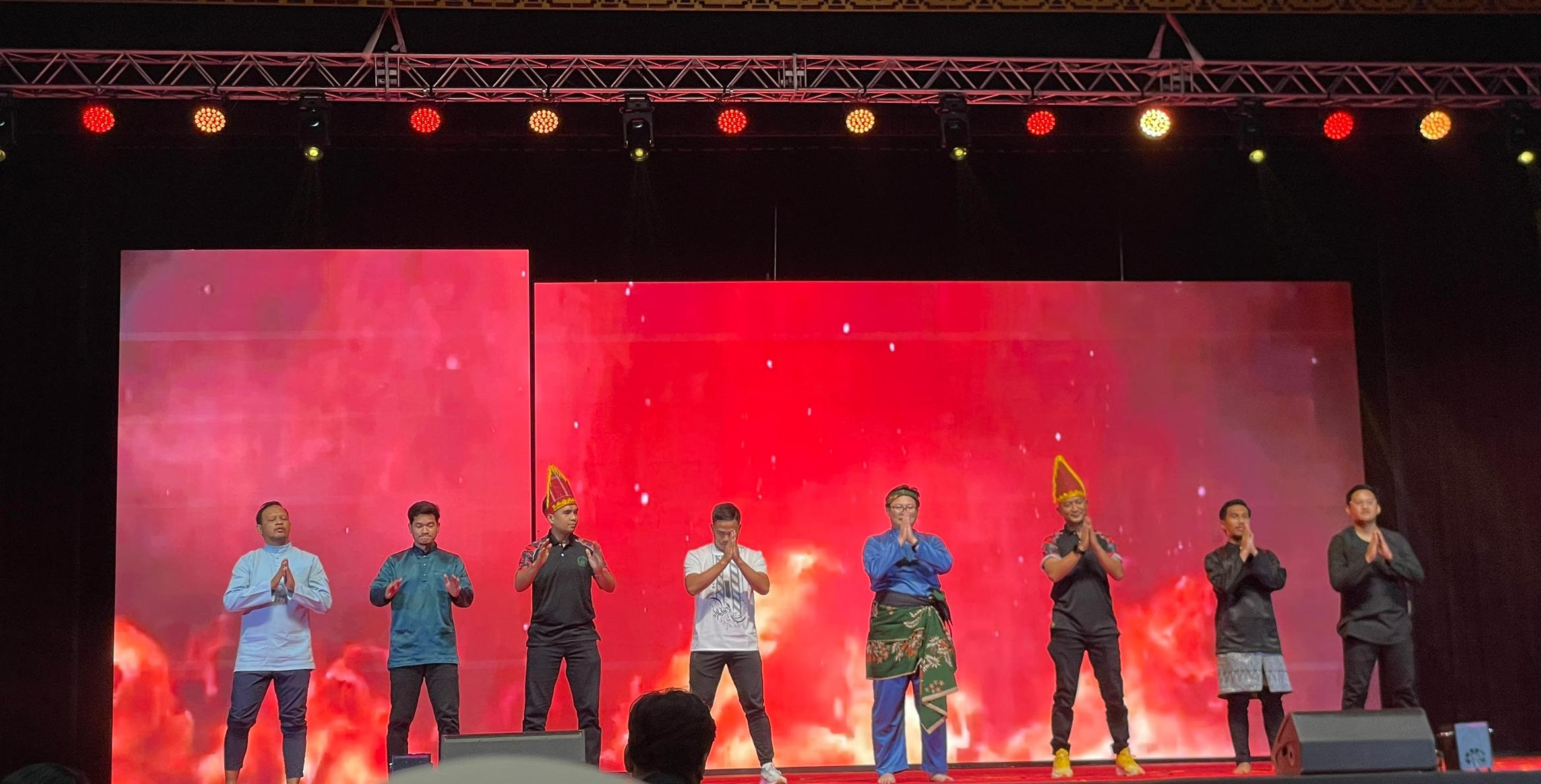
PASSMAL (The Malaysian Organization of Authentic Malay Silat Arts) has long championed Silat as a medium for cultural exchange and social development. Through performances, workshops, and international collaborations, Silat becomes a language of peace and pride. Events such as the ACPES International Conference and IMACSSS Congresses have showcased Silat to global audiences, highlighting its role in promoting Malaysia’s rich heritage and fostering intercultural understanding (Shapie et al., 2024).
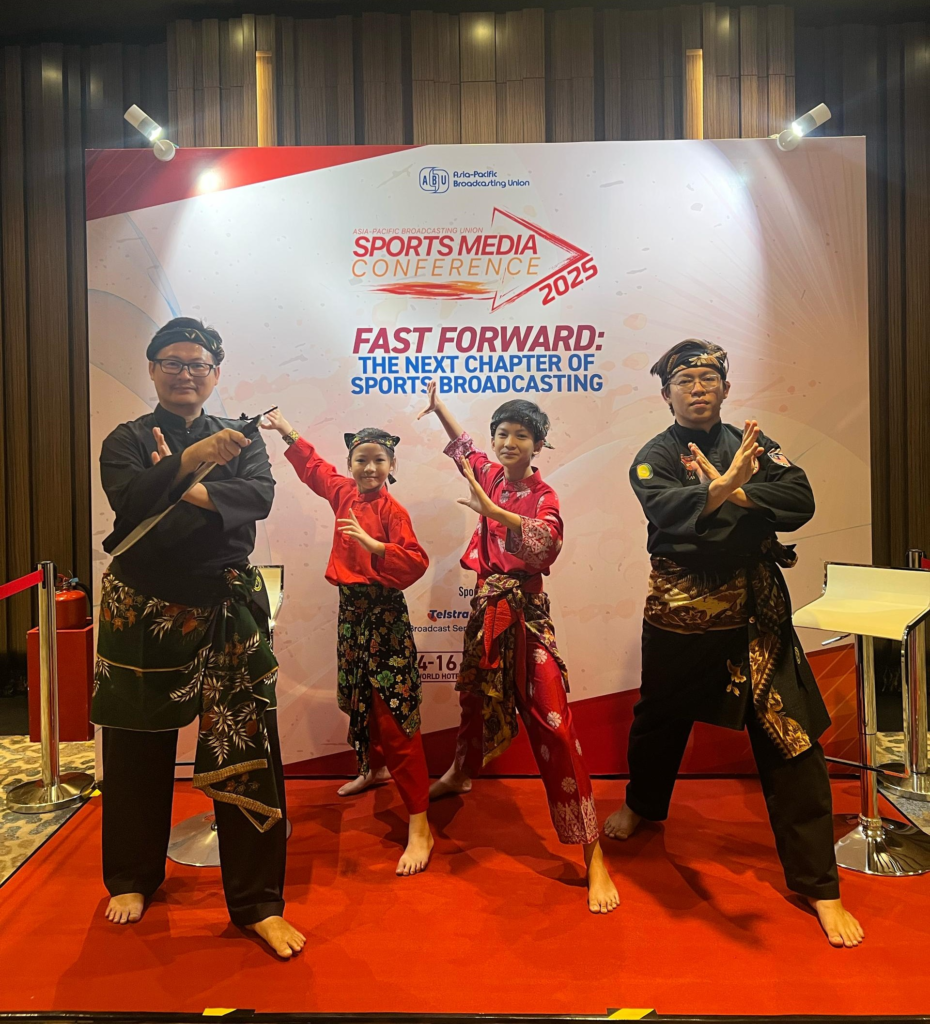
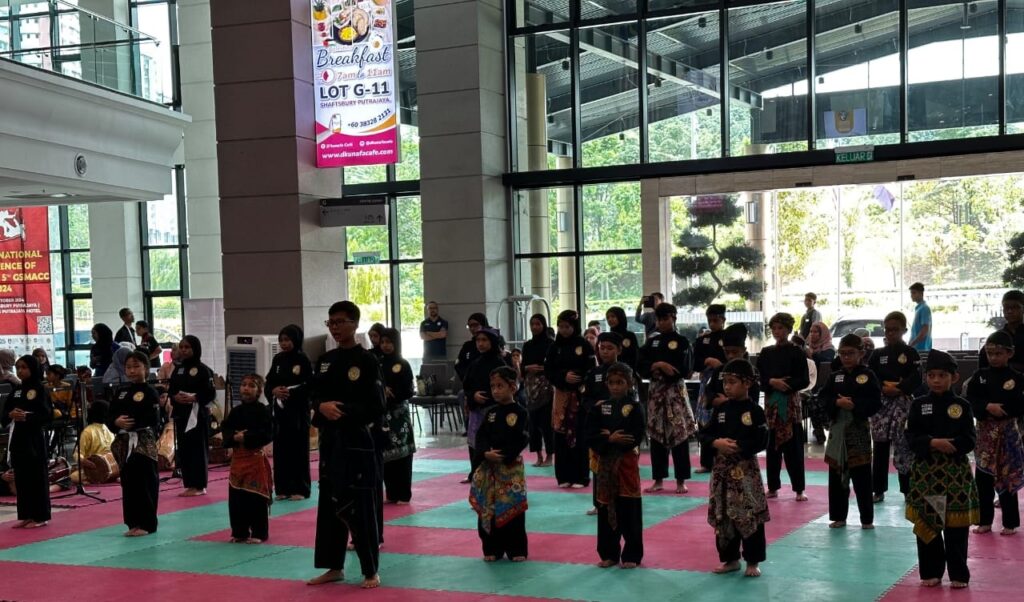
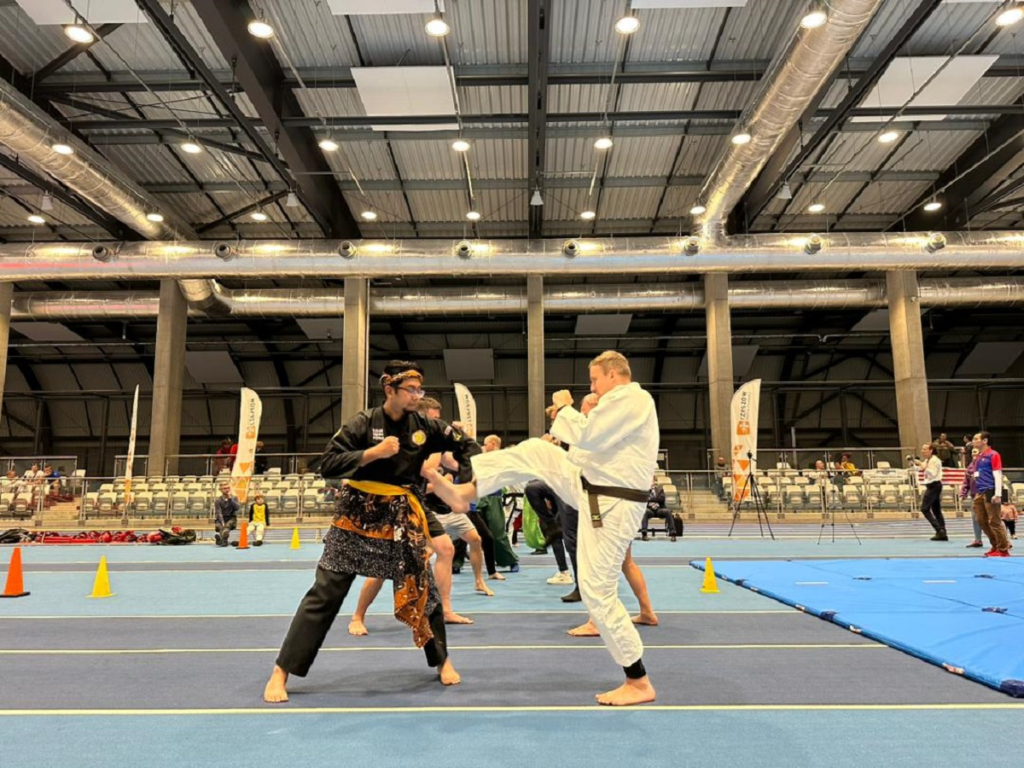
Silat’s aesthetic appeal—its graceful movements, traditional attire, and musical accompaniment—makes it an ideal ambassador of Malay culture. Demonstrations at international forums not only entertain but educate, offering insights into the values and history of the Malay world. These cultural exchanges foster mutual appreciation among diverse communities and contribute to Malaysia’s soft power diplomacy (Shapie, 2021; Samsudin et al., 2022).
With the support of the World Silat Federation (WSF), Silat now plays a formal role in global diplomacy. WSF’s initiatives have positioned Silat as a cultural treasure, recognized not only for its martial prowess but also for its contribution to peacebuilding and intercultural dialogue. Through partnerships with UNESCO and international martial arts bodies, Silat is being integrated into youth development programs, academic research, and cultural diplomacy efforts (Shapie et al., 2022; Shapie et al., 2023).
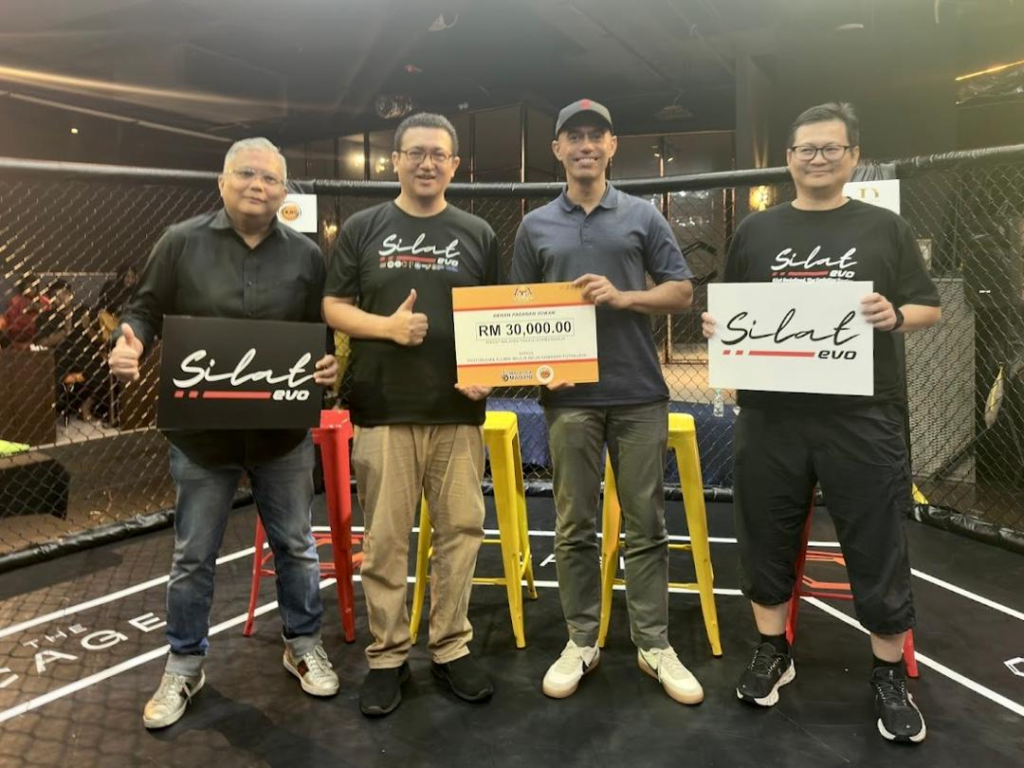
The impact of Silat on community resilience is also notable. In anti-bullying campaigns, youth empowerment programs, and rehabilitation initiatives, Silat has proven effective in fostering self-confidence, discipline, and social cohesion. For example, PASSMAL’s collaboration with the Ministry of Education (KPM) for the M-MAF2025 youth program demonstrated how Silat can be used to address social issues such as bullying and violence (Shapie et al., 2020).
As Malaysia continues to assert its cultural identity on the global stage, Silat stands as a symbol of unity and strength. It bridges the past and present, tradition and innovation, local pride and international recognition. In a world often divided by differences, Silat offers a model of harmony—where martial arts serve not only to defend but to connect.
References:
- Anuar, A. W. (2002). Pendidikan dan Nilai-nilai Murni dalam Seni Silat. Kementerian Kebudayaan, Kesenian dan Warisan.
- Samsudin, H., Lee, K., Abu Hassan, M. S., Ramli, M. S., Rohaizat, N. H., Abdul Rahim, M. R., Mohad Anizu, M. N. (2022). Southeast Asian Martial Arts Book Review: The Warrior Attitude (Sikap Pendekar) in Malay Silat Encouraging Malaysian Interest in Global Martial Arts and Combat Sports. In W. J. Cynarski, P. Pawelec, P. Swider, J. Kulasa (Eds.), 11th IMACSSS International Conference, 5th World Scientific Congress of Combat Sports and Martial Arts, University of Rzeszow, Poland, pp. 88–89.
- Shapie, M. N. M., & Elias, M. S. (2015). Seni Silat Malaysia: The Malay Arts of Self-Defence. In R. M. Kalina (Ed.), Proceedings of the 1st World Congress on Health and Martial Arts in Interdisciplinary Approach, Czestochowa, Poland, pp. 213. Warsaw: Archives of Budo.
- Shapie, M. N. M. (2021). The Warrior Attitude (Sikap Pendekar) in Malay Silat Encouraging Malaysian Interest in Global Martial Arts and Combat Sports. In S. Ryu, K. Lee, & J. Hwang (Eds.), Southeast Asian Martial Arts: A Unique and Complex Cultural Phenomenon, pp. 26–95. Chungju-si, Korea: UNESCO ICM.
- Shapie, M. N. M., Aminuddin, A., Elias, M. S., Ramli, M. S. (2022). Manual Kejurulatihan Seni Silat Malaysia Tahap 1, Peringkat Kebangsaan, 2020–2025: Persekutuan Silat Dunia “World Silat Federation”. Shah Alam, Selangor: Pertubuhan Seni Gayung Fatani Malaysia.
- Shapie, M. N. M., et al. (2023). Silat Tempur – The First World Silat Combat Sports Competition for Children. In Universiti Teknologi MARA (Ed.), IIDEX2023 Programme Book, p. 42. Universiti Teknologi MARA.
- Shapie, M. N. M., et al. (2024). Tradition to academia: The transformation of Silat education (2014–2024). In N. Ruslan, A. Zid, R. Radeeuddin, & M. N. Fariduddin (Eds.), The 10th ASEAN Council of Physical Education and Sport (ACPES) International Conference 2024, pp. 478–482. UiTM Malaysia.