1. Introduction: Silat as Malaysia’s Cultural Messenger
Silat Melayu, long revered as the traditional martial art of the Malay world, is no longer confined to the rivers and kampungs of Malaysia. Over the past decade, it has evolved into a symbol of cultural diplomacy and intellectual exchange, finding new audiences in Europe through scholarly platforms and international collaborations. This global shift is not the result of commercial promotion, but rather a case study in soft power—led by scholars, researchers, and cultural ambassadors who saw in Silat a vessel of identity, resilience, and heritage.
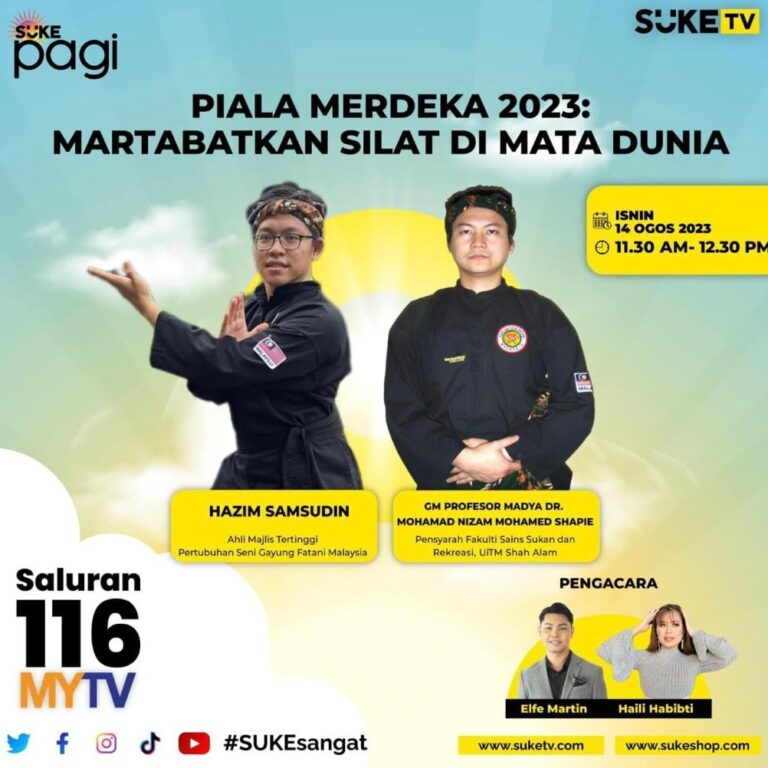
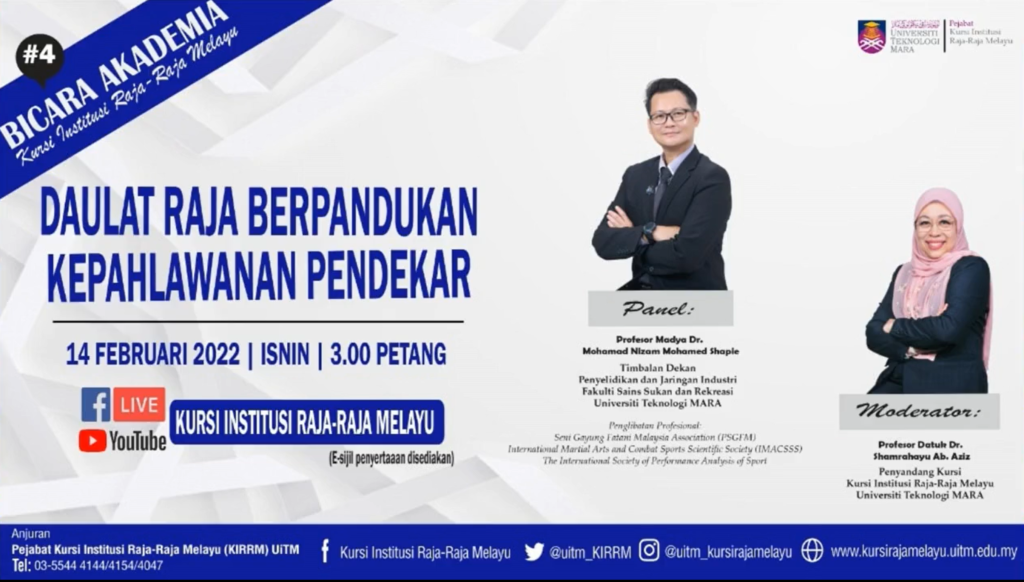
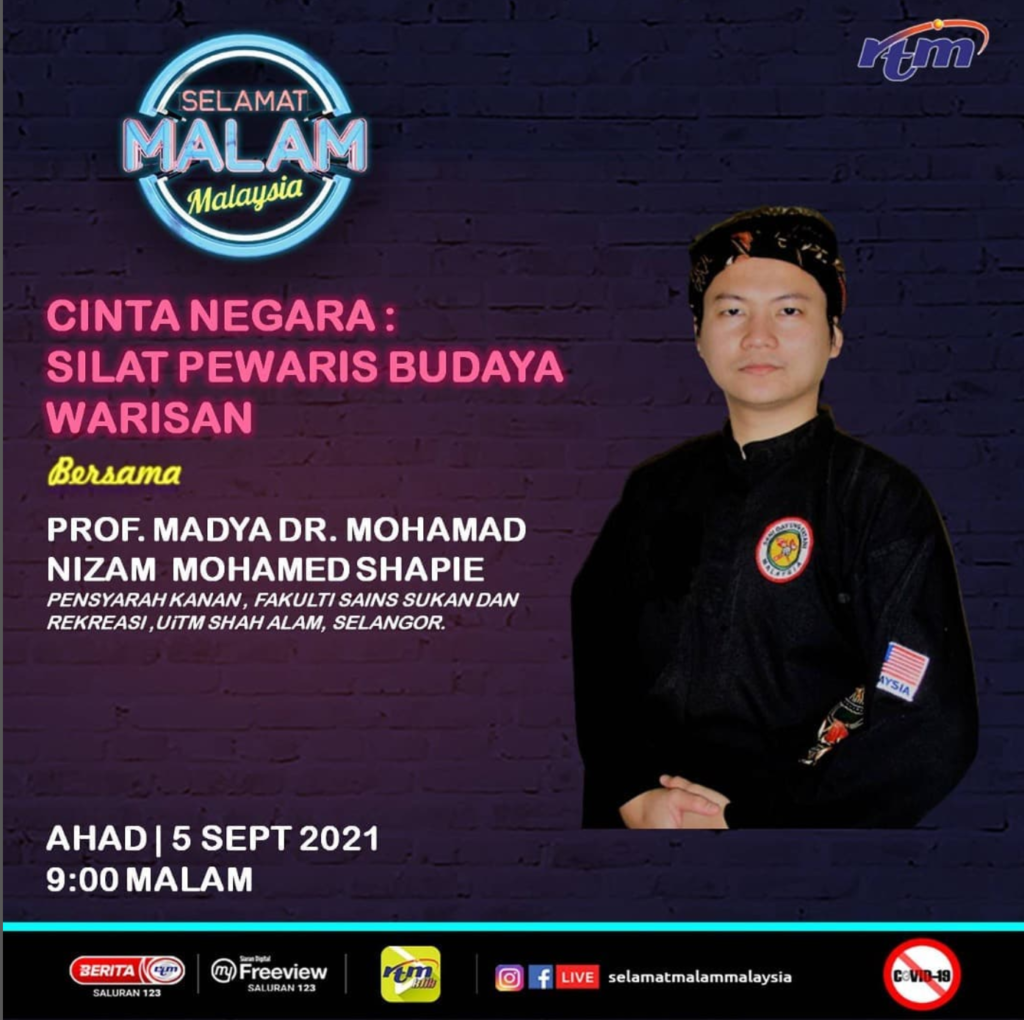
At the forefront of this academic movement is Prof. Dr. Mohamad Nizam Mohamed Shapie, whose tireless leadership through platforms like the International Martial Arts and Combat Sports Scientific Society (IMACSSS) and UNESCO ICM has helped reposition Silat Melayu as a subject of international martial arts diplomacy. This article reflects on how this movement unfolded, and what lessons can be drawn for future cultural outreach.
2. From Local Heritage to Global Stage: Building the IMACSSS Silat Network
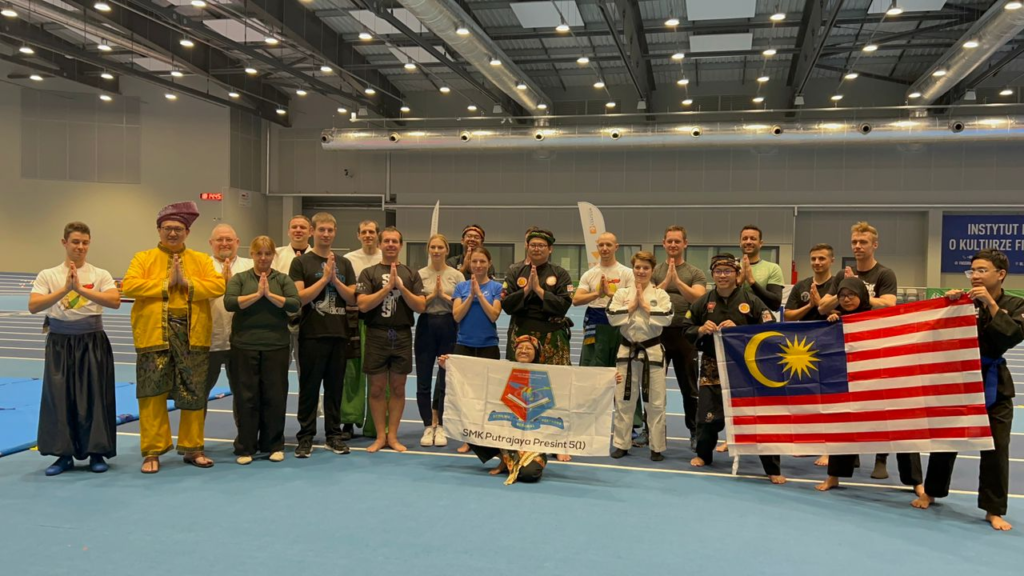
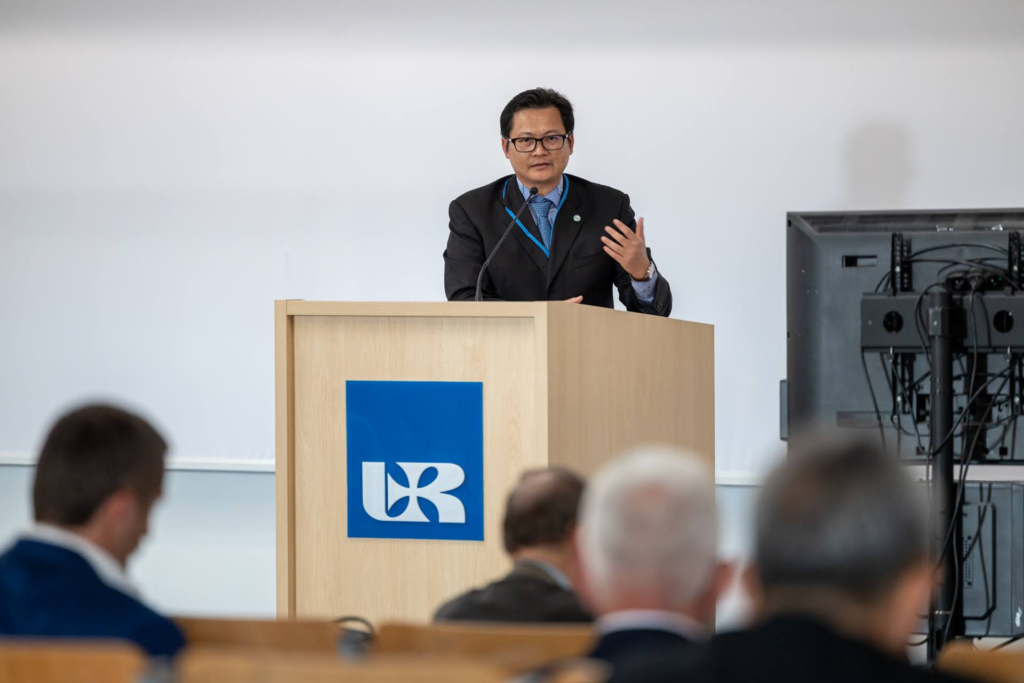
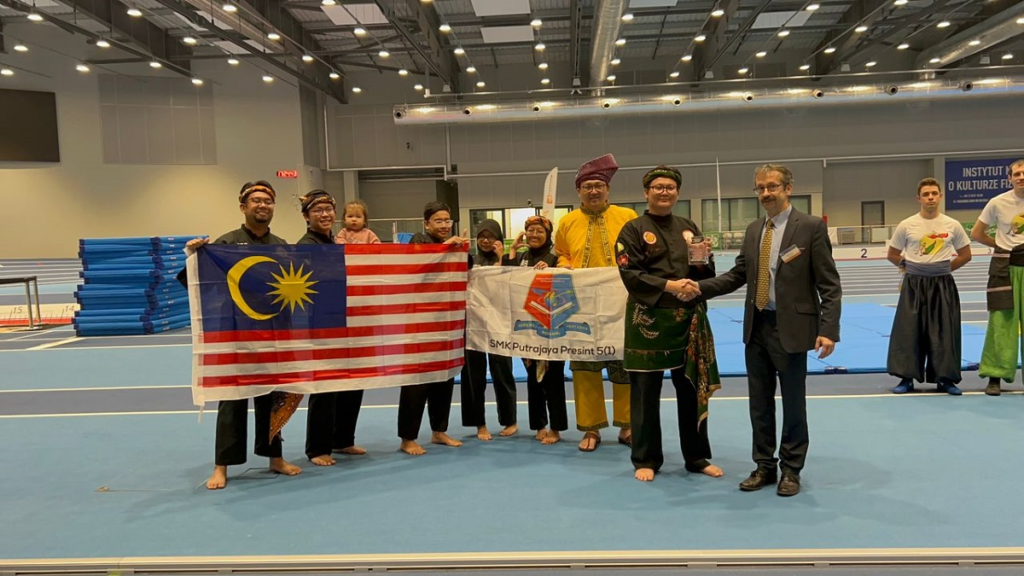
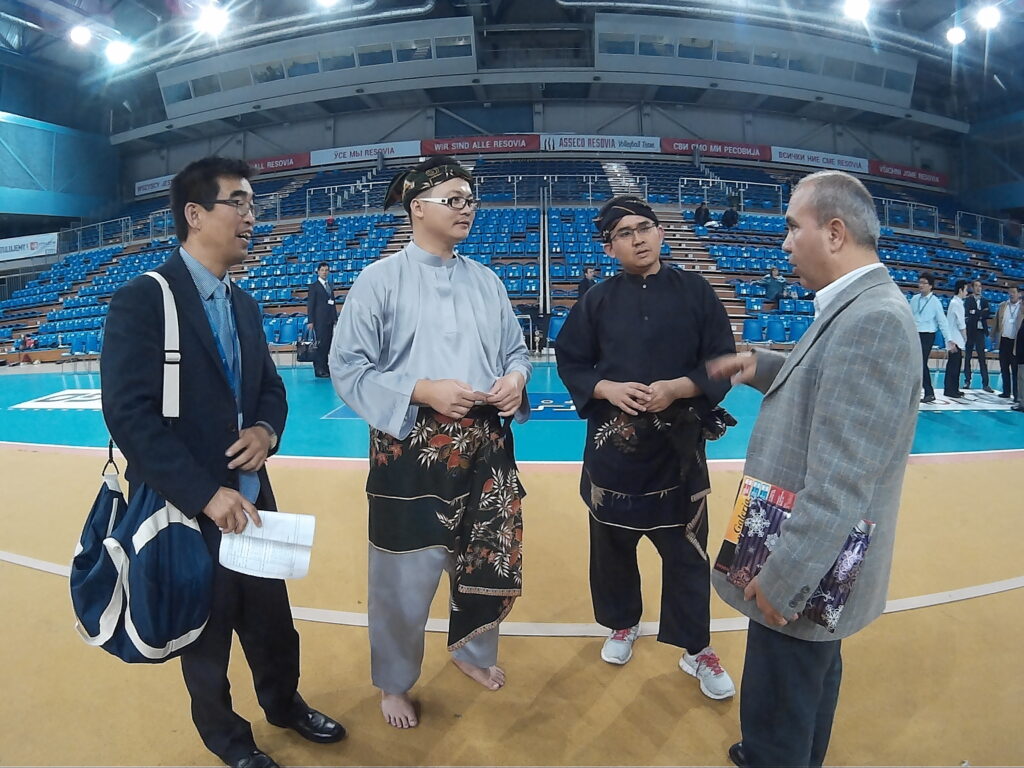
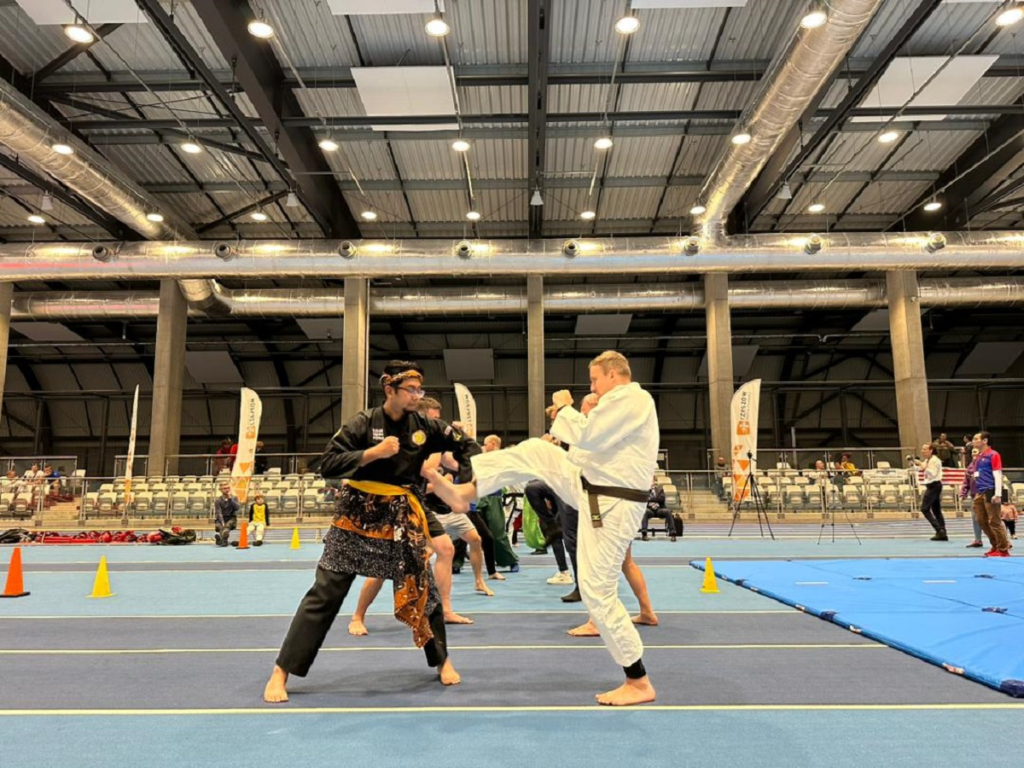
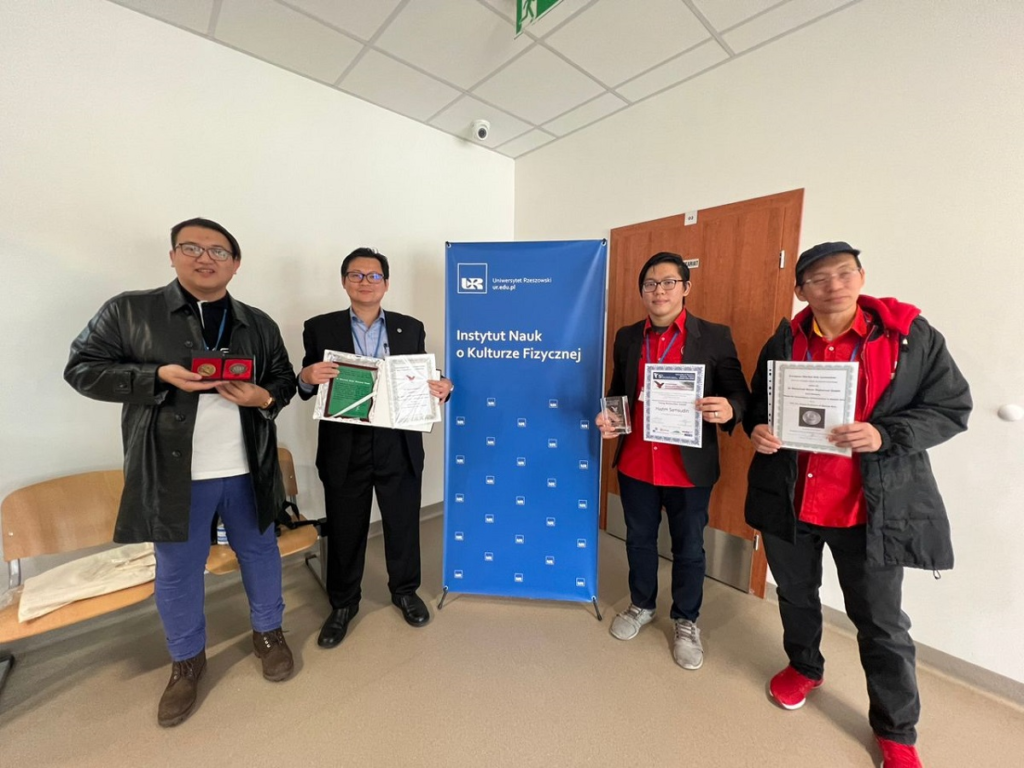
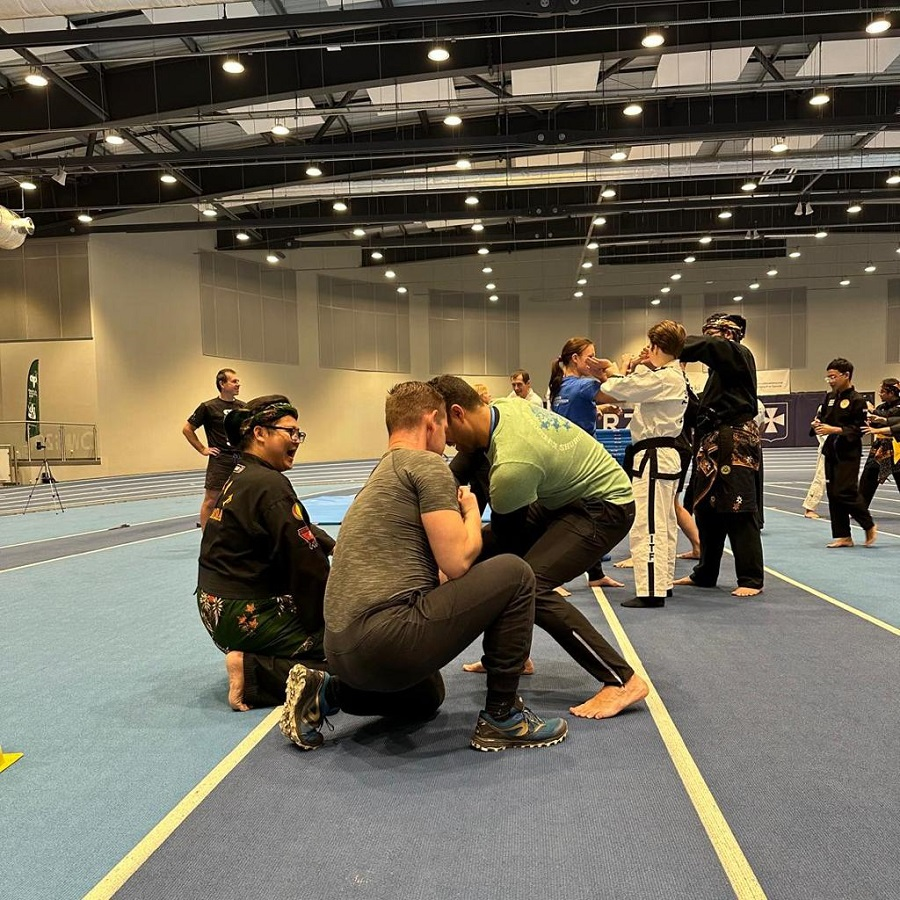
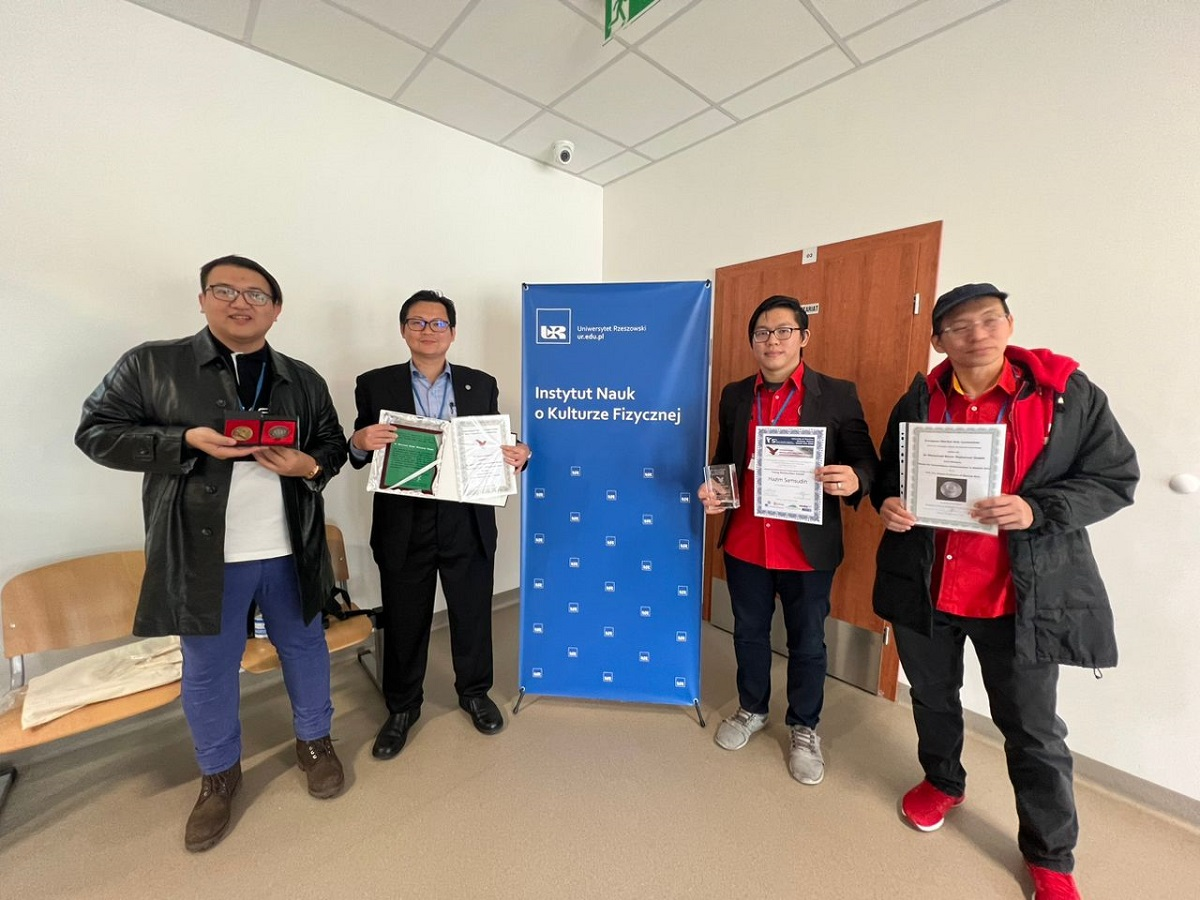
The first major catalyst in Silat Melayu’s European journey came through IMACSSS—a scientific society founded to advance academic dialogue on martial arts and combat sports. Prof. Dr. Nizam’s involvement began in 2014, when he presented his early Silat research in Rzeszów, Poland. What began as a singular presentation has since transformed into a long-term collaboration that has featured Silat Melayu in keynote lectures, academic proceedings, and practical demonstrations across Europe.
By systematically presenting research papers on Silat pedagogy, biomechanics, and cultural history, Dr. Nizam helped legitimize Silat as more than a traditional art—it became an academic discipline. His collaborations with researchers from Spain, Poland, Slovakia, and Korea created a Silat research dissemination network that included performance analysis, youth engagement models, and sports science applications.
Silat was no longer only performed; it was studied, theorized, and peer-reviewed—marking a turning point in the Silat Melayu global presence.
3. UNESCO ICM and the Role of Cultural Institutions
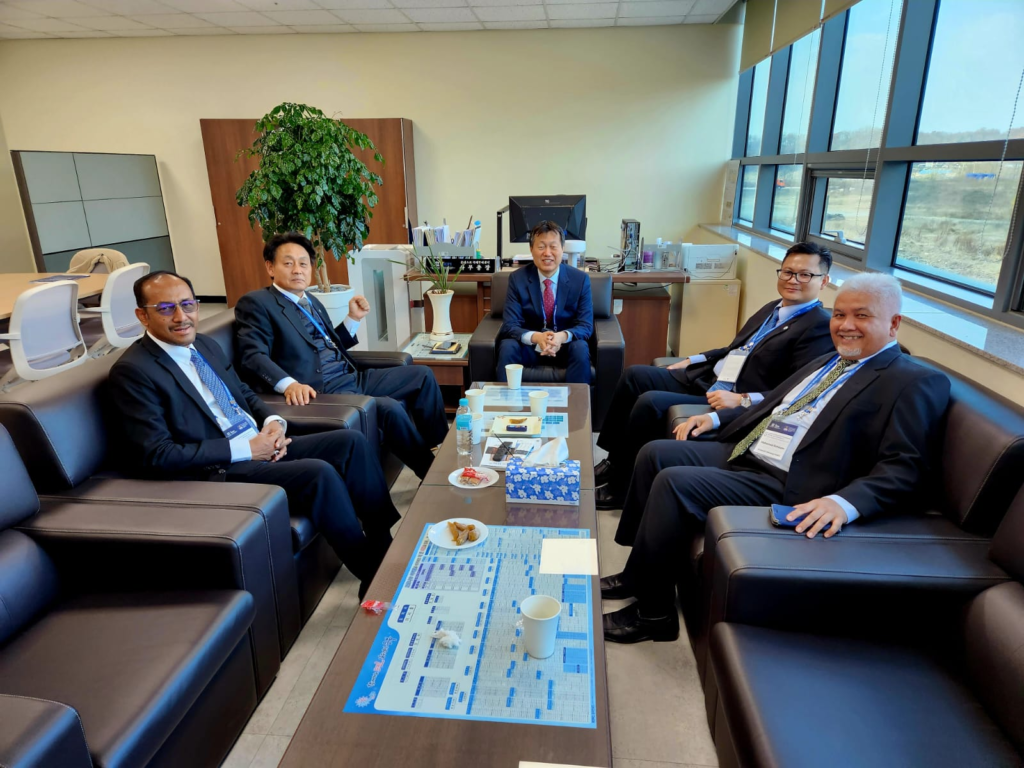
The second major pillar in the European advancement of Silat Melayu was the UNESCO International Centre of Martial Arts for Youth Development and Engagement (ICM), based in South Korea. Through his position as a Malaysian contributor, Dr. Nizam integrated Silat into global conversations on intangible cultural heritage, youth development, and intercultural martial arts practice.
At the ICM’s Martial Arts Open School, Silat Melayu was taught alongside Taekwondo, Karate, and Capoeira, allowing it to be experienced by international youth in structured learning environments. This fostered Silat Melayu knowledge exchange, particularly with educators in Eastern Europe, who began to recognize its depth in philosophy and pedagogy.
Moreover, through publications like “The Warrior Attitude in Malay Silat” and contributions to UNESCO’s Martial Arts for Peace initiatives, Silat gained traction not as folklore, but as a dynamic art aligned with values-based martial education. This positioned Silat as a martial art of peace, resilience, and self-mastery—echoing the global mission of UNESCO itself.
4. The Scholar as Diplomat: Prof. Dr. Nizam’s Soft Power Leadership
Central to this transformation is the idea of the scholar as cultural diplomat. Rather than relying on governmental bodies or commercial marketing, Silat’s expansion in Europe has been achieved through academic martial arts diplomacy. Prof. Dr. Nizam and his peers exemplify how publications, lectures, and academic conferences can become tools of Malay martial soft power.
Dr. Nizam’s dual role as a Silat practitioner and academic allowed him to bridge traditional knowledge with scholarly credibility. His work with UiTM and the AIRBORNE Research Group positioned Silat within the language of evidence-based learning. His ability to integrate tradition with sports science made Silat relevant to universities in Spain, Slovakia, and Hungary—where cultural authenticity and educational structure were equally valued.
As a result, Silat Melayu is now referenced in curriculum development, joint academic publications, and cultural exchange programs across Europe. This model of leadership—humble, scholarly, and consistent—demonstrates how martial arts internationalization can be pursued ethically and effectively.
5. Lessons for the Future: Sustaining Silat’s Global Momentum
The internationalization of Silat Melayu is still in its early stages. However, the journey led by Prof. Dr. Nizam offers several key lessons for sustaining its global relevance:
- Codify Authentic Knowledge: Structured documentation (manuals, research articles, and training syllabi) is crucial to present Silat as both cultural and academic heritage.
- Engage through Education, Not Entertainment: Demonstrations must be paired with meaningful dialogue, teaching sessions, and institutional partnerships.
- Foster Peer Networks: Silat thrives when embedded into existing research platforms like IMACSSS or UNESCO—not as a stand-alone narrative but as a contributor to global martial arts understanding.
- Elevate the Practitioner-Scholar Model: Silat leaders who combine experience and academic credentials are best positioned to advocate for its relevance abroad.
Through these principles, Silat Melayu’s soft power can continue to grow—not just in performance halls, but in classrooms, journals, and cultural institutions.
Conclusion: A Warrior’s Journey Across Continents
What began as a heritage practice rooted in the Malay Archipelago has, in recent years, crossed borders and captured the respect of European scholars, educators, and martial arts communities. Silat Melayu’s journey to Europe is not just about movement—but meaning. Through the scholarly leadership of Prof. Dr. Mohamad Nizam Mohamed Shapie, and the platforms of IMACSSS and UNESCO ICM, Silat has emerged as a respected global discipline—grounded in culture, framed by scholarship, and animated by the spirit of soft power.
This path reminds us that in martial arts, as in diplomacy, the most enduring victories are those earned through understanding, not force.
📚 References (APA 7th Edition)
- Shapie, M.N.M., Elias, M.S., Anuar, A. (2016). Silat: The Heritage of Malaysia (Silat: Warisan Bangsa Malaysia). The National Department for Culture and Arts, Ministry of Tourism and Culture.
- Shapie, M.N.M. (2021). The Warrior Attitude (Sikap Pendekar) in Malay Silat Encouraging Malaysian Interest in Global Martial Arts and Combat Sports. UNESCO ICM.
- Shapie, M.N.M., Jamsari, D.A., Mohd Razi, A., Kusrin, J., Tumijan, W. (2019). Comparison of Action Performances and Outcome Between Winners and Losers in Young Female Silat Tempur Matches. Revista de Artes Marciales Asiáticas, 14(2s), 21-24.
- Shapie, M.N.M., Lee, K., Rahim, M.R.M., et al. (2022). Anuar Abdul Wahab (1945–2009): The Leadership and Contributions to the Establishment of Traditional Art of War Into Modern Malay Silat. IMACSSS Proceedings.
- Cynarski, W.J. (2021). Martial Arts as an Academic Field: Theoretical and Methodological Issues. Ido Movement for Culture. Journal of Martial Arts Anthropology, 21(3), 1–8.
- Parnabas, V.A., Abdullah, N.M., Shapie, M.N.M., et al. (2023). E-learning Motivation Among Student-athletes of Universiti Teknologi MARA (UiTM), Malaysia. Malaysian Journal of Sport Science and Recreation, 17(1), 20–34.
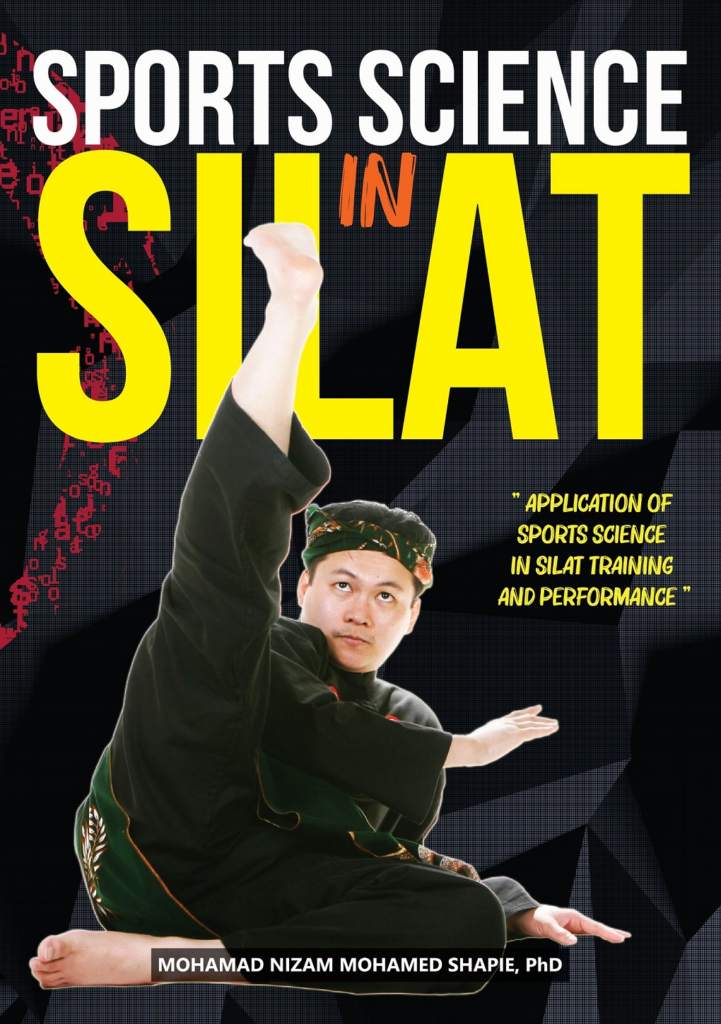
- Shapie, M.N.M. (2020). Sports Science in SILAT: Application of Sports Science in Silat Training and Performance. Pertubuhan Seni Gayung Fatani Malaysia.