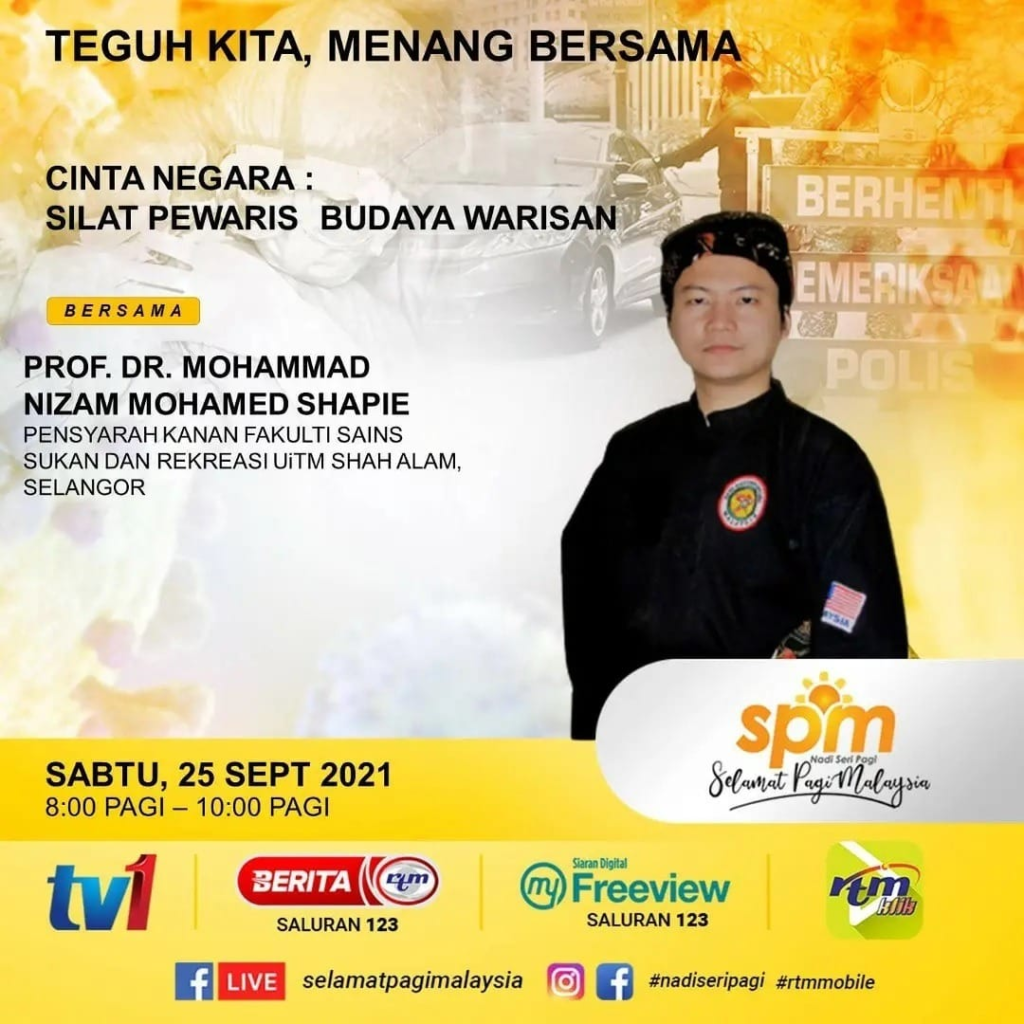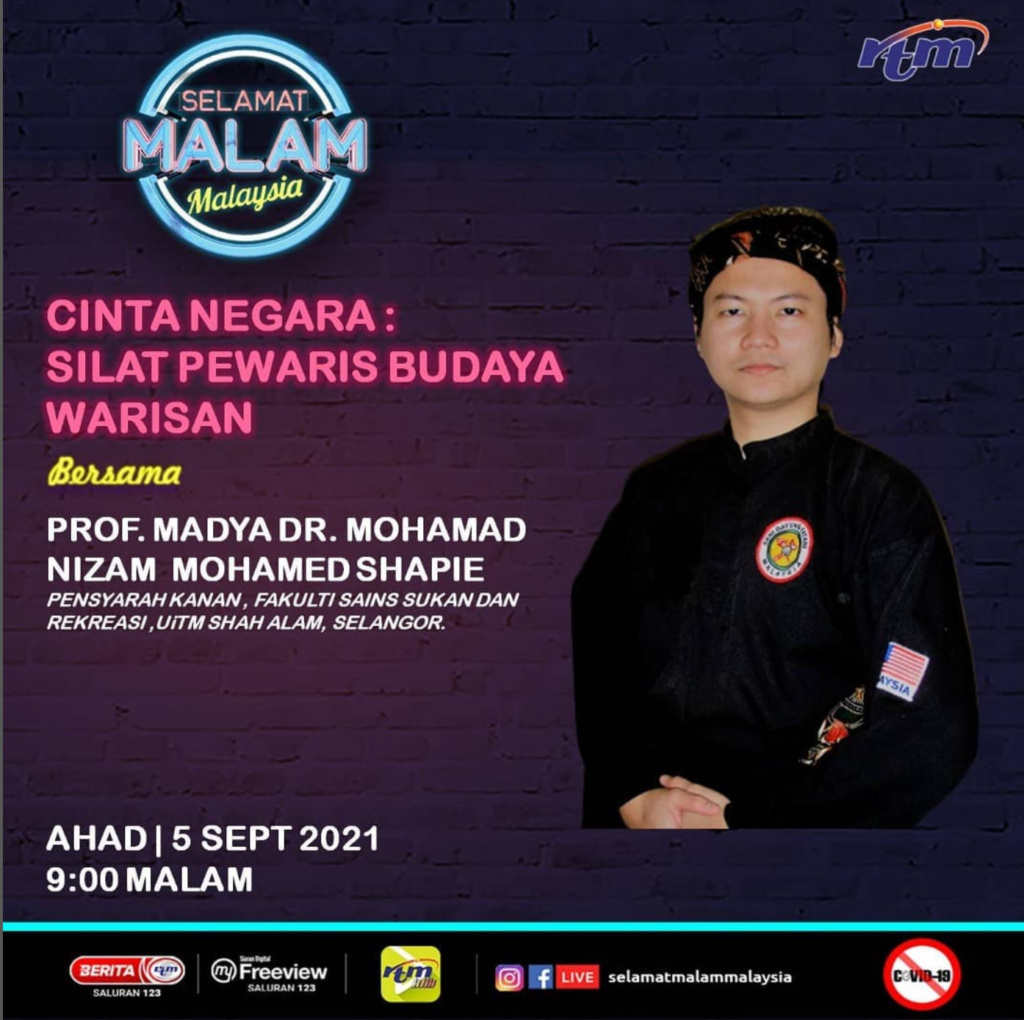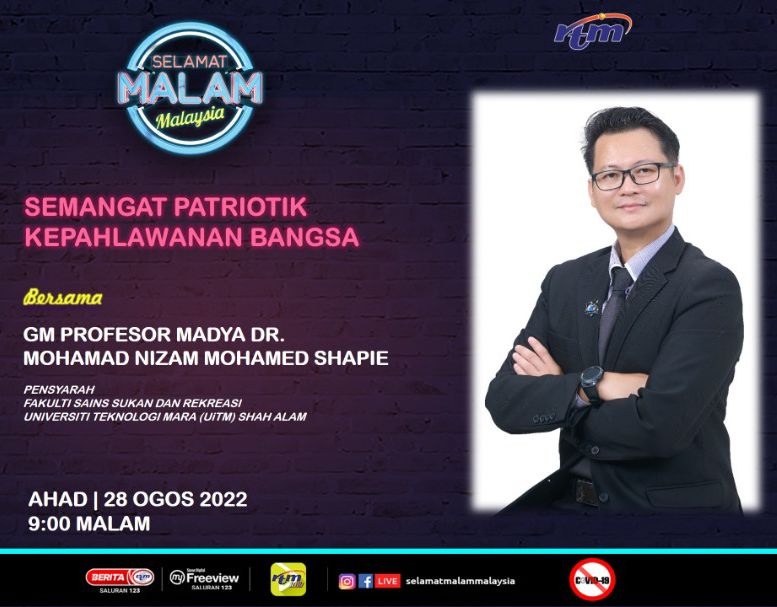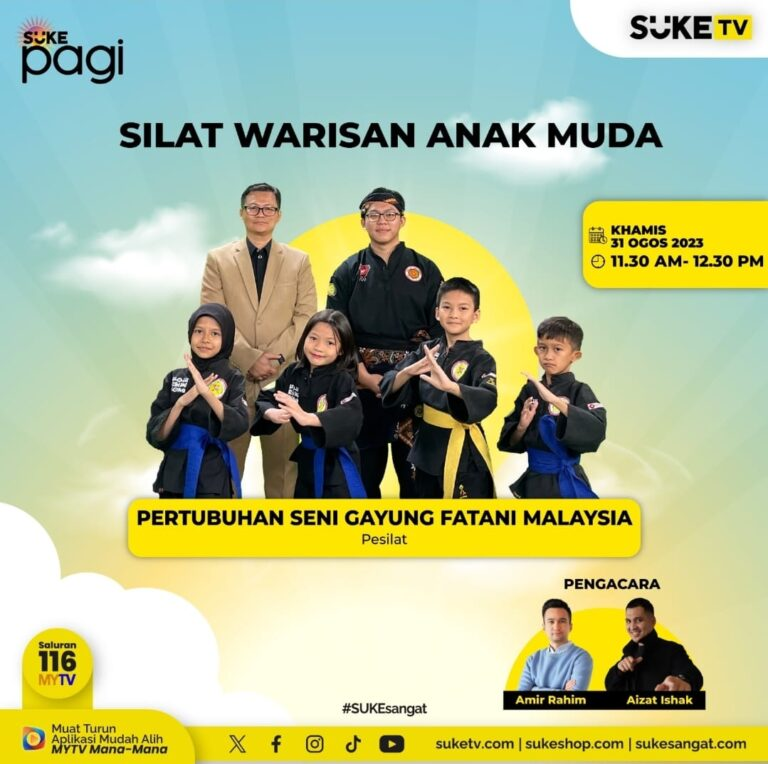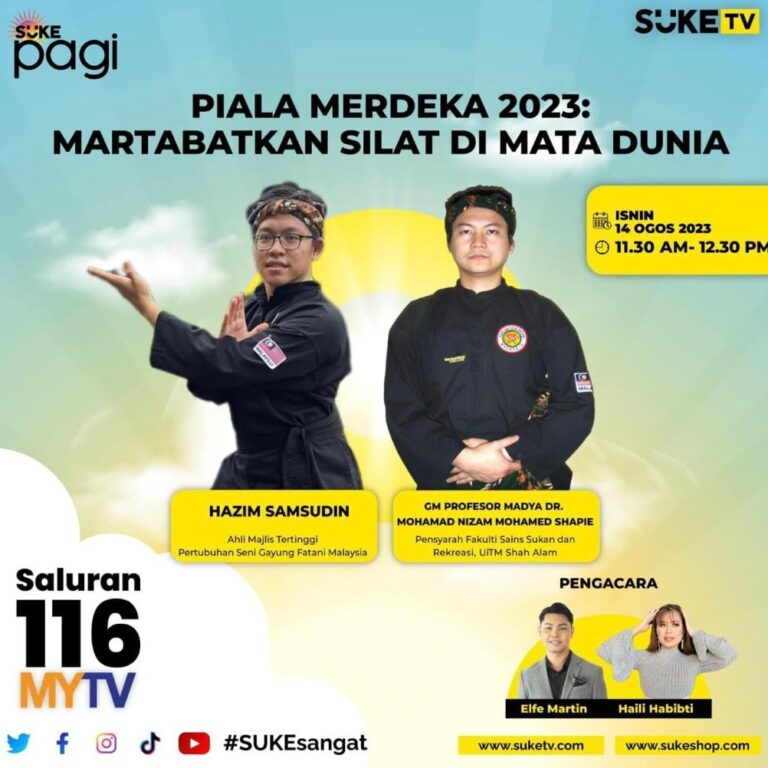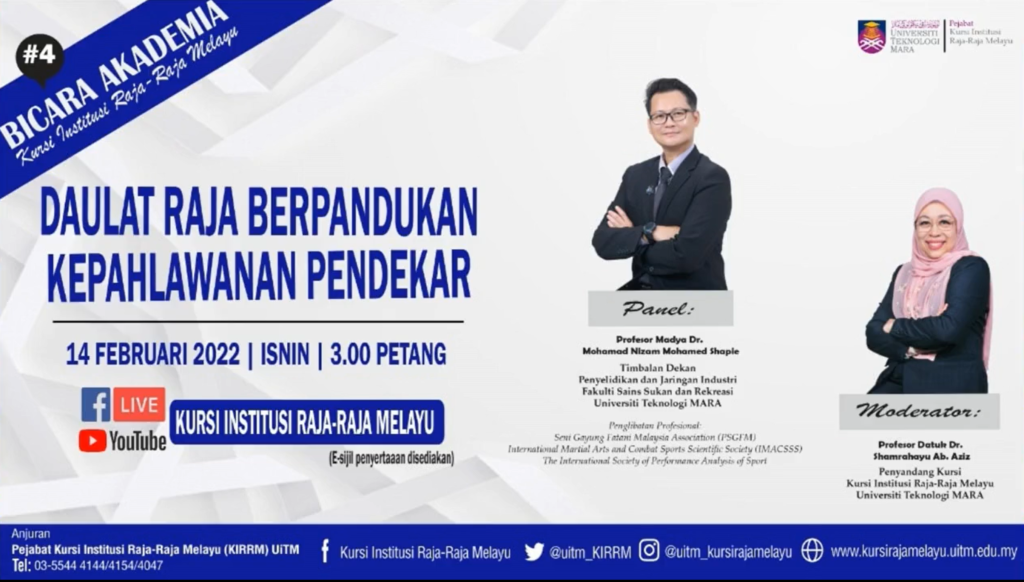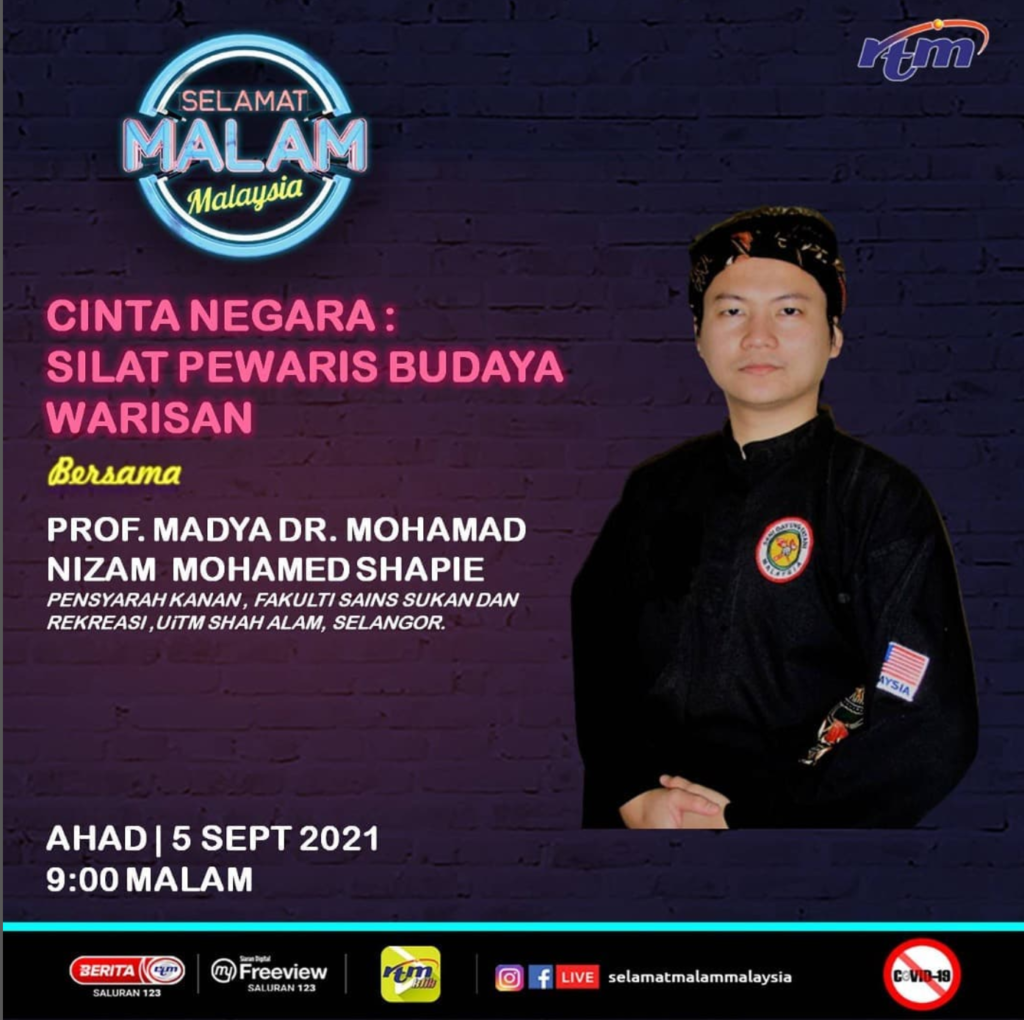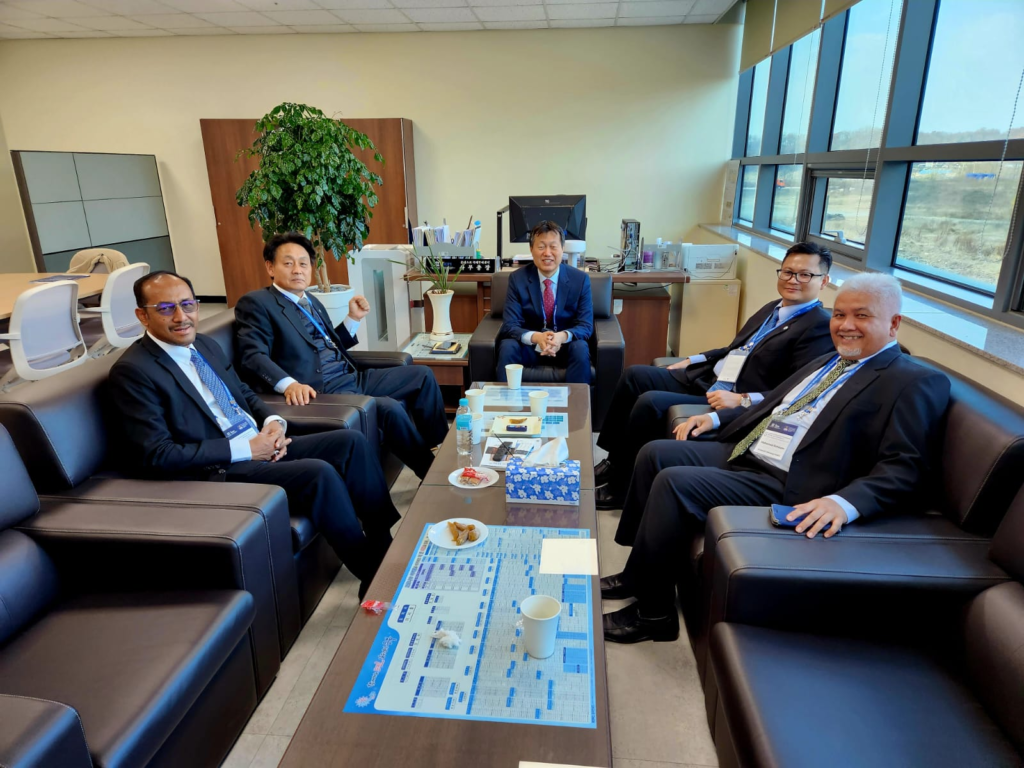
Assoc. Prof. Dr. Mohamad Nizam Mohamed Shapie
Leader, Combat Sports & Martial Arts Research Network (AIRBORNE)
Faculty of Sports Science & Recreation,
Universiti Teknologi MARA (UiTM)
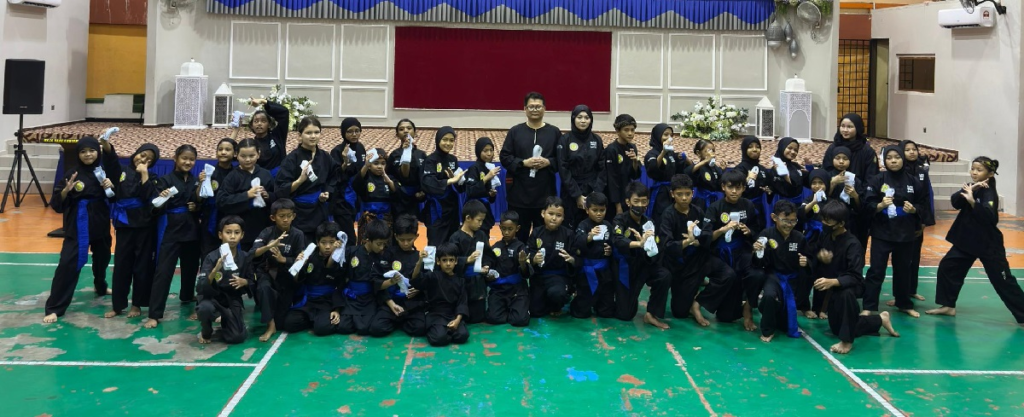
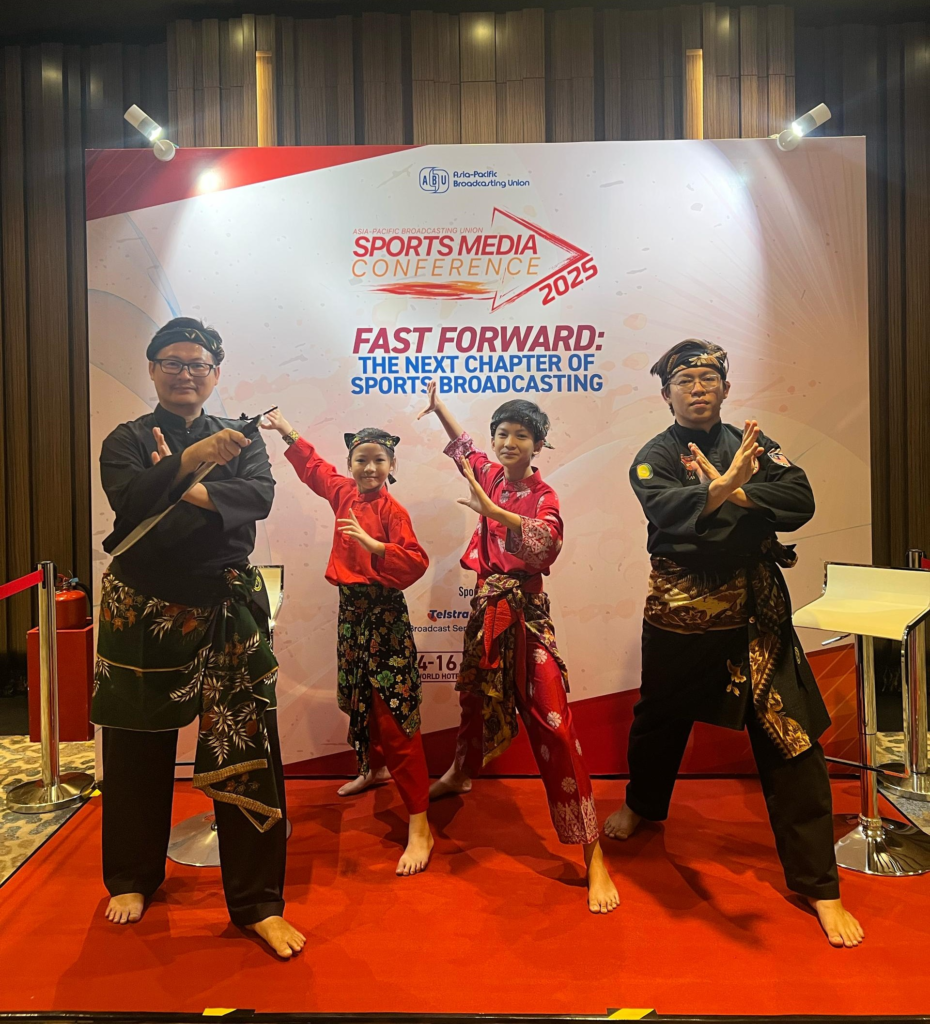
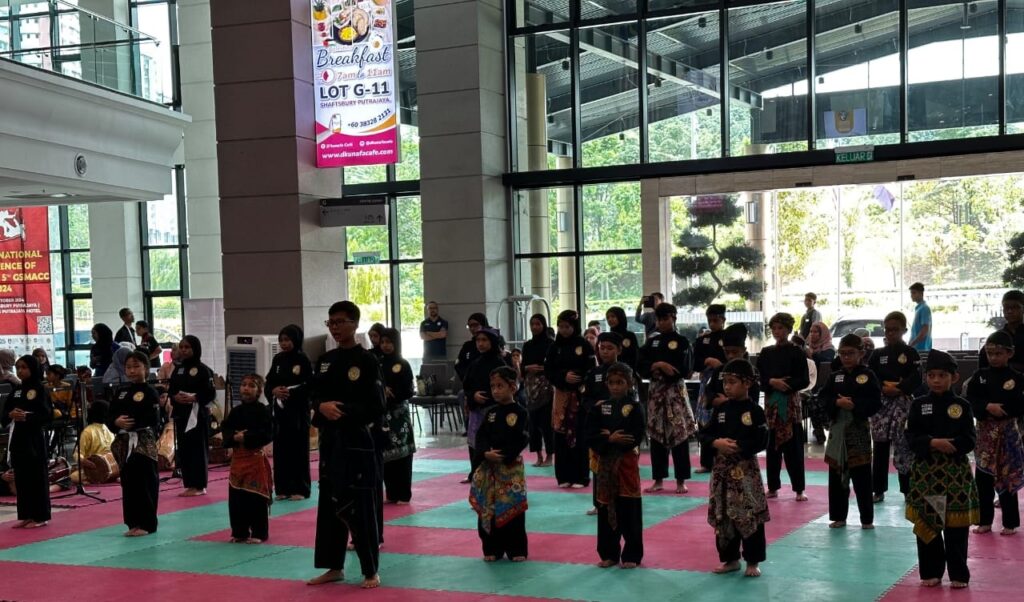
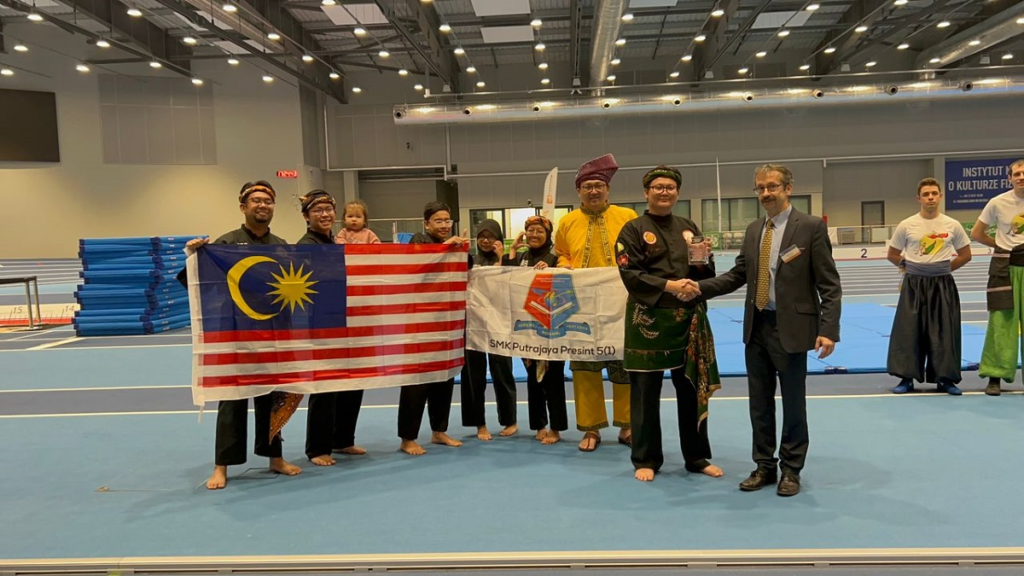
Silat Pulut, a ceremonial form of Silat often performed during weddings and festivals, is a vibrant expression of Malay culture. Accompanied by traditional music and graceful movements, it showcases the aesthetic beauty of Silat while preserving its combative essence. This form of Silat, deeply rooted in kampung traditions, reflects the harmonious blend of martial discipline and cultural celebration (Anuar, 2008; Shapie & Elias, 2015).
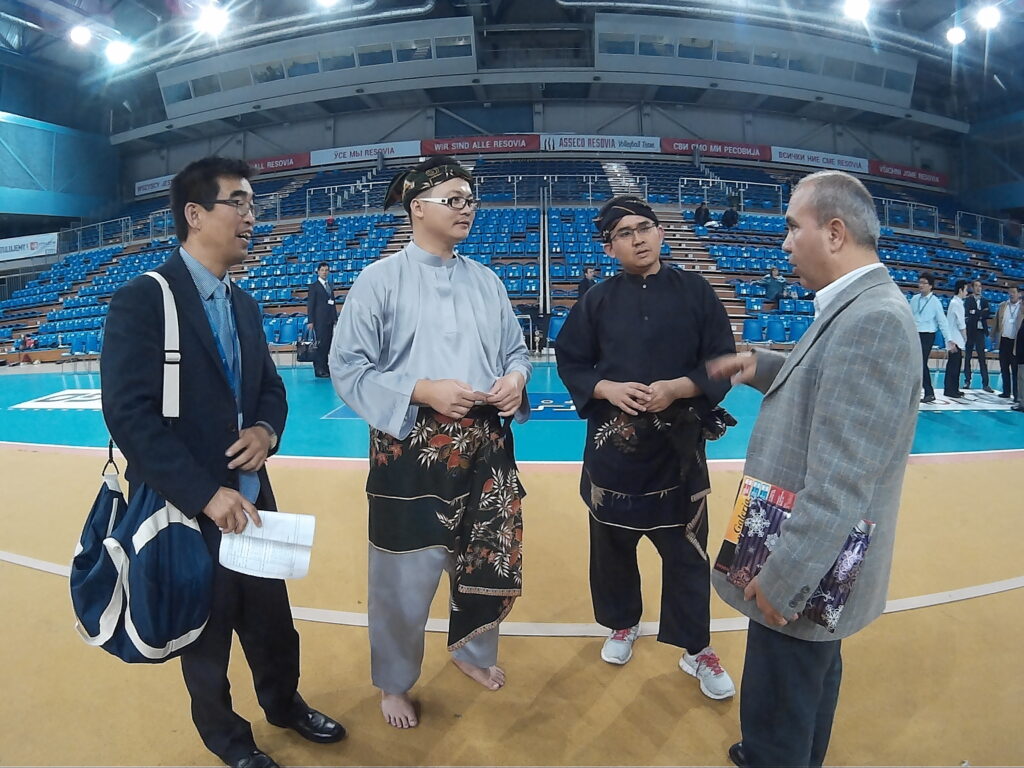
In rural communities, Silat Pulut is more than entertainment—it is a living archive of martial knowledge. It embodies the values of cooperation, respect for elders, and communal unity. The performance is not merely a show but a pedagogical tool, transmitting the philosophy and ethics of Silat from one generation to the next (Shapie, 2021). PASSMAL, as a custodian of Silat Melayu, continues to honor this tradition, ensuring that Silat remains grounded in the kampung spirit and not lost to modern sportification (Shapie et al., 2022).
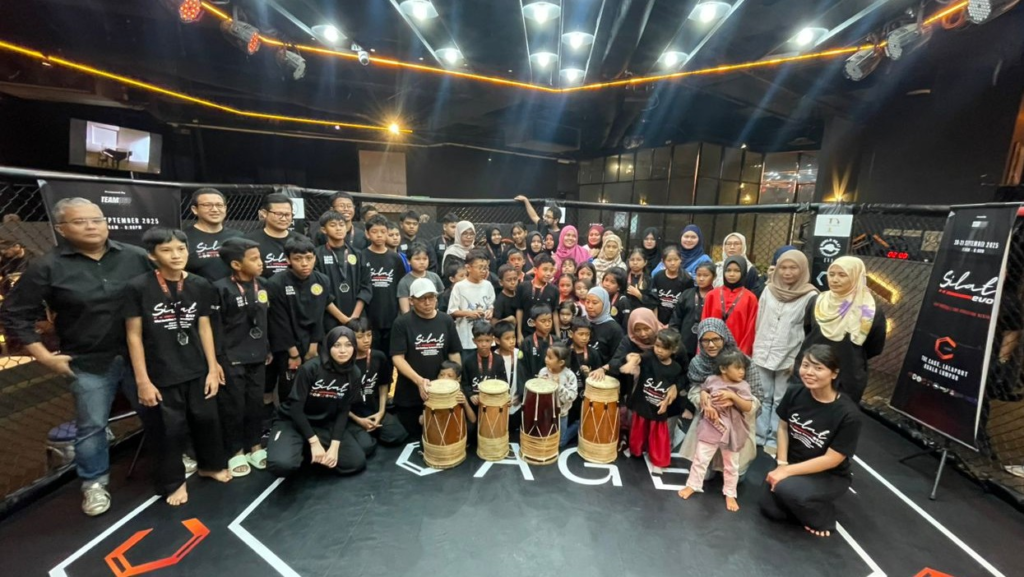
Historically, Silat Pulut was practiced in village squares and open fields, often accompanied by gendang silat and serunai, instruments that elevate the spiritual and emotional atmosphere of the performance. The rhythmic flow of movements, often improvised, reflects the adaptability and creativity of the pesilat, while still adhering to the principles of ilmu hulubalang and seni perang Melayu (Anuar, 2002; Shapie & Elias, 2016).
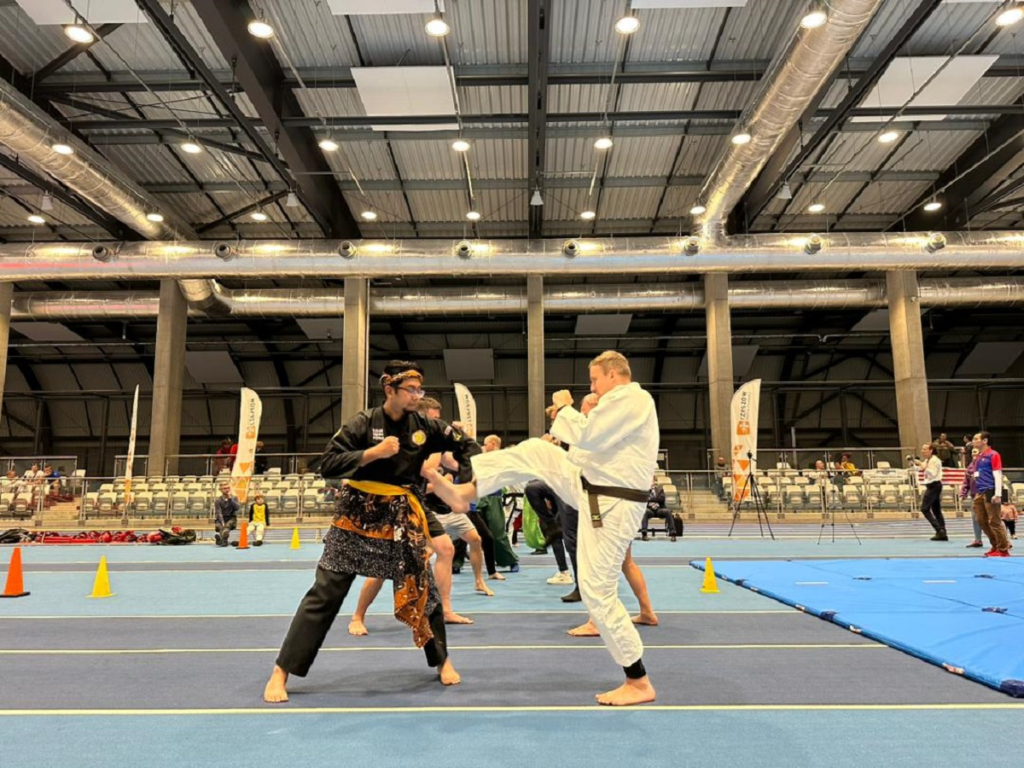
The significance of Silat Pulut lies in its dual nature—it is both protective and poetic. While the movements may appear dance-like, they are grounded in real combat techniques, subtly embedded within the choreography. This duality allows Silat Pulut to serve as a bridge between generations, preserving martial knowledge while celebrating cultural identity (Shapie et al., 2024).
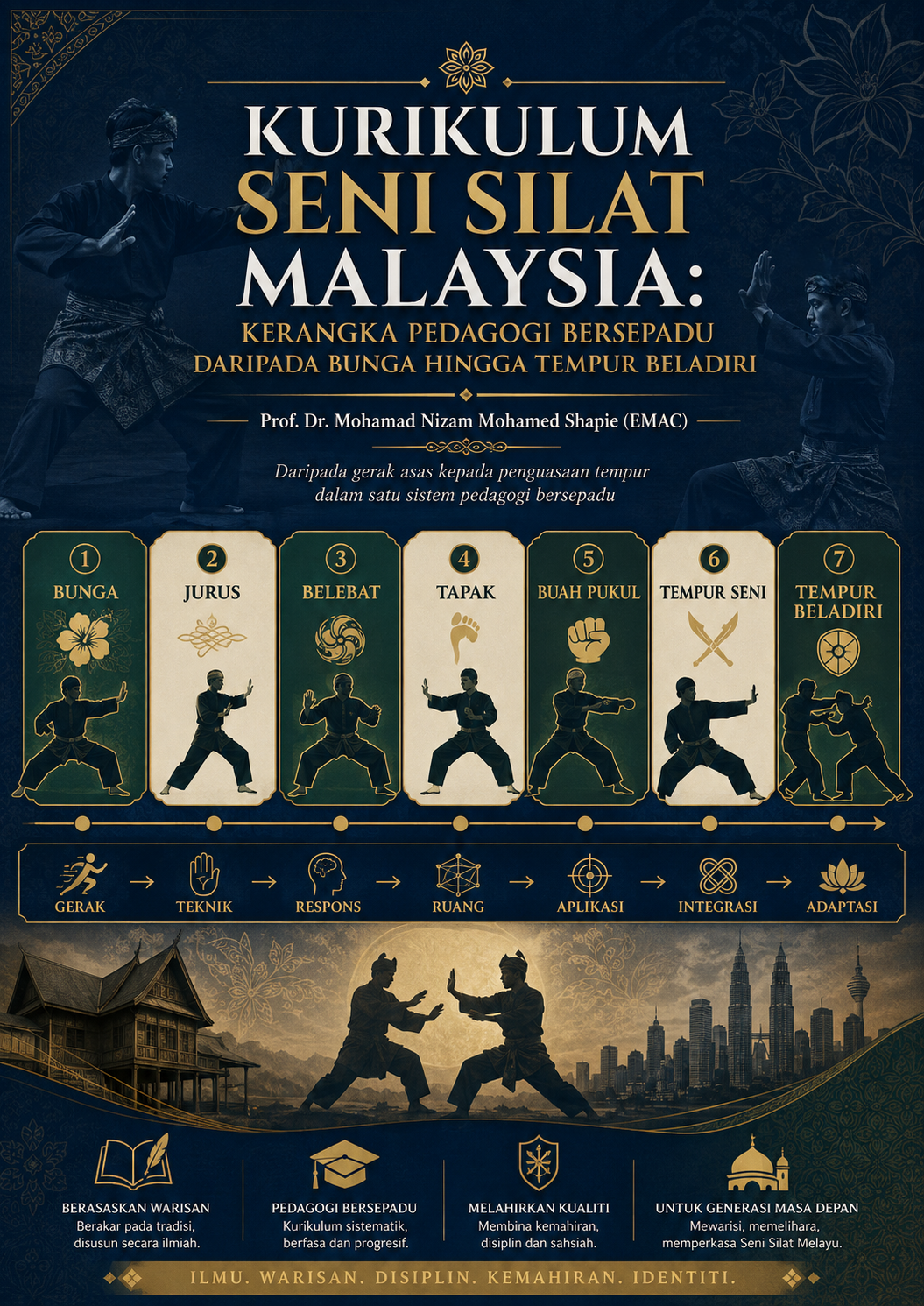
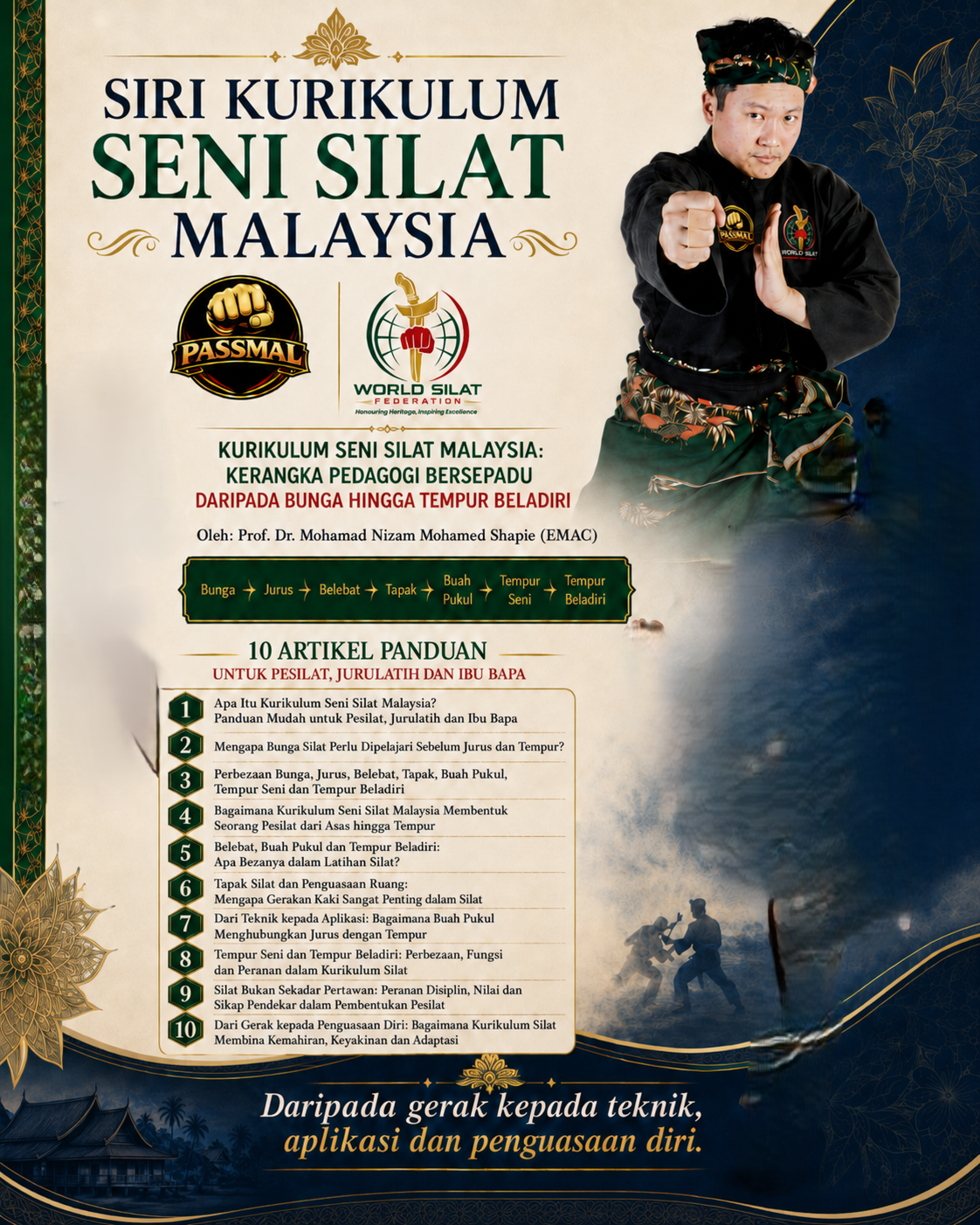
In the context of modern Silat development, Silat Pulut plays a crucial role in maintaining the authenticity of Silat Melayu. As Silat evolves into competitive formats such as Silat Tempur and Silat Olahraga, the ceremonial and cultural aspects must not be neglected. PASSMAL’s curriculum and outreach efforts emphasize the importance of retaining traditional practices like Silat Pulut to ensure that Silat remains a holistic discipline—one that nurtures the body, mind, and spirit (Shapie et al., 2023).
Moreover, Silat Pulut contributes to the social fabric of Malay communities. It is a medium through which values such as humility, honor, and resilience are taught. It reinforces the idea that martial arts are not solely about physical prowess but also about moral and spiritual development (Shapie, 2020).
In essence, Silat Pulut is a celebration of heritage. It reminds us that martial arts can be graceful, meaningful, and deeply rooted in community life. As Malaysia continues to promote Silat on global platforms, traditions like Silat Pulut must be preserved—not just as cultural performances, but as living embodiments of Malay wisdom and warrior ethos.
References:
- Anuar, A. W. (2002). Pendidikan dan Nilai-nilai Murni dalam Seni Silat. Kementerian Kebudayaan, Kesenian dan Warisan.
- Anuar, A. W. (2008). Silat: The development history of traditional Malay silat. Hizi Print Sdn. Bhd.
- Shapie, M.N.M., & Elias, M.S. (2015). Seni Silat Malaysia: The Malay Arts of Self-Defence. Archives of Budo.
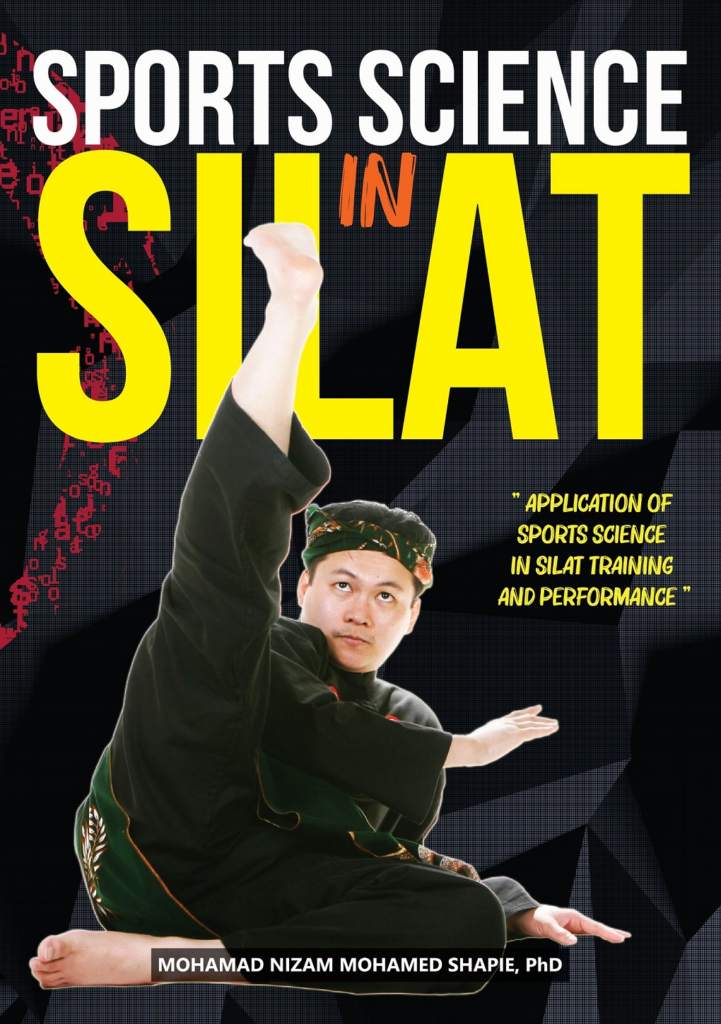
- Shapie, M.N.M. (2020). Sports Science in SILAT: Application of Sports Science in Silat Training and Performance. Pertubuhan Seni Gayung Fatani Malaysia.
- Shapie, M.N.M. (2021). The Warrior Attitude (Sikap Pendekar) in Malay Silat. UNESCO ICM.
- Shapie, M.N.M., et al. (2022). Manual Kejurulatihan Seni Silat Malaysia Tahap 1. Pertubuhan Seni Gayung Fatani Malaysia.
- Shapie, M.N.M., et al. (2023). Silat Tempur – The First World Silat Combat Sports Competition for Children. Universiti Teknologi MARA.
- Shapie, M.N.M., et al. (2024). Tradition to academia: The transformation of Silat education (2014–2024). UiTM Malaysia.