1. Introduction: The Global Turn in Malay Martial Heritage
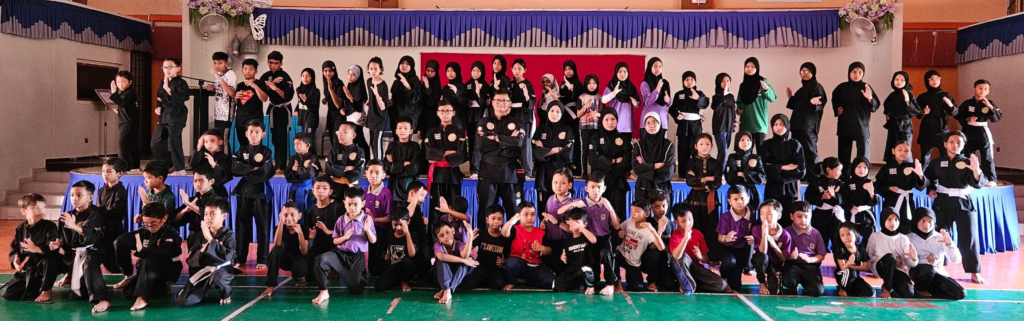
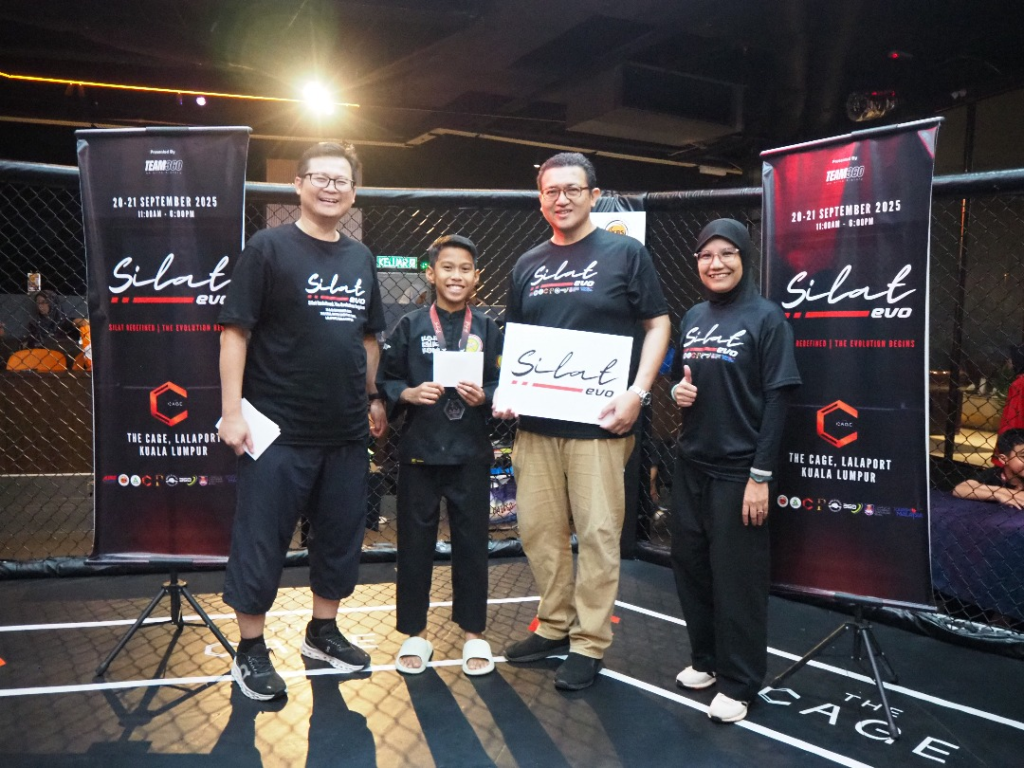
Silat Melayu, a martial tradition deeply rooted in the cultural fabric of the Malay world, is now finding resonance far beyond Southeast Asia. Once practised in royal courts, village halls, and forest clearings, Silat has entered the global arena not only as a performative art but as a respected subject of academic inquiry, cultural diplomacy, and international education. This transformation did not occur by chance; it is the result of strategic collaborations and scholarly initiatives, particularly through two major platforms: the International Martial Arts and Combat Sports Scientific Society (IMACSSS) and the UNESCO International Centre of Martial Arts (ICM).
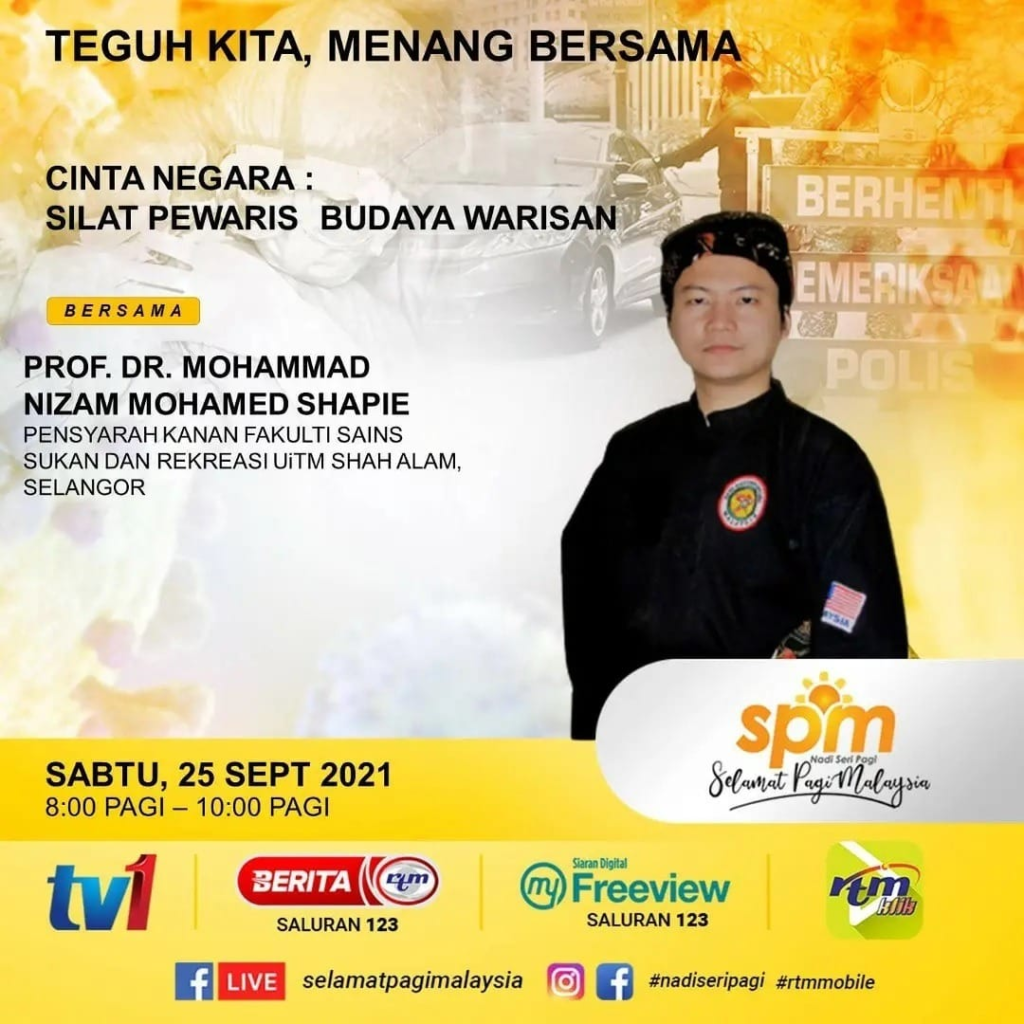
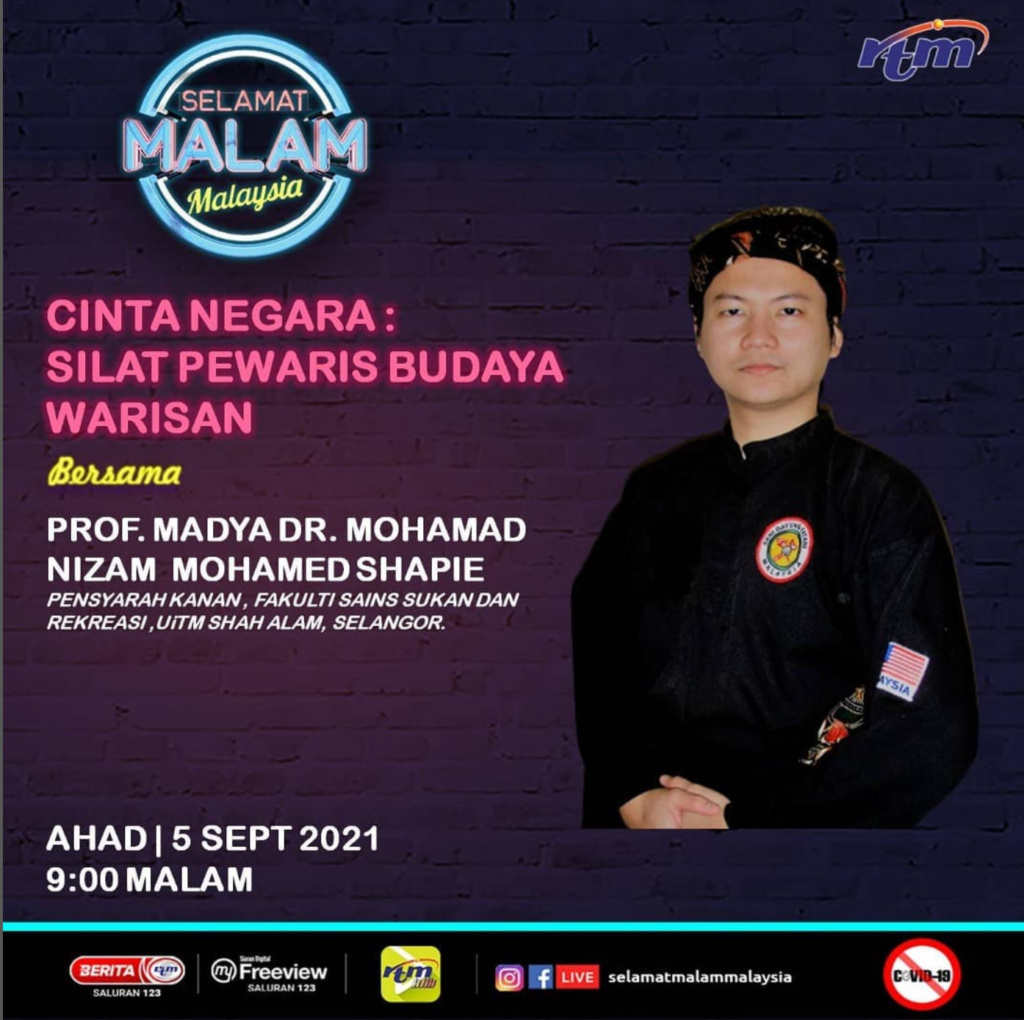
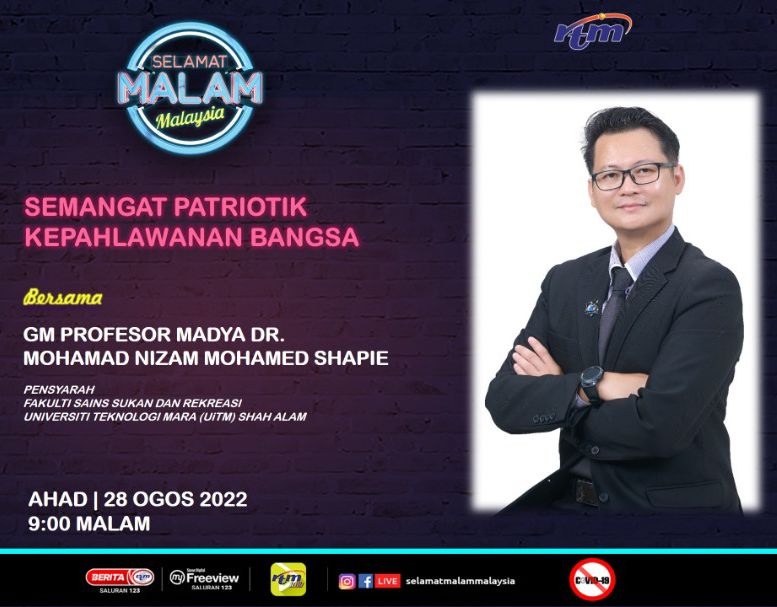
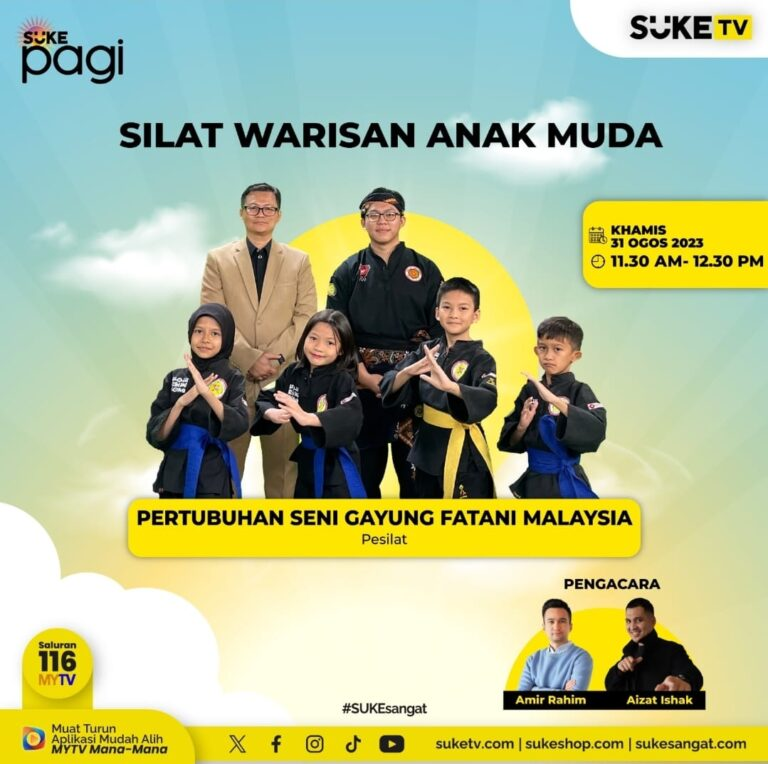
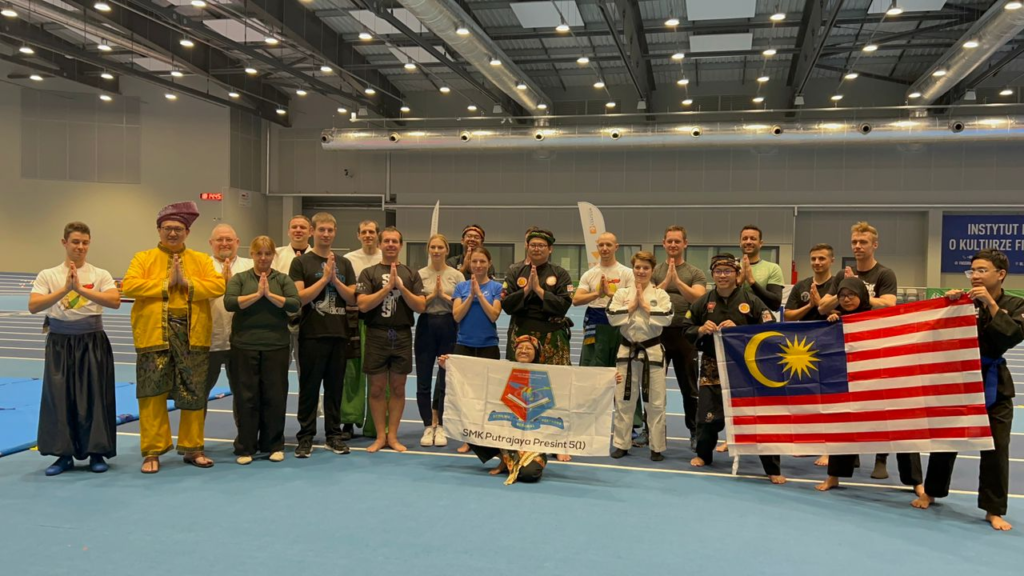
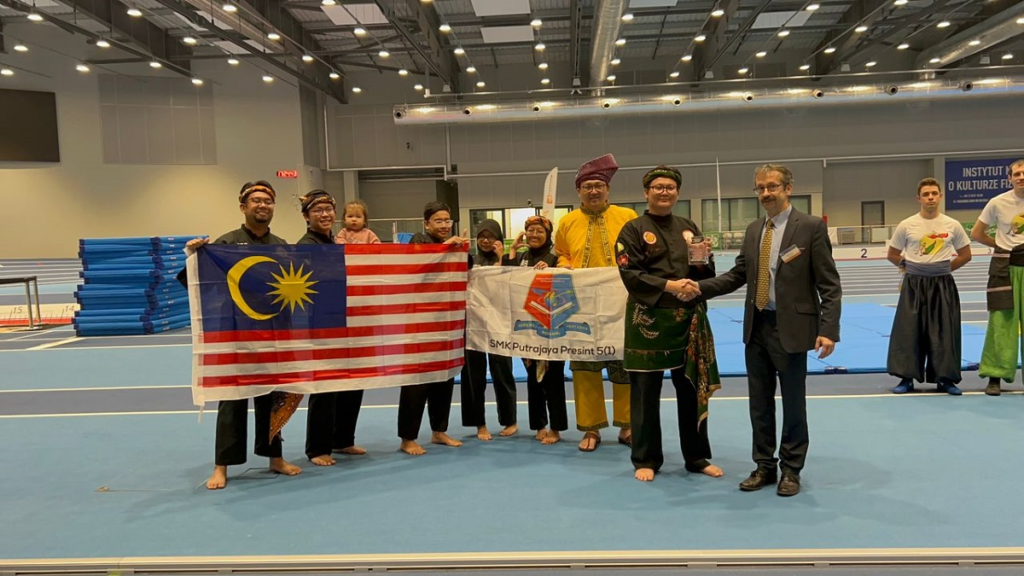
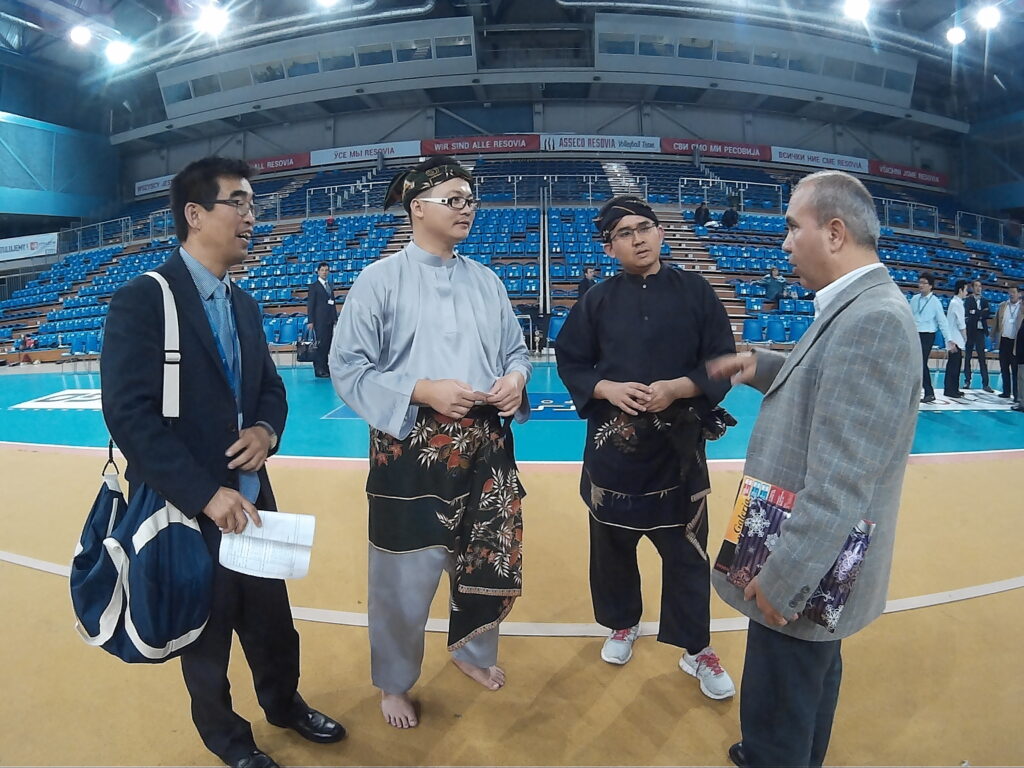
These institutions have played a pivotal role in shifting perceptions of Silat from a regional tradition to a recognized component of global martial heritage. With key leadership from Prof. Dr. Mohamad Nizam Mohamed Shapie and a network of Silat scholars, Malaysia has successfully inserted its martial identity into Europe’s academic, cultural, and educational dialogues. This article explores how IMACSSS and UNESCO ICM have shaped Silat’s international narrative and why this moment marks a critical point in the preservation and elevation of Silat Melayu.
2. IMACSSS: Academic Collaboration Across Borders
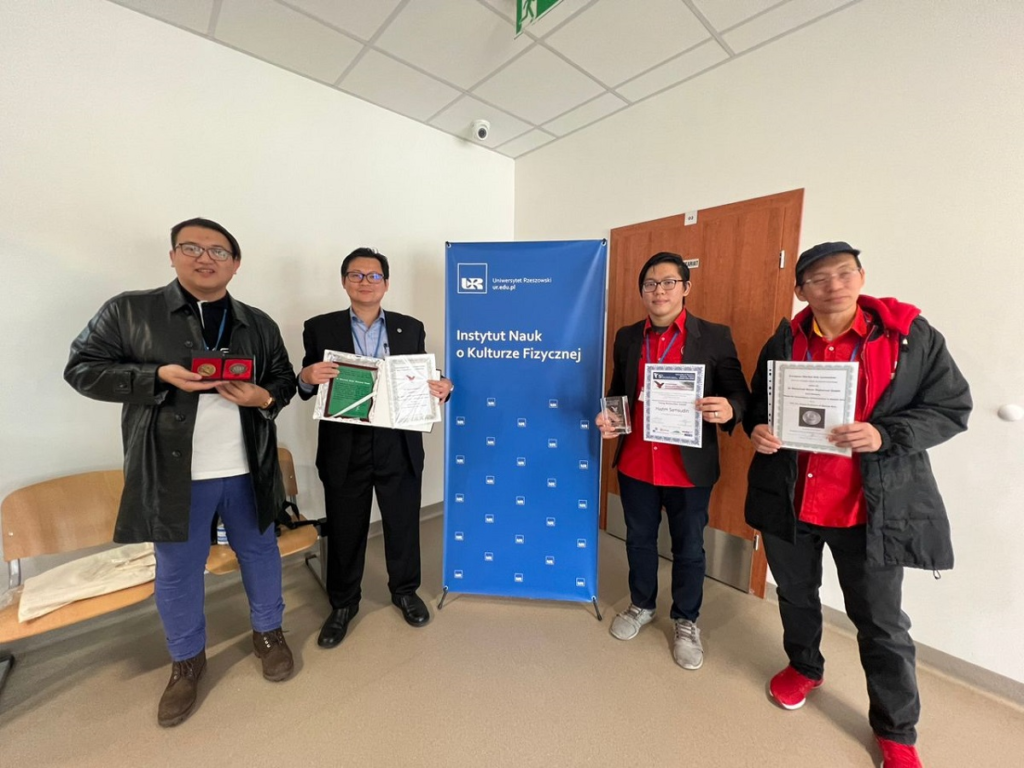
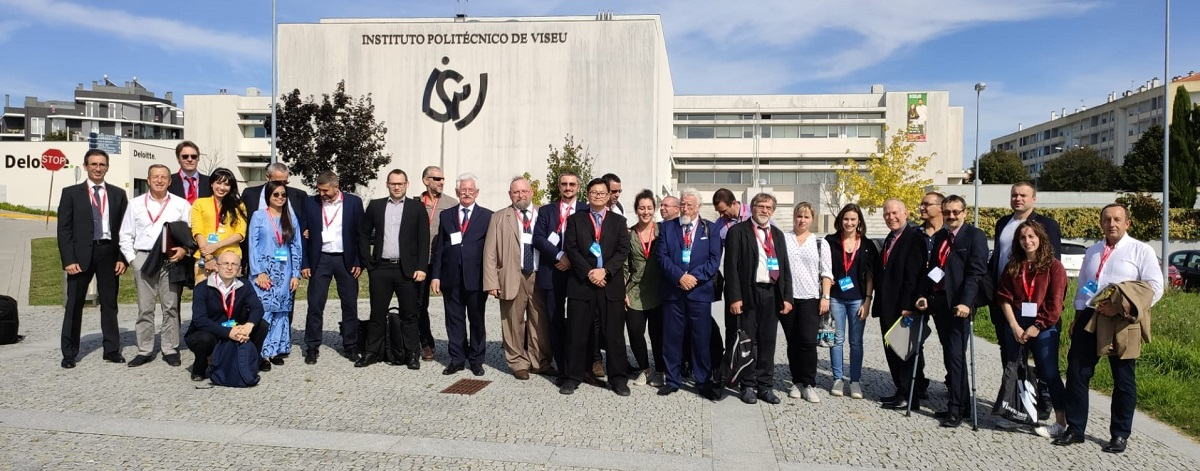
Founded in Europe as a platform for scientific discussion on martial arts and combat sports, IMACSSS has become an indispensable avenue for the academic collaboration of traditional martial arts practitioners and scholars. Since 2014, Malaysian Silat researchers have participated in IMACSSS conferences in Poland, Spain, Hungary, and beyond—presenting papers on biomechanics, pedagogy, youth engagement, and cultural symbolism in Silat Melayu.
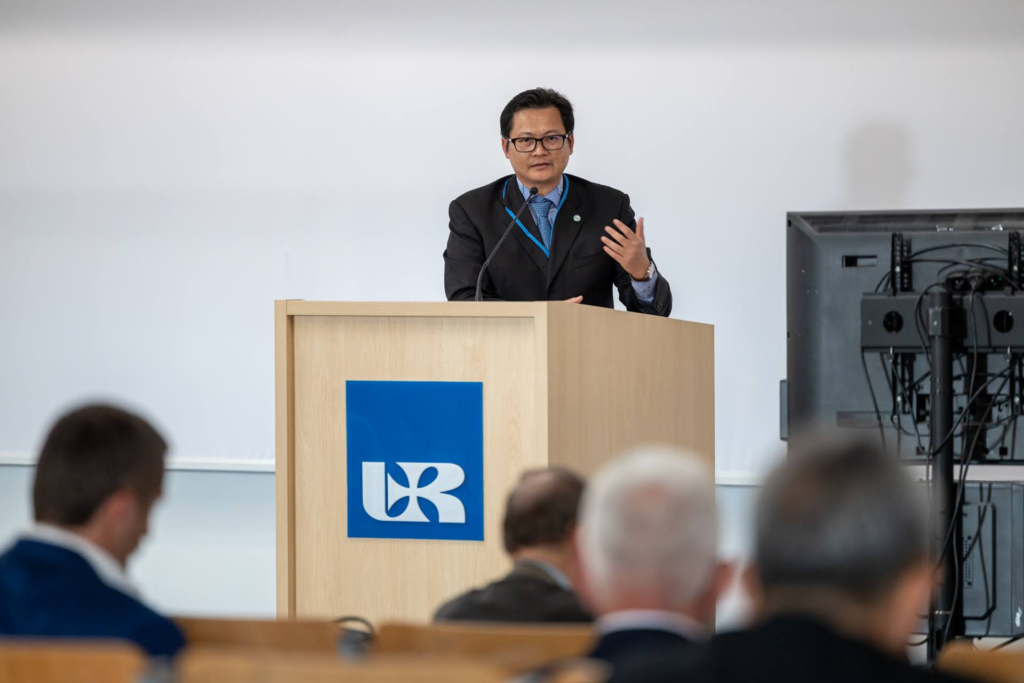
Prof. Dr. Mohamad Nizam Mohamed Shapie, in particular, has been a driving force in presenting Silat not only as a combat system but as an academic discourse. His consistent presence in the IMACSSS community—hosting conferences in Putrajaya and co-editing proceedings—has allowed Silat to be studied alongside Judo, Capoeira, and Taekwondo within equal scholarly frameworks.
These contributions have allowed Silat to be analyzed, critiqued, and improved without sacrificing its traditional core. In doing so, Silat has moved from the margins of martial arts research to a respected position within global academic martial arts literature, enabling Silat knowledge sharing with universities and research institutes across Europe.
3. UNESCO ICM: Cultural Heritage and Global Recognition
Where IMACSSS provides a scholarly stage, UNESCO ICM offers global cultural legitimacy. As a Category 2 centre under UNESCO, the International Centre of Martial Arts for Youth Development and Engagement—headquartered in Korea—has been instrumental in bringing Silat into the dialogue of intangible heritage, youth empowerment, and cultural preservation.
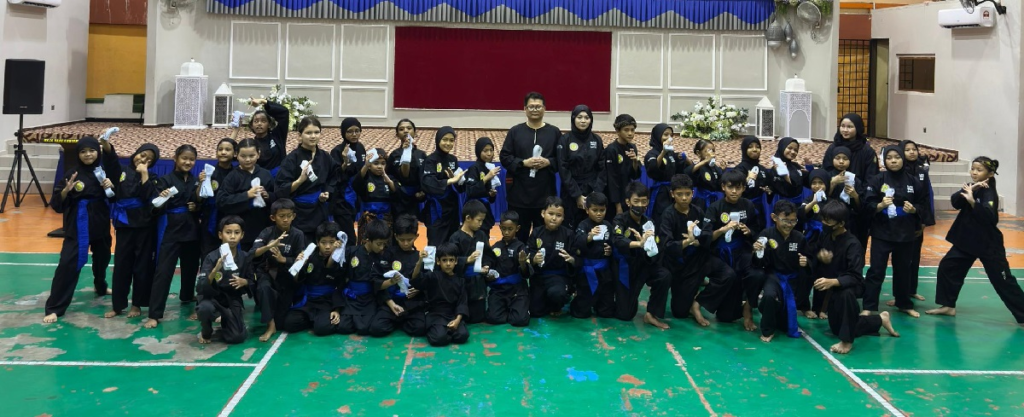
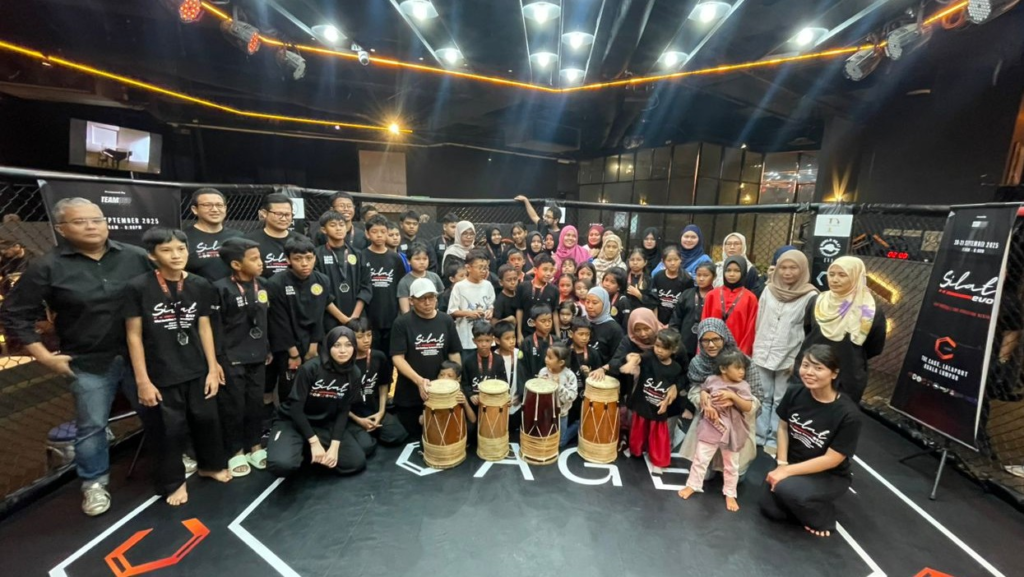
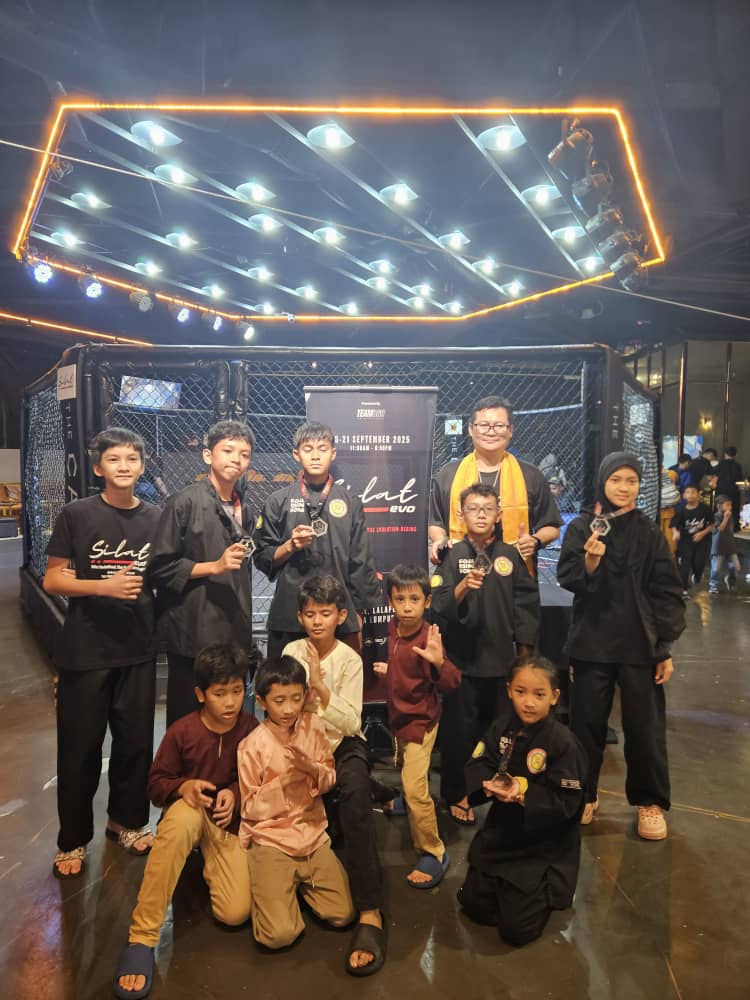
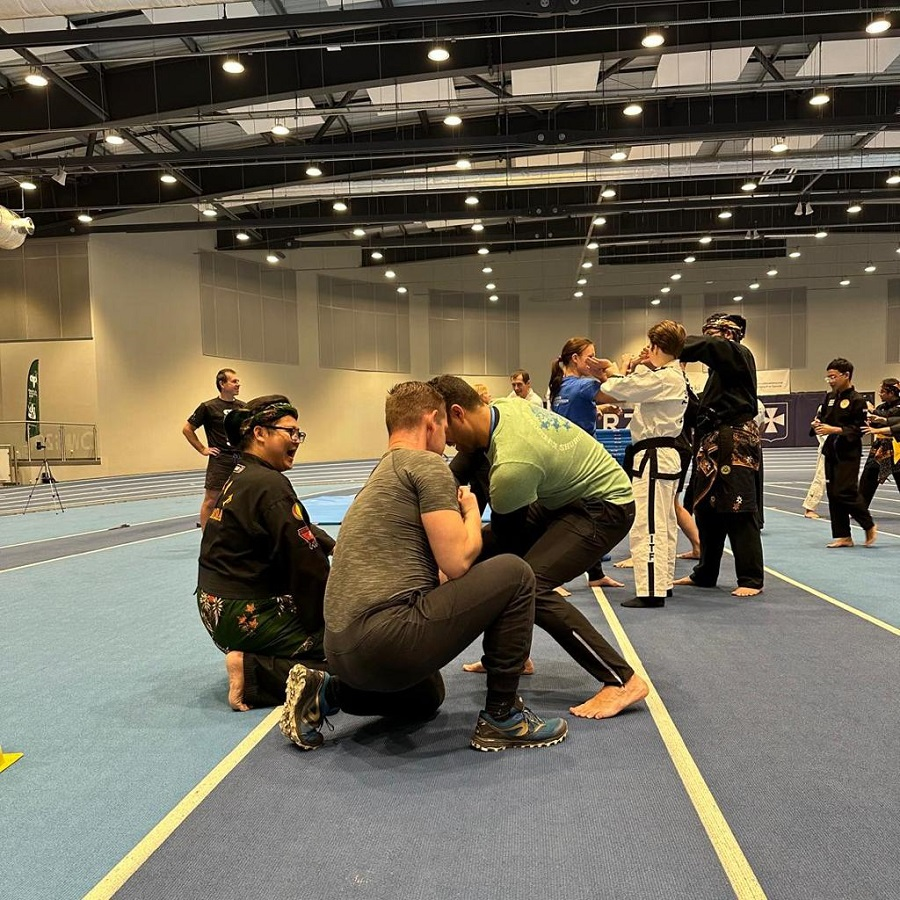
Silat Melayu’s inclusion in UNESCO ICM’s Martial Arts Open School (MAOS) projects introduced the art to international youth in ways that emphasized its philosophy, discipline, and spiritual values. These sessions, facilitated by Silat practitioners including Dr. Nizam’s team, highlighted Silat’s unique character: grounded in humility, strategic in motion, and rich in symbolic meaning.
Further, through research publications, curriculum contributions, and panel discussions, Silat has been reframed as a living heritage relevant to global youth. Its representation at events such as the World Martial Arts Union (WoMAU) and in ICM’s educational materials has strengthened its status as a recognized component of UNESCO martial arts heritage. This recognition goes beyond display; it calls for support, funding, and continuity—placing Malaysia at the heart of heritage advocacy in martial arts.
4. Scholarly Leadership and Cultural Diplomacy
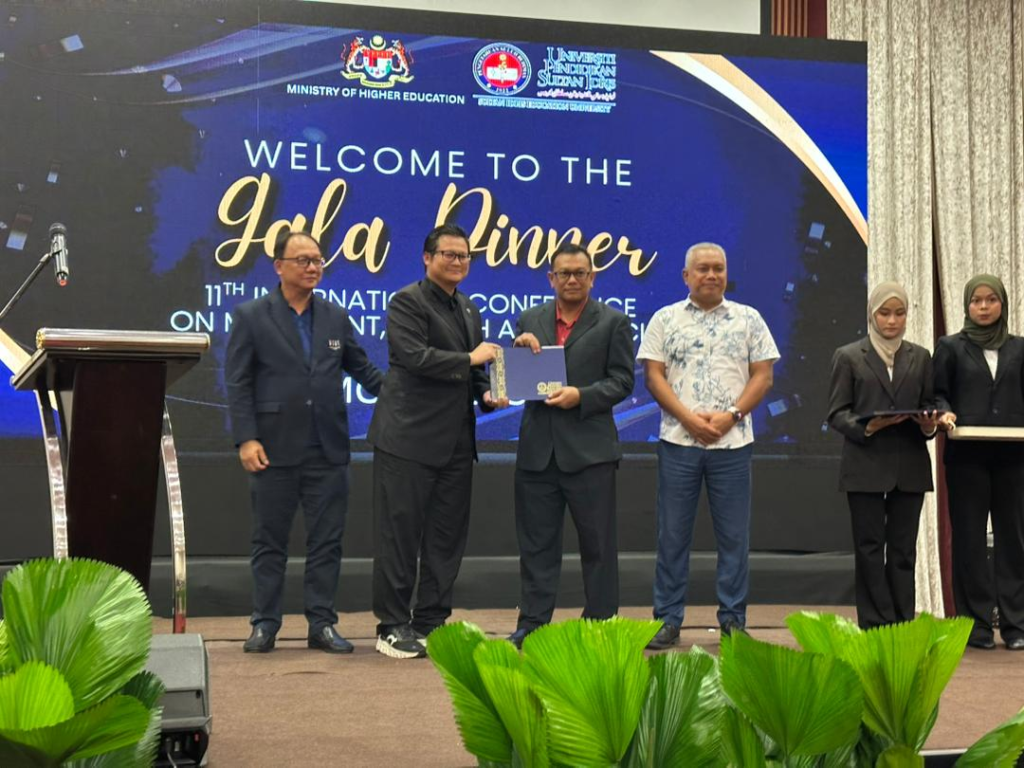
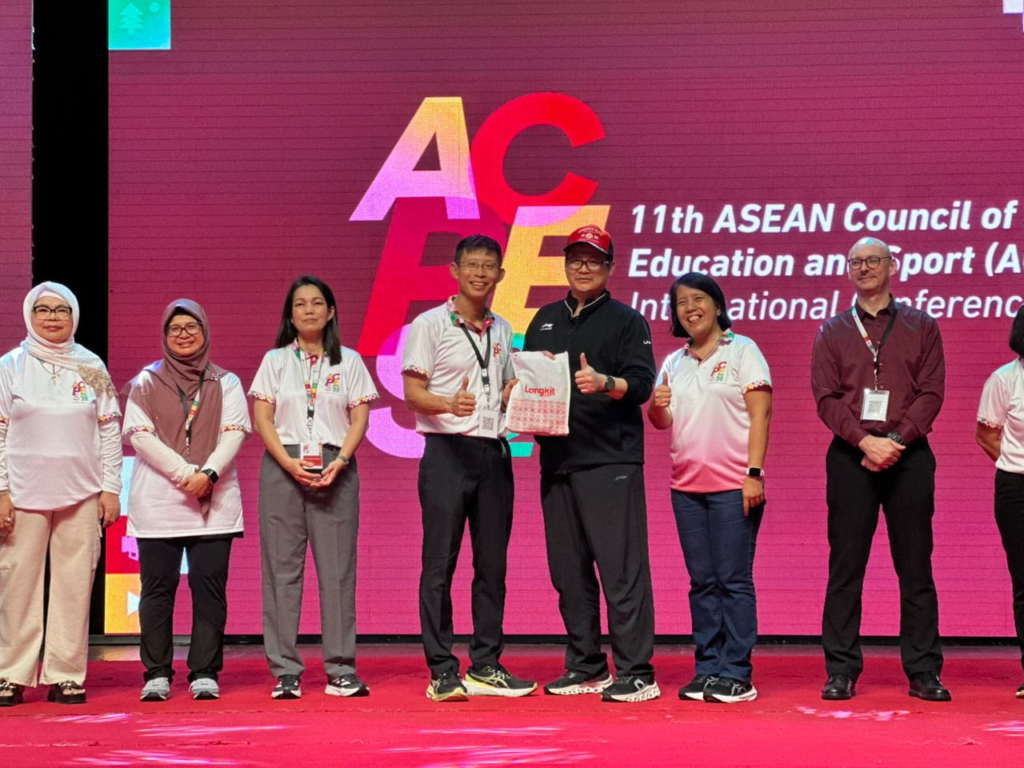
The success of Silat Melayu in Europe is not solely due to institutional support. It is also the result of scholarly leadership and cultural diplomacy carried out by practitioner-researchers who embody both authenticity and academic rigour. Prof. Dr. Mohamad Nizam Mohamed Shapie has emerged as a prime example of this dual identity—presenting papers at IMACSSS, contributing to UNESCO publications, mentoring young scholars, and guiding international Silat exhibitions.
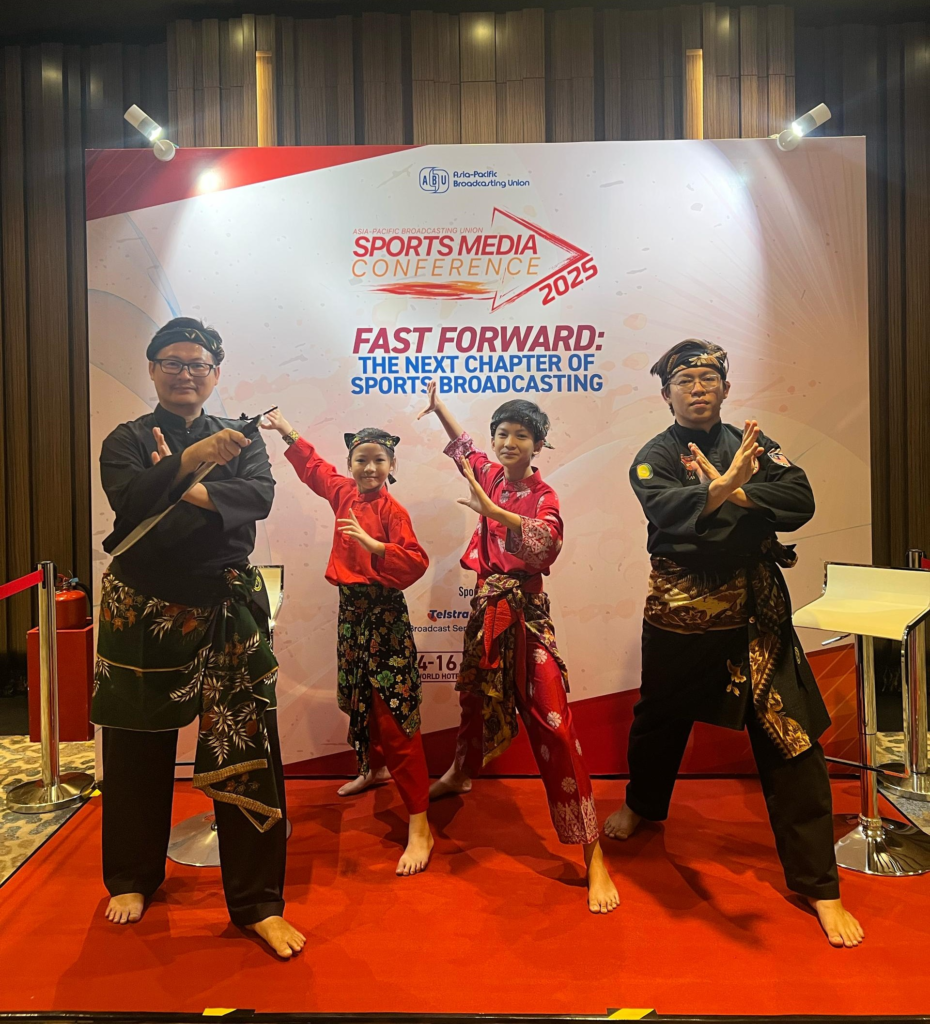
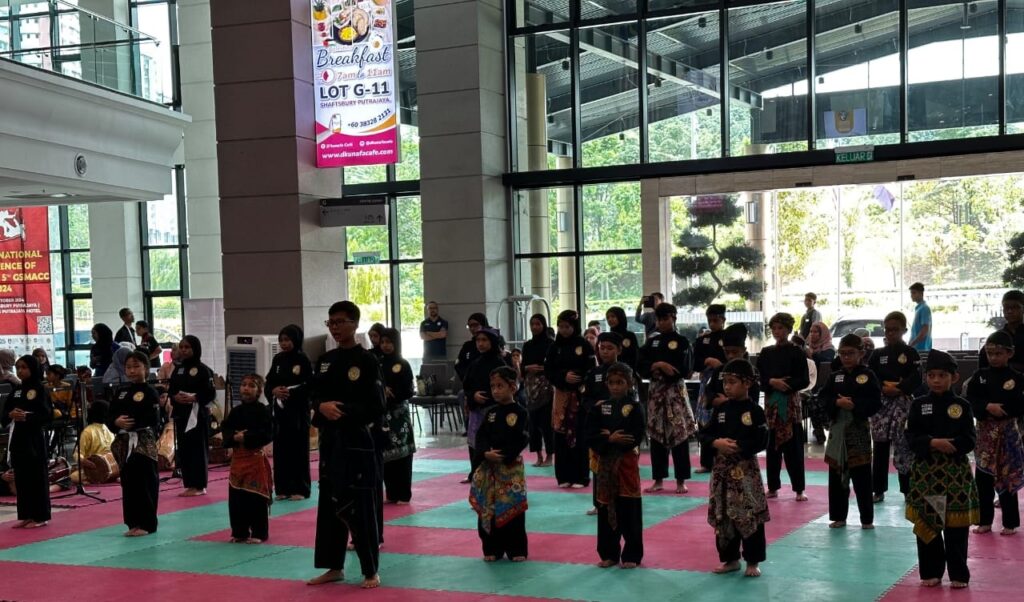
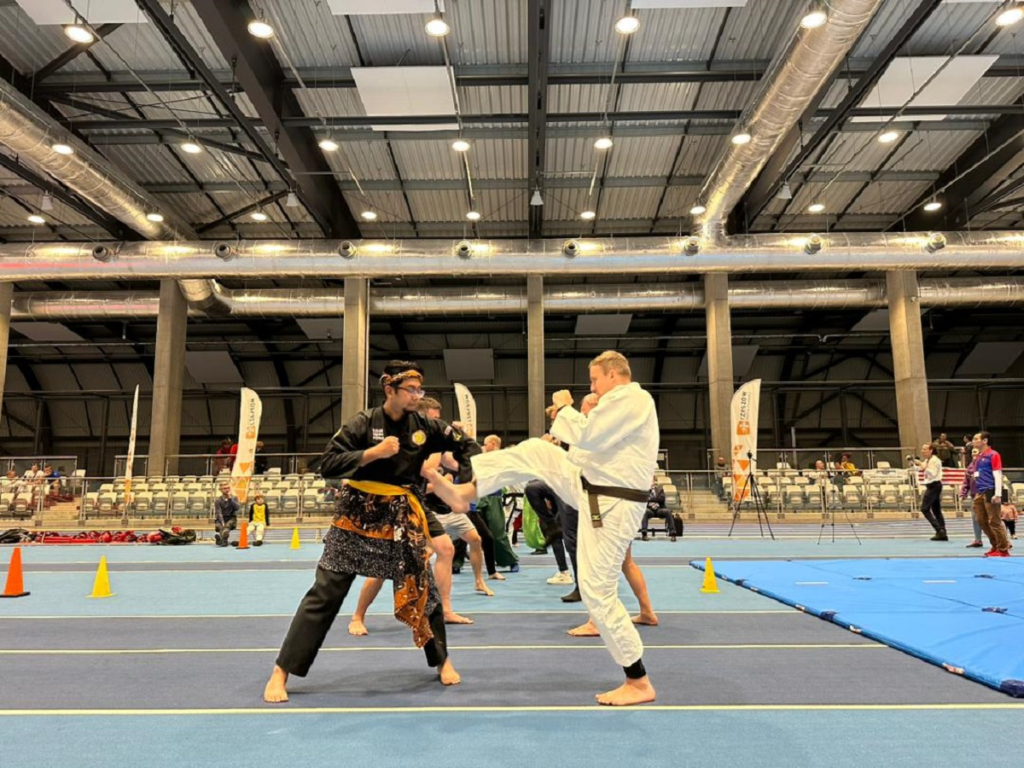
This practitioner-scholar model has allowed Silat to maintain its traditional elements—such as bunga, kuda-kuda, and limbai tangan—while translating its value into formats understandable to international academia. Conferences, demonstrations, and publications are not only avenues of exposure; they are strategies of martial arts cultural diplomacy.
Moreover, through networks like AIRBORNE at Universiti Teknologi MARA (UiTM), Silat research is becoming integrated into broader Southeast Asian martial studies, enriching discussions on martial arts preservation, identity, and global policy. Europe, with its history of fencing, Savate, and wrestling, now recognizes Silat as an important contributor to the shared global narrative of martial heritage.
5. A Future Rooted in Heritage: Embracing Global Partnerships
The embrace of Silat Melayu in Europe is not the endpoint—it is a beginning. IMACSSS and UNESCO ICM have opened doors, but it is up to Malaysia’s institutions and Silat organizations to walk through them with strategic foresight. Future growth lies in:
- Academic Joint Degrees and Exchange Programs: Establishing Silat-focused modules in European martial arts programs can institutionalize Silat education abroad.
- Publishing Multilingual Resources: Translating manuals and research into European languages expands accessibility.
- Long-Term Cultural Agreements: Partnering with European ministries and cultural institutions ensures continuity beyond events.
- Digital Archiving and E-Learning: Making Silat materials globally accessible will sustain interest and prevent cultural erosion.
The global success of Silat will depend on how Malaysia continues to balance authenticity with adaptability, using platforms like IMACSSS and UNESCO ICM not just for exposure but for structured development.
Conclusion: Silat’s Place in the Global Cultural Constellation
Silat Melayu is no longer a regional practice confined to the Malay world. Through deliberate, scholarly efforts and the support of international platforms like IMACSSS and UNESCO ICM, it has entered a global cultural constellation. It stands now as a martial art, a cultural archive, and a source of philosophical guidance—welcomed in European conferences, respected in academic journals, and recognized by UNESCO.
This moment is a testament to the power of cultural integrity and academic leadership. It proves that with the right platforms, voices, and vision, a traditional art like Silat can thrive—not just survive—on the world stage.
📚 References (APA 7th Edition)
- Shapie, M.N.M., Elias, M.S., Anuar, A. (2016). Silat: The Heritage of Malaysia (Silat: Warisan Bangsa Malaysia). The National Department for Culture and Arts, Ministry of Tourism and Culture.
- Shapie, M.N.M. (2021). The Warrior Attitude (Sikap Pendekar) in Malay Silat Encouraging Malaysian Interest in Global Martial Arts and Combat Sports. UNESCO ICM.
- Hassim, J.Z., Shapie, M.N.M., Razak, S.N.A., Kassim, R.-N.M., Meng, L.K. (2022). The Legal Aspects of Formalizing the Sportization Development of Martial Arts Societies in Malaysia. Ido Movement for Culture. Journal of Martial Arts Anthropology, Idokan Poland Association, 22 (2s), 1-12.
- Shapie, M.N.M., Lee, K., Rahim, M.R.M., et al. (2022). Anuar Abdul Wahab (1945–2009): The Leadership and Contributions to the Establishment of Traditional Art of War Into Modern Malay Silat. IMACSSS Proceedings.
- Aziz, N. A. A., Shapie, M. N. M., Indrayuda, I., Al-Syurgawi, D., Rahim, M. R. A., Abdullah, N. M., Parnabas, V., Nawai, N. S., Samsudin, H., Kassim, R. M., & Nor, M. A. M. (2023). Silat Tempur League: The Analysis of Athletes Performance in 2019 Competitions. International Martial Arts and Culture Journal, 1(1), 18–29. https://doi.org/10.24036/imacj5019
- UNESCO ICM. (2023). Martial Arts Open School Annual Report. Chungju: UNESCO ICM.
- Parnabas, V.A., Abdullah, N.M., Shapie, M.N.M., et al. (2023). E-learning Motivation Among Student-athletes of Universiti Teknologi MARA (UiTM), Malaysia. Malaysian Journal of Sport Science and Recreation, 17(1), 20–34.