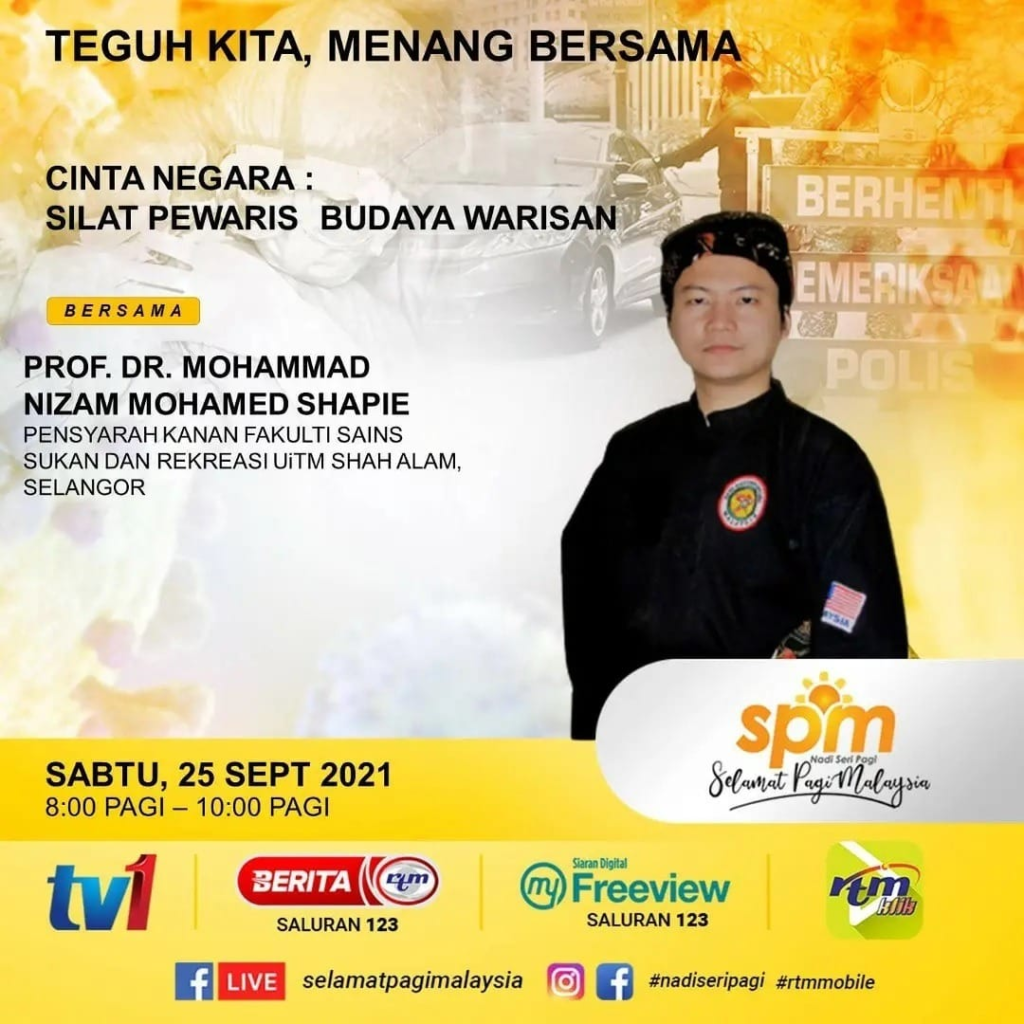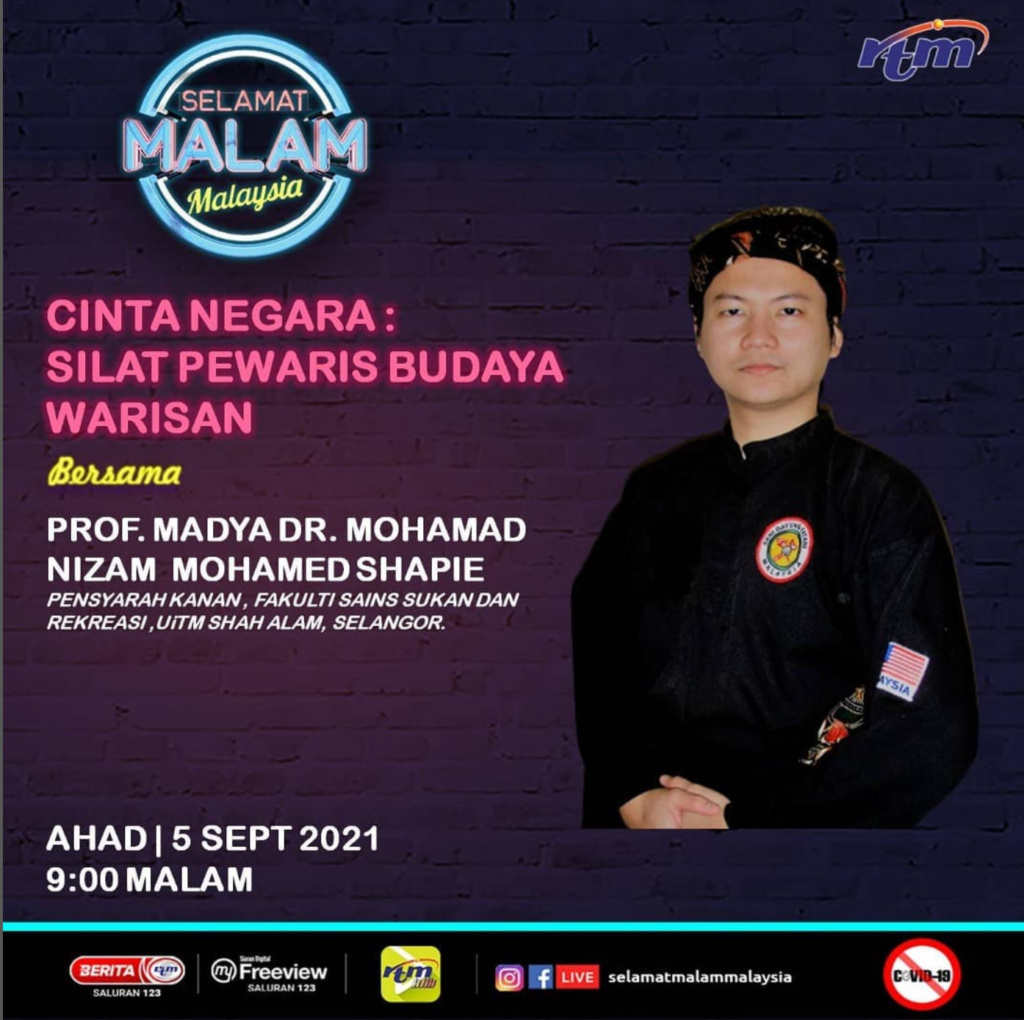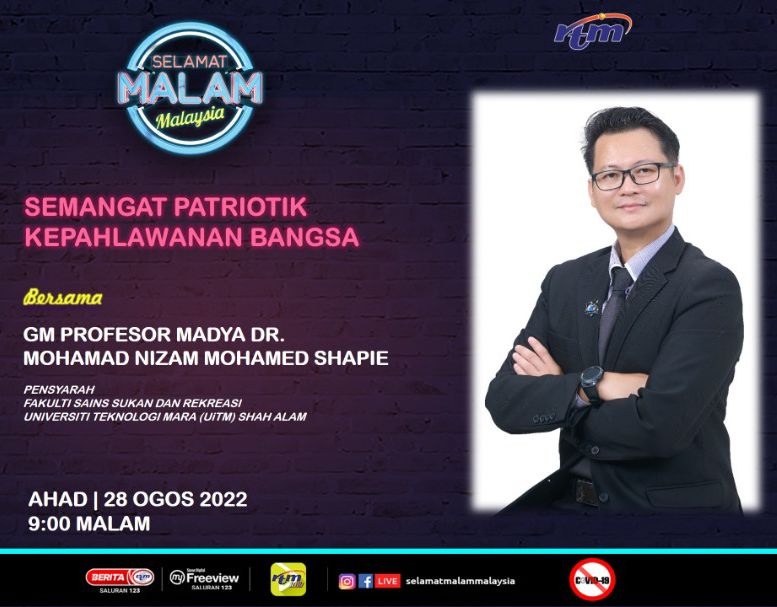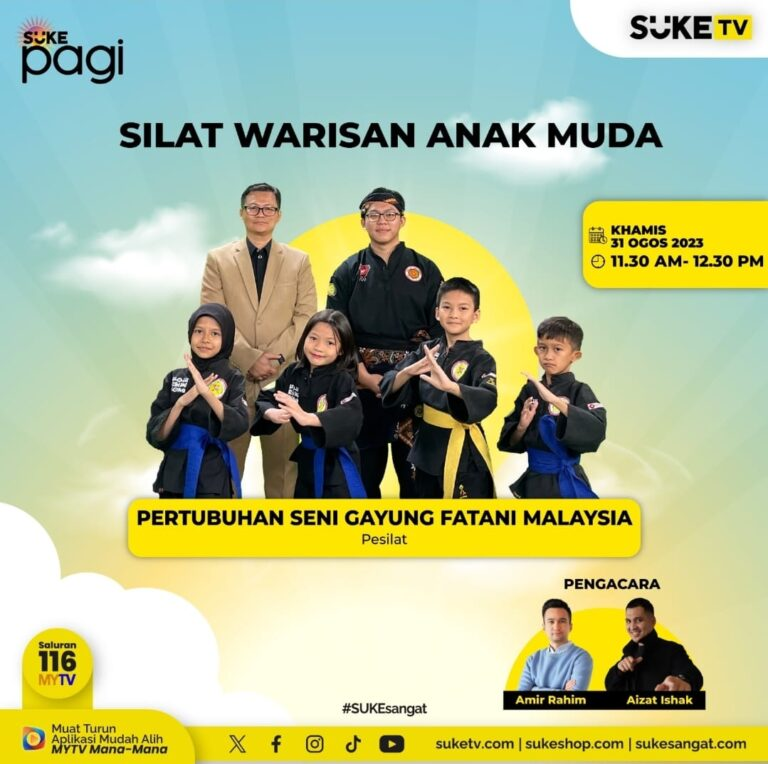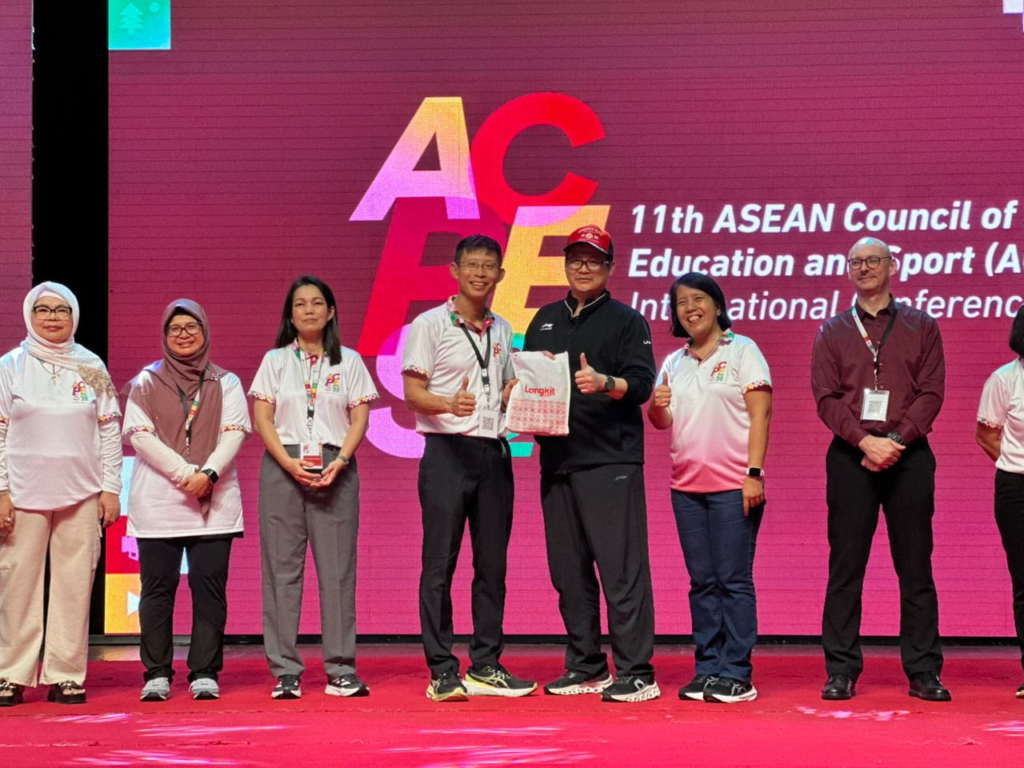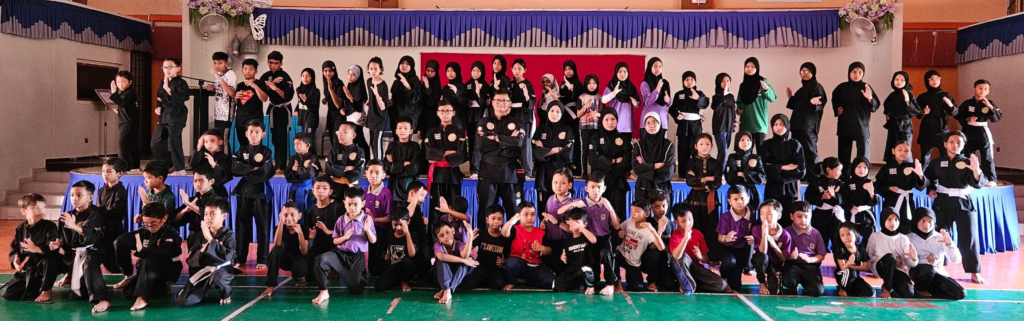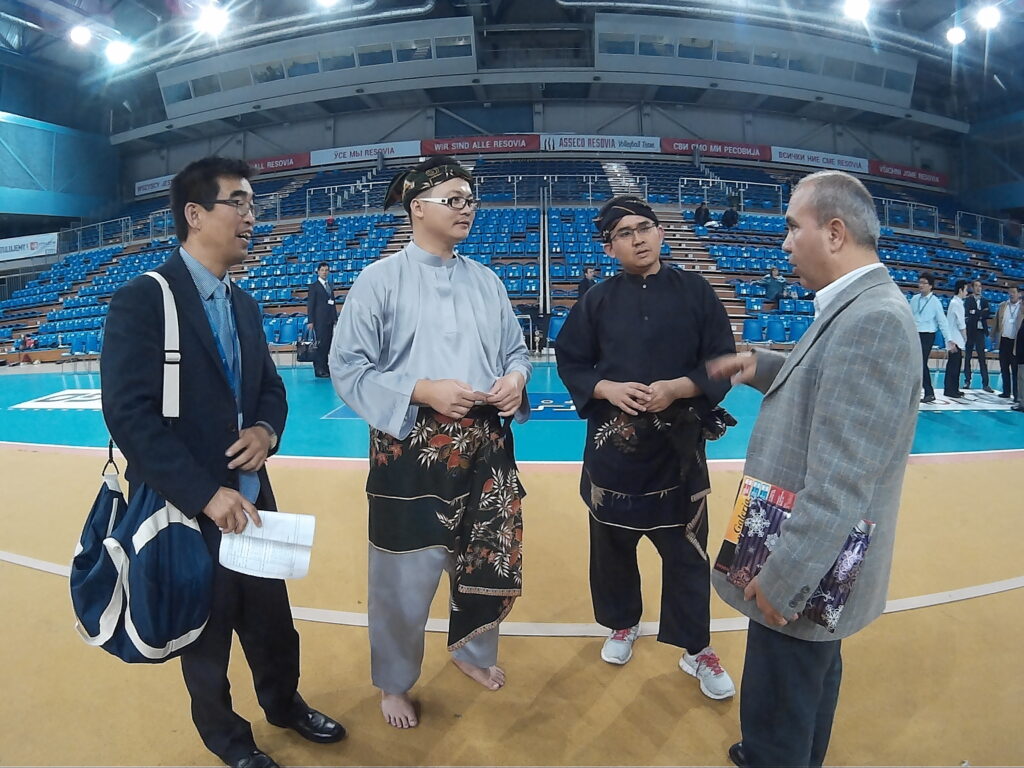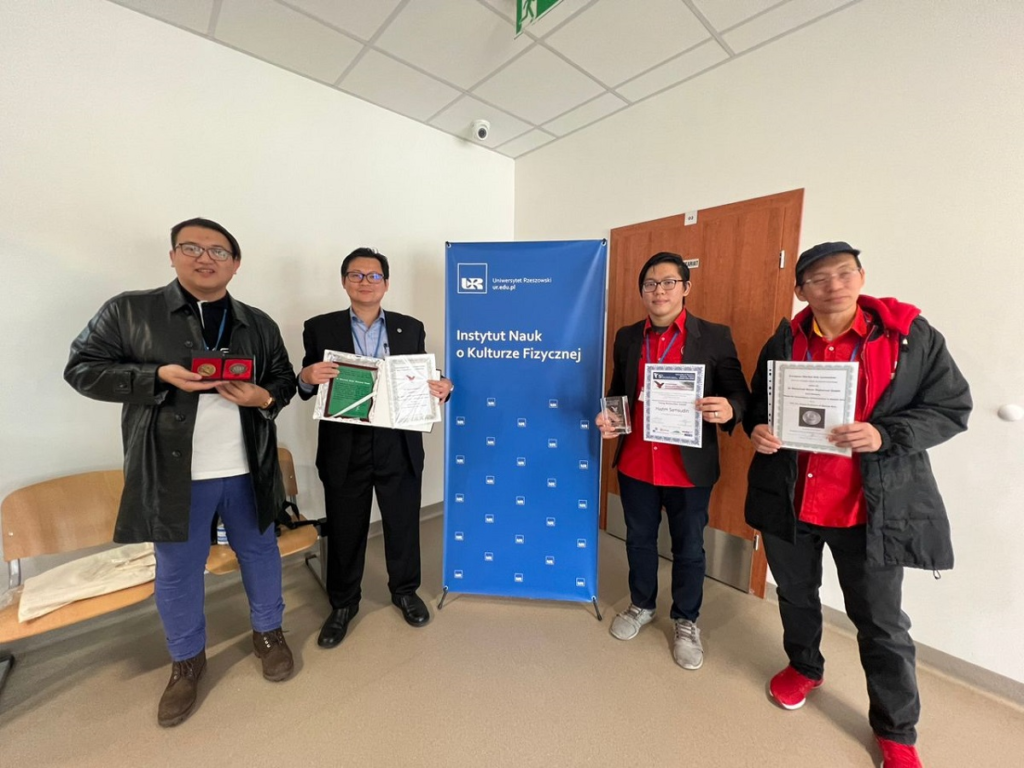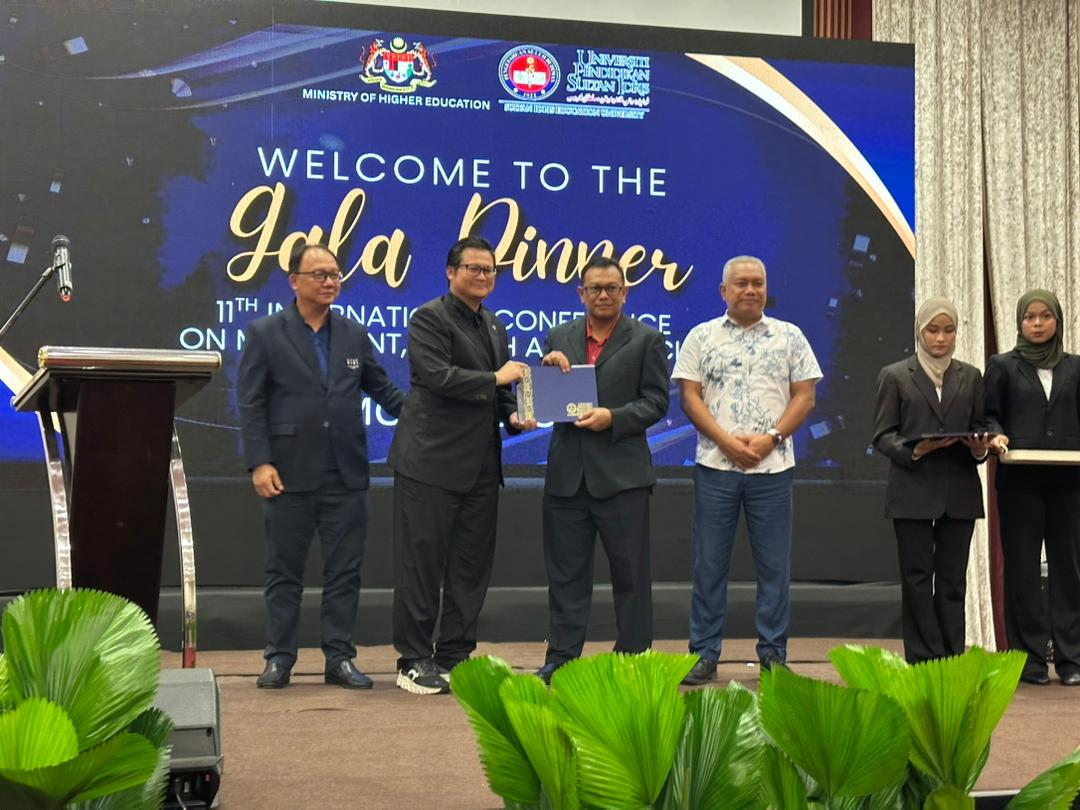
On October 30th, 2025, Universiti Pendidikan Sultan Idris (UPSI) became the proud host of a landmark event—Silat MADANI at MoHE 2025, a celebration of Malay martial arts as a tool for academic excellence, youth development, and cultural diplomacy. Led by Dr. Mohamad Nizam Mohamed Shapie, the event showcased how Silat can shape not only athletes but also holistic individuals grounded in values, heritage, and intellectual pursuit.
The term MADANI, rooted in the concept of a civilized and progressive society, was given new life through Silat. This initiative aligned with Malaysia’s national vision of nurturing youth who are physically strong, emotionally intelligent, and culturally aware. Silat MADANI is not just about combat—it’s about character, community, and continuity.
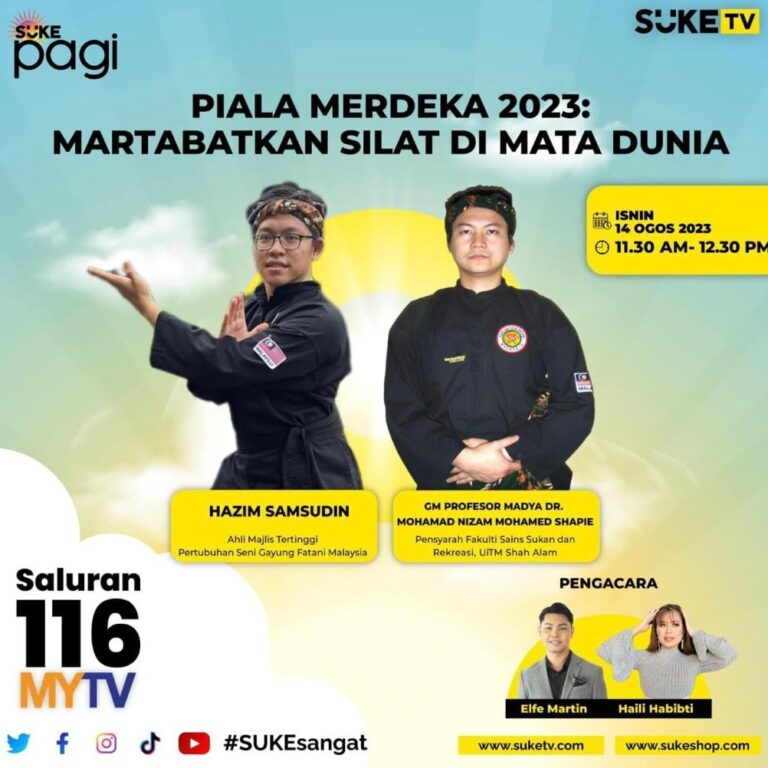
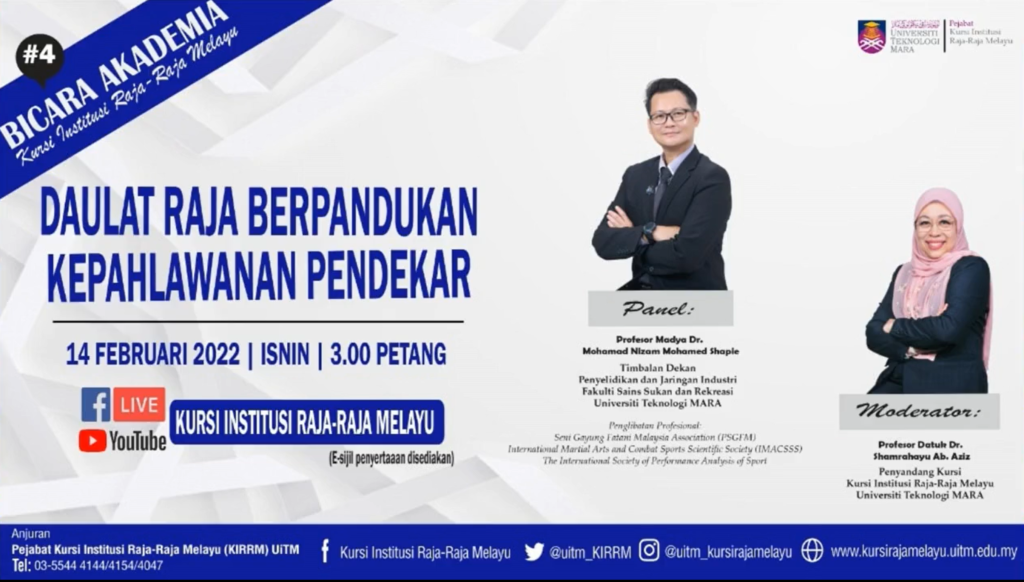
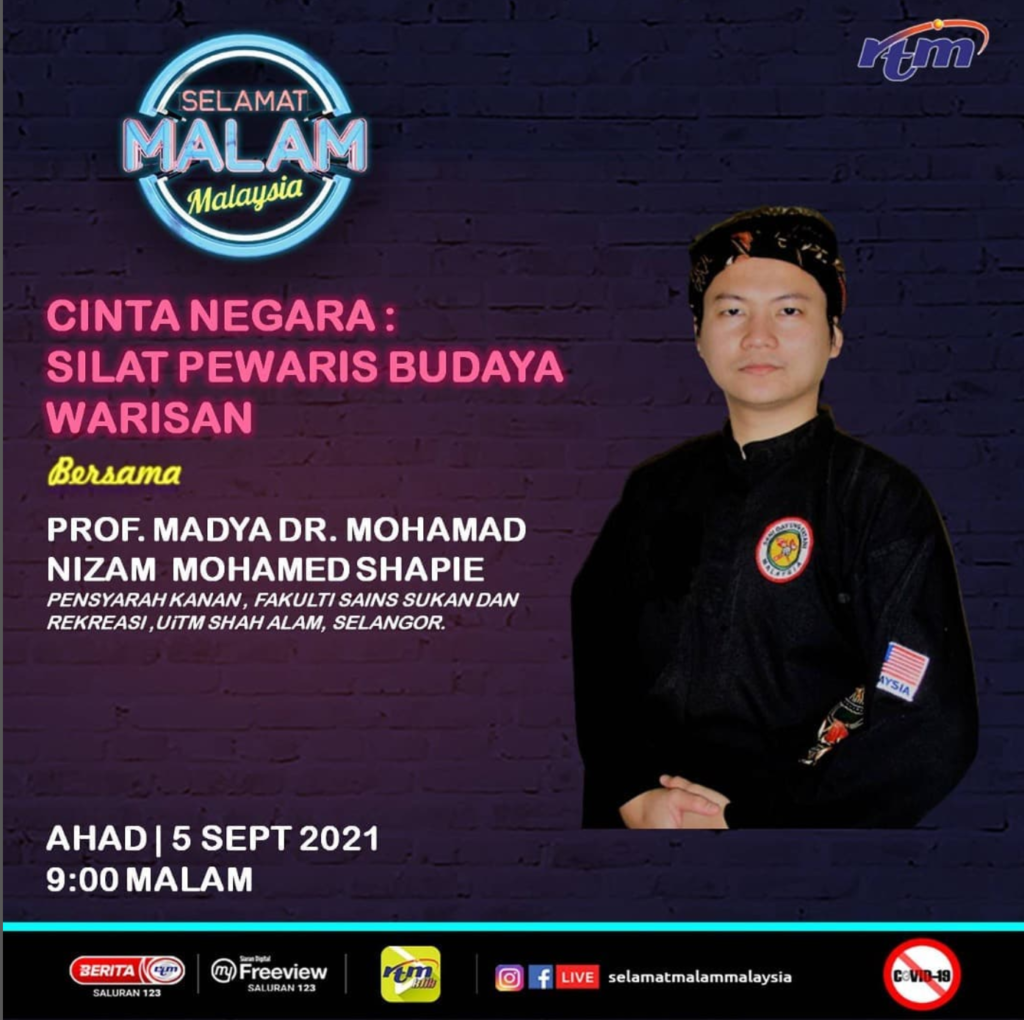
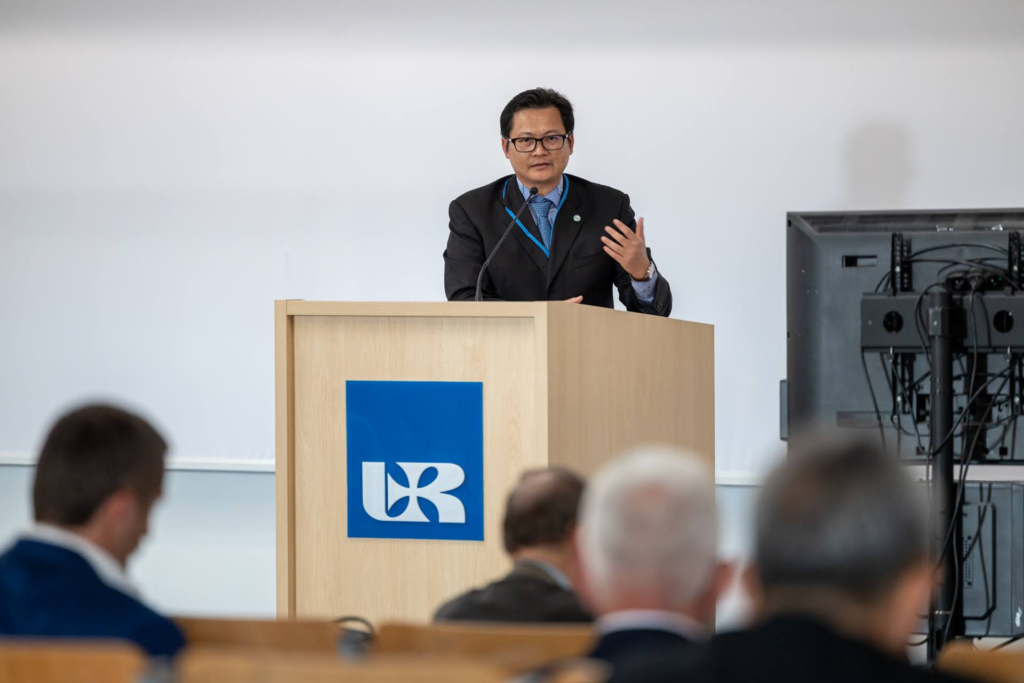
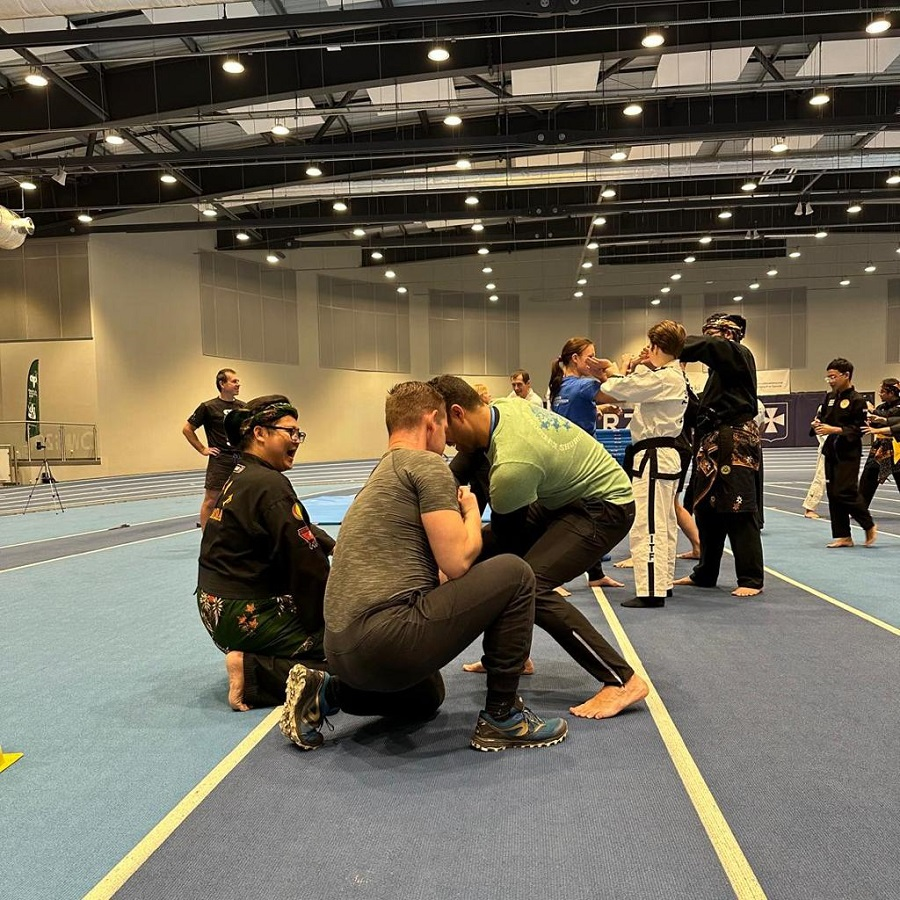
The event featured a series of academic presentations, martial arts demonstrations, and youth engagement activities. Dr. Nizam, representing PASSMAL and UiTM, emphasized the role of Silat in shaping “Atlet Madani”—athletes who embody discipline, humility, and patriotism. His keynote highlighted how Silat, when integrated with sports science and education, becomes a powerful tool for nation-building.
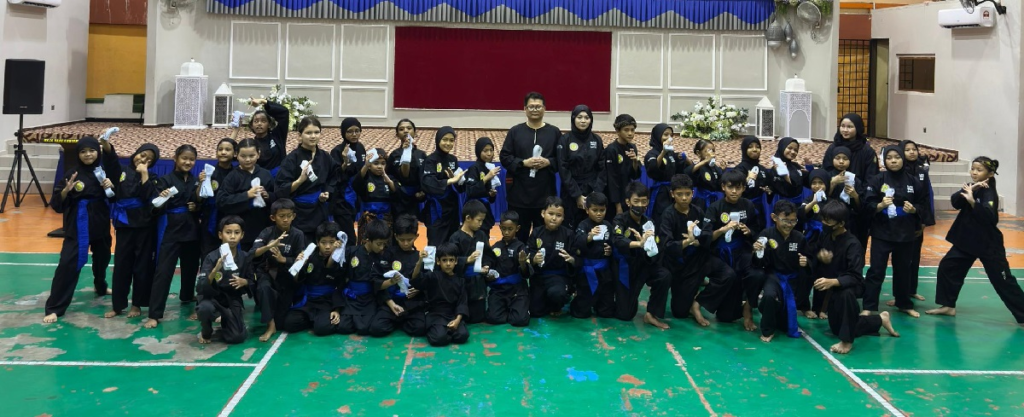
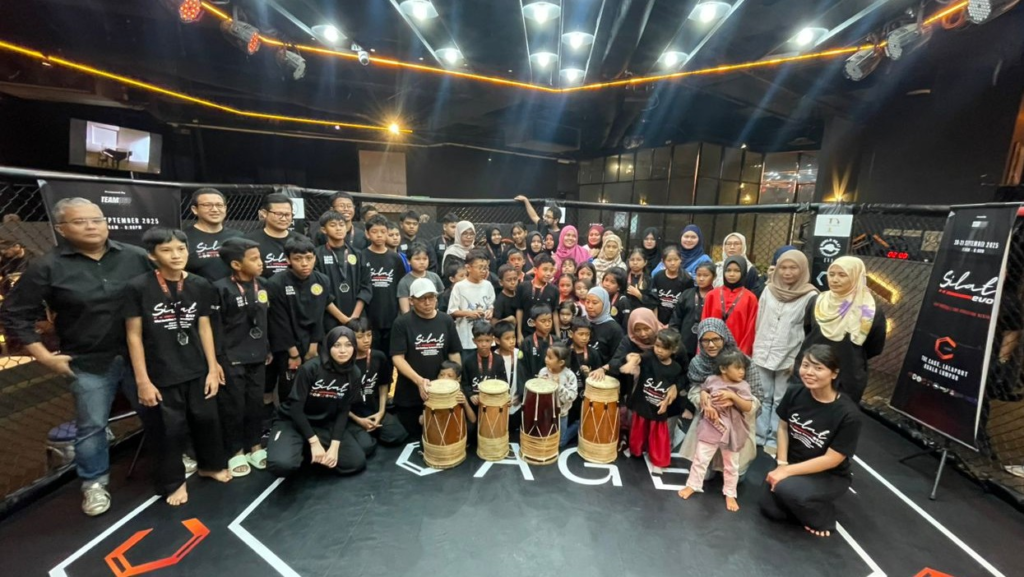
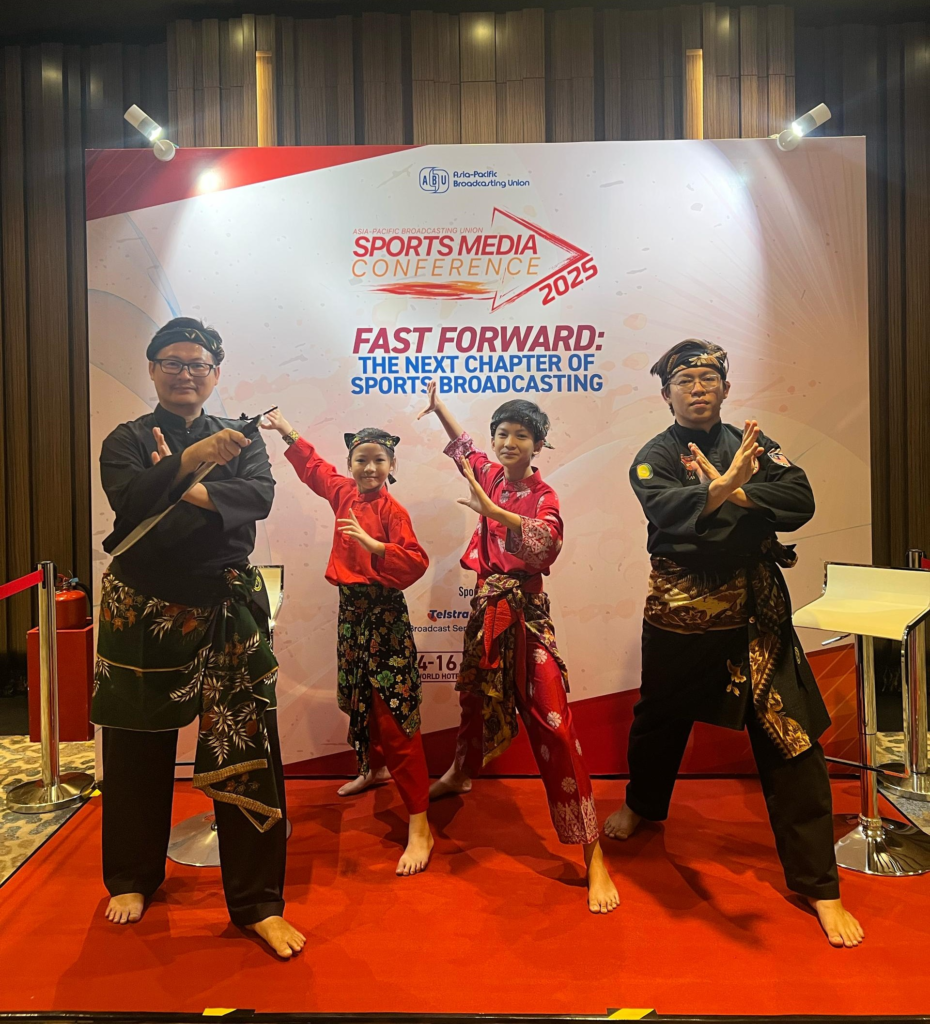
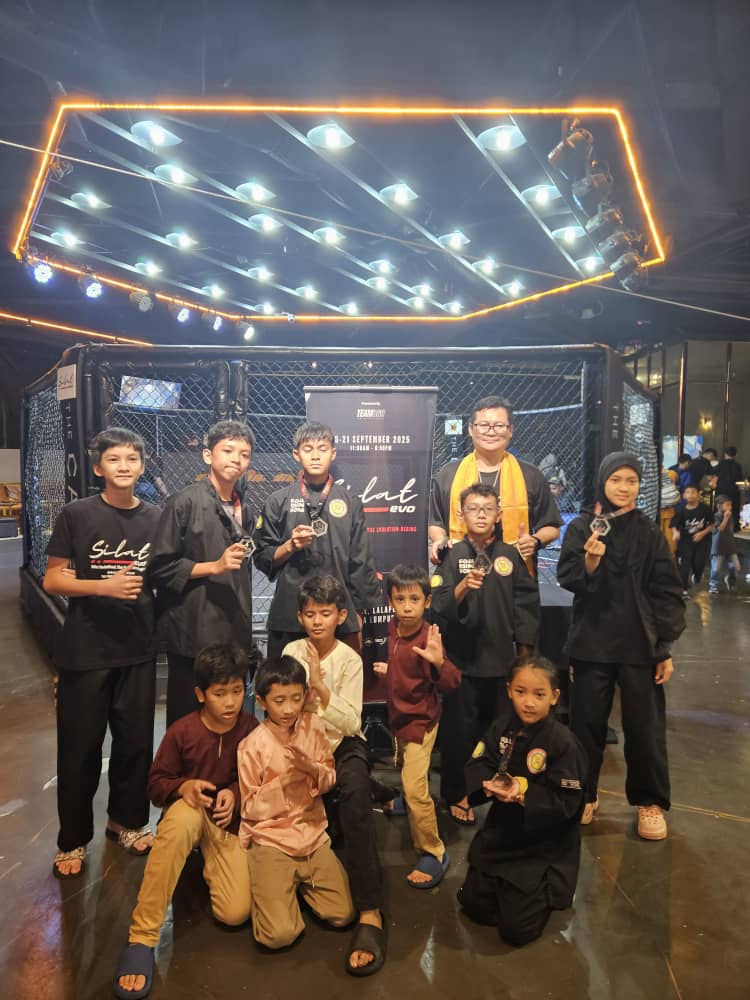
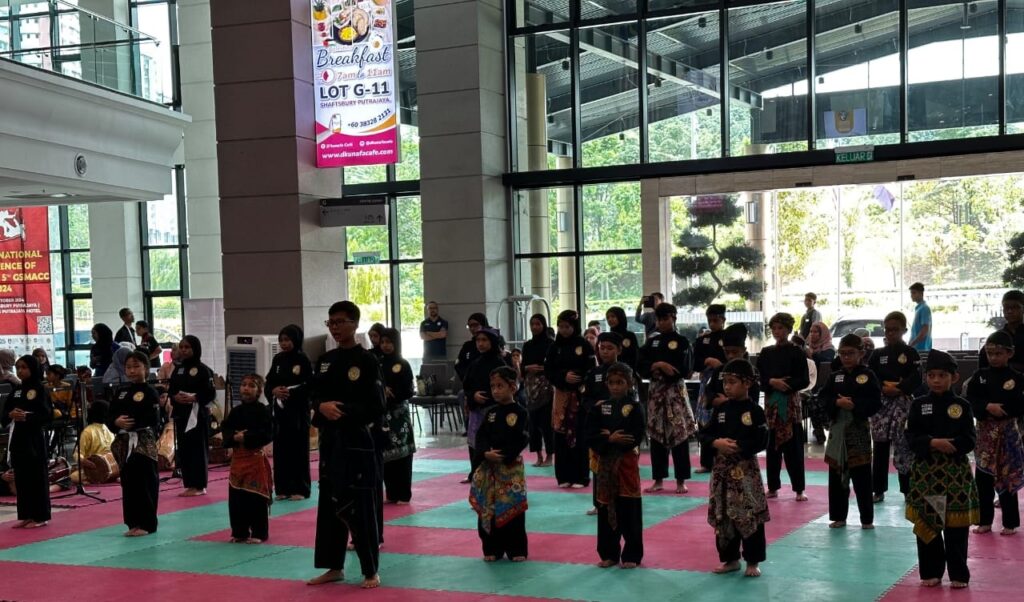
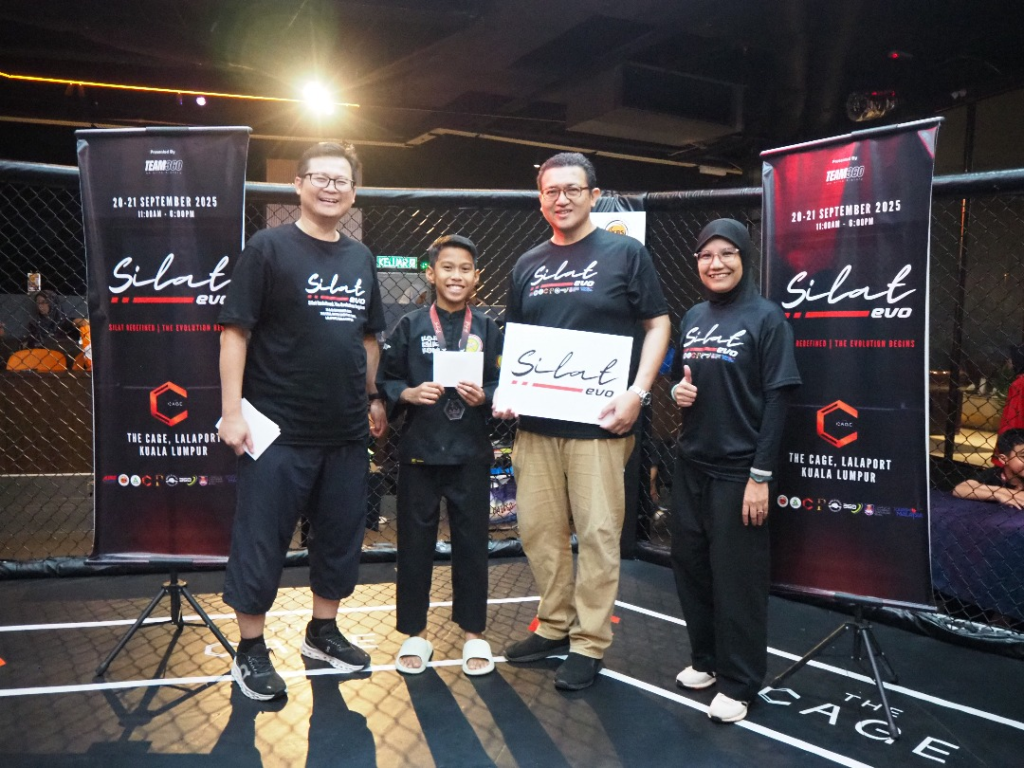
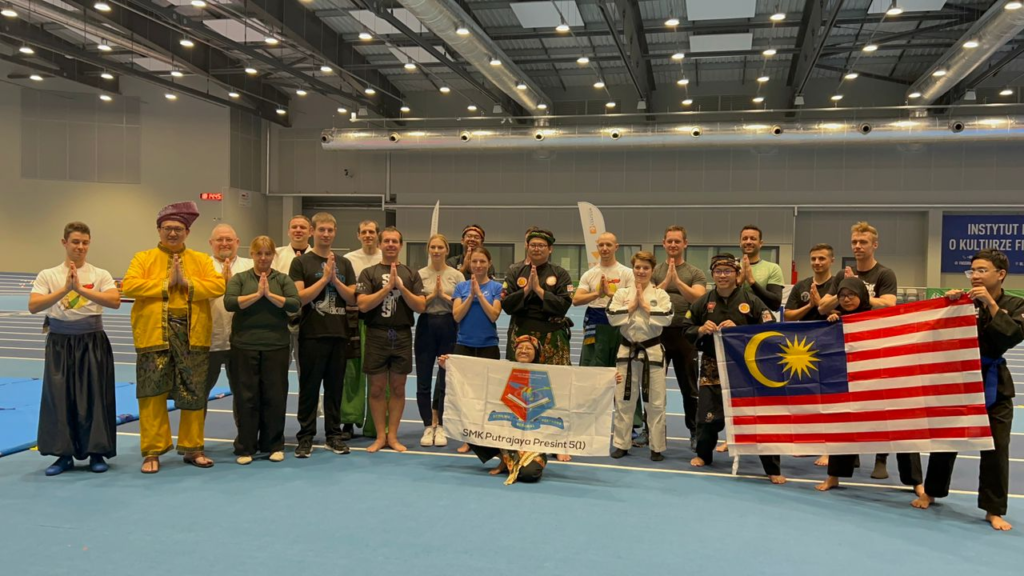
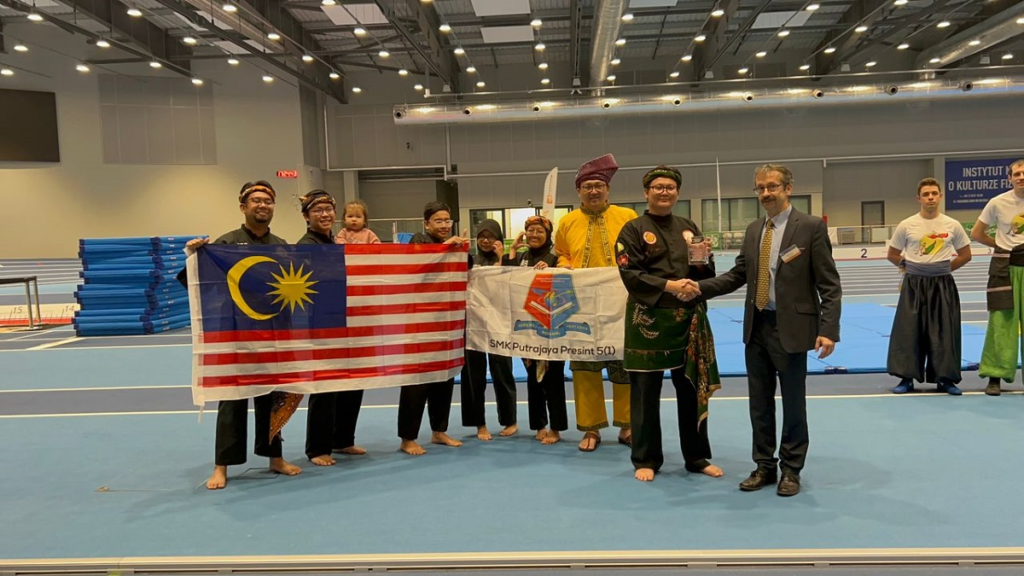
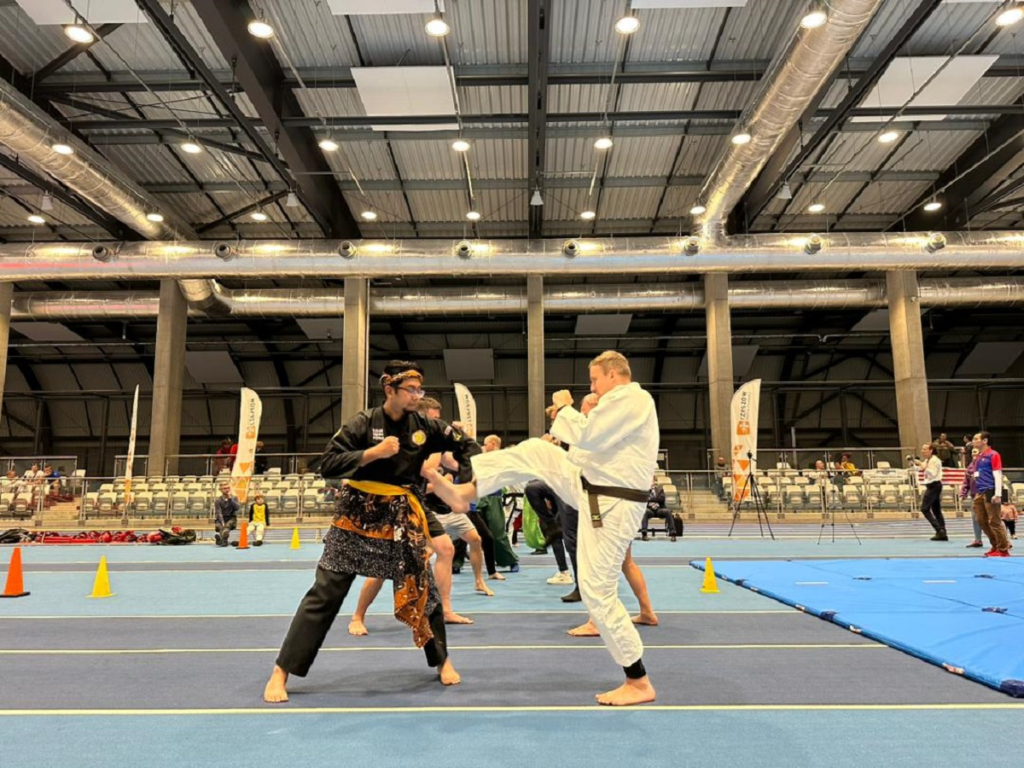
One of the highlights was the Silat showcase performed by students and young athletes trained under the Silat Tempur and Silat EVO frameworks. These performances demonstrated not only technical skill but also the philosophical depth of Silat Melayu. Movements were accompanied by traditional music and symbolic gestures, reinforcing the cultural roots of the martial art.
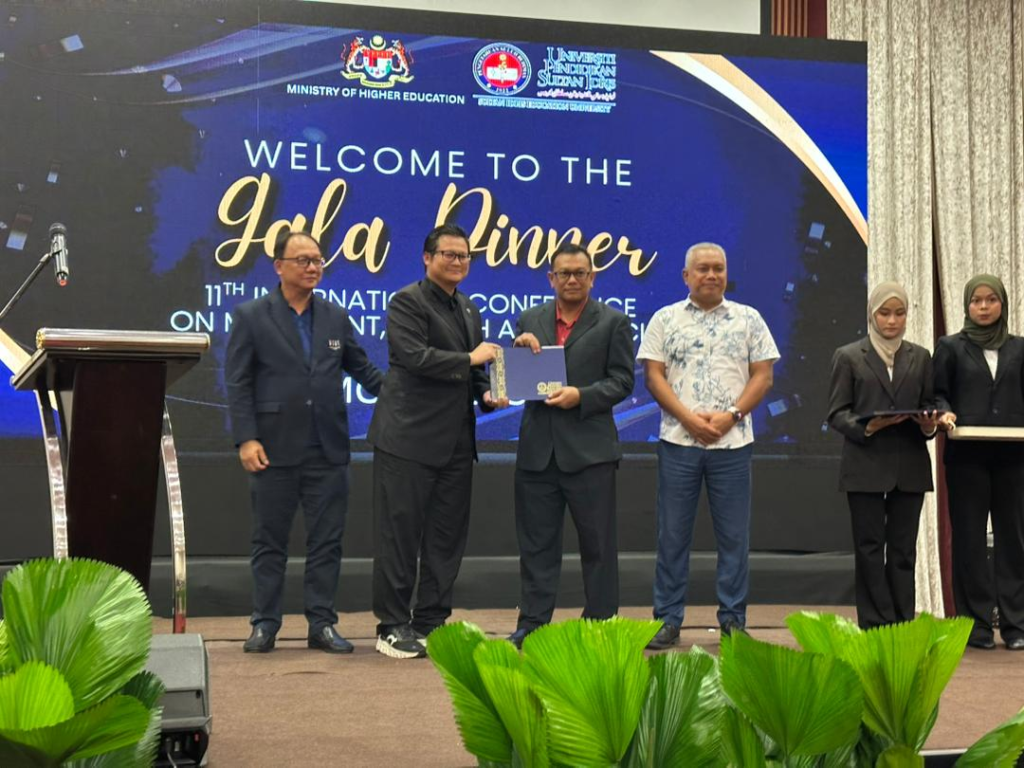
The Ministry of Higher Education (MoHE) supported the initiative as part of its broader agenda to promote heritage-based innovation in universities. UPSI, known for its commitment to teacher education and cultural preservation, provided the perfect platform for this convergence of tradition and academia.
Dr. Nizam also introduced research findings on Silat’s impact on youth behavior, academic performance, and emotional resilience. His studies, conducted over a decade, show that structured Silat programs reduce bullying, improve focus, and foster leadership among students. These insights were well-received by educators and policymakers in attendance.
Silat MADANI at MoHE 2025 was more than an event—it was a movement. It called upon universities to embrace Silat not only as a co-curricular activity but as a scholarly discipline. It encouraged collaboration between martial arts practitioners, researchers, and educators to build a future where heritage and innovation walk hand in hand.
As Malaysia continues to position itself as a leader in cultural sports diplomacy, initiatives like Silat MADANI serve as a blueprint. They remind us that martial arts are not just about physical strength—they are about nurturing minds, preserving identity, and inspiring generations.