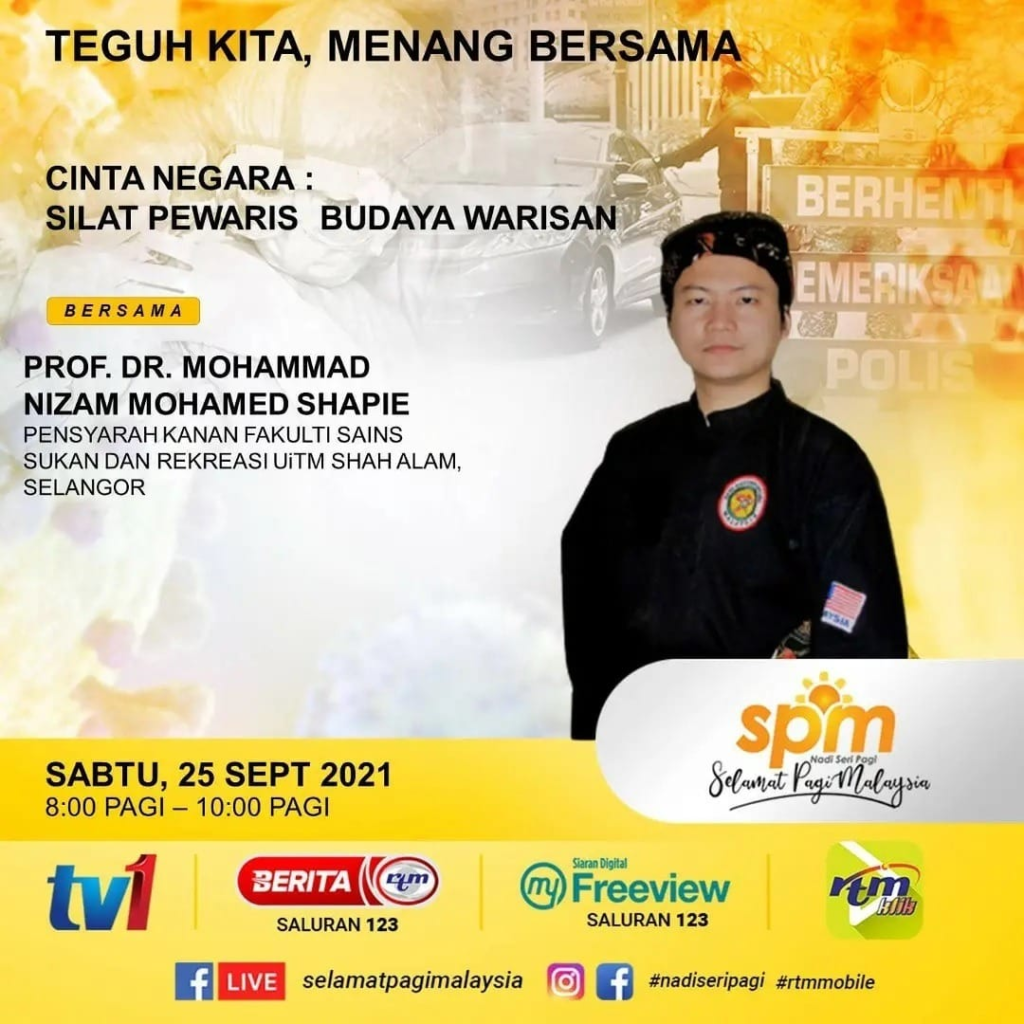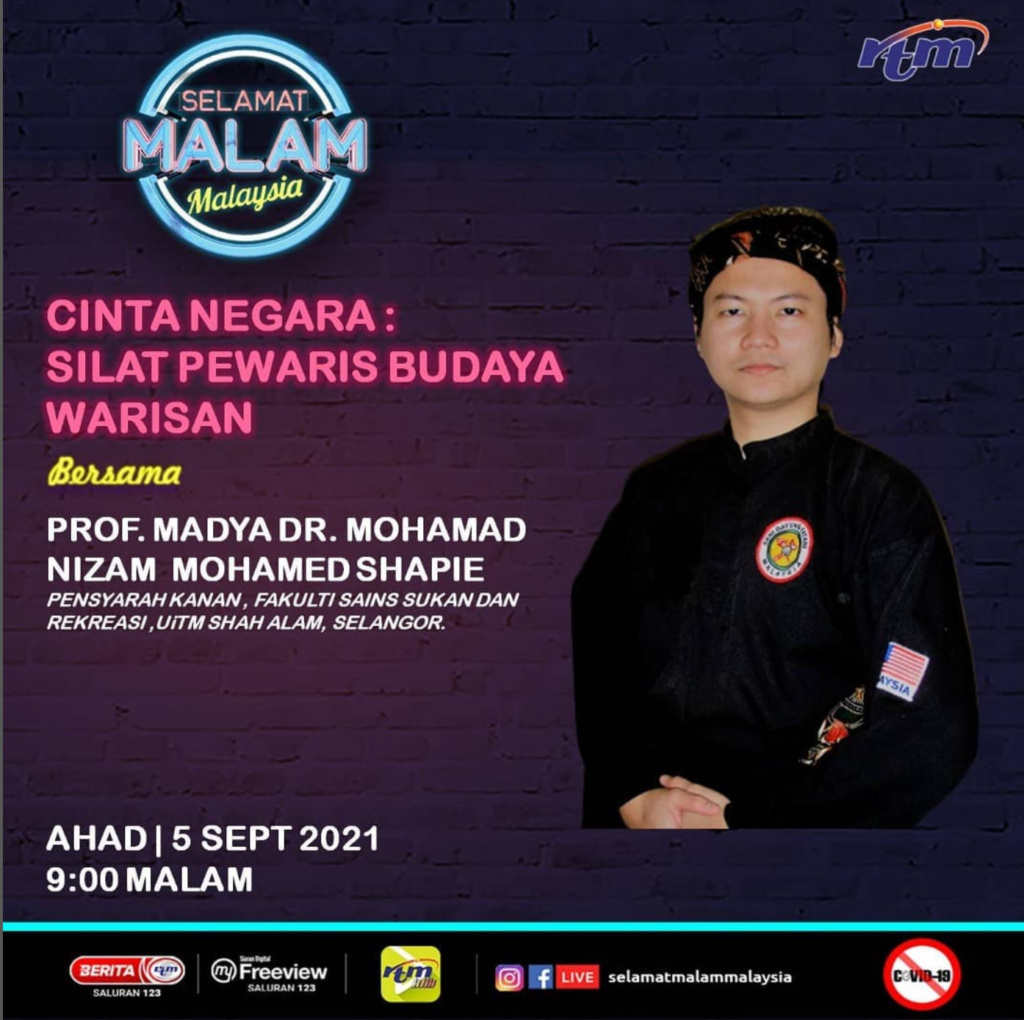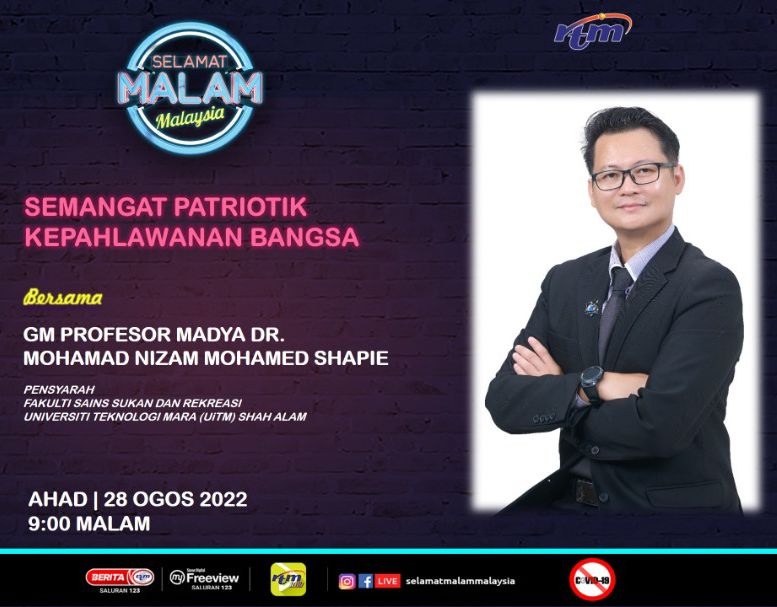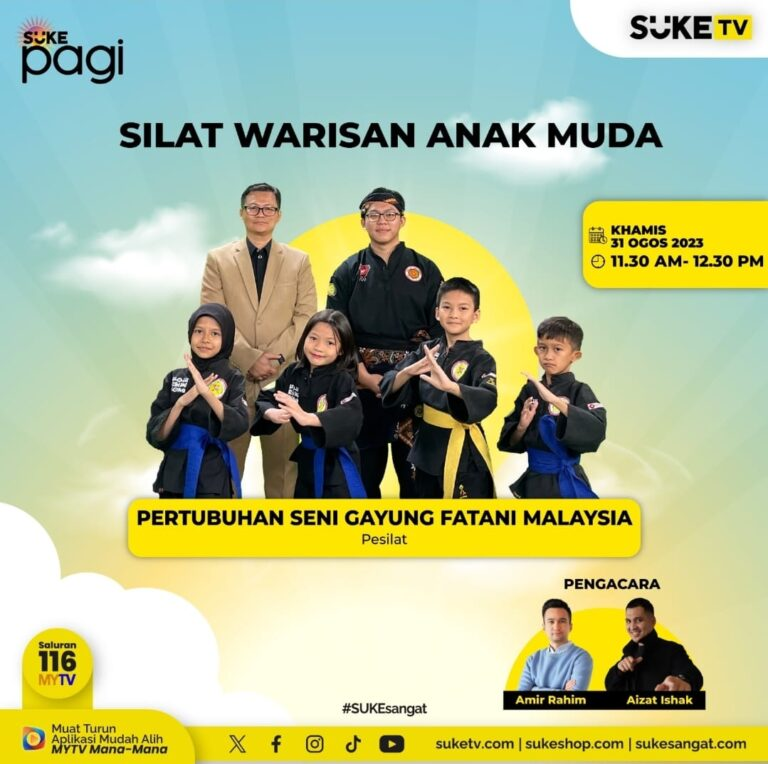
by
Assoc. Prof. Dr. Mohamad Nizam Mohamed Shapie
Leader, Combat Sports & Martial Arts Research Network (AIRBORNE)
Faculty of Sports Science & Recreation,
Universiti Teknologi MARA (UiTM)
In the 21st century, the preservation of traditional knowledge faces unprecedented challenges. The rise of digital media, globalization, and shifting cultural priorities has placed many indigenous practices at risk of being forgotten or diluted. Yet, amidst this transformation, Silat Melayu—Malaysia’s official martial art—stands resilient. With the leadership of The Malaysian Organization of Authentic Malay Silat Arts (PASSMAL) and support from the World Silat Federation (WSF), Silat is not only surviving but evolving, embracing digital tools while safeguarding its soul.
From Bangsal to Broadband: The Shift in Transmission
Historically, Silat was taught in secluded bangsal, passed orally from guru to student. This method preserved the intimacy and sacredness of the art, but it also limited accessibility and scalability. Today, PASSMAL has pioneered the digitization of Silat education, transforming traditional teachings into structured, multimedia-rich formats.
The development of e-learning modules, instructional videos, and digital archives has allowed Silat to reach new audiences—both locally and globally. These resources are designed with care, ensuring that the essence of Silat is not lost in translation. The challenge, as PASSMAL acknowledges, is not merely to modernize, but to do so without compromising authenticity.
Structured Curriculum for a Digital Generation
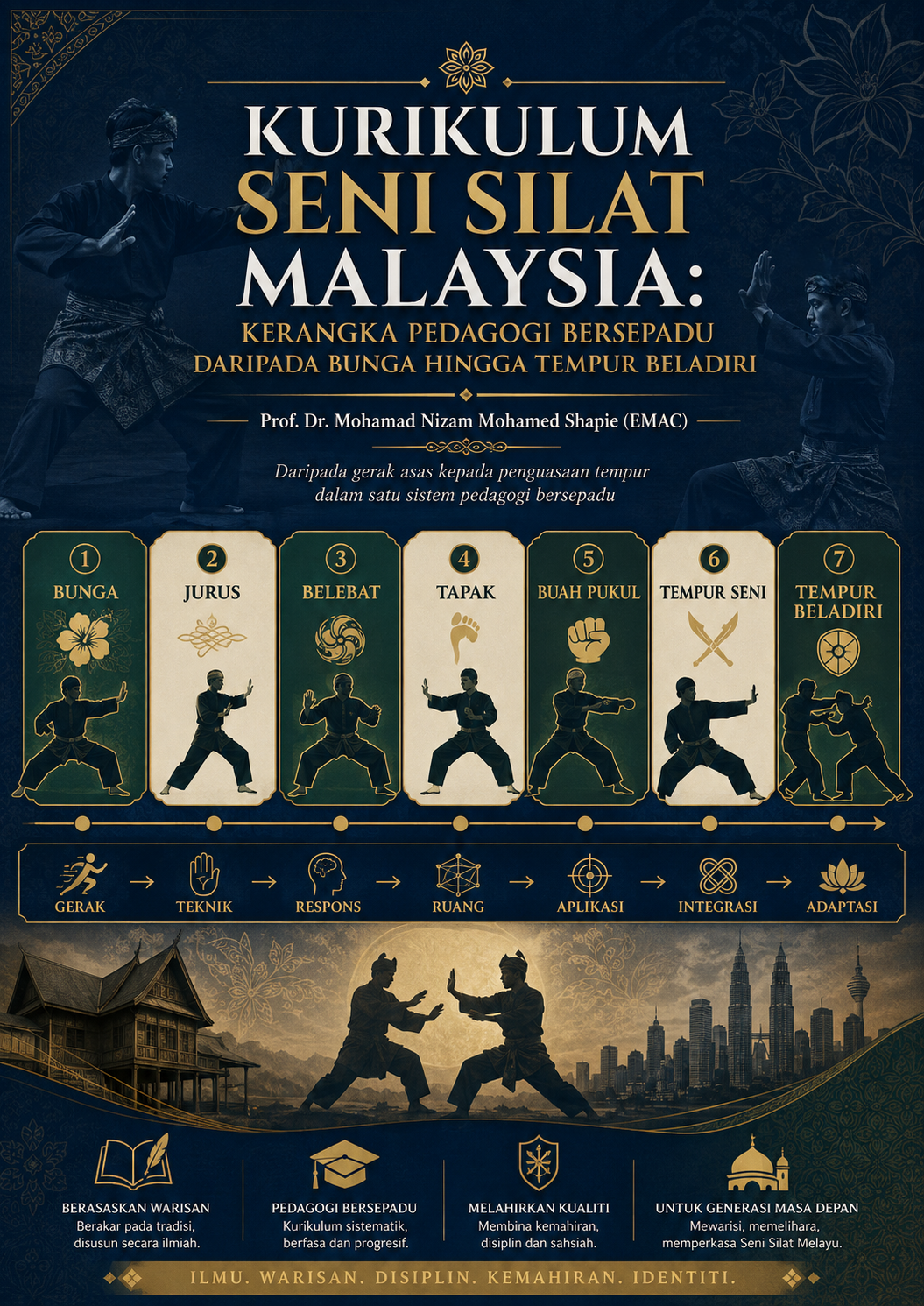
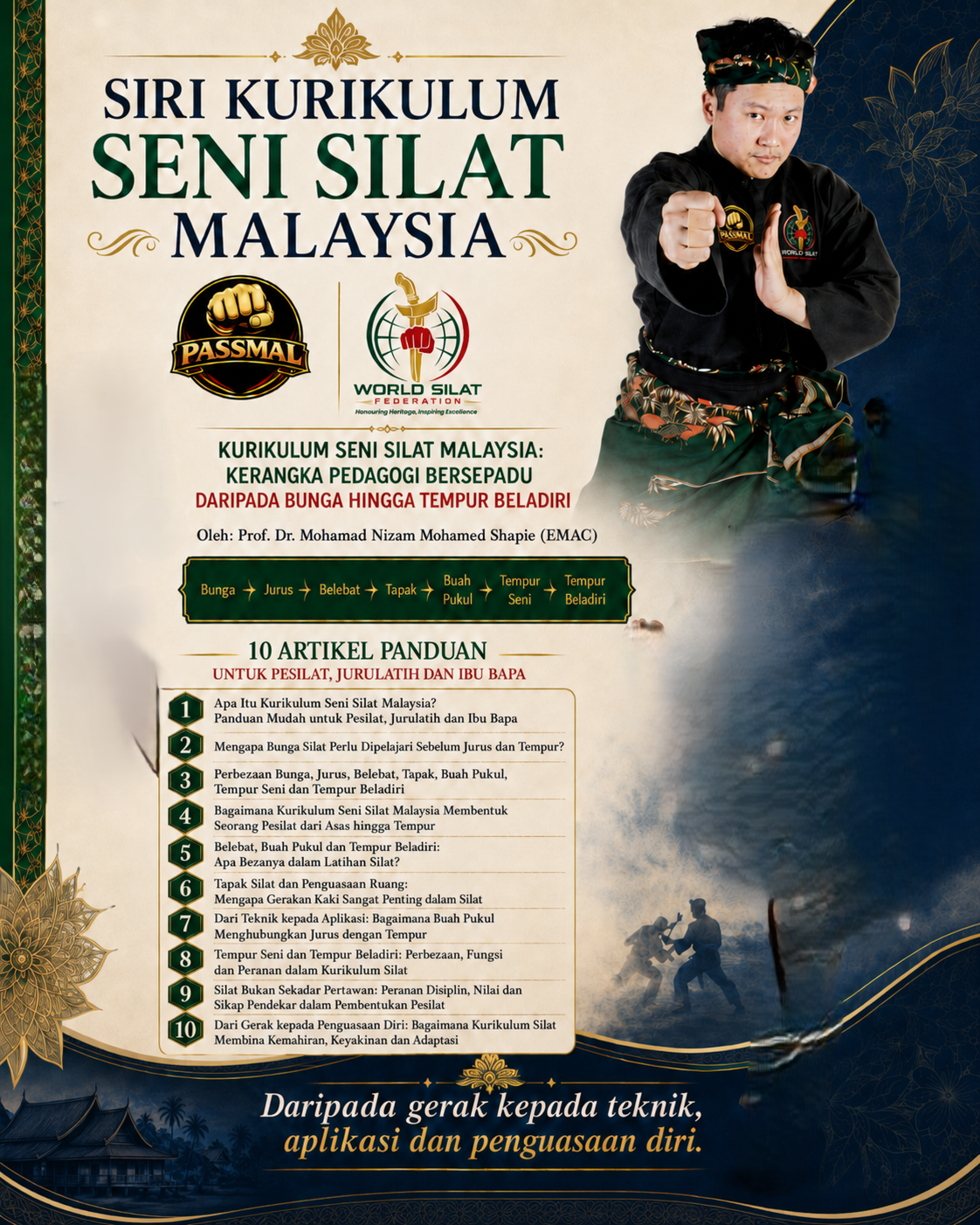
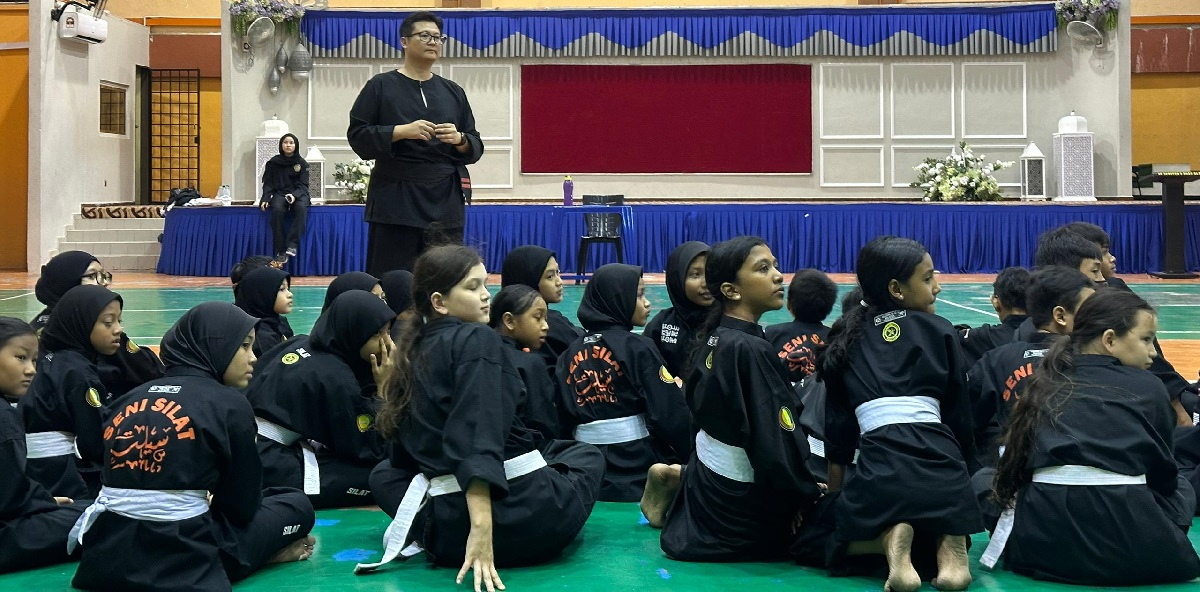
At the heart of this transformation is the Manual Kejurulatihan Seni Silat Malaysia Tahap 1 & 2, which outlines the national and international standards for Silat instruction. These manuals, authored by Shapie and Ramli (2025a;b), provide a comprehensive framework that integrates traditional wisdom with modern pedagogy. They include modules on technique, philosophy, history, ethics, and sports science, making Silat accessible to students in schools, universities, and online platforms.
This structured approach ensures consistency in teaching and allows for the development of certified instructors who can deliver Silat education with integrity. It also supports the integration of Silat into formal education systems, where it can be taught as part of physical education, cultural studies, or extracurricular programs.
Digital Tools and Global Outreach
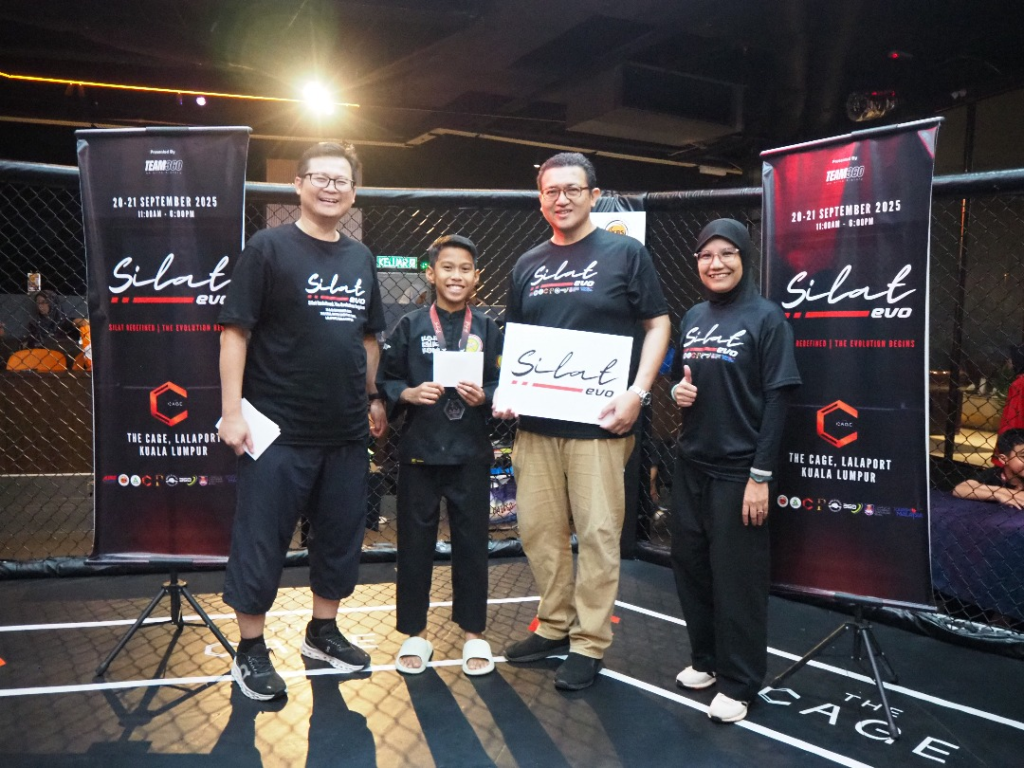
PASSMAL’s digital strategy includes the use of video tutorials, virtual coaching, and online competitions. These tools have proven effective in engaging youth, especially during the COVID-19 pandemic when physical gatherings were restricted. The Silat Tempur League, for example, has utilized digital platforms to analyze athlete performance, share training footage, and maintain community engagement (Aziz et al., 2023).
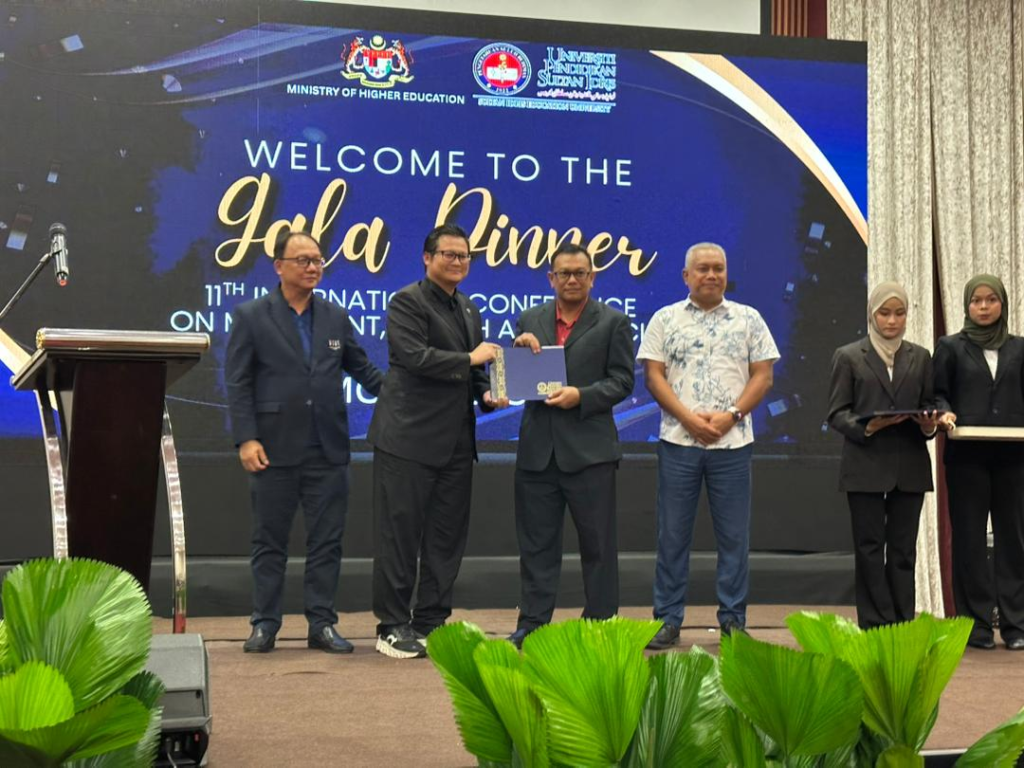
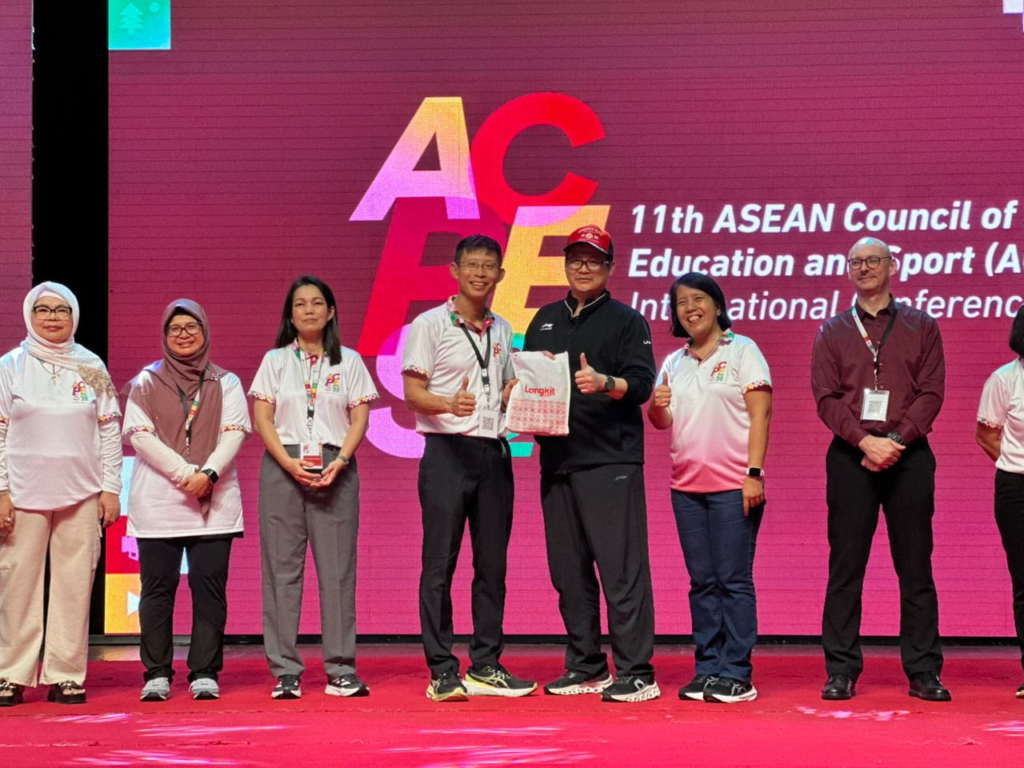
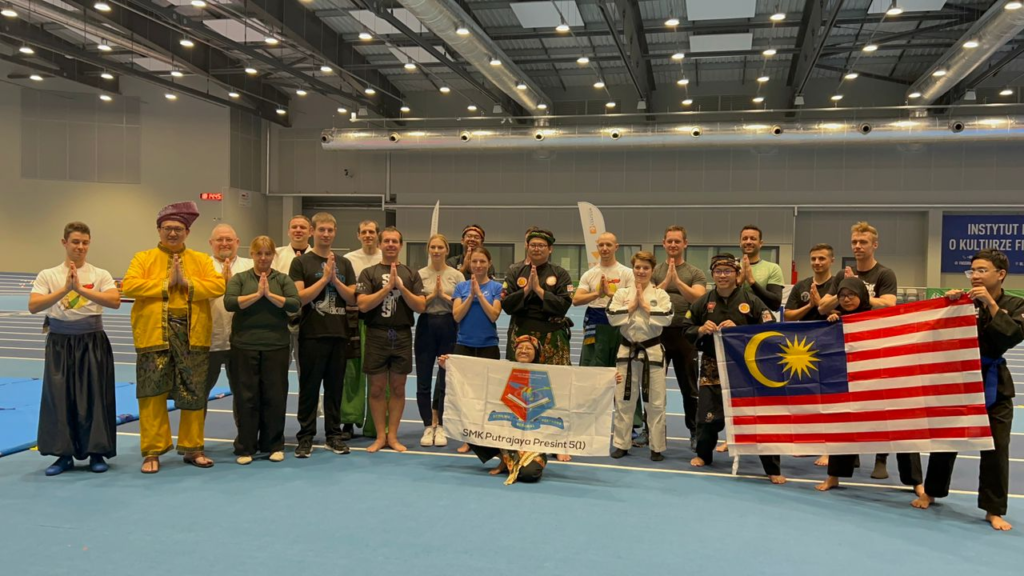
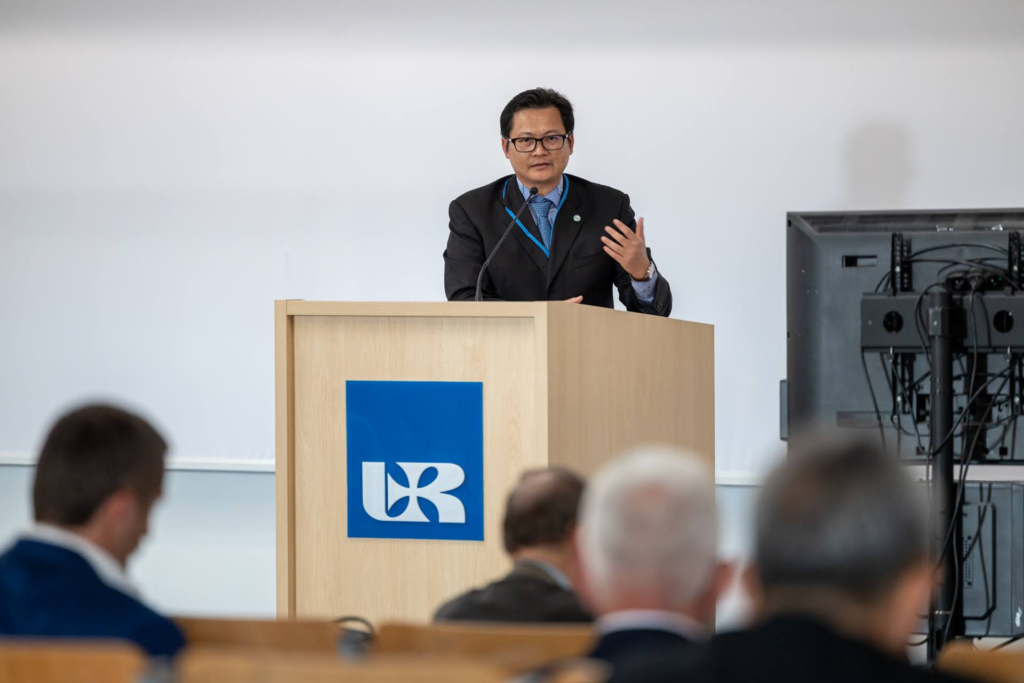
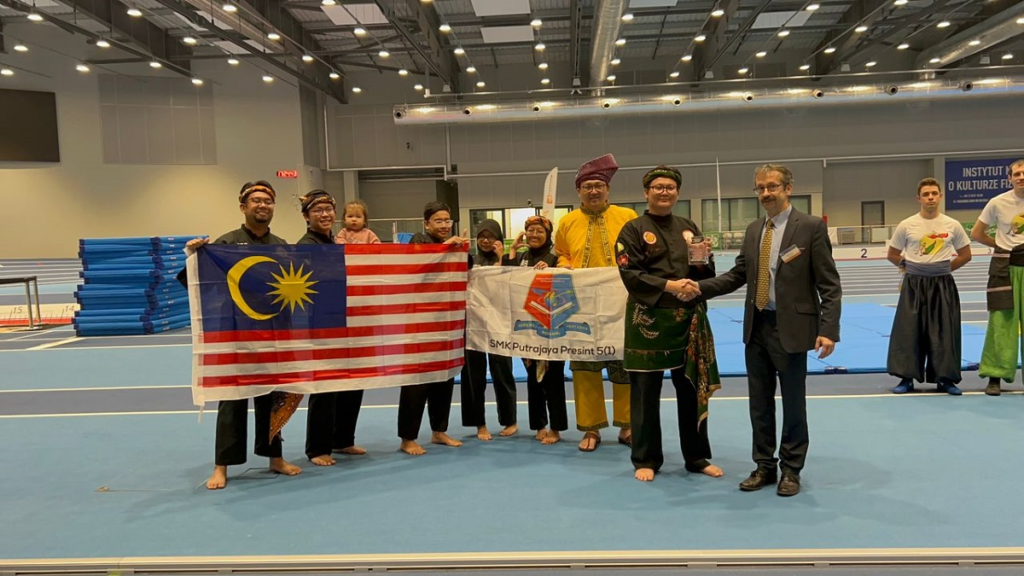
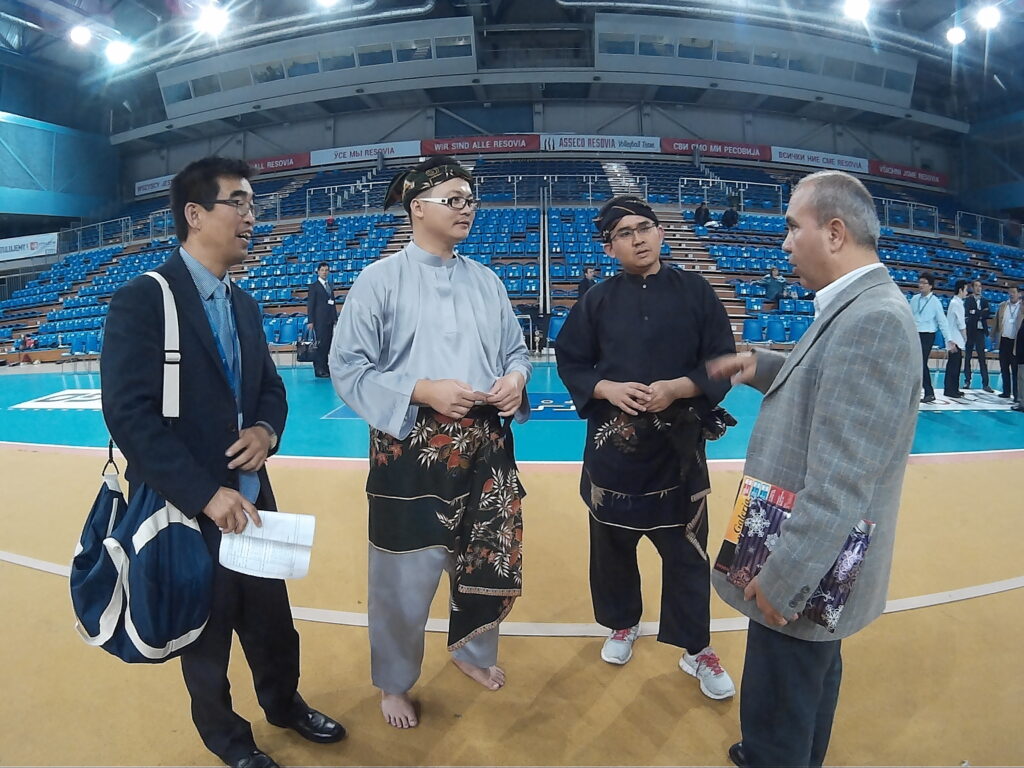
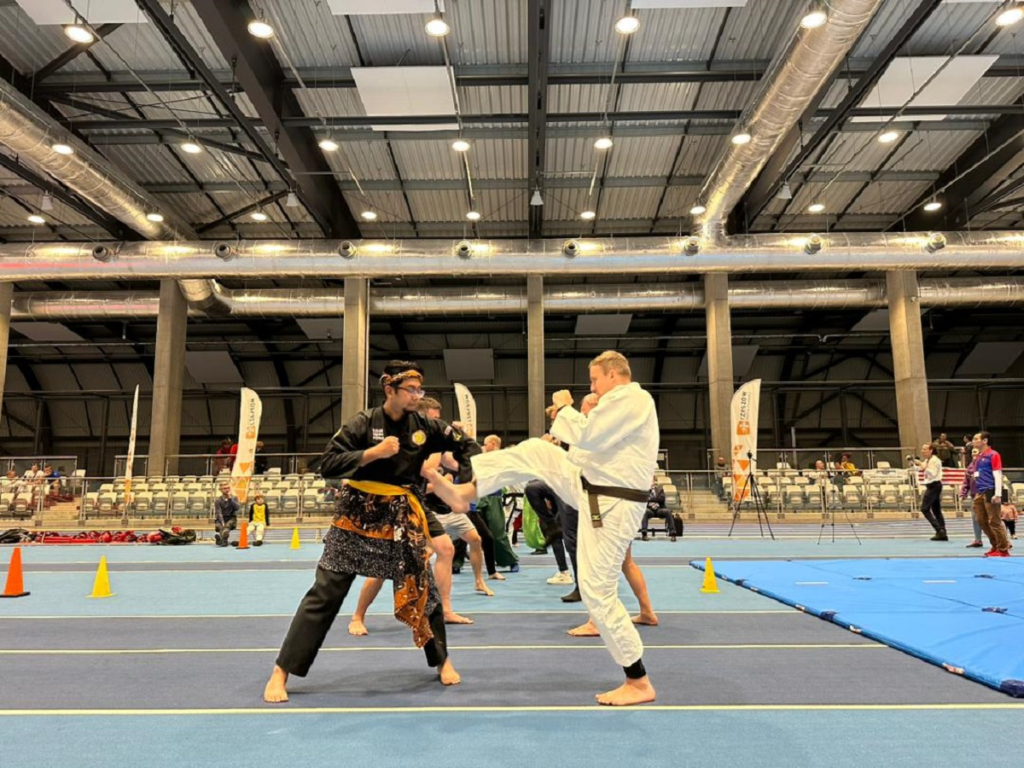
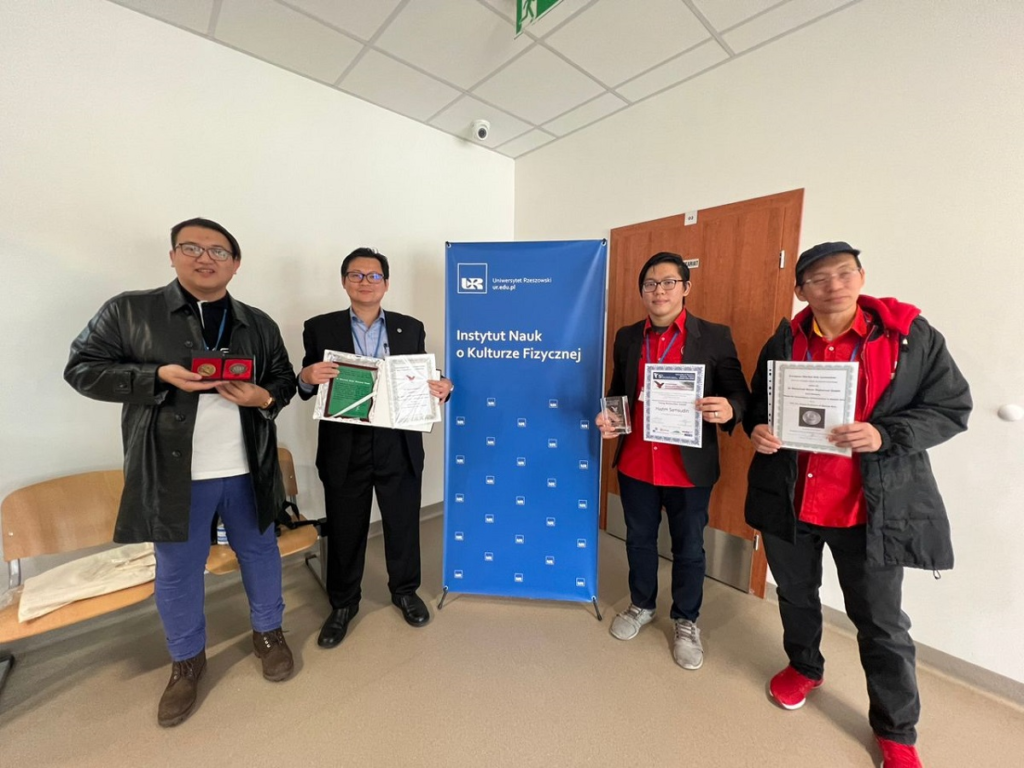
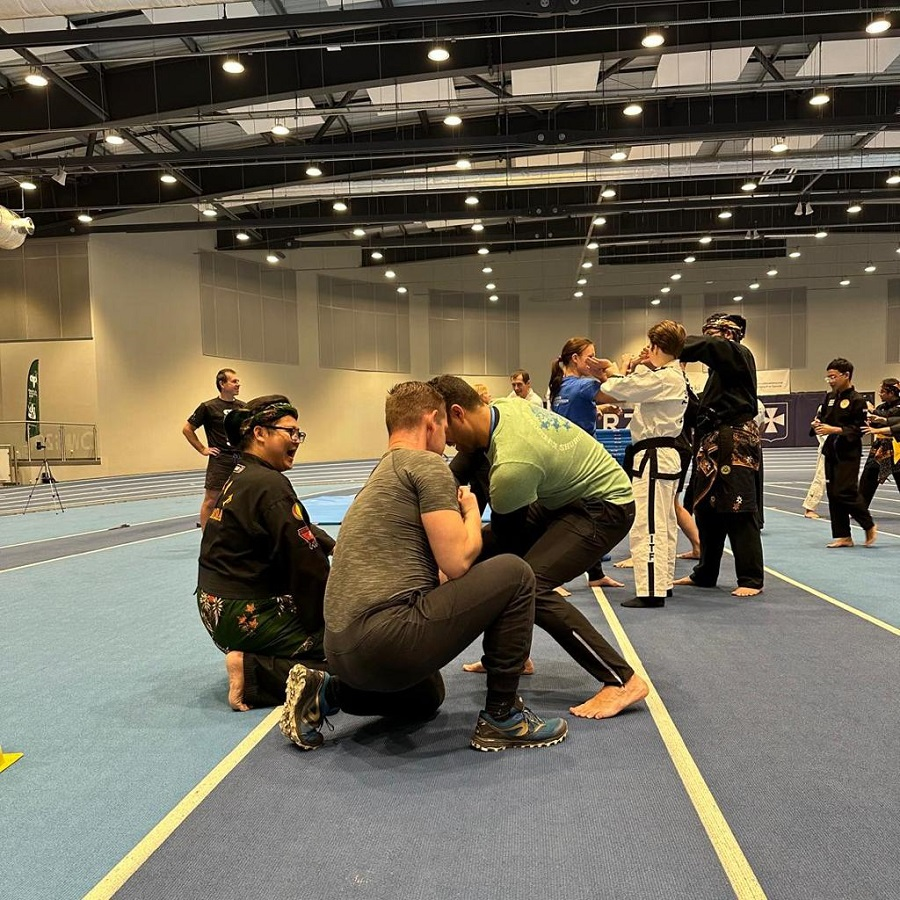
Moreover, the digitization of Silat has facilitated international collaboration. Through the World Silat Federation, Silat is now featured in global events such as the IMACSSS International Congress and the ACPES Conference, where it is presented as a model for cultural preservation and educational innovation (Shapie et al., 2024).
Preserving the Soul of Silat
While digital tools offer convenience and reach, PASSMAL remains committed to preserving the spiritual and philosophical core of Silat. The Doa Pembukaan Gelanggang, for instance, is still recited at the beginning of every training session, whether in person or online. This ritual invocation connects practitioners to the divine, to their lineage, and to the values of humility, discipline, and service.
Silat is not just about physical techniques—it is about cultivating character. The teachings emphasize adab (etiquette), berani (courage), and rendah diri (humility). These values are embedded in the curriculum and reinforced through mentorship, storytelling, and reflection. Even in digital formats, PASSMAL ensures that these elements are not sidelined but highlighted.
Academicisation and Research Integration
The academicisation of Silat has further strengthened its position in the digital age. Researchers have produced a wealth of studies examining Silat’s impact on physical fitness, psychological development, and pedagogical innovation. For example, Rahim et al. (2022) demonstrated that Silat training improves psychological profiles among youth athletes, including enhanced self-esteem and emotional regulation.
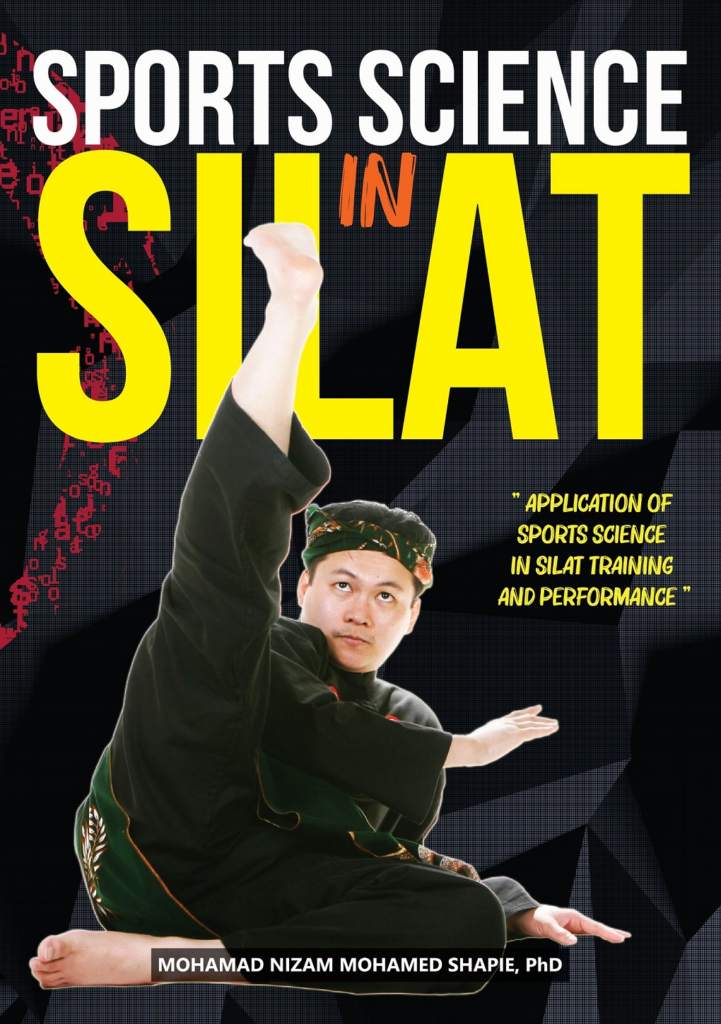
These findings support the integration of Silat into school-based programs and digital learning platforms. They also validate the use of sports science in Silat coaching, as seen in studies on plyometric training and performance analysis (Al-Syurgawi & Shapie, 2019).
Challenges and Ethical Considerations
Despite these advancements, the digitalization of Silat presents ethical challenges. There is a risk of commercialization, misrepresentation, and cultural appropriation. PASSMAL addresses these concerns by maintaining strict standards for content creation, instructor certification, and platform governance.
The organization also emphasizes the importance of context. Silat is not a generic martial art—it is a cultural expression rooted in Malay history, spirituality, and community. Any digital representation must honor this context, avoiding superficial portrayals that strip Silat of its meaning.
Youth Engagement and Cultural Revival
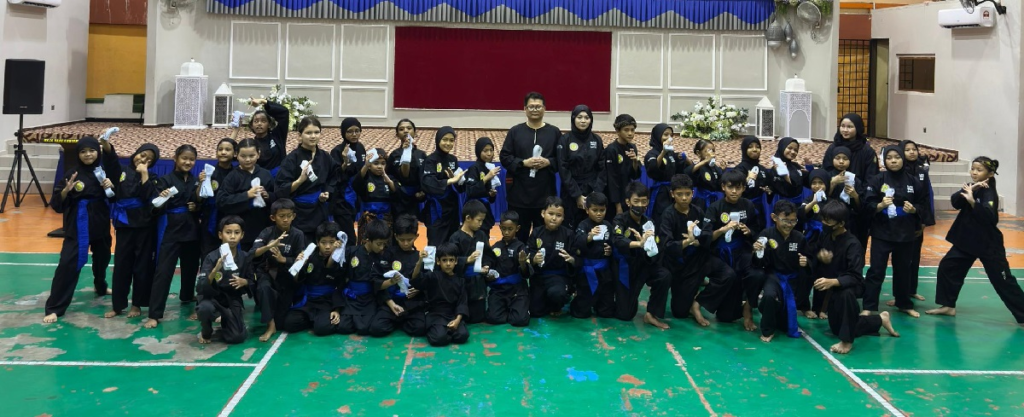
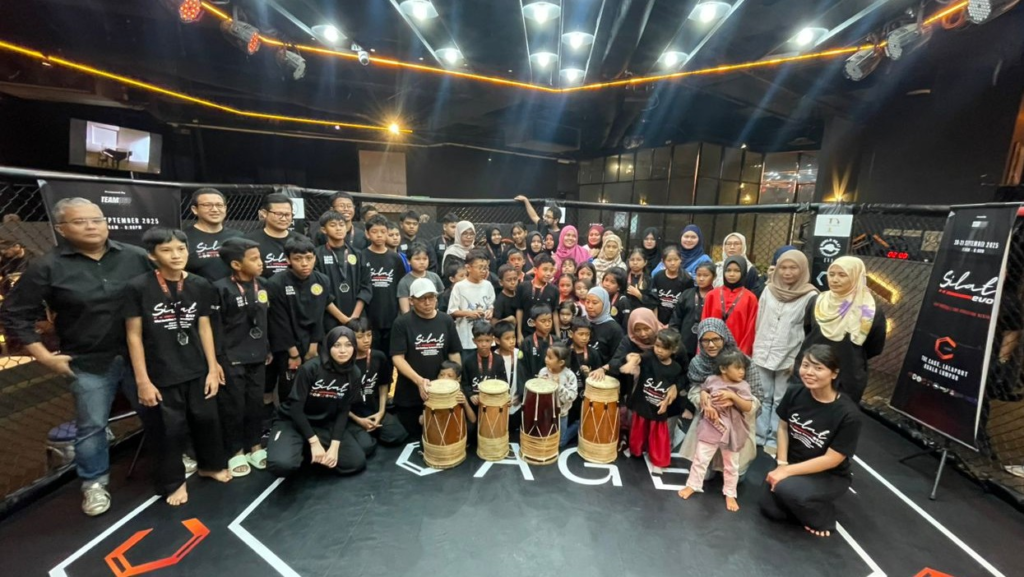
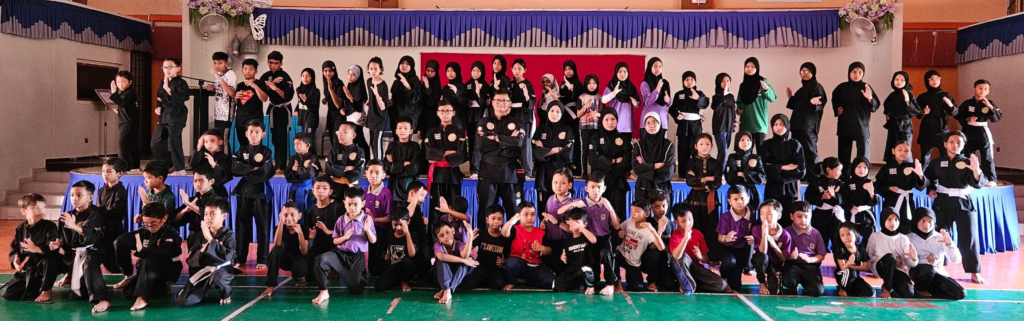
Digital tools have proven especially effective in engaging youth. Through apps, social media, and gamified learning, young Malaysians are rediscovering Silat in ways that resonate with their lifestyles. PASSMAL’s youth programs combine traditional training with digital resources, creating a hybrid model that is both authentic and accessible.
This approach has led to a revival of cultural pride among youth. Silat becomes a bridge between generations, a source of identity, and a platform for personal growth. It teaches young people to respect their heritage, connect with their community, and contribute to the preservation of culture.
Global Impact and Cultural Diplomacy
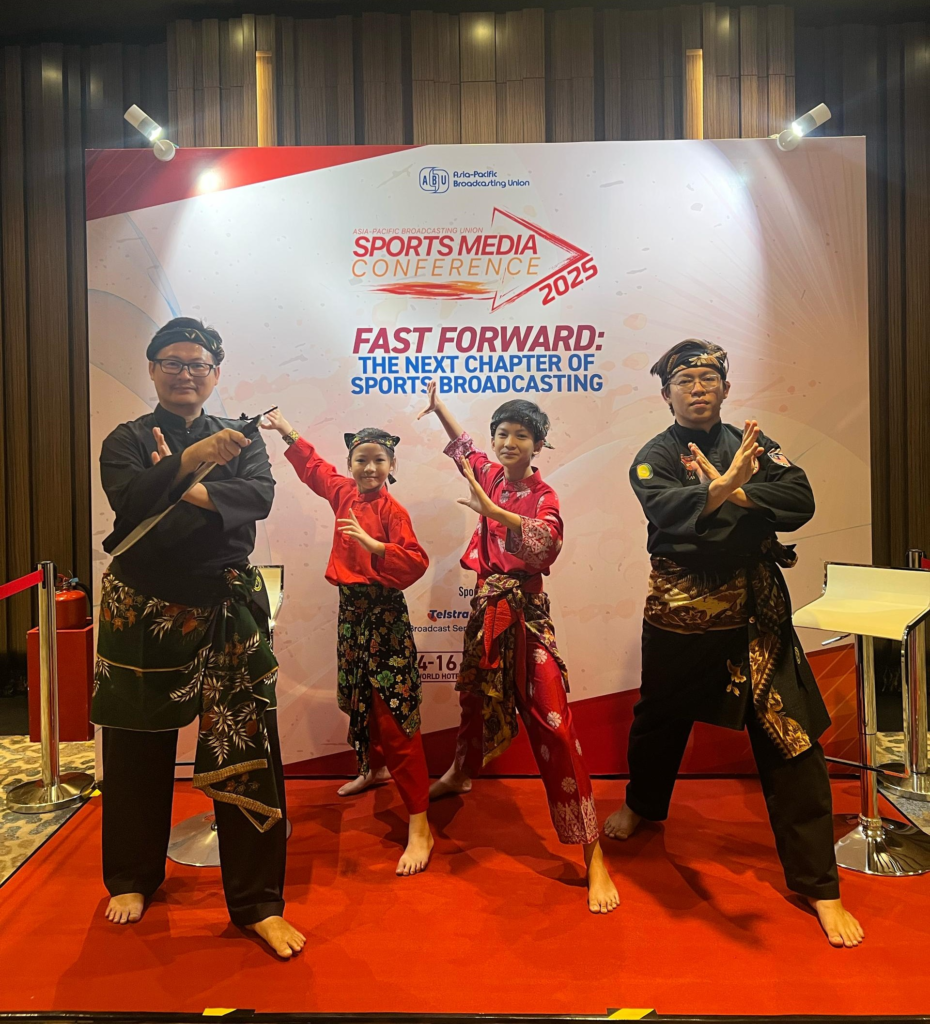
The global impact of Silat’s digital transformation is evident in its growing presence in international forums. Through the World Silat Federation, Silat is now part of cultural diplomacy efforts, academic exchanges, and heritage preservation initiatives. It is recognized not only as a martial art but as a symbol of Malay resilience and wisdom.
Silat’s inclusion in UNESCO-supported programs and international publications further affirms its relevance. It serves as a case study for how indigenous knowledge can be preserved, adapted, and shared in the digital age (Shapie, 2022).
Conclusion
Silat in the 21st century is a story of transformation with integrity. It is a testament to how tradition can evolve without losing its essence. Through PASSMAL’s leadership and the support of the World Silat Federation, Silat has embraced digital tools while remaining rooted in its values.
As Malaysia continues to navigate the complexities of modernity, Silat offers a model for cultural sustainability. It empowers individuals to live with purpose, communities to connect through heritage, and nations to share their stories with the world. Silat is not just a martial art—it is a legacy, a pedagogy, and a digital bridge to the future.
References
- Shapie, M.N.M., & Ramli, M.S. (2025a). Manual Kejurulatihan Seni Silat Malaysia Tahap 1, Peringkat Antarabangsa, 2026–2030. ANS Diversified Sdn Bhd.
- Shapie, M.N.M., & Ramli, M.S. (2025b). Manual Kejurulatihan Seni Silat Malaysia Tahap 1, Peringkat Antarabangsa, 2026–2030. ANS Diversified Sdn Bhd.
- Shapie, M.N.M., Samsudin, H., Abdullah, N.M., Rahim, M.R.A., Ihsan, N., Nawai, N.S.N., & Padli. (2024). Tradition to Academia: The Transformation of Silat Education (2014–2024). In ACPES International Conference Proceedings, UiTM Malaysia.
- Aziz, N.A.A., Shapie, M.N.M., Indrayuda, I., Al-Syurgawi, D., Rahim, M.R.A., Abdullah, N.M., Parnabas, V., Nawai, N.S., Samsudin, H., Kassim, R.M., & Nor, M.A.M. (2023). Silat Tempur League: The Analysis of Athletes Performance in 2019 Competitions. International Martial Arts and Culture Journal, 1(1), 18–29.
- Rahim, M.R.A., Shapie, M.N.M., Abdullah, N.M., Parnabas, V., & Nor, M.A.M. (2022). Effects of Cross-Training Using Silat Practice on Psychological Profiles of Young Tennis Players. Ido Movement for Culture. Journal of Martial Arts Anthropology, 22(2s), 37–45.
- Al-Syurgawi, D., & Shapie, M.N.M. (2019). The Effects of A 6-Week Plyometric Training on Muscular Strength Performance in Silat Athletes. Revista de Artes Marciales Asiáticas, 14(2s), 28–30.
- Shapie, M.N.M. (2022). Teaching Silat for Young Migrants in Malaysia. UNESCO ICM – UiTM International Seminar 2022.