by
Assoc. Prof. Dr. Mohamad Nizam Mohamed Shapie
Leader, Combat Sports & Martial Arts Research Network (AIRBORNE)
Faculty of Sports Science & Recreation,
Universiti Teknologi MARA (UiTM)
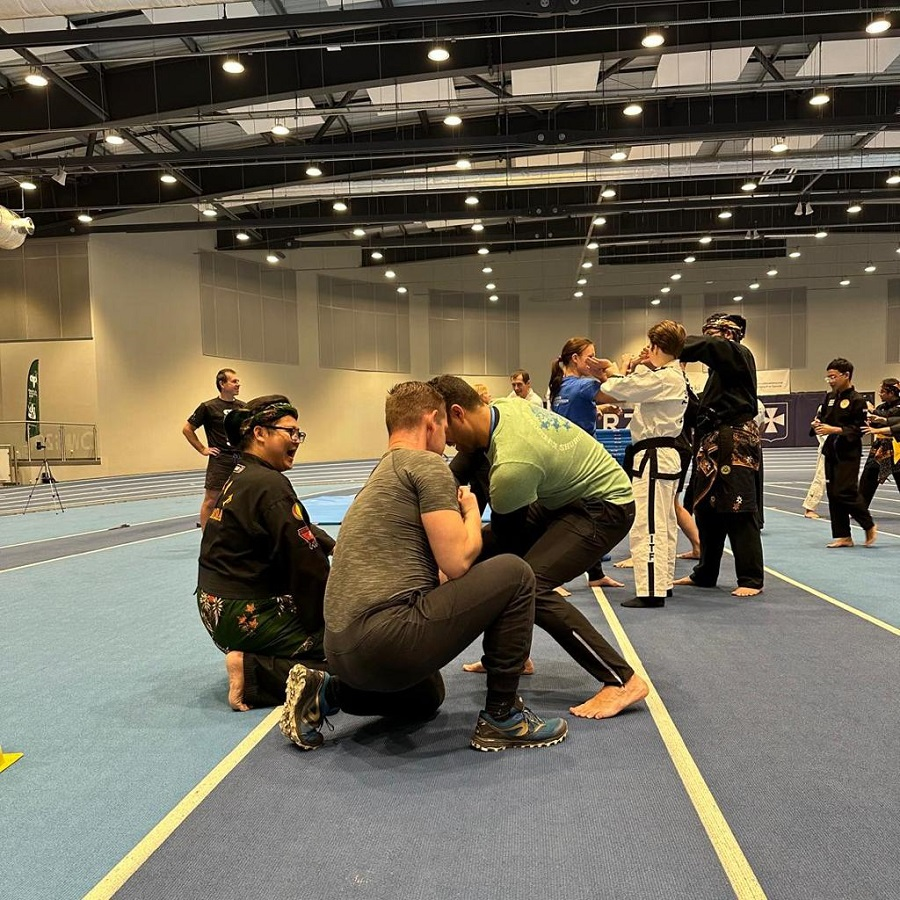
Silat, the traditional martial art of the Malay world, has always been passed down from master to student in person—through movement, storytelling, and discipline. But in today’s fast-paced, tech-driven world, how do we keep this heritage alive and relevant for the next generation?
The answer lies in innovation. And leading this transformation is AIRBORNE UiTM, a research network under Universiti Teknologi MARA (UiTM) that’s bringing Silat into the digital age.
From the Gelanggang to the Cloud
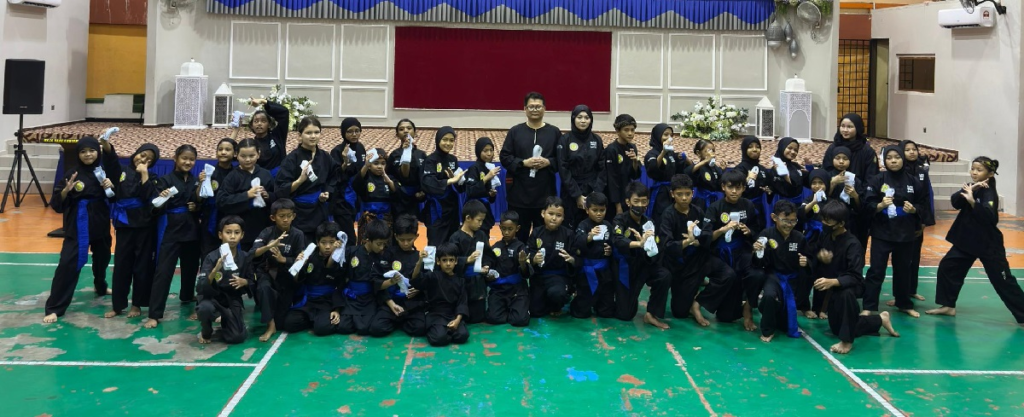
Traditionally, Silat was taught in a gelanggang—a physical training space where students learned directly from their guru. While this method is rich in culture and personal connection, it also comes with limitations. Not everyone has access to a qualified instructor or a nearby training center. For many, especially those in rural areas or living abroad, learning Silat can feel out of reach.
That’s why AIRBORNE UiTM developed Silat for Beginners, a web-based platform that offers structured Silat training and certification online. Through this platform, learners can:
- Watch instructional videos
- Learn the seven basic Bunga Silat steps
- Submit video assessments
- Receive feedback from certified coaches
- Earn internationally recognized digital certificates
This approach breaks down barriers of geography, time, and access—making Silat available to anyone with an internet connection (Parnabas et al., 2023).
Keeping Culture at the Core
One of the biggest concerns when moving traditional practices online is the risk of losing cultural authenticity. But AIRBORNE UiTM has taken great care to ensure that the soul of Silat remains intact.
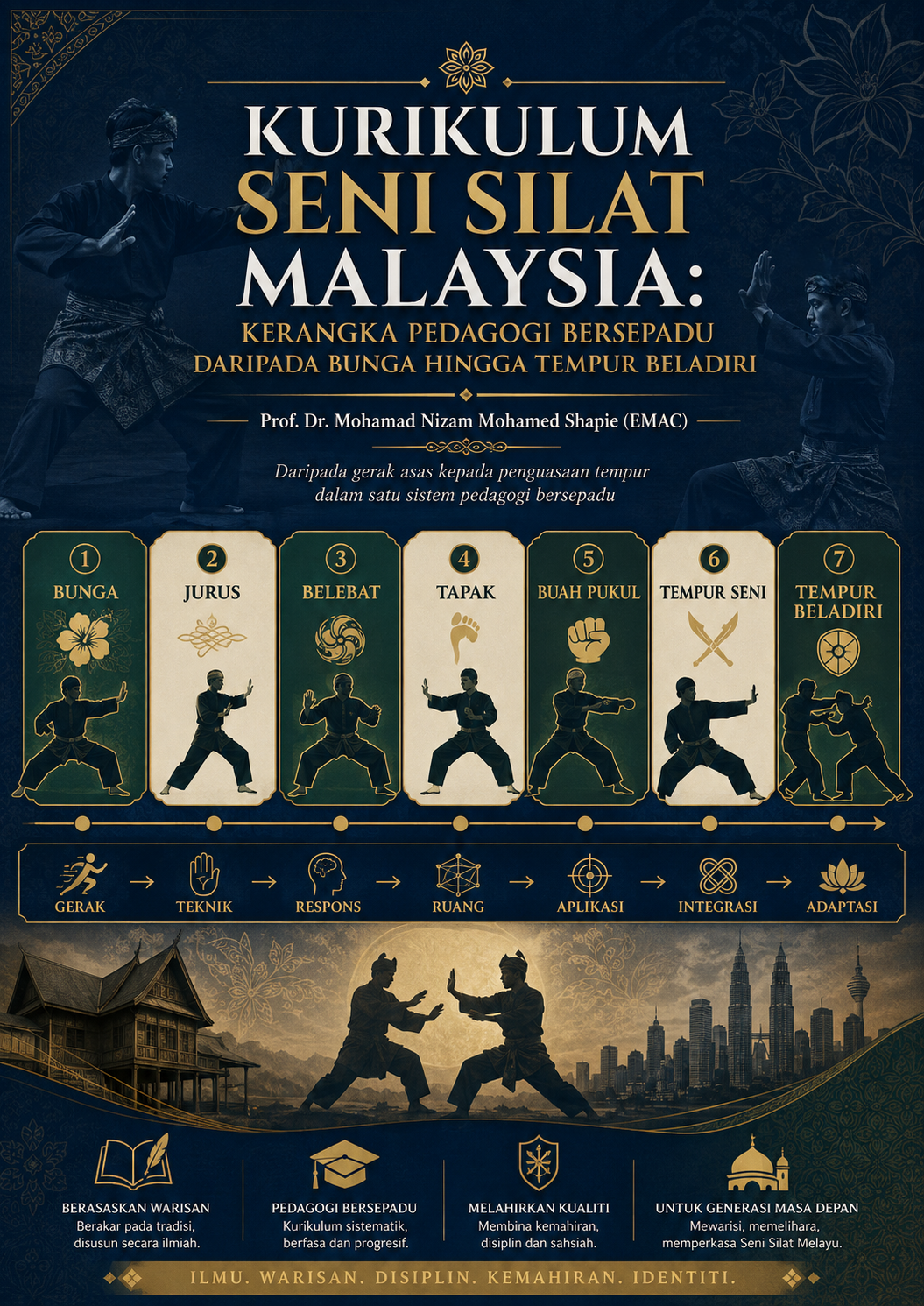
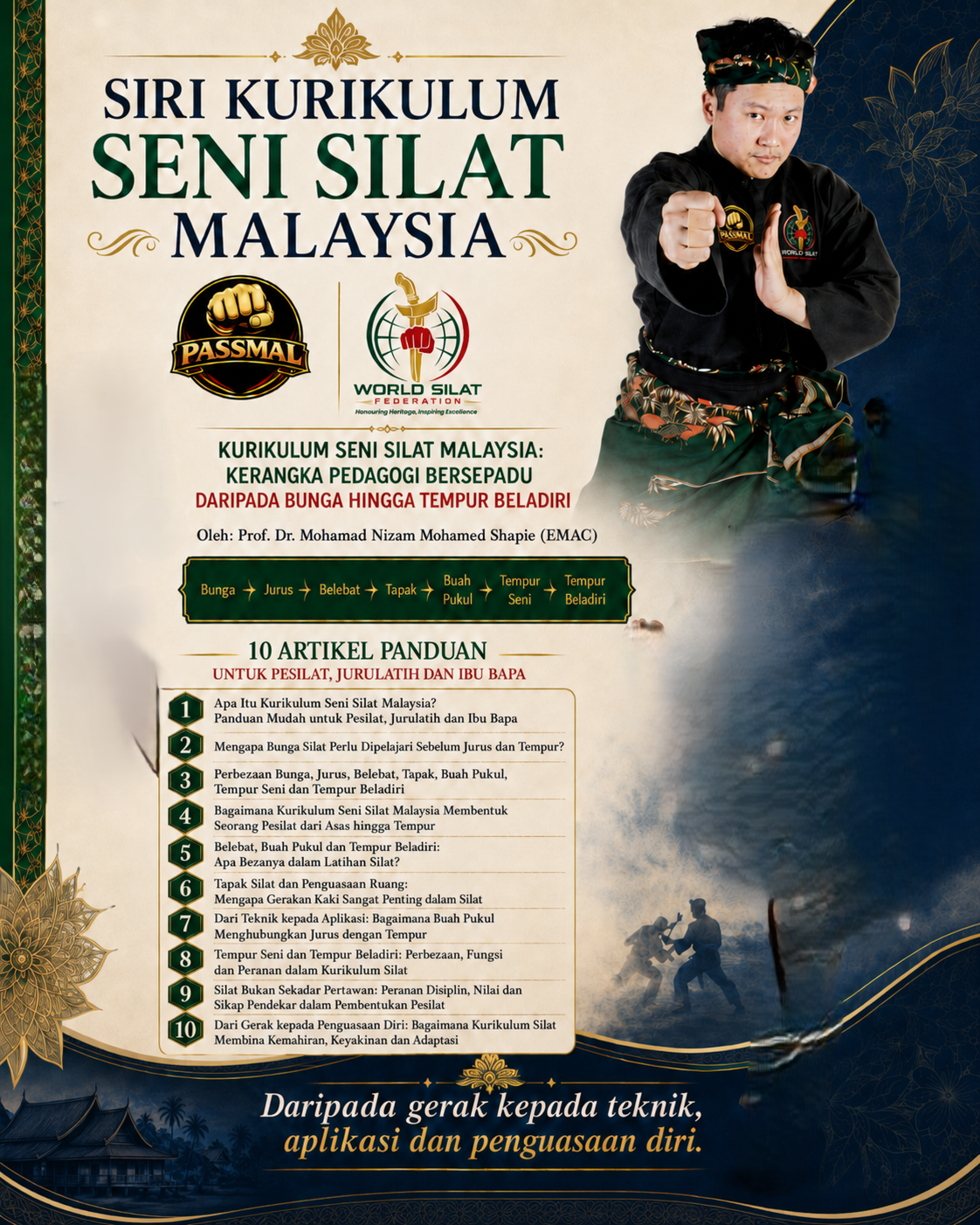
The digital curriculum is built on the Seni Silat Malaysia framework, which emphasizes not just physical techniques but also the values, philosophy, and etiquette of Silat. Students learn about the importance of respect, humility, and discipline—core elements that define the Silat warrior spirit (Shapie et al., 2019).
AIRBORNE’s team of researchers and practitioners work closely to validate every module, ensuring that what’s taught online is just as meaningful and accurate as what’s taught in person.
Learning That Feels Like a Game
To keep learners engaged, especially younger ones, the platform uses gamification—a method that turns learning into a fun and rewarding experience. Students can earn badges, track their progress, and even compete on leaderboards. This makes learning Silat feel more like a game, which is especially appealing to digital-native youth.
The platform also supports multilingual access, making it easier for learners from different backgrounds to understand and enjoy the content. Whether you’re in Malaysia, Indonesia, or halfway across the world, you can now learn Silat in a language you’re comfortable with.
A Global Classroom for Silat
The digital transformation of Silat isn’t just about convenience—it’s about global reach. With platforms like Silat for Beginners, AIRBORNE UiTM is turning Silat into a world-class e-learning product. This opens up opportunities for:
- Cultural exchange and diplomacy
- International competitions and certifications
- Academic collaborations with global institutions
It also supports Malaysia’s vision of promoting Silat as a UNESCO-recognized intangible cultural heritage on the world stage (Shapie et al., 2024).
Why This Matters Now
The COVID-19 pandemic taught us that learning doesn’t have to stop when we can’t meet in person. It also showed us the power of digital tools in keeping traditions alive. AIRBORNE UiTM took this lesson to heart and accelerated its efforts to digitize Silat education.
This shift is especially important for young people. Today’s youth are growing up in a world of smartphones, apps, and online learning. By meeting them where they are—online—AIRBORNE is ensuring that Silat continues to inspire and empower the next generation.
Beyond the Screen: Real-World Impact
Even though the learning happens online, the impact is very real. Students who complete the program gain not just physical skills, but also confidence, discipline, and a deeper connection to their cultural roots.
AIRBORNE’s research shows that digital Silat education can be just as effective as traditional methods—especially when it’s supported by structured content, expert feedback, and a strong cultural foundation (Abdul Razak et al., 2022).
And for many learners, this platform is their first step into a lifelong journey with Silat—one that could lead to community leadership, national representation, or even international recognition.
Conclusion: A New Chapter for Silat
Silat is no longer confined to the gelanggang. With AIRBORNE UiTM’s leadership, it has entered the digital era—without losing its heart.
By combining tradition with technology, AIRBORNE is making Silat more inclusive, more engaging, and more global. It’s not just about preserving the past—it’s about building a future where Silat continues to thrive, inspire, and unite.
Whether you’re a student in a city school, a member of the Malay diaspora, or someone curious about martial arts, Silat is now just a click away.
References (APA Style)
Abdul Razak, S. N., Muhamad, T. A., Meng, L. K., et al. (2022). A narrative exploration of issues in Silat development from children to youth athletes. Ido Movement for Culture. https://doi.org/10.14589/ido.22.2S.3
Parnabas, V. A., Abdullah, N. M., Shapie, M. N. M., Rahim, M. R., Parnabas, J., & Parnabas, A. M. (2023). E-learning motivation among student-athletes of Universiti Teknologi MARA (UiTM), Malaysia. Malaysian Journal of Sport Science and Recreation, 17(1), 20–34.
Shapie, M. N. M., Wahidah, T., Kusrin, J., Elias, M. S., & Abdullah, N. M. (2019). Silat Tempur: An overview of the children’s combat sports. Ido Movement for Culture. Journal of Martial Arts Anthropology, 19(1s), 55–61.
Shapie, M. N. M., Samsudin, H., Abdullah, N. M., Rahim, M. R. A., Ihsan, N., Nawai, N. S. N., & Padli. (2024). Tradition to academia: The transformation of Silat education (2014–2024). In N. Ruslan, A. Zid, R. Radeeuddin, & M. N. Fariduddin (Eds.), The 10th ASEAN Council of Physical Education and Sport (ACPES) International Conference 2024 (pp. 478–482). UiTM Malaysia.