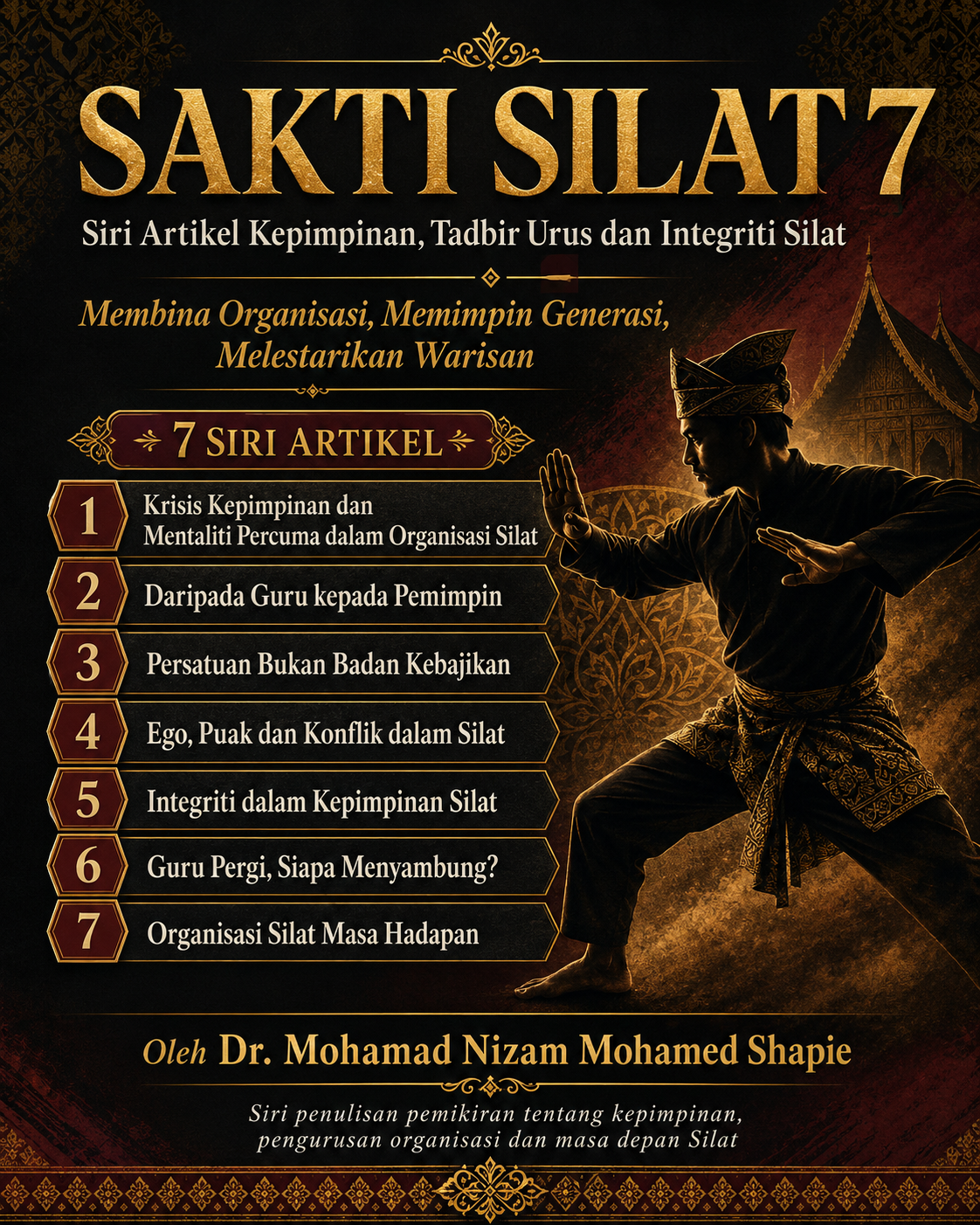
by Assoc. Prof. Dr. Mohamad Nizam Mohamed Shapie
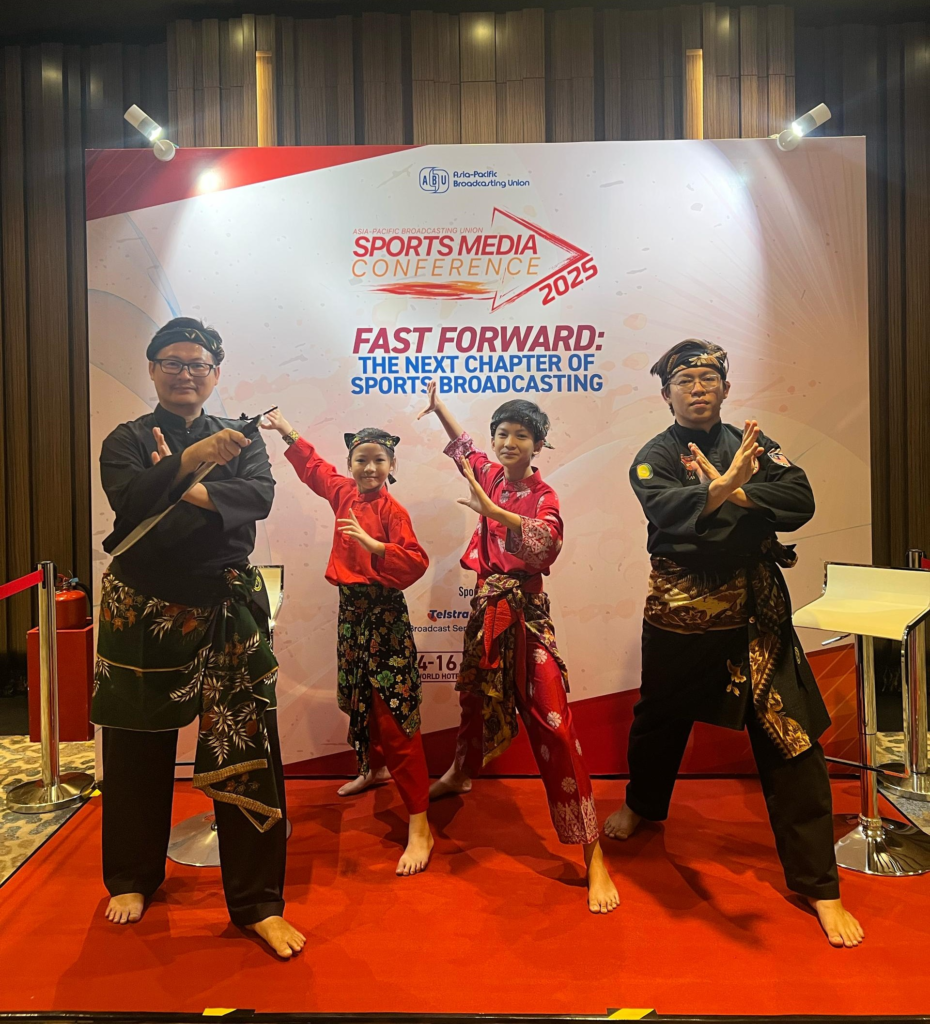
Silat is more than a martial art—it is the living soul of Malay heritage. Rooted in centuries of tradition, Silat embodies the values, philosophy, and resilience of the Malay people. It is not only a system of self-defense but also a vessel of cultural memory, spiritual discipline, and communal identity (Shapie & Elias, 2016).
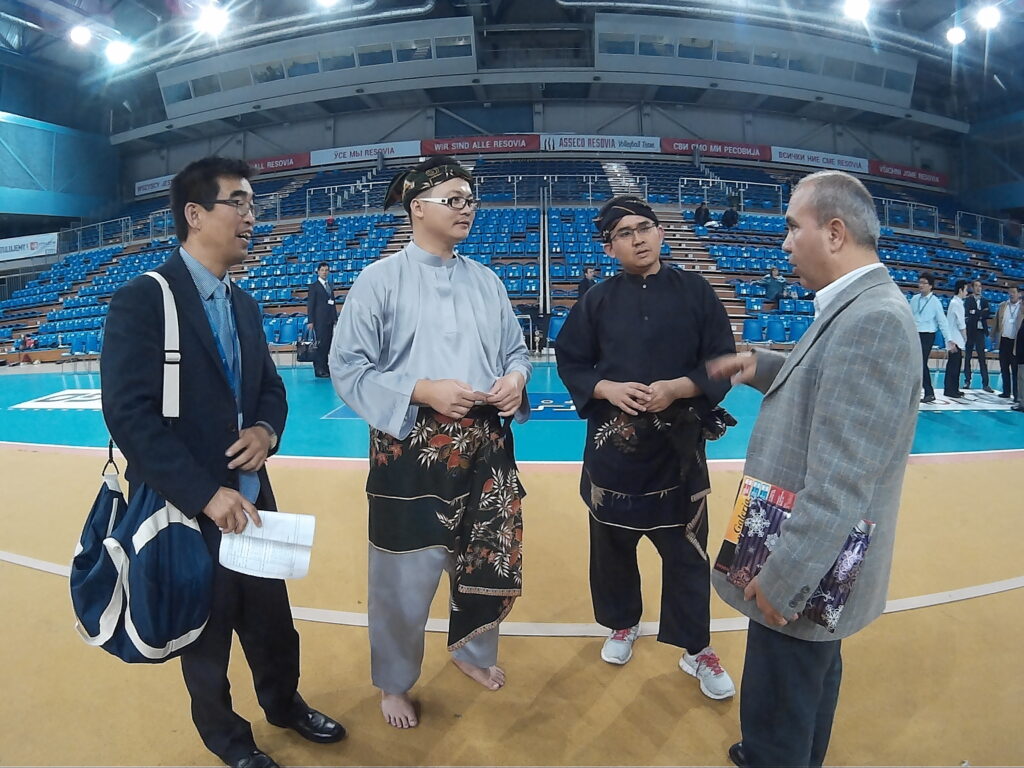
Historically, Silat was known as ilmu hulubalang, ilmu penjurit, or ilmu gagah berani, practiced by Malay warriors as part of traditional war arts. These practices were deeply embedded in the social and spiritual fabric of Malay society, especially in the northern regions of the Malay Peninsula and across the Malay Archipelago (Anuar, 2008). Each ethnic group within the Malay world developed its own variant—silek in Sumatra, pencak in Java, kali in Mindanao—yet all share a common cultural root (Shapie et al., 2015).
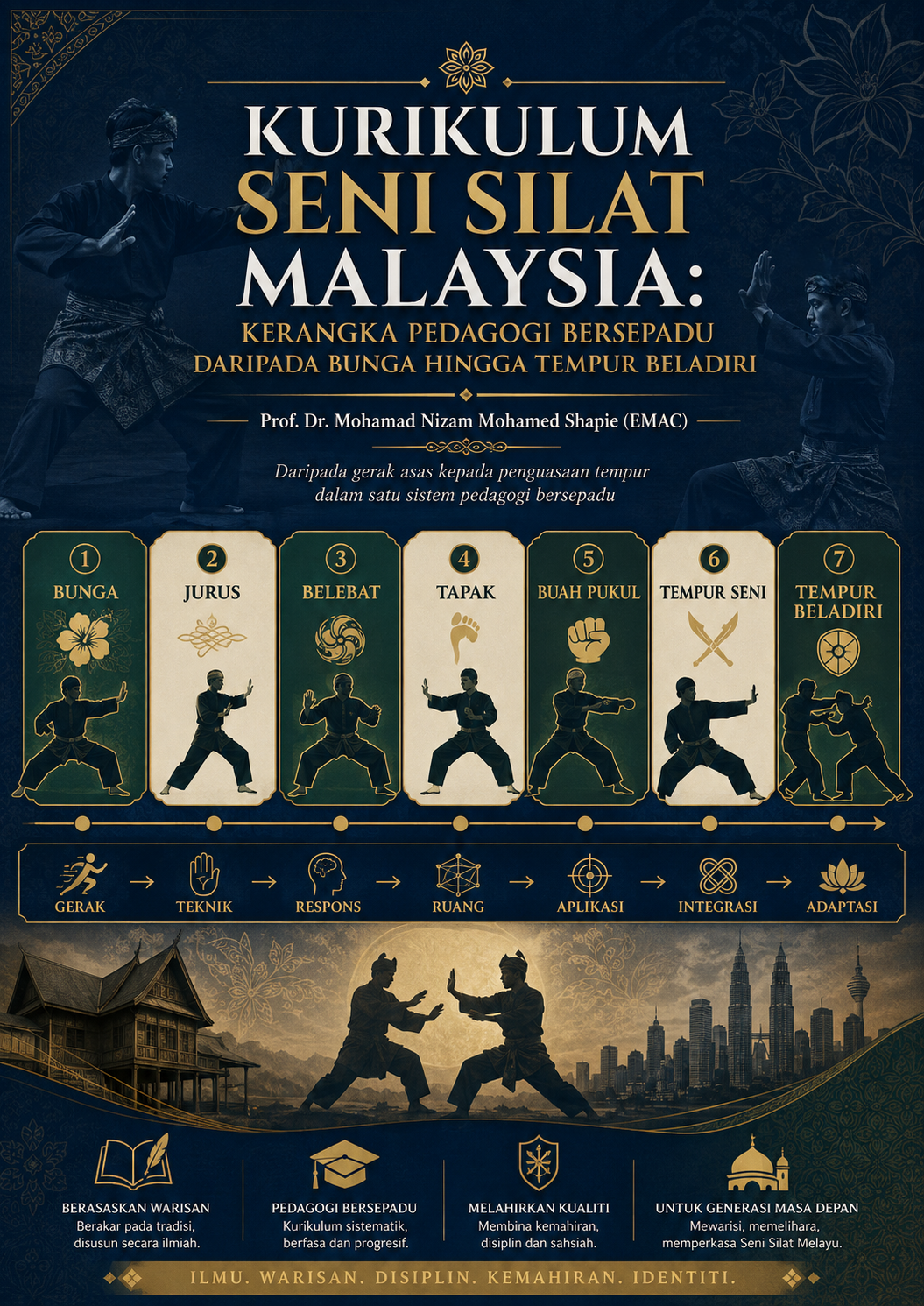
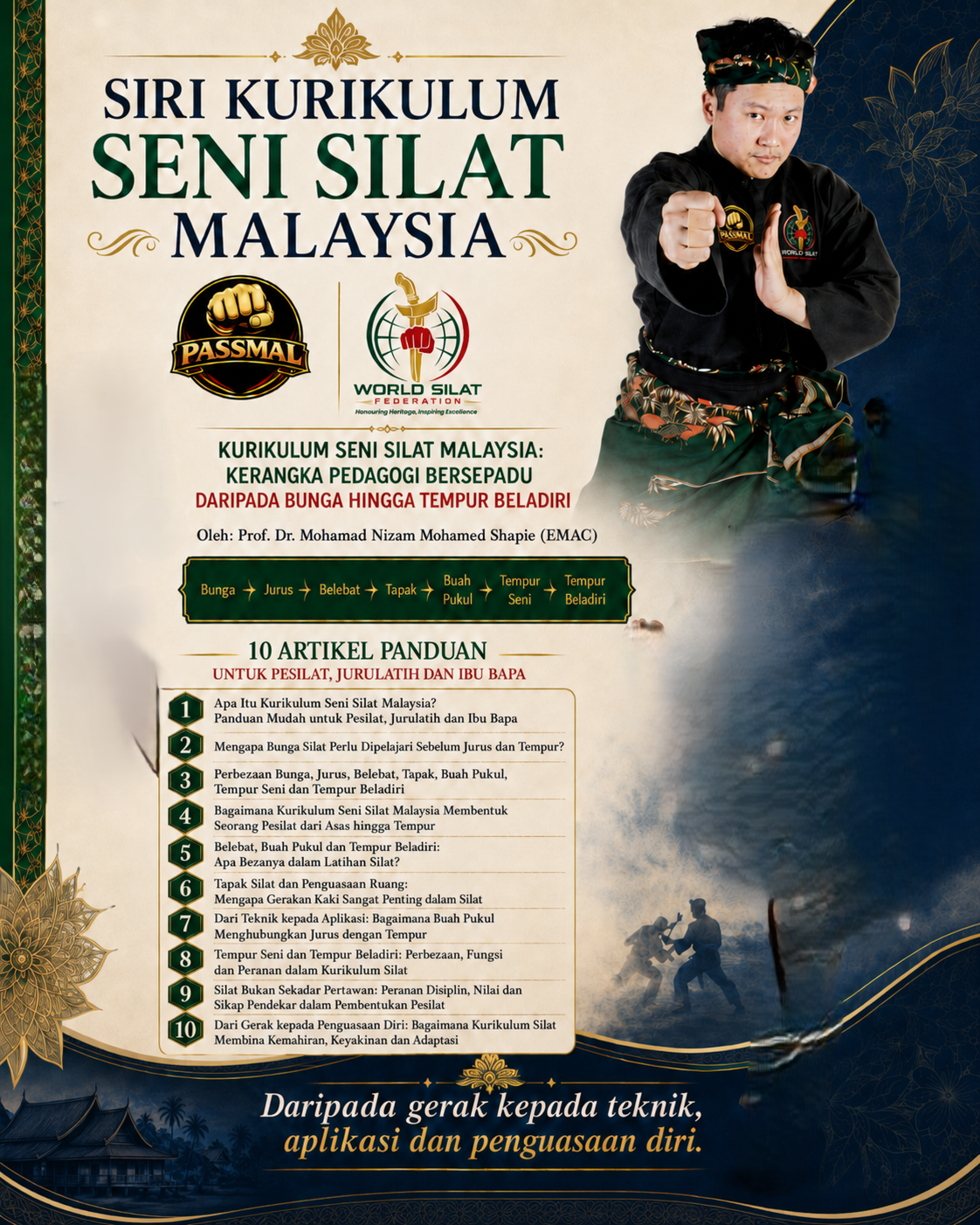
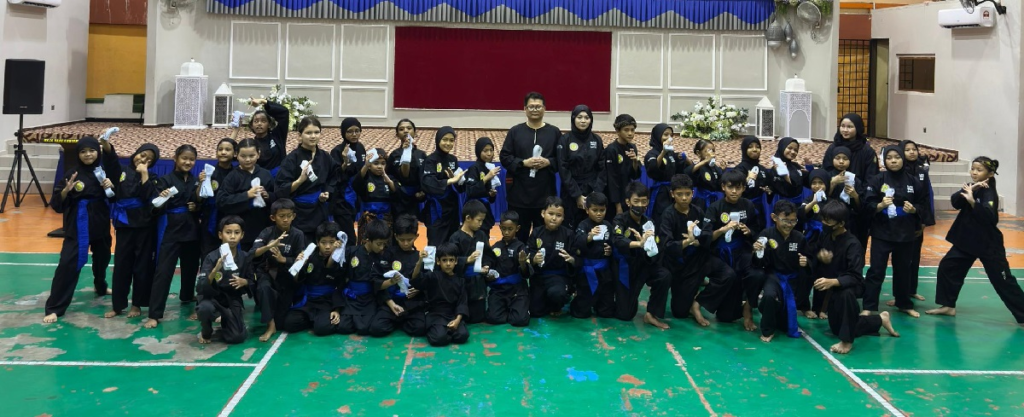
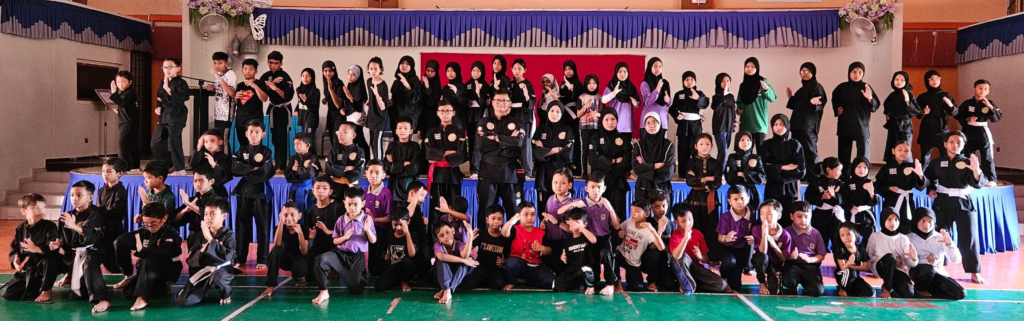
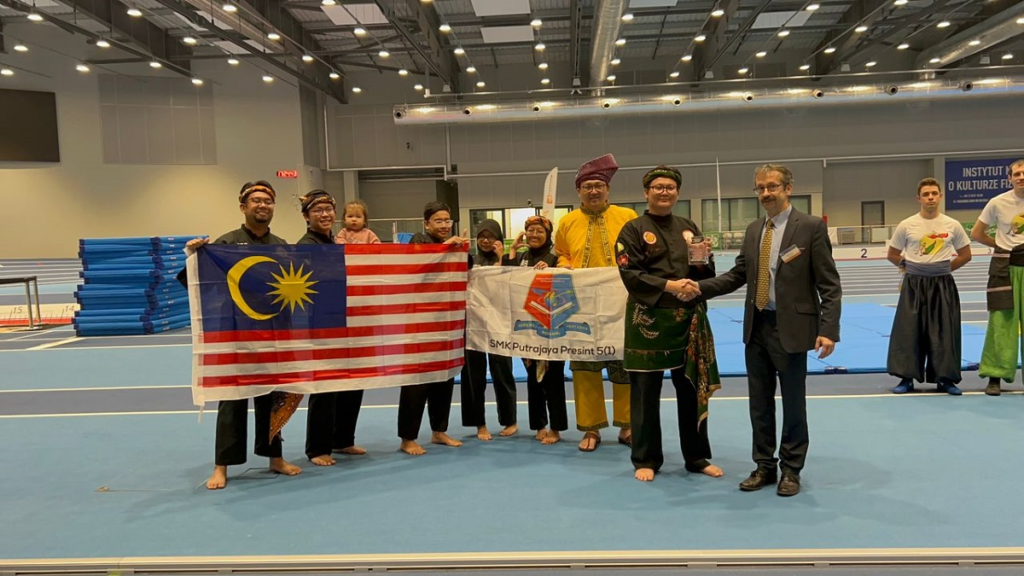
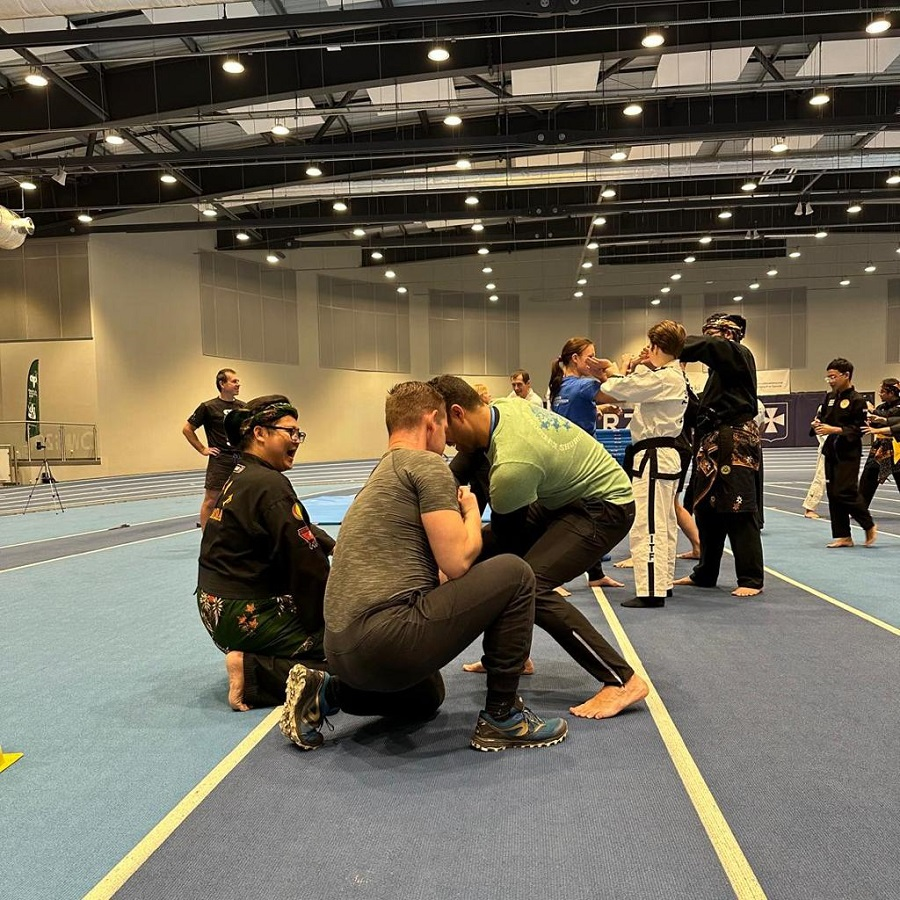
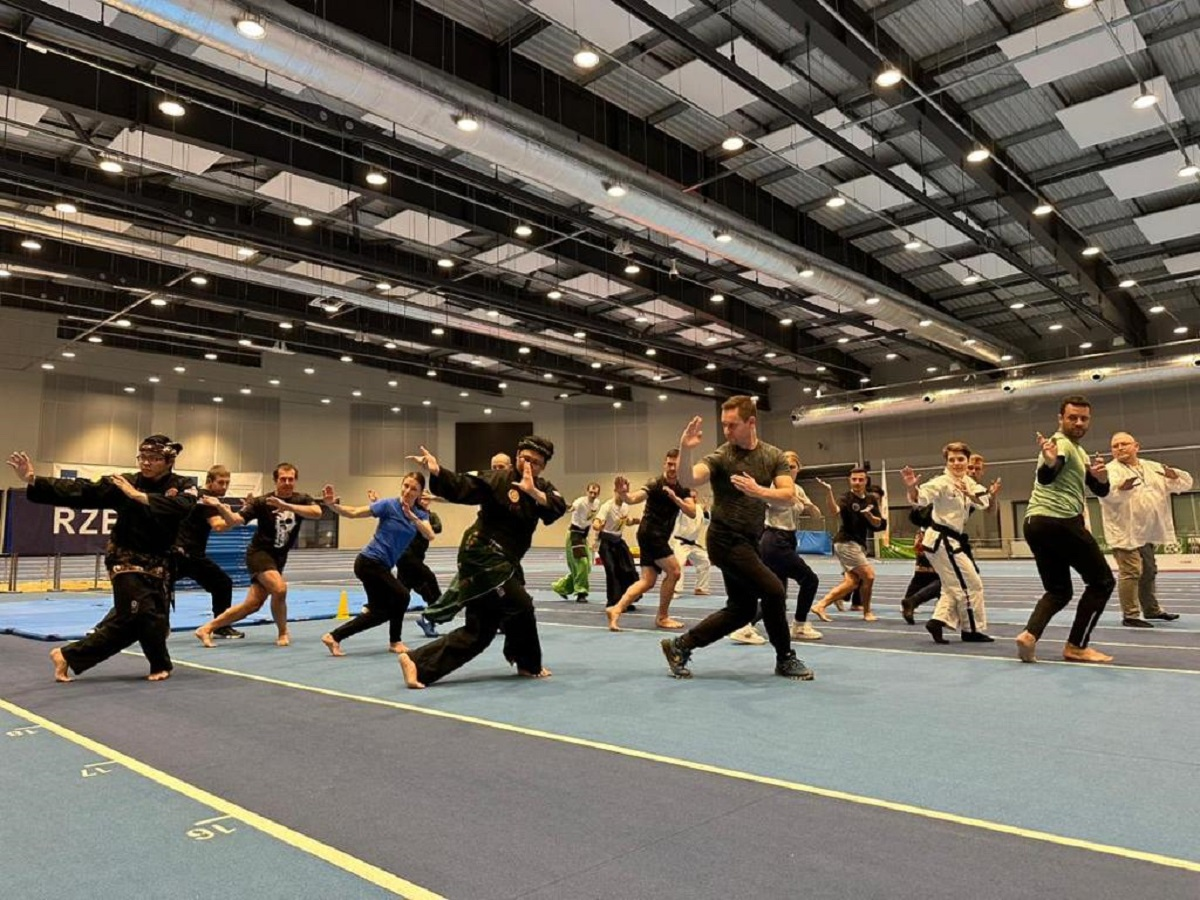
PASSMAL, a leading Silat institution in Malaysia, has been instrumental in preserving the authenticity of Silat Melayu. It has developed a transparent and standardized curriculum that maintains the purity of Silat, free from external martial influences (Shapie et al., 2023). This effort aligns with the broader goal of formalizing Silat as Malaysia’s official martial art and integrating it into national education and sports systems (Hassim et al., 2022).
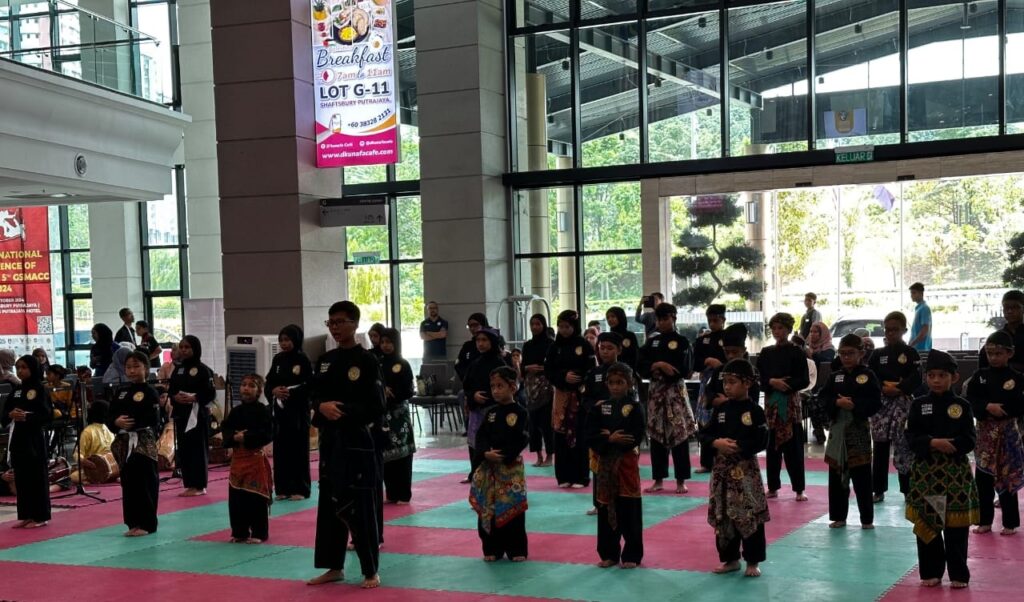
Silat is a holistic discipline. Beyond physical training, it nurtures spiritual awareness and moral values. The doa pembukaan gelanggang (opening prayer) reflects the sacredness of Silat practice, transforming it into an act of devotion and self-discipline (Shapie, 2020a). This spiritual dimension is often overlooked in mainstream sports but remains central to Silat’s identity.
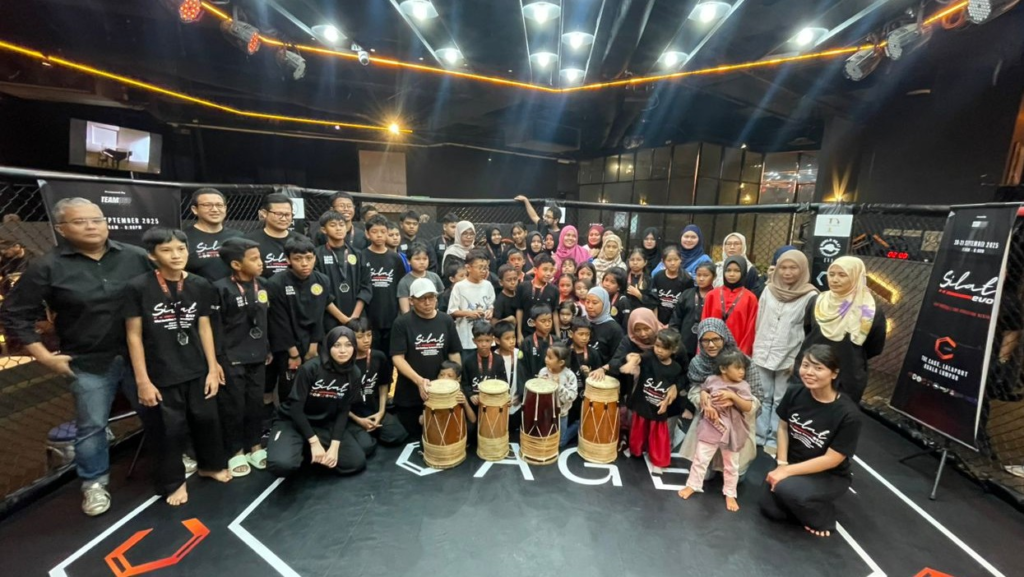
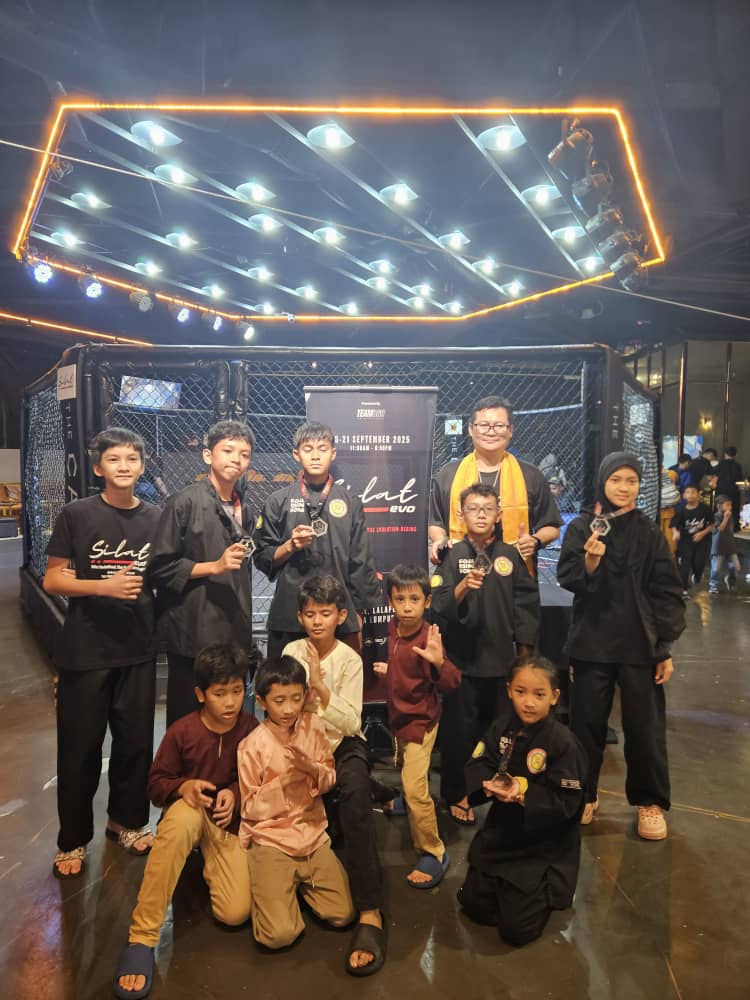
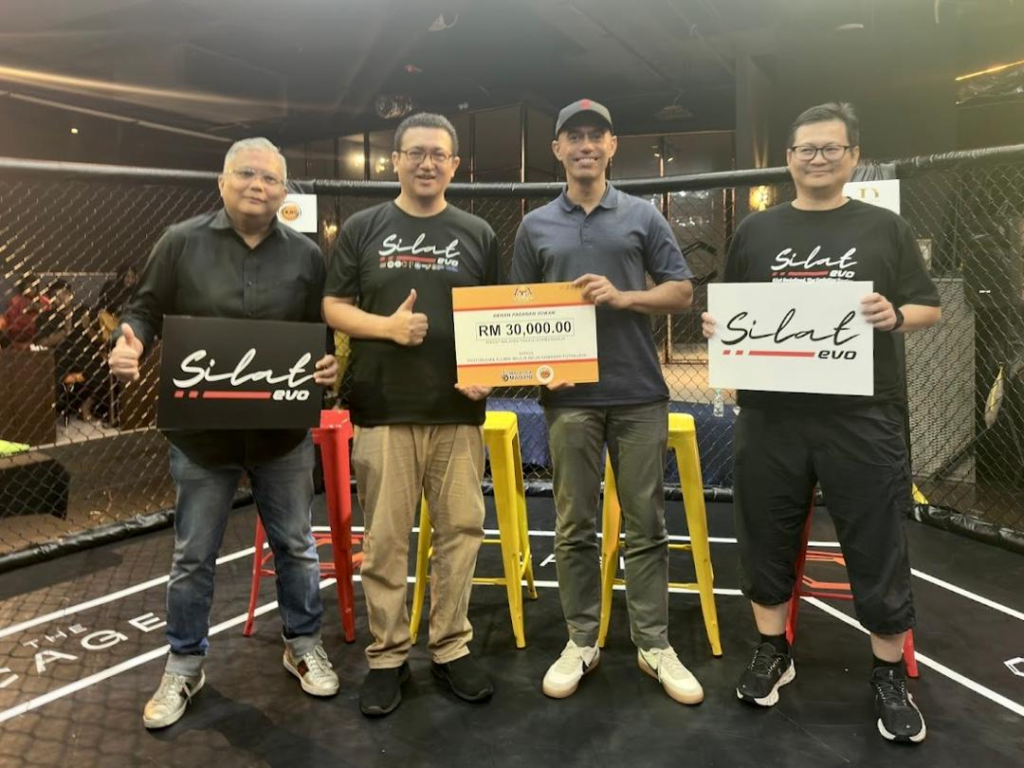
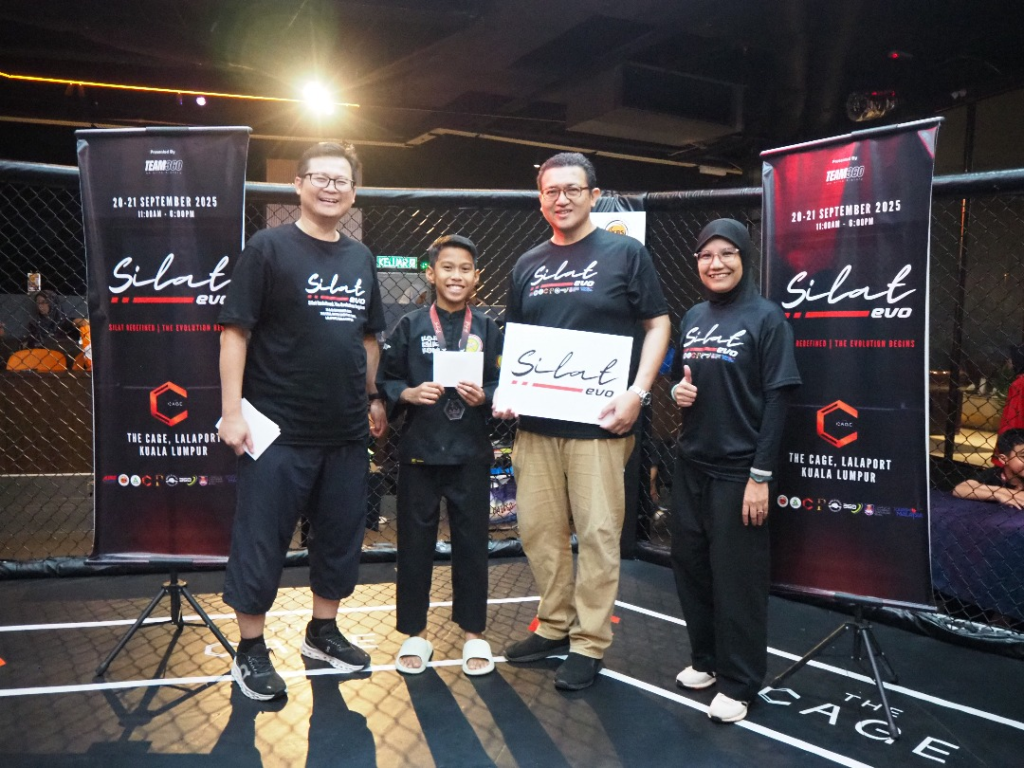
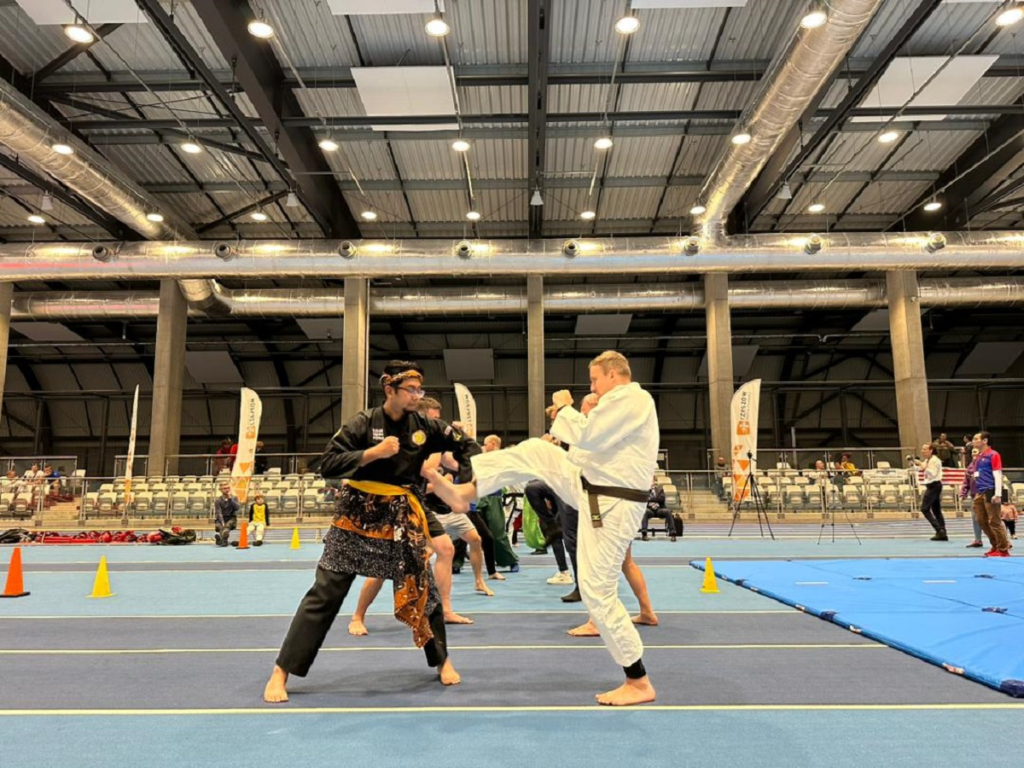
In the face of globalization, preserving Silat is not merely about safeguarding techniques. It is about honoring ancestral wisdom, the dignity of Malay warriors, and the unity of the community. Innovations such as Silat EVO and Silat Tempur—developed by PASSMAL and championed by Dr. Nizam—represent efforts to modernize Silat while retaining its traditional essence (Shapie, 2025; Samsudin & Shapie, 2021).
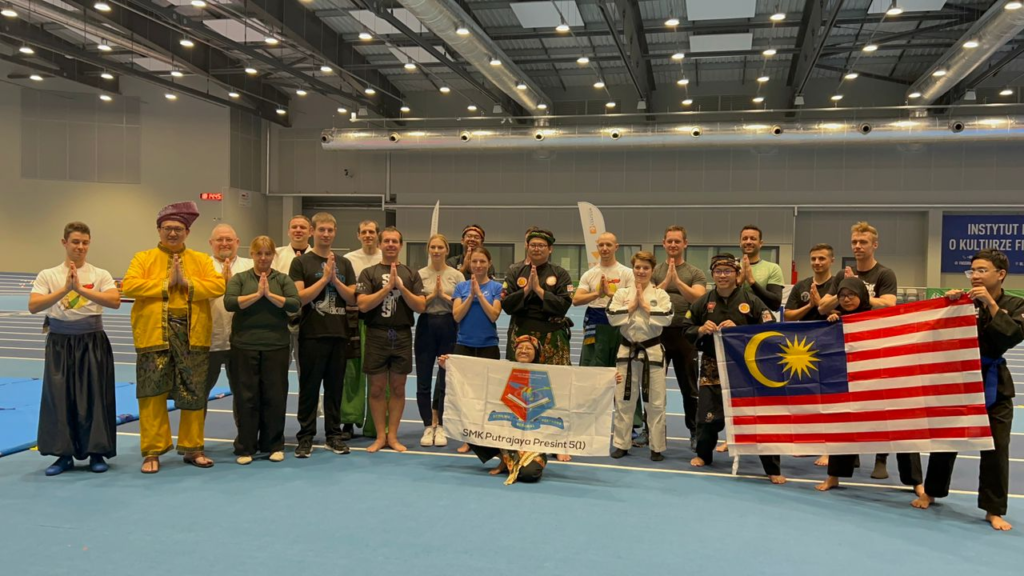
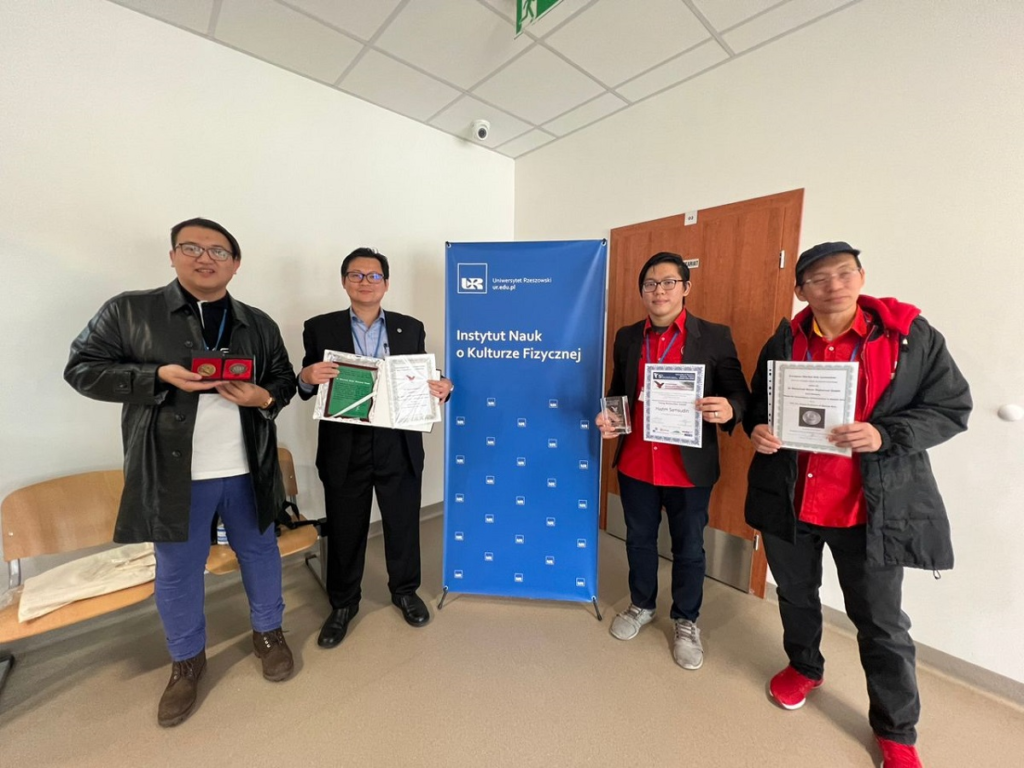
Silat’s recognition by UNESCO as an intangible cultural heritage in 2019 further affirms its global significance (Poon, 2019). As Malaysia continues to promote its cultural assets on the world stage, Silat stands as a symbol of national pride and identity. Its preservation is not only a cultural imperative but a scholarly mission—one that PASSMAL has embraced through research, publication, and international collaboration (Shapie et al., 2024).
Silat tells the story of who we are. It is a legacy worth preserving, empowering, and passing on to future generations.
References
- Anuar, A. W. (2008). Silat: The development history of traditional Malay silat. Hizi Print Sdn. Bhd.
- Hassim, J. Z., Shapie, M. N. M., Razak, S. N. A., Kassim, R. M., & Meng, L. K. (2022). The legal aspects of formalizing the sportization development of martial arts societies in Malaysia. Ido Movement for Culture: Journal of Martial Arts Anthropology, 22(2S), 1–12. https://doi.org/10.14589/ido.22.2S.1
- Poon, E. (2019, December 13). Malaysia’s Silat recognised by UNESCO as an intangible art form. The Star. https://www.thestar.com.my/lifestyle/culture/2019/12/13/malaysia039s-silat-recognised-by-unesco-as-an-intangible-art-form
- Samsudin, H., & Shapie, M. N. M. (2021). Silat Tempur vs Silat Olahraga: Which is the best combat sport for children? In W. J. Cynarski et al. (Eds.), 10th IMACSSS Conference 2021 (pp. 51–57). Southwest University.
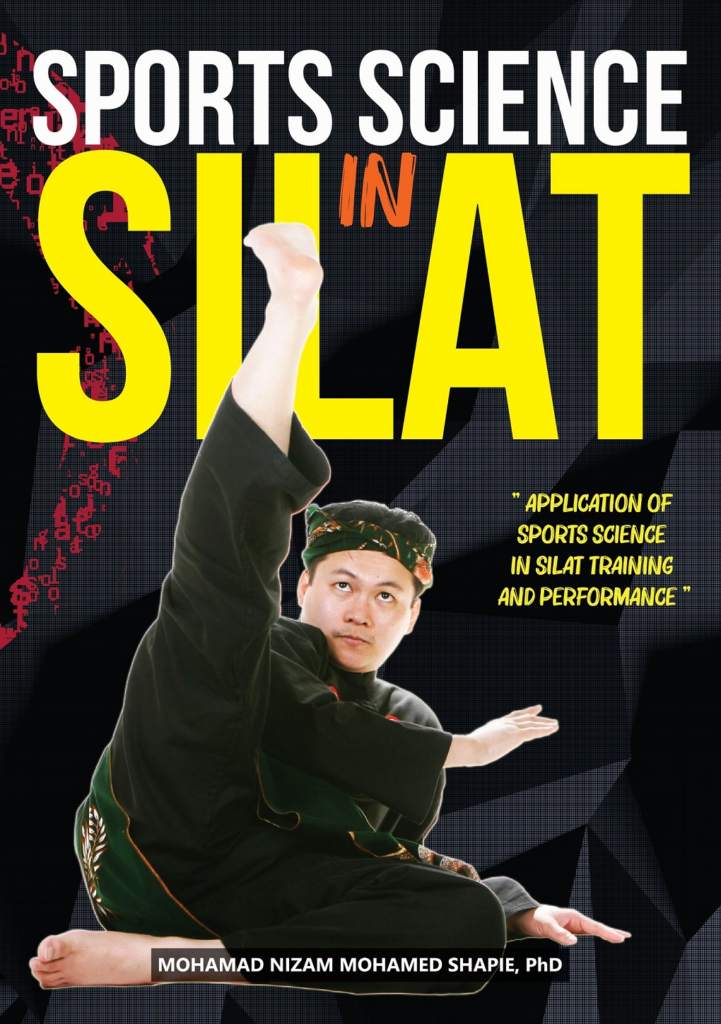
- Shapie, M. N. M. (2020a). Sports Science in SILAT: Application of Sports Science in Silat Training and Performance. Pertubuhan Seni Gayung Fatani Malaysia.
- Shapie, M. N. M. (2025, September 22). Silat EVO: Malaysia’s martial arts innovation for the world. DrNizamShapie.com. https://drnizamshapie.com/2025/09/22/silat-evo-malaysias-martial-arts-innovation-for-the-world/
- Shapie, M. N. M., Elias, M. S. (2016). Silat: The heritage of Malaysia (Silat: Warisan Bangsa Malaysia). National Department for Culture and Arts, Ministry of Tourism and Culture Malaysia.
- Shapie, M. N. M., Wahidah, T., Kusrin, J., Elias, M. S., & Abdullah, N. M. (2019). Silat Tempur: An overview of the children’s combat sports. Ido Movement for Culture: Journal of Martial Arts Anthropology, 19(1S), 55–61.
- Shapie, M. N. M., Samsudin, H., Abdullah, N. M., Rahim, M. R. A., Ihsan, N., Nawai, N. S. N., & Padli. (2024). Tradition to academia: The transformation of Silat education (2014–2024). In N. Ruslan et al. (Eds.), ACPES International Conference 2024 (pp. 478–482). UiTM Malaysia.
- Shapie, M. N. M., Samsudin, H., Mohd Nazri, S., Indrayuda, I., Al-Syurgawi, D., et al. (2023). Seni Silat Malaysia Curriculum: The arts of silat combat in Tempur Seni. Research Journal of Budo, 56(Supplement), S76–S77. https://doi.org/10.11214/budo.56.S_76