by
Assoc. Prof. Dr. Mohamad Nizam Mohamed Shapie
Leader, Combat Sports & Martial Arts Research Network (AIRBORNE)
Faculty of Sports Science & Recreation,
Universiti Teknologi MARA (UiTM)
Silat begins not with combat, but with prayer. The Doa Pembukaan Gelanggang is recited to seek divine guidance, protection, and wisdom. This ritual marks the opening of the training space, transforming it into a sacred arena of learning and discipline. It is a moment of spiritual alignment, where the practitioner enters a state of humility and readiness—not just physically, but mentally and spiritually.
Spirituality in Silat is not ornamental—it is foundational. Every movement in Silat is infused with intention. Practitioners are taught to embody humility, patience, and respect. The rhythm of breath, the focus of the gaze, and the invocation of divine names all reflect Silat’s spiritual depth. These elements are not merely symbolic; they are pedagogical tools that shape the character of the practitioner.
PASSMAL’s Role in Preserving Spiritual Integrity
PASSMAL (The Malaysian Organization of Authentic Malay Silat Arts) has been instrumental in preserving the spiritual elements of Silat. Its curriculum integrates rituals, ethical teachings, and spiritual practices into formal training. This ensures that Silat remains a path of inner refinement as much as physical mastery. PASSMAL’s approach reflects a commitment to holistic development, where martial skill is inseparable from moral and spiritual growth.
Anuar (2002) emphasizes the importance of moral values and spiritual grounding in Silat education. He argues that Silat is not just a physical discipline but a cultural and spiritual journey. The teachings of Silat, when properly transmitted, cultivate virtues such as patience, humility, and self-control—qualities that are essential for both martial and personal excellence.
Spirituality in Youth Silat Training
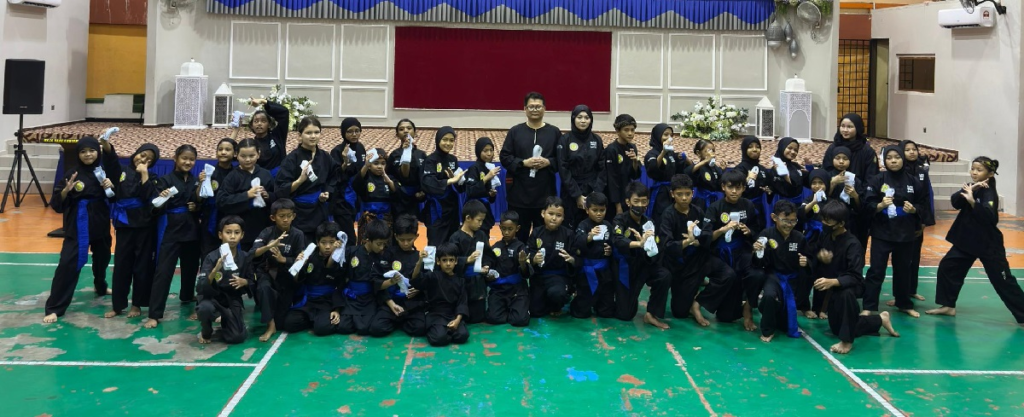
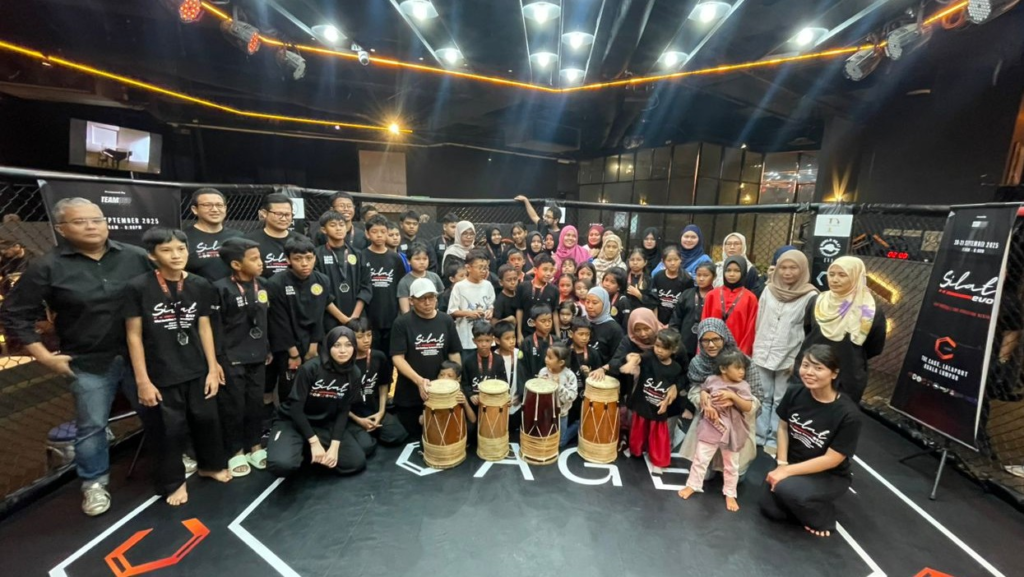
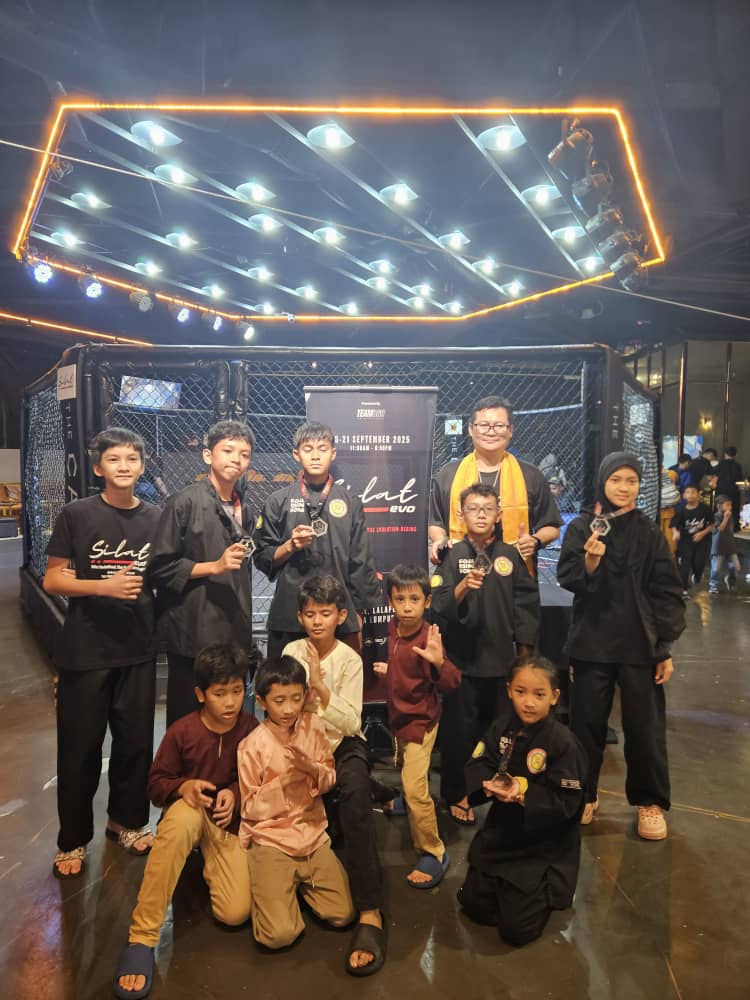
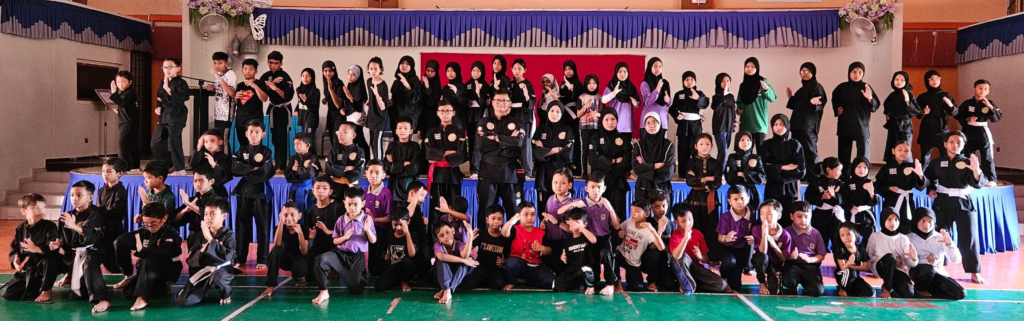
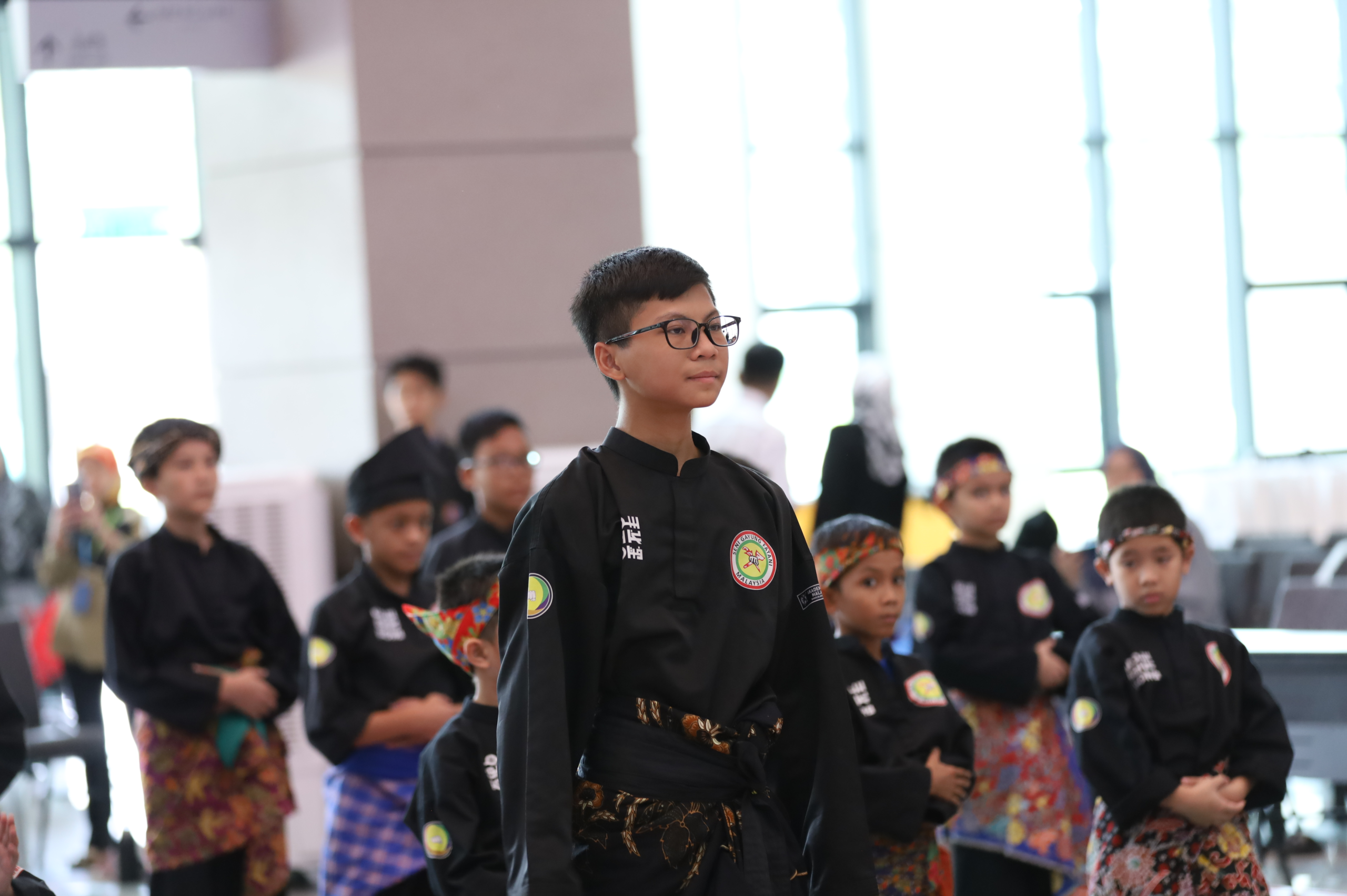
The spiritual dimension of Silat is also evident in youth training programs such as Silat Tempur. Designed as a structured combat sport for children, Silat Tempur incorporates rituals and ethical instruction to ensure that young athletes develop character alongside skill. Aziz et al. (2023) highlight how the integration of respect, humility, and ritual in training contributes to the holistic development of youth athletes.
This approach aligns with broader educational goals. As Henney and Hackett (2025) note, wellness is not limited to physical health—it encompasses mental and spiritual well-being. Silat, with its emphasis on inner balance and ethical conduct, offers a model for holistic education that nurtures the body, mind, and soul.
Scientific Perspectives on Silat’s Spiritual Depth
Modern research has begun to explore the intersection of spirituality and sports science in Silat. Shapie (2020) discusses how scientific principles can enhance Silat training without compromising its spiritual integrity. He emphasizes the importance of maintaining traditional rituals and ethical teachings even as Silat evolves into a competitive sport.
This balance is crucial in an era of sportization, where martial arts risk losing their cultural and spiritual essence. Hassim et al. (2022) examine the legal frameworks needed to protect the cultural dimensions of martial arts in Malaysia. Their findings underscore the importance of institutional support for preserving the sacred elements of Silat.
UNESCO Recognition and Cultural Significance
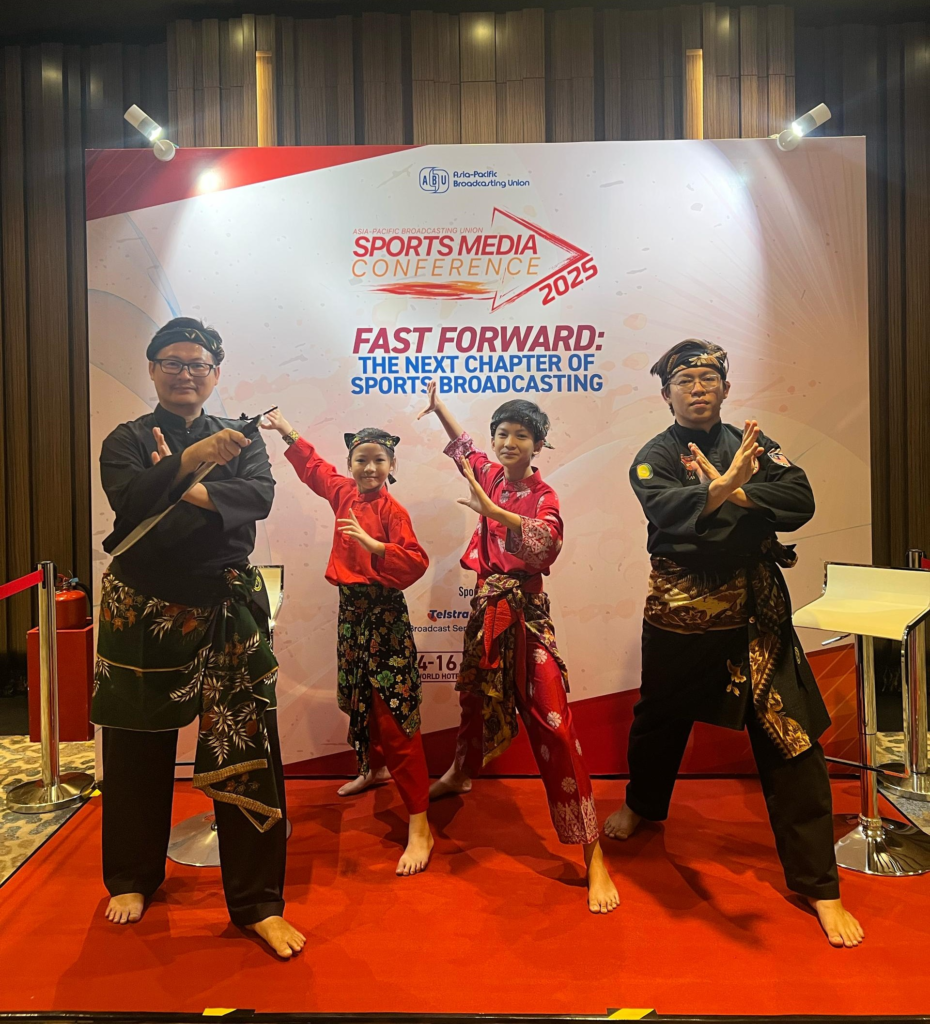
Silat’s spiritual and cultural significance has been internationally recognized. In 2019, UNESCO acknowledged Silat as an intangible cultural heritage of humanity. This recognition affirms Silat’s value not only as a martial art but as a living tradition that embodies the soul of the Malay people (Poon, 2021).
UNESCO’s recognition has elevated Silat’s status globally, encouraging efforts to preserve its rituals and teachings. It has also inspired academic and cultural institutions to study and promote Silat as a model of spiritual and cultural resilience.
The Sacred Arena of Silat Practice
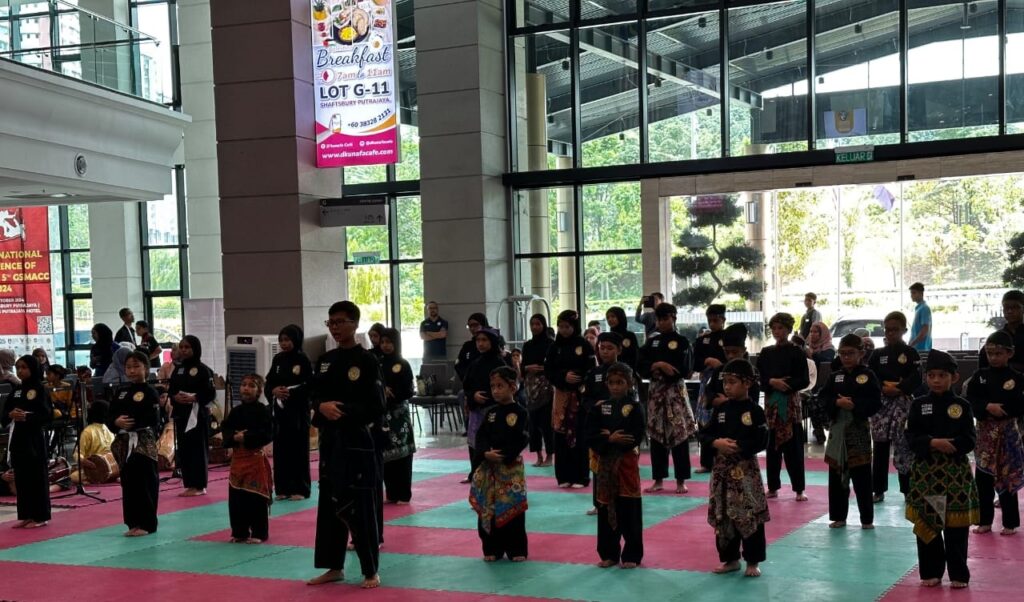
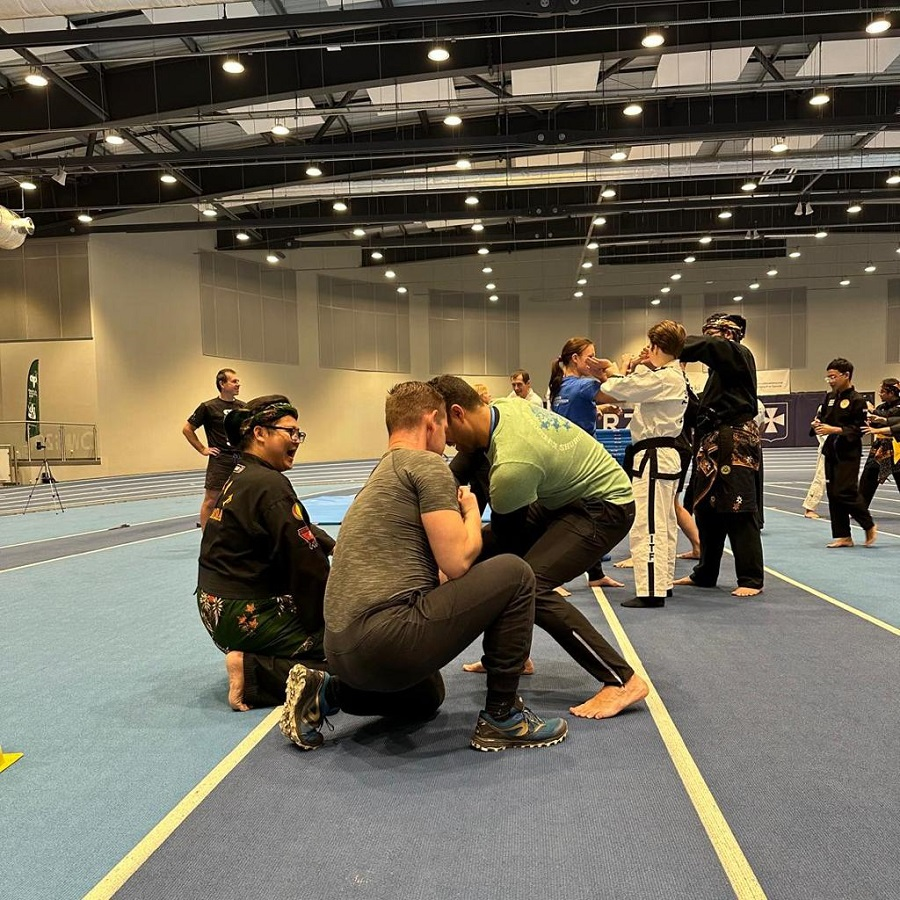
The training space in Silat is more than a physical location—it is a sacred arena. The Doa Pembukaan Gelanggang transforms the space into a site of learning, reflection, and transformation. This ritual is a declaration of intent, a moment where the practitioner commits to discipline, humility, and growth.
Every session begins and ends with prayer, reinforcing the spiritual rhythm of practice. The gestures, movements, and breathing patterns are synchronized with ethical and spiritual awareness. This creates a meditative flow, where the practitioner is fully present, grounded, and connected to a higher purpose.
Conclusion
Silat is more than a martial art—it is a sacred practice that nurtures the soul. Through rituals, prayer, and ethical teachings, Silat offers a path to inner peace, cultural pride, and spiritual refinement. PASSMAL’s commitment to preserving these elements ensures that Silat remains true to its roots, even as it evolves in modern contexts.
In a world increasingly focused on performance and competition, Silat reminds us of the deeper purpose of martial arts: to cultivate character, connect with tradition, and honor the sacred. It is a discipline of the body, a training of the mind, and a devotion of the spirit.
References
- Anuar, A. W. (2002). Pendidikan dan Nilai-nilai Murni dalam Seni Silat. Kementerian Kebudayaan, Kesenian dan Warisan.
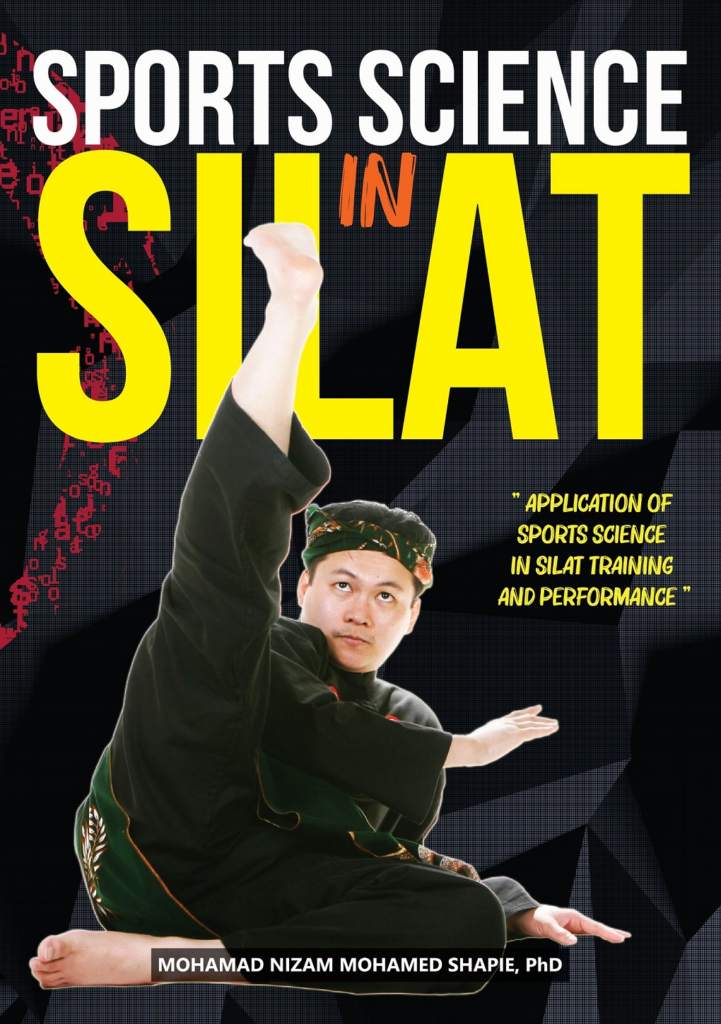
- Shapie, M.N.M. (2020). Sports Science in SILAT: Application of Sports Science in Silat Training and Performance. Pertubuhan Seni Gayung Fatani Malaysia.
- Aziz, N. A. A., et al. (2023). Silat Tempur League: The Analysis of Athletes Performance in 2019 Competitions. International Martial Arts and Culture Journal, 1(1), 18–29. https://doi.org/10.24036/imacj5019
- Henney, S., & Hackett, J. (2025). What Is Wellness? In S. Henney & J. Hackett (Eds.), Mind-Body Wellness – A Science-Based Approach (pp. 33–50). Springer Nature, Switzerland.
- Hassim, J.Z., et al. (2022). The Legal Aspects of Formalizing the Sportization Development of Martial Arts Societies in Malaysia. Ido Movement for Culture. Journal of Martial Arts Anthropology, 22(2s), 1–12.
- Poon, E. (2021). Malaysia’s Silat Recognised by UNESCO as an Intangible Art Form. https://www.thestar.com.my/lifestyle/culture/2019/12/13/malaysia039s-silat-recognised-by-unesco-as-an-intangible-art-form