by
Assoc. Prof. Dr. Mohamad Nizam Mohamed Shapie
Leader, Combat Sports & Martial Arts Research Network (AIRBORNE)
Faculty of Sports Science & Recreation,
Universiti Teknologi MARA (UiTM)
Silat, the ancient martial art of the Malay Archipelago, is known for its graceful yet explosive movements. From lightning-fast punches to fluid takedowns, every technique in Silat is a testament to the body’s ability to respond with precision and power. But what truly drives these movements? The answer lies deep within our biology—specifically, at the neuromuscular junction (NMJ).
Thanks to the pioneering work of AIRBORNE UiTM, Silat training now incorporates neuroscience and biochemistry, helping athletes understand the science behind their strikes. This article explores how the NMJ functions, how it influences performance, and why mastering this knowledge is essential for modern Silat practitioners.
What Is the Neuromuscular Junction (NMJ)?
The neuromuscular junction is the critical interface between the nervous system and muscle fibers. It’s where a motor neuron communicates with a muscle cell to initiate movement. Think of it as a high-speed messaging system—when your brain decides to move, the NMJ ensures that message is delivered and executed instantly.
Here’s how it works:
- A motor neuron sends an electrical signal called an action potential down its axon.
- At the NMJ, the neuron releases a chemical messenger called acetylcholine (ACh) into the synaptic cleft.
- ACh binds to receptors on the sarcolemma (the muscle cell membrane), triggering a new action potential in the muscle.
- This leads to the release of calcium ions, which activate the muscle fibers and cause contraction.
This entire process happens in milliseconds—perfect for the rapid responses required in Silat.
Acetylcholine: The Messenger of Movement
Acetylcholine is the key neurotransmitter at the NMJ. When released, it binds to nicotinic receptors on the muscle cell membrane, opening ion channels that allow sodium ions to rush in. This depolarizes the membrane and generates an action potential in the muscle fiber.
In Silat, this process is crucial. A well-timed strike or block depends on how quickly and efficiently ACh can trigger muscle contraction. If the NMJ is sluggish or impaired, reaction time suffers—and in combat, even a fraction of a second can make all the difference.
AIRBORNE UiTM emphasizes the importance of NMJ efficiency in Silat performance. Their research shows that athletes who train with a focus on neuromuscular responsiveness demonstrate faster reaction times and more precise technique execution (Shapie et al., 2023).
The Synaptic Cleft and Sarcolemma Receptors
The synaptic cleft is the tiny gap between the motor neuron and the muscle cell. It’s where ACh is released and where the magic of movement begins. On the other side of this gap lies the sarcolemma, the muscle cell’s outer membrane, dotted with specialized receptors that recognize and bind ACh.
Once ACh binds to these receptors, the muscle cell becomes electrically excited, leading to contraction. The density and sensitivity of these receptors can influence how quickly and strongly a muscle responds.
Training that enhances receptor sensitivity and synaptic efficiency can lead to faster, more powerful strikes. This is why AIRBORNE UiTM incorporates reaction drills, plyometric training, and neuro-muscular conditioning into Silat programs (Al-Syurgawi & Shapie, 2019).
Action Potentials: The Spark That Starts It All
An action potential is an electrical impulse that travels along neurons and muscle fibers. It’s the spark that ignites movement. In Silat, action potentials are generated in response to sensory input—like seeing an opponent move—and are transmitted to muscles via motor neurons.
The speed and reliability of these signals are vital. Delays or disruptions can lead to mistimed techniques or missed opportunities. AIRBORNE UiTM’s research highlights the importance of neural conditioning in Silat, showing that athletes with faster action potential transmission perform better under pressure (Shapie, 2020).
Neuromuscular Junction Efficiency and Injury Prevention
Efficient NMJs don’t just improve performance—they also help prevent injuries. When muscles respond quickly and accurately, the risk of strain, overextension, or misalignment decreases. This is especially important in Silat Tempur, where rapid exchanges and dynamic movements are common.
AIRBORNE UiTM’s studies on youth athletes show that neuromuscular training reduces injury rates and improves overall movement quality (Shapie et al., 2019). By focusing on NMJ health, coaches can ensure that athletes develop safely and sustainably.
Training the NMJ: Practical Applications in Silat
So how can Silat practitioners train their neuromuscular junctions?
Here are some science-backed methods:
- Plyometric Drills: Exercises like jump squats and explosive lunges enhance fast-twitch muscle fiber activation.
- Reaction Time Training: Using tools like reaction balls or light-based systems to improve sensory-motor response.
- Mind-Muscle Connection: Practicing slow, controlled movements to strengthen neural pathways.
- Nutritional Support: Ensuring adequate intake of choline, a precursor to acetylcholine, supports neurotransmitter production.
- Recovery Protocols: Sleep, hydration, and active recovery help maintain NMJ function and prevent fatigue.
These methods are already being implemented in AIRBORNE UiTM’s Silat curriculum, which blends traditional techniques with modern sports science (Shapie et al., 2024).
The Role of AIRBORNE UiTM in Advancing Silat Science
AIRBORNE UiTM has become a beacon of innovation in Silat research. By studying the neuromuscular junction, they’ve helped bridge the gap between traditional martial arts and modern physiology.
Their work includes:
- Publishing studies on Silat Tempur performance metrics (Shapie et al., 2023).
- Developing evidence-based coaching manuals for Silat instructors (Shapie et al., 2022).
- Collaborating with international bodies like UNESCO ICM to promote Silat as a scientifically grounded martial art.
This approach ensures that Silat remains relevant and respected on the global stage, while preserving its cultural essence.
Conclusion: Striking with Science
Every Silat strike begins with a signal—a whisper from the brain to the muscle, carried through the neuromuscular junction. Understanding this process empowers practitioners to refine their technique, improve reaction time, and train with purpose.
Thanks to AIRBORNE UiTM’s research, Silat is no longer just an art—it’s a science. By embracing the biochemistry of movement, athletes can unlock new levels of performance while honoring the traditions that make Silat a cultural treasure.
Whether you’re a seasoned guru or a young student just beginning your journey, knowing how your body works can transform the way you train, fight, and grow.
References
- Al-Syurgawi, D., & Shapie, M. N. M. (2019). The effects of a 6-week plyometric training on muscular-strength performance in Silat athletes. Revista de Artes Marciales Asiáticas, 14(2 Suppl), 28–30.
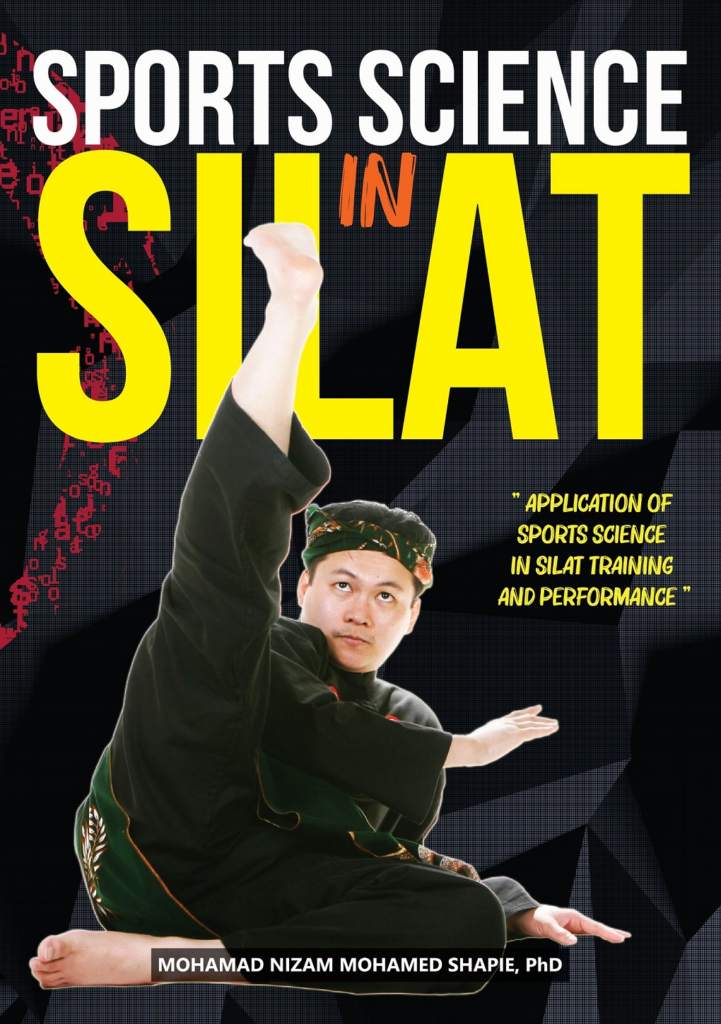
- Shapie, M. N. M. (2020). Sports Science in SILAT: Application of Sports Science in Silat Training and Performance. Pertubuhan Seni Gayung Fatani Malaysia.
- Shapie, M. N. M., Wahidah, T., Kusrin, J., Elias, M. S., & Abdullah, N. M. (2019). Silat Tempur: An overview of the children’s combat sports. Ido Movement for Culture. Journal of Martial Arts Anthropology, 19(1s), 55–61.
- Shapie, M. N. M., Akbar, M. F. C., Samsudin, H., Al-Syurgawi, D., Rahim, M. R. A., Abdullah, N. M., Parnabas, V., Nawai, N. S., Kusrin, J., Bakar, N. A., & Nor, M. A. M. (2023). Activity profile during action time between winners and losers of young male Silat Tempur athletes. International Martial Arts and Culture Journal, 1(1), 1–5. https://doi.org/10.24036/imacj1019
- Shapie, M. N. M., Samsudin, H., Abdullah, N. M., Rahim, M. R. A., Ihsan, N., Nawai, N. S. N., & Padli. (2024). Tradition to academia: The transformation of Silat education (2014–2024). In N. Ruslan, A. Zid, R. Radeeuddin, & M. N. Fariduddin (Eds.), The 10th ASEAN Council of Physical Education and Sport (ACPES) International Conference 2024 (pp. 478–482). UiTM Malaysia.