by
Assoc. Prof. Dr. Mohamad Nizam Mohamed Shapie
Leader, Combat Sports & Martial Arts Research Network (AIRBORNE)
Faculty of Sports Science & Recreation,
Universiti Teknologi MARA (UiTM)
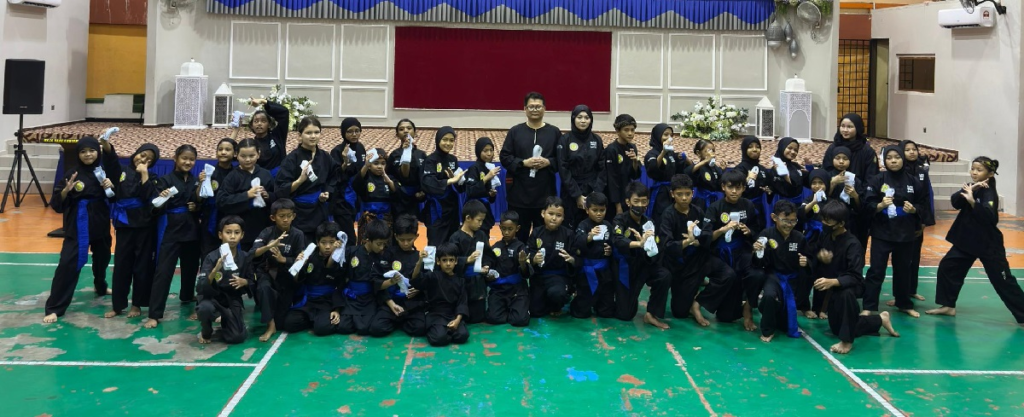
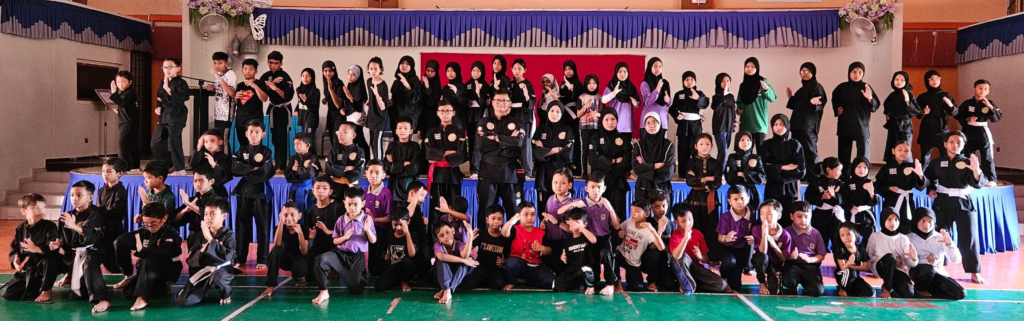
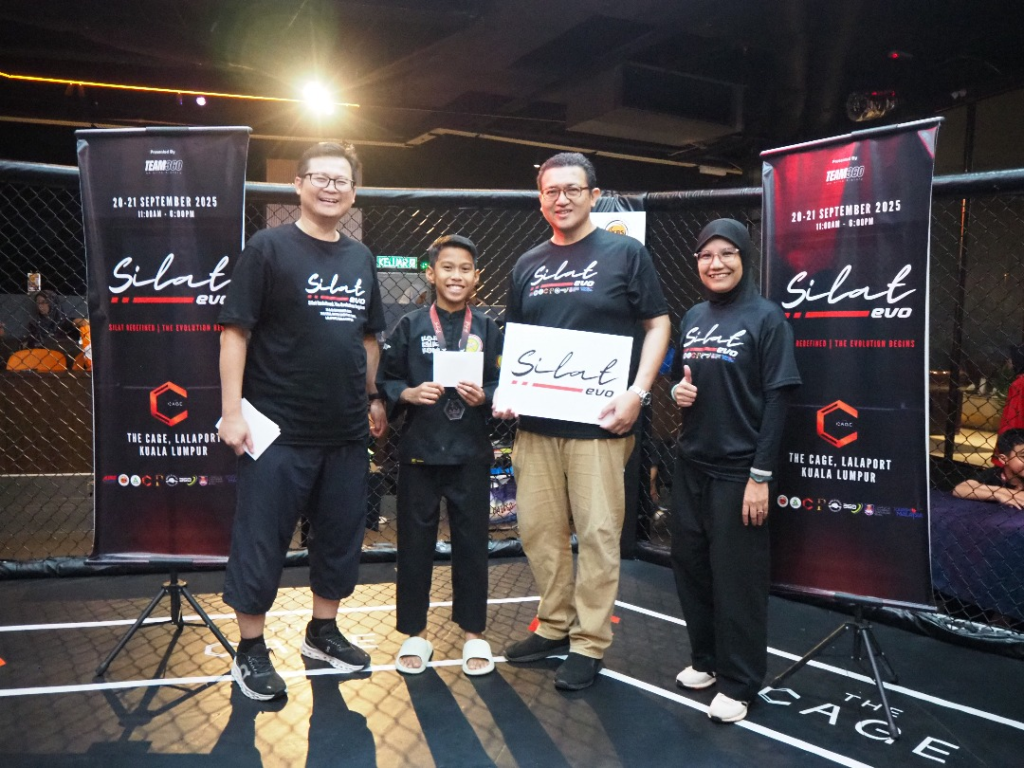
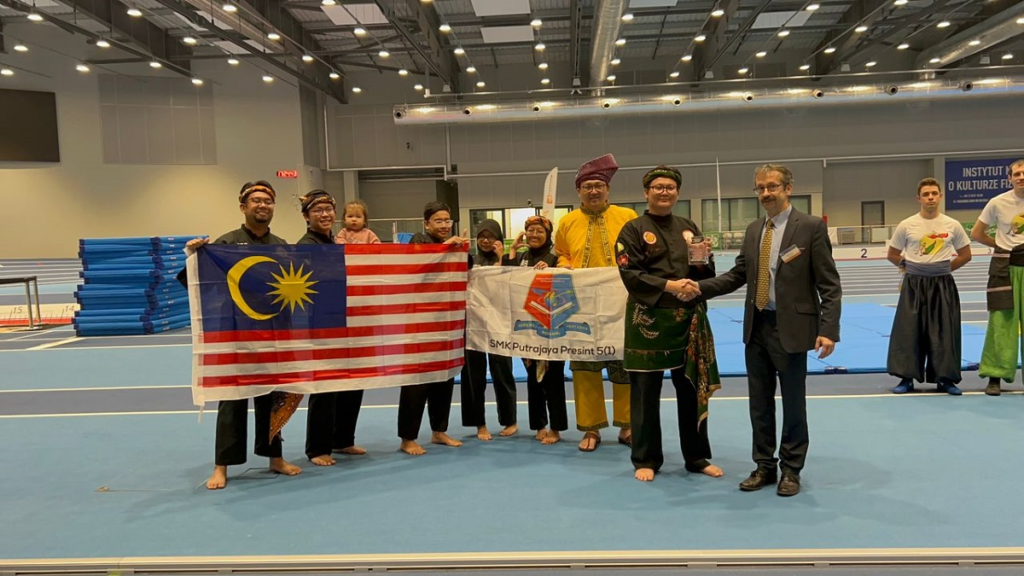
Silat is no longer confined to the villages of Malaysia—it is now practiced and celebrated worldwide. Through cultural exchange, international tournaments, and academic collaborations, Silat has gained recognition as a martial art of depth and dignity. Its journey from a regional tradition to a globally respected discipline reflects the richness of Malay martial heritage and the universal values embedded in its practice.
PASSMAL and the World Silat Federation
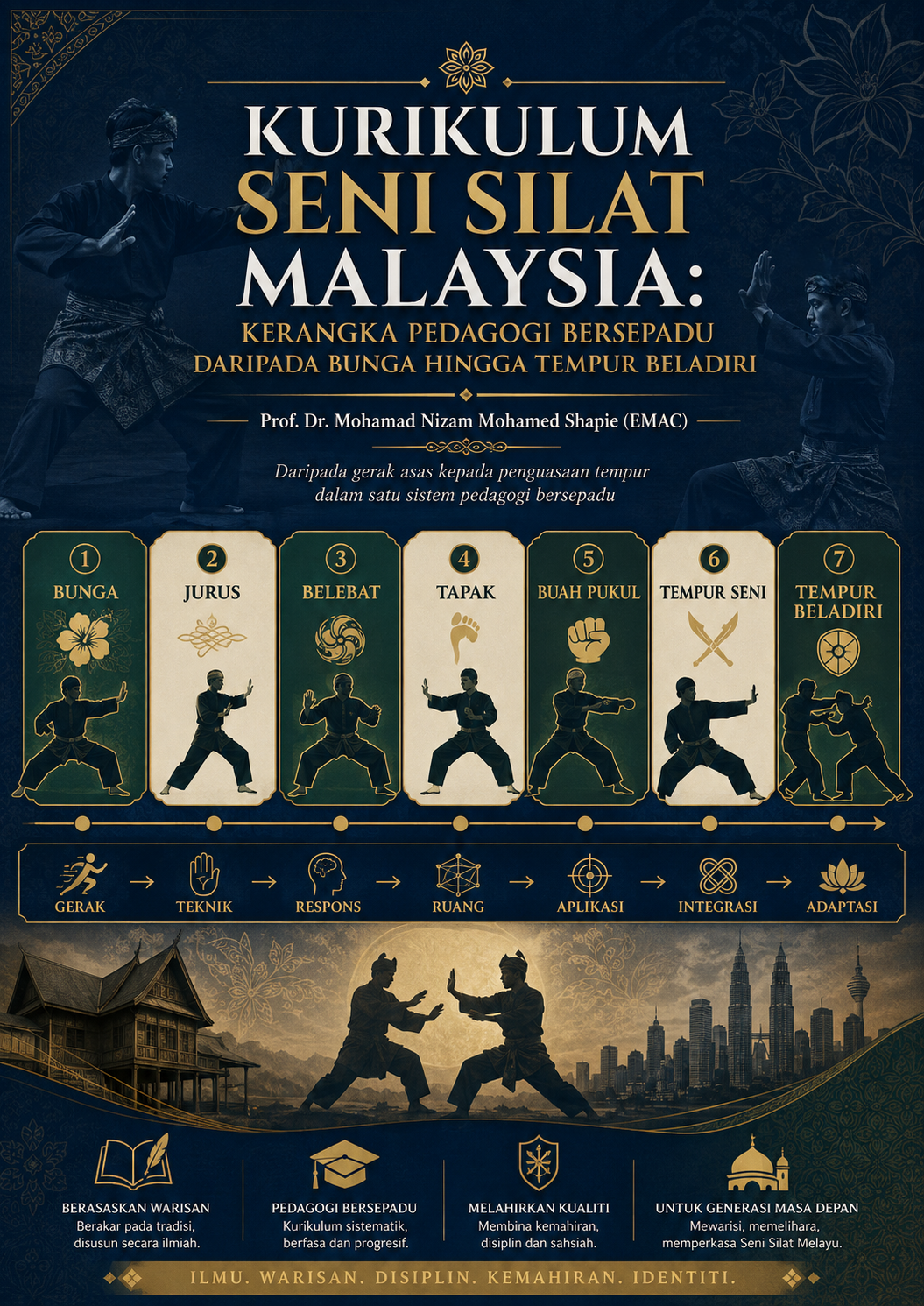
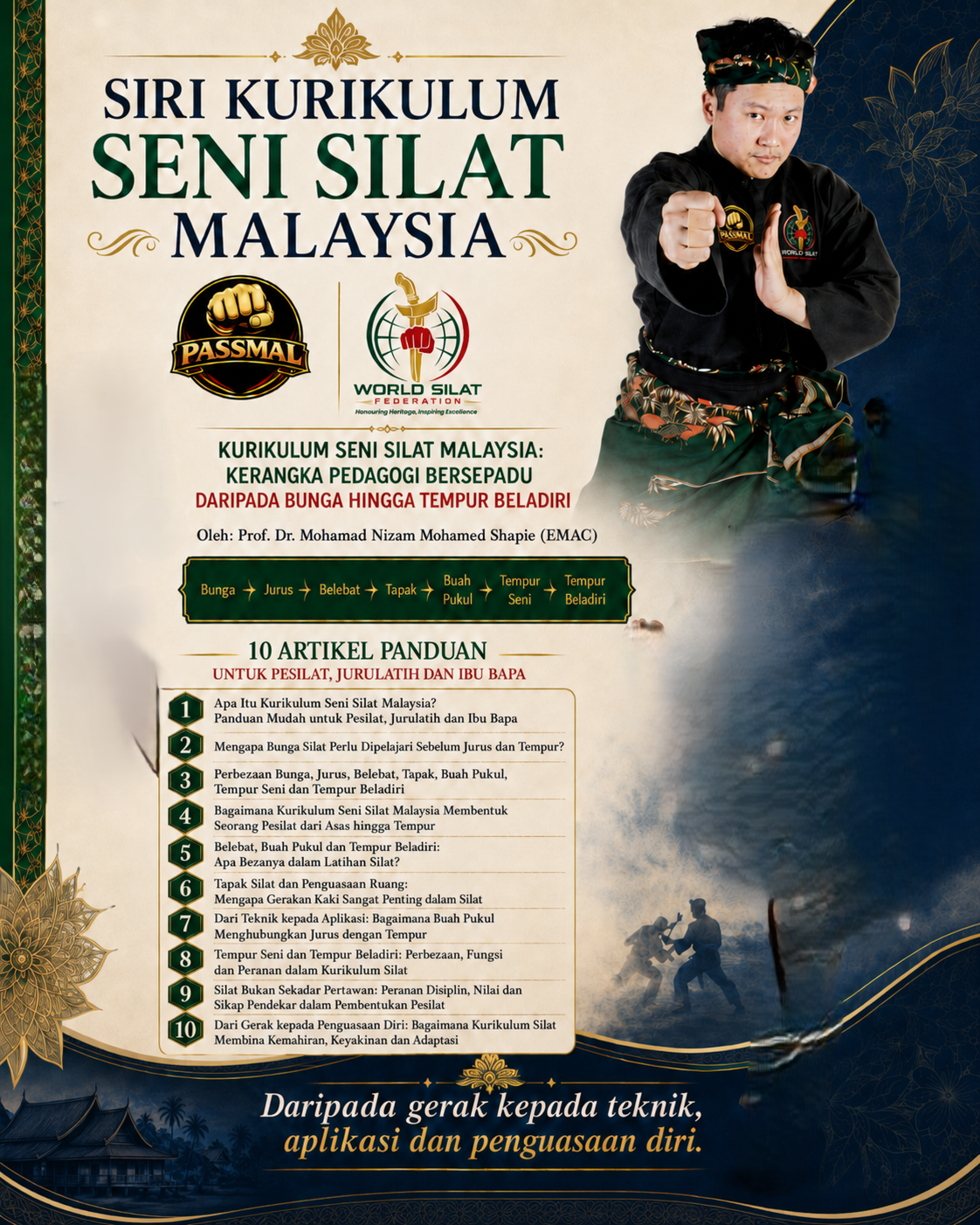
The Malaysian Organization of Authentic Malay Silat Arts (PASSMAL) has played a pivotal role in Silat’s international expansion. As a member of the World Silat Federation (WSF), PASSMAL has contributed to the standardization of Silat practices, ensuring consistency across borders while preserving cultural authenticity. The development of coaching manuals and structured curricula has enabled Silat to be taught systematically in various countries (Shapie et al., 2022).
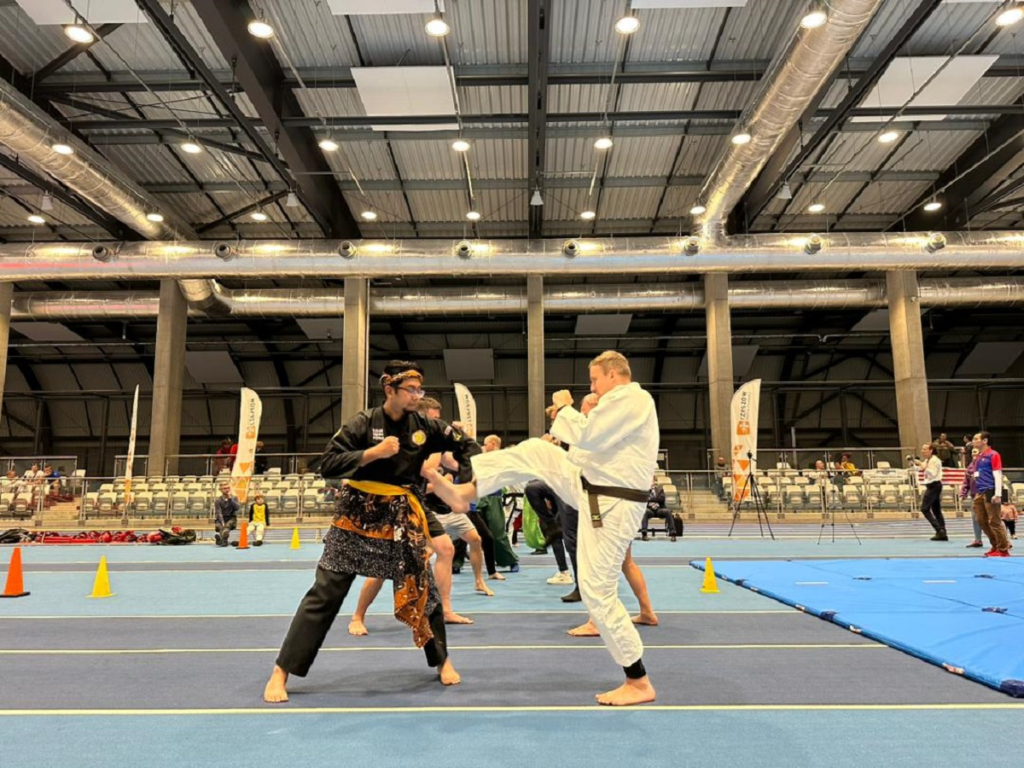
These efforts have helped Silat gain legitimacy as a formal martial art, comparable to other globally recognized disciplines such as Taekwondo and Karate. The manuals produced by PASSMAL and PSGFM have been used to train instructors in Europe, Asia, and the Middle East, promoting cross-cultural understanding and respect for Malay traditions.
Academic Collaborations and Scientific Recognition
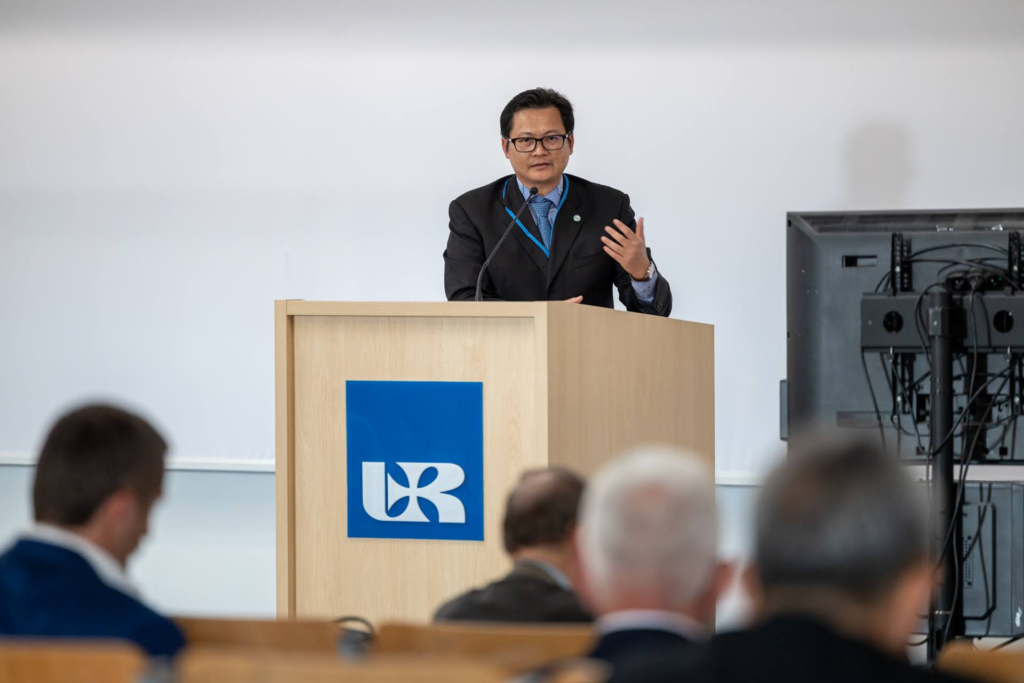
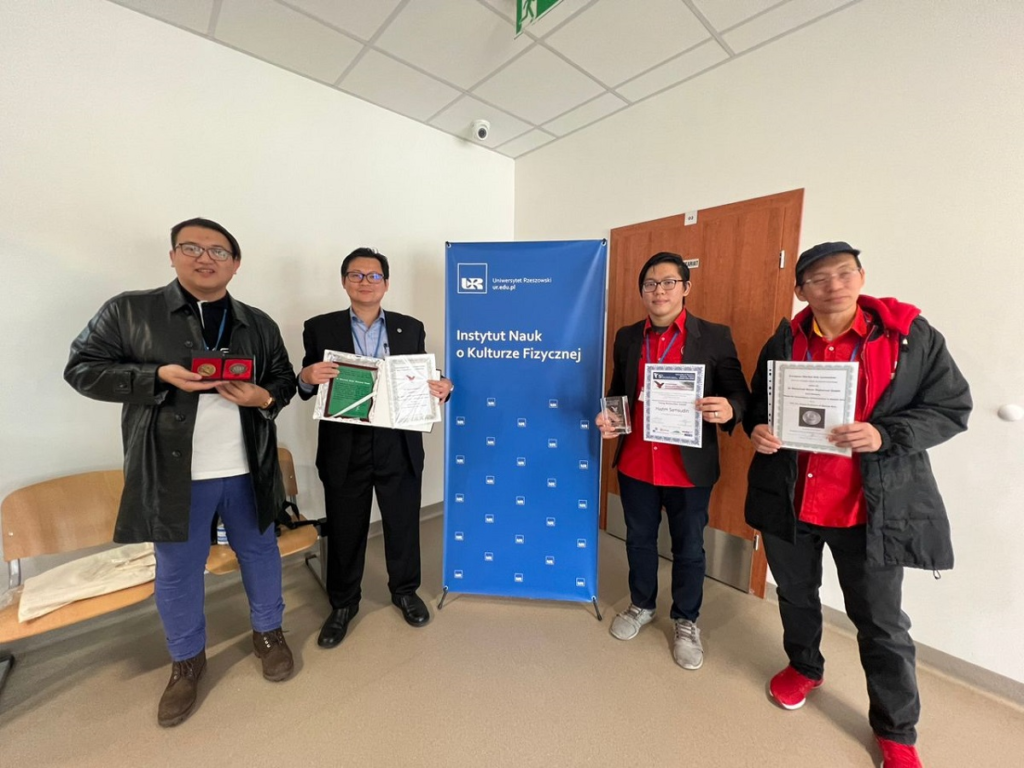
Silat’s rise on the global stage is also supported by academic research and scientific inquiry. Conferences such as the International Martial Arts and Combat Sports Scientific Society (IMACSSS) and the World Scientific Congress of Combat Sports have featured Silat prominently. These platforms have allowed scholars to present research on Silat’s biomechanics, psychology, pedagogy, and cultural significance (Brizin, 2015; Gutierrez-Garcia et al., 2019).
Studies have examined the effects of Silat training on physical and mental performance. For example, research comparing Silat and Taekwondo athletes revealed differences in agility, endurance, and psychological resilience (Abdullah et al., 2020). Other studies have focused on plyometric training and its impact on Silat athletes’ strength and agility (Al-Syurgawi, 2018; Al-Syurgawi & Shapie, 2019).
Silat Tempur, a modern adaptation of Silat for youth combat sports, has also been the subject of academic analysis. Researchers have explored performance metrics, coaching strategies, and developmental outcomes for young athletes (Aziz et al., 2023; Shapie et al., 2023). These studies contribute to the formalization of Silat as a competitive sport and educational tool.
UNESCO Recognition and Cultural Diplomacy
One of the most significant milestones in Silat’s global journey was its recognition by UNESCO as an intangible cultural heritage of humanity. This acknowledgment affirms Silat’s value as a living tradition that embodies discipline, identity, and resilience (Poon, 2021). It also highlights the importance of preserving and promoting cultural practices that foster intercultural dialogue and understanding.
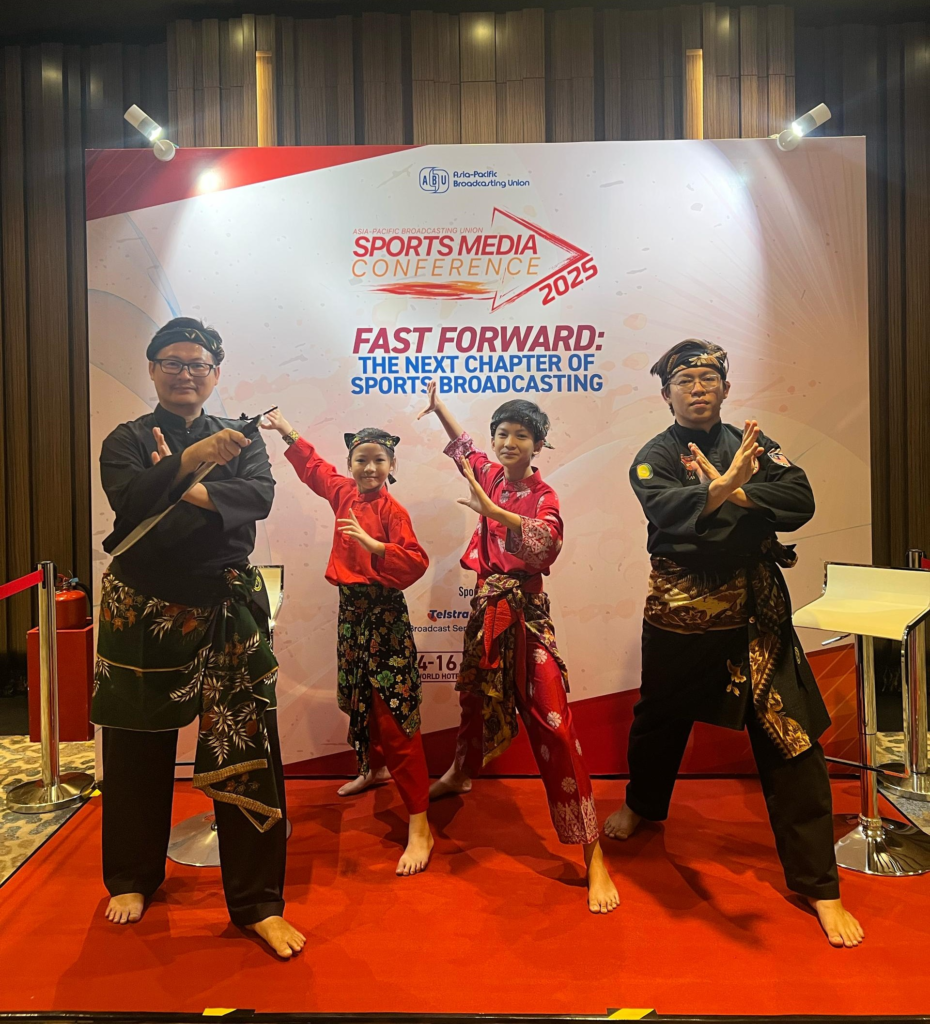
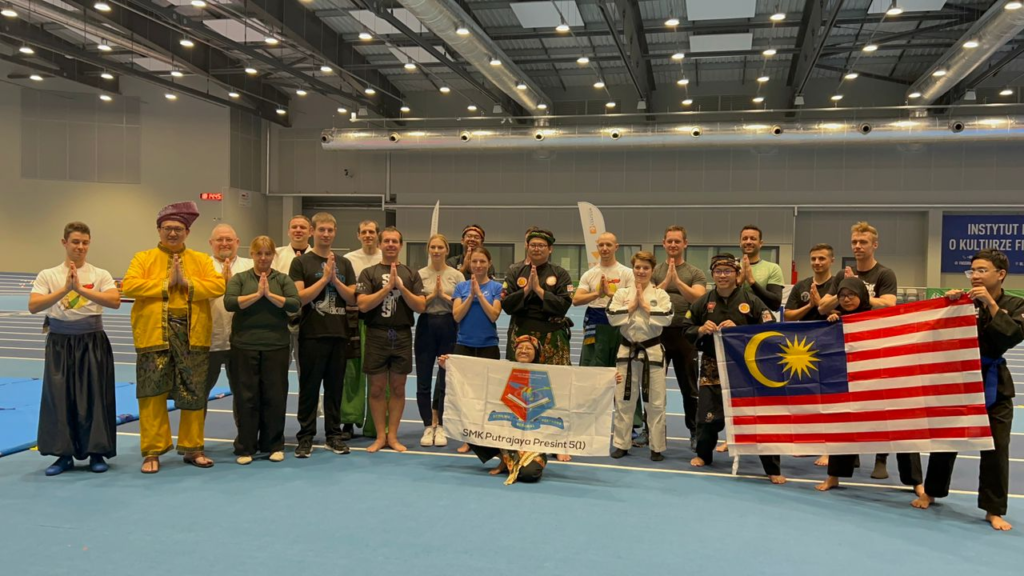
Silat’s inclusion in UNESCO’s list has elevated its status internationally, attracting interest from cultural institutions, educators, and martial arts enthusiasts. It has become a symbol of Malaysia’s rich heritage and a tool for cultural diplomacy. Through performances, workshops, and exhibitions, Silat has been showcased in countries such as France, Germany, Korea, and Japan.
Leadership and Global Outreach
The leadership of key figures such as Aminuddin Anuar has been instrumental in promoting Silat globally. His contributions to curriculum development, international outreach, and organizational governance have positioned Silat as a respected martial art on the world stage (Nawai et al., 2022). Under his guidance, PASSMAL has expanded its reach, forming partnerships with universities, sports federations, and cultural organizations.
International coaching programs have trained instructors from diverse backgrounds, enabling them to teach Silat with cultural sensitivity and technical accuracy. These programs emphasize the philosophical foundations of Silat, including respect, humility, and self-discipline, making it more than just a physical practice.
Scientific Tourism and Martial Arts Exchange
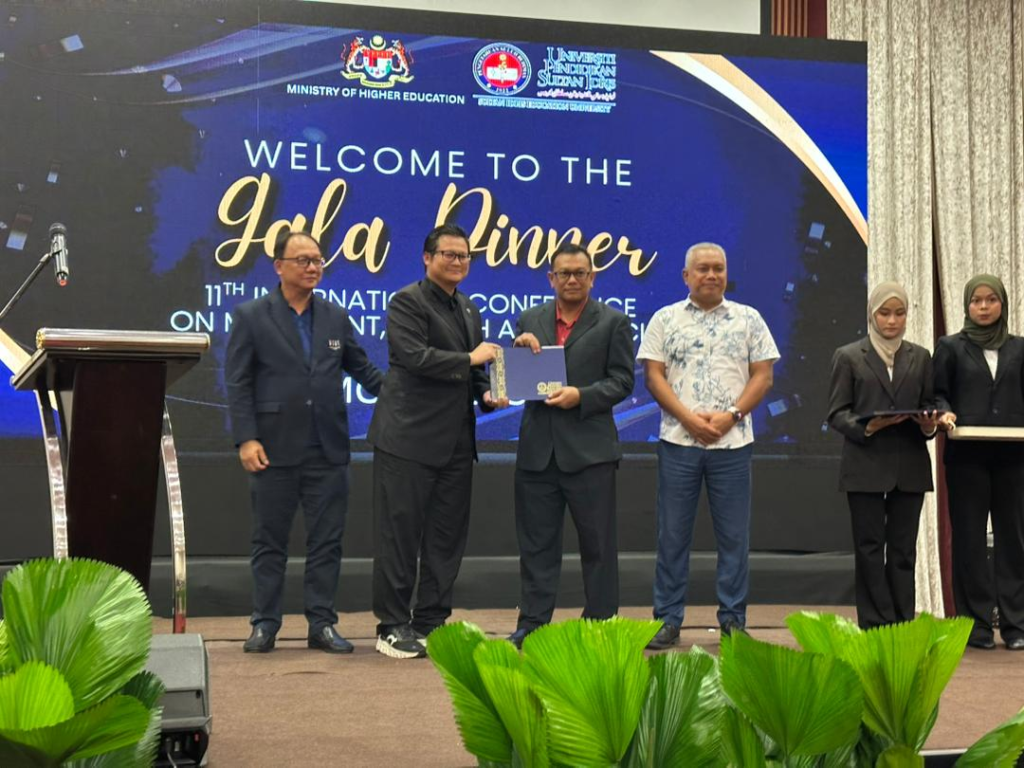
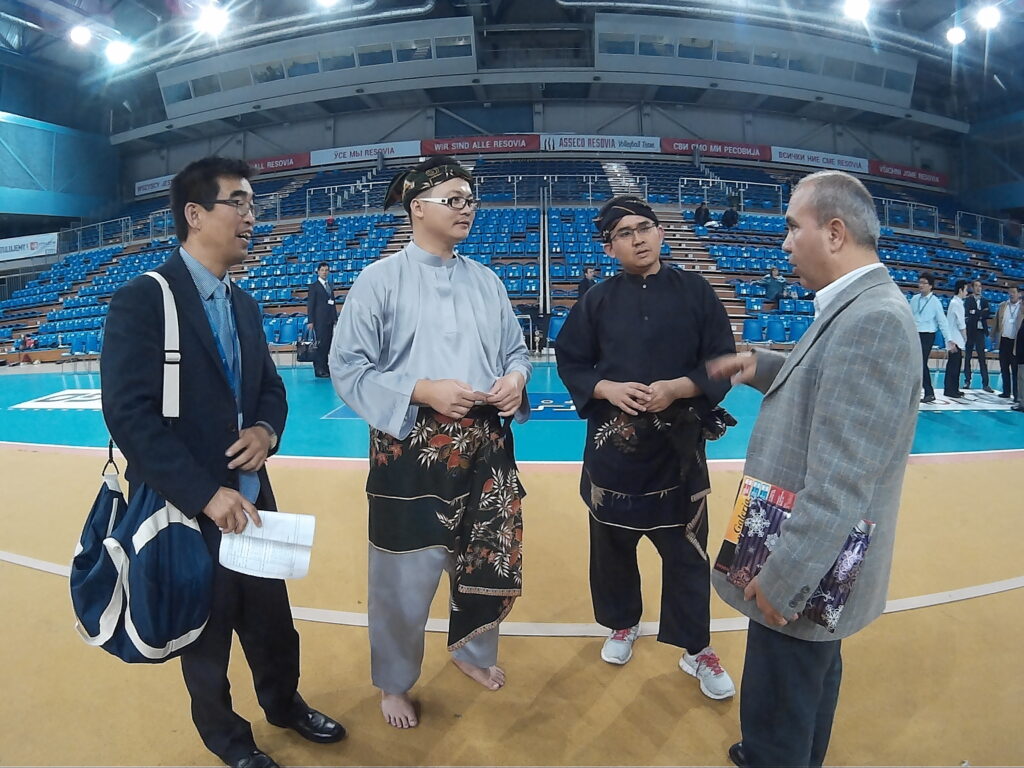
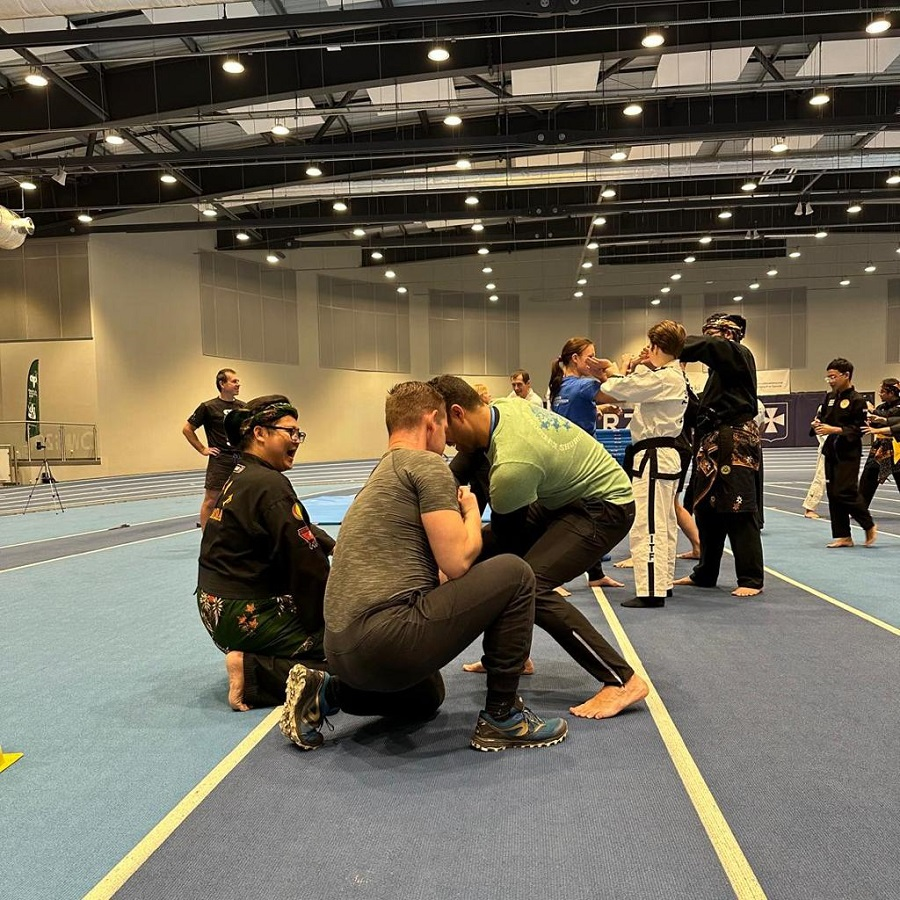
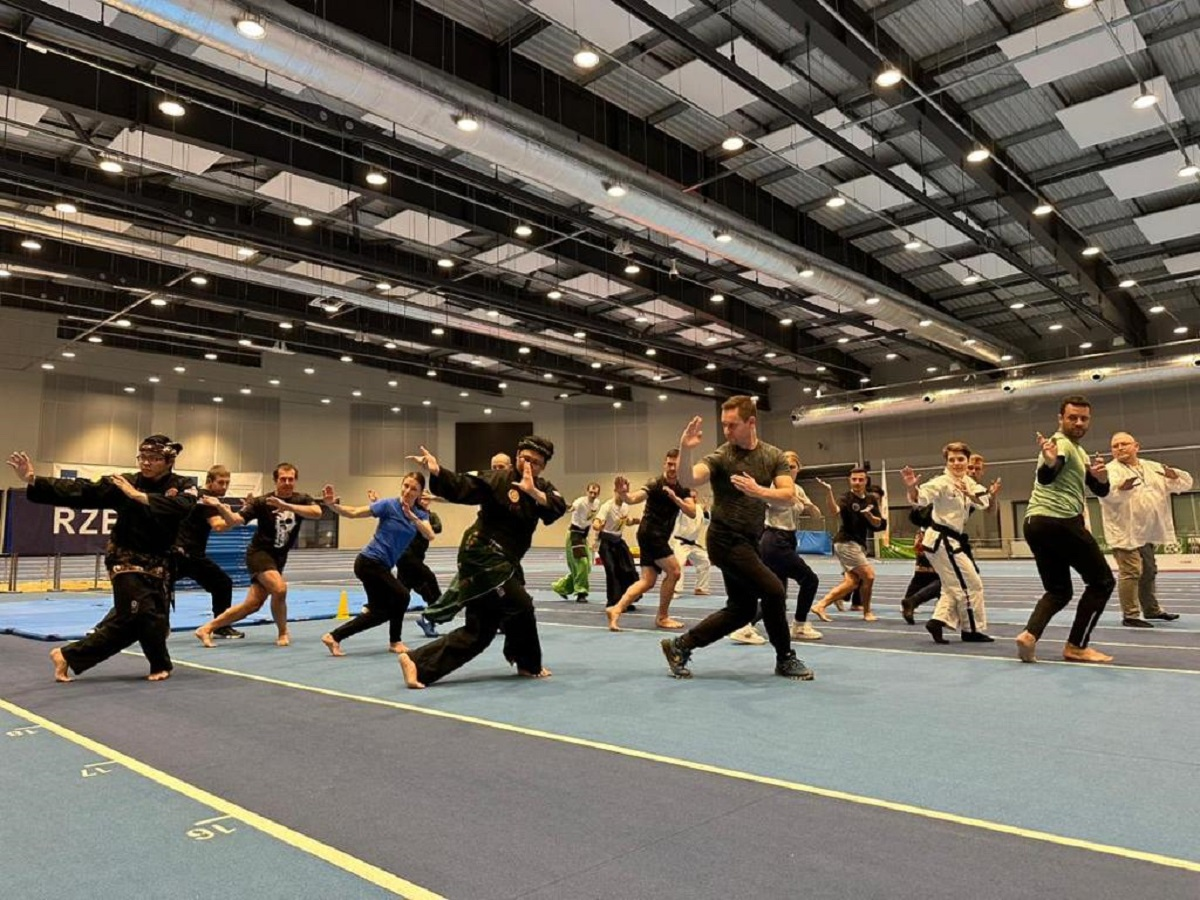
Silat’s global rise is also fueled by scientific tourism and martial arts exchange. Researchers and practitioners travel to Malaysia to study Silat, participate in festivals, and engage in intercultural dialogue. Events such as the IMACSSS Congress provide opportunities for knowledge sharing, collaboration, and mutual learning (Cynarski, 2021; Pawelec et al., 2015).
These exchanges foster a deeper appreciation of Silat’s cultural context and philosophical depth. They also contribute to the development of martial arts tourism, where visitors explore the historical, spiritual, and technical aspects of Silat. This form of tourism supports local communities, promotes cultural preservation, and strengthens international ties.
Silat’s Universal Appeal
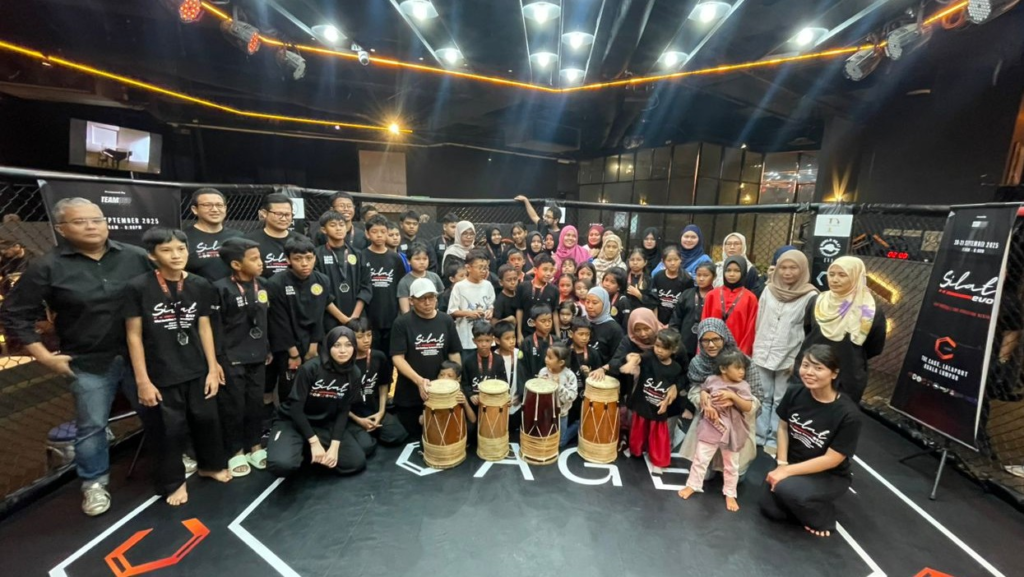
Silat’s universal appeal lies in its core values—discipline, respect, and community. These resonate across cultures and make Silat a powerful tool for youth development, wellness, and education. Studies have shown that Silat training improves psychological profiles, enhances physical fitness, and fosters moral development (Abdul Rahim et al., 2020; Henney & Hackett, 2025).
The integration of Silat into school curricula and university programs reflects its educational potential. It teaches students not only how to defend themselves but also how to live with integrity, patience, and courage. Silat’s emphasis on character building aligns with global efforts to promote holistic education and personal growth.
Conclusion
Silat’s journey from local tradition to global recognition is a testament to its depth and dignity. Through the efforts of PASSMAL, WSF, and dedicated scholars, Silat has become a symbol of cultural pride and international unity. Its expansion through academic research, international tournaments, and cultural diplomacy showcases the enduring power of martial arts to connect people and preserve heritage.
As Silat continues to grow globally, it remains rooted in the values that define the Malay worldview. It speaks to the human need for discipline, identity, and connection—values that transcend borders and resonate across cultures. Silat is not just a martial art—it is a living philosophy, a cultural treasure, and a bridge between nations.
Full References
- Abdul Rahim, M.R., Shapie, M.N.M., Abdullah, N.M., Parnabas, V. (2020). Effects of Silat Practice on Psychological Profiles Among Young Tennis Players. In “IMACSSS: International Martial Arts and Combat Sports Scientific Society,” M.N.M. Shapie, A.Md. Nadzalan, S.J.Md. Japilus & M.S. Ramli (eds); p. 59. Shah Alam, Selangor: Pertubuhan Seni Gayung Fatani Malaysia: Shah Alam. (e-ISBN: 9789834407643)
- Abdul Razak S.N., Muhamad T.A. (2022). Effective Leadership Towards the Star Rating Evaluation of Malaysian Seni Gayung Fatani Malaysia Organization (PSGFM). Ido Movement for Culture. Journal of Martial Arts Anthropology, vol. 22, no. 2s, pp. 13–22. https://doi.org/10.14589/ido.22.2S.2
- Abdul Razak, S. N., Muhamad, T. A., Meng, L. K., et al. (2022). A Narrative Exploration of Issues in Silat Development from Children to Youth Athletes. Ido Movement for Culture. https://doi.org/10.14589/ido.22.2S.3
- Abdullah, N.M., Isaik, M.A., Abdul Rahim, M.R., Shapie, M.N.M., Parnabas, V., Tumijan, W. (2020). Comparison of Physical Fitness Between Taekwondo and Silat Athletes. In “IMACSSS: International Martial Arts and Combat Sports Scientific Society,” M.N.M. Shapie, A.Md. Nadzalan, S.J.Md. Japilus & M.S. Ramli (eds); p. 71. Shah Alam, Selangor: Pertubuhan Seni Gayung Fatani Malaysia: Shah Alam. (e-ISBN: 9789834407643)
- Abu Bakar, N., Zid, A., Muhammad Rafiai, N.A., Abdul Hamid, S.F., Hashim, M., Shapie, M.N.M. (2020). Let Them Nap: Imperative for Combat Sports Training. In “IMACSSS: International Martial Arts and Combat Sports Scientific Society,” M.N.M. Shapie, A.Md. Nadzalan, S.J.Md. Japilus & M.S. Ramli (eds); p. 63. Shah Alam, Selangor: Pertubuhan Seni Gayung Fatani Malaysia: Shah Alam. (e-ISBN: 9789834407643)
- Al-Syurgawi, D. (2018). The Effects of a 6-Week Plyometric Training on Agility Performance in Silat Olahraga. Malaysian Journal of Movement, Health & Exercise, vol. 7, no. 1, pp. 189–200.
- Al-Syurgawi, D., & Shapie, M.N.M. (2019). The Effects of a 6-Week Plyometric Training on Muscular-Strength Performance in Silat Athletes. Revista de Artes Marciales Asiáticas, 14(2 Suppl), 28–30.
- Anuar, A. W. (2002). Pendidikan dan Nilai-nilai Murni dalam Seni Silat. Kementerian Kebudayaan, Kesenian dan Warisan.
- Aziz, N. A. A., Shapie, M. N. M., Indrayuda, I., Al-Syurgawi, D., Rahim, M. R. A., Abdullah, N. M., Parnabas, V., Nawai, N. S., Samsudin, H., Kassim, R. M., & Nor, M. A. M. (2023). Silat Tempur League: The Analysis of Athletes Performance in 2019 Competitions. International Martial Arts and Culture Journal, 1(1), 18–29. https://doi.org/10.24036/imacj5019
- Brizin, D. (2015). Report on the Third International Martial Arts and Combat Sports Scientific Society (IMACSSS) Conference. Revista de Artes Marciales Asiáticas, 10(1), 68–71. https://doi.org/10.18002/rama.v10i1.1597
- Cynarski, W.J. (2021). Lexicon of Fighting Arts: Masters and Their Schools. Poland: University of Rzeszow.
- Gutierrez-Garcia, C., Swider, S., Pawelec, P. (2019). Report on the Fourth World Scientific Congress of Combat Sports and Martial Arts under the Perspective of Martial Arts Tourism. Ido Movement for Culture. Journal of Martial Arts Anthropology, vol. 19, no. 2, pp. 1–3. https://doi.org/10.14589/ido.19.2.1
- Henney, S., & Hackett, J. (2025). What Is Wellness? In S. Henney & J. Hackett (Eds.), Mind-Body Wellness – A Science-Based Approach (pp. 33–50). Springer Nature, Switzerland.
- Nawai, N.S., Shapie, M.N.M., Ramli M.S., Abdul Rahim M.R, Rohaizat N.H., Salman, N.W. (2022). Aminuddin Anuar (1979–Now): The Leadership and Contributions to the Globalization of Malay Silat. In W.J. Cynarski, P. Pawelec, P. Swider, J. Kulasa (Eds.), 11th IMACSSS International Conference, 5th World Scientific Congress of Combat Sports and Martial Arts, University of Rzeszow, Poland, pp. 71–72.
- Pawelec, P., Słopecki, J., Sieber, L., & Rut, P. (2015). Scientific and Martial Arts Tourism: The Case Study of the 3rd IMACSSS International Conference and Congress. Ido Movement for Culture. Journal of Martial Arts Anthropology, 15(1), pp. 46–56.