Assoc. Prof. Dr. Mohamad Nizam Mohamed Shapie
Leader, Combat Sports & Martial Arts Research Network (AIRBORNE)
Faculty of Sports Science & Recreation,
Universiti Teknologi MARA (UiTM)
Before the term “Silat” became widespread, the Malay world revered its warriors as hulubalang—guardians of the realm, masters of ilmu penjurit and ilmu gagah berani. These warriors were not merely fighters; they were strategists, protectors, and symbols of moral and spiritual strength (Anuar, 2008). Their role extended beyond combat, encompassing leadership, diplomacy, and the safeguarding of cultural values.
The hulubalang tradition was deeply embedded in the courts of Malay kingdoms, where martial knowledge was considered sacred. However, the arrival of colonial powers in the 16th century disrupted these institutions. As the British and Dutch replaced traditional security systems with colonial forces, the hulubalang were forced to retreat to rural communities, carrying with them the legacy of Malay martial wisdom (Shapie et al., 2024).
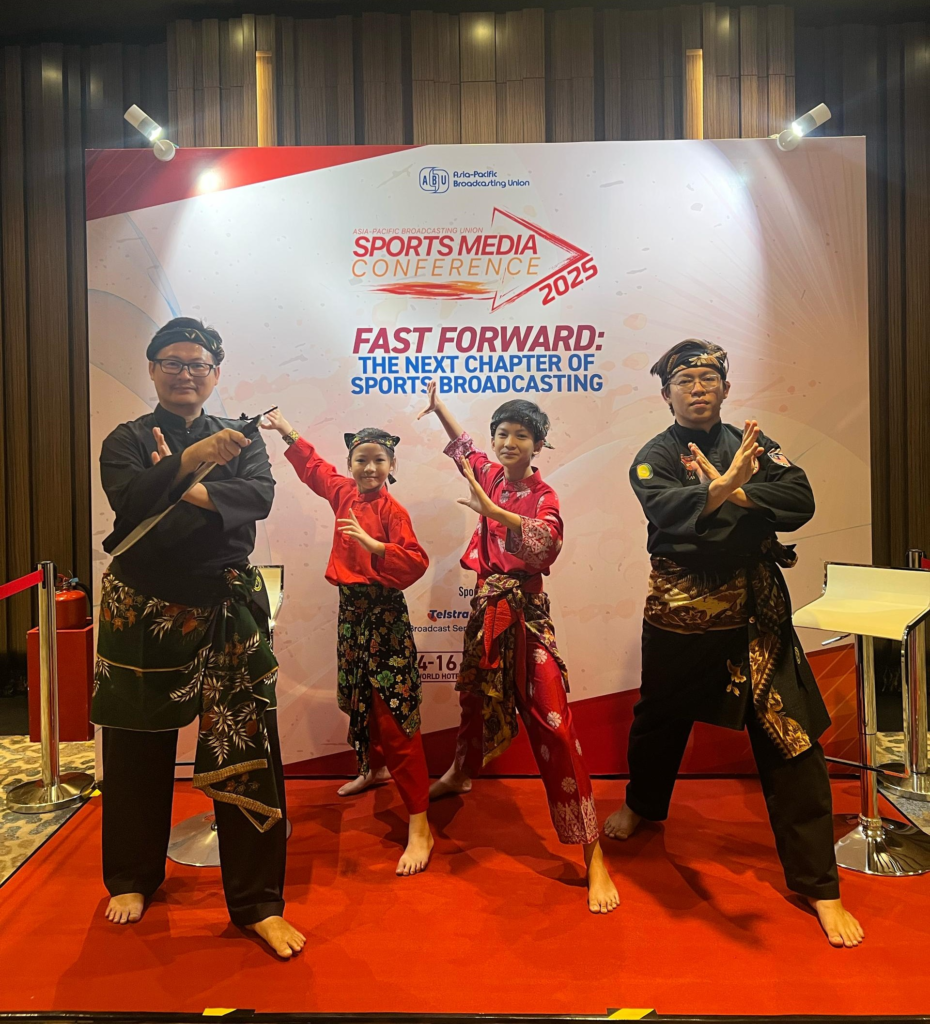
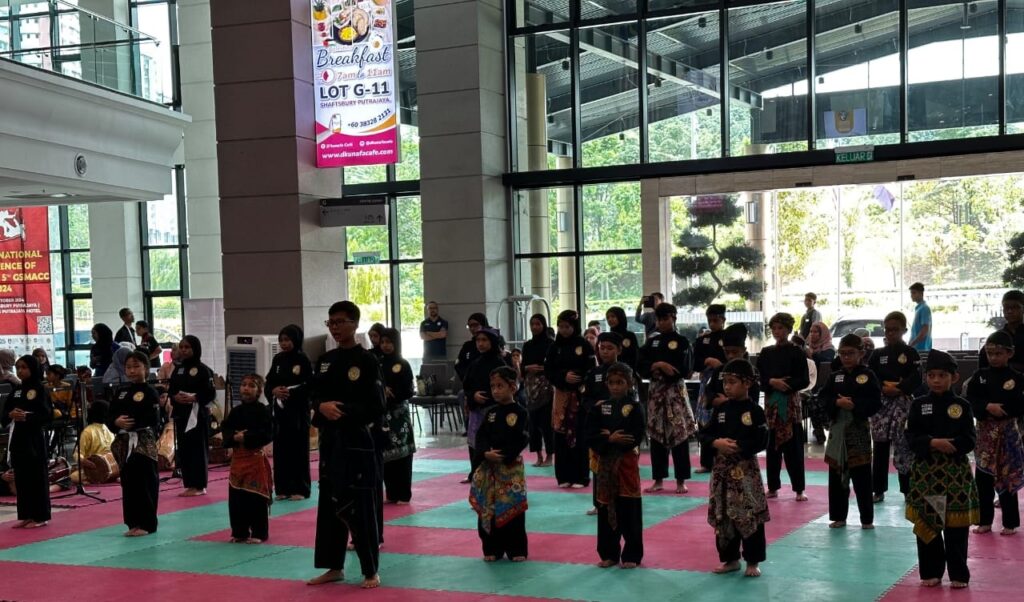
To preserve this knowledge, the warriors transformed their battlefield techniques into a cultural practice—Silat. Silat became a coded language of resistance, a performance of identity, and a continuation of the hulubalang legacy. It was practiced in village arenas, taught through oral transmission, and embedded in rituals and ceremonies. This transformation allowed Silat to survive colonial suppression and evolve into a symbol of Malay resilience (Shapie & Elias, 2016).
The philosophical depth of Silat lies in its holistic approach. It integrates physical training with spiritual discipline, moral education, and cultural expression. The doa pembukaan gelanggang (opening prayer) exemplifies this fusion, invoking divine guidance before training begins (Shapie, 2020). Silat thus became more than a martial art—it became a way of life.
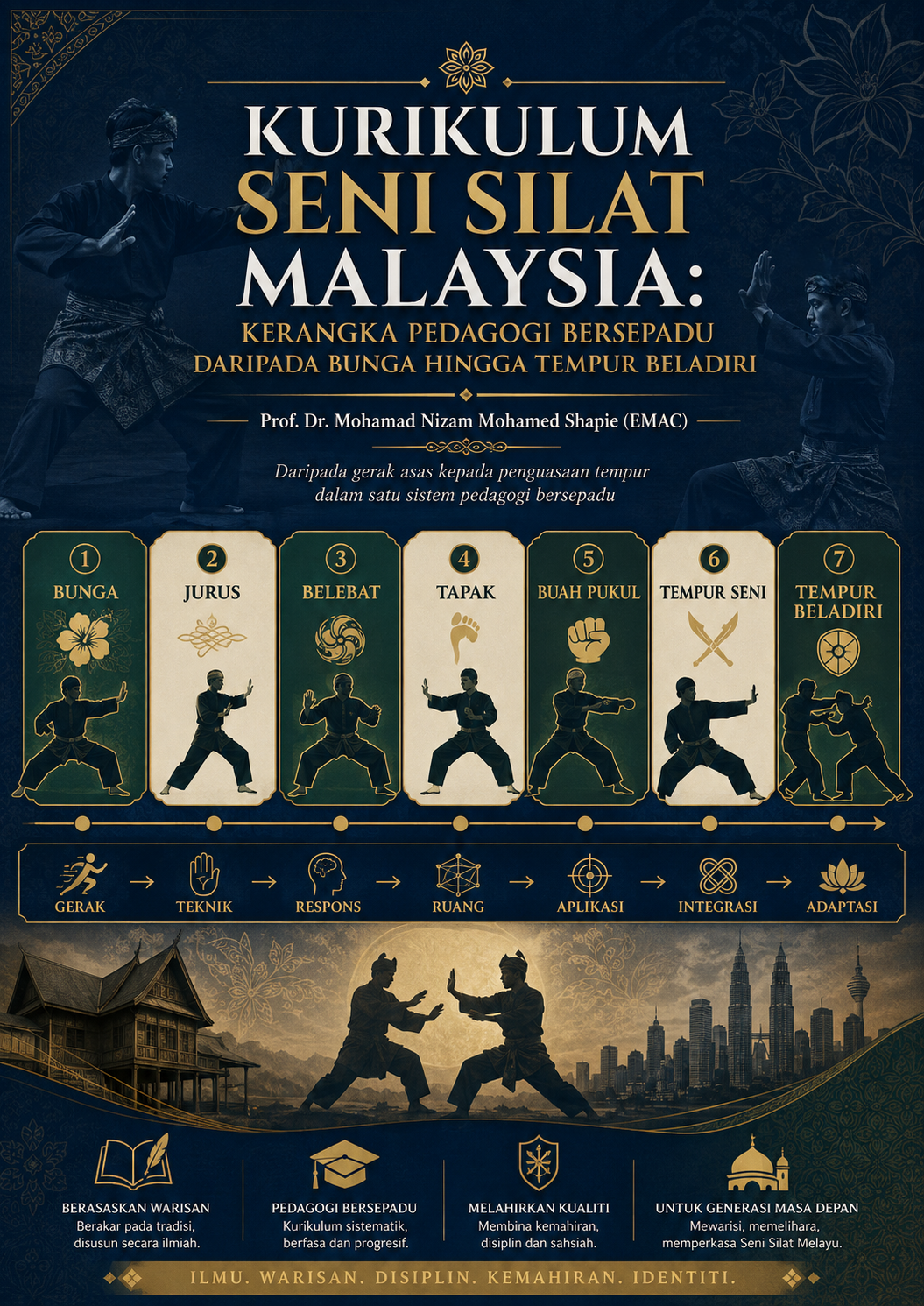
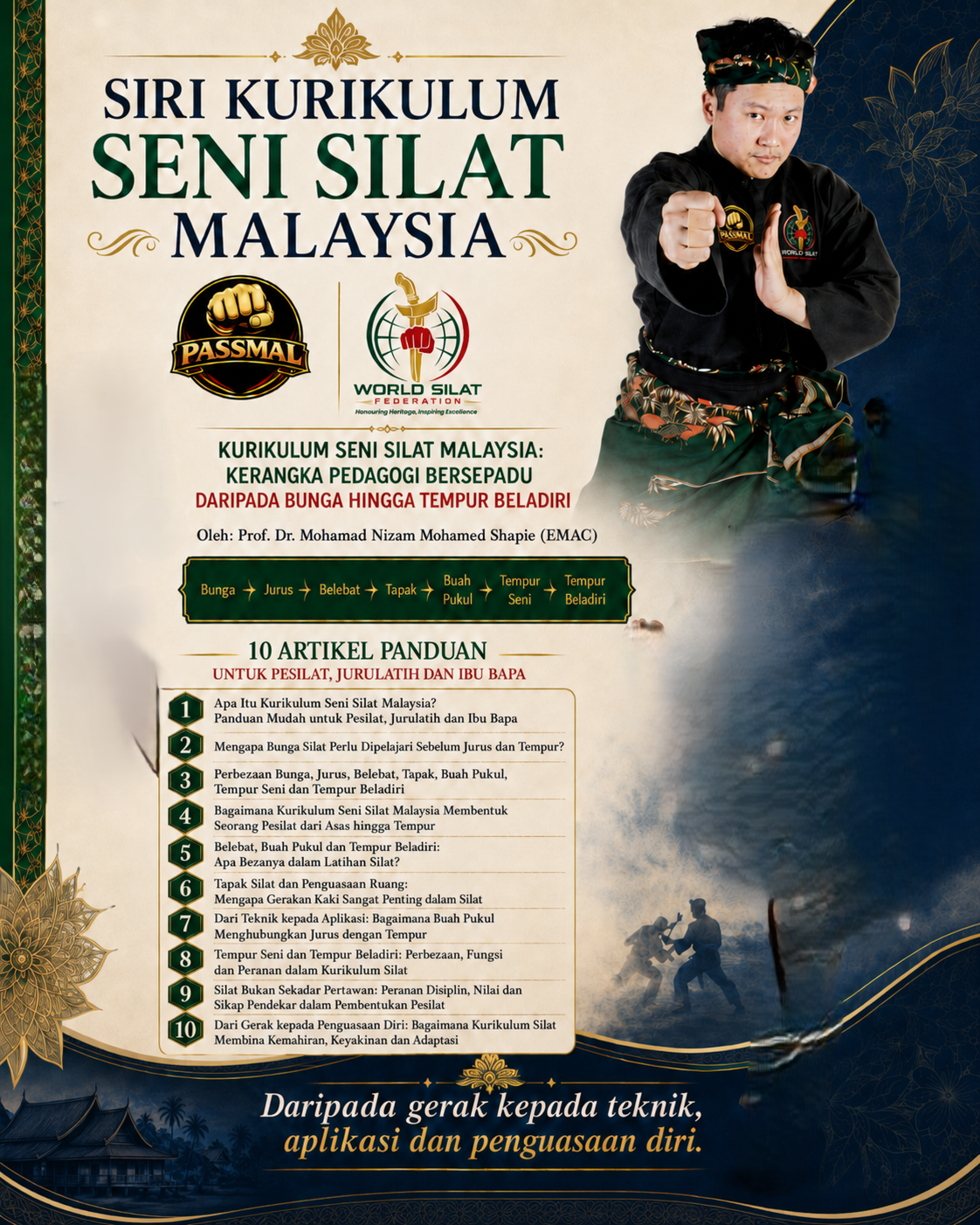
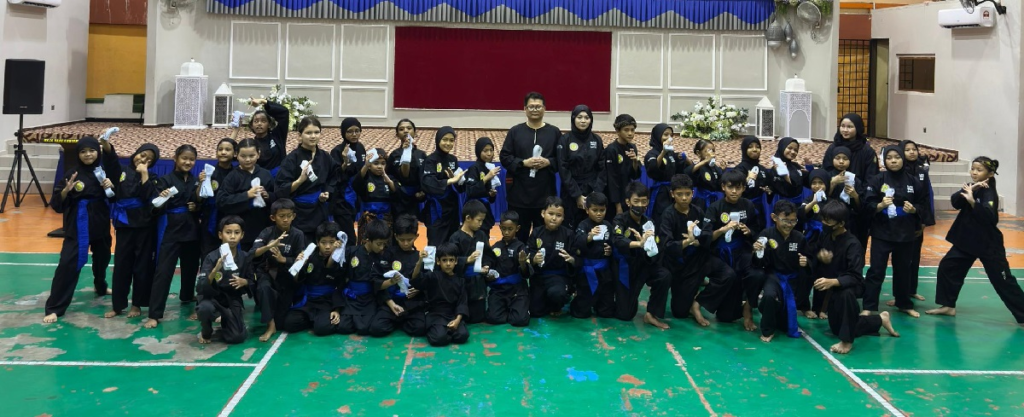
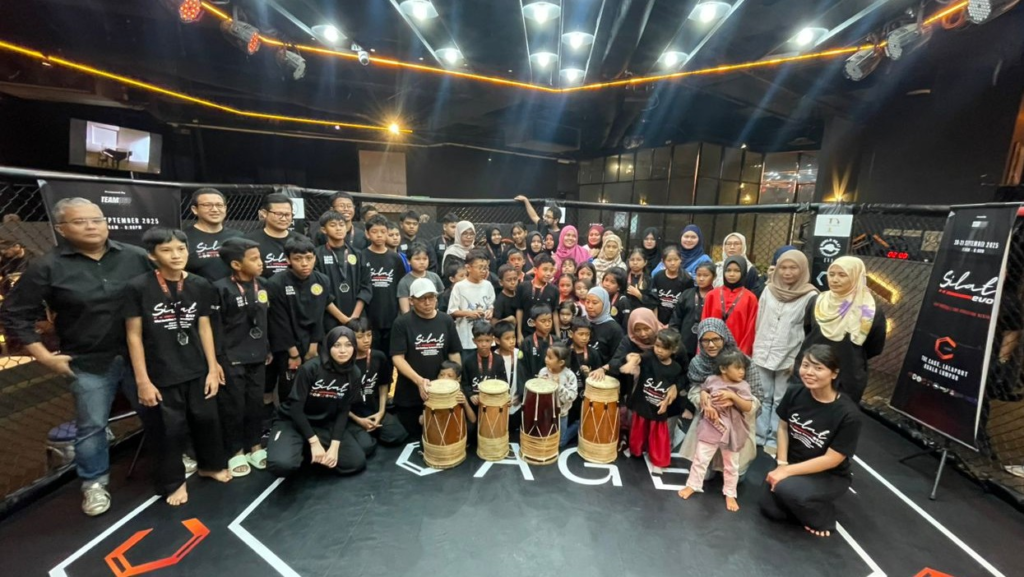
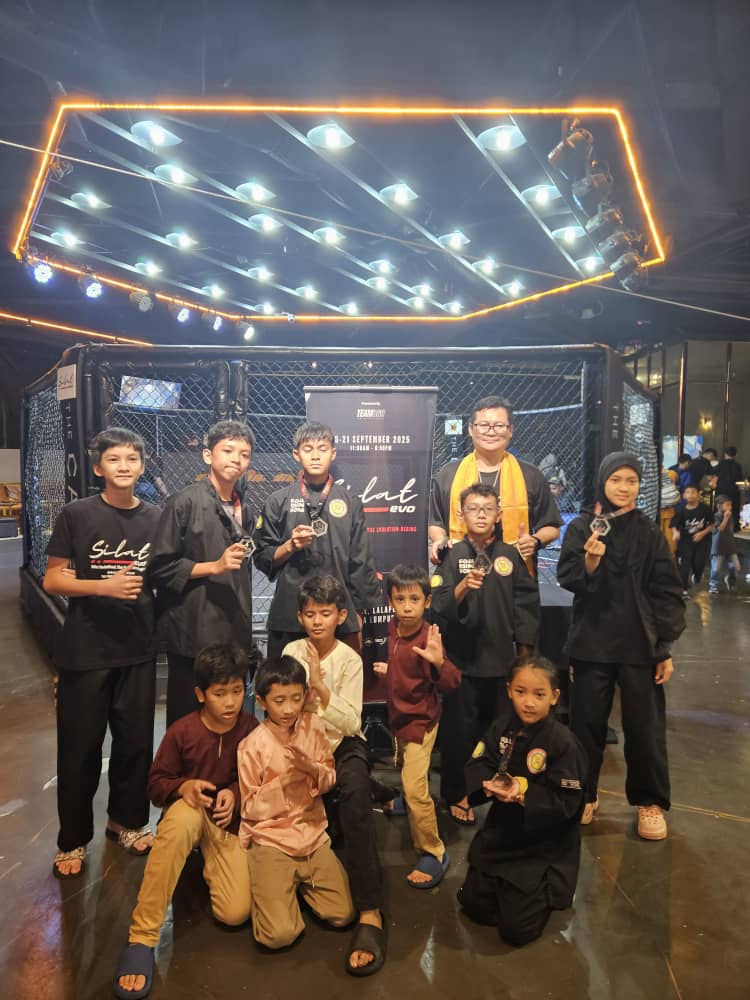
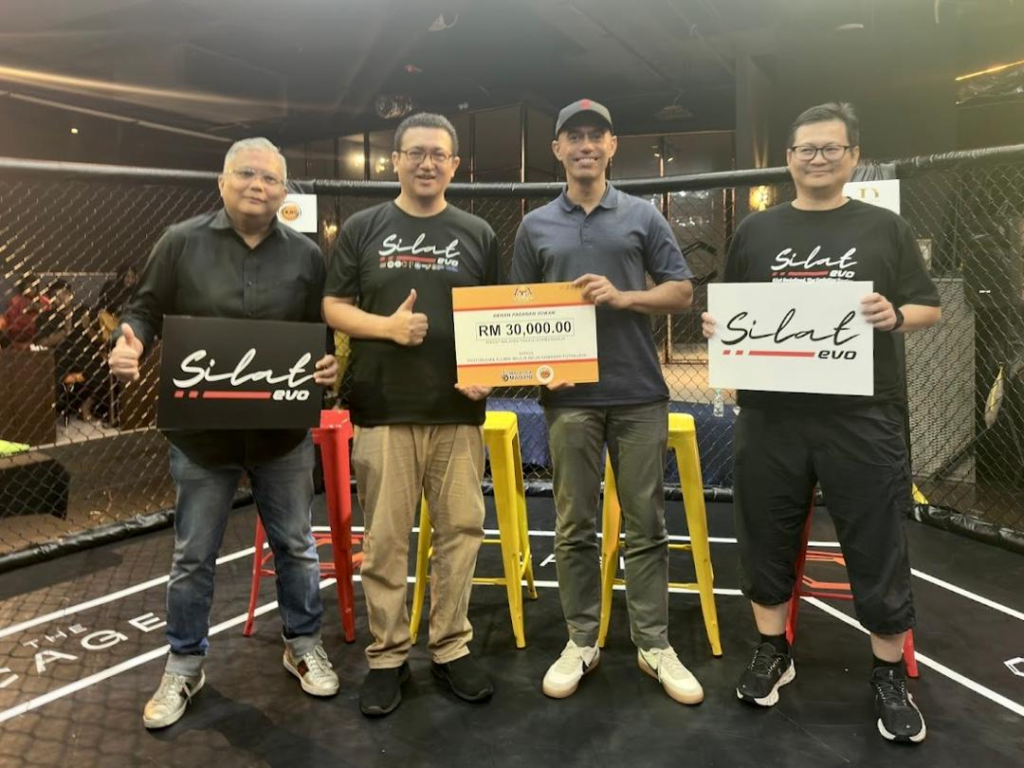
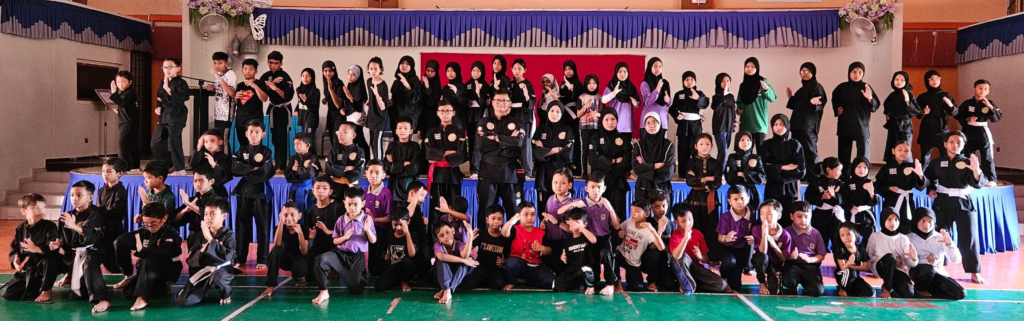
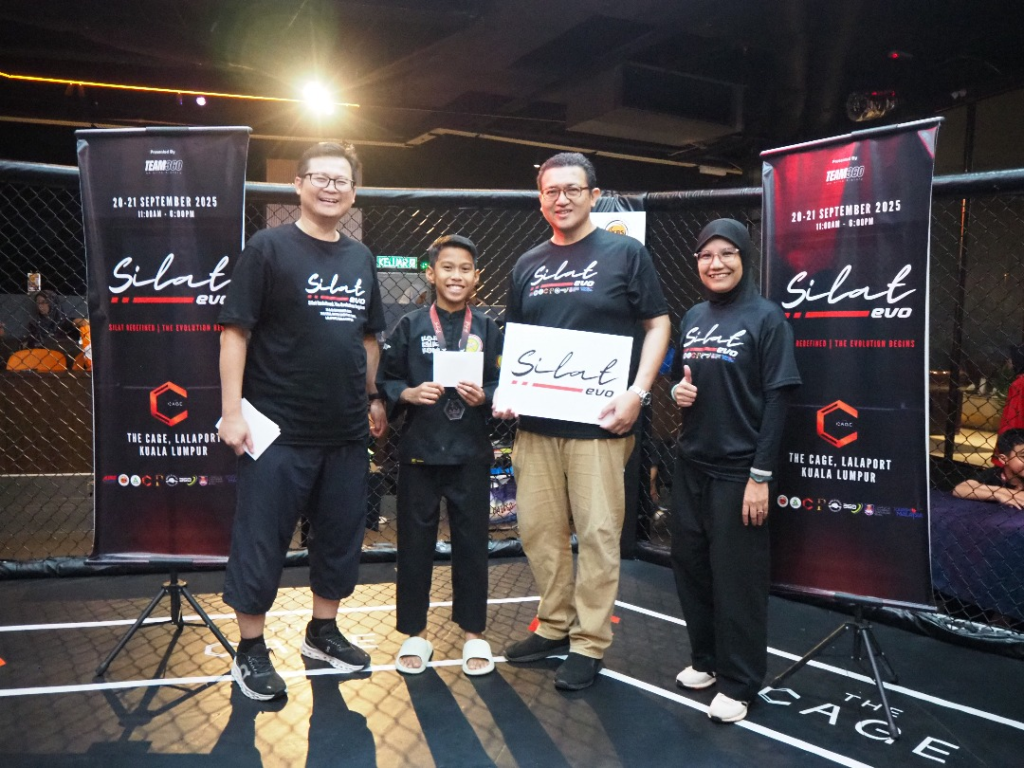
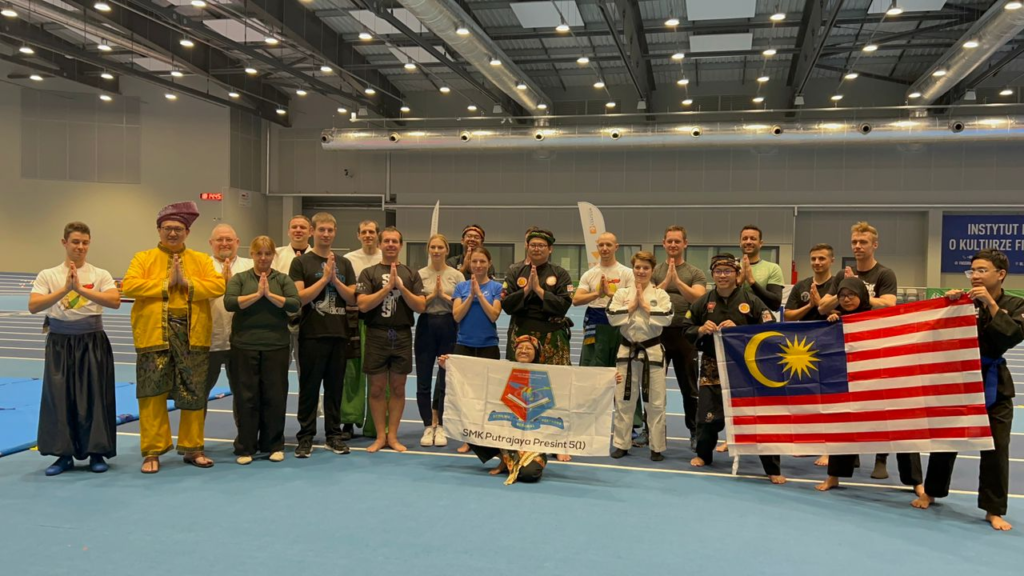
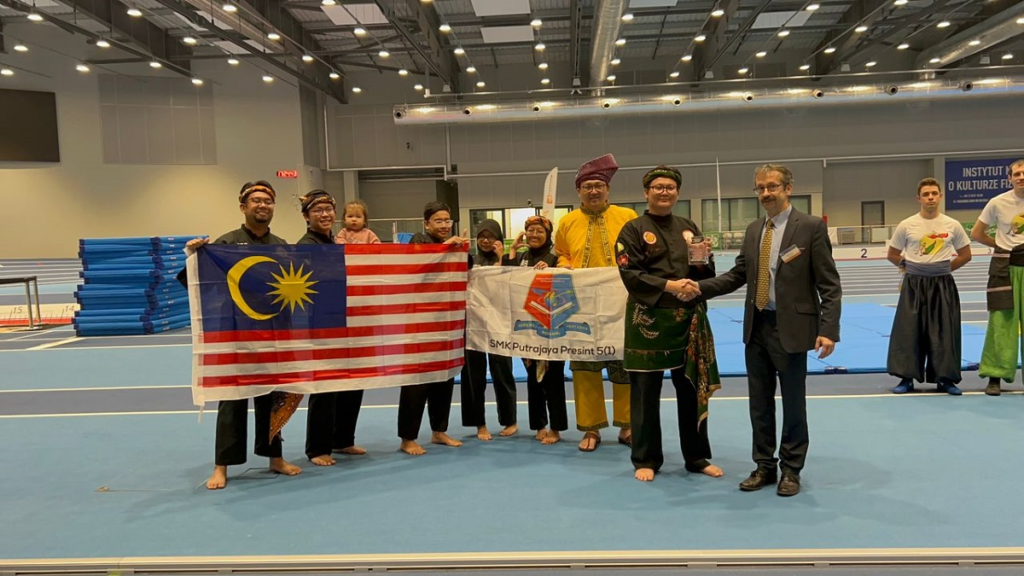
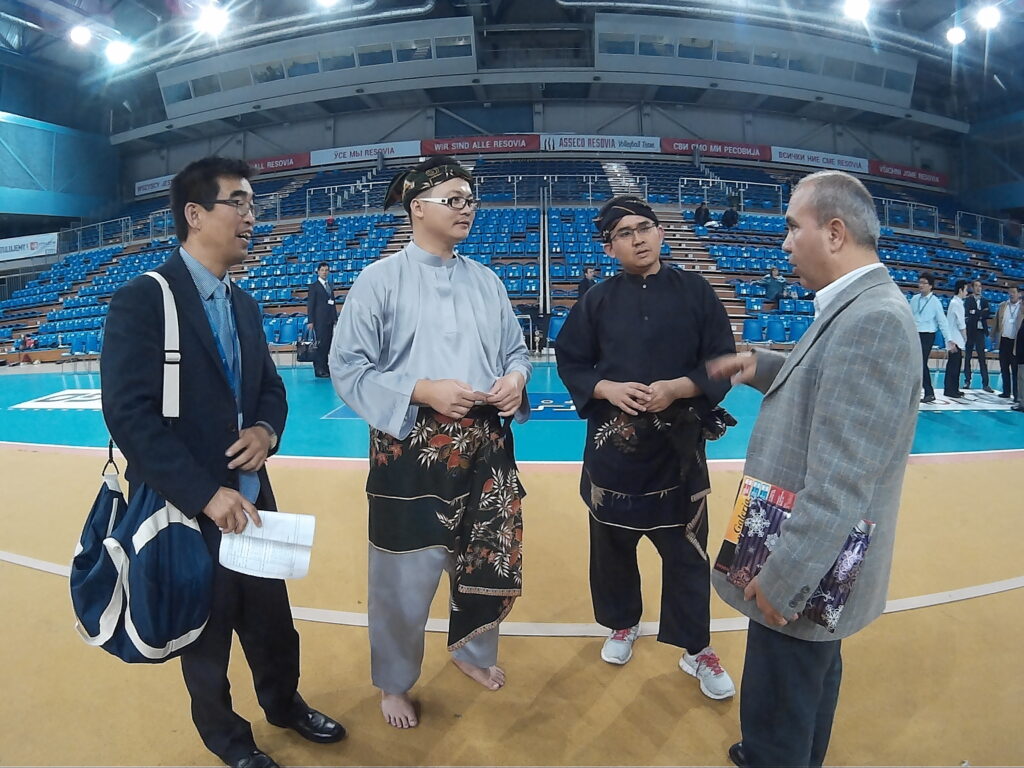
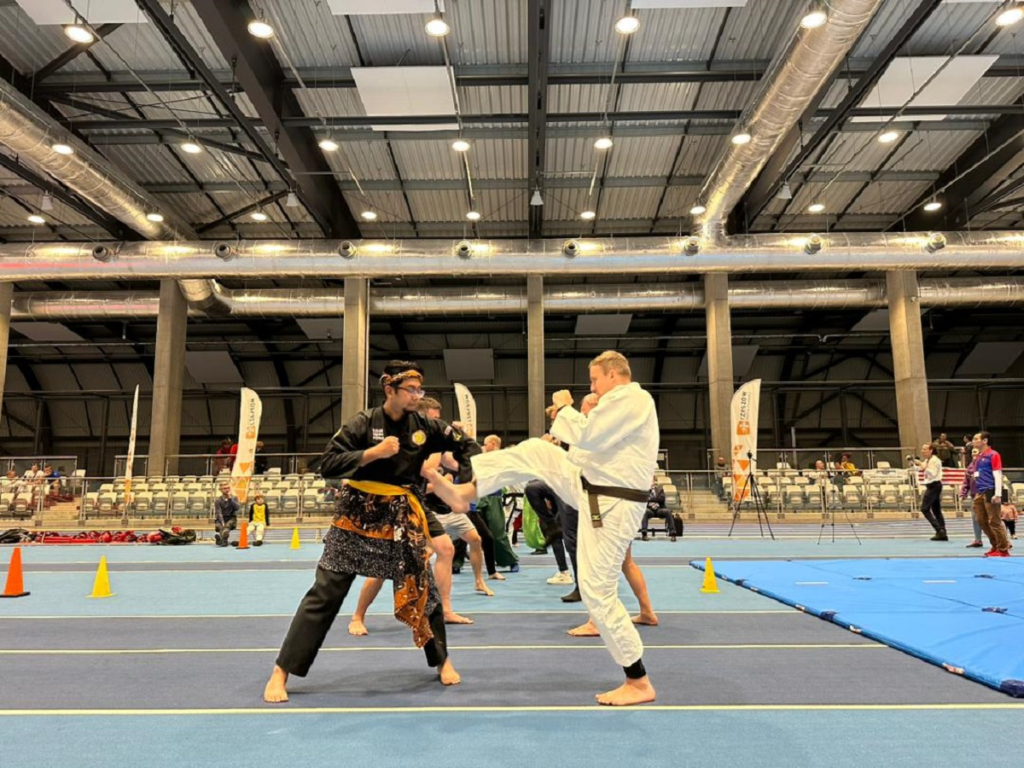
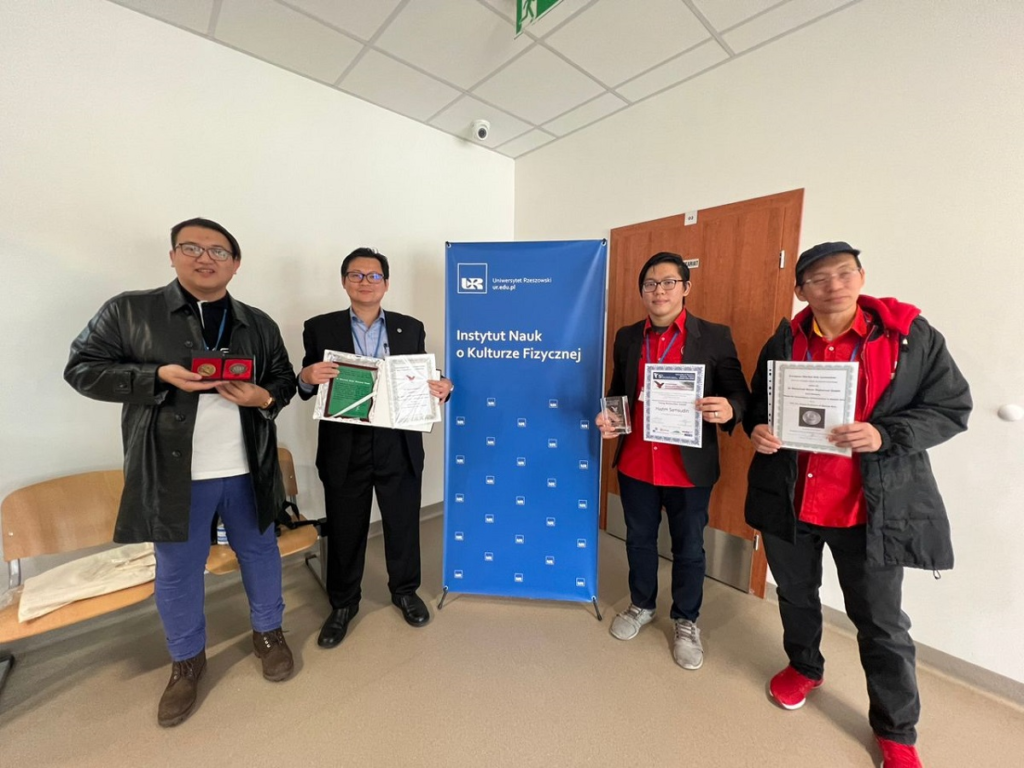
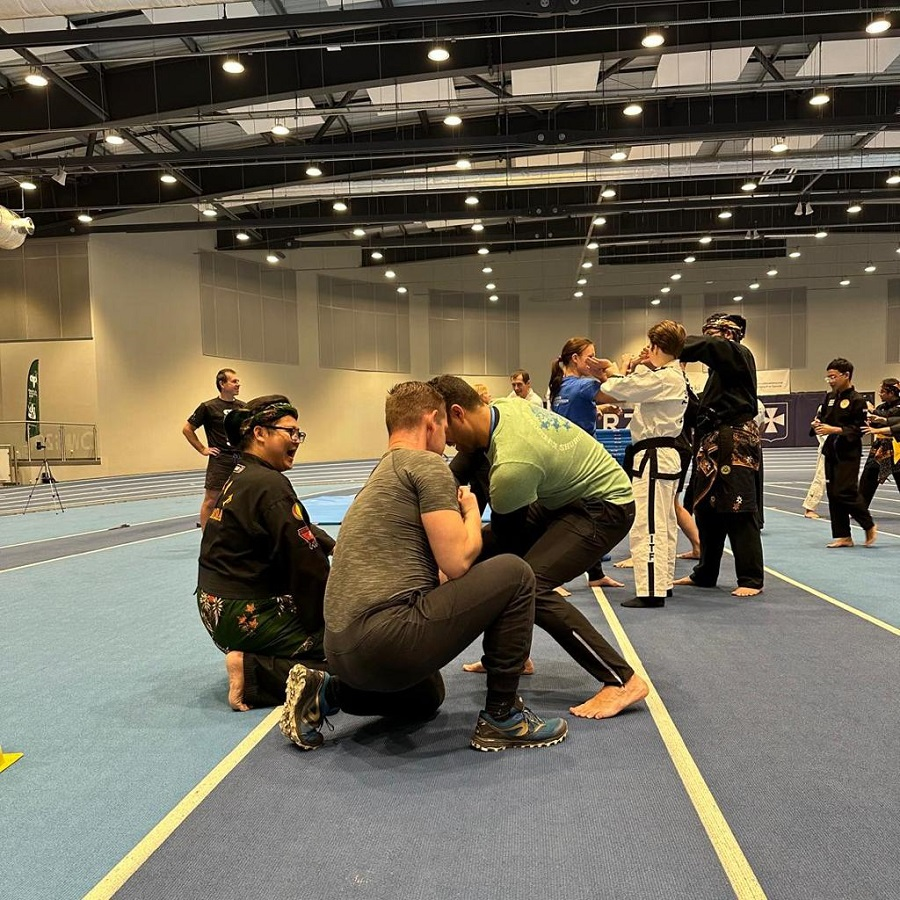
Modern Silat continues to reflect the values of the hulubalang. Initiatives such as Silat Tempur and Silat EVO, developed by PASSMAL and supported by academic research, demonstrate how traditional Silat can be adapted into structured sports formats without losing its soul (Samsudin & Shapie, 2021; Shapie et al., 2023). These innovations have enabled Silat to gain recognition both nationally and internationally, including its listing by UNESCO as an intangible cultural heritage (Poon, 2019).
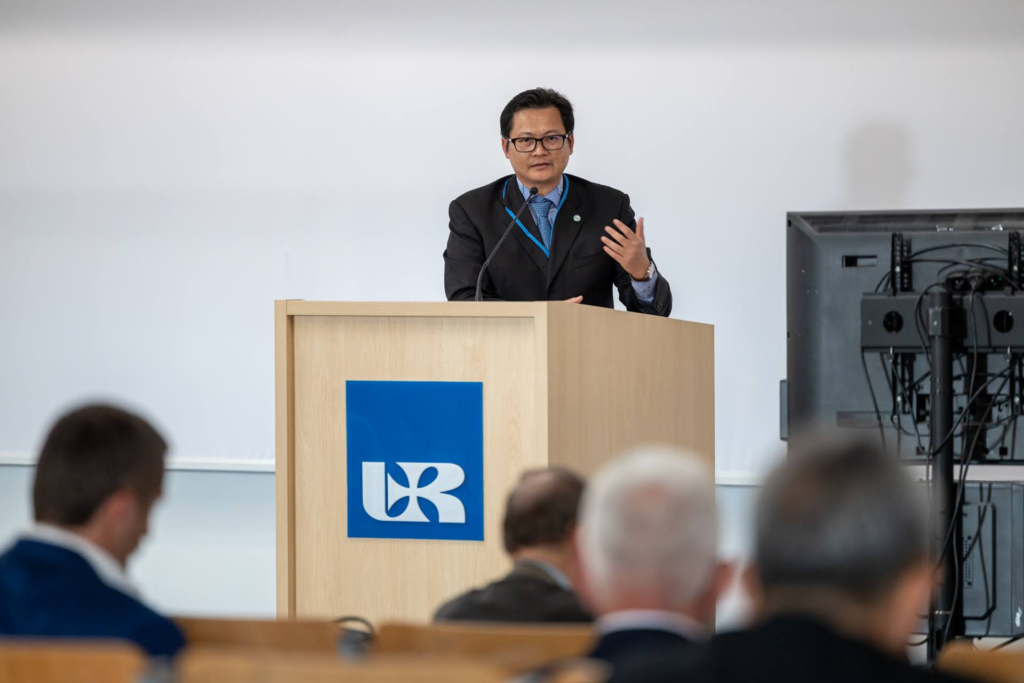
The academicisation of Silat has further strengthened its legacy. Research on Silat’s biomechanics, pedagogy, and psychological impact has positioned it as a legitimate field of study within sports science and cultural anthropology (Abdul Razak & Muhamad, 2022; Aziz et al., 2023). This scholarly engagement ensures that Silat is not only preserved but continuously refined and respected.
In essence, every movement in Silat carries echoes of battlefield wisdom, spiritual resilience, and the enduring will of a people who refused to forget their roots. From the hulubalang of ancient courts to the Silat exponents of today, the warrior’s path remains alive—adapted, honored, and passed on.
References
- Anuar, A. W. (2008). Silat: The development history of traditional Malay silat. Hizi Print Sdn. Bhd.
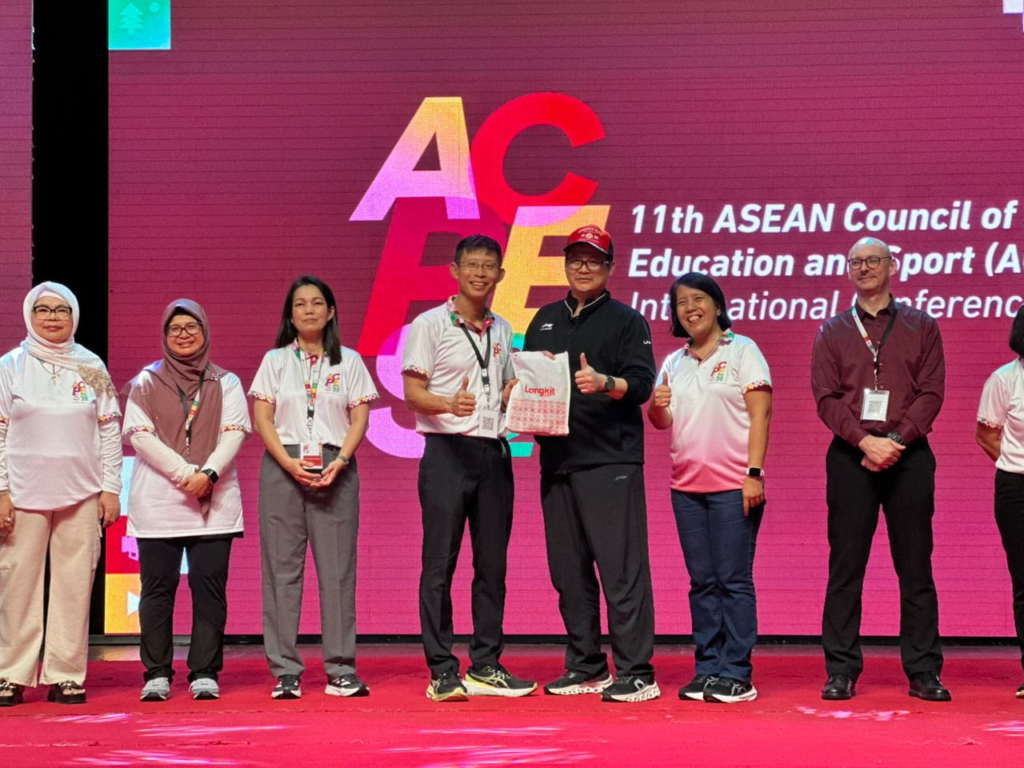
- Shapie, M. N. M., Samsudin, H., Abdullah, N. M., Rahim, M. R. A., Ihsan, N., Nawai, N. S. N., & Padli. (2024). Tradition to academia: The transformation of Silat education (2014–2024). ACPES International Conference 2024, UiTM Malaysia.
- Shapie, M. N. M., Elias, M. S. (2016). Silat: The heritage of Malaysia. Ministry of Tourism and Culture Malaysia.
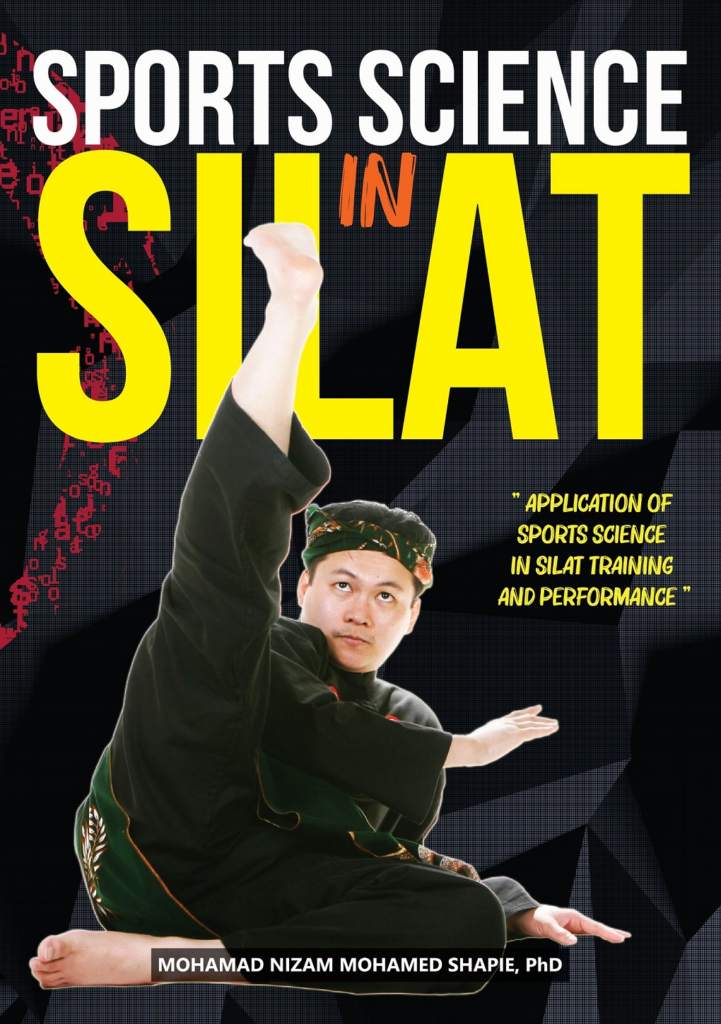
- Shapie, M. N. M. (2020). Sports Science in SILAT: Application of Sports Science in Silat Training and Performance. Pertubuhan Seni Gayung Fatani Malaysia.
- Samsudin, H., & Shapie, M. N. M. (2021). Silat Tempur vs Silat Olahraga: Which is the best combat sport for children? 10th IMACSSS Conference, Southwest University.
- Shapie, M. N. M., Samsudin, H., Mohd Nazri, S., Indrayuda, I., Al-Syurgawi, D., et al. (2023). Seni Silat Malaysia Curriculum: The arts of silat combat in Tempur Seni. Research Journal of Budo, 56(Supplement), S76–S77.