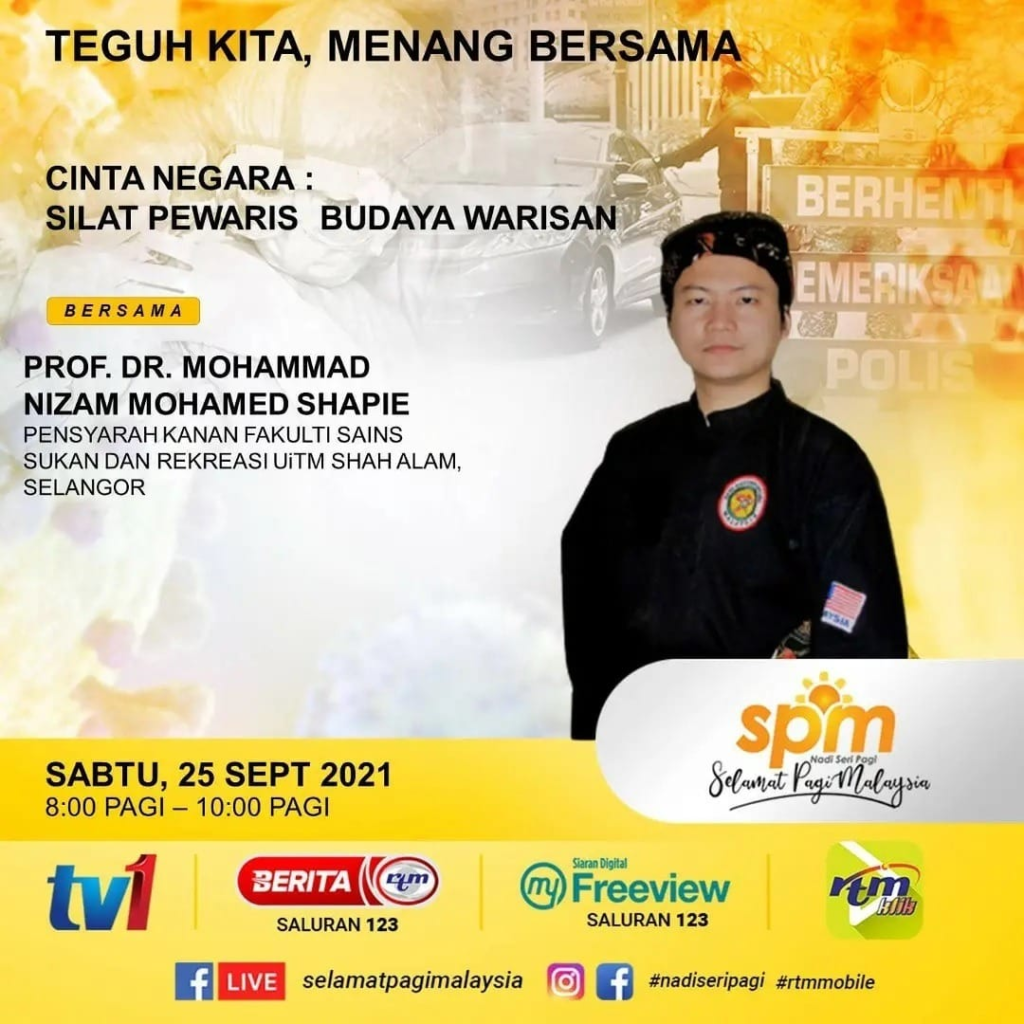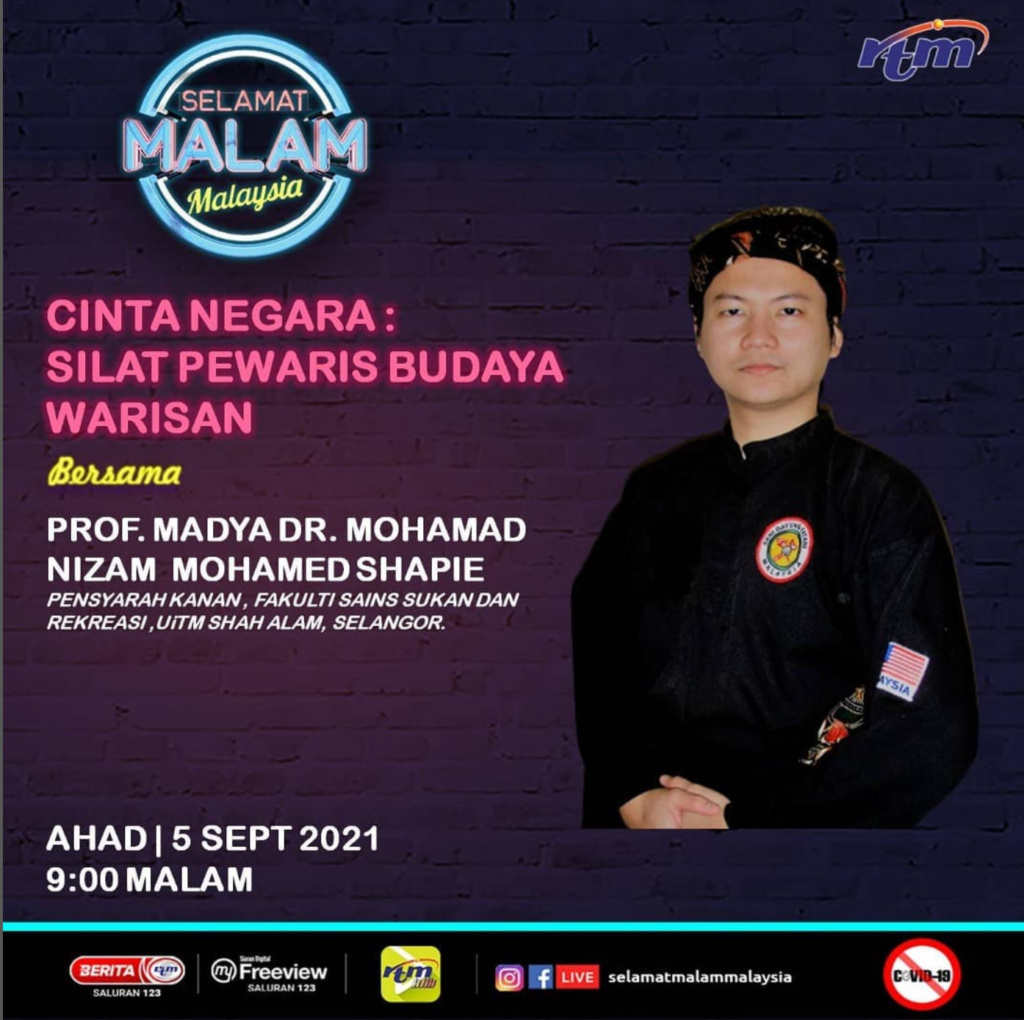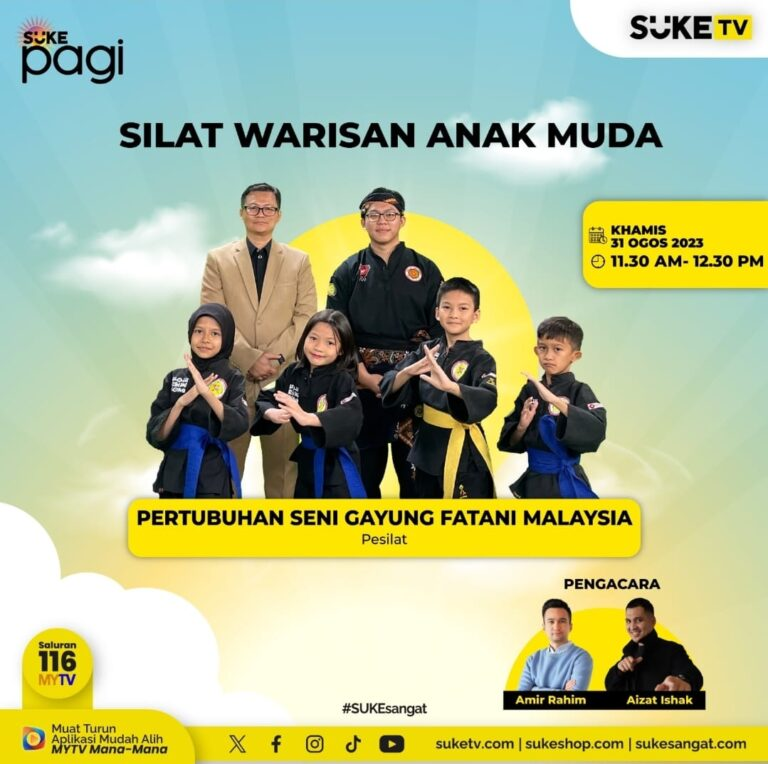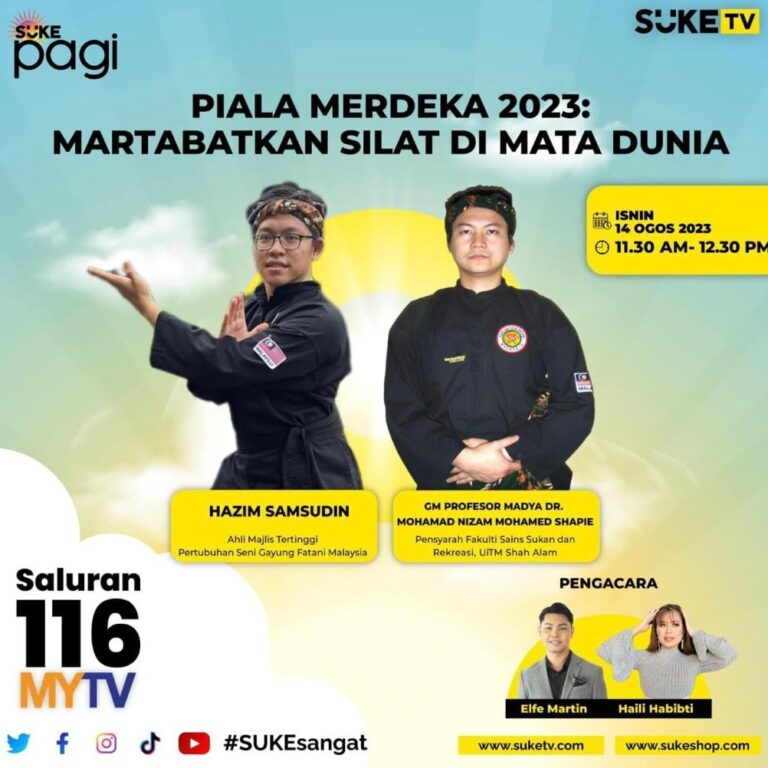
Assoc. Prof. Dr. Mohamad Nizam Mohamed Shapie
Leader, Combat Sports & Martial Arts Research Network (AIRBORNE)
Faculty of Sports Science & Recreation,
Universiti Teknologi MARA (UiTM)
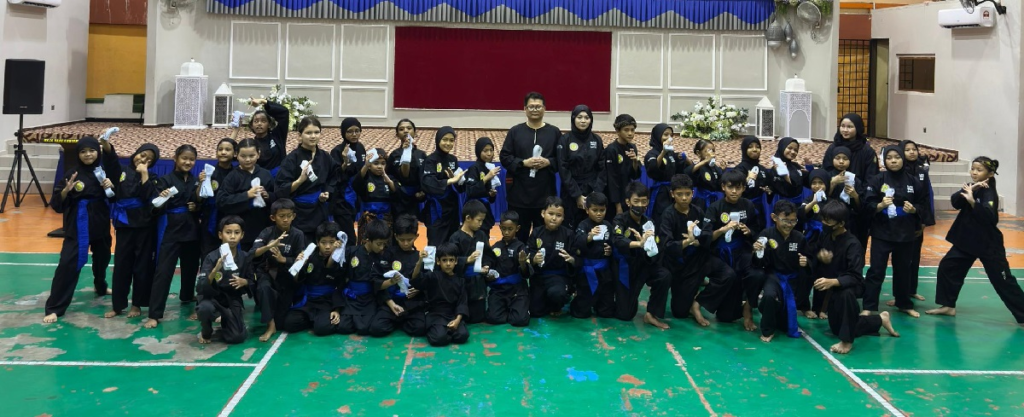
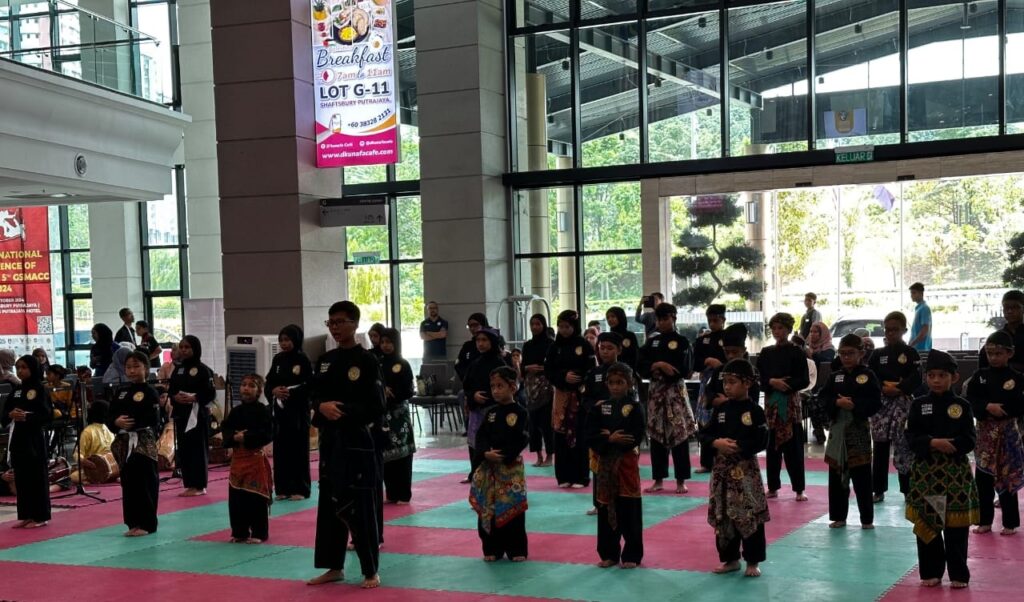
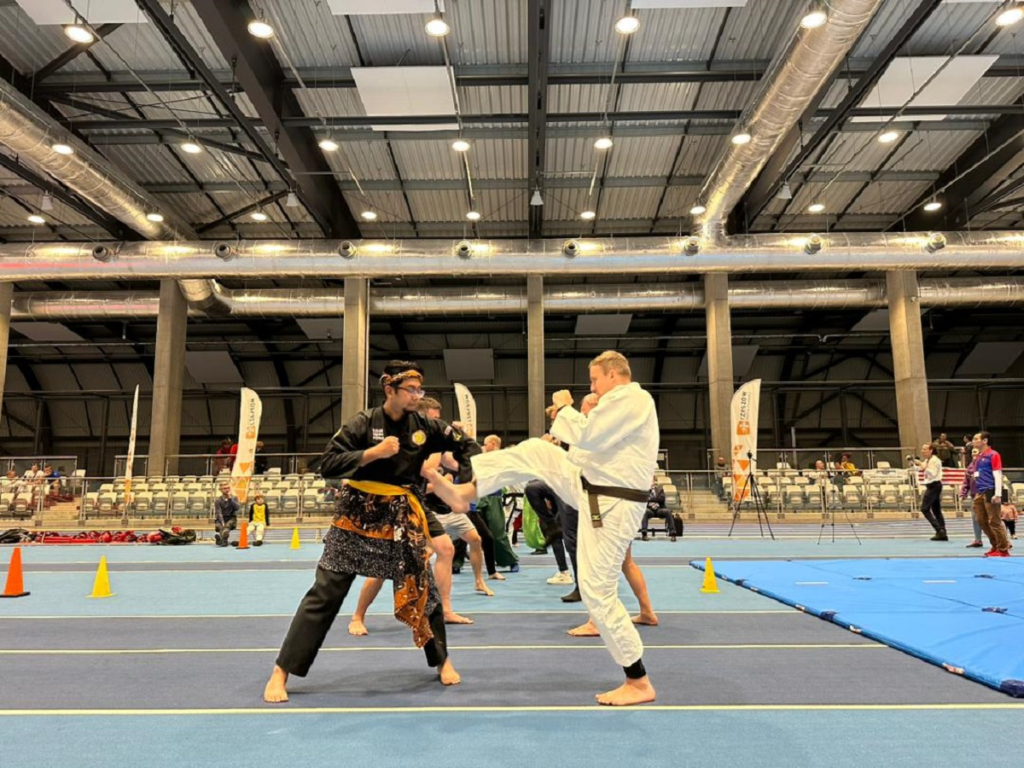
Silat is more than a martial art—it is a sacred tradition deeply rooted in the spiritual and cultural heritage of the Malay world. Within the teachings of PASSMAL (The Malaysian Organization of Authentic Malay Silat Arts), Silat is not merely a physical discipline but a spiritual journey that begins with reverence and ends with wisdom (Shapie & Elias, 2015).
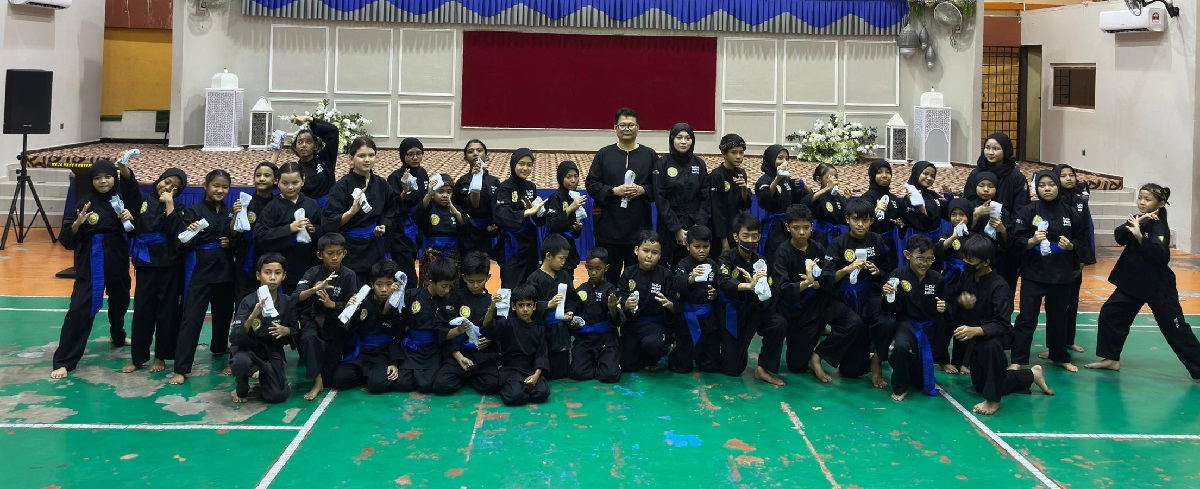
Every Silat training session traditionally opens with the Doa Pembukaan Gelanggang, a prayer that invokes divine guidance and protection. This ritual is not a mere formality; it is a declaration of humility, intention, and spiritual alignment. The prayer acknowledges the presence of Allah in every breath, movement, and moment, reminding practitioners that Silat is a trust—a sacred amanah—passed from teacher to student (Anuar, 2002).
The spiritual dimension of Silat cultivates values such as patience, respect, and clarity of purpose. It teaches that true strength lies not in domination but in discipline, service, and connection to the divine. This is what sets Silat apart from other martial arts. It is not just about combat; it is about character (Shapie, 2021).
Historically, Silat was known as ilmu hulubalang, ilmu penjurit, or ilmu gagah berani—the knowledge of warriors and defenders of the realm. These terms reflect the noble roots of Silat as a form of seni perang Melayu tradisi (traditional Malay war art), practiced by pahlawan (warriors) who upheld justice and protected their communities (Anuar, 2008).
PASSMAL’s commitment to preserving the authenticity of Silat Melayu is evident in its refusal to dilute its teachings with foreign martial arts. The curriculum remains pure, rooted in the traditions of the Semangat Melayu, and practiced with sincerity (Shapie et al., 2022). This spiritual grounding ensures that Silat remains a living legacy, not just a sport or performance.
The spread of Silat across the Malay Archipelago—from Sumatra to Mindanao—demonstrates its cultural significance. Each region adapted Silat to its local customs, yet the spiritual essence remained intact. Whether called gayung, pencak, or kali, the heart of Silat beats with the same rhythm of reverence and resilience (Poon, 2021).
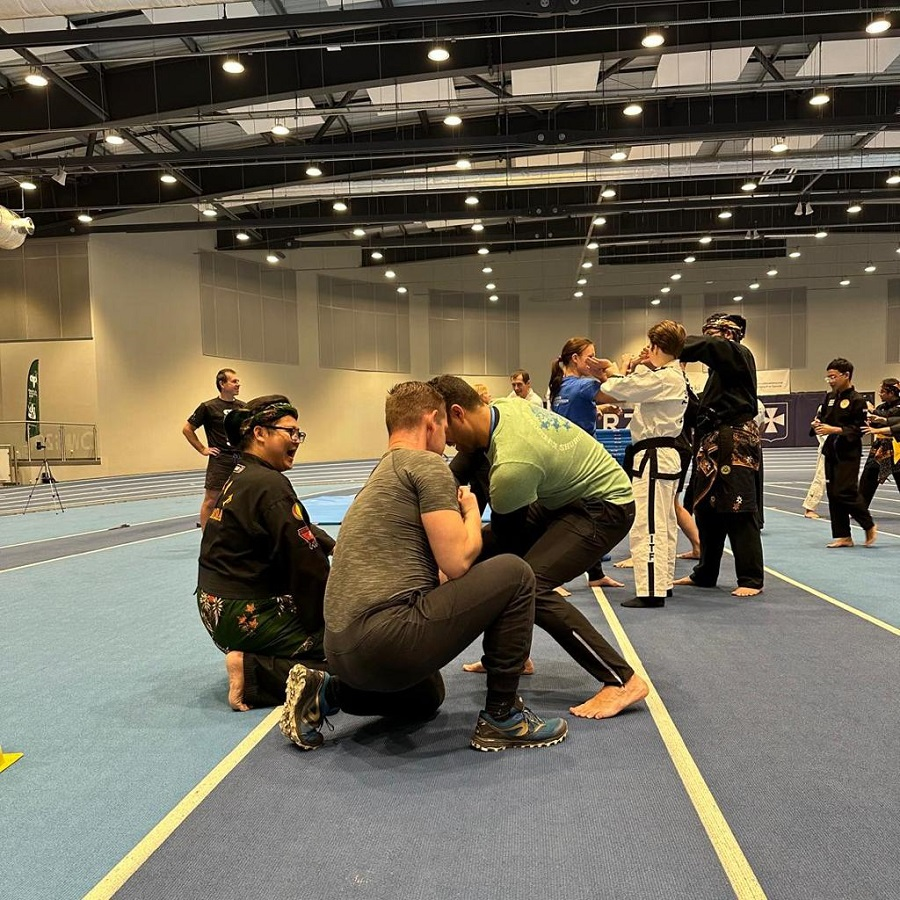
In today’s modern context, Silat continues to evolve, but its spiritual core must remain protected. As Silat enters global arenas and educational institutions, the rituals and prayers must not be forgotten. They are the soul of Silat—the invisible thread that connects the practitioner to a lineage of warriors, scholars, and saints (Shapie et al., 2024).
To practice Silat is to walk a path of balance between body and spirit, tradition and innovation, strength and humility. It is a journey that begins with a prayer and continues with purpose.
References:
- Anuar, A. W. (2002). Pendidikan dan Nilai-nilai Murni dalam Seni Silat. Kementerian Kebudayaan, Kesenian dan Warisan.
- Anuar, A. W. (2008). Silat: The development history of traditional Malay silat. Hizi Print Sdn. Bhd.
- Poon, E. (2021). Malaysia’s Silat recognised by UNESCO as an intangible art form. The Star
- Shapie, M.N.M., & Elias, M.S. (2015). Seni Silat Malaysia: The Malay Arts of Self-Defence. Archives of Budo.
- Shapie, M.N.M. (2021). The Warrior Attitude (Sikap Pendekar) in Malay Silat. UNESCO ICM.
- Shapie, M.N.M., et al. (2022). Manual Kejurulatihan Seni Silat Malaysia Tahap 1. Pertubuhan Seni Gayung Fatani Malaysia.
- Shapie, M.N.M., et al. (2024). Tradition to academia: The transformation of Silat education (2014–2024). UiTM Malaysia.