by
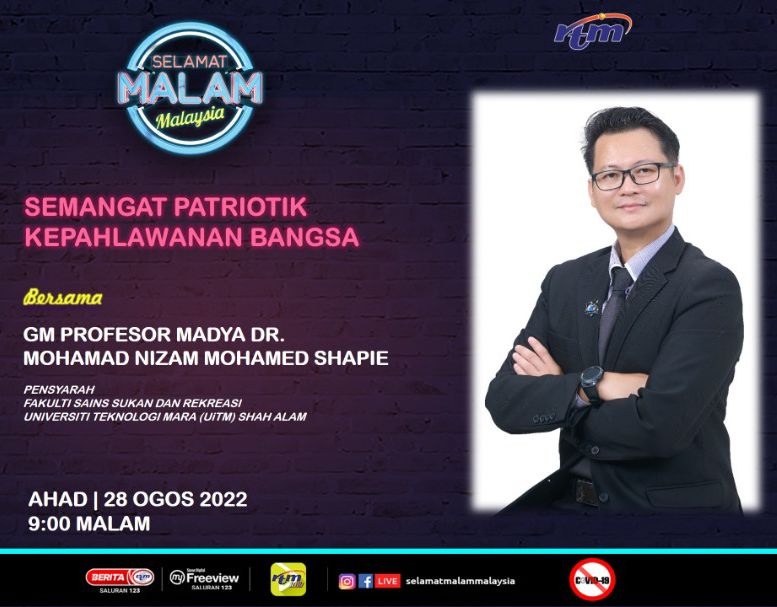
Assoc. Prof. Dr. Mohamad Nizam Mohamed Shapie
Leader, Combat Sports & Martial Arts Research Network (AIRBORNE)
Faculty of Sports Science & Recreation,
Universiti Teknologi MARA (UiTM)
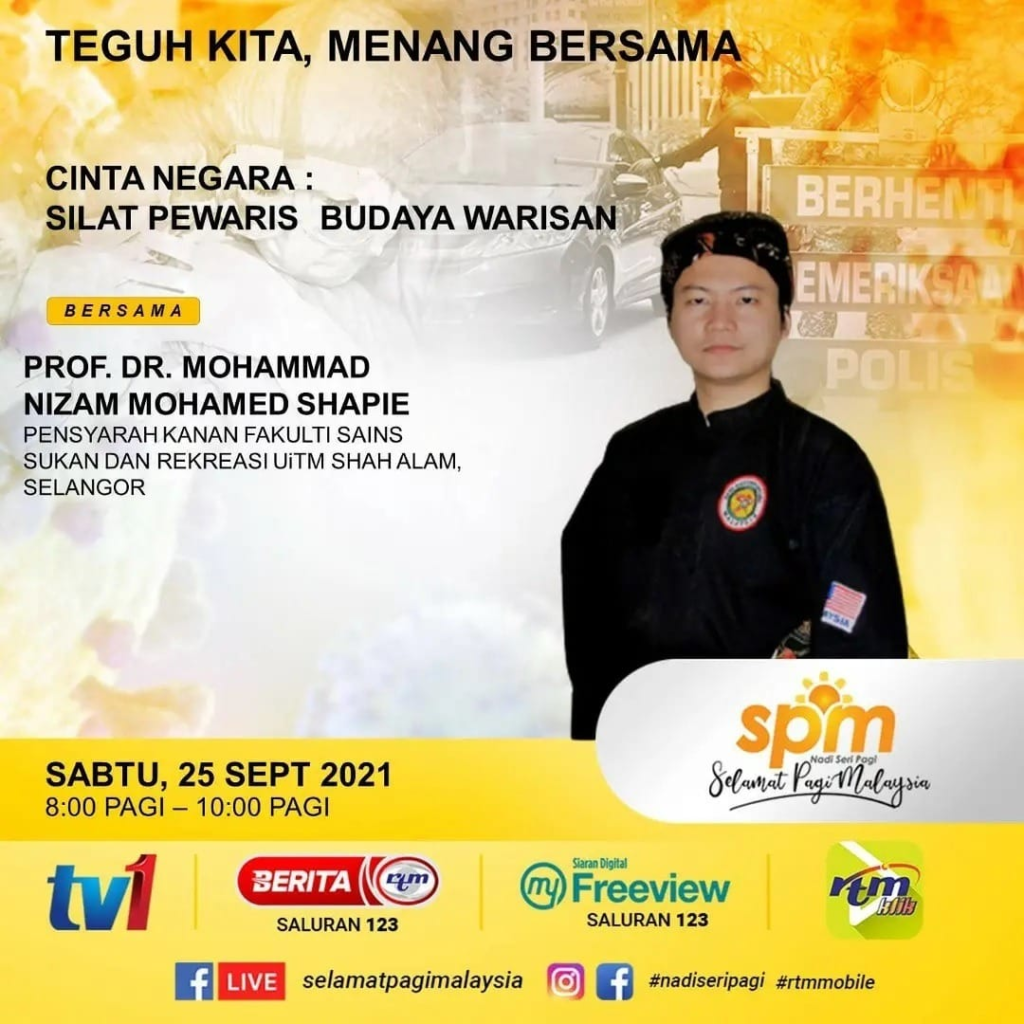
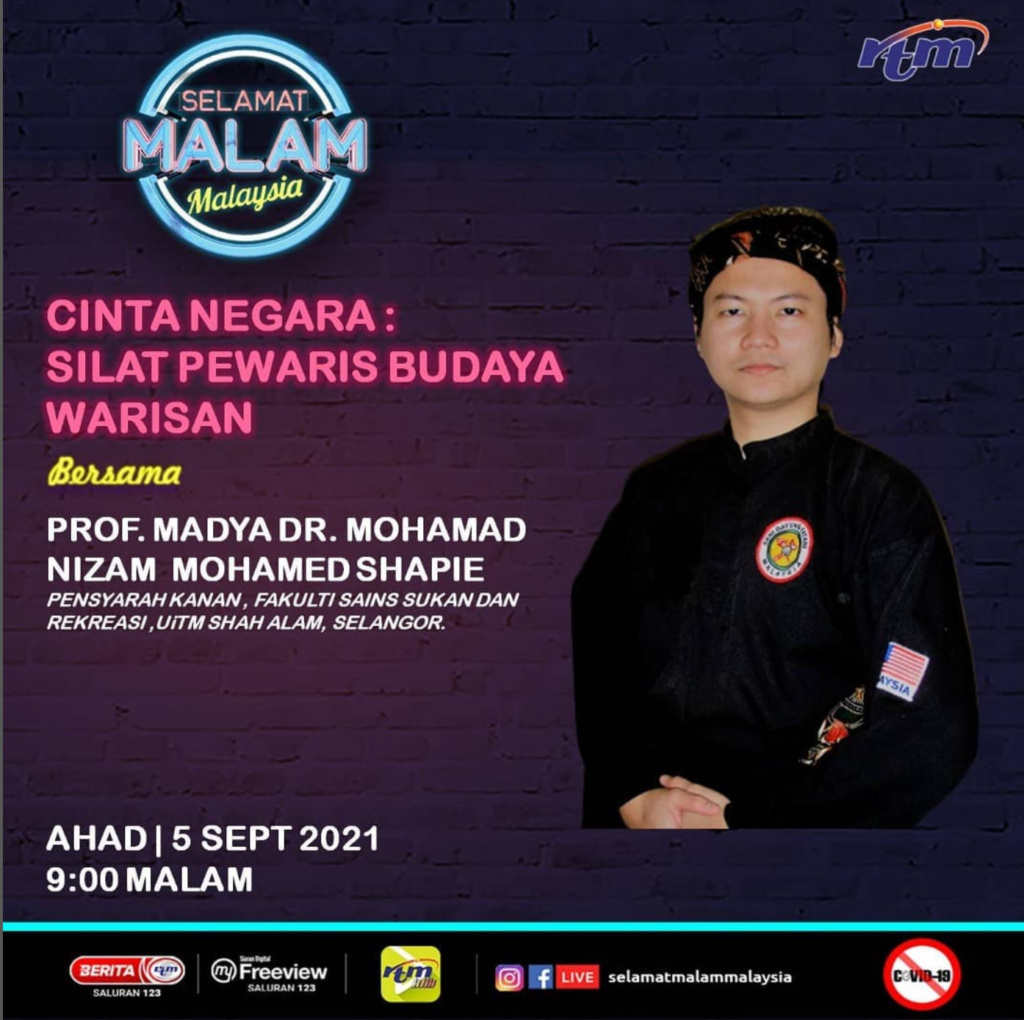
Empowering Youth Through AIRBORNE UiTM and Silat
Silat isn’t just about punches, kicks, or self-defense—it’s a living tradition that carries the soul of Malay culture. It teaches discipline, respect, and resilience. But in today’s fast-paced world, how do we make sure this heritage continues to inspire the younger generation?
That’s where AIRBORNE UiTM comes in.
AIRBORNE, short for the Martial Arts and Combat Sports Research Network, is a special initiative by Universiti Teknologi MARA (UiTM). It’s led by experts from the Faculty of Sports Science and Recreation, and its mission is simple but powerful: to use Silat as a tool to empower youth, strengthen communities, and modernize martial arts education.
Silat in Schools: More Than Just Movement
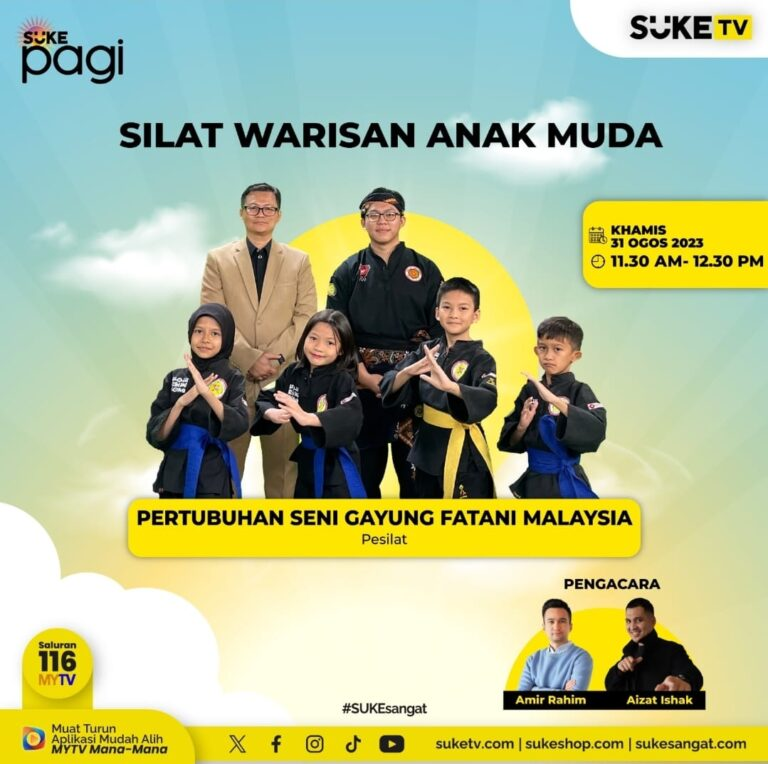
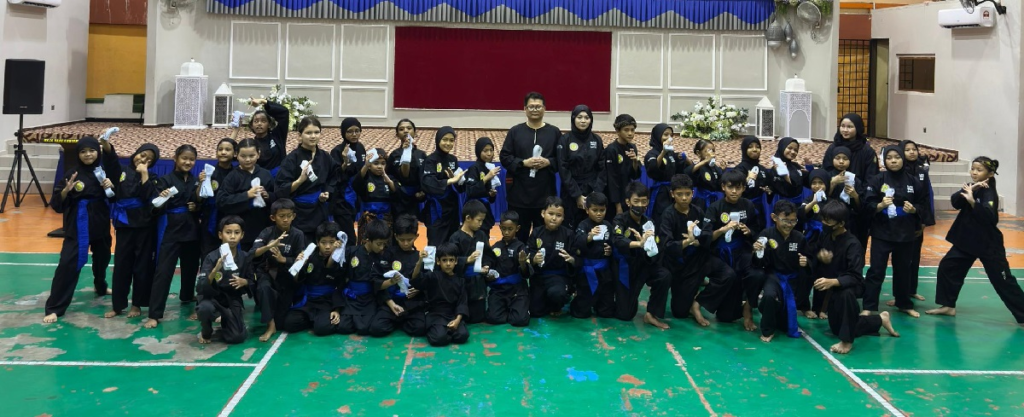
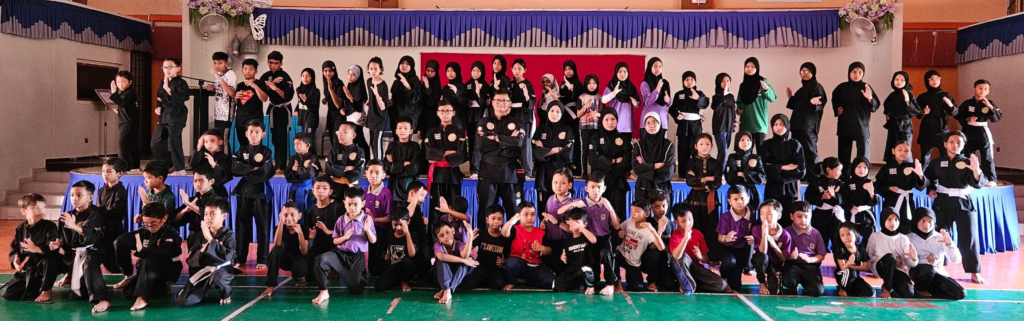
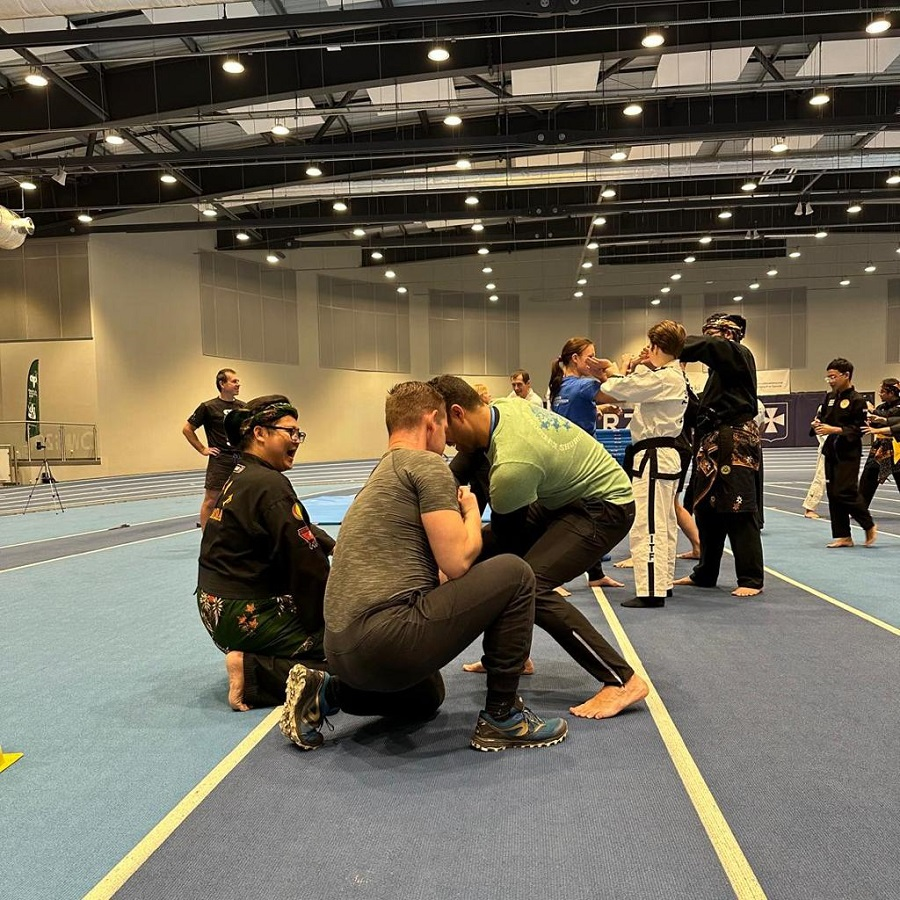
One of AIRBORNE’s proudest achievements is its collaboration with Sekolah Kebangsaan Seksyen 9 (SKS9) in Shah Alam. Under the TS25 school transformation program, Silat is taught not just as a sport, but as a way to build character.
Students learn how to move, defend, and perform—but more importantly, they learn how to focus, respect others, and believe in themselves. These sessions are guided by certified instructors and backed by UiTM’s sports science research.
Silat becomes a classroom for life skills. It helps children grow into confident, disciplined individuals who can lead and inspire.
Science Meets Tradition
What makes AIRBORNE different is how it blends tradition with science. Silat is no longer taught only through old methods—it’s supported by modern research in biochemistry, movement science, and sports education.
For example, researchers at UiTM have studied how muscles work during Silat movements, how the body recovers after training, and how hydration affects performance. These findings help coaches design safer and more effective training programs (Shapie et al., 2024).
Even the way Silat is taught has changed. Through the Silat for Beginners online platform, students can learn Silat from anywhere. They watch videos, practice techniques, and submit recordings for evaluation. They even receive digital certificates recognized internationally (Parnabas et al., 2023).
This means that even students in rural areas or overseas can learn Silat and be part of the community.
Preserving Culture, Inspiring Innovation
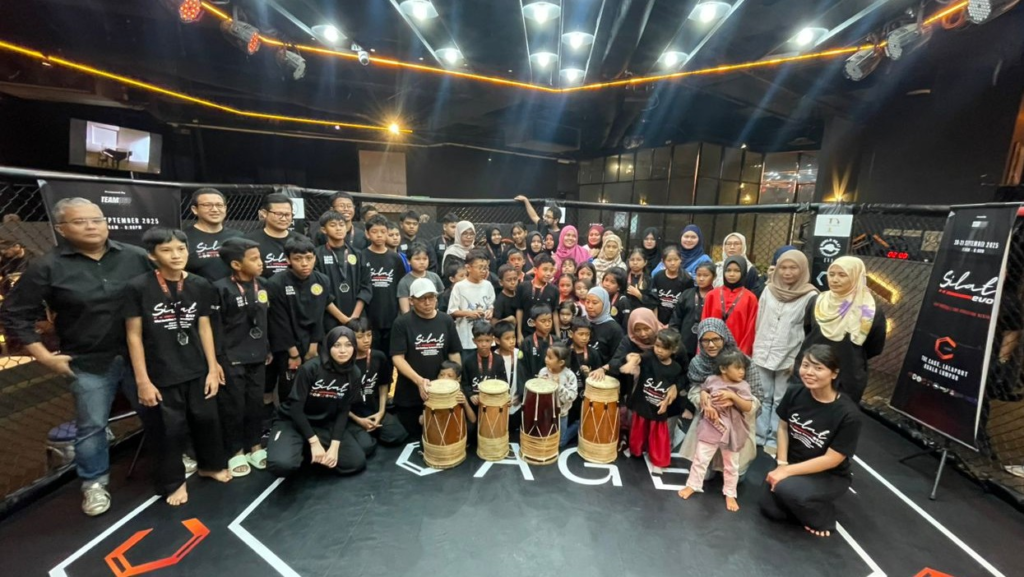
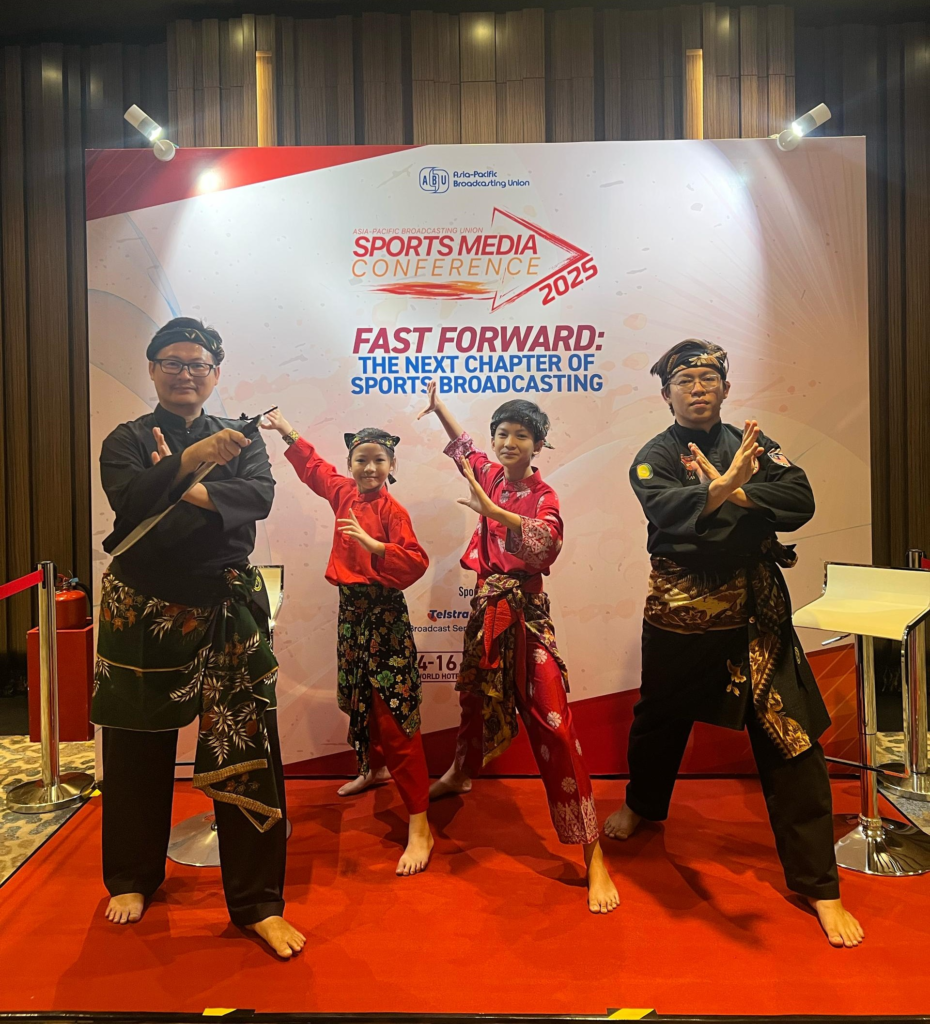
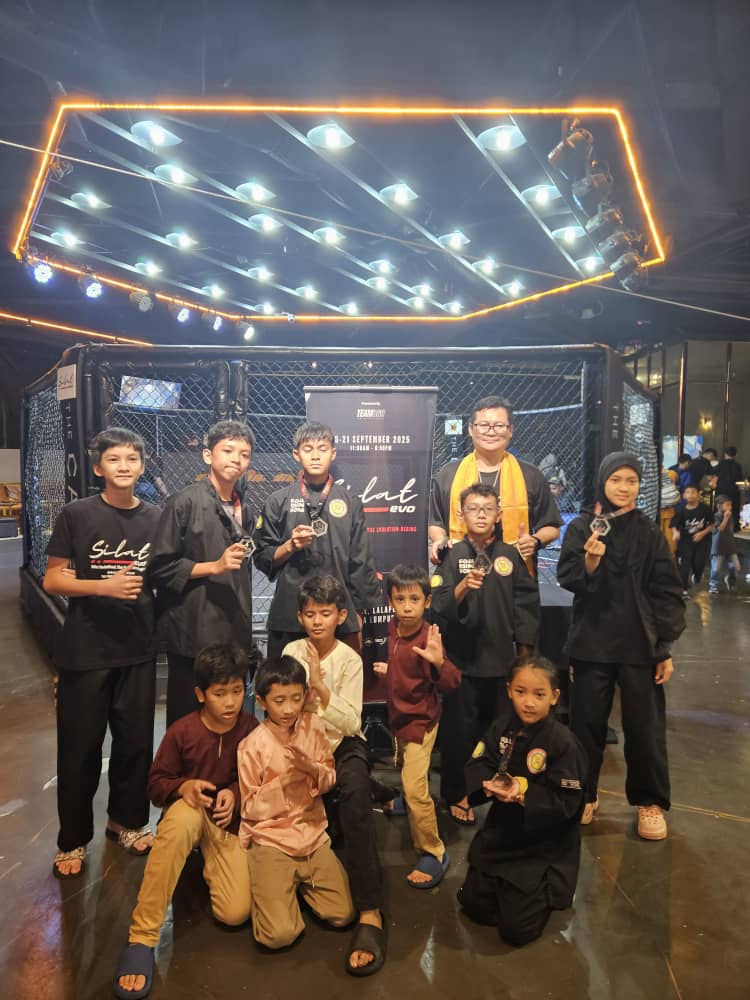
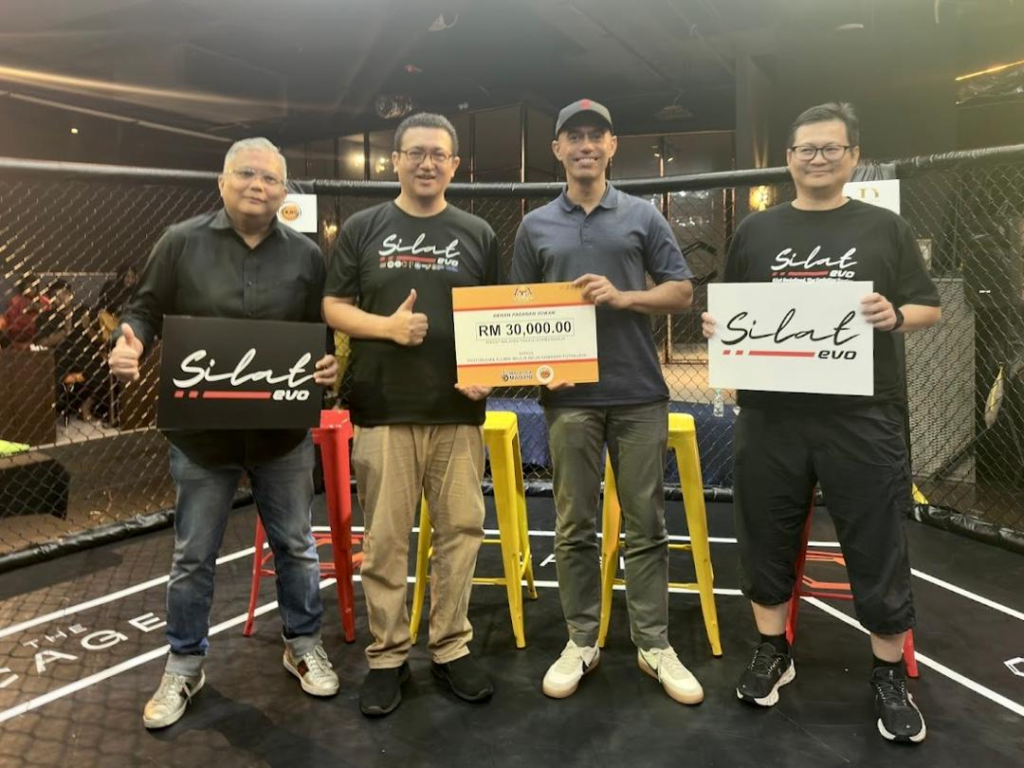
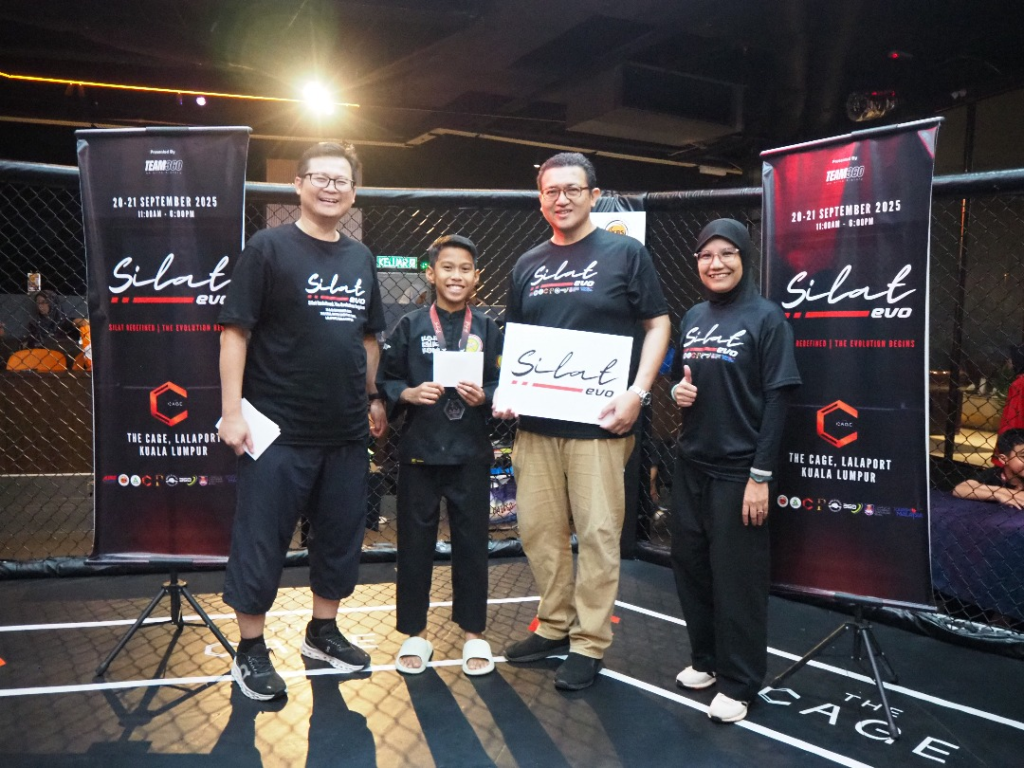
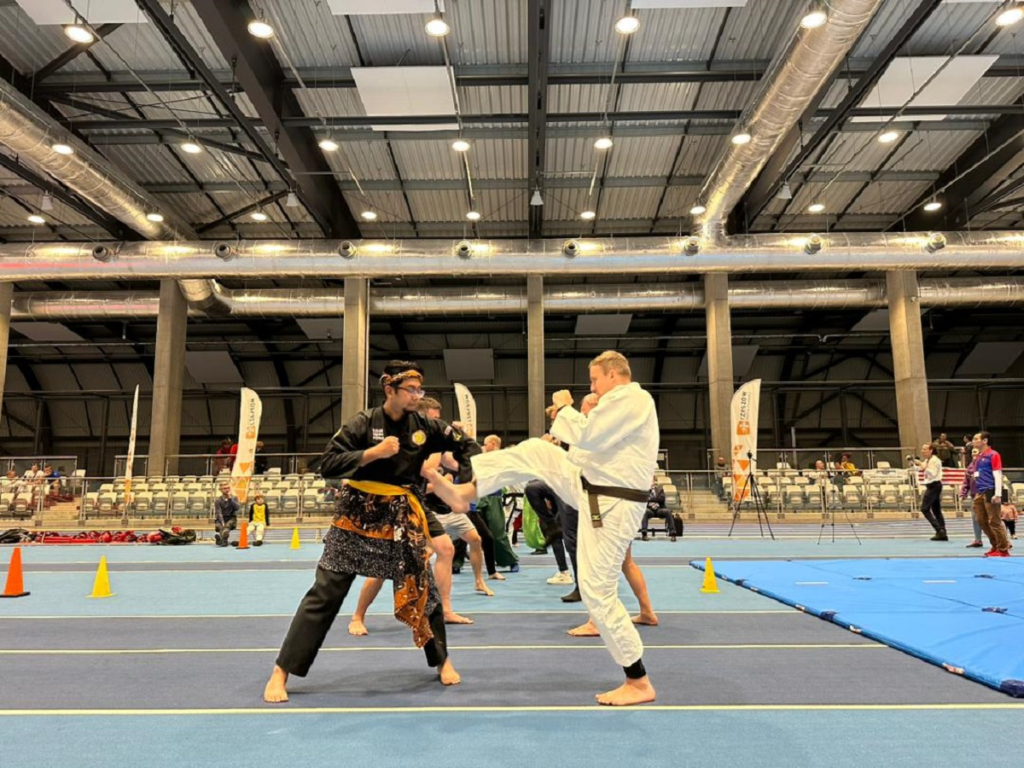
AIRBORNE UiTM is deeply committed to preserving the cultural roots of Silat. Traditional movements like Bunga Silat, sikap pasang, and pola langkah are still taught. But AIRBORNE also introduces new ideas—like Silat EVO, a modern competition format held in a cage arena, similar to MMA but with a strong Malay identity.
This mix of old and new keeps Silat exciting for today’s youth. It shows that Silat isn’t stuck in the past—it’s evolving, growing, and reaching new audiences.
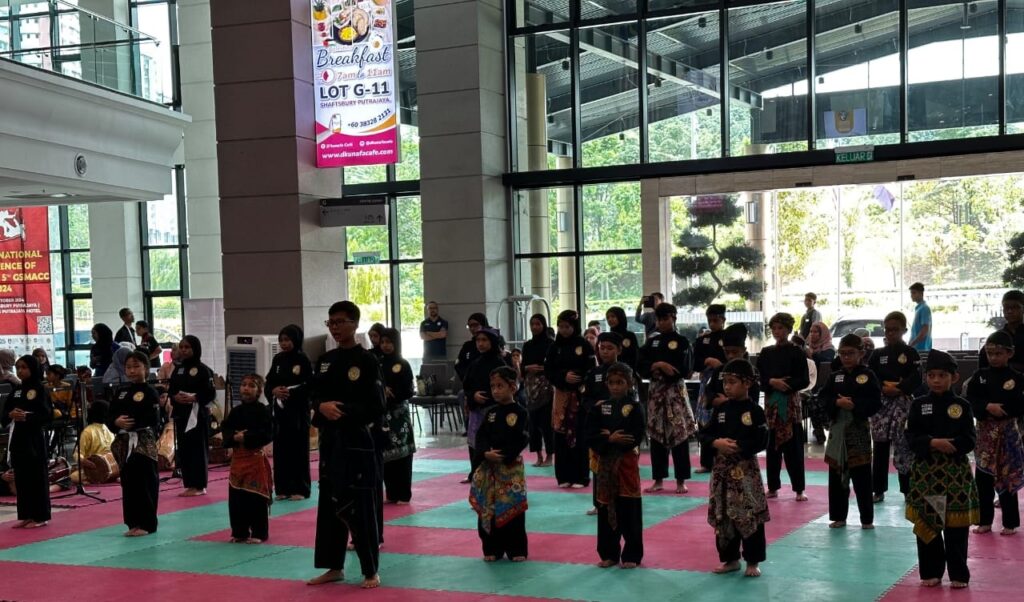
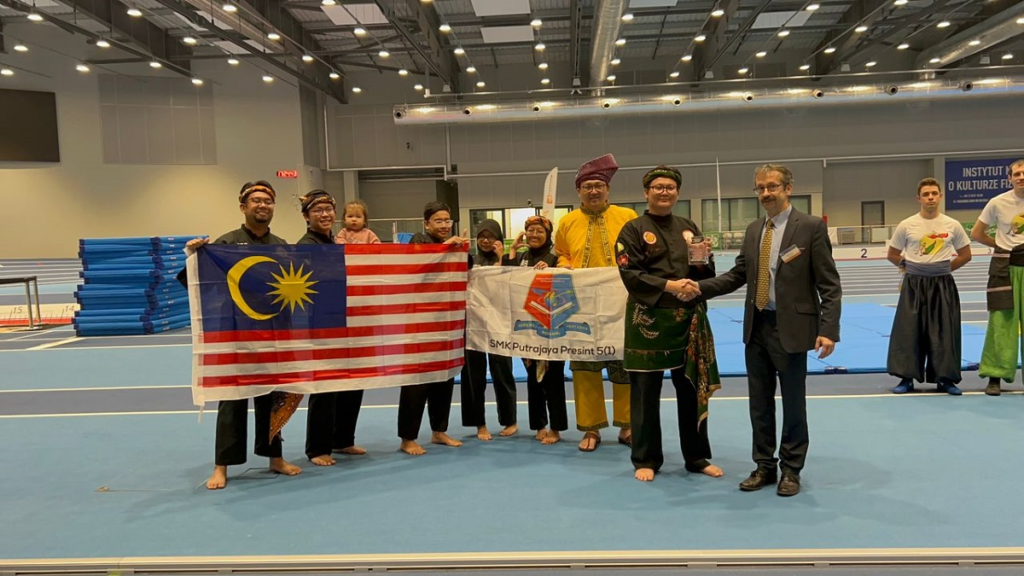
AIRBORNE also organizes school showcases and community events where students perform Silat in front of their families and peers. These moments build pride and confidence, and they help strengthen the bond between schools and communities (Shapie et al., 2019).
Building Stronger Communities
AIRBORNE isn’t just about schools—it’s about people. It works with NGOs, local councils, and cultural organizations to bring Silat to the community. Programs include anti-bullying campaigns, youth leadership workshops, and cultural festivals.
Silat becomes a way to connect people, promote health, and celebrate heritage. It’s not just a sport—it’s a movement.
And because AIRBORNE is backed by UiTM’s research, it also helps shape national policies on education, sports, and culture. It’s a model for how universities can work with communities to create real change (Abdul Razak et al., 2022).
Going Global
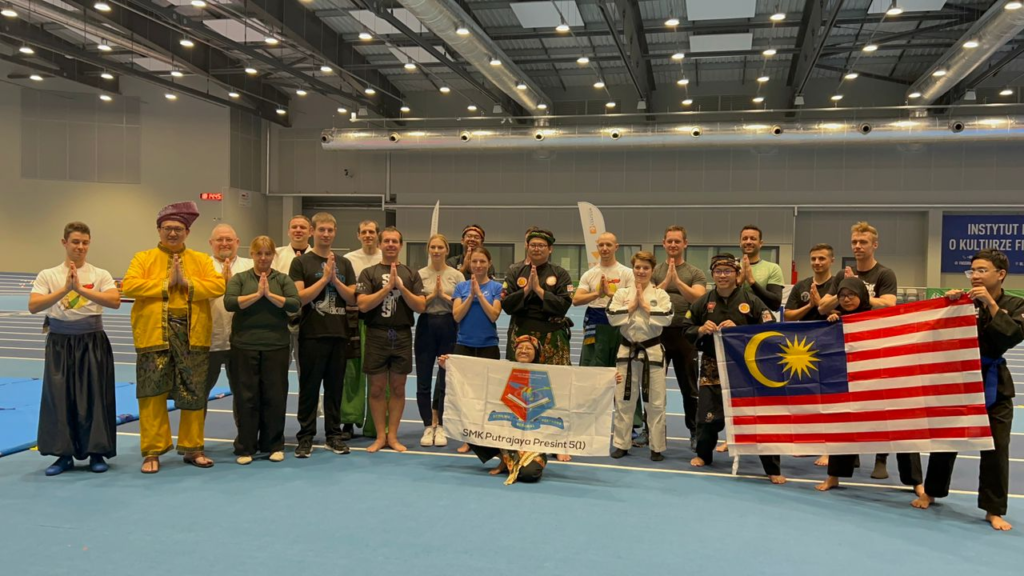
AIRBORNE UiTM has big dreams. It wants to make Silat a global martial art, recognized for its depth, discipline, and cultural value. It works with international bodies like the World Silat Federation and UNESCO ICM, and it’s planning mobile apps, multilingual courses, and international competitions.
The goal is to make Silat accessible to everyone—whether you’re in Malaysia, Europe, or anywhere else.
AIRBORNE also continues to train coaches, develop school curricula, and publish research. It’s building a strong foundation so that Silat can thrive for generations to come.
Conclusion: Silat for the Future
AIRBORNE UiTM is changing the way we see Silat. It’s turning it into a tool for education, empowerment, and cultural pride. By combining tradition with science, and community with innovation, AIRBORNE is helping Silat grow into something bigger than ever before.
For young Malaysians, Silat is no longer just a martial art—it’s a way to learn, lead, and connect with their roots. And through AIRBORNE, UiTM is making sure that Silat continues to inspire, both at home and around the world.
References (APA Style)
Abdul Razak, S. N., Muhamad, T. A., Meng, L. K., et al. (2022). A narrative exploration of issues in Silat development from children to youth athletes. Ido Movement for Culture. https://doi.org/10.14589/ido.22.2S.3
Parnabas, V. A., Abdullah, N. M., Shapie, M. N. M., Rahim, M. R., Parnabas, J., & Parnabas, A. M. (2023). E-learning motivation among student-athletes of Universiti Teknologi MARA (UiTM), Malaysia. Malaysian Journal of Sport Science and Recreation, 17(1), 20–34.
Shapie, M. N. M., Wahidah, T., Kusrin, J., Elias, M. S., & Abdullah, N. M. (2019). Silat Tempur: An overview of the children’s combat sports. Ido Movement for Culture. Journal of Martial Arts Anthropology, 19(1s), 55–61.
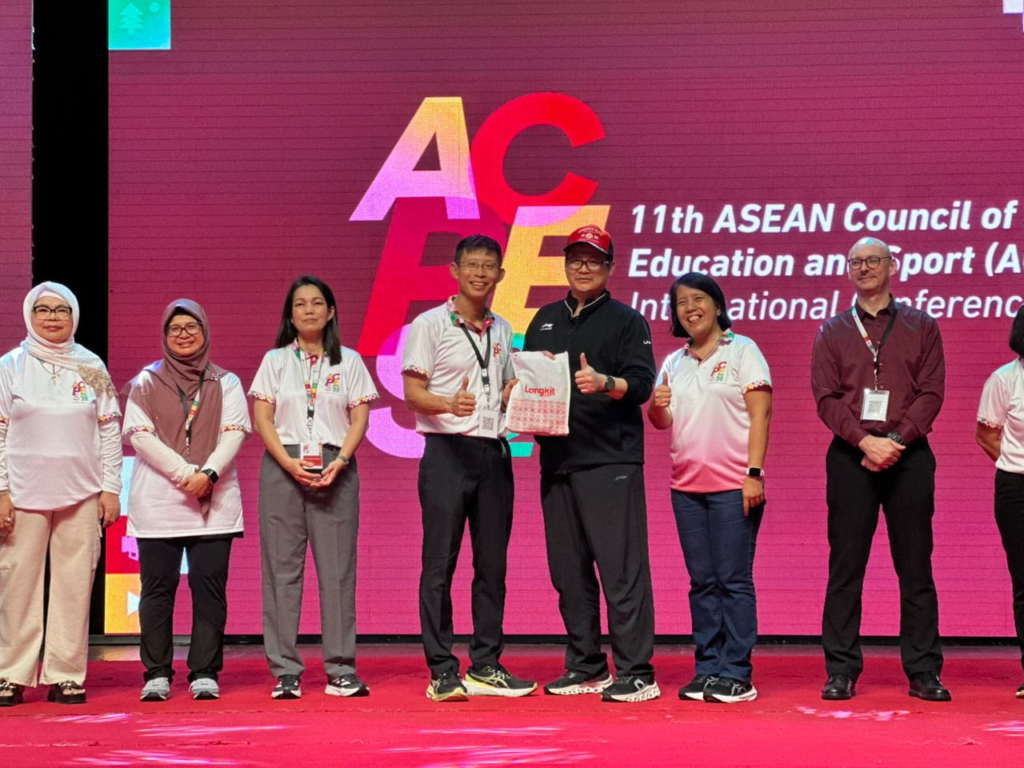
Shapie, M. N. M., Samsudin, H., Abdullah, N. M., Rahim, M. R. A., Ihsan, N., Nawai, N. S. N., & Padli. (2024). Tradition to academia: The transformation of Silat education (2014–2024). In N. Ruslan, A. Zid, R. Radeeuddin, & M. N. Fariduddin (Eds.), The 10th ASEAN Council of Physical Education and Sport (ACPES) International Conference 2024 (pp. 478–482). UiTM Malaysia.