1. Introduction: Silat as a Cultural Identity Beyond Borders
In recent decades, Silat Melayu has moved from the margins of local practice to the center of international cultural discourse. More than just a martial art, Silat embodies the philosophy, heritage, and strategic depth of the Malay world. Its gestures, forms, and principles are steeped in centuries of tradition and reflective of a rich civilization that emphasized discipline, diplomacy, and self-mastery.
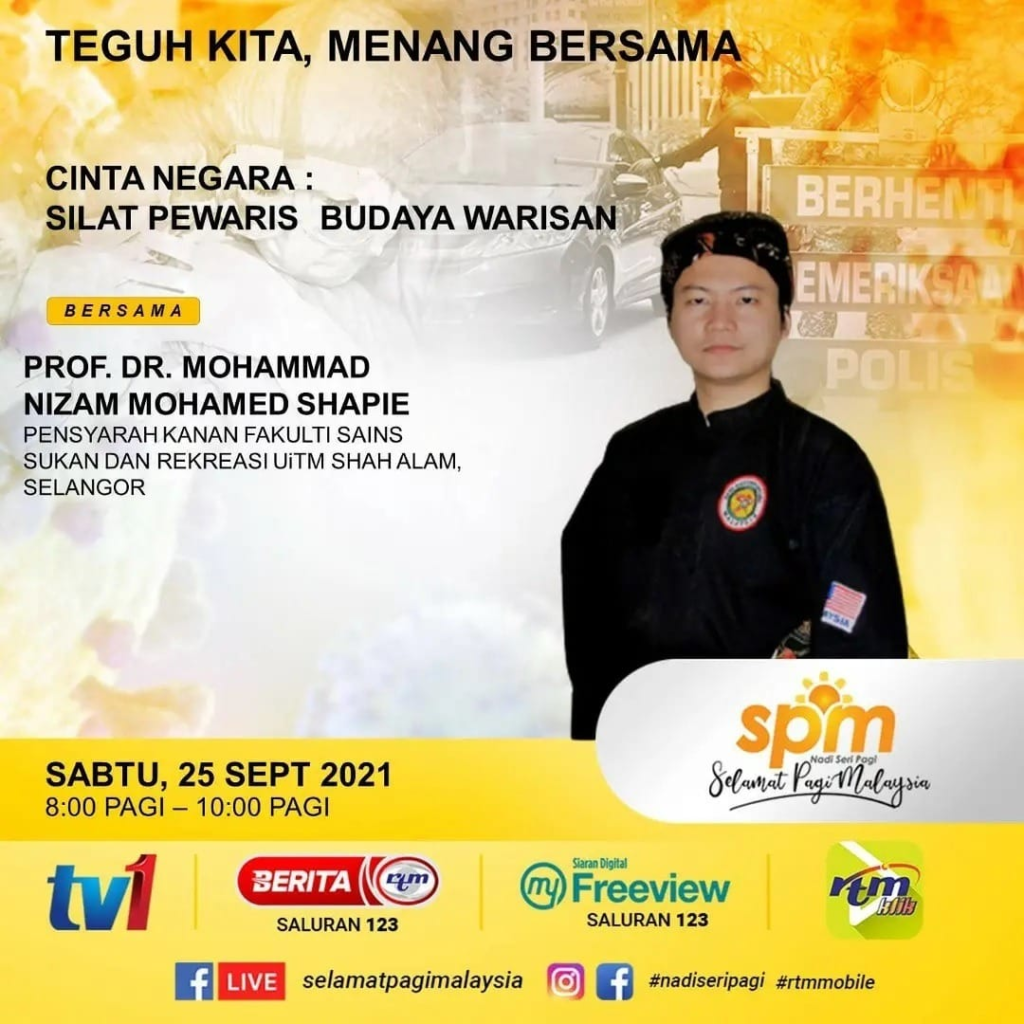
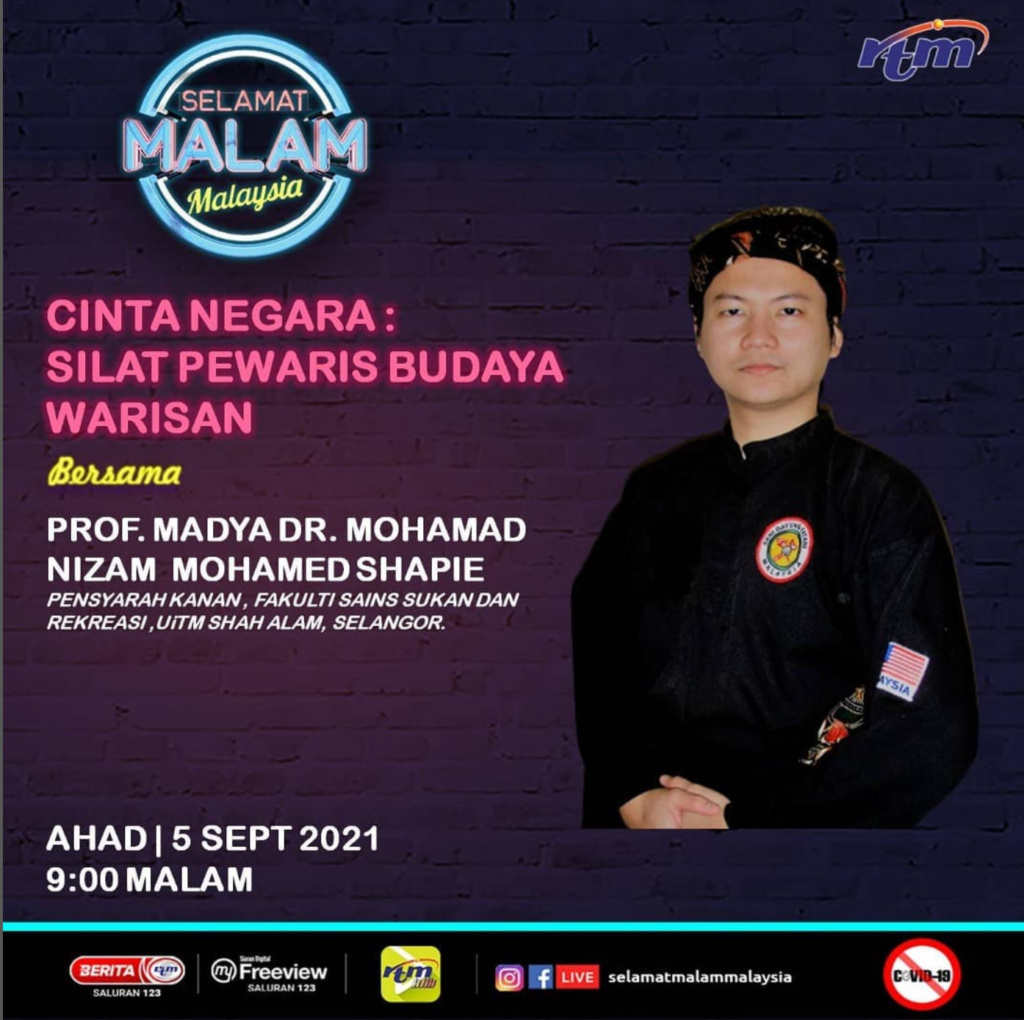
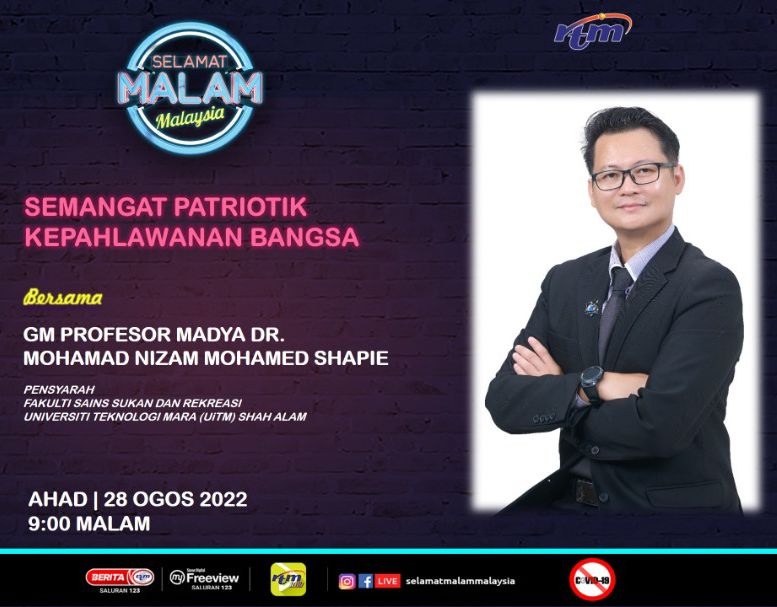
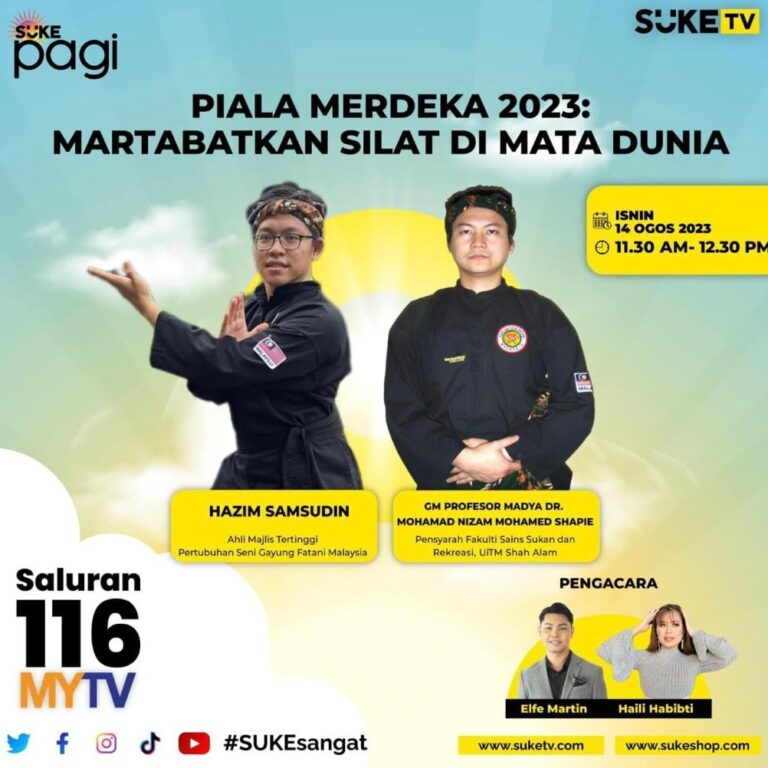
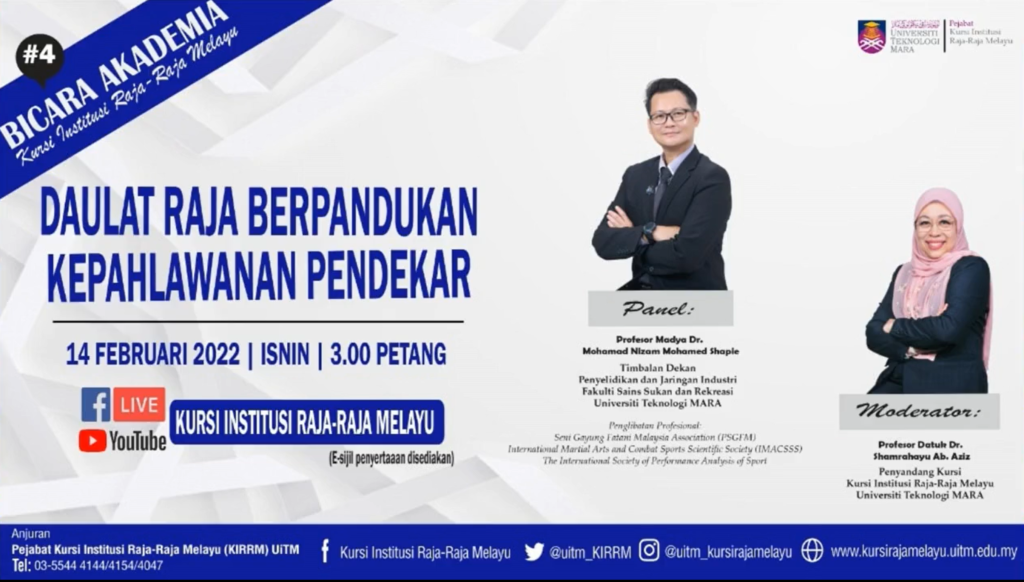
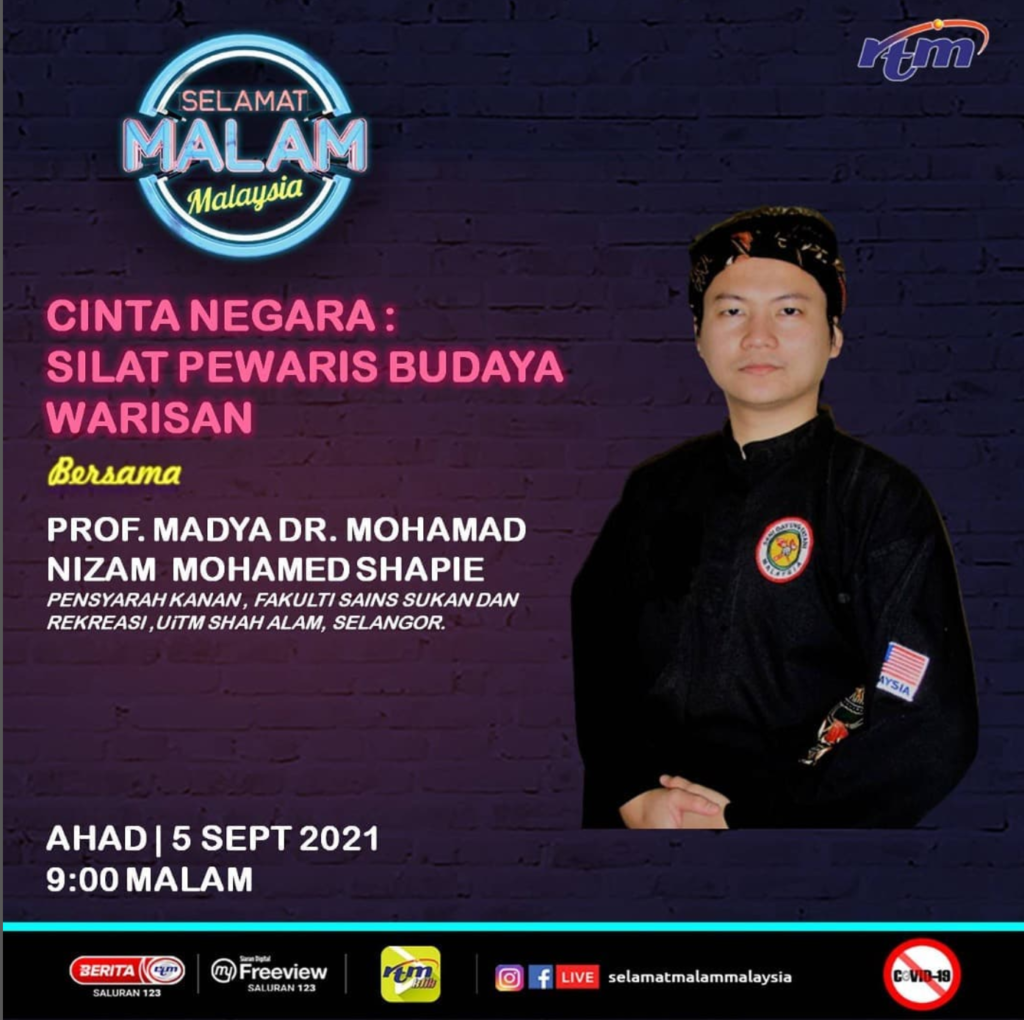
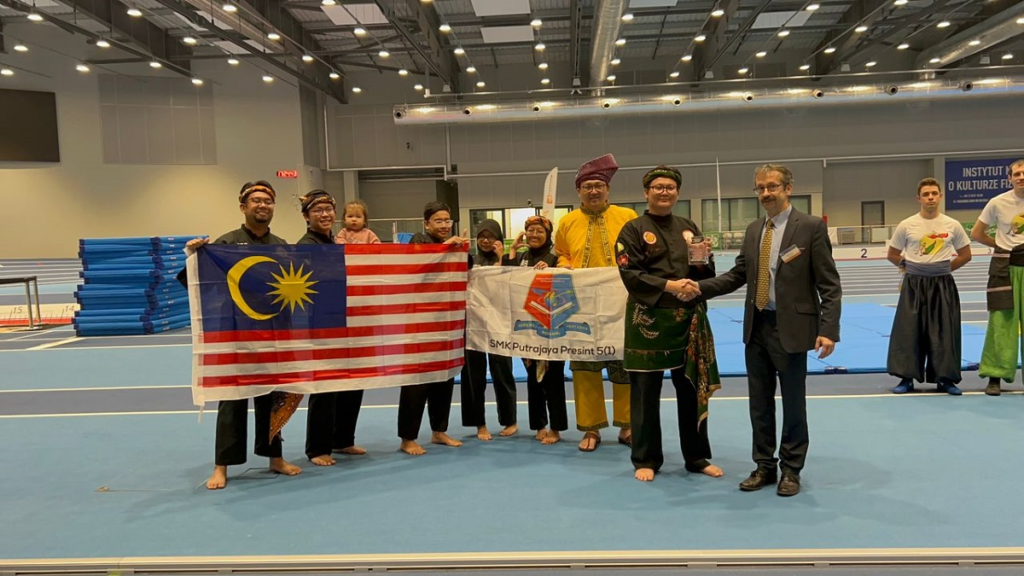
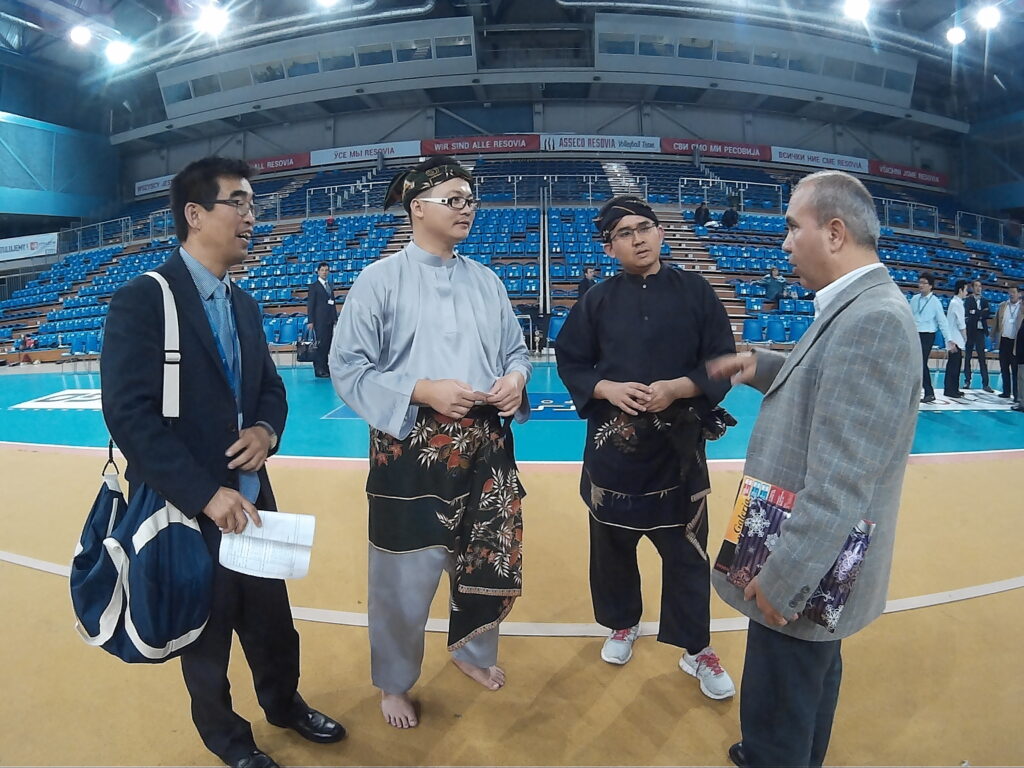
This transition from regional heritage to global recognition has not happened in isolation. Leading this cultural movement is Prof. Dr. Mohamad Nizam Mohamed Shapie, whose role as an educator, practitioner, and international scholar has helped reframe Silat as a legitimate subject of global academic interest and cultural diplomacy. Through platforms such as IMACSSS (International Martial Arts and Combat Sports Scientific Society) and UNESCO ICM (International Centre of Martial Arts), he and his collaborators have become cultural ambassadors—carrying Silat’s essence into the classrooms, conferences, and communities of Europe.
2. Europe’s Encounter with Malay Martial Arts
While Europe is home to centuries-old martial traditions such as fencing, boxing, and wrestling, its recent interest in Southeast Asian arts has opened space for cultural exchange. Silat diplomacy in Europe has occurred primarily through academic channels, where respect for intellectual rigor and authenticity is paramount.
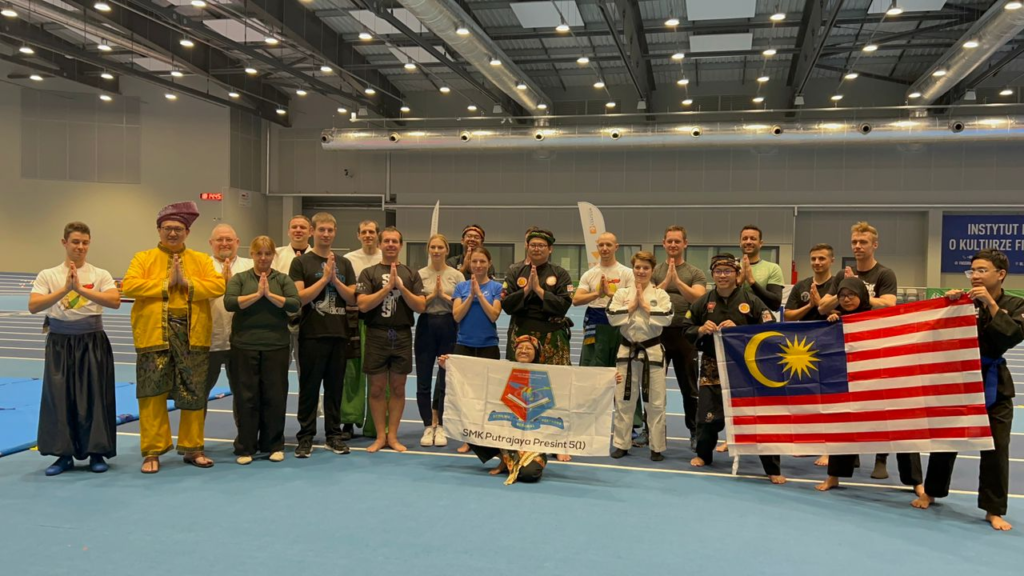
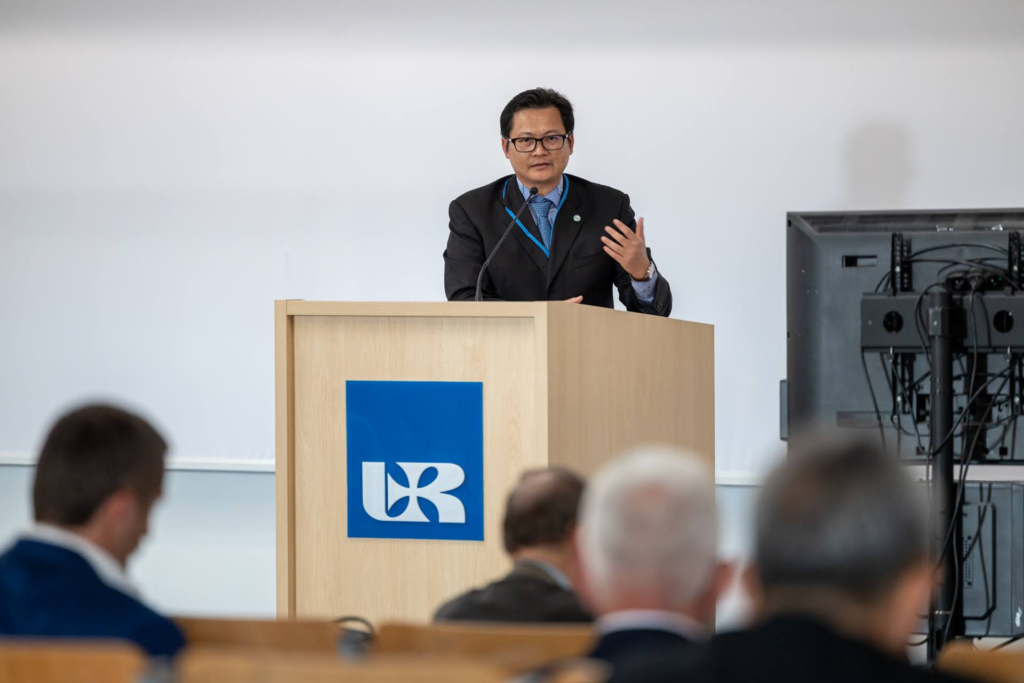
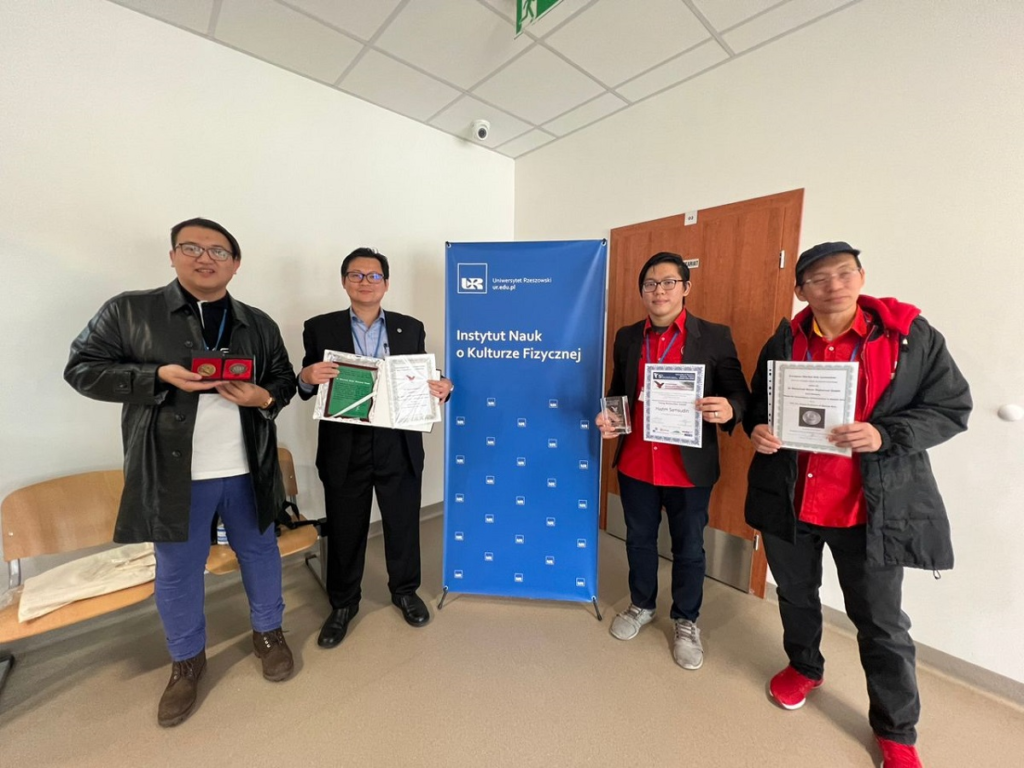
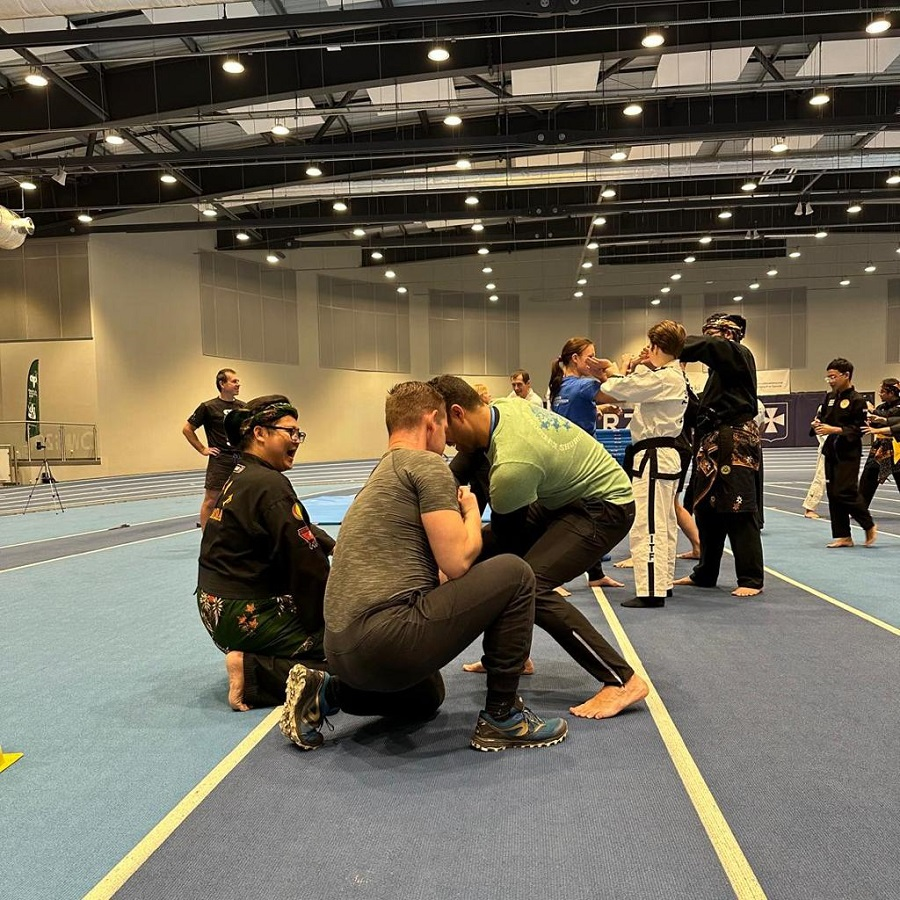
Prof. Dr. Nizam’s presentations at universities in Poland, Spain, Slovakia, and Hungary—especially during IMACSSS conferences—were pivotal in introducing Silat to new audiences. His scholarly approach balanced tradition with science, presenting Silat through lenses of biomechanics, sports pedagogy, and intangible heritage. This allowed European academics and martial artists to appreciate Silat as both a combat art and a philosophical discipline.
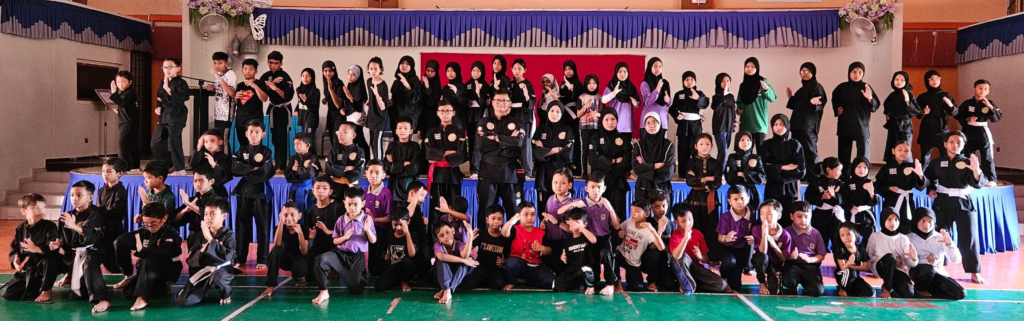
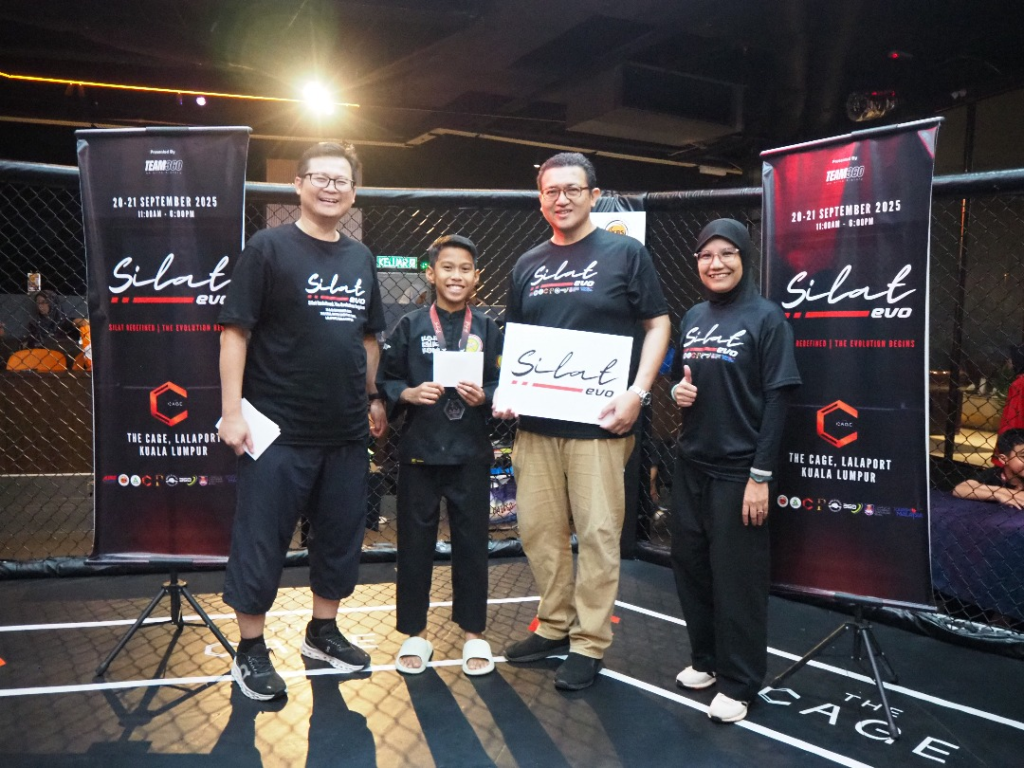
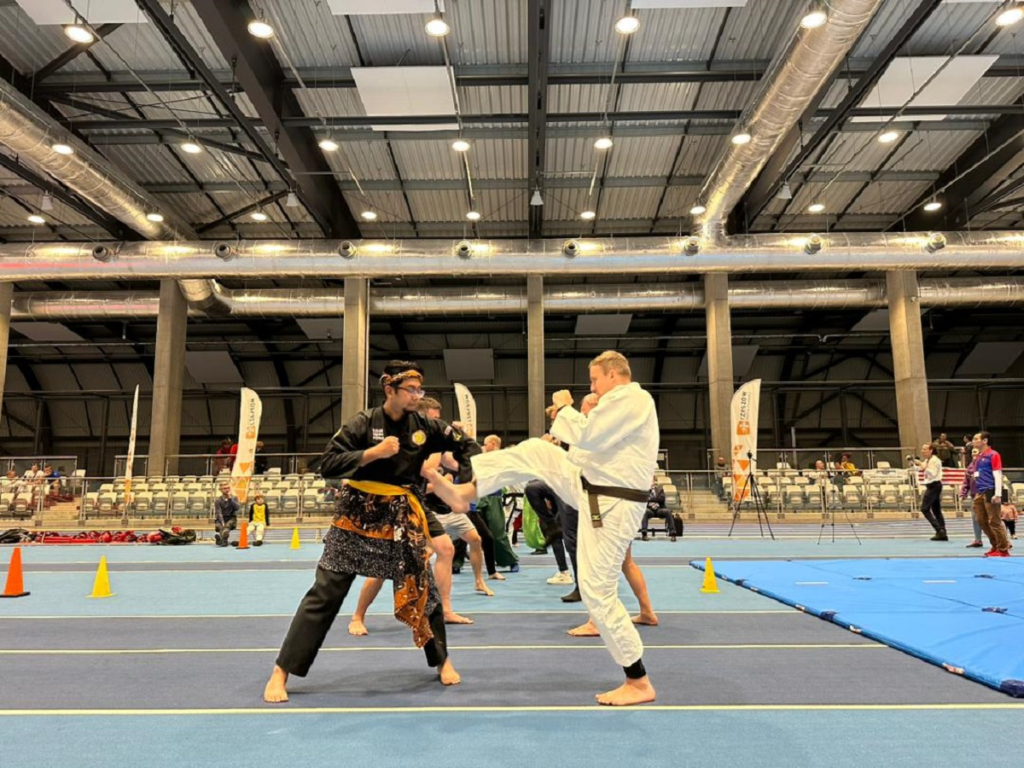
Beyond conference halls, Silat community engagement took shape in workshops, martial exhibitions, and bilateral research projects. In this context, Silat was not portrayed as a spectacle, but as a bridge between heritage and humanity, showcasing values such as respect, restraint, and resilience.
3. Cultural Diplomacy through UNESCO ICM and IMACSSS
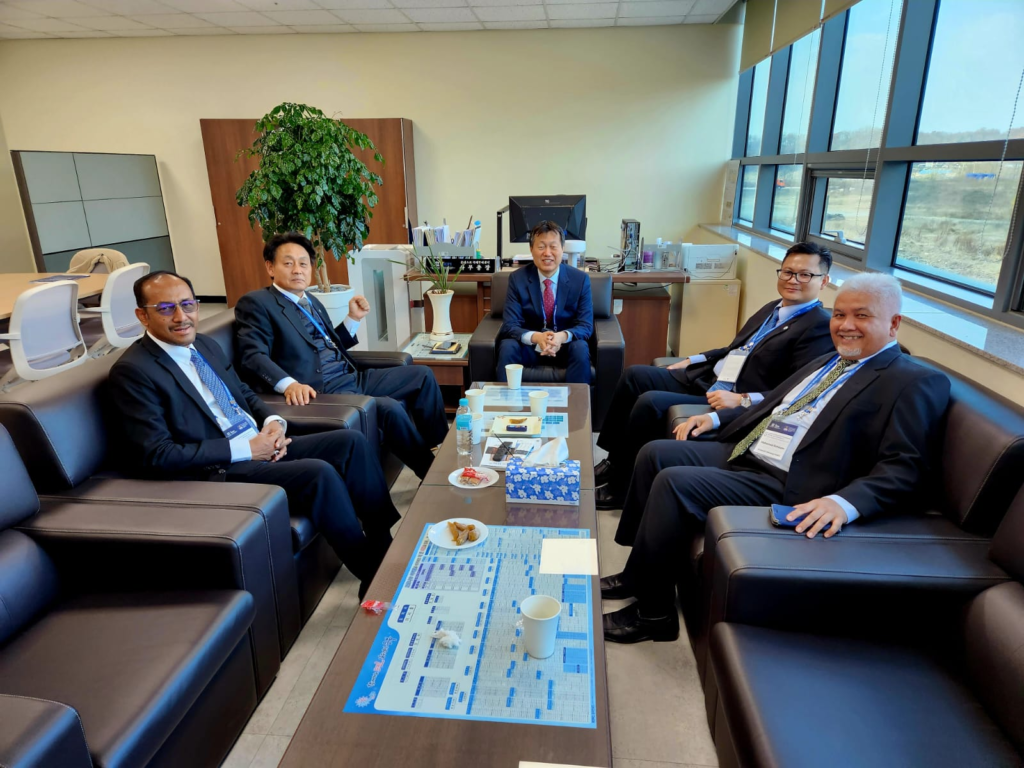
Traditional martial diplomacy thrives when institutions give it structure and credibility. Through the support of UNESCO ICM, based in Korea, and IMACSSS, headquartered in Europe, Silat gained international platforms that elevated its academic and cultural standing.
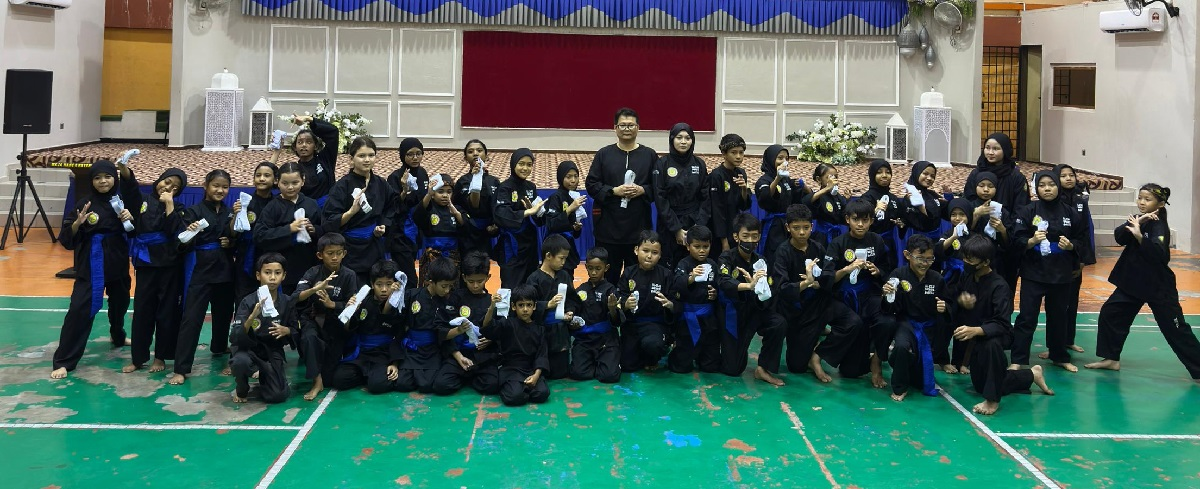
In collaboration with UNESCO ICM’s Martial Arts Open School (MAOS) initiative, Silat was introduced to youth around the world, often for the first time. These sessions emphasized Silat pedagogy overseas, exploring not only technique but also cultural meaning, etiquette, and values-based learning. Silat’s spiritual and ethical foundations resonated with UNESCO’s goals of using martial arts for peacebuilding and cultural sustainability.
Meanwhile, within IMACSSS, Dr. Nizam co-organized events in Malaysia and contributed to books and journals that linked Silat to broader martial arts research. These collaborations exemplified Silat UNESCO collaboration as more than symbolic—it was structured, peer-reviewed, and embedded in networks of cross-cultural academic exchange.
4. Prof. Dr. Nizam as a Cultural Bridge and Scholarly Leader
What distinguishes Prof. Dr. Nizam’s impact is his dual commitment to practice and scholarship. A seasoned Silat practitioner trained in both traditional and modern pedagogies, he is also a prolific researcher whose work appears in respected journals and proceedings. His academic contributions reflect not only technical knowledge but also a deep cultural literacy of Silat as a living tradition.
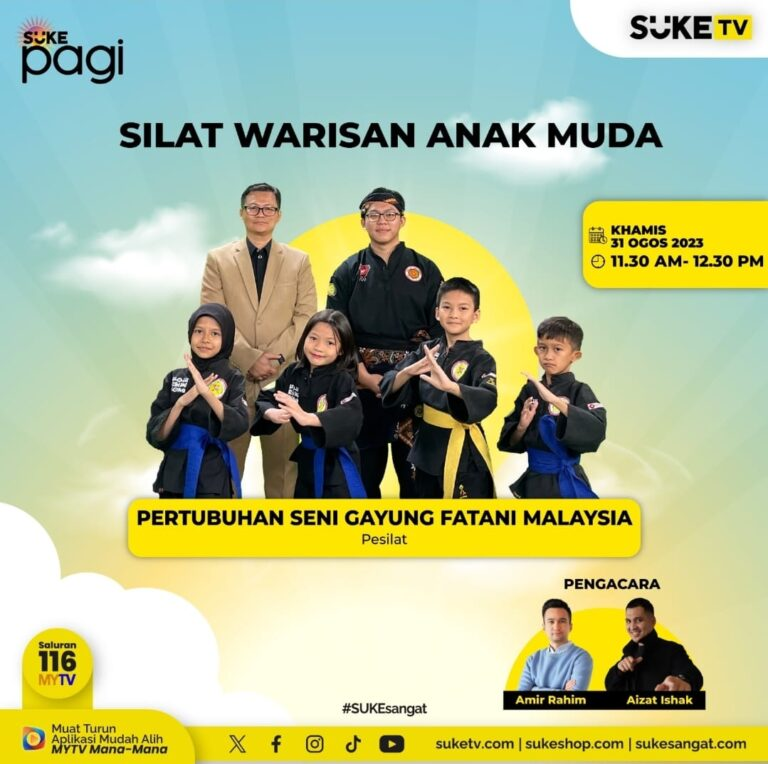
Through his work with Universiti Teknologi MARA (UiTM) and the AIRBORNE research group, he has fostered new generations of Silat scholars who are now continuing his mission abroad. His leadership has helped establish Silat academic promotion as a recognized area within sports science, heritage studies, and martial arts anthropology.
Moreover, his diplomacy is evident in his collaborations with scholars from Spain, Poland, Korea, and Indonesia, establishing Silat global networking that ensures continuity and mutual respect. His efforts exemplify Silat international recognition earned through trust, consistency, and scholarly excellence.
5. Sustaining the Momentum: Next Steps for Global Silat
The European expansion of Silat Melayu is only the beginning of a broader movement. If Malaysia is to sustain this momentum, it must nurture not just visibility but viability. The next phase of growth requires:
- Institutionalizing Silat into University Curricula Abroad
- Supporting Research Grants and Joint Publications
- Training More Cultural Ambassadors of Silat
- Digitizing Silat Content for Global Accessibility
- Building Multilateral Agreements through UNESCO and ASEAN
In this global chapter, Silat’s relevance must go beyond aesthetics—it must become a model for cultural resilience and soft power. By continuing to blend traditional identity with academic engagement, Silat can serve as Malaysia’s cultural signature in an increasingly interconnected world.
Conclusion: The Legacy of Cultural Ambassadorship
The success of Silat Melayu in Europe is a story of vision, persistence, and partnership. Prof. Dr. Mohamad Nizam Mohamed Shapie and his collaborators have demonstrated that cultural heritage, when backed by scholarship and diplomacy, can cross oceans and enter institutions of learning and memory. Their work has helped reframe Silat not as a static tradition, but as a dynamic cultural force, relevant to modern challenges and worthy of international respect.
As cultural ambassadors, they show us that the fight worth pursuing is not one of domination—but of cultural survival, mutual understanding, and enduring connection.
📚 Updated References (APA 7th Edition)
- Shapie, M.N.M., Elias, M.S., Anuar, A. (2016). Silat: The Heritage of Malaysia (Silat: Warisan Bangsa Malaysia). The National Department for Culture and Arts, Ministry of Tourism and Culture.
- Shapie, M.N.M. (2021). The Warrior Attitude (Sikap Pendekar) in Malay Silat Encouraging Malaysian Interest in Global Martial Arts and Combat Sports. UNESCO ICM.
- Shapie, M.N.M., Nadzalan, A.Md., Azmi, N.F.M., Azmi, N.Z.M., Samsudin, H. (2024). IMACSSS: Unity in Diversity – The Future of Combat Sports Worldwide. Pertubuhan Seni Gayung Fatani Malaysia.
- UNESCO ICM. (2023). Martial Arts Open School Annual Report. Chungju: UNESCO ICM.
- Parnabas, V.A., Abdullah, N.M., Shapie, M.N.M., et al. (2023). E-learning Motivation Among Student-athletes of Universiti Teknologi MARA (UiTM), Malaysia. Malaysian Journal of Sport Science and Recreation, 17(1), 20–34.
- Aziz, N. A. A., Shapie, M. N. M., Indrayuda, I., Al-Syurgawi, D., Rahim, M. R. A., Abdullah, N. M., Parnabas, V., Nawai, N. S., Samsudin, H., Kassim, R. M., & Nor, M. A. M. (2023). Silat Tempur League: The Analysis of Athletes Performance in 2019 Competitions. International Martial Arts and Culture Journal, 1(1), 18–29. https://doi.org/10.24036/imacj5019
- Shapie, M.N.M., Nadzalan, A.Md., Musa, R.M., et al. (2020). The Art of War and Mental Toughness in Malay Silat: Cultural Roots and Modern Adaptations. International Journal of Psychosocial Rehabilitation, 24(10), 1875–1883. https://doi.org/10.37200/IJPR/V24I10/PR300193