by
Assoc. Prof. Dr. Mohamad Nizam Mohamed Shapie
Leader, Combat Sports & Martial Arts Research Network (AIRBORNE)
Faculty of Sports Science & Recreation,
Universiti Teknologi MARA (UiTM)
Silat has always been more than just a martial art. It’s a way of life—a practice that teaches discipline, respect, and cultural pride. But in today’s world, where communities face challenges like social disconnection, bullying, and a loss of cultural identity, Silat is proving to be more relevant than ever.
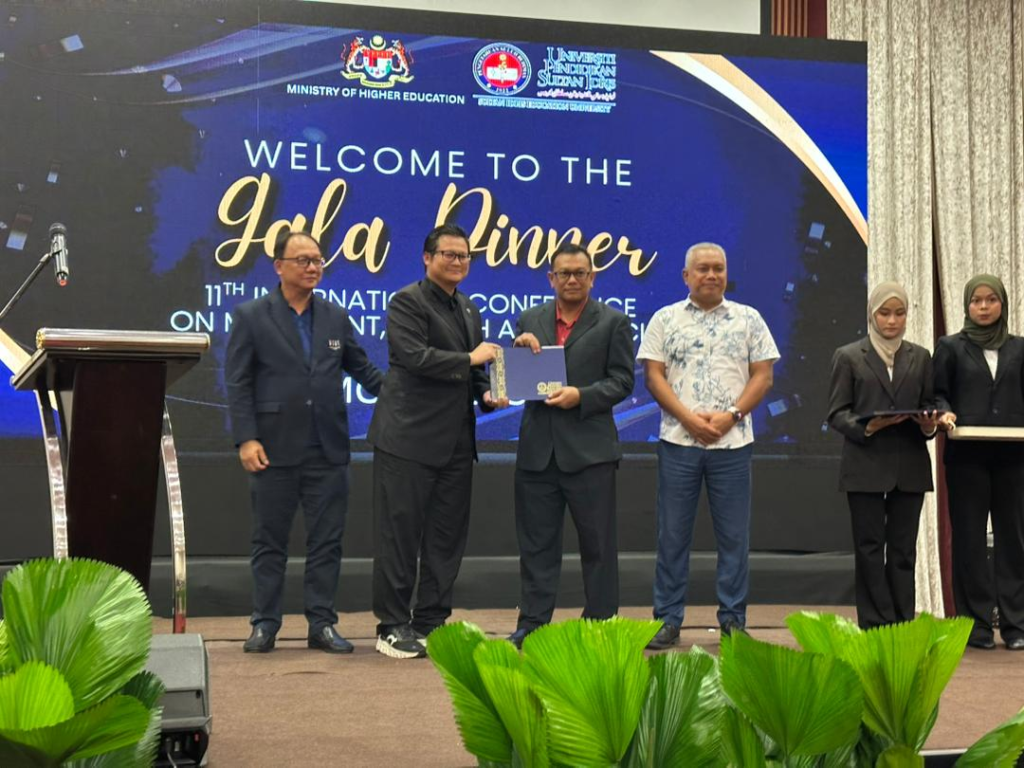
At the forefront of this movement is AIRBORNE UiTM, a research and outreach initiative by Universiti Teknologi MARA (UiTM). Through AIRBORNE, Silat is being used not only to train athletes but also to build stronger, healthier, and more connected communities.
Silat for Everyone: From Schools to Kampungs
AIRBORNE UiTM is changing how universities interact with society. Instead of keeping knowledge within lecture halls, AIRBORNE brings it to the people—especially children, families, and educators.
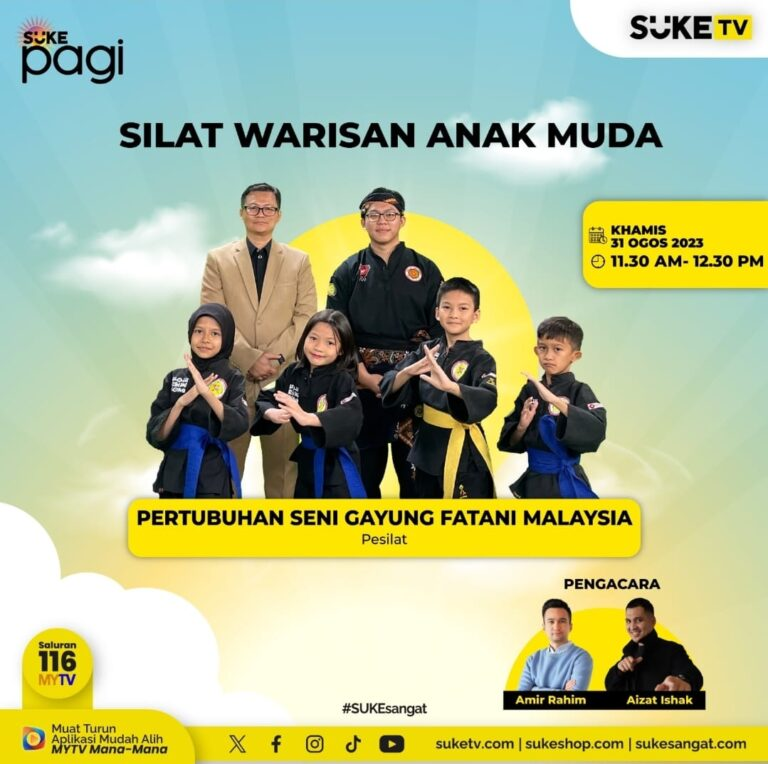
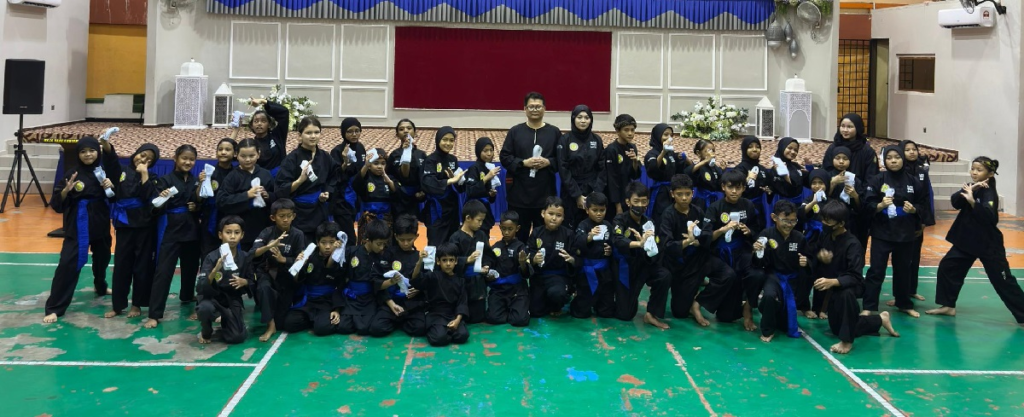
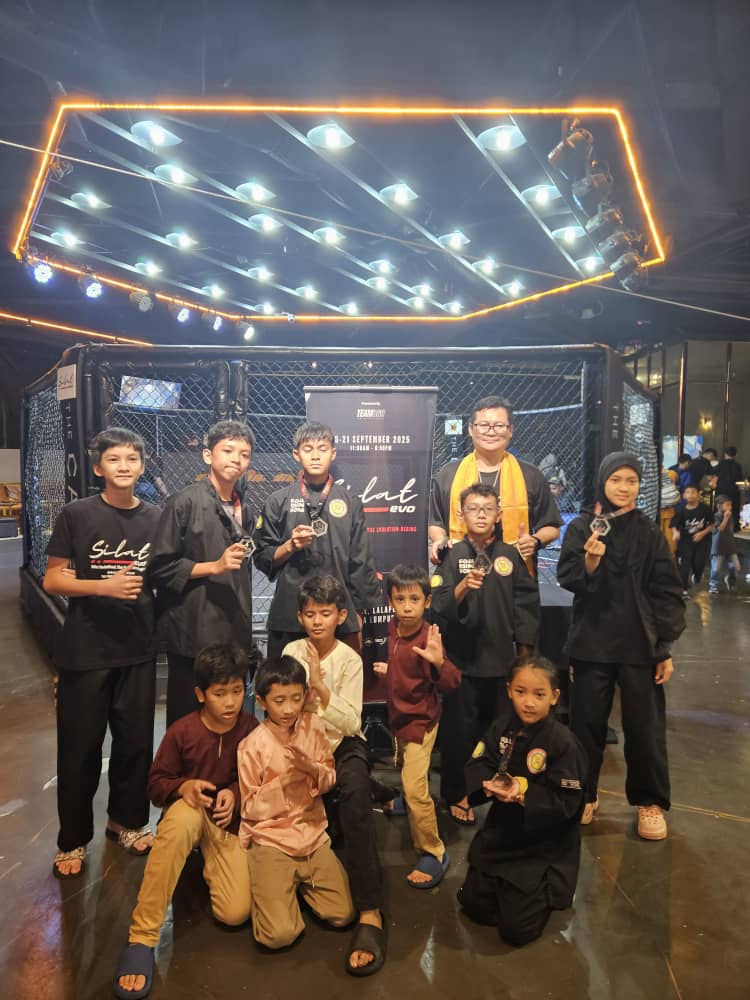
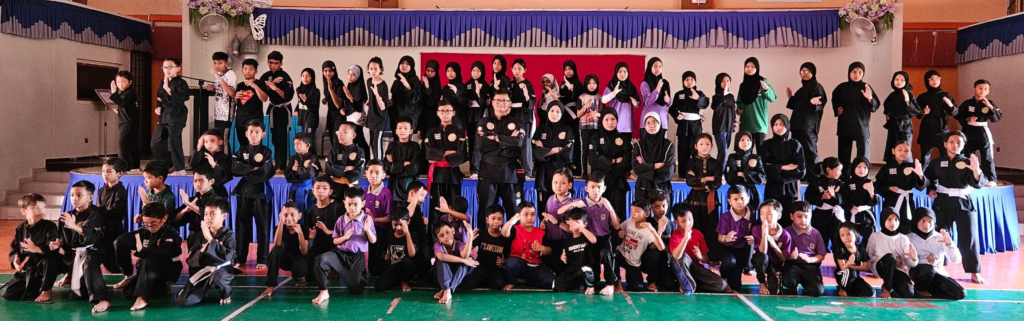
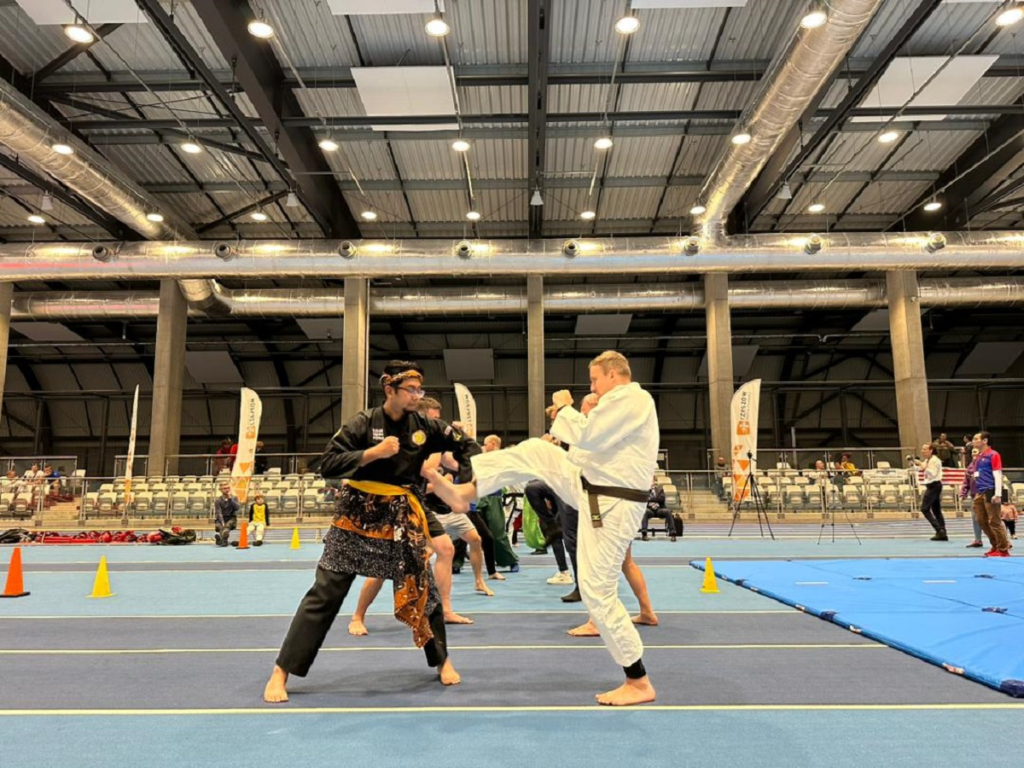
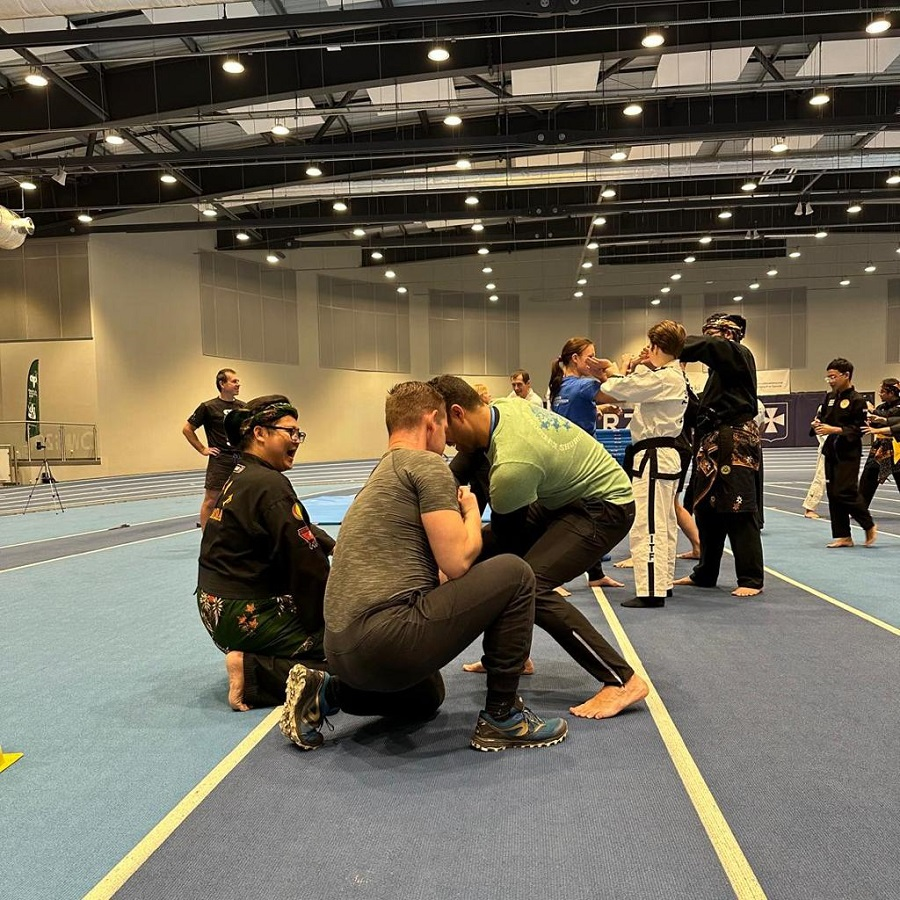
One of its most impactful programs is Silat Tempur, a child-friendly version of Silat designed to be safe, fun, and educational. It’s already being taught in schools across Malaysia, including through partnerships with institutions like Sekolah Kebangsaan Seksyen 9 (SKS9). These programs are part of the TS25 school transformation initiative, which aims to create holistic, student-centered learning environments (Shapie et al., 2019).
Children who participate in Silat Tempur don’t just learn how to block or strike. They learn how to focus, how to respect others, and how to work as a team. These are life skills that go far beyond the training mat.
Fighting Bullying with Culture and Confidence
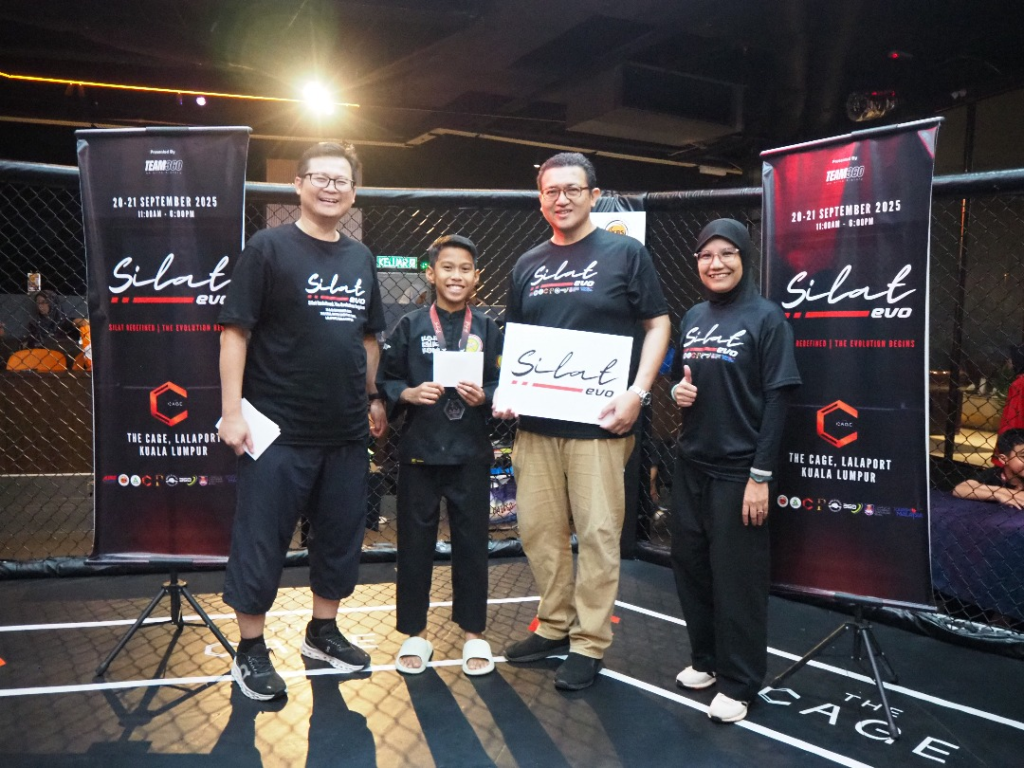
One of AIRBORNE’s most inspiring efforts is its anti-bullying campaigns. By introducing Silat into schools and community centers, AIRBORNE gives children a sense of confidence and self-worth. They learn to stand tall—not to fight, but to protect themselves and others.
Silat teaches that strength is not about aggression. It’s about control, humility, and responsibility. These values are woven into every lesson, helping children become not just better athletes, but better people (Abdul Razak et al., 2022).
Silat as a Cultural Celebration
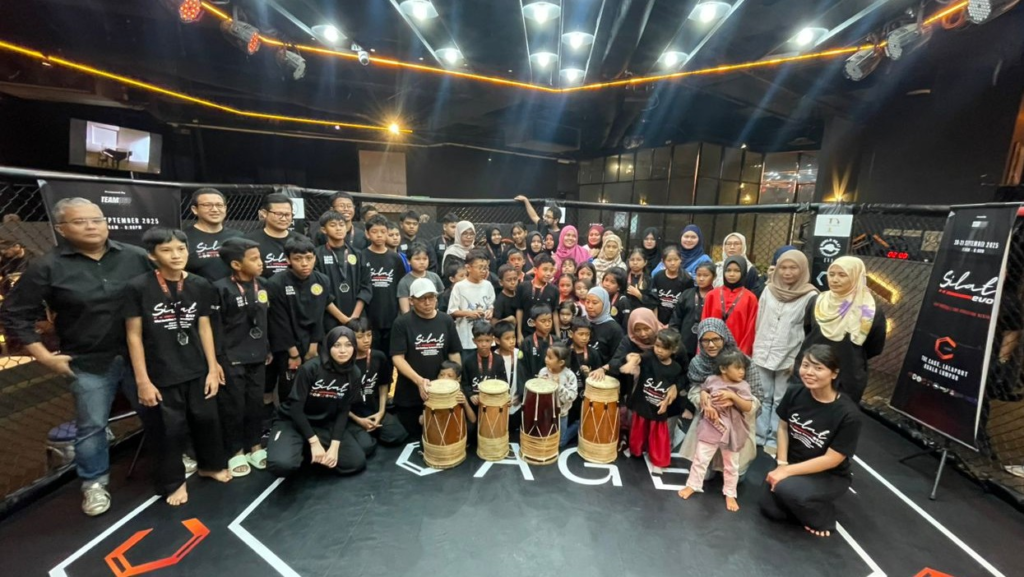
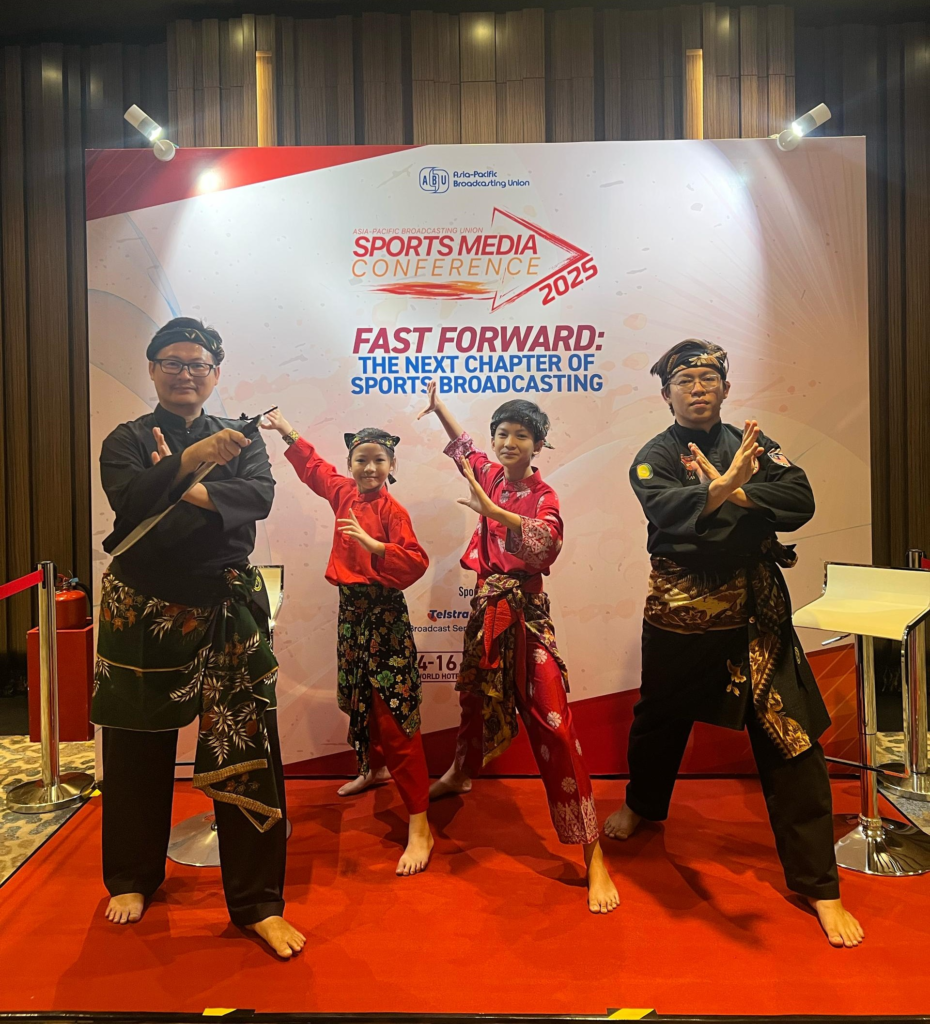
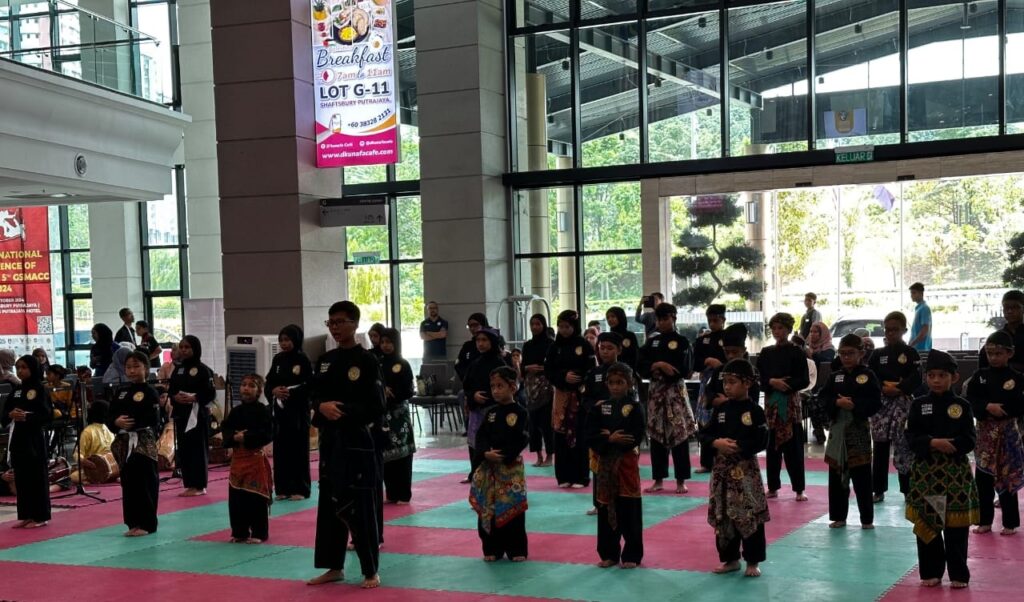
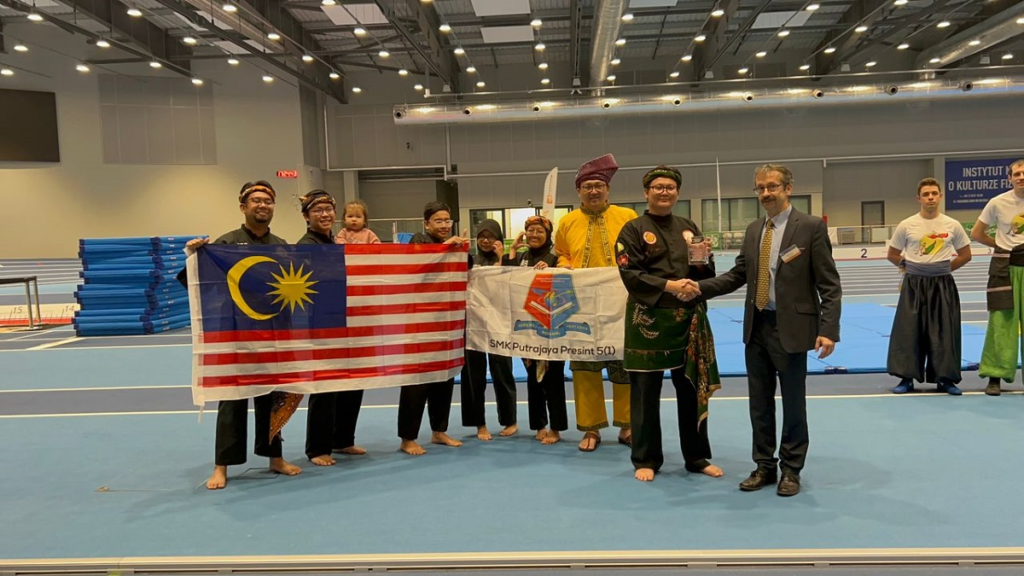
AIRBORNE also organizes cultural festivals and community showcases, where students perform Silat in front of their families and neighbors. These events are more than performances—they’re celebrations of identity.
In a time when many young people are disconnected from their roots, Silat becomes a bridge to their heritage. It reminds them of who they are and where they come from. It also brings communities together, creating a shared sense of pride and belonging.
Inclusive, Safe, and Supported by Science
AIRBORNE ensures that Silat is inclusive. It works with NGOs, local councils, and cultural centers to reach people from all walks of life. Whether it’s a child in a rural village or a teenager in the city, everyone deserves the chance to learn and grow through Silat.
And because AIRBORNE is backed by UiTM’s research, every program is designed with safety and effectiveness in mind. Studies on injury prevention, physical fitness, and youth development guide how Silat is taught and practiced (Shapie et al., 2023).
AIRBORNE also uses digital tools to expand access. Platforms like Silat for Beginners allow students to learn online, track their progress, and receive feedback from certified instructors. This means that even those who can’t attend in-person classes can still be part of the Silat community (Parnabas et al., 2023).
Silat as a Tool for Nation-Building
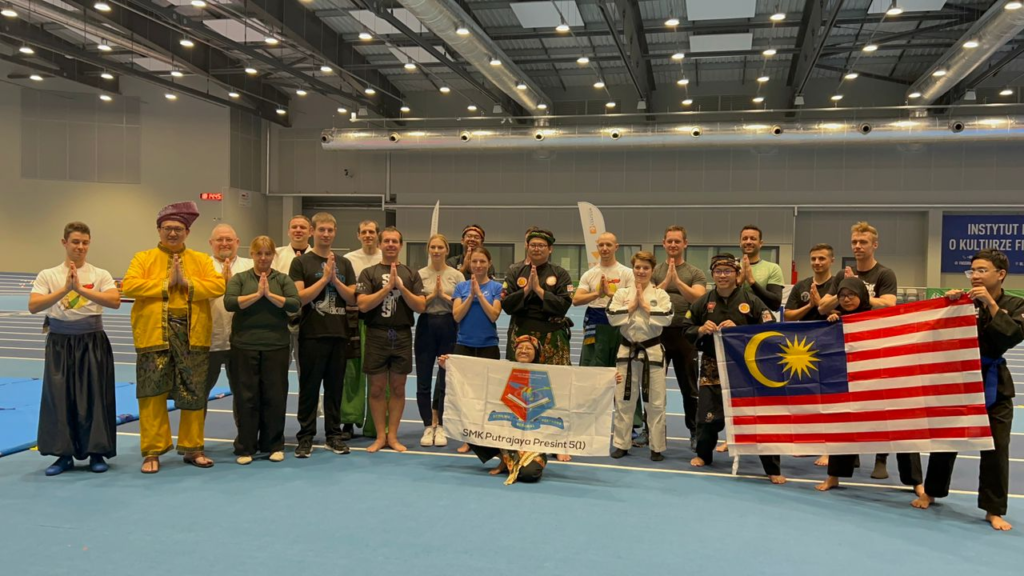
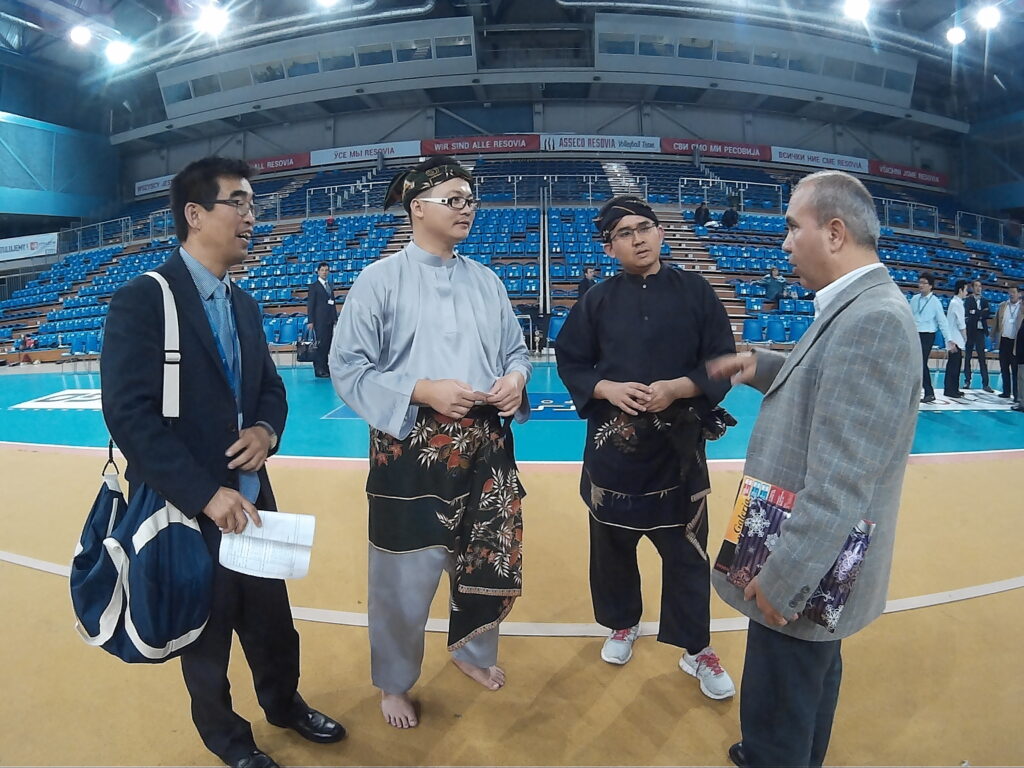
Silat is more than a sport—it’s a symbol of Malaysia’s identity. By promoting Silat through community engagement, AIRBORNE UiTM is helping to strengthen national unity and pride.
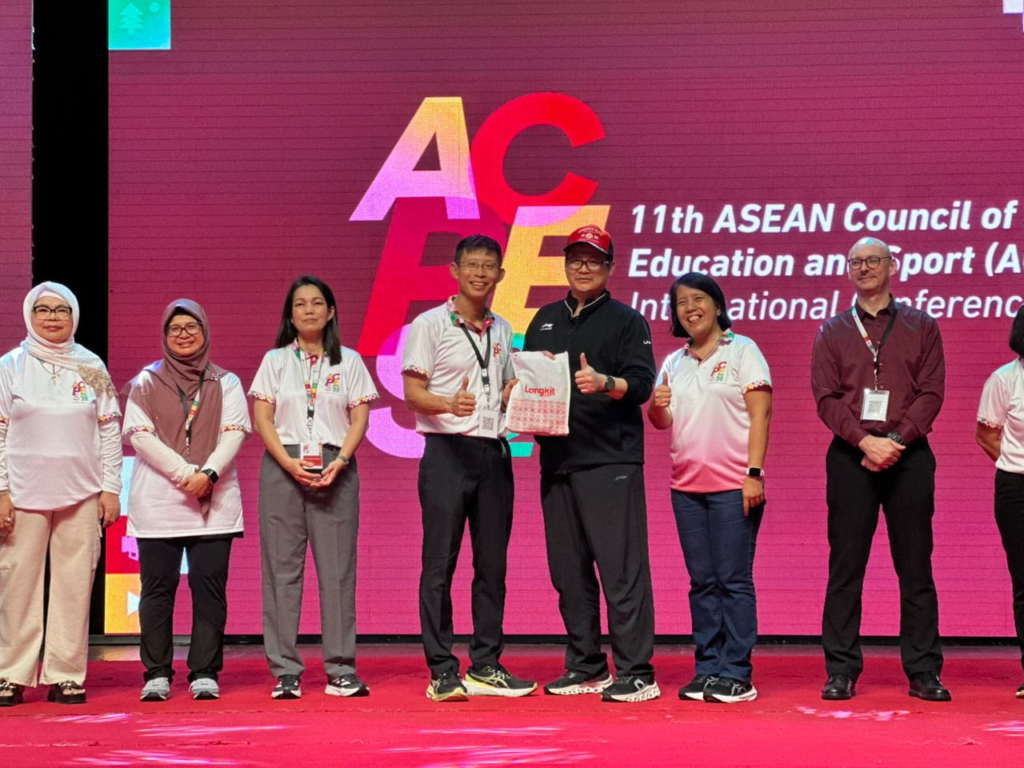
These efforts align with Malaysia’s broader goals of preserving cultural heritage and promoting healthy lifestyles. Silat becomes a tool for nation-building, empowering youth, connecting generations, and showcasing Malaysia’s rich traditions to the world (Shapie et al., 2024).
Conclusion: A Martial Art with a Mission
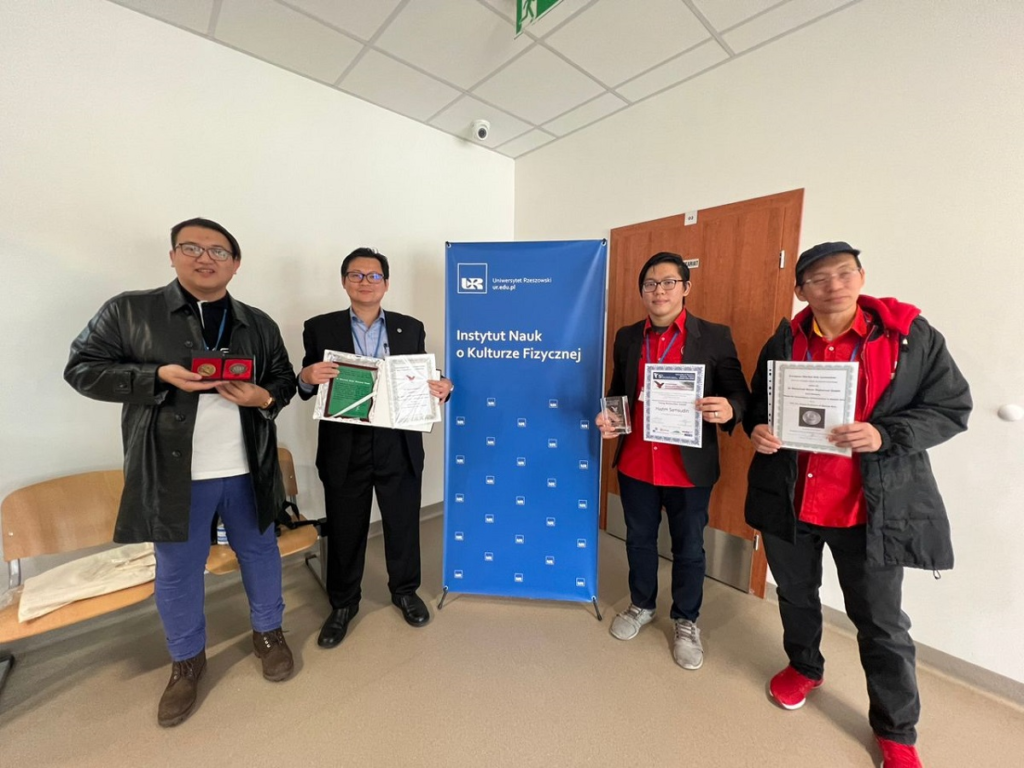
AIRBORNE UiTM is showing us that Silat can do more than win medals. It can change lives.
By bringing Silat into schools, communities, and digital spaces, AIRBORNE is creating a movement that’s inclusive, empowering, and deeply rooted in culture. It’s a reminder that martial arts are not just about fighting—they’re about growing, connecting, and building a better society.
Whether it’s a child learning their first Bunga Silat step or a community coming together for a cultural showcase, the impact is real. And thanks to AIRBORNE UiTM, Silat is not only surviving—it’s thriving.
References (APA Style)
Abdul Razak, S. N., Muhamad, T. A., Meng, L. K., et al. (2022). A narrative exploration of issues in Silat development from children to youth athletes. Ido Movement for Culture. https://doi.org/10.14589/ido.22.2S.3
Parnabas, V. A., Abdullah, N. M., Shapie, M. N. M., Rahim, M. R., Parnabas, J., & Parnabas, A. M. (2023). E-learning motivation among student-athletes of Universiti Teknologi MARA (UiTM), Malaysia. Malaysian Journal of Sport Science and Recreation, 17(1), 20–34.
Shapie, M. N. M., Wahidah, T., Kusrin, J., Elias, M. S., & Abdullah, N. M. (2019). Silat Tempur: An overview of the children’s combat sports. Ido Movement for Culture. Journal of Martial Arts Anthropology, 19(1s), 55–61.
Shapie, M. N. M., Samsudin, H., Abdullah, N. M., Rahim, M. R. A., Ihsan, N., Nawai, N. S. N., & Padli. (2024). Tradition to academia: The transformation of Silat education (2014–2024). In N. Ruslan, A. Zid, R. Radeeuddin, & M. N. Fariduddin (Eds.), The 10th ASEAN Council of Physical Education and Sport (ACPES) International Conference 2024 (pp. 478–482). UiTM Malaysia.