by
Assoc. Prof. Dr. Mohamad Nizam Mohamed Shapie
Leader, Combat Sports & Martial Arts Research Network (AIRBORNE)
Faculty of Sports Science & Recreation,
Universiti Teknologi MARA (UiTM)
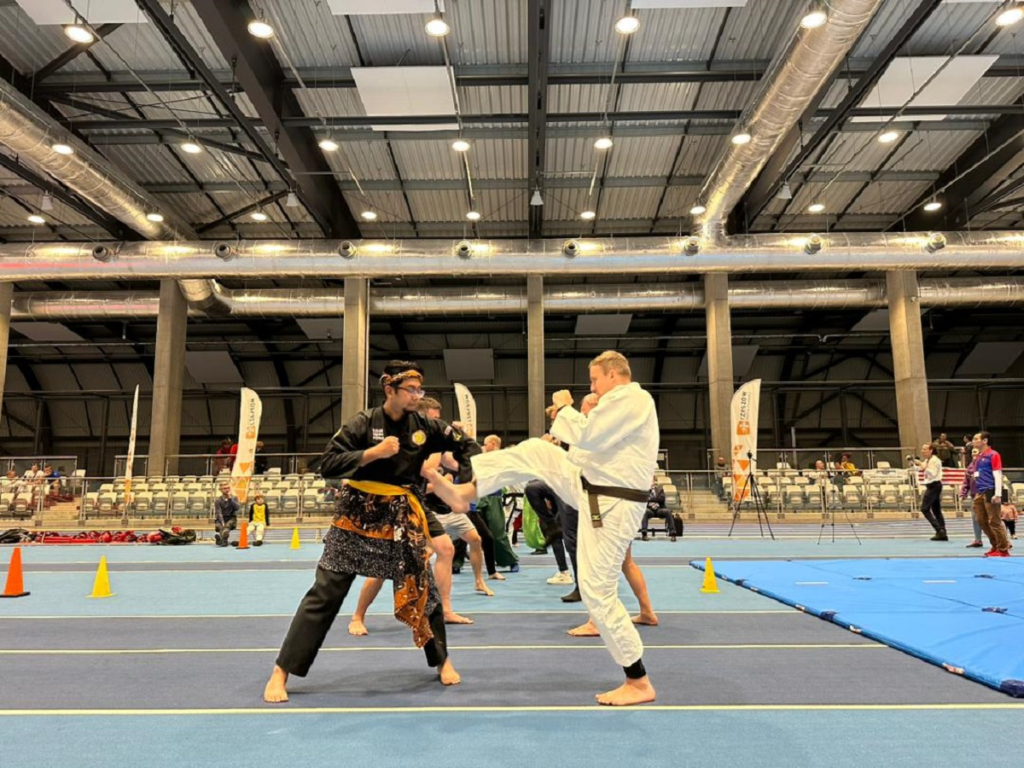
Silat is more than just a display of strength, speed, and technique. Behind every powerful strike and agile movement lies a complex system of biochemical processes that fuel the body, regulate its internal environment, and support recovery. At AIRBORNE UiTM, these processes are not just studied—they are integrated into the way Silat is taught and practiced.
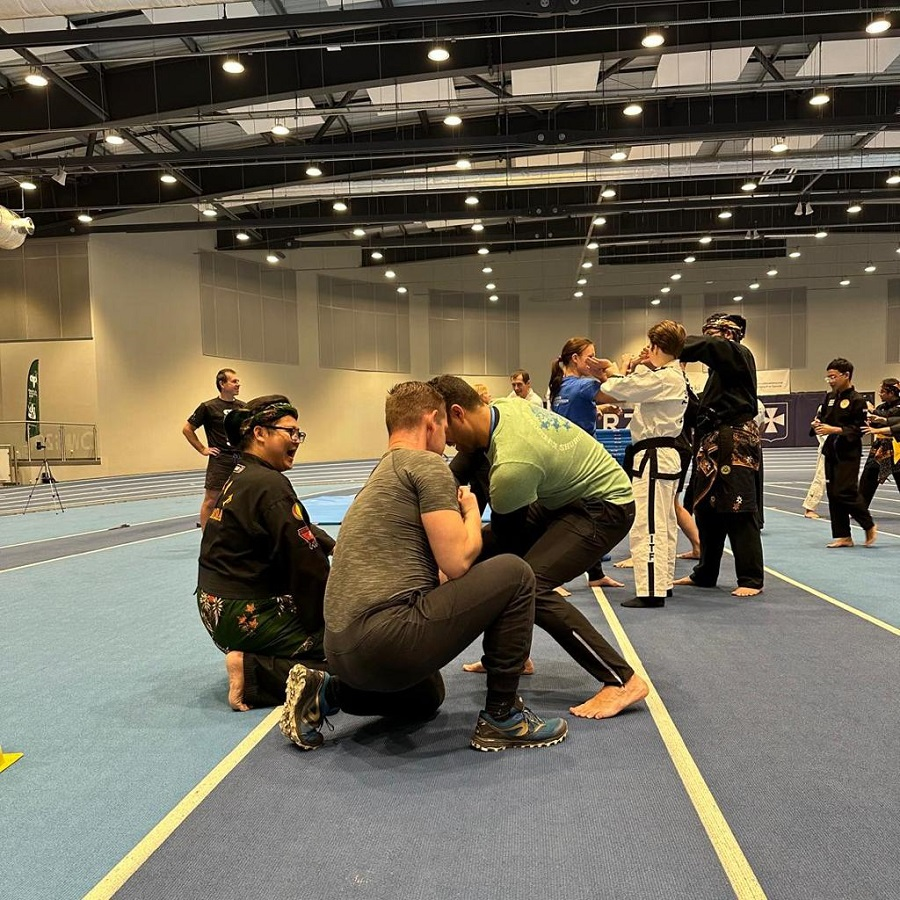
By combining traditional martial arts with modern sports science, AIRBORNE UiTM is helping Silat athletes train smarter, perform better, and recover faster. At the heart of this approach are three key elements: water, pH balance, and buffering systems.
The Science Behind Every Movement
Every time a Silat athlete performs a movement—whether it’s a fast tendangan (kick) or a defensive tangkapan (catch)—their muscles rely on ATP (adenosine triphosphate) to generate energy. ATP is produced through metabolic processes that also generate heat and hydrogen ions (H⁺) as byproducts.
If these hydrogen ions accumulate too quickly, they can lower the pH in the muscles, leading to acidosis, which causes fatigue and reduces performance. This is where buffering systems come into play (Shapie, 2020). They help neutralize excess acids and maintain a stable internal environment, allowing athletes to continue performing at a high level (Shapie et al., 2023).
Water: The Unsung Hero of Performance
Water is essential for life—and for Silat athletes, it’s a cornerstone of conditioning. It helps regulate body temperature through sweat evaporation, transports nutrients to working muscles, and removes waste products like lactic acid.
AIRBORNE UiTM emphasizes the importance of hydration before, during, and after training. Dehydration can impair performance, slow down recovery, and increase the risk of injury. By staying hydrated, athletes support their body’s ability to produce energy efficiently and maintain pH balance (Parnabas et al., 2023).
Maintaining pH Balance for Peak Performance
The body’s pH level—especially in the blood and muscles—needs to stay within a narrow range for optimal function. During intense Silat training, the body becomes more acidic due to the buildup of hydrogen ions. This can interfere with muscle contractions and enzyme activity.
To combat this, the body uses buffering systems, such as the carbonic acid–bicarbonate buffer, to stabilize pH. AIRBORNE UiTM teaches athletes how to support these systems through nutrition, hydration, and rest. Foods rich in bicarbonate, potassium, and magnesium can help buffer acidity, while proper breathing techniques aid in expelling carbon dioxide, a byproduct of buffering reactions (Shapie et al., 2019).
Recovery: The Final Piece of the Puzzle
Training hard is important—but so is recovery. Without adequate rest, the body can’t repair muscle tissue, restore energy levels, or rebalance its internal chemistry. AIRBORNE’s curriculum includes guidance on cool-down routines, post-training meals, and sleep hygiene to ensure athletes recover fully between sessions.
This holistic approach helps prevent overtraining and supports long-term athletic development, especially for youth athletes who are still growing and more vulnerable to fatigue and injury (Abdul Rahim et al., 2020).
Conclusion: Training with Science and Purpose
Silat conditioning is no longer just about repetition and endurance. Thanks to AIRBORNE UiTM, it’s now grounded in biochemical science. By understanding how the body works at a molecular level, athletes can make informed decisions about their training, nutrition, and recovery.
This scientific foundation doesn’t replace tradition—it enhances it. It ensures that Silat remains a powerful, effective, and sustainable martial art for generations to come.
References
Abdul Rahim, M. R., Shapie, M. N. M., Abdullah, N. M., & Parnabas, V. (2020). Effects of Silat practice on psychological profiles among young tennis players. In M. N. M. Shapie, A. Md. Nadzalan, S. J. Md. Japilus, & M. S. Ramli (Eds.), IMACSSS: International Martial Arts and Combat Sports Scientific Society (p. 59). Shah Alam, Selangor: Pertubuhan Seni Gayung Fatani Malaysia.
Parnabas, V. A., Abdullah, N. M., Shapie, M. N. M., Rahim, M. R., Parnabas, J., & Parnabas, A. M. (2023). E-learning motivation among student-athletes of Universiti Teknologi MARA (UiTM), Malaysia. Malaysian Journal of Sport Science and Recreation, 17(1), 20–34.
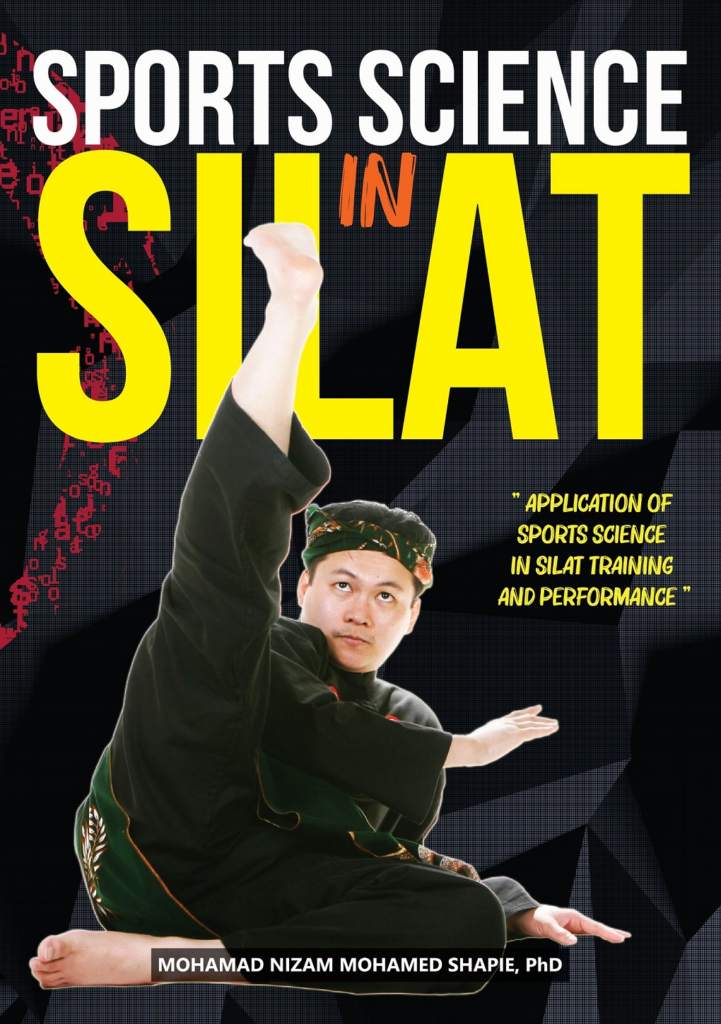
Shapie, M.N.M. (2020). Sports Science in SILAT: Application of Sports Science in Silat Training and Performance. Pertubuhan Seni Gayung Fatani Malaysia. Shah Alam, Selangor, Malaysia.
Shapie, M. N. M., Wahidah, T., Kusrin, J., Elias, M. S., & Abdullah, N. M. (2019). Silat Tempur: An overview of the children’s combat sports. Ido Movement for Culture. Journal of Martial Arts Anthropology, 19(1s), 55–61.
Shapie, M. N. M., Samsudin, H., Mohd Nazri, S., Indrayuda, I., et al. (2023). Seni Silat Malaysia curriculum: The arts of Silat combat in Tempur Seni. Research Journal of Budo, 56(Supplement), S76–S77. https://doi.org/10.11214/budo.56.S_76