by
Assoc. Prof. Dr. Mohamad Nizam Mohamed Shapie
Leader, Combat Sports & Martial Arts Research Network (AIRBORNE)
Faculty of Sports Science & Recreation,
Universiti Teknologi MARA (UiTM)
Silat is often admired for its elegant strikes, fluid footwork, and seamless transitions. But behind this physical artistry lies a complex web of biochemical coordination—a symphony of signals between the brain, spinal cord, and muscles that allows practitioners to move with precision and speed.
Thanks to the research conducted by AIRBORNE UiTM, Silat training is now being enhanced by scientific insights into how the body’s nervous system and biochemical processes work together to produce coordinated movement. This article explores the science behind Silat coordination, focusing on the role of neurotransmitters, motor units, myelin sheaths, and saltatory conduction.
Understanding Coordination Beyond Muscles
When we think of coordination, we often picture athletes moving in sync—dodging, striking, and countering with finesse. But this harmony starts long before the muscles engage. It begins in the central nervous system (CNS), where the brain and spinal cord process sensory input and send motor commands.
These commands travel through peripheral nerves, reaching muscles via motor neurons. The speed and accuracy of this transmission depend on several biochemical factors, including the health of neuromuscular junctions, the presence of myelin sheaths, and the efficiency of neurotransmitter release.
Motor Units: The Building Blocks of Movement
A motor unit consists of a single motor neuron and all the muscle fibers it innervates. When the neuron fires, all its connected fibers contract simultaneously. The size and number of motor units recruited determine the strength and precision of a movement.
In Silat, small motor units are used for delicate, controlled movements—like adjusting foot placement or maintaining balance. Larger motor units are recruited for powerful strikes and explosive kicks.
AIRBORNE UiTM’s training programs emphasize motor unit recruitment strategies, helping athletes develop both fine motor control and explosive power (Shapie et al., 2020). This dual focus ensures that Silat practitioners can adapt their movements to any combat scenario.
Neurotransmitters: Chemical Messengers of Motion
Neurotransmitters are chemicals that transmit signals between neurons and muscle cells. At the neuromuscular junction, the neurotransmitter acetylcholine (ACh) plays a central role. When released by a motor neuron, ACh binds to receptors on the muscle cell membrane, initiating an action potential that leads to contraction.
Efficient neurotransmitter release and receptor sensitivity are crucial for quick reactions and fluid coordination. AIRBORNE UiTM’s research highlights how biochemical balance—including proper nutrition and hydration—can influence neurotransmitter function and, by extension, athletic performance (Shapie, 2020).
Myelin Sheaths and Saltatory Conduction: Speeding Up the Signal
One of the most fascinating aspects of nerve signal transmission is saltatory conduction. This process occurs in myelinated neurons, where the electrical impulse “jumps” between gaps in the myelin sheath called the nodes of Ranvier. This leapfrogging dramatically increases the speed of signal transmission.
In Silat, where split-second decisions can determine victory or defeat, faster signal transmission means quicker reflexes, better timing, and more precise execution. AIRBORNE UiTM incorporates neuromuscular conditioning to enhance saltatory conduction, ensuring that athletes can respond rapidly and accurately during combat (Shapie et al., 2023).
Biochemical Coordination in Real-Time Combat
Let’s break down a typical Silat scenario:
- A practitioner sees an opponent’s shoulder twitch—a sign of an incoming punch.
- Sensory neurons detect the visual cue and send signals to the brain.
- The brain processes the threat and sends a motor command via the spinal cord.
- The signal travels through myelinated motor neurons, jumping across nodes of Ranvier.
- At the neuromuscular junction, ACh is released, triggering muscle contraction.
- The practitioner raises their arm to block—within milliseconds.
This entire sequence is a marvel of biochemical coordination, and it’s what AIRBORNE UiTM aims to optimize through scientific training protocols.
Training for Biochemical Efficiency
To enhance coordination at the molecular level, AIRBORNE UiTM recommends:
- Neuro-muscular drills: Exercises that challenge timing, balance, and reaction speed.
- Plyometric training: Boosts fast-twitch muscle fiber activation and motor unit recruitment (Al-Syurgawi & Shapie, 2019).
- Nutritional support: Adequate intake of nutrients like choline, omega-3 fatty acids, and B vitamins supports neurotransmitter synthesis and myelin health.
- Cognitive training: Activities that improve focus, decision-making, and neural plasticity.
- Recovery protocols: Sleep, hydration, and active recovery maintain biochemical balance and prevent fatigue.
These methods are already embedded in AIRBORNE UiTM’s Silat curriculum, which blends traditional martial arts wisdom with modern sports science.
Youth Development and Biochemical Awareness
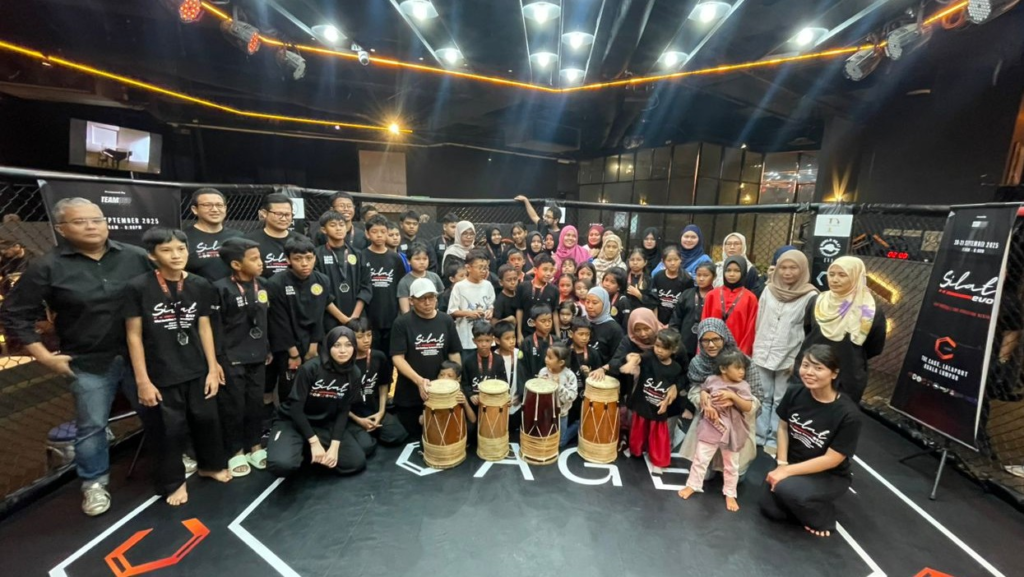
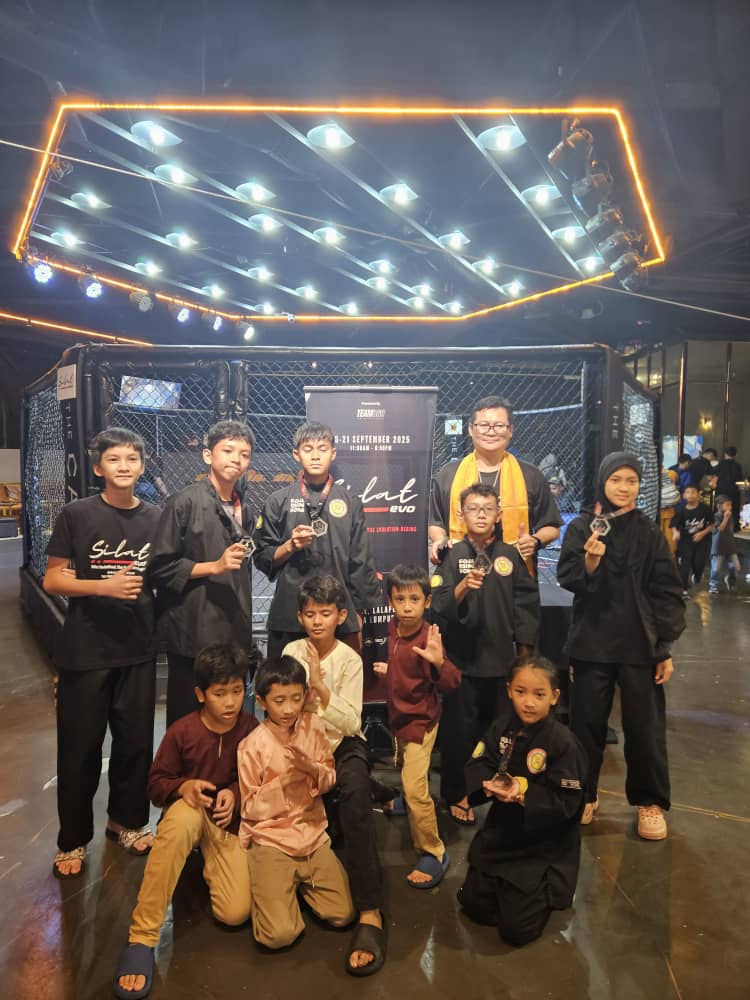
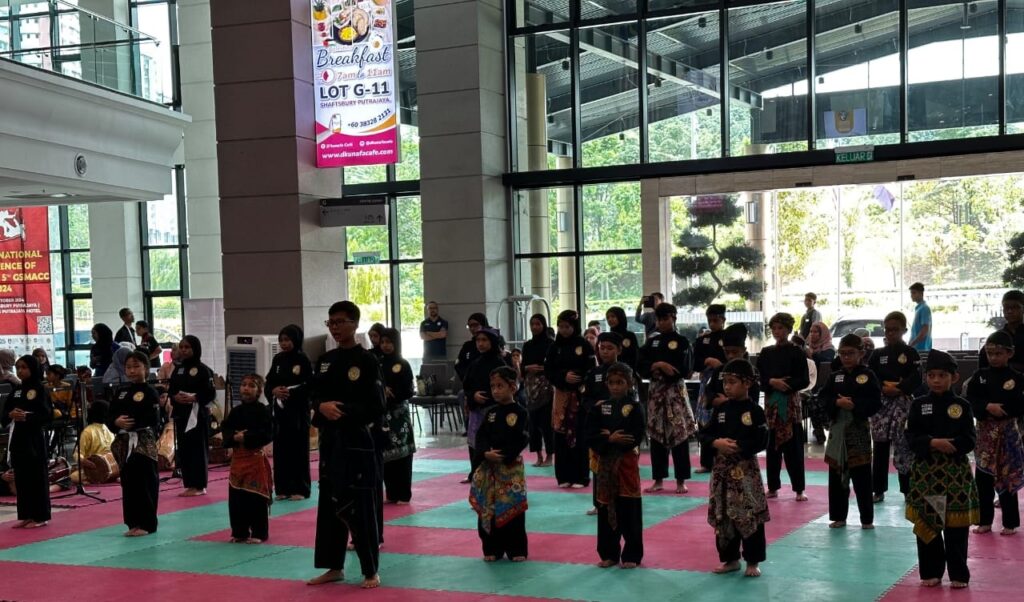
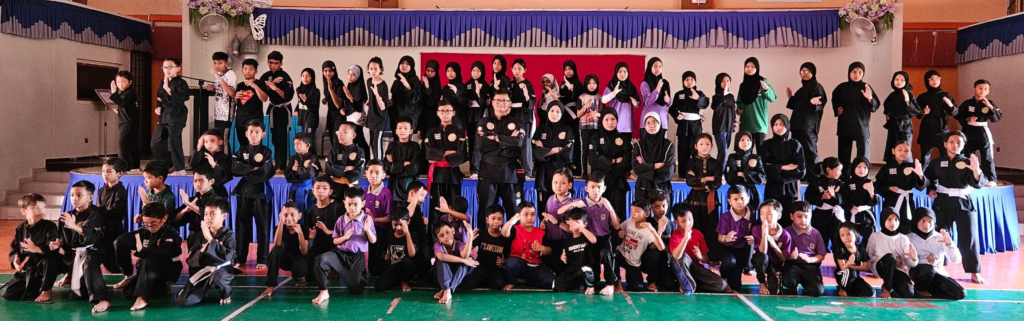
One of the most exciting applications of this research is in youth Silat training. AIRBORNE UiTM’s programs for children and adolescents emphasize safe, science-based development, ensuring that young athletes build strong neuromuscular foundations.
By teaching students about how their bodies work, AIRBORNE fosters a deeper connection between mind and movement. This not only improves performance but also instills discipline, confidence, and body awareness—qualities that extend beyond the mat (Shapie et al., 2019).
Conclusion: The Future of Silat Is Scientific
Silat has always been a martial art of depth—rich in culture, philosophy, and technique. Now, with the integration of biochemical coordination, it is also becoming a model of scientific excellence.
From motor units to saltatory conduction, from neurotransmitters to myelin sheaths, every Silat movement is powered by a complex network of signals and responses. Understanding these processes allows practitioners to train smarter, react faster, and move with purpose.
Thanks to AIRBORNE UiTM’s groundbreaking research, Silat is evolving into a discipline that honors its roots while embracing the future. Coordination is no longer just physical—it’s biochemical, and it’s changing the way Silat is taught, practiced, and understood.
References (APA 7th Style)
- Al-Syurgawi, D., & Shapie, M. N. M. (2019). The effects of a 6-week plyometric training on muscular-strength performance in Silat athletes. Revista de Artes Marciales Asiáticas, 14(2 Suppl), 28–30.
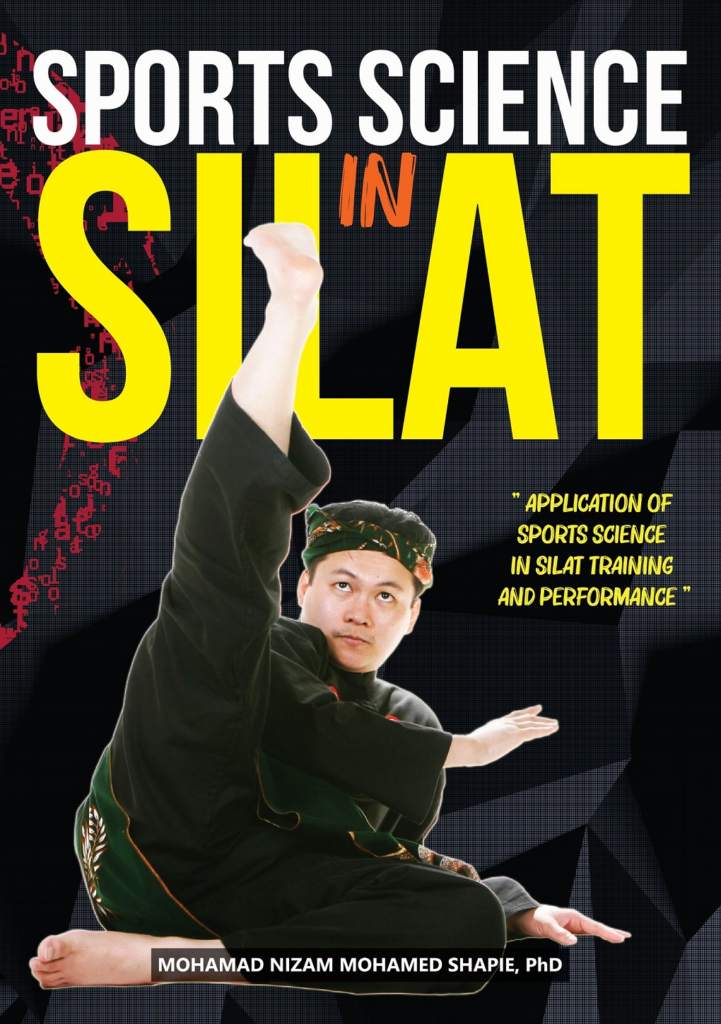
- Shapie, M. N. M. (2020). Sports Science in SILAT: Application of Sports Science in Silat Training and Performance. Pertubuhan Seni Gayung Fatani Malaysia.
- Shapie, M. N. M., Wahidah, T., Kusrin, J., Elias, M. S., & Abdullah, N. M. (2019). Silat Tempur: An overview of the children’s combat sports. Ido Movement for Culture. Journal of Martial Arts Anthropology, 19(1s), 55–61.
- Shapie, M.N.M, Samsudin, H., Mohd Nazri, S., Indrayuda, I., Al-Syurgawi, D., Irawan, R., Mardela, R., Abdul Rahim, M.R., Abdullah, N.M., Parnabas, V., Nawai, N.S., Donie (2023). Seni Silat Malaysia Curriculum: The arts of silat combat in Tempur Seni, Research Journal of Budo, 56, Issue Supplement, S76-77. Pages S_76-S_77, Released on J-STAGE February 07, 2024, Online ISSN 2185-8519, Print ISSN 0287-9700, https://doi.org/10.11214/budo.56.S_76, https://www.jstage.jst.go.jp/article/budo/56/Supplement/56_56.S_76/_article/-char/en
- Shapie, M. N. M., Samsudin, H., Abdullah, N. M., Rahim, M. R. A., Ihsan, N., Nawai, N. S. N., & Padli. (2024). Tradition to academia: The transformation of Silat education (2014–2024). In N. Ruslan, A. Zid, R. Radeeuddin, & M. N. Fariduddin (Eds.), The 10th ASEAN Council of Physical Education and Sport (ACPES) International Conference 2024 (pp. 478–482). UiTM Malaysia.