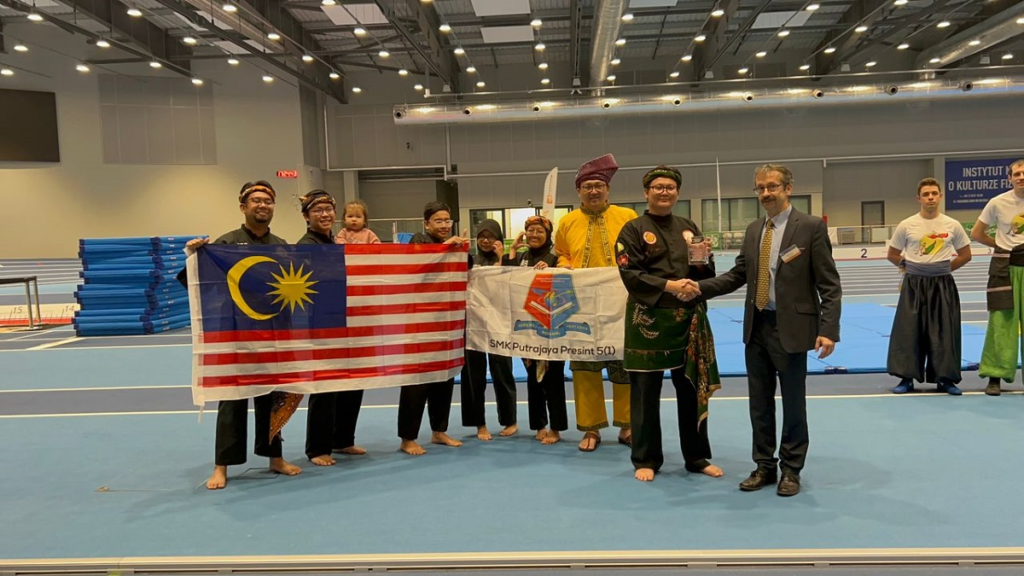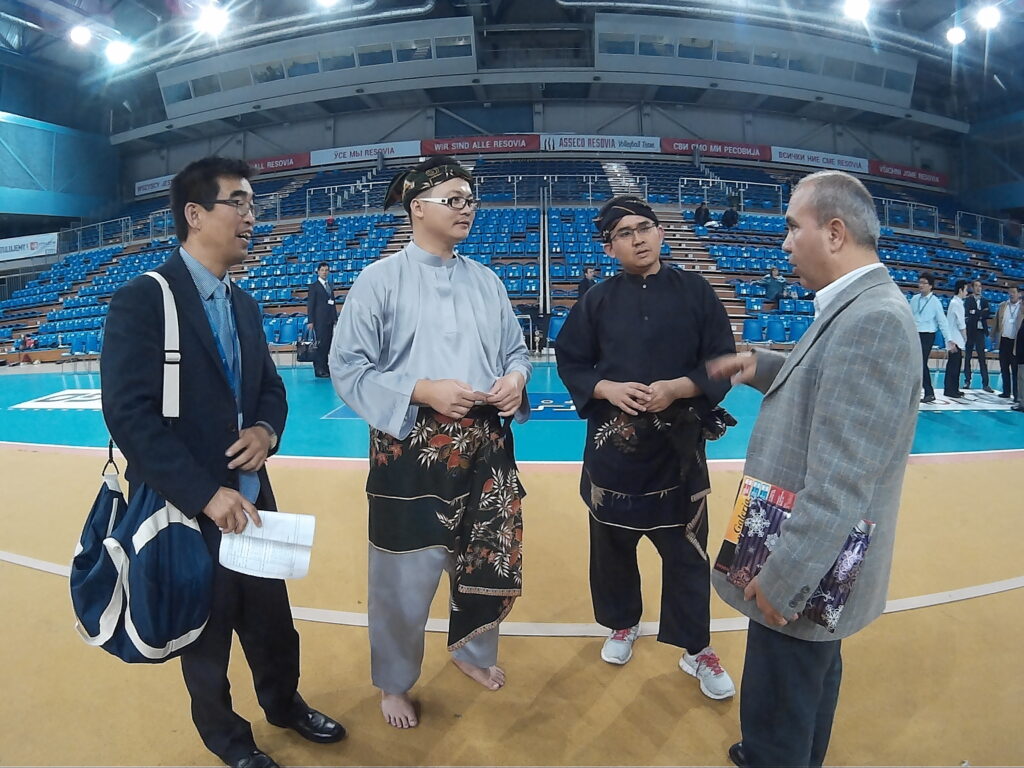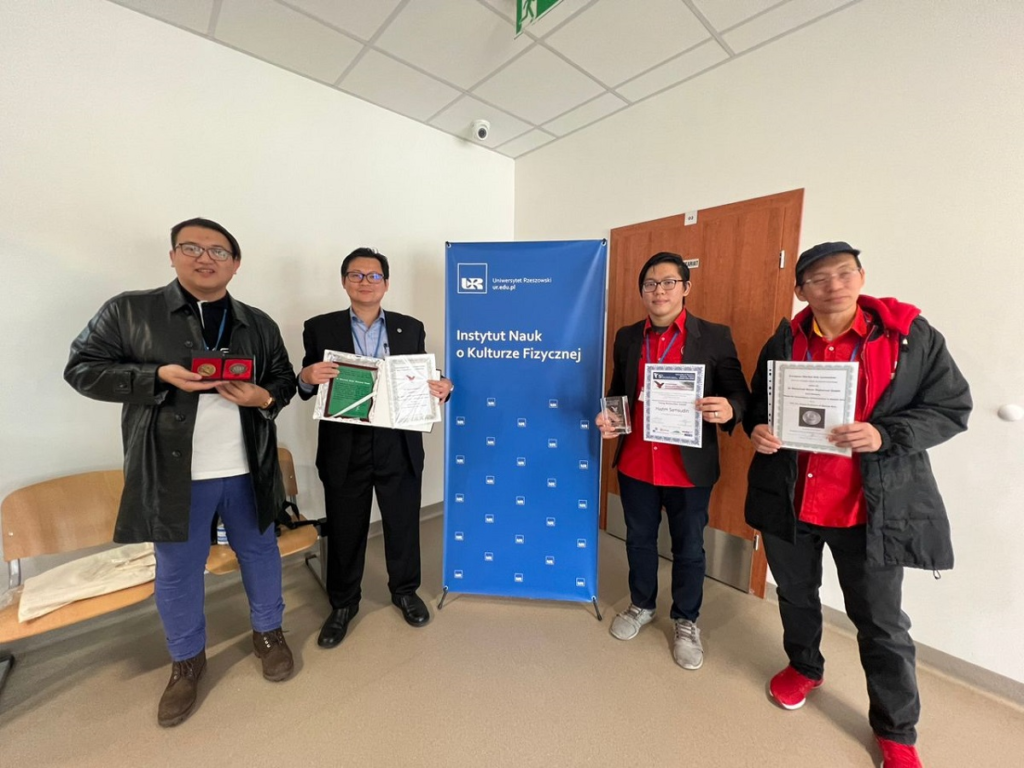
Organising an international conference is never a simple task. But doing so during a global pandemic, with participants scattered across continents and travel restrictions in place, requires extraordinary vision, adaptability, and teamwork. The IMACSSS 2020 International Conference, held in Putrajaya, Malaysia, was a testament to that spirit.
Led by Dr. Mohamad Nizam Mohamed Shapie, the organising committee brought together scholars, martial arts experts, and cultural ambassadors from around the world for the 9th IMACSSS Conference and the 2nd Global Scientific Martial Arts and Cultural Congress (GSMACC). The event was held in a hybrid format, combining physical attendance for Malaysian delegates with virtual participation for international speakers and researchers.
Planning Amid Uncertainty
The planning began months before the October 2020 event. With the pandemic escalating globally, the team had to rethink traditional conference logistics. Venue arrangements, speaker invitations, and technical infrastructure were redesigned to accommodate remote presentations, live streaming, and virtual plenary sessions.
The venue, The Everly Hotel in Putrajaya, was selected for its modern facilities and proximity to Malaysia’s administrative heart. Strict health protocols were implemented, including temperature checks, sanitisation stations, and social distancing measures.
Coordinating Across Time Zones
One of the biggest challenges was coordinating sessions across multiple time zones. Speakers from Europe, Asia, and the Americas had to be scheduled carefully to ensure live participation. The organising team worked tirelessly to ensure smooth transitions between sessions, managing both technical support and moderation duties.
A Dedicated Committee
The success of IMACSSS 2020 was made possible by a dedicated team of academics, martial arts practitioners, and volunteers. The committee included experts from UiTM, PASSMAL, and other institutions, each contributing to logistics, programme design, speaker coordination, and cultural programming.
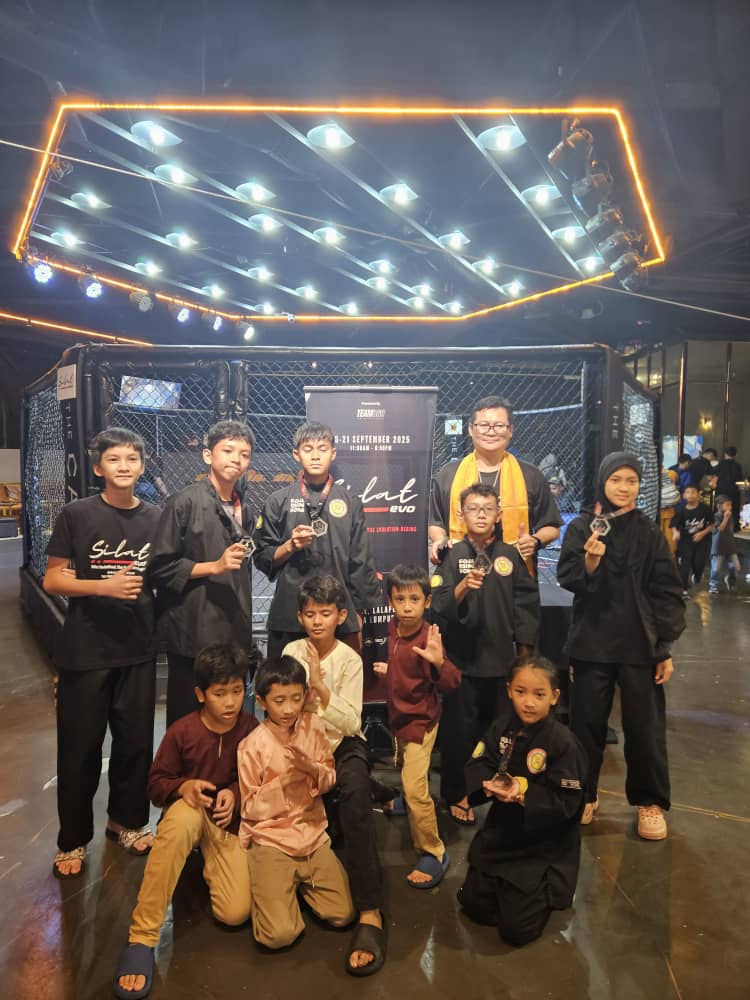
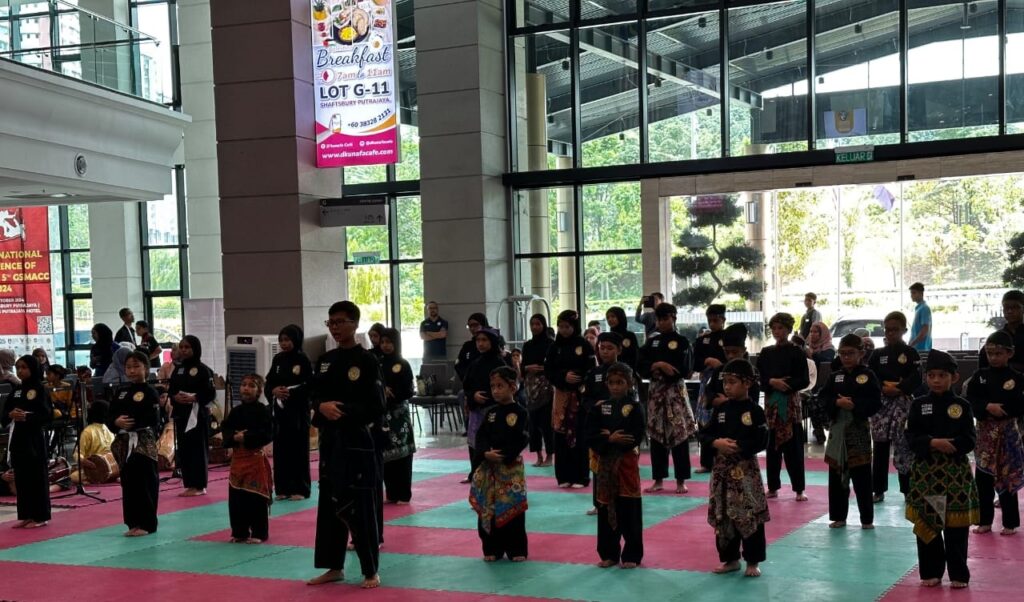
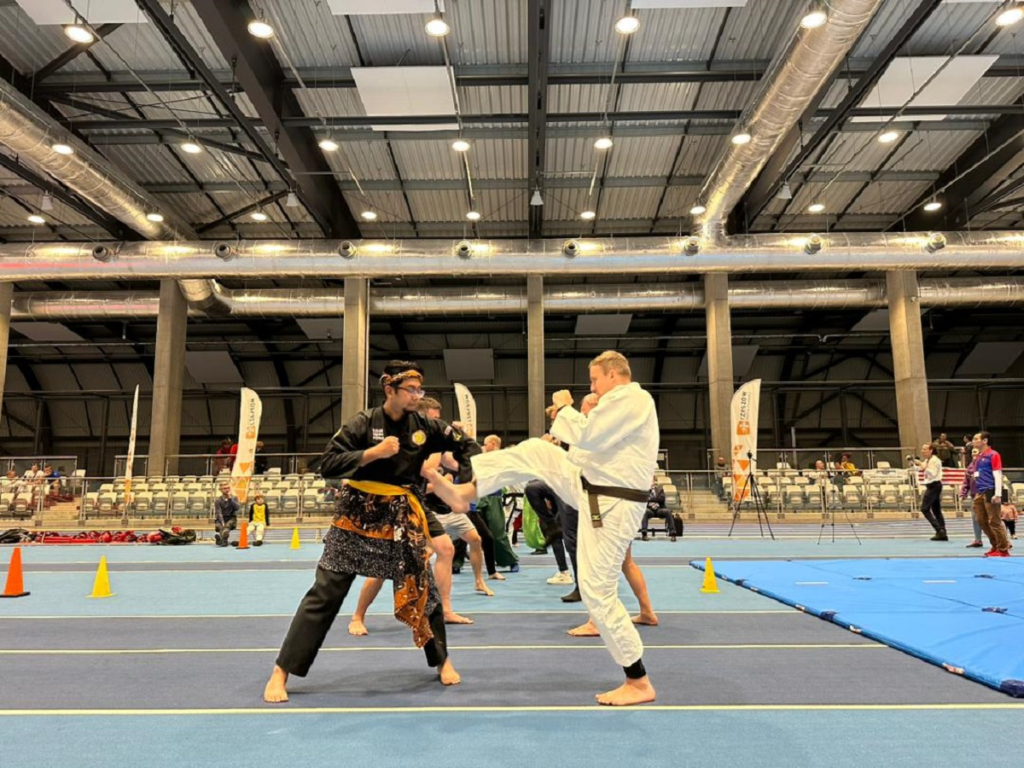
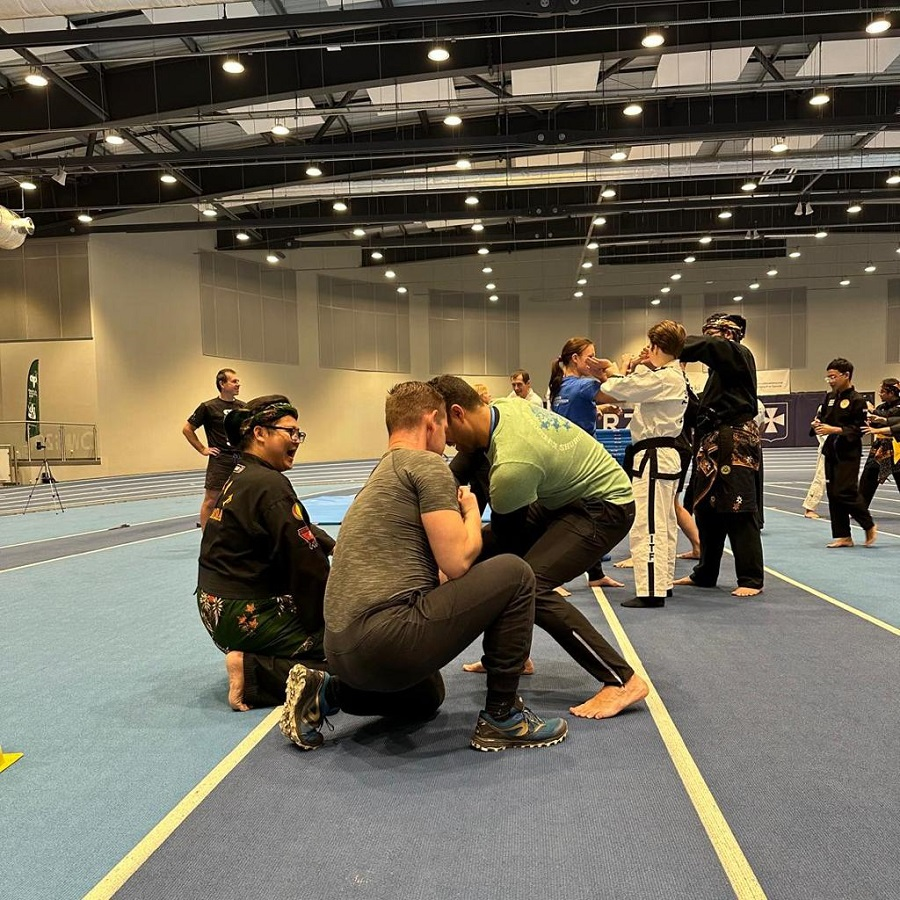
The event also featured Silat Tempur competitions, workshops, and cultural showcases, requiring coordination between academic and sporting segments. This dual structure—scientific and martial arts—was a hallmark of IMACSSS events.
Celebrating Resilience
Despite the reduced number of physical attendees due to travel bans, the conference welcomed over 100 participants, with 50 research papers accepted and published. The hybrid format allowed IMACSSS to continue its mission of promoting martial arts scholarship, even in challenging times.
The organising team received praise from international delegates, including Prof. Wojciech J. Cynarski, who acknowledged the event’s success and the resilience of the Malaysian team.
A Model for Future Events
IMACSSS 2020 set a new standard for hybrid martial arts conferences, proving that with creativity and commitment, global collaboration is possible—even during a pandemic. The event not only showcased Malaysia’s leadership in martial arts research but also highlighted the importance of adaptability in academic event management.
References
Cynarski, W. J., & Swider, P. (2022). A scientific and martial arts event in a new, pandemic situation; casus of one conference anno domini 2020. Ido Movement for Culture. Journal of Martial Arts Anthropology, 22(2), 56–64. https://doi.org/10.14589/ido.22.2.7
Shapie, M. N. M., Nadzalan, A. M., Japilus, S. J. M., & Ramli, M. S. (Eds.). (2020). Global Scientific Martial Arts and Cultural Congress (GSMACC) and 9th IMACSSS International Conference 2020: Abstract Book. Putrajaya, Malaysia.
Pawelec, P., Yu, J. H., & Cynarski, W. J. (2020). The 8th Conference of IMACSSS, Viseu, Portugal as a scientific event. Ido Movement for Culture. Journal of Martial Arts Anthropology, 20(2), 54–62. https://doi.org/10.14589/ido.20.2.7