by
Assoc. Prof. Dr. Mohamad Nizam Mohamed Shapie
Leader, Combat Sports & Martial Arts Research Network (AIRBORNE)
Faculty of Sports Science & Recreation,
Universiti Teknologi MARA (UiTM)
When Silat athletes step into the gelanggang, they bring more than just skill and strength—they bring finely tuned bodies that rely on complex internal systems to perform at their best. One of the most important, yet often overlooked, systems is the body’s buffering system.
At AIRBORNE UiTM, researchers and coaches are helping athletes understand how these systems work and how to train in ways that support them. It’s all part of a bigger mission: to combine tradition with science and help Silat practitioners perform better, recover faster, and stay healthier.
What Are Buffering Systems?
During intense physical activity—like a fast-paced Silat EVO match—your muscles work hard to generate energy. When the body runs low on oxygen, it switches to anaerobic metabolism, which produces lactic acid as a byproduct. This leads to a buildup of hydrogen ions (H⁺) in the muscles, making the environment more acidic.
This drop in pH can cause muscle fatigue, reduce power output, and slow down reaction time. That’s where buffering systems come in. These are the body’s natural defense mechanisms that help neutralize excess acids and maintain a stable internal environment, or homeostasis.
The Carbonic Acid–Bicarbonate Buffer System
One of the most important buffering systems in the human body is the carbonic acid–bicarbonate buffer. Here’s how it works:
- When hydrogen ions accumulate during exercise, they threaten to lower the pH of the blood and muscles.
- Bicarbonate (HCO₃⁻), a natural base in the blood, binds with these hydrogen ions to form carbonic acid (H₂CO₃).
- This carbonic acid is then broken down into carbon dioxide (CO₂) and water.
- The CO₂ is exhaled through the lungs, effectively removing the acid from the body.
This process helps keep the body’s pH in check, allowing muscles to keep working efficiently even under stress (Shapie et al., 2023).
AIRBORNE UiTM’s Role in Athlete Education
At AIRBORNE UiTM, this knowledge isn’t just for scientists—it’s shared directly with Silat coaches and athletes. Through workshops, training modules, and digital platforms, AIRBORNE teaches how to:
- Recognize the signs of acidosis and fatigue
- Improve buffering capacity through conditioning exercises
- Support the body’s natural buffers with proper hydration and nutrition
For example, athletes are taught to consume foods and drinks that support pH balance, such as those rich in bicarbonate, potassium, and magnesium. They also learn how to pace their training to avoid overwhelming their buffering systems.
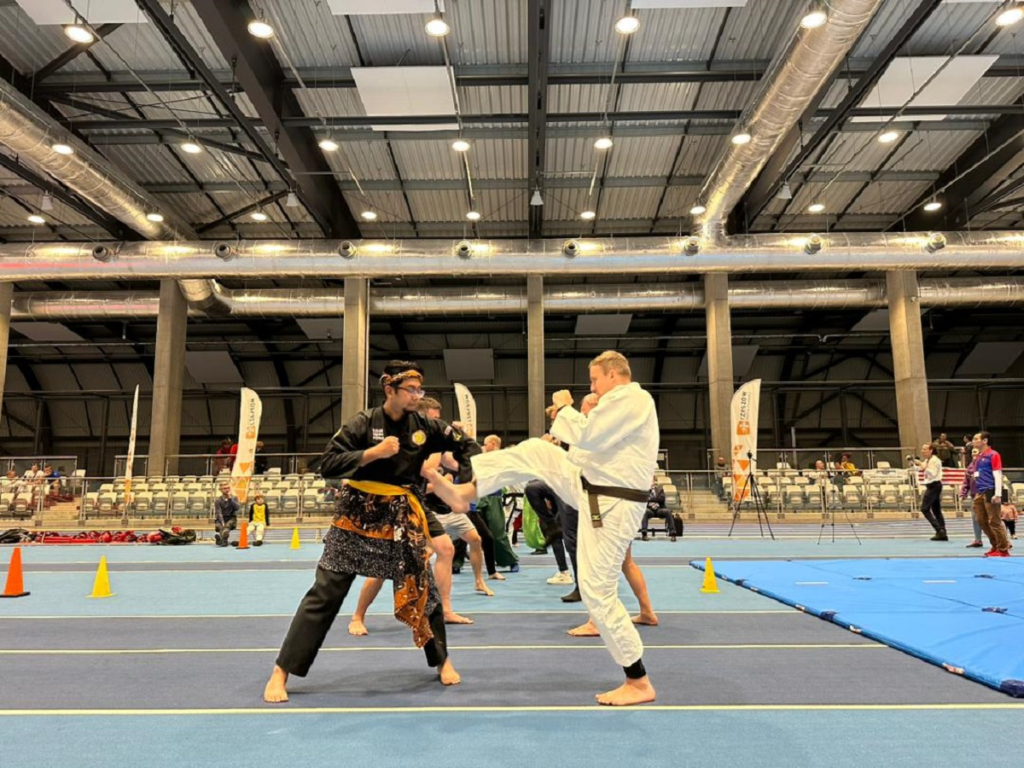
This scientific approach is especially important in Silat EVO, where matches are fast, intense, and physically demanding. Athletes who understand how to manage their internal chemistry can maintain performance longer and recover more quickly between rounds (Parnabas et al., 2023).
Training Smarter, Not Just Harder
AIRBORNE’s philosophy is clear: train smart. That means using science to guide every aspect of preparation—from warm-ups and hydration to recovery and rest.
By understanding buffering systems, Silat athletes can:
- Delay the onset of fatigue
- Improve endurance and stamina
- Reduce the risk of cramps and muscle soreness
- Enhance overall performance in competition
This is particularly valuable for youth athletes, who are still learning how to listen to their bodies. AIRBORNE’s programs ensure that young Silat practitioners are not only physically prepared but also educated about how their bodies work (Shapie et al., 2019).
Conclusion: The Science of Staying Strong
Buffering systems may not be as visible as a well-executed tangkapan or a powerful tendangan, but they are just as important. They are the silent protectors that keep Silat athletes going when the pressure is on.
Thanks to AIRBORNE UiTM, Silat is no longer just about tradition—it’s about science-backed performance. By teaching athletes how to support their buffering systems, AIRBORNE is helping them unlock new levels of strength, endurance, and resilience.
In the world of Silat, knowledge is power. And understanding your body’s chemistry might just be the edge you need to win your next match.
References
Parnabas, V. A., Abdullah, N. M., Shapie, M. N. M., Rahim, M. R., Parnabas, J., & Parnabas, A. M. (2023). E-learning motivation among student-athletes of Universiti Teknologi MARA (UiTM), Malaysia. Malaysian Journal of Sport Science and Recreation, 17(1), 20–34.
Shapie, M. N. M., Wahidah, T., Kusrin, J., Elias, M. S., & Abdullah, N. M. (2019). Silat Tempur: An overview of the children’s combat sports. Ido Movement for Culture. Journal of Martial Arts Anthropology, 19(1s), 55–61.
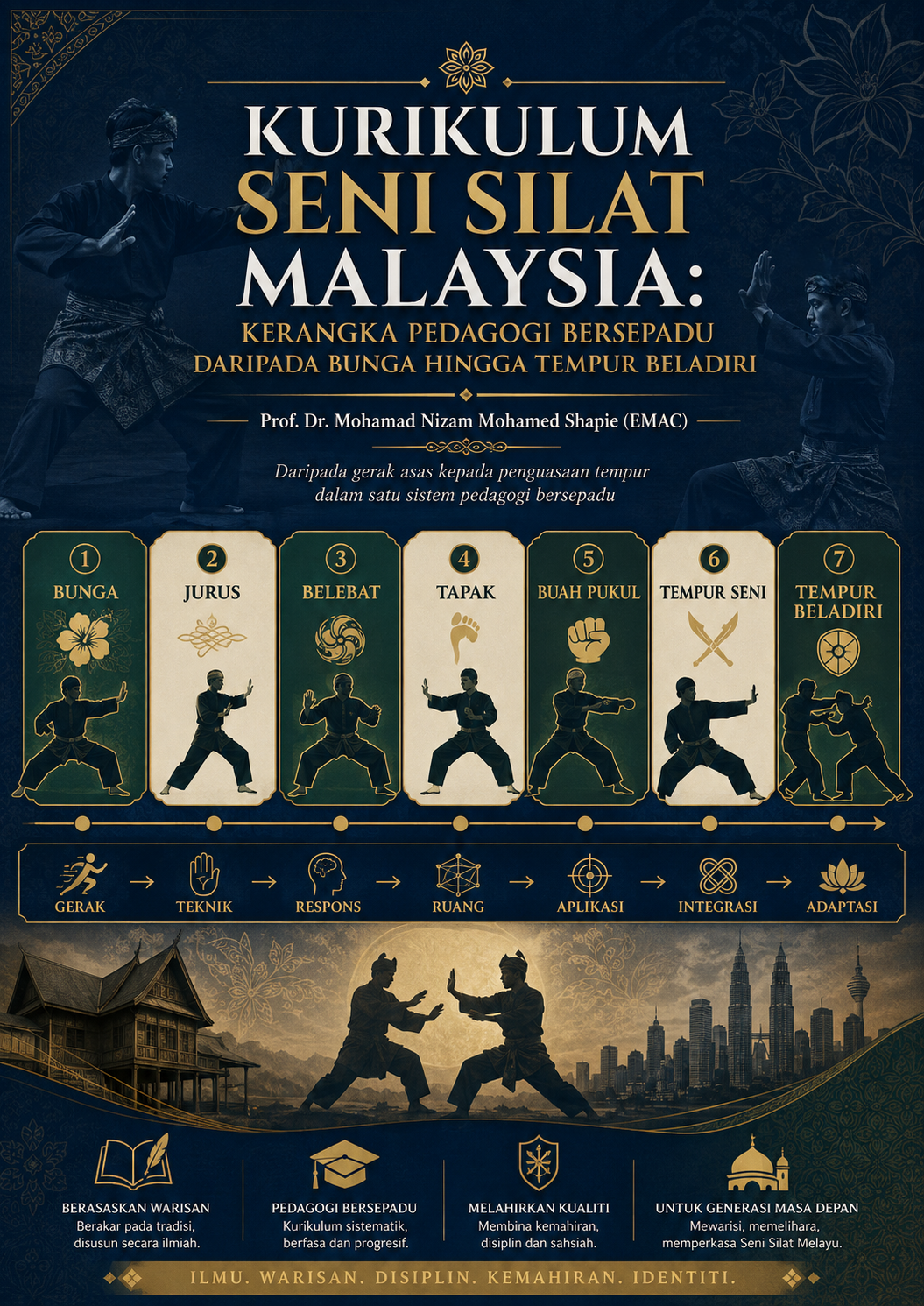
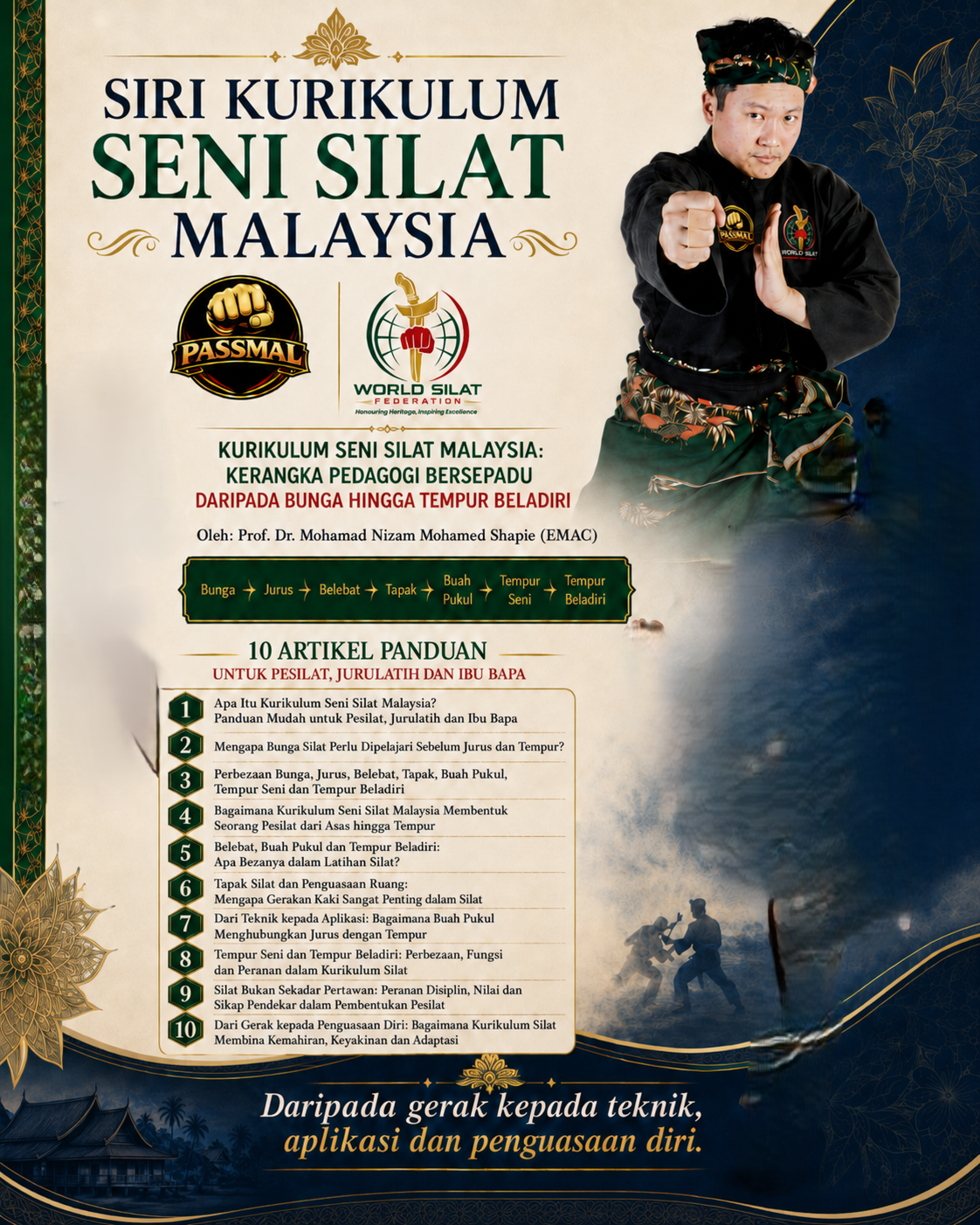
Shapie, M. N. M., Samsudin, H., Mohd Nazri, S., Indrayuda, I., et al. (2023). Seni Silat Malaysia curriculum: The arts of Silat combat in Tempur Seni. Research Journal of Budo, 56(Supplement), S76–S77. https://doi.org/10.11214/budo.56.S_76