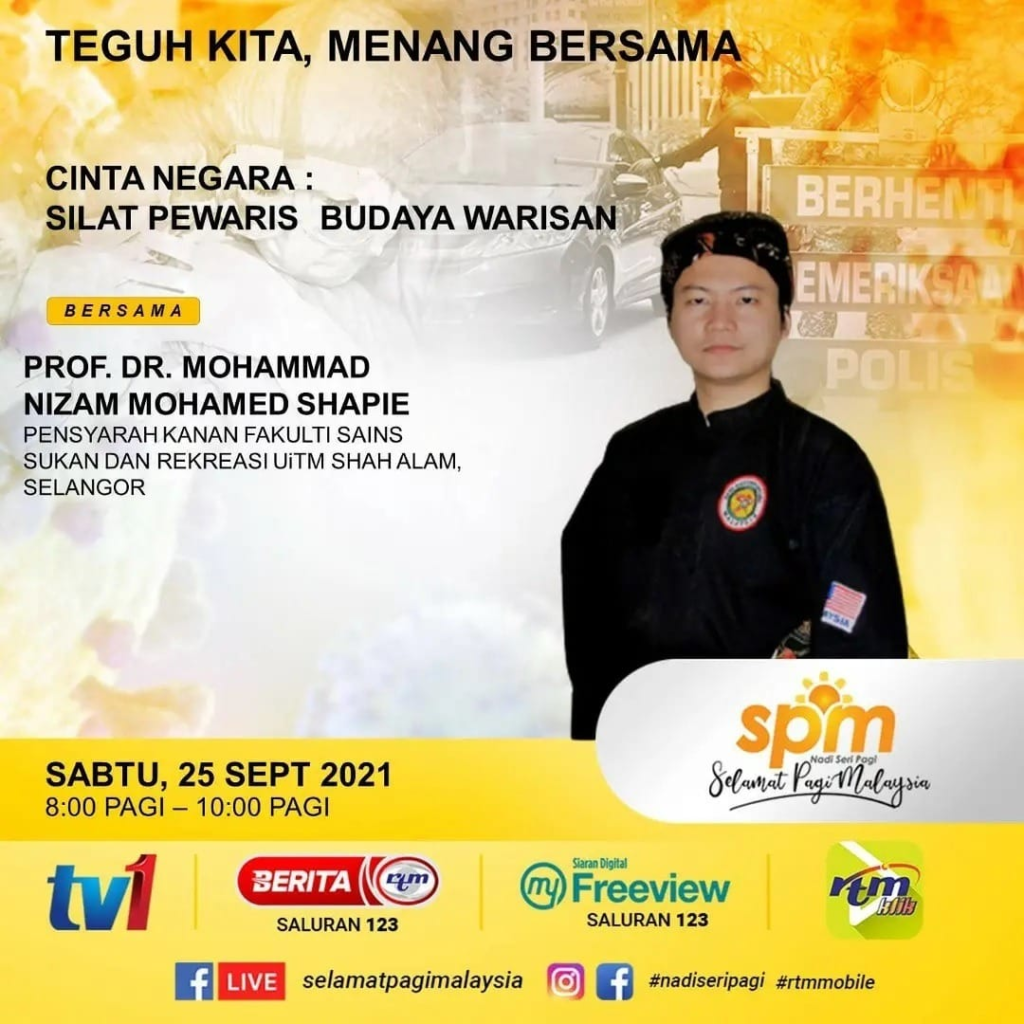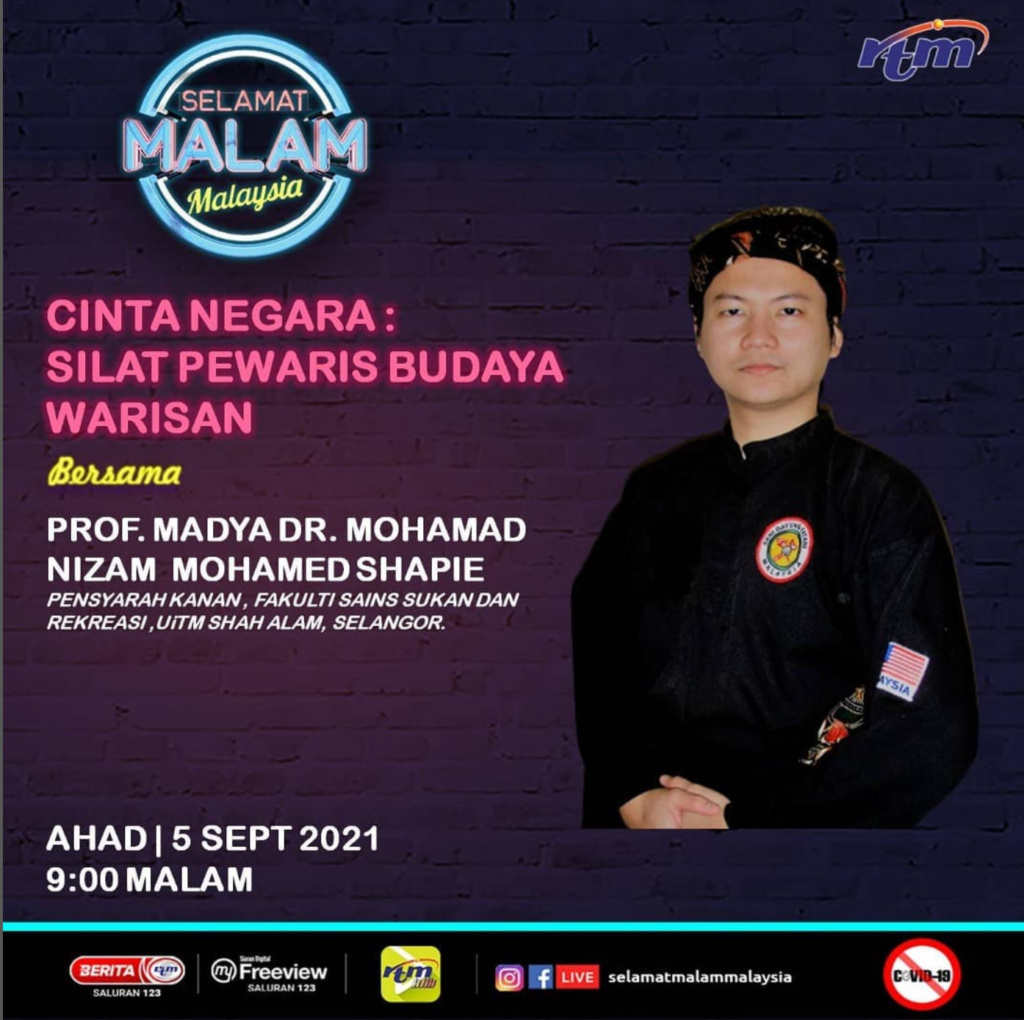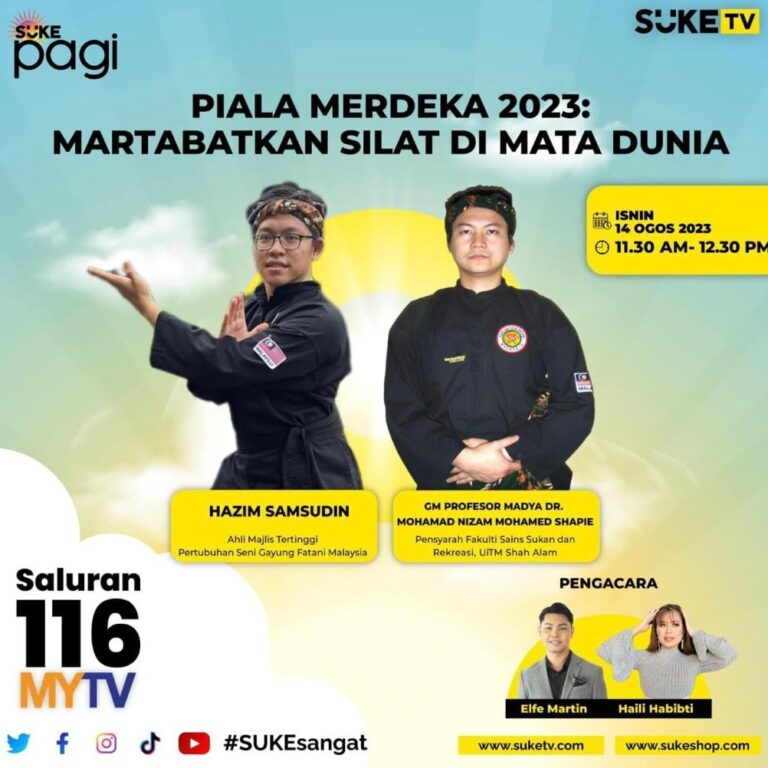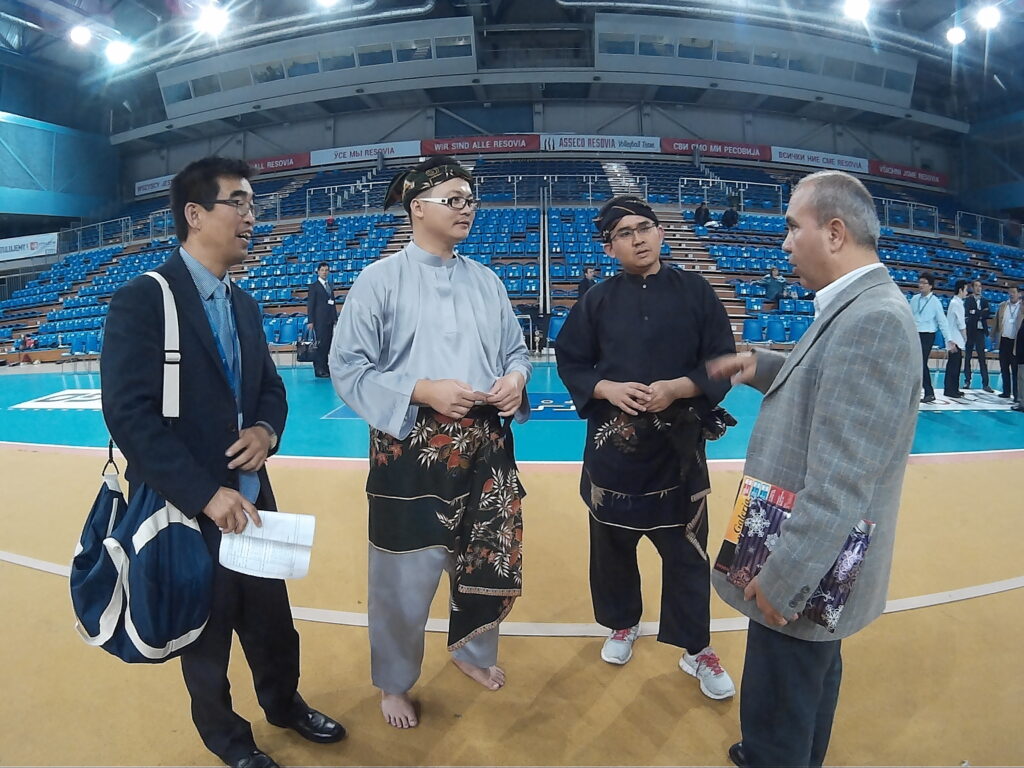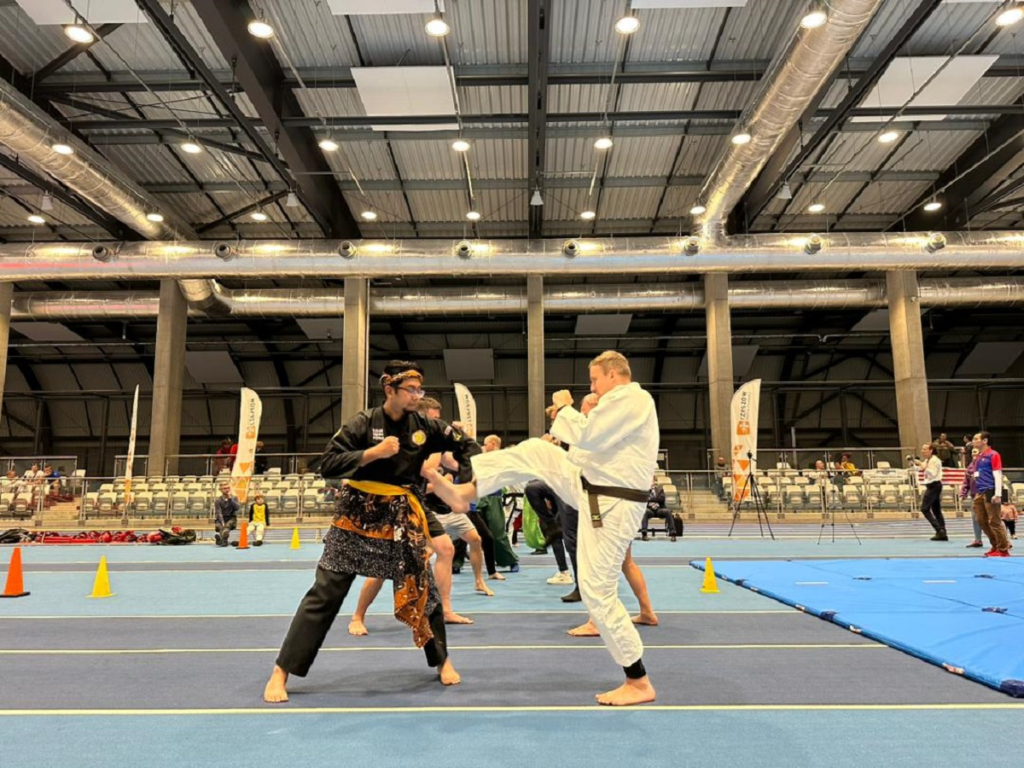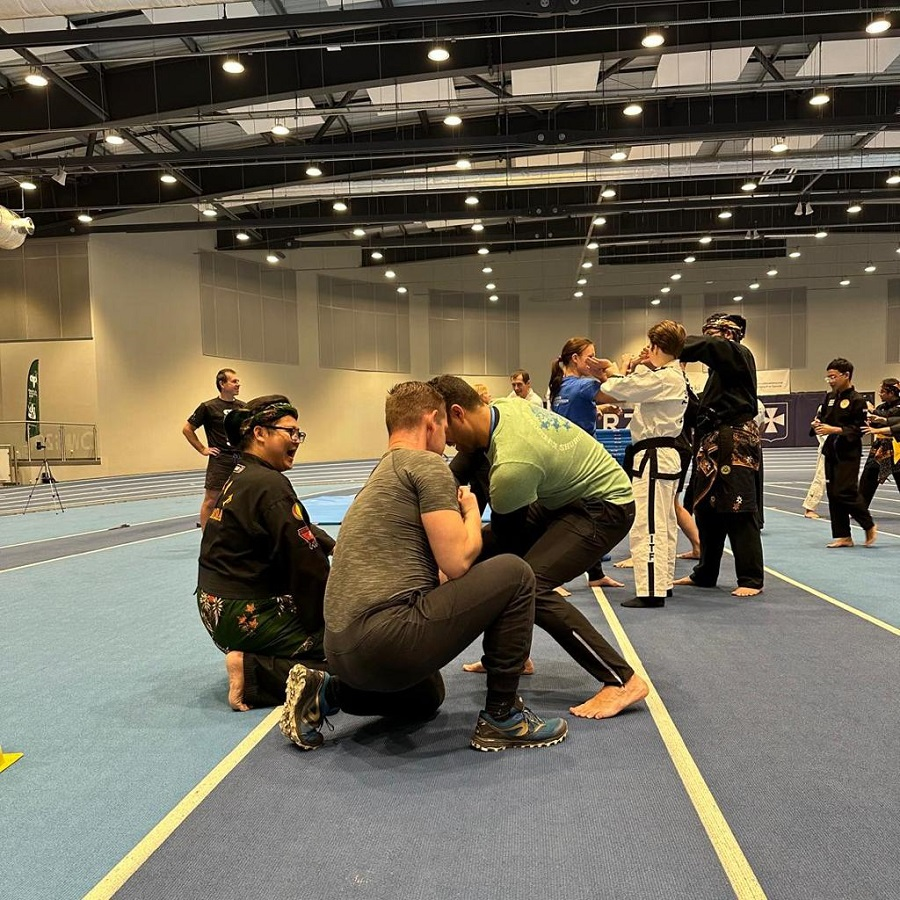
When we think of Silat, we often picture graceful movements, powerful strikes, and disciplined training. But behind every motion lies a world of science—especially biochemistry, the study of how our bodies function at the molecular level.
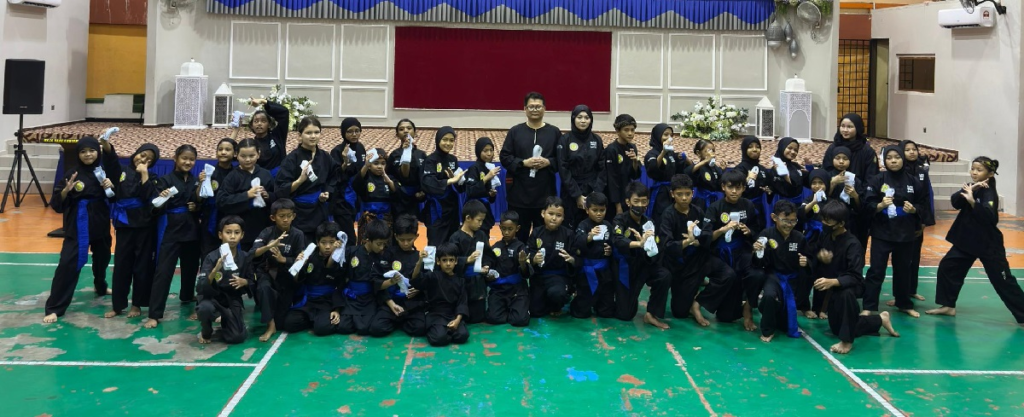
At AIRBORNE UiTM, Silat is not just taught as a martial art. It’s studied, refined, and enhanced through scientific research. One of the key areas of focus is understanding how the body produces energy, manages fatigue, and recovers after intense training. This knowledge forms the biochemical foundation of Silat conditioning.
Training the Body from the Inside Out
Silat conditioning goes beyond building muscle or improving flexibility. It’s about preparing the body to perform at its best, repeatedly and safely. This requires a deep understanding of how the body generates energy, regulates temperature, and maintains balance during physical stress.
At the heart of this process is ATP (adenosine triphosphate)—the molecule that fuels every movement. Whether you’re executing a fast tendangan (kick) or holding a defensive stance, your muscles rely on ATP to contract and release.
But producing ATP isn’t free. It generates heat and hydrogen ions, which can lead to fatigue and muscle soreness if not managed properly (Shapie, 2020; Shapie et al., 2023).
Water: The Silent Hero
Water plays a crucial role in Silat conditioning. It helps regulate body temperature through sweat evaporation, transports nutrients to muscles, and removes waste products like lactic acid. Without enough water, athletes can overheat, lose focus, and experience muscle cramps.
AIRBORNE UiTM emphasizes hydration strategies as part of its training programs. Athletes are taught when and how much to drink before, during, and after training to stay in peak condition (Parnabas et al., 2023).
Balancing pH for Peak Performance
Another key concept in Silat conditioning is pH balance. During intense training, the body becomes more acidic due to the buildup of hydrogen ions. This can interfere with muscle function and reduce endurance.
To counter this, the body uses buffering systems, like the carbonic acid–bicarbonate buffer, to neutralize excess acids and maintain a stable pH. AIRBORNE UiTM teaches athletes how to support these systems through nutrition, hydration, and rest (Shapie et al., 2019).
Recovery: The Missing Piece
Recovery is just as important as training. Without proper recovery, the body can’t repair muscles, replenish energy stores, or restore balance. AIRBORNE’s curriculum includes guidance on post-training nutrition, cool-down routines, and sleep hygiene—all of which are essential for long-term performance and injury prevention.
By understanding how the body recovers at the biochemical level, Silat athletes can avoid overtraining and stay consistent in their progress.
Science Meets Tradition
Silat is a martial art deeply rooted in culture and tradition. But AIRBORNE UiTM is showing that tradition and science can work hand in hand. By integrating biochemistry into Silat training, AIRBORNE is helping athletes understand not just how to move—but why their bodies move the way they do.
This approach empowers athletes to take control of their health, improve their performance, and extend their careers in the sport.
Conclusion: A Smarter Way to Train
Silat is evolving. With AIRBORNE UiTM’s scientific approach, athletes are no longer training blindly. They’re learning how their bodies work, how to fuel their performance, and how to recover effectively.
By focusing on the biochemical foundations of conditioning, AIRBORNE is helping Silat practitioners become not just stronger—but smarter, safer, and more sustainable in their training.
References
Parnabas, V. A., Abdullah, N. M., Shapie, M. N. M., Rahim, M. R., Parnabas, J., & Parnabas, A. M. (2023). E-learning motivation among student-athletes of Universiti Teknologi MARA (UiTM), Malaysia. Malaysian Journal of Sport Science and Recreation, 17(1), 20–34.
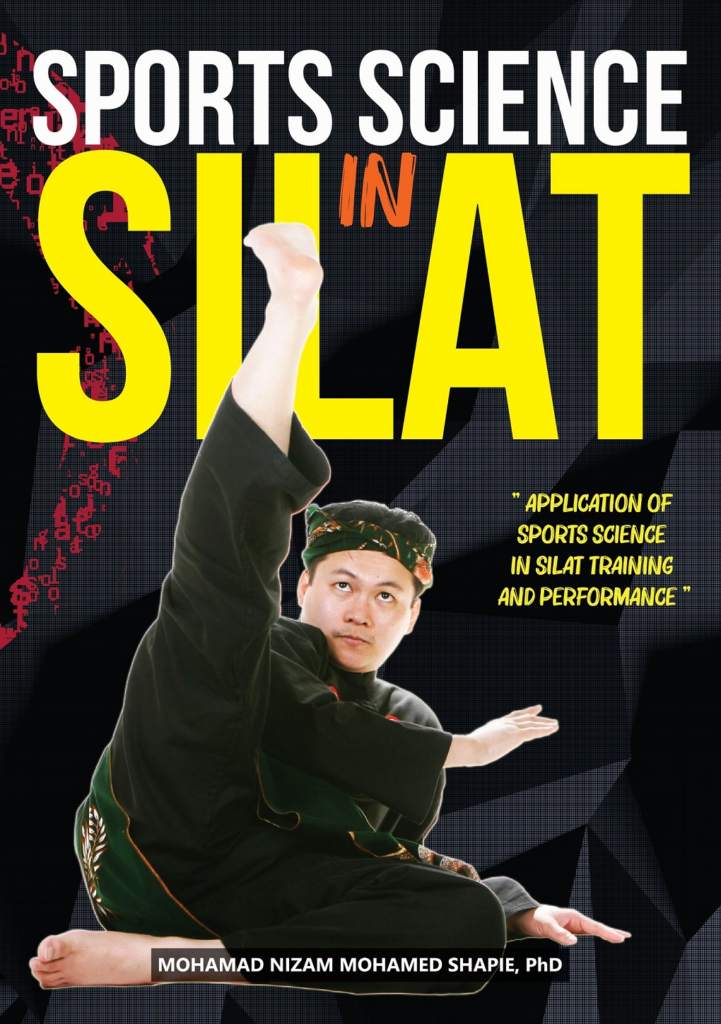
Shapie, M.N.M. (2020). Sports Science in SILAT: Application of Sports Science in Silat Training and Performance. Pertubuhan Seni Gayung Fatani Malaysia. Shah Alam, Selangor, Malaysia.
Shapie, M. N. M., Wahidah, T., Kusrin, J., Elias, M. S., & Abdullah, N. M. (2019). Silat Tempur: An overview of the children’s combat sports. Ido Movement for Culture. Journal of Martial Arts Anthropology, 19(1s), 55–61.
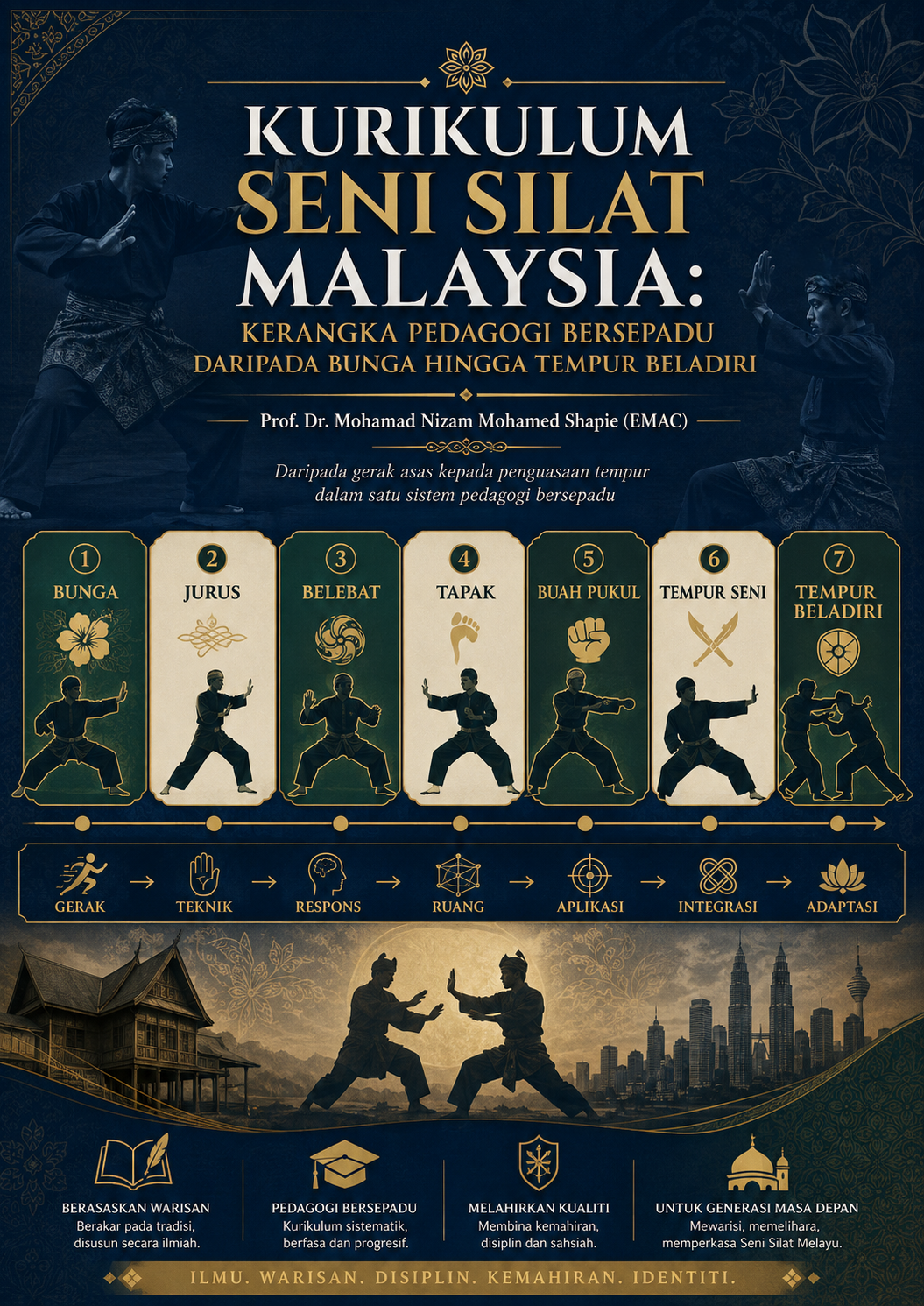
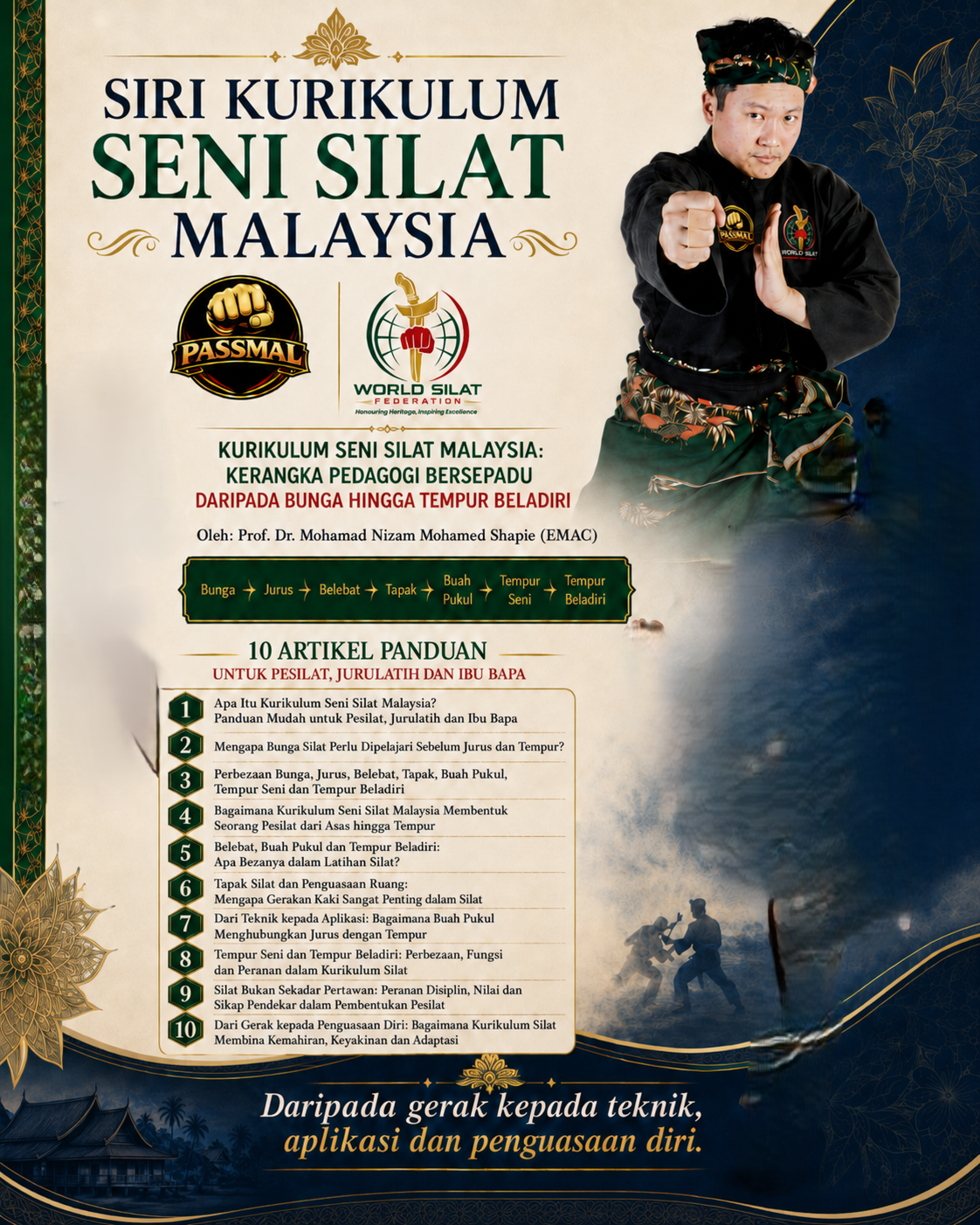
Shapie, M. N. M., Samsudin, H., Mohd Nazri, S., Indrayuda, I., et al. (2023). Seni Silat Malaysia curriculum: The arts of Silat combat in Tempur Seni. Research Journal of Budo, 56(Supplement), S76–S77. https://doi.org/10.11214/budo.56.S_76