by
Assoc. Prof. Dr. Mohamad Nizam Mohamed Shapie
Leader, Combat Sports & Martial Arts Research Network (AIRBORNE)
Faculty of Sports Science & Recreation,
Universiti Teknologi MARA (UiTM)
Silat is a reflection of the Malay worldview—one that values unity, patience, and bravery. These virtues are not abstract ideals; they are embodied in every movement, ritual, and teaching within Silat practice. As a traditional martial art deeply rooted in Malay heritage, Silat offers more than physical training—it offers a moral and philosophical framework that has guided generations.
Unity in Silat Practice and Community
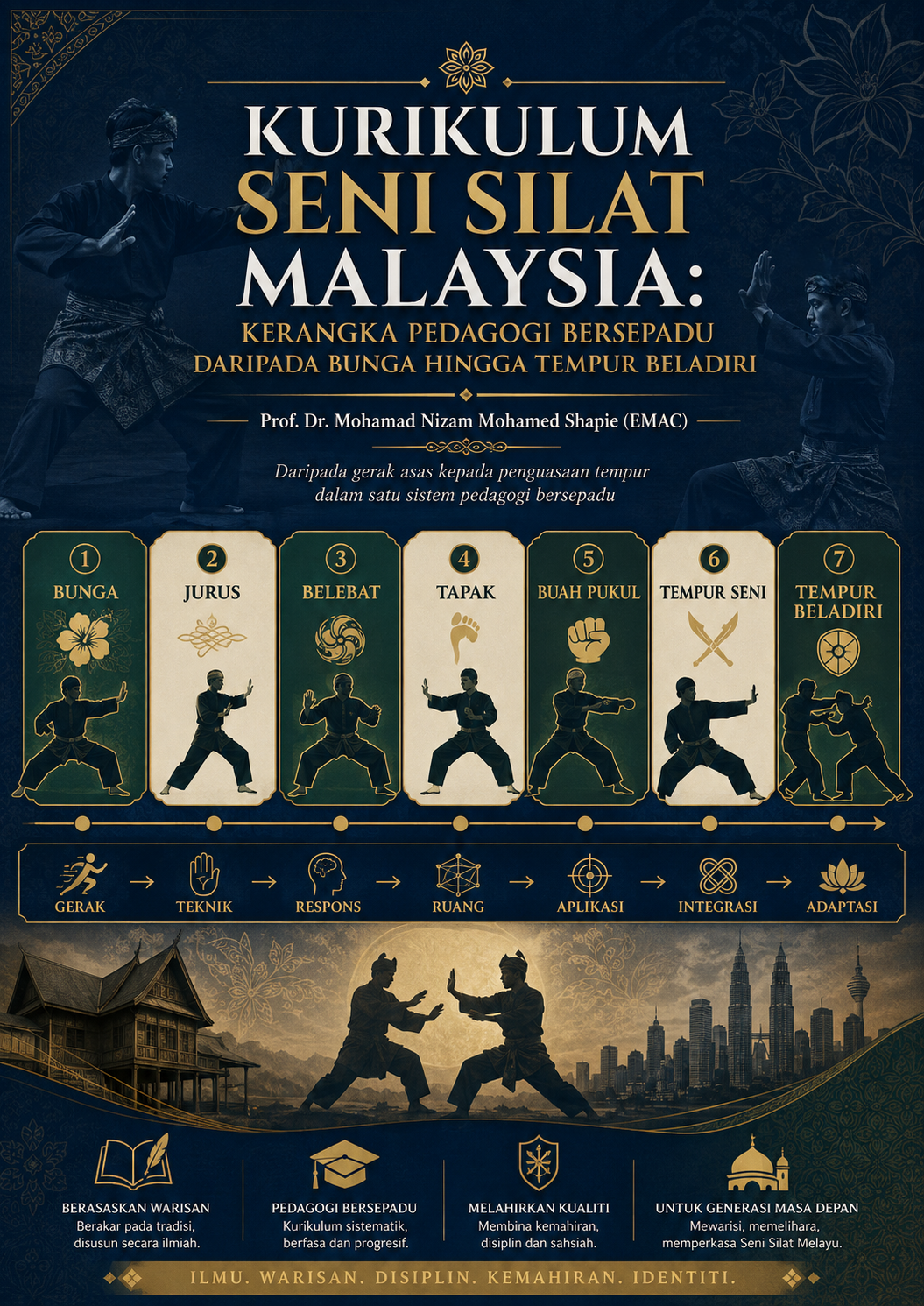
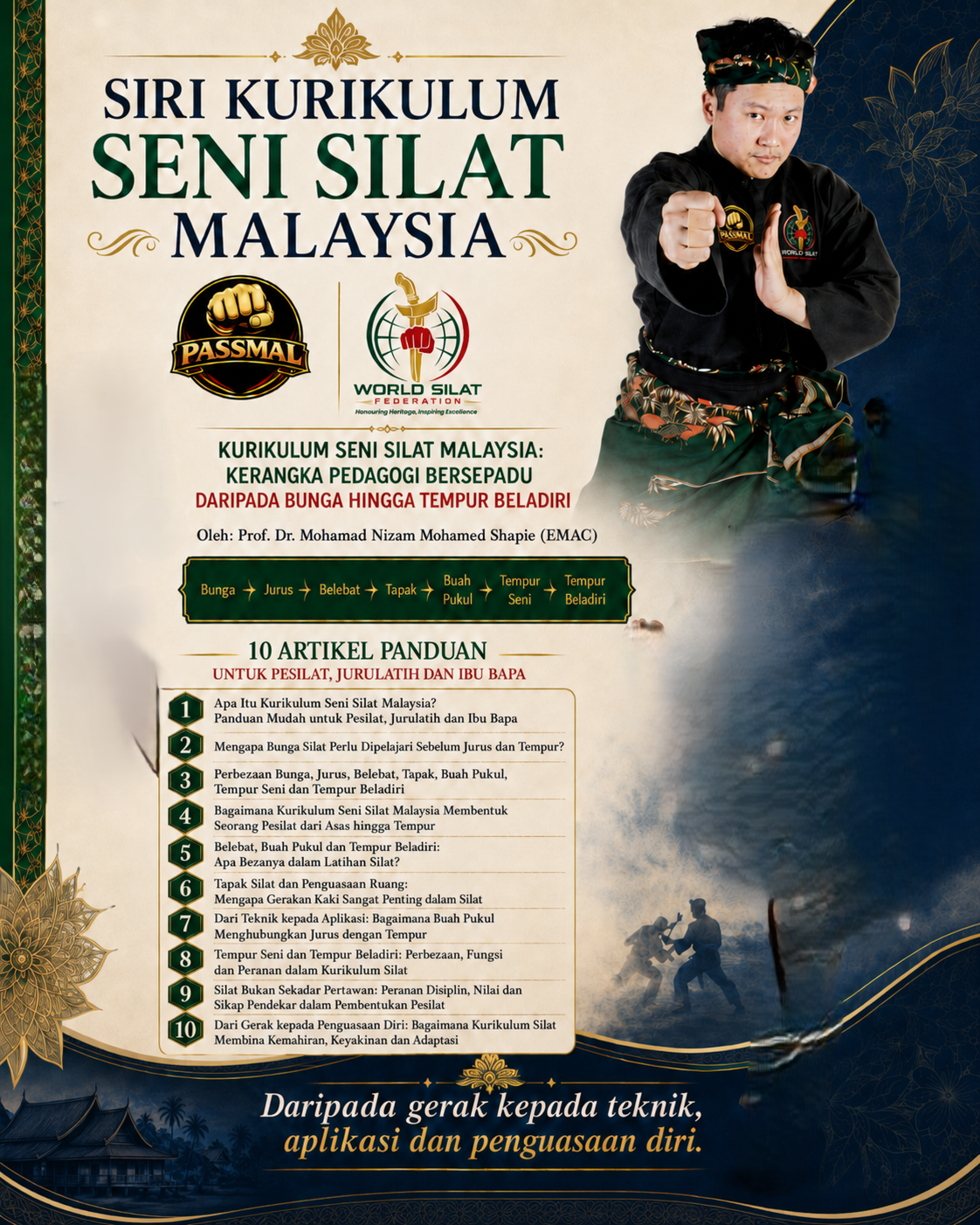
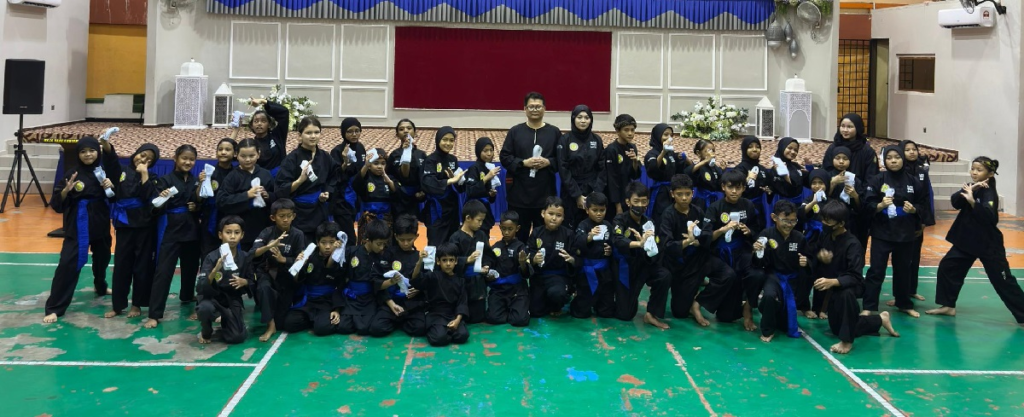
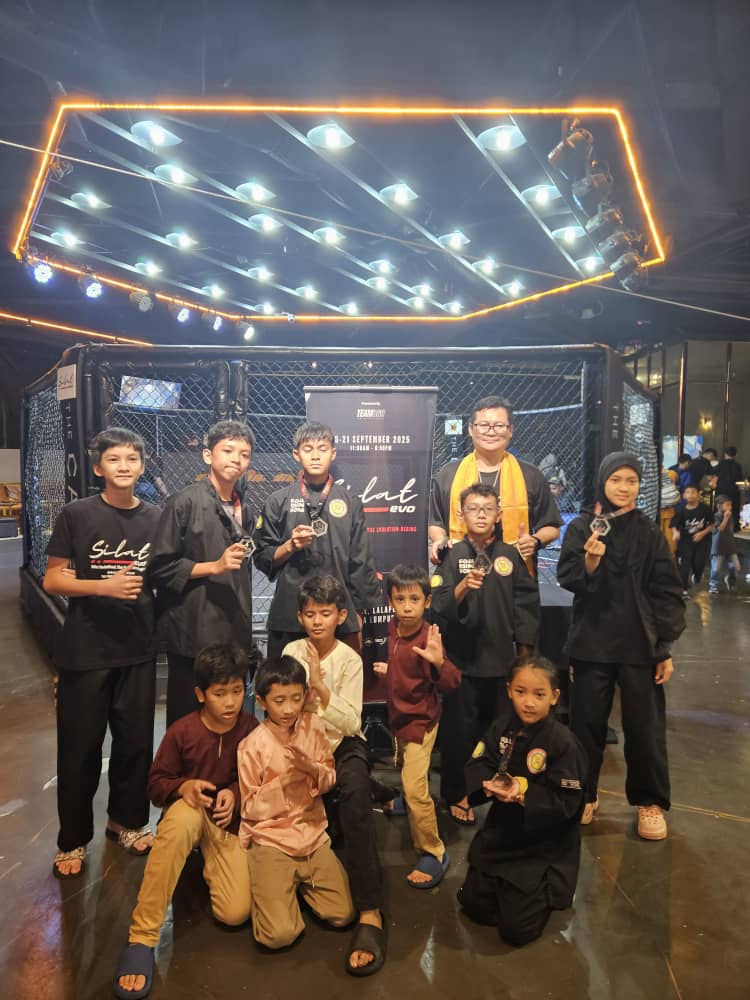
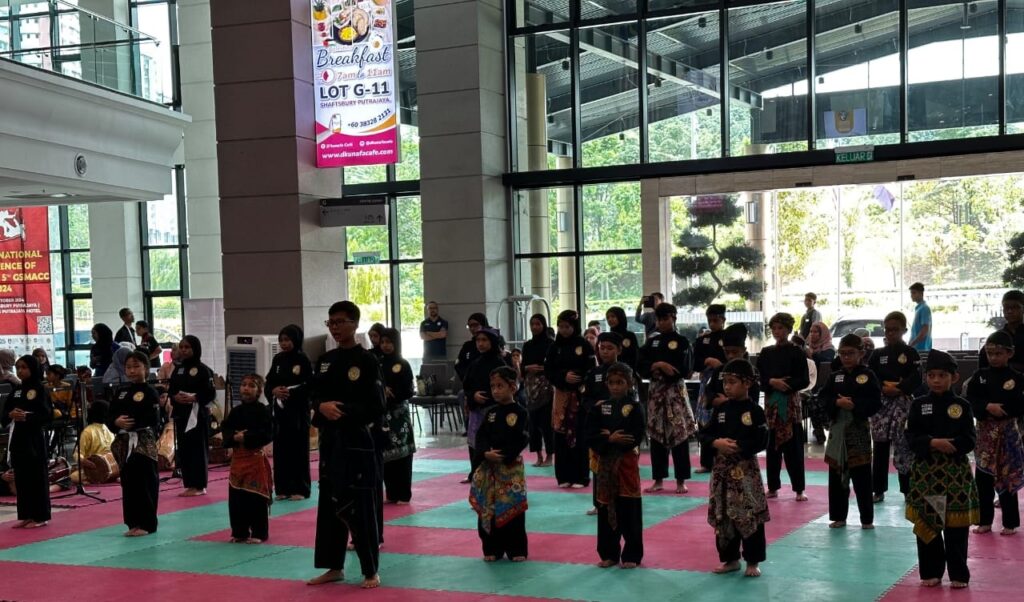
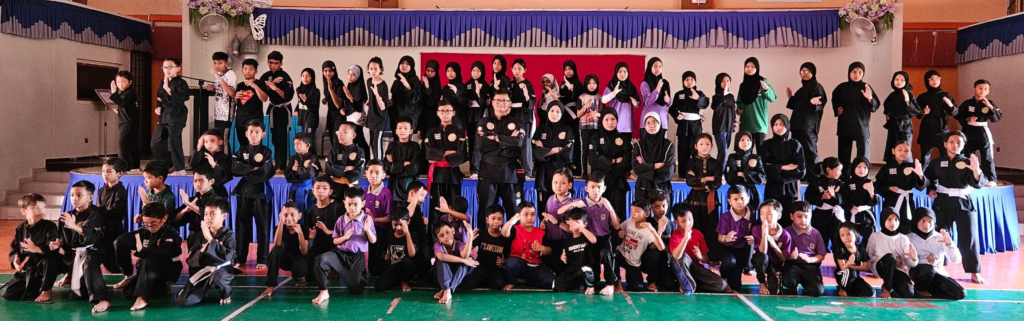
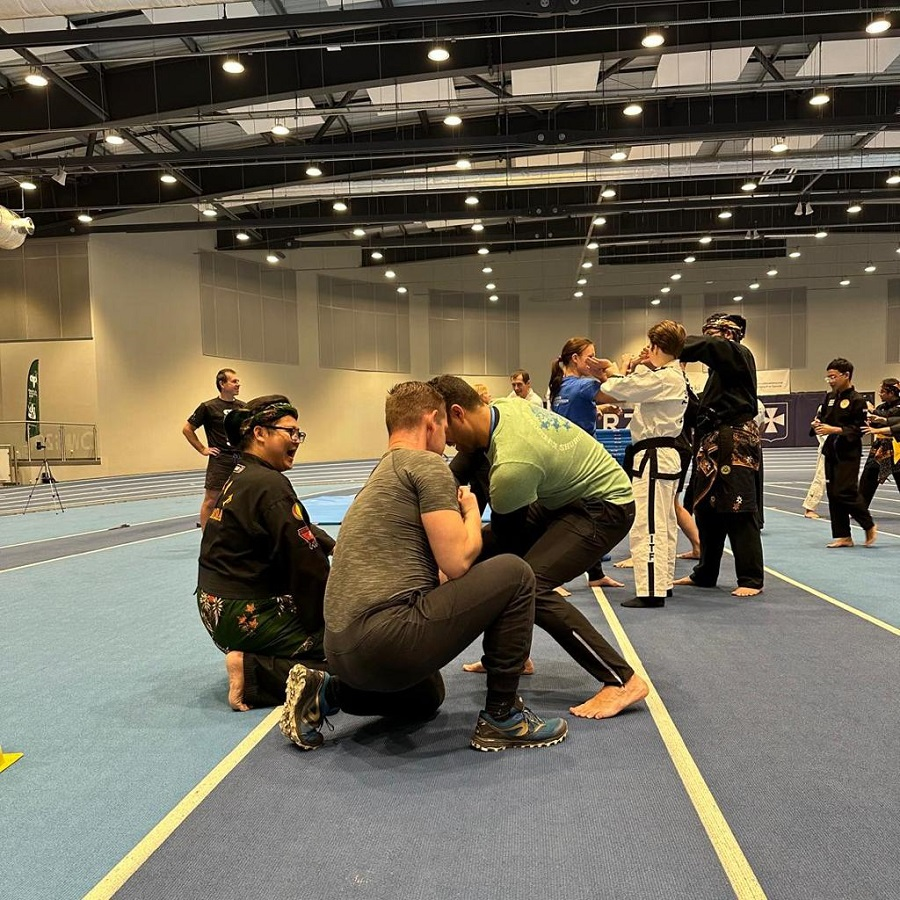
Unity is seen in the communal nature of Silat training, where respect for elders and mutual support are paramount. This is emphasized in PASSMAL’s structured curriculum, which fosters collective learning and cultural pride (Anuar, 2002). Silat is traditionally taught in group settings, reinforcing social bonds and shared responsibility. The practice of opening and closing rituals, such as the doa pembukaan gelanggang, further strengthens the spiritual unity among practitioners.
Leadership within Silat organizations also reflects this value. Studies on PSGFM’s leadership model highlight how effective governance in Silat institutions contributes to national cohesion and cultural preservation (Razak & Muhamad, 2022). The integration of Silat into schools and universities has created a platform for youth to engage in meaningful cultural activities, promoting unity across generations.
Patience as Discipline and Spiritual Grounding
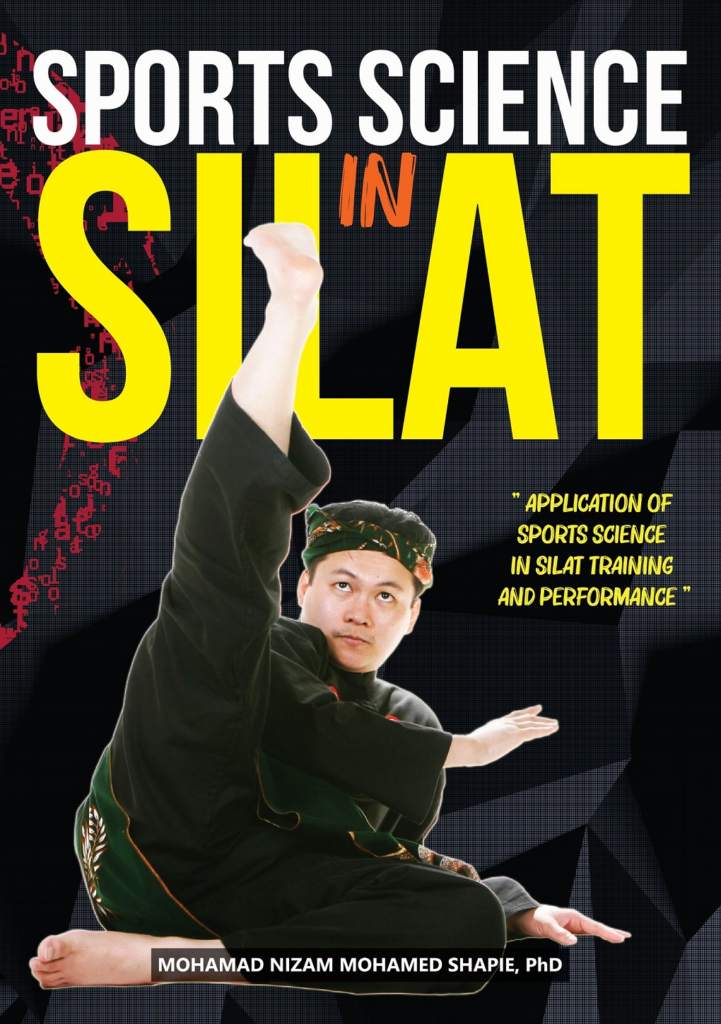
Patience is cultivated through disciplined repetition and spiritual grounding. Silat training involves mastering techniques over time, reinforcing perseverance and mental resilience. The physical demands of Silat, combined with its philosophical teachings, instill a deep sense of endurance and self-control. According to Shapie (2020), the application of sports science in Silat training has enhanced the understanding of how patience and gradual progression contribute to athletic and personal development.
Moreover, Silat’s spiritual dimension encourages practitioners to reflect, meditate, and internalize values. The narrative exploration of Silat development from childhood to youth emphasizes how patience is nurtured through long-term engagement and mentorship (Razak et al., 2022). This aligns with the Malay cultural emphasis on kesabaran (patience) as a virtue in both personal and communal life.
Bravery with Wisdom and Restraint
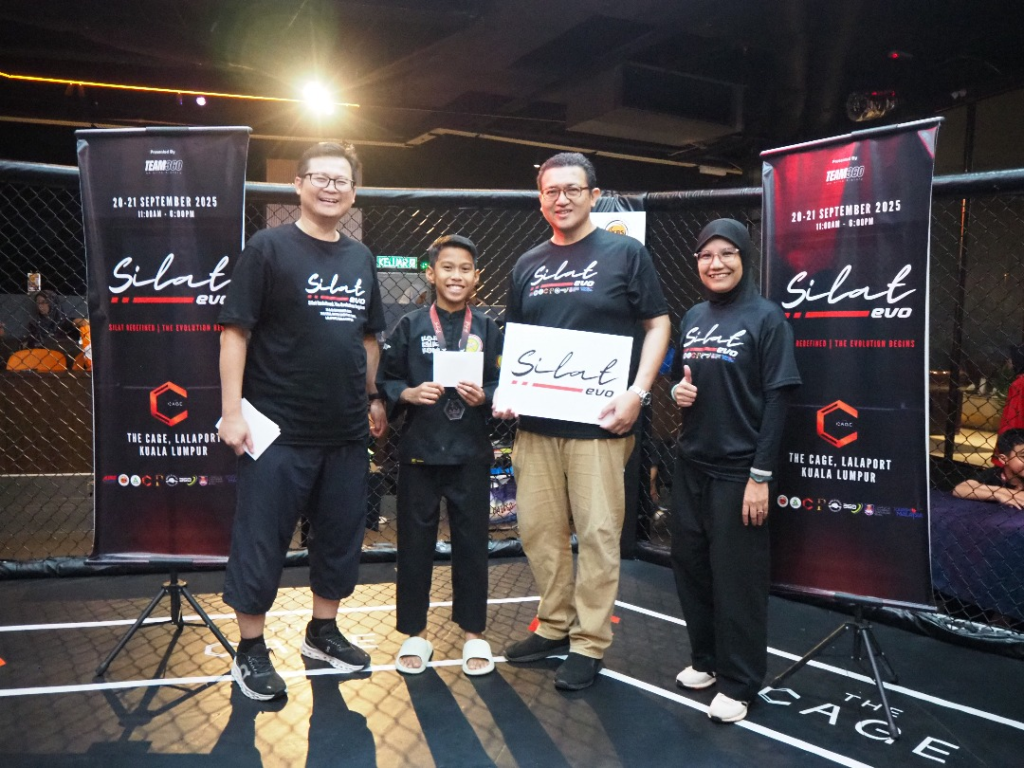
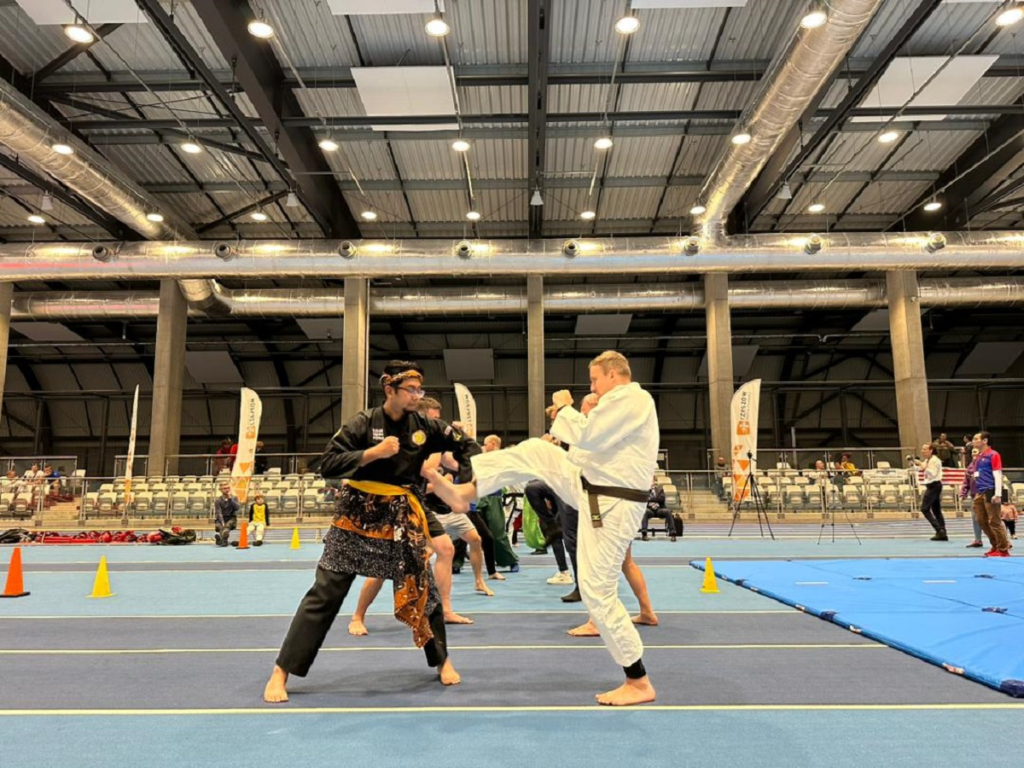
Bravery in Silat is not recklessness—it is the courage to act with wisdom and restraint. Silat teaches practitioners to face challenges with dignity and strategic thinking. The development of Silat Tempur, a combat sport model for youth, exemplifies how bravery is taught through structured competition and ethical engagement (Aziz et al., 2023). This model ensures that young athletes learn to balance aggression with respect, and competition with camaraderie.
Scientific studies on Silat athletes have shown that bravery is linked to psychological resilience and tactical awareness. For example, research comparing Silat and Taekwondo athletes found that Silat practitioners demonstrated higher levels of mental discipline and situational control (Abdullah et al., 2020). These findings support the notion that bravery in Silat is cultivated through a combination of physical training, mental conditioning, and moral education.
PASSMAL’s Role in Preserving Values
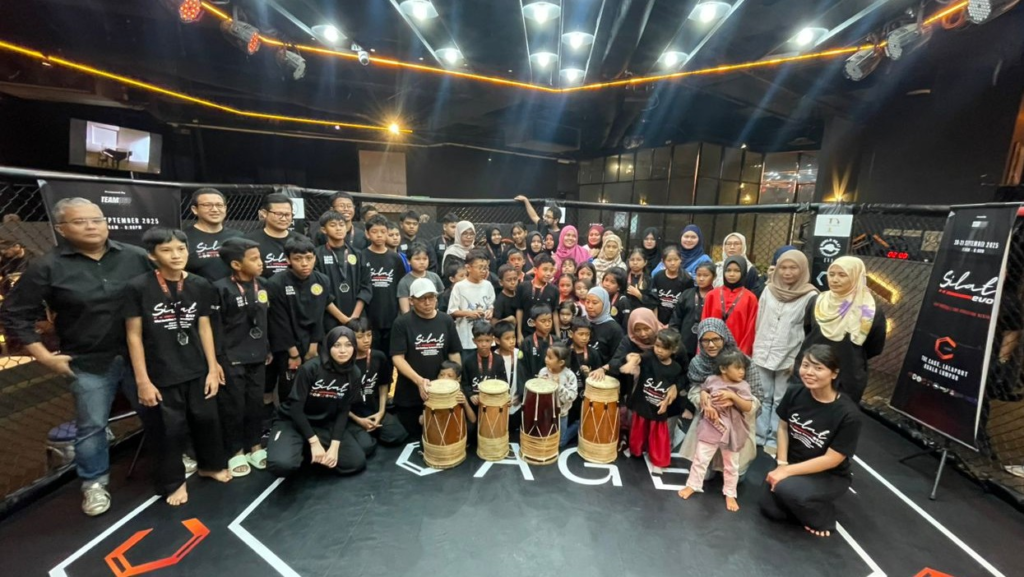
PASSMAL’s teachings emphasize unity, patience, and bravery, ensuring that Silat remains a moral compass for practitioners. Through its curriculum and outreach programs, PASSMAL has positioned Silat as a tool for character development and cultural education. The organization’s emphasis on traditional values is evident in its coaching manuals and training models, which integrate ethical instruction with physical performance (Shapie et al., 2024).
The importance of rest and recovery in Silat training, as discussed by Abu Bakar et al. (2020), also reflects the value of patience and self-care. Encouraging athletes to balance effort with rest reinforces the holistic nature of Silat as a lifestyle, not just a sport.
Global Recognition and Cultural Identity
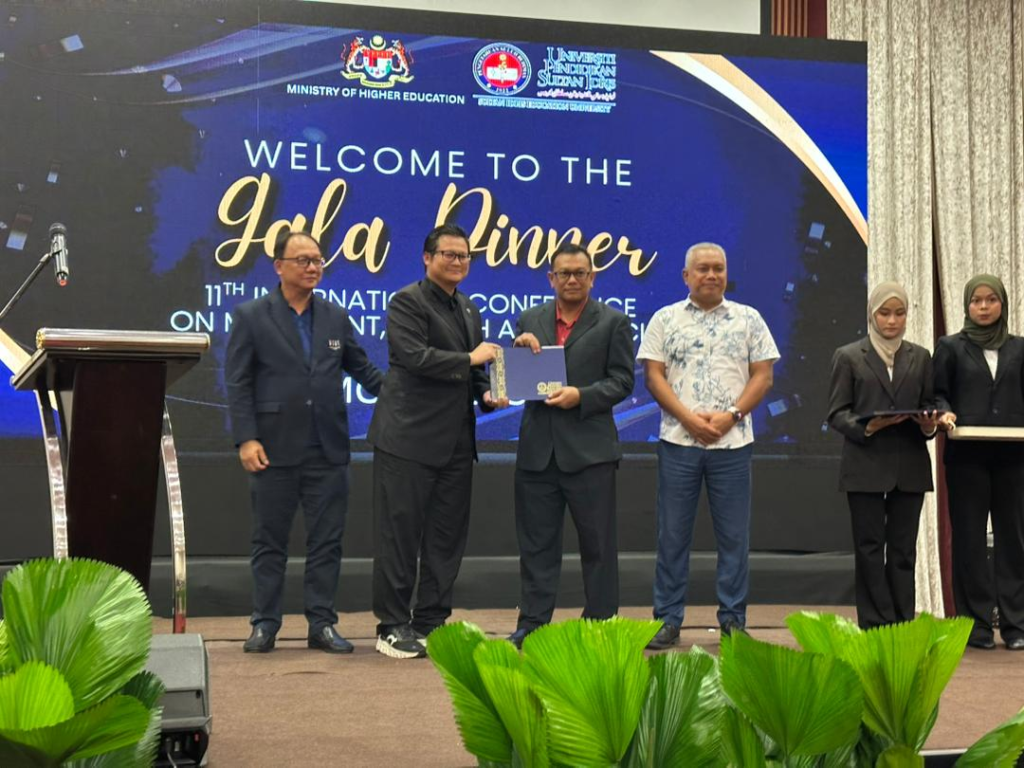
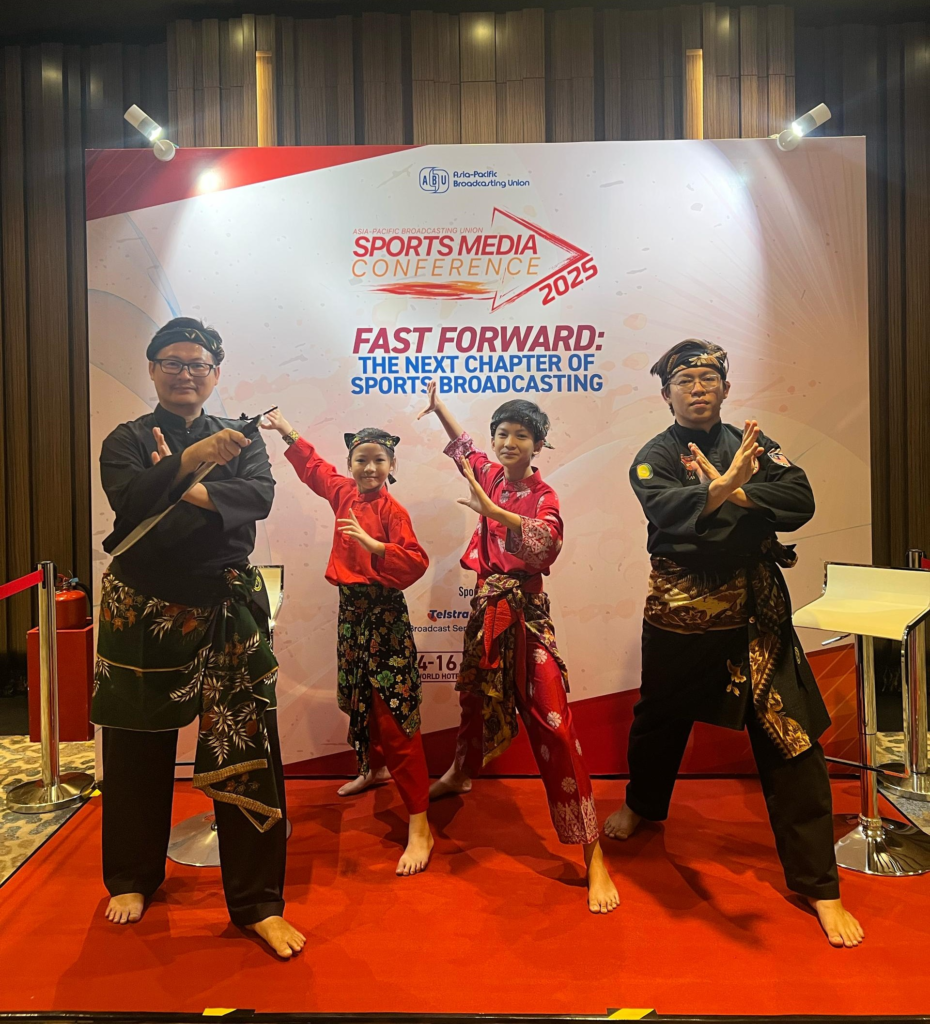
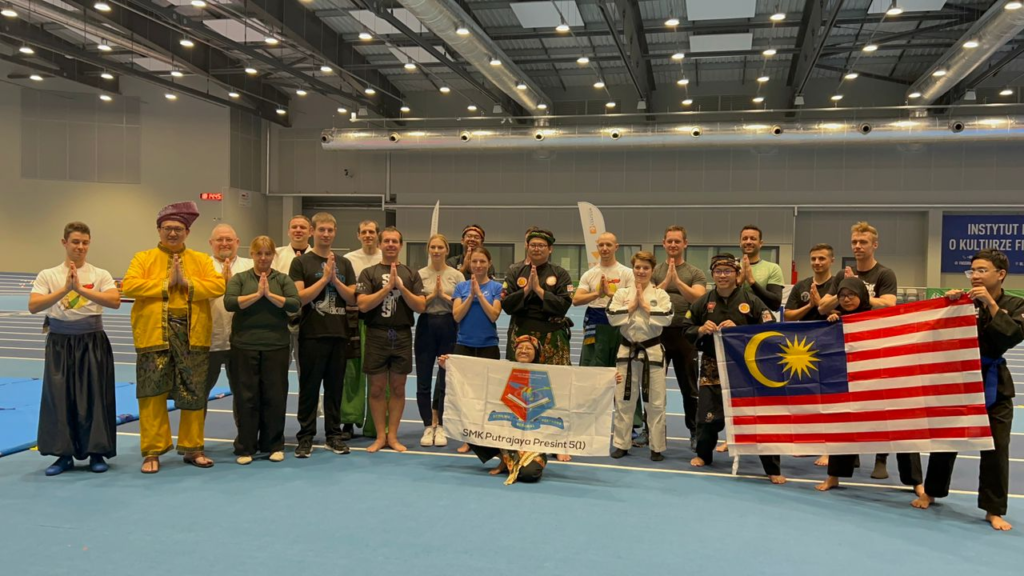
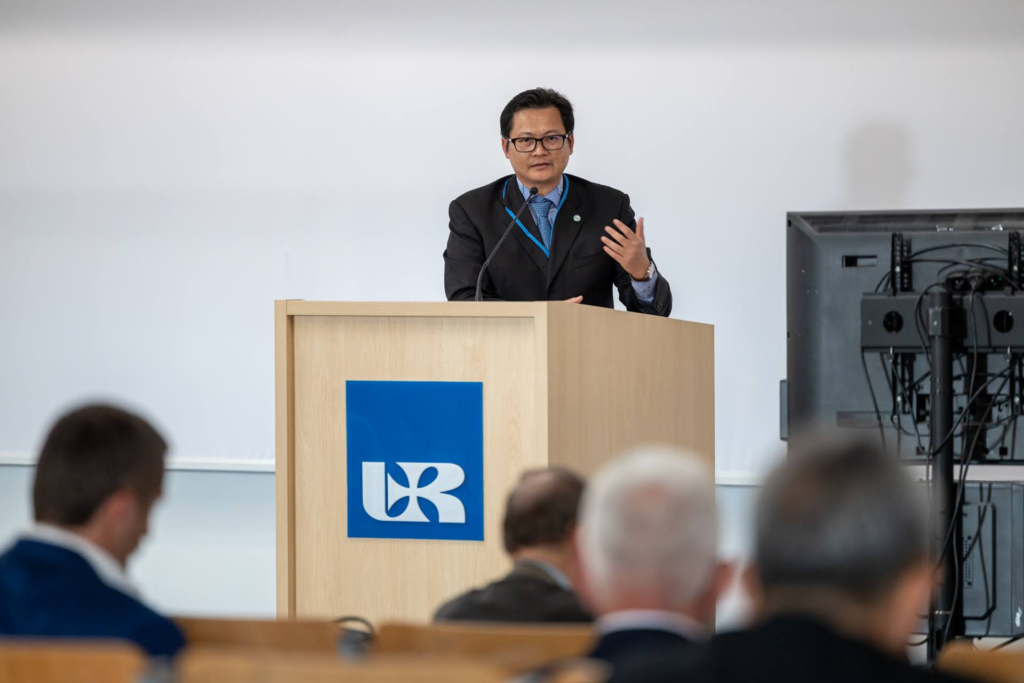
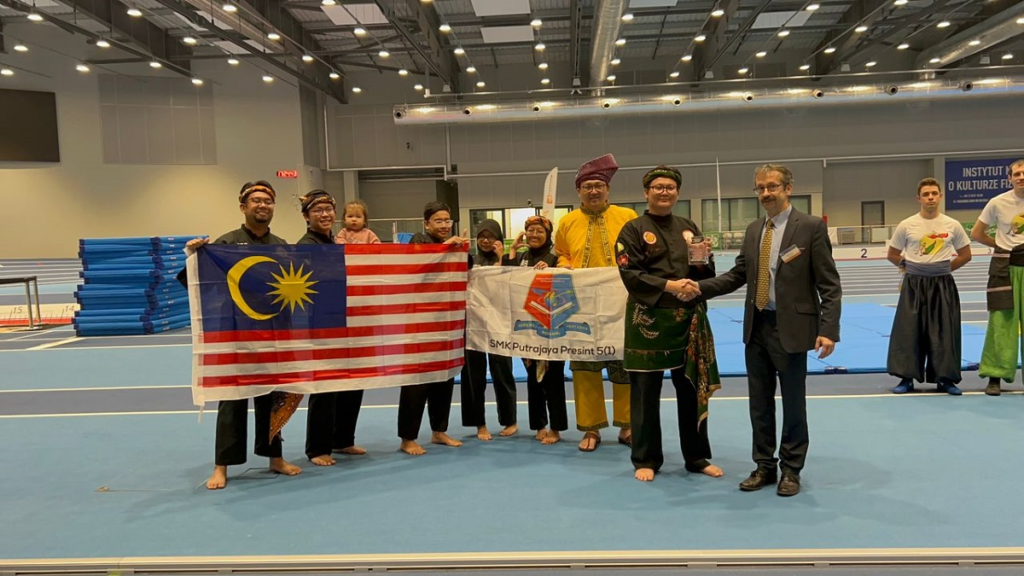
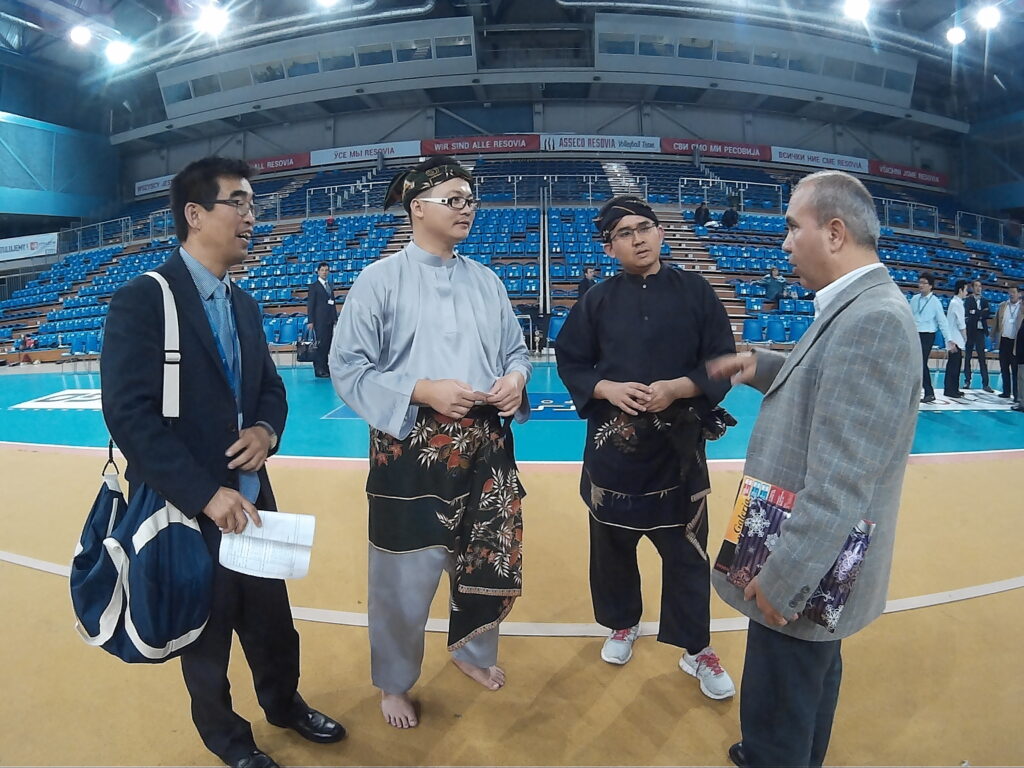
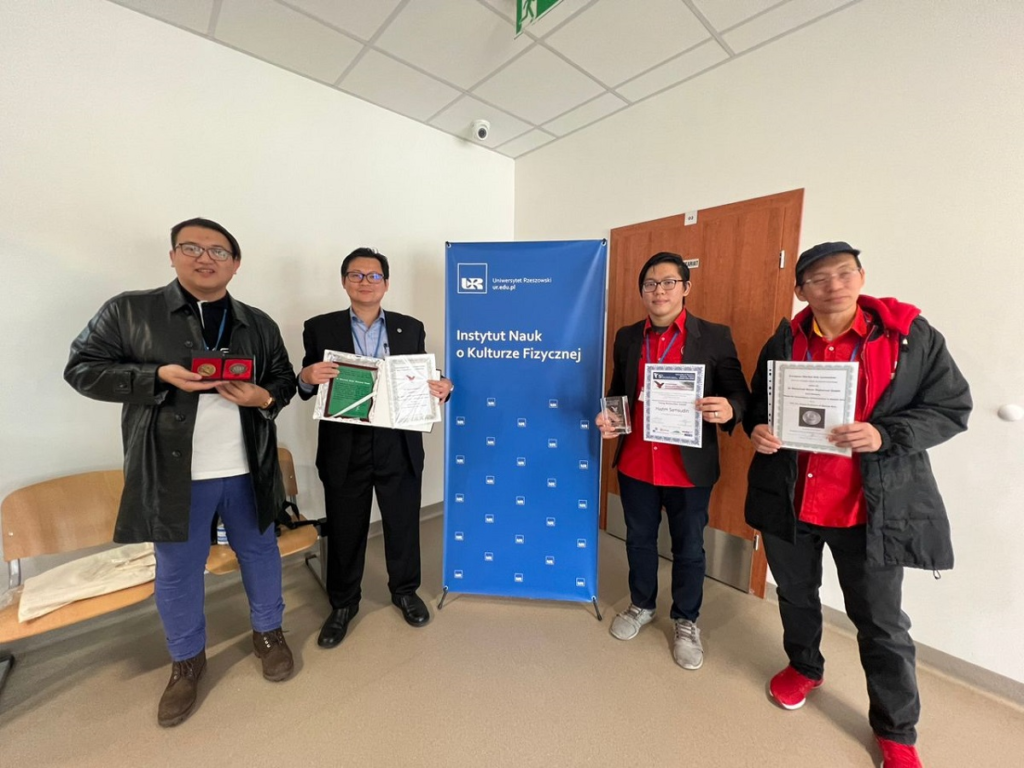
Silat’s recognition by international bodies, including UNESCO, has elevated its status as an intangible cultural heritage. This global acknowledgment affirms the values embedded in Silat and their relevance beyond Malaysia. The integration of Silat into academic research and international conferences has further solidified its role in shaping cultural identity and promoting intercultural dialogue (Brizin, 2015; Cynarski, 2021).
The use of plyometric training in Silat, as studied by Al-Syurgawi (2018) and Al-Syurgawi & Shapie (2019), demonstrates how modern techniques can enhance traditional practices without compromising their philosophical foundations. These innovations ensure that Silat remains relevant and effective in contemporary contexts while preserving its core values.
Conclusion
Through the lens of Silat, we see the Malay worldview not just as philosophy, but as lived experience. Unity, patience, and bravery are not merely taught—they are practiced, embodied, and passed down through generations. Silat’s integration into formal education, its scientific validation, and its cultural recognition all contribute to its enduring role in shaping character and identity.
As Malaysia continues to promote Silat globally, it reaffirms the timeless wisdom of teaching values through movement. Silat is not just a martial art—it is a philosophy, a pedagogy, and a heritage that continues to guide the moral and cultural landscape of the nation.
References
- Abdullah, N.M., et al. (2020). Comparison of Physical Fitness Between Taekwondo and Silat Athletes. IMACSSS Scientific Society, p. 71.
- Abu Bakar, N., et al. (2020). Let Them Nap: Imperative for Combat Sports Training. IMACSSS Scientific Society, p. 63.
- Al-Syurgawi, D. (2018). The Effects of a 6-Week Plyometric Training on Agility Performance in Silat Olahraga. Malaysian Journal of Movement, Health & Exercise, 7(1), 189–200.
- Al-Syurgawi, D., & Shapie, M.N.M. (2019). The Effects of a 6-Week Plyometric Training on Muscular-Strength Performance in Silat Athletes. Revista de Artes Marciales Asiáticas, 14(2 Suppl), 28–30.
- Anuar, A. W. (2002). Pendidikan dan Nilai-nilai Murni dalam Seni Silat. Kementerian Kebudayaan, Kesenian dan Warisan.
- Aziz, N. A. A., et al. (2023). Silat Tempur League: The Analysis of Athletes Performance in 2019 Competitions. International Martial Arts and Culture Journal, 1(1), 18–29. https://doi.org/10.24036/imacj5019
- Brizin, D. (2015). Report on the Third IMACSSS Conference. Revista de Artes Marciales Asiáticas, 10(1), 68–71. https://doi.org/10.18002/rama.v10i1.1597
- Cynarski W.J. (2021). Lexicon of Fighting Arts: Masters and Their Schools. University of Rzeszow.
- Razak S.N.A., Muhamad T.A. (2022). Effective Leadership Towards the Star Rating Evaluation of Malaysian Seni Gayung Fatani Malaysia Organization (PSGFM). Ido Movement for Culture, 22(2s), 13–22. https://doi.org/10.14589/ido.22.2S.2
- Razak, S. N.A., et al. (2022). A Narrative Exploration of Issues in Silat Development from Children to Youth Athletes. Ido Movement for Culture. https://doi.org/10.14589/ido.22.2S.3
- Shapie, M.N.M. (2020). Sports Science in SILAT: Application of Sports Science in Silat Training and Performance. Pertubuhan Seni Gayung Fatani Malaysia.
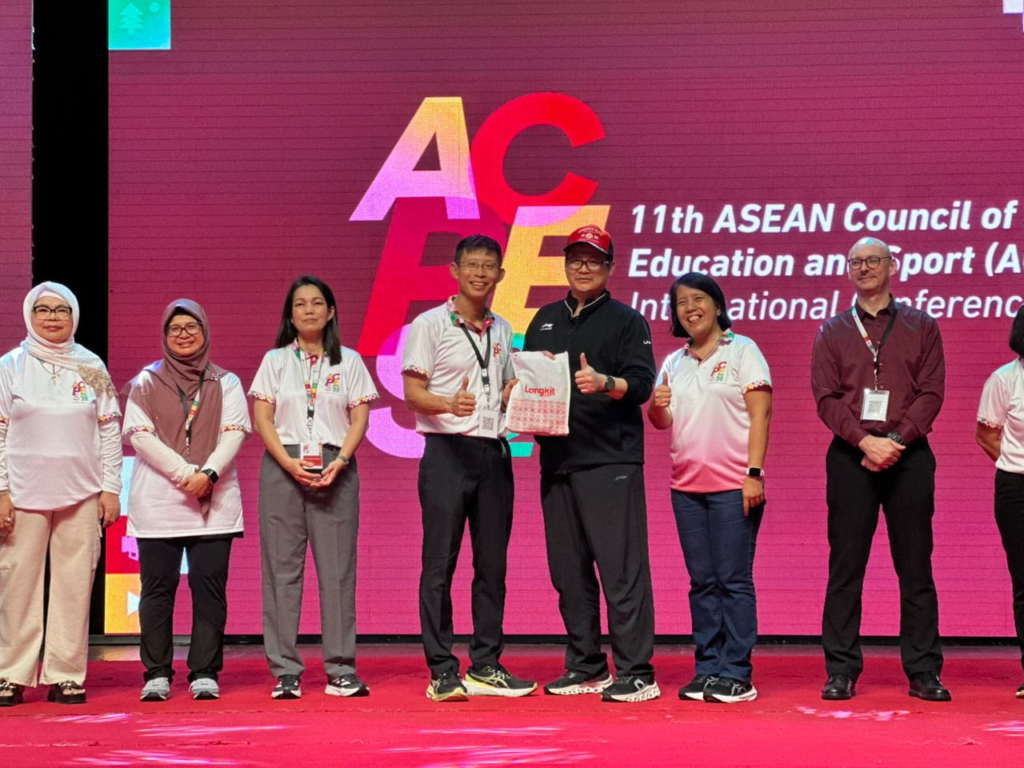
- Shapie, M.N.M., et al. (2024). Tradition to Academia: The Transformation of Silat Education (2014–2024). ACPES International Conference.