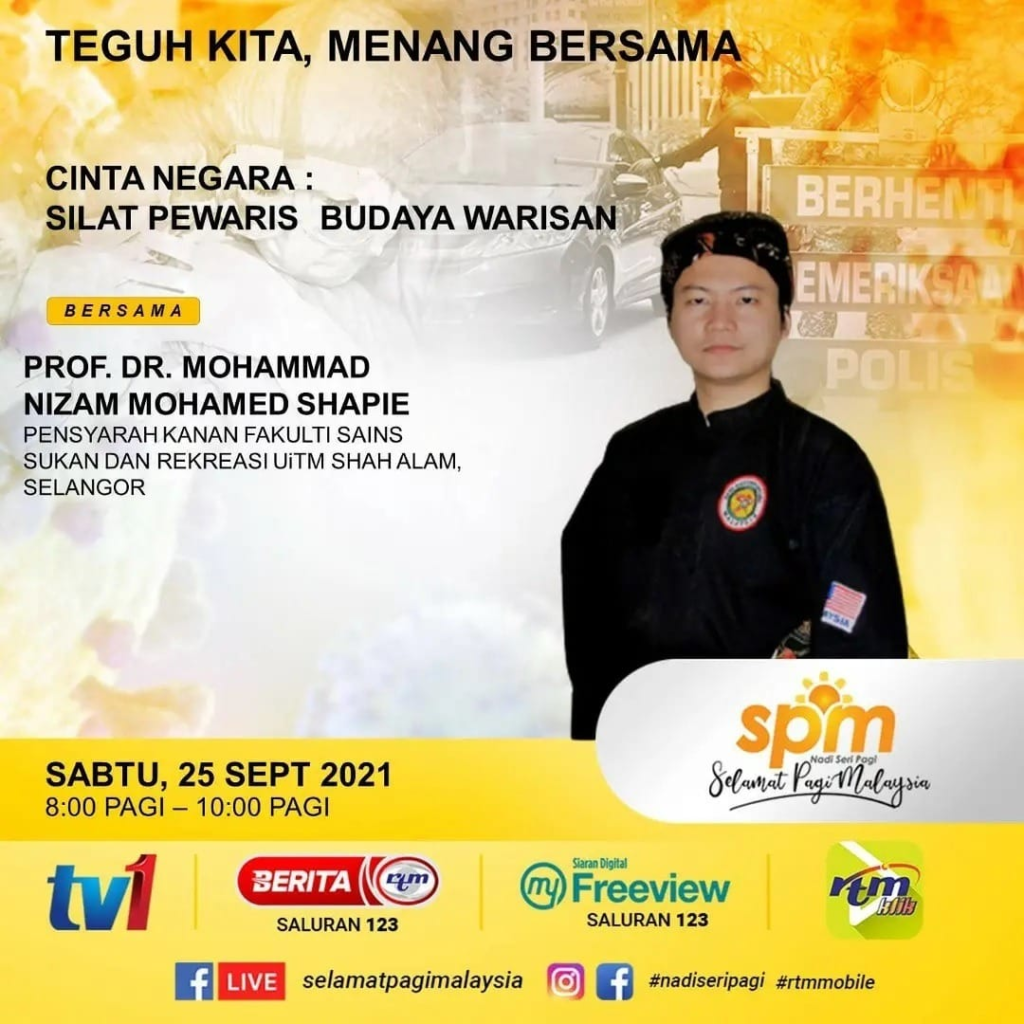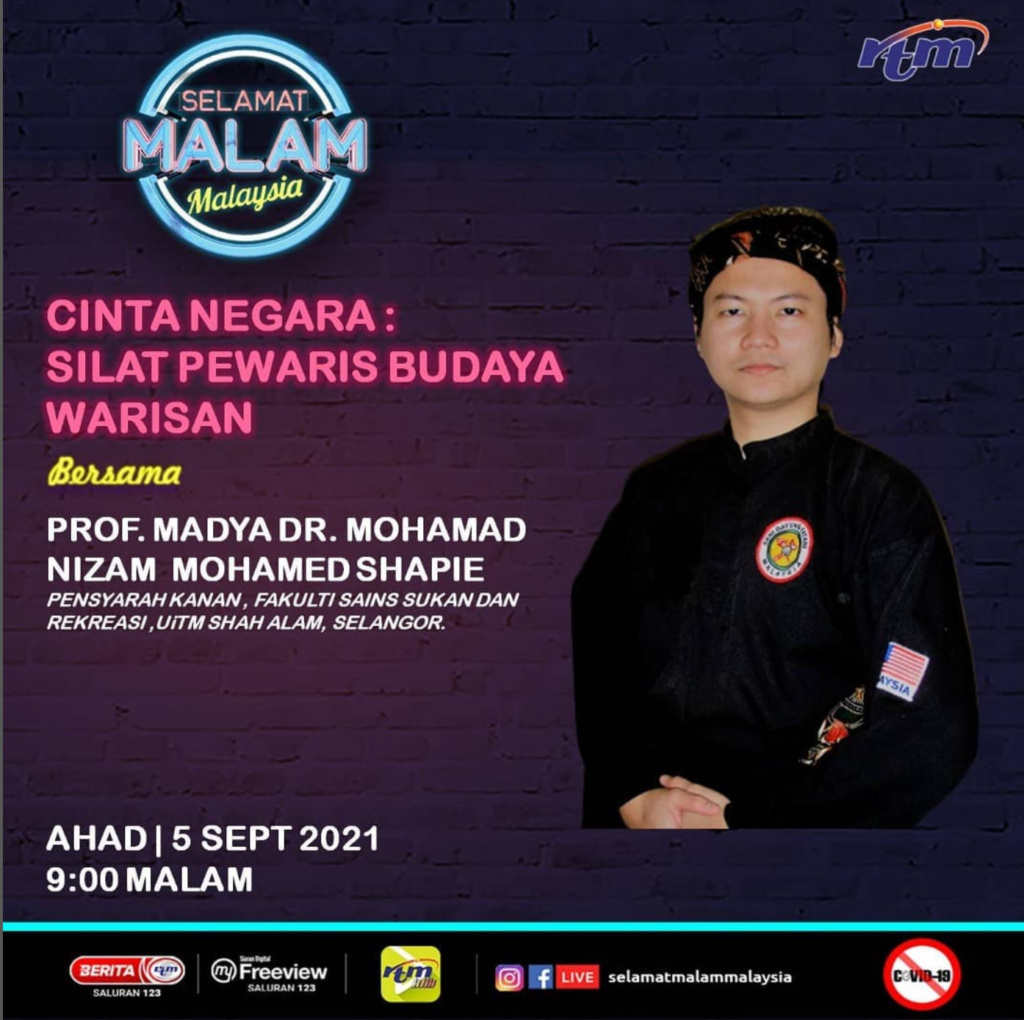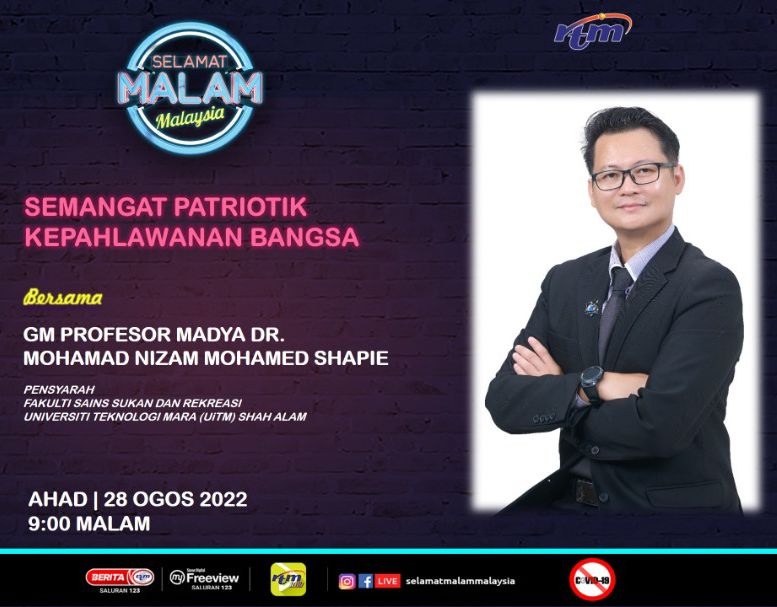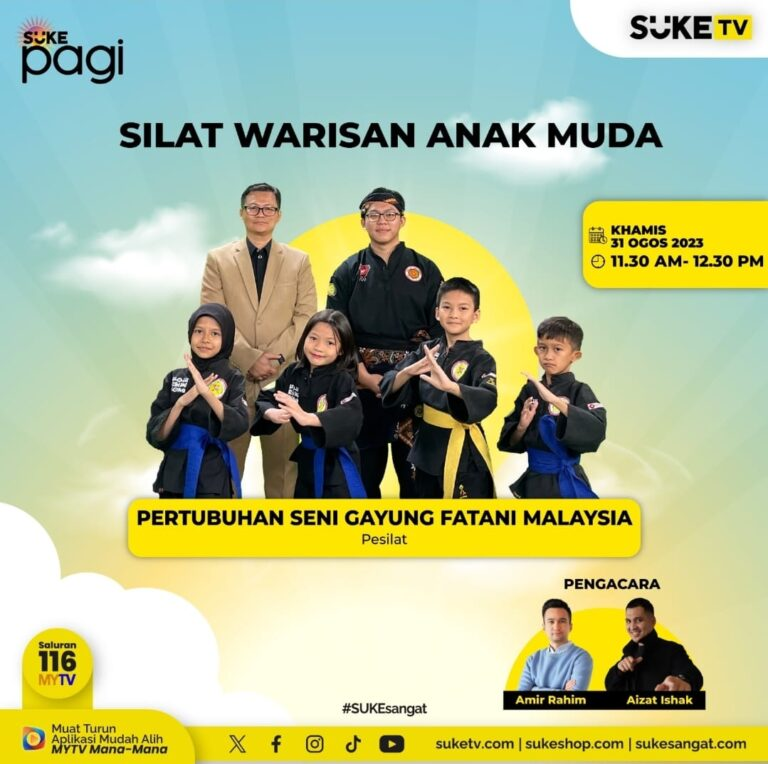
by
Assoc. Prof. Dr. Mohamad Nizam Mohamed Shapie
Leader, Combat Sports & Martial Arts Research Network (AIRBORNE)
Faculty of Sports Science & Recreation,
Universiti Teknologi MARA (UiTM)
Silat is more than a martial art—it is a holistic educational system that nurtures the body, mind, and spirit. In Malaysia, Silat has evolved into a structured pedagogy that integrates cultural heritage, physical discipline, and moral values. Through the efforts of organizations like PASSMAL and the World Silat Federation (WSF), Silat is now taught in schools and universities, offering young Malaysians a path to self-discovery, cultural pride, and lifelong learning.
From Tradition to Curriculum
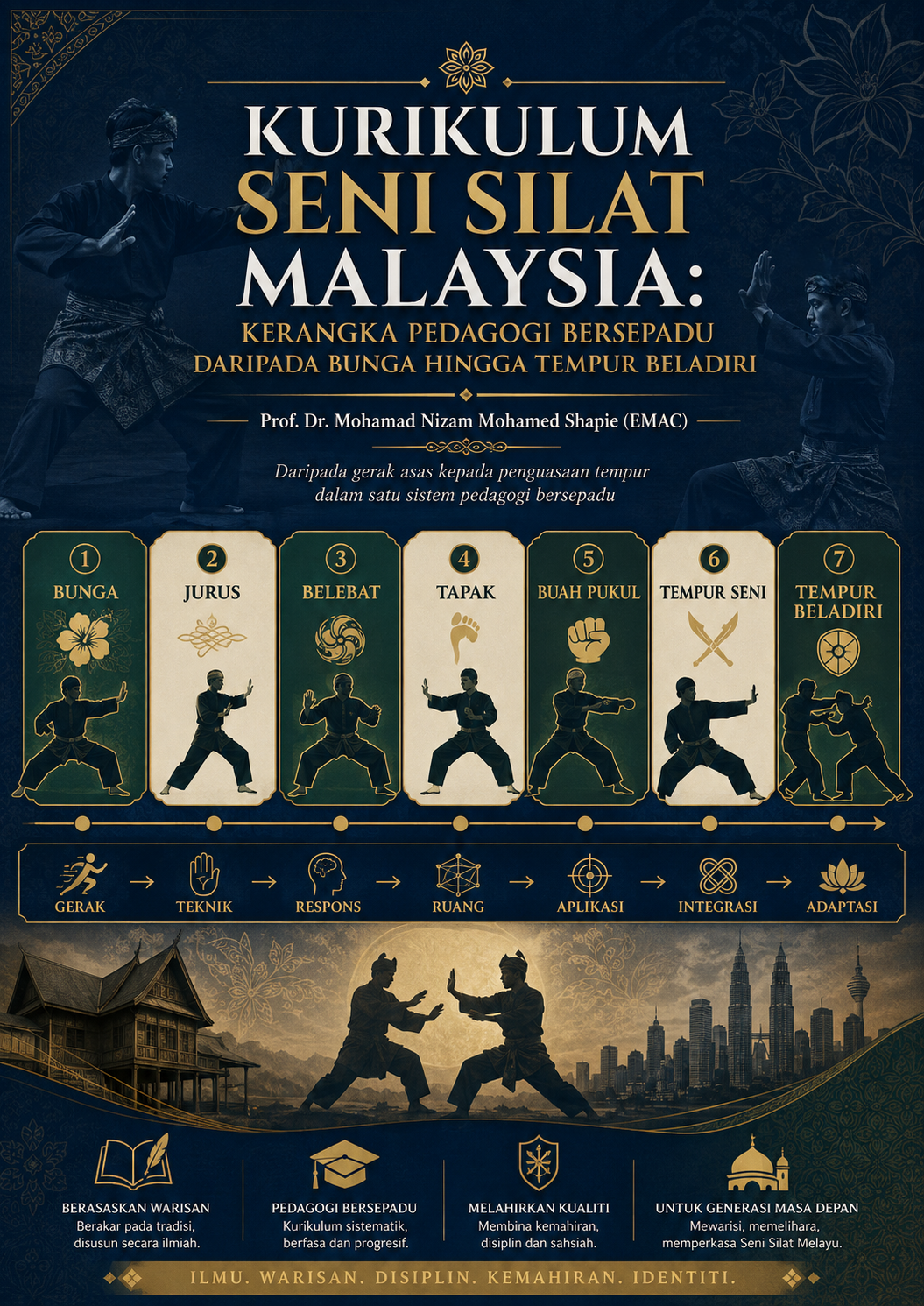
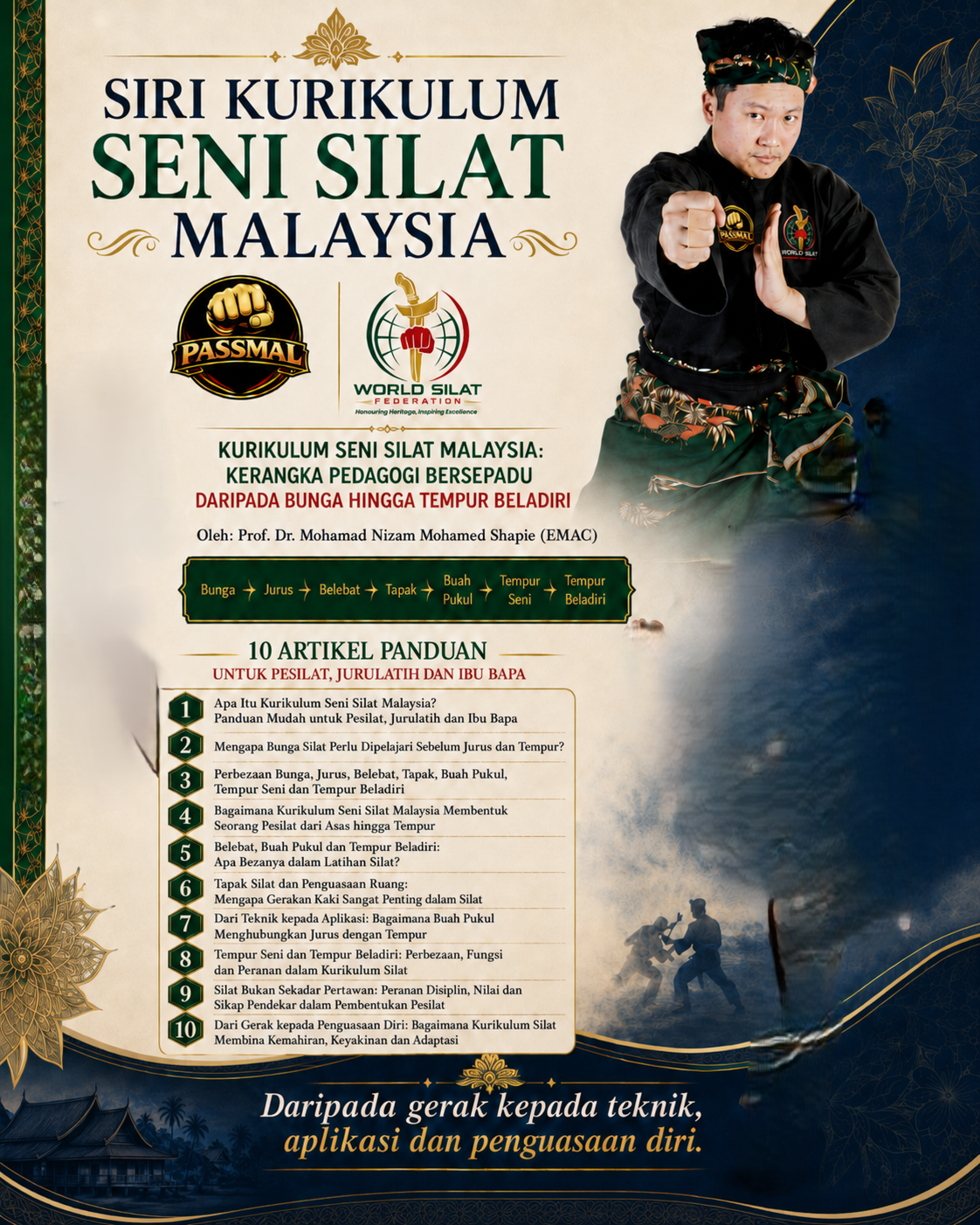
Historically, Silat was transmitted orally and through physical demonstration in village settings and traditional gelanggangs. However, the need for a standardized and inclusive curriculum led to the development of the Kurikulum Seni Silat Malaysia, spearheaded by Tn. Hj. Anuar Abd. Wahab, a key figure in Malaysia. This curriculum was designed to preserve the authenticity of Silat Melayu while adapting it for modern educational contexts (Shapie & Elias, 2016).
The curriculum includes structured lesson plans, grading systems, and performance assessments. It has been disseminated to over 200 Silat instructors across Malaysia and internationally, ensuring consistency in teaching and learning outcomes (Shapie et al., 2024).
Silat in Schools and Universities
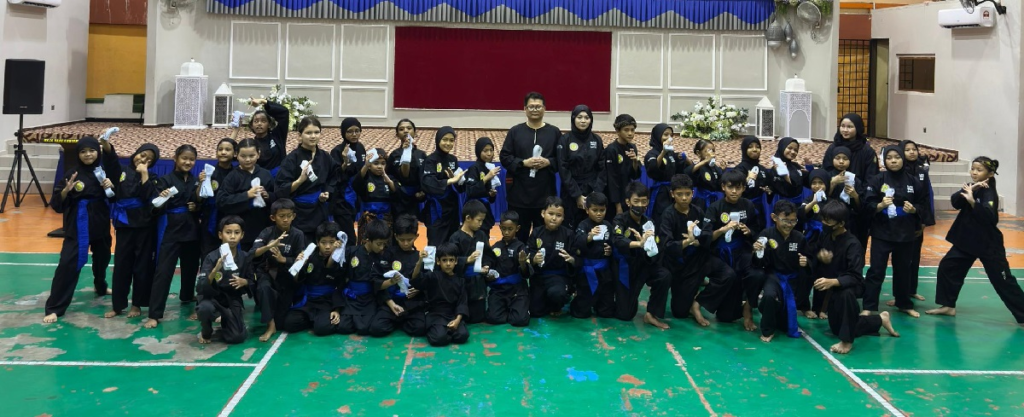
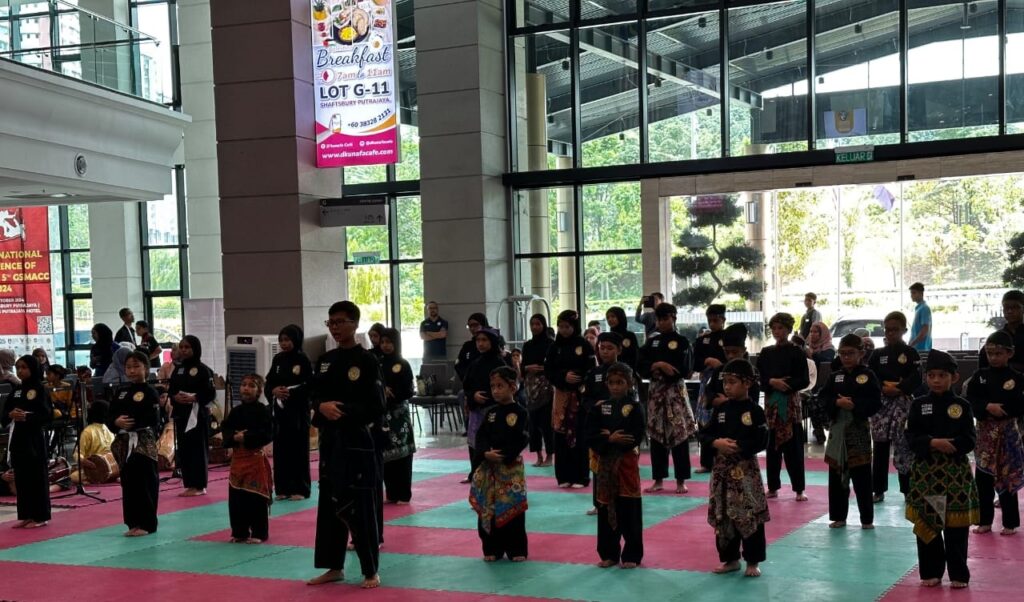
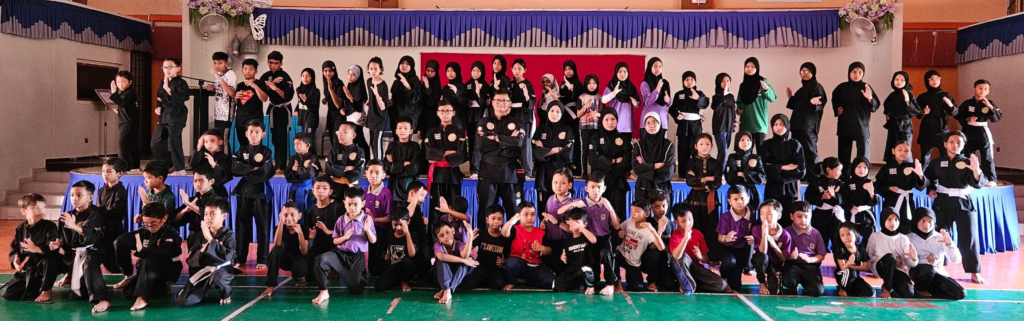
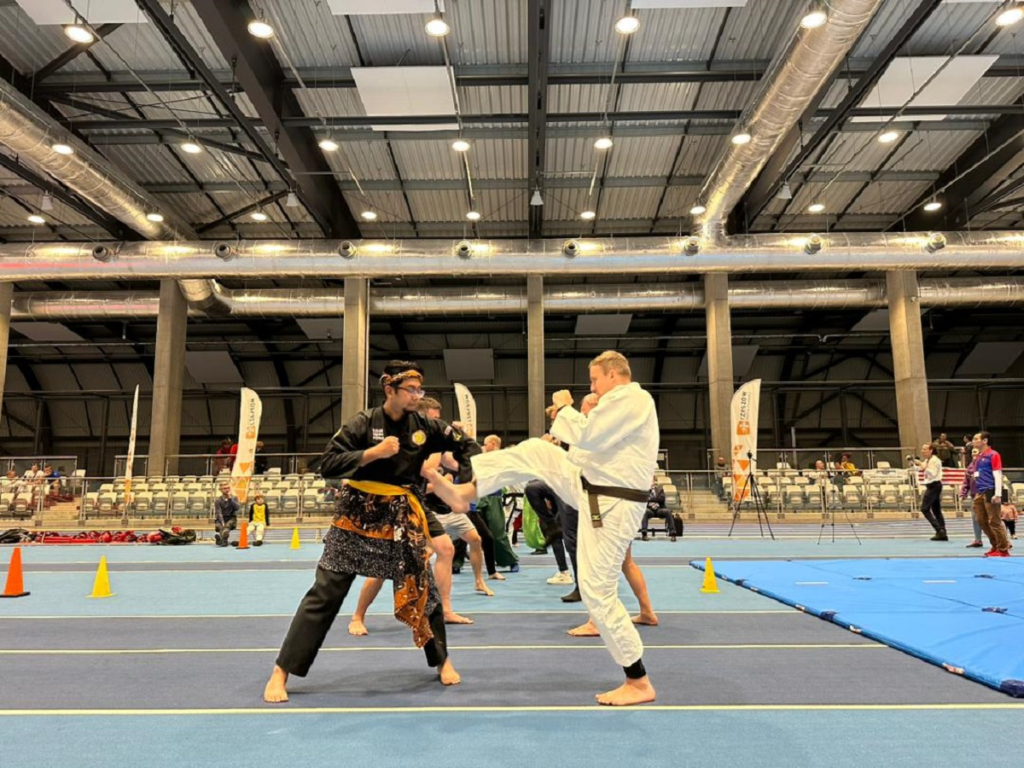
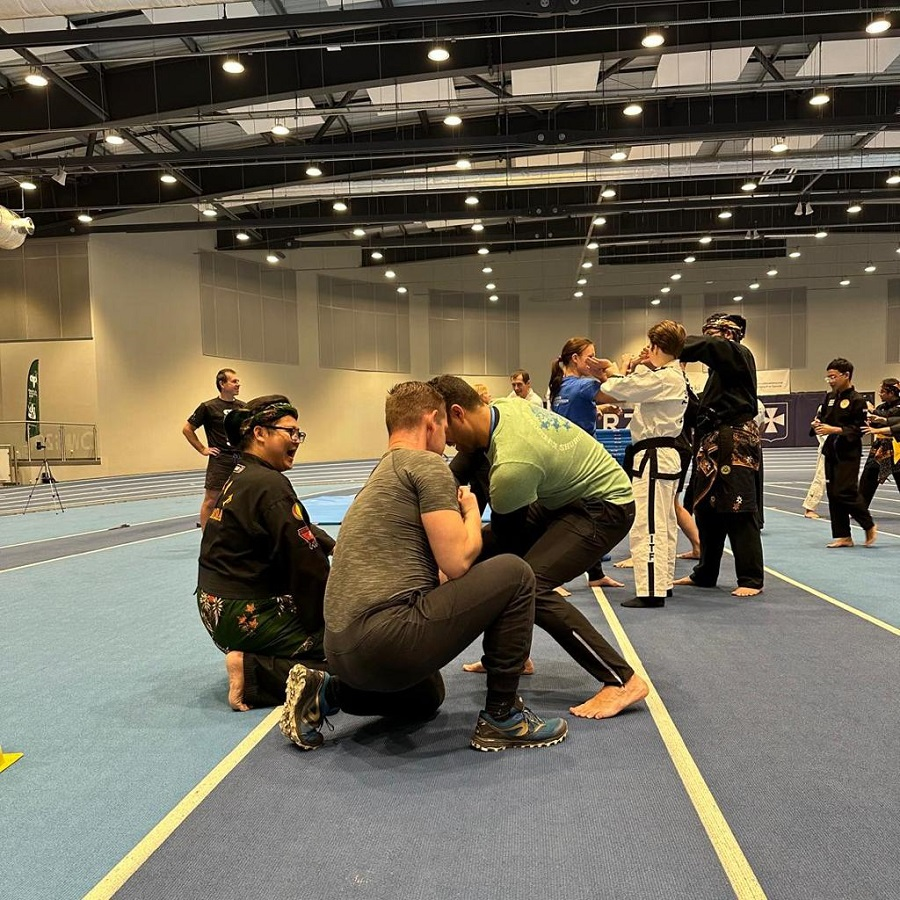
Silat’s integration into the Malaysian education system began as a co-curricular activity and has since expanded into formal instruction. Institutions such as Universiti Teknologi MARA (UiTM), Universiti Malaya, and ASWARA have embraced Silat as part of their cultural and sports programs. The curriculum supports both physical education and cultural studies, allowing students to explore Silat’s philosophical foundations alongside its combat techniques (Shapie et al., 2020).
Research has shown that Silat education enhances students’ discipline, self-confidence, and cultural awareness. It also contributes to national identity formation, especially among multi-ethnic student populations (Shapie et al., 2024).
Scientific Advancement in Silat Training
The modernization of Silat education has been supported by sports science research. Studies have examined biomechanics, plyometric training, and performance analysis to optimize Silat training methods. For example, Shapie et al. (2022) explored the physical performance needs in Silat Olahraga, recommending plyometric training to improve explosive strength and agility.
Other research has focused on activity profiles during competition, comparing winners and losers to identify key performance indicators (Shapie et al., 2013; Shapie et al., 2018). These findings have informed coaching strategies and athlete development programs, particularly for youth and children.
Silat Tempur: Combat Sports for Children
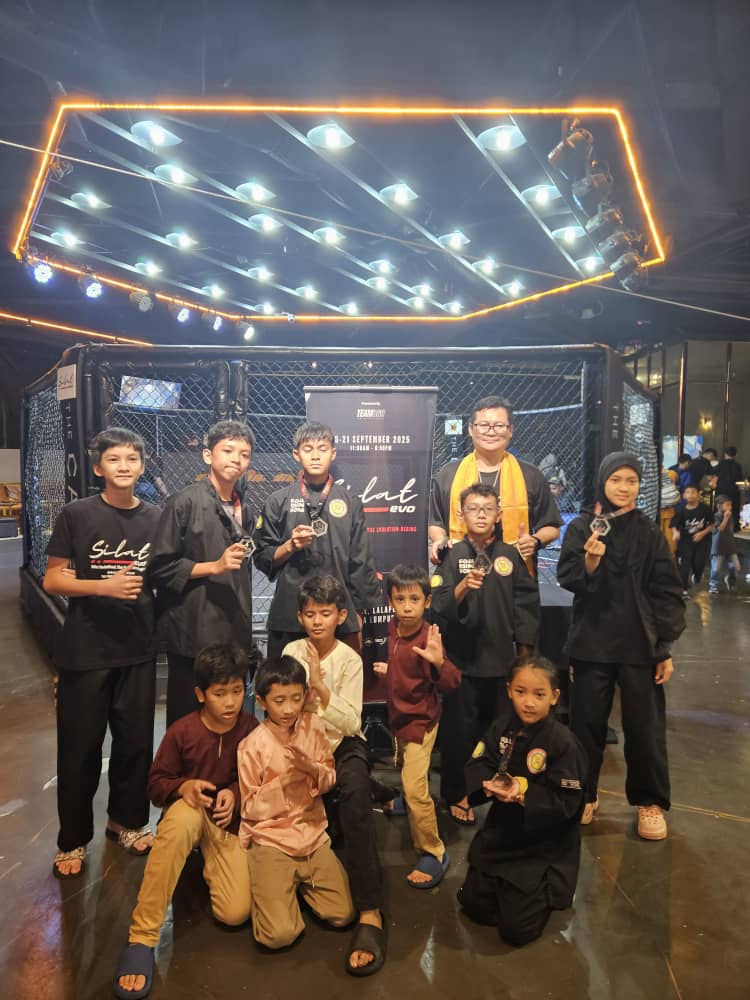
One of the most innovative contributions to Silat education is Silat Tempur, a combat sport model designed specifically for children. Developed by PASSMAL, Silat Tempur emphasizes safety, skill development, and character building. It has been implemented in national competitions and school programs, with research validating its effectiveness in promoting physical fitness and psychological resilience (Shapie & Elias, 2016; Shapie et al., 2023).
Silat Tempur also serves as a gateway for young athletes to transition into Silat Olahraga and other competitive formats. Its structured approach aligns with child development principles and has been praised for its inclusivity and educational value.
Globalization and Cultural Diplomacy
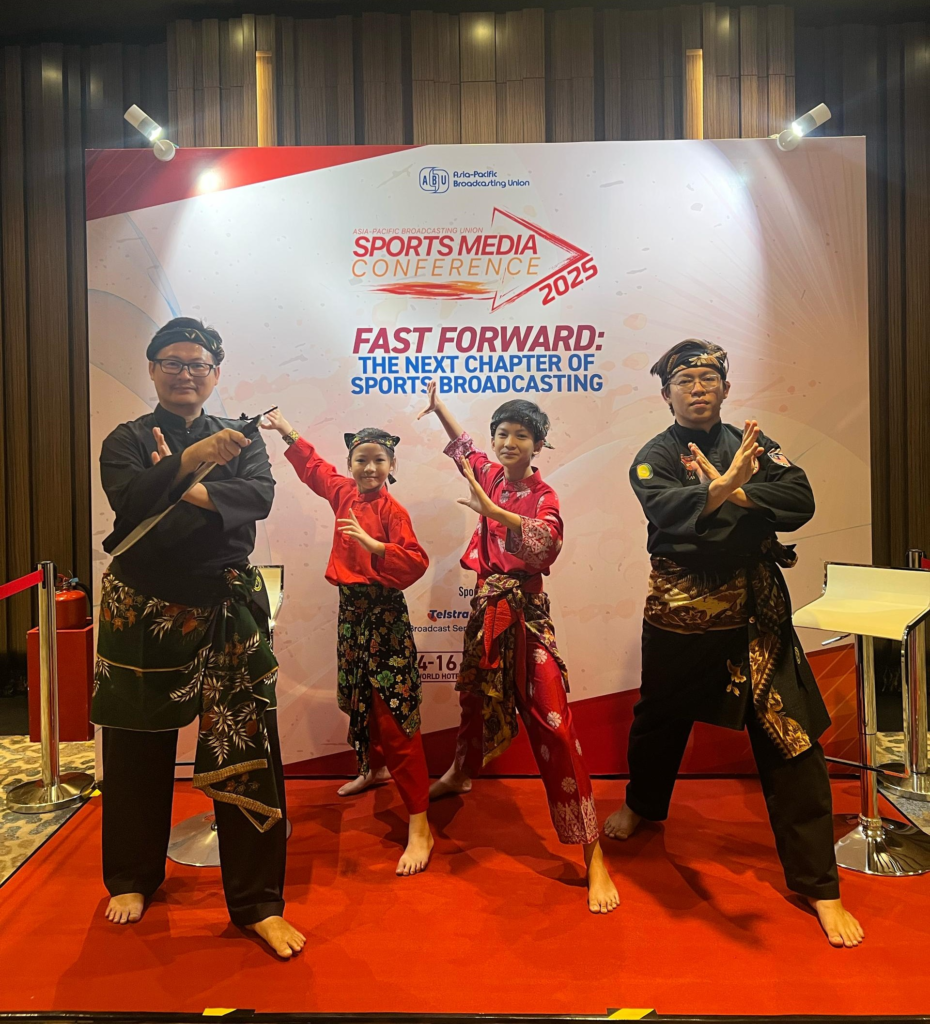
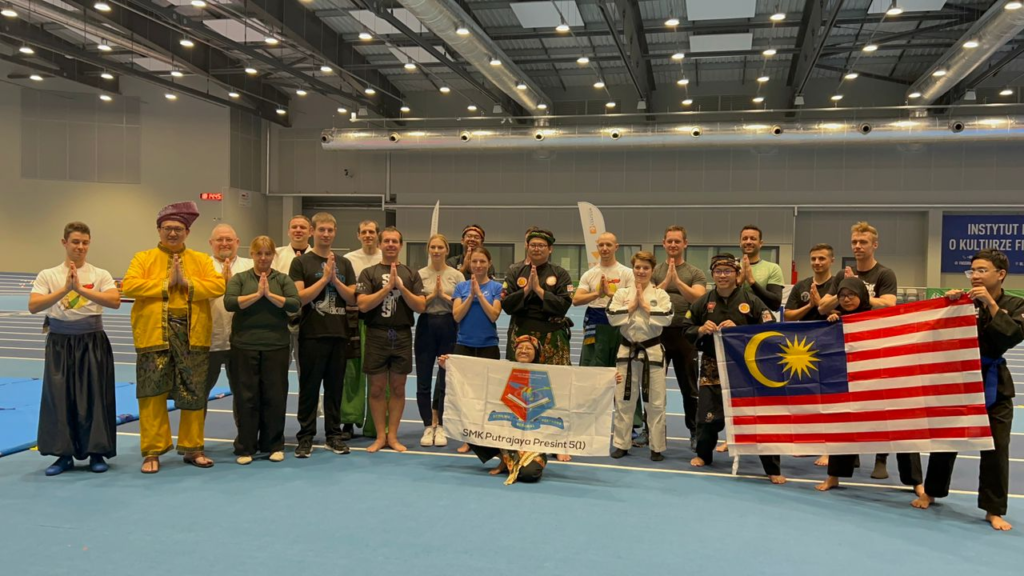
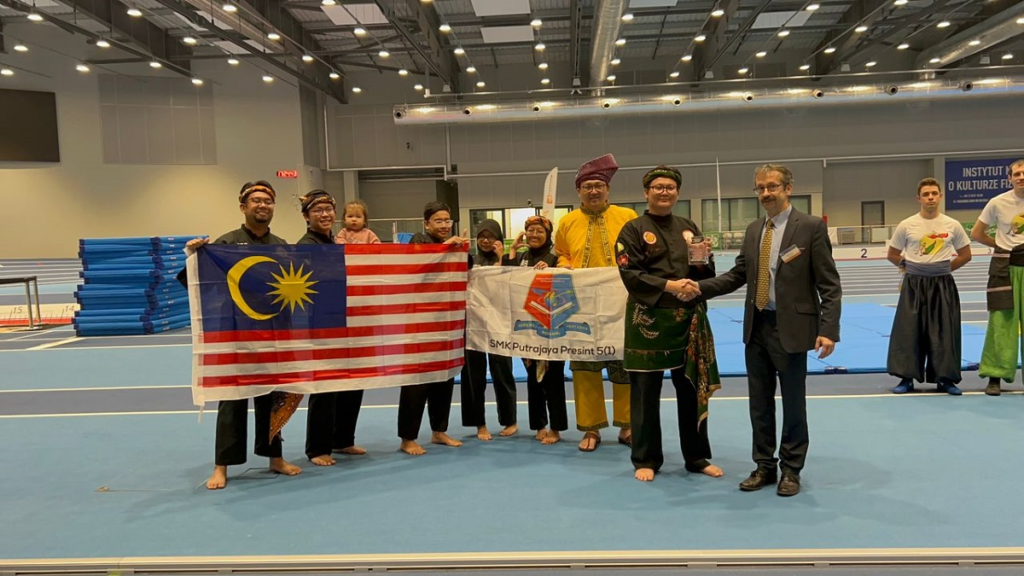
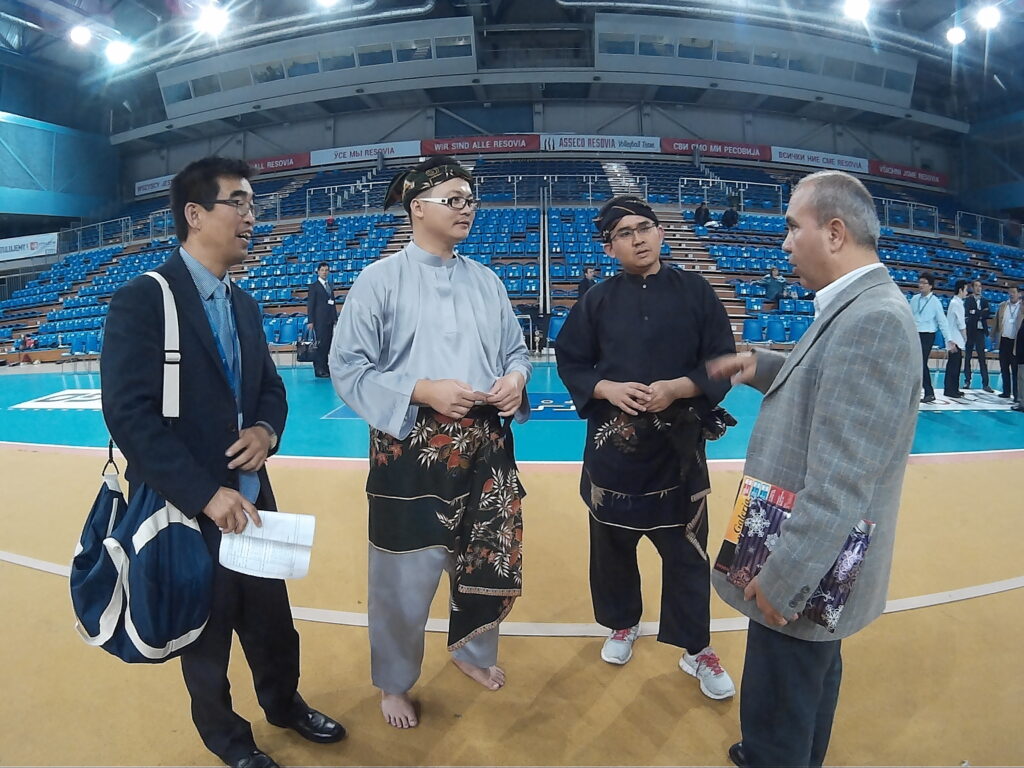
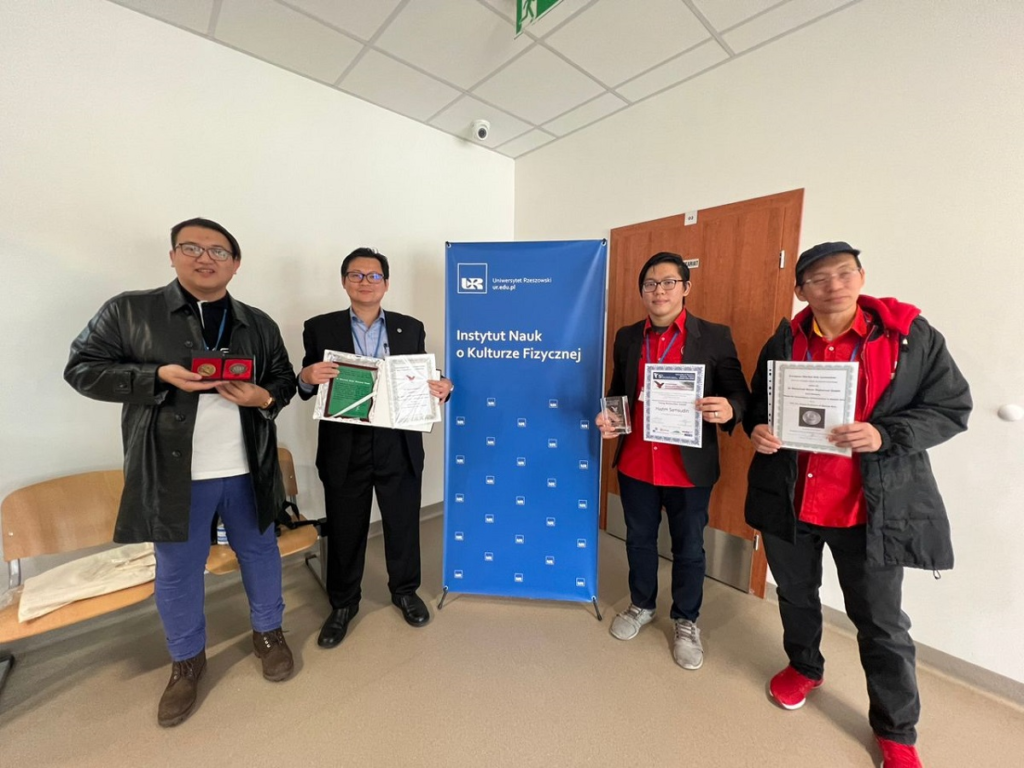
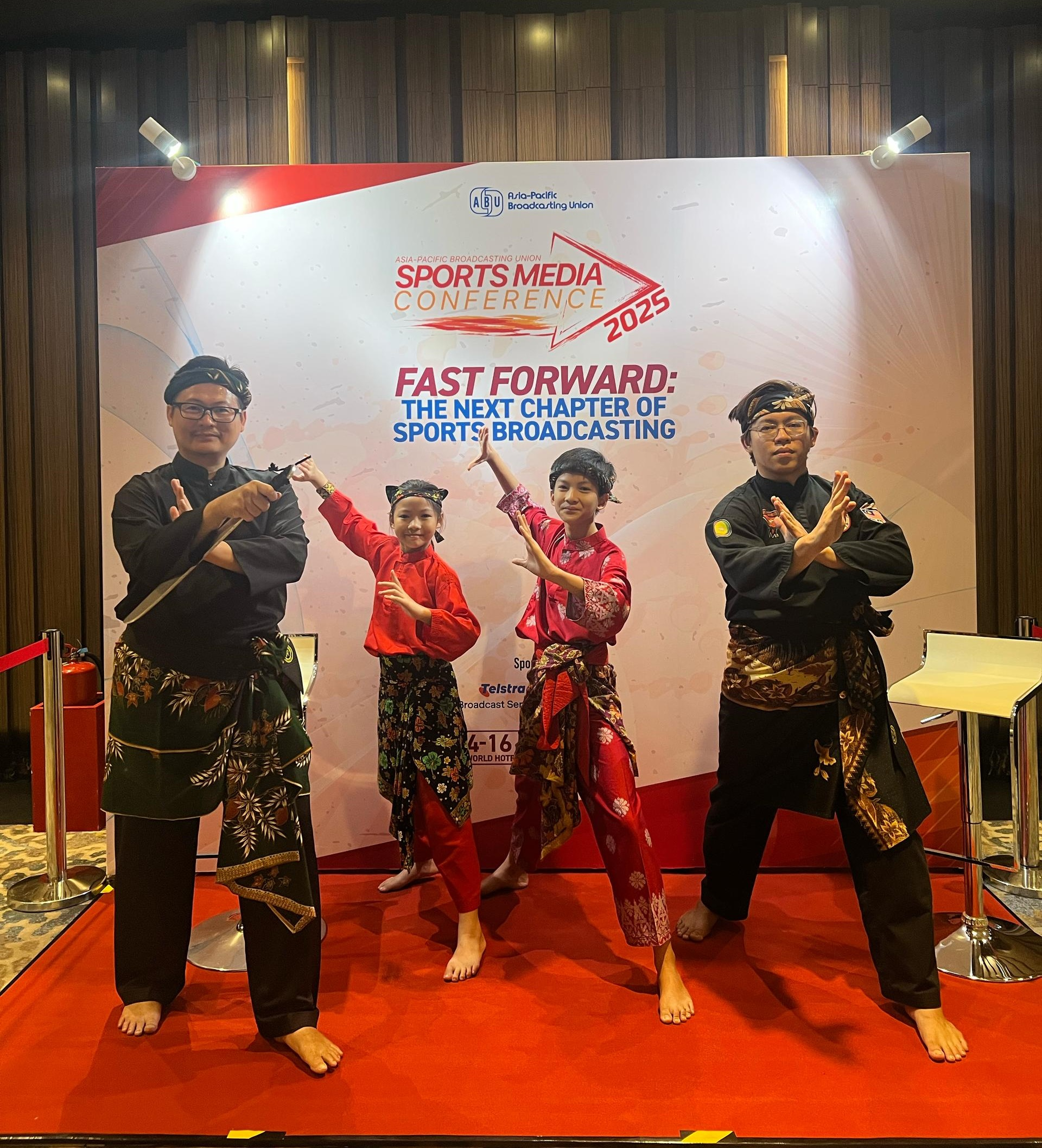
PASSMAL has played a pivotal role in promoting Silat internationally. Through performances, training programs, and academic collaborations, Silat has reached audiences in Europe, Asia, and the Americas. The organization’s participation in events such as the International Martial Arts Games and IMACSSS conferences has elevated Silat’s status as a global martial art (Shapie et al., 2024).
Silat’s recognition by the World Silat Federation (WSF) further legitimizes its educational and cultural significance. The WSF supports international standardization, coaching certification, and curriculum development, ensuring that Silat remains relevant and respected worldwide (Shapie, 2020).
Silat and Youth Empowerment
Beyond physical training, Silat serves as a powerful tool for youth empowerment. It has been used in anti-bullying campaigns, character education, and rehabilitation programs. The structured nature of Silat training fosters emotional regulation, social responsibility, and leadership skills (Shapie & Meng, 2020)
Studies have shown that Silat practice improves psychological profiles among young athletes, including tennis players who cross-train with Silat (Rahim et al., 2022). These findings highlight Silat’s versatility and its potential to contribute to holistic youth development (Shapie et al., 2019).
Challenges and Future Directions
Despite its successes, Silat education faces challenges in maintaining authenticity while adapting to global standards. The dominance of Pencak Silat, recognized as Indonesia’s national martial art, has led to confusion about Silat’s identity. PASSMAL addresses this by emphasizing Silat Melayu as Malaysia’s indigenous martial tradition and developing curricula that reflect its unique philosophy (Shapie et al., 2020).
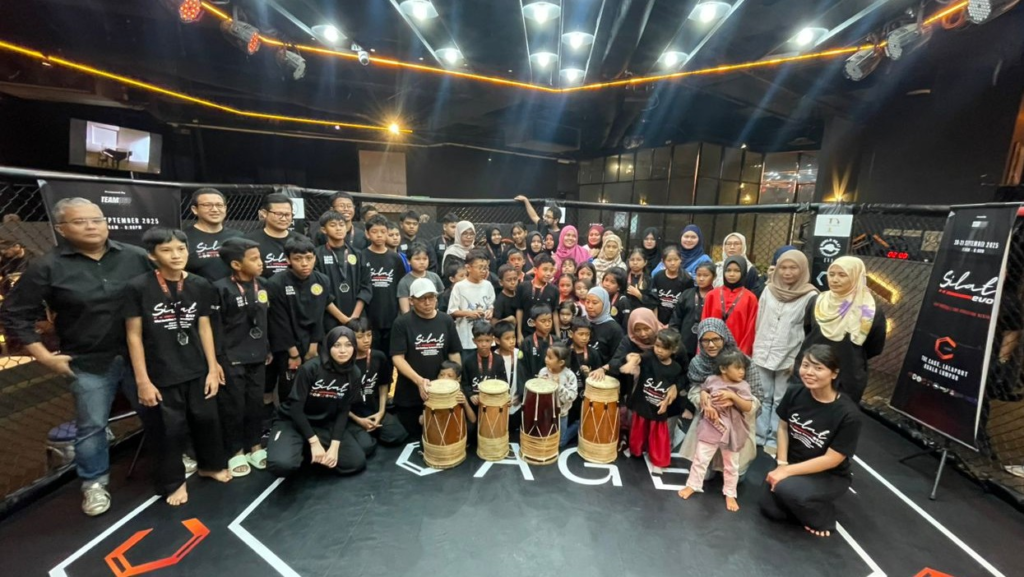
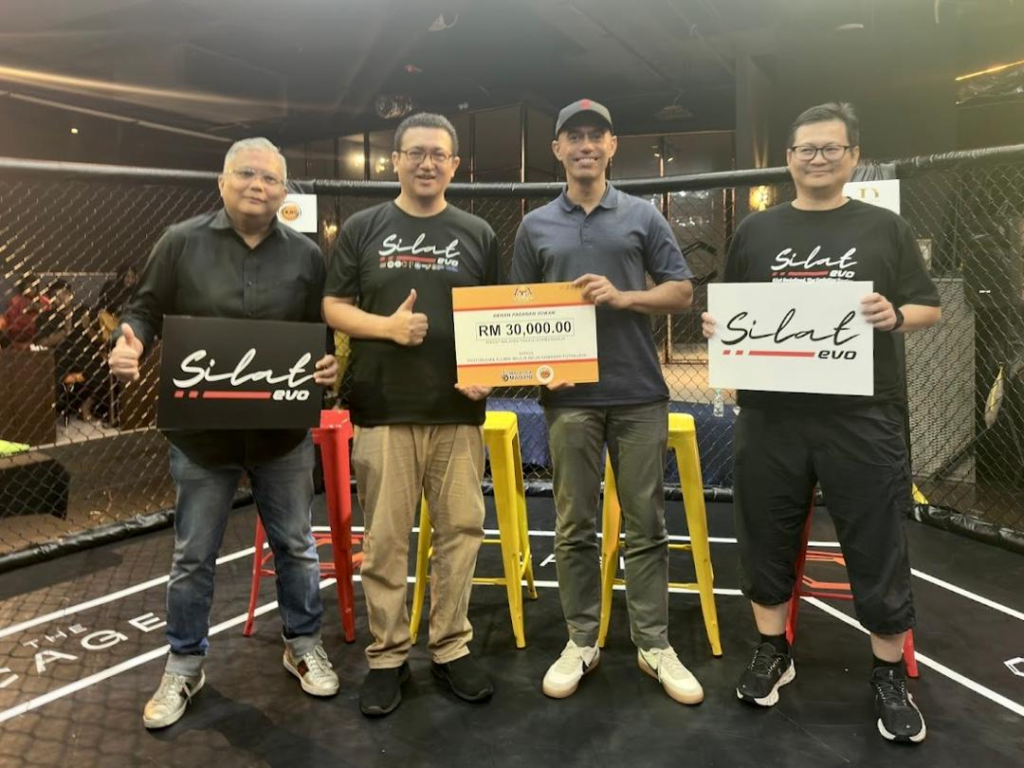
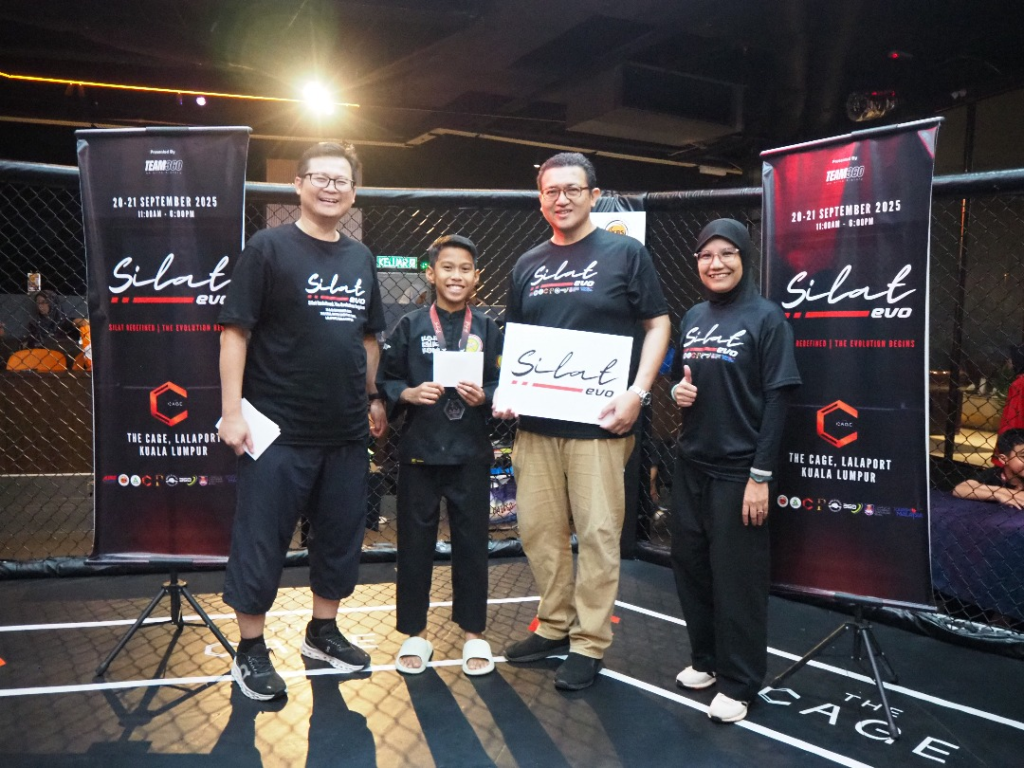
Future directions include expanding digital learning platforms, enhancing research collaborations, and promoting Silat as part of Malaysia’s national education policy. Initiatives like “Silat for Beginners” and Silat EVO aim to modernize Silat while preserving its cultural essence.
References
Shapie, M.N.M. (2020). World Silat Federation: Reality or Myth? In IMACSSS: International Martial Arts and Combat Sports Scientific Society.
Shapie, M.N.M. & Elias, M.S. (2016). Silat Tempur: The Combat Sports for Children. In Proceedings of the International Colloquium on Sports Science, Exercise, Engineering and Technology 2016, Springer.
Shapie, M.N.M., Meng, L.K. (2020). Silat Tempur: Issues in Silat Development from Children to Youth Athletes. In IMACSSS: International Martial Arts and Combat Sports Scientific Society.
Shapie, M.N.M., Nadzalan, A.Md., Japilus, S.J.Md., Ramli, M.S. (2020). IMACSSS: International Martial Arts and Combat Sports Scientific Society. Pertubuhan Seni Gayung Fatani Malaysia.
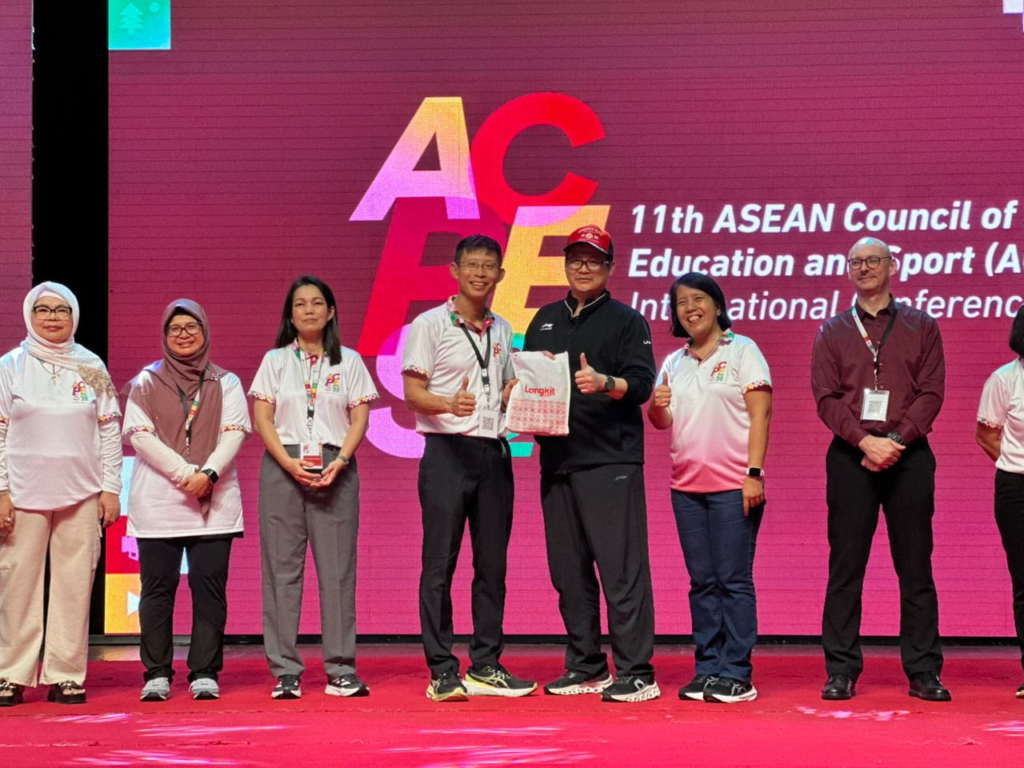
Shapie, M.N.M., Samsudin, H., Abdullah, N.M., Rahim, M.R.A., Ihsan, N., Nawai, N.S.N., Padli (2024). Tradition To Academia: The Transformation of Silat Education (2014–2024). In ACPES International Conference 2024.
Rahim, M.R.A., Shapie, M.N.M., Abdullah, N.M., Parnabas, V., Nor, M.A.M. (2022). Effects of Cross-Training Using Silat Practice on Psychological Profiles of Young Tennis Players. Ido Movement for Culture. Journal of Martial Arts Anthropology, 22(2s), 37–45.
Shapie, M.N.M., Wahidah, T., Kusrin, J., Elias, M.S., Abdullah, N.M. (2019). Silat Tempur: An Overview of the Children’s Combat Sports. Ido Movement for Culture. Journal of Martial Arts Anthropology, 19(1s), 55–61.
Shapie, M.N.M., Zenal, Z., Parnabas, V., Abdullah, N.M. (2016). The Correlation between Leadership Coaching Style and Satisfaction among University Silat Olahraga Athletes. Ido Movement for Culture. Journal of Martial Arts Anthropology, 16(3), 34–39.
Shapie, M.N.M., Oliver, J., O’Donoghue, P., Tong, R. (2013). Activity Profile During Action Time in National Silat Competition. Journal of Combat Sports and Martial Arts, 4, 81–86.