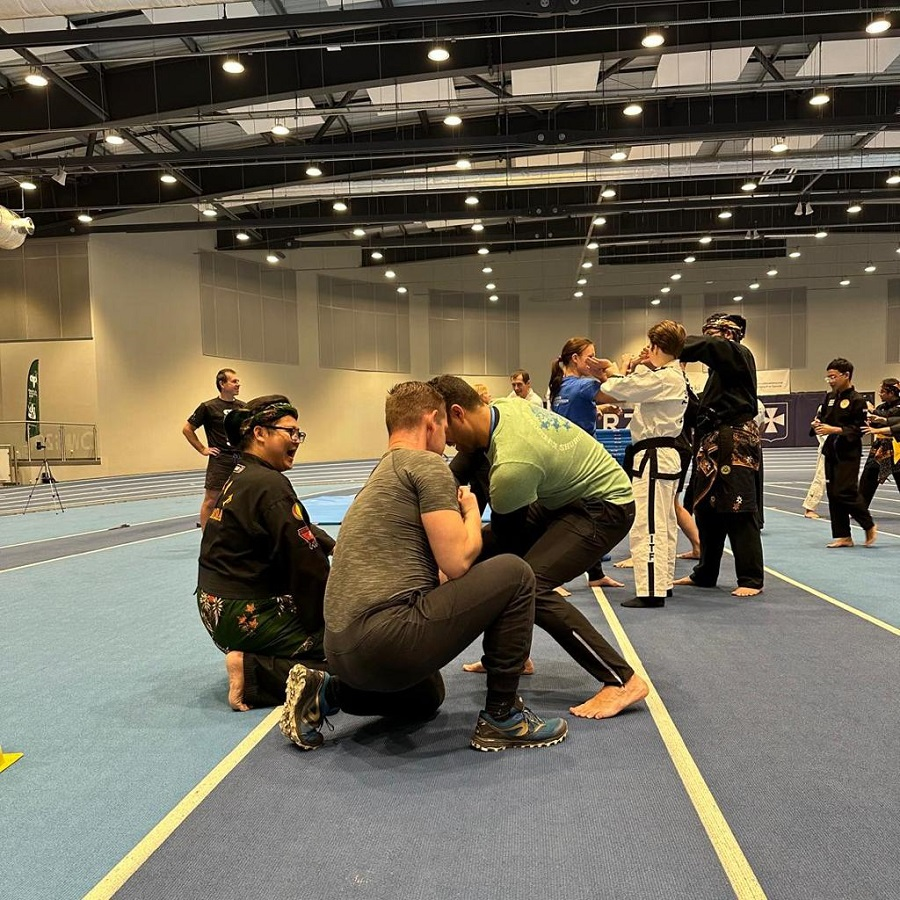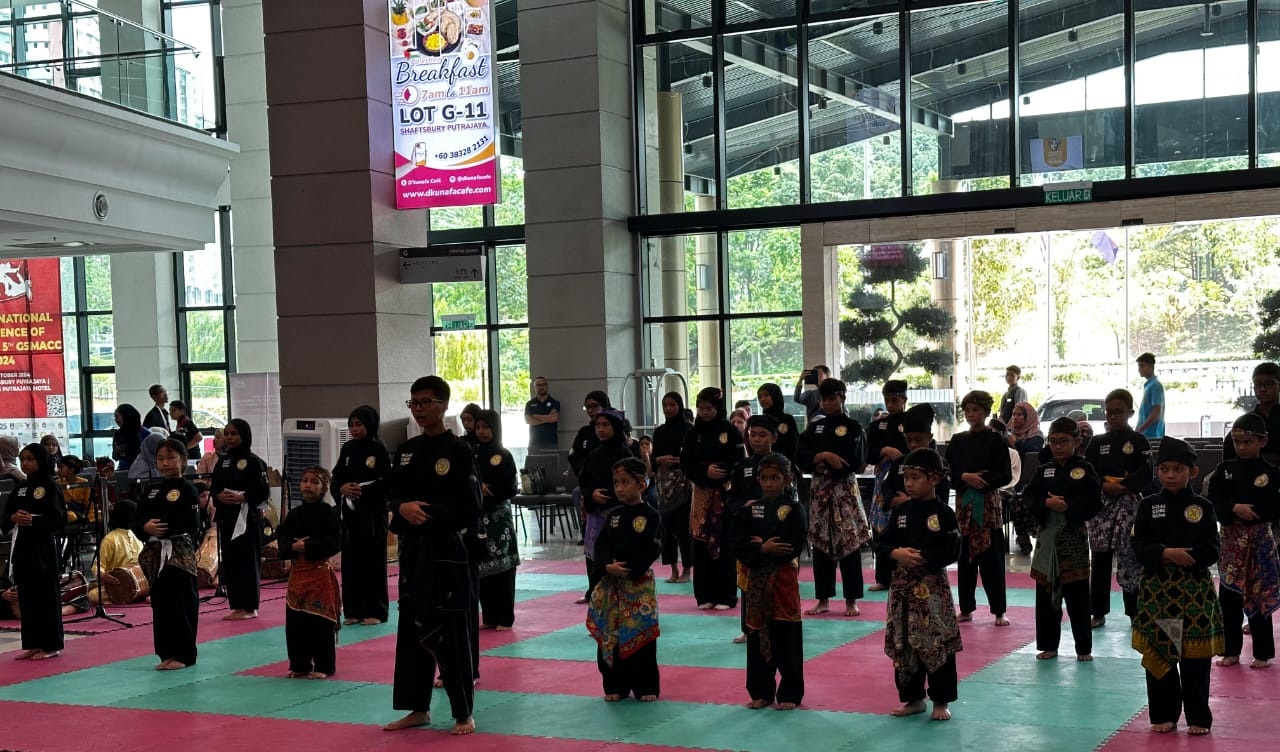
Silat is more than a martial art—it is a living embodiment of Malay identity. Rooted in centuries of tradition, Silat reflects the values of courage, humility, discipline, and community. It is practiced not for fame or competition alone, but for self-mastery, cultural preservation, and service to society. Silat is the soul of the Malay warrior ethos, and its teachings continue to shape generations of Malaysians.
Cultural Roots and Spiritual Depth
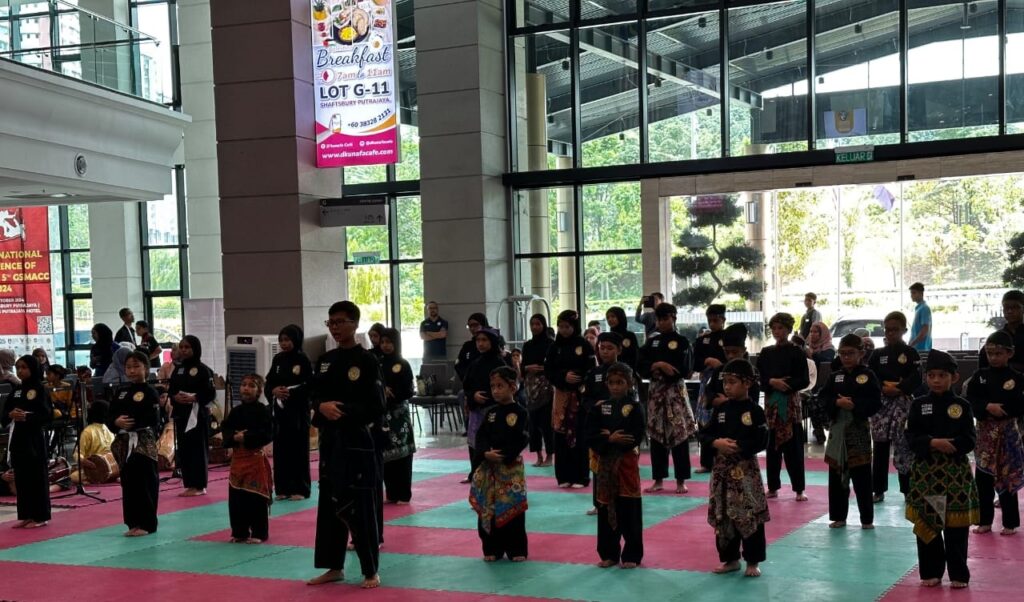
Silat has always been inseparable from the Malay worldview. Historically, it was taught in secluded bangsal (training huts), passed orally from guru to student. It was not just a physical discipline but a spiritual journey. The practice of Silat was intertwined with rituals, prayers, and moral teachings that emphasized balance, respect, and inner strength (Shapie et al., 2016).
The values embedded in Silat—berani (courage), rendah diri (humility), and beradab (etiquette)—are central to Malay identity. Silat teaches that true strength lies not in domination, but in discipline and service. It is a martial art that cultivates warriors who protect, not provoke; who lead with wisdom, not ego.
PASSMAL’s Role in Preserving Identity
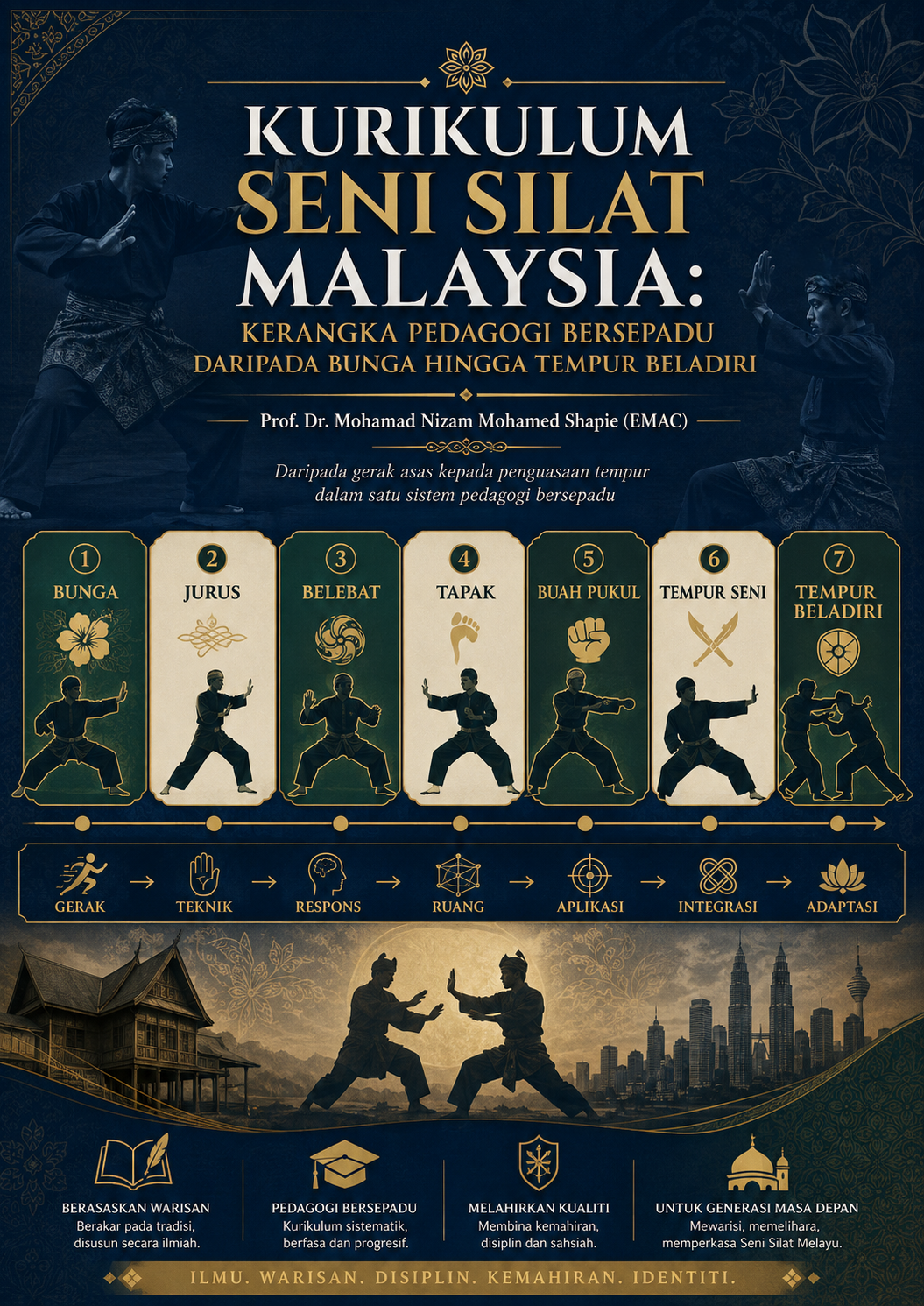
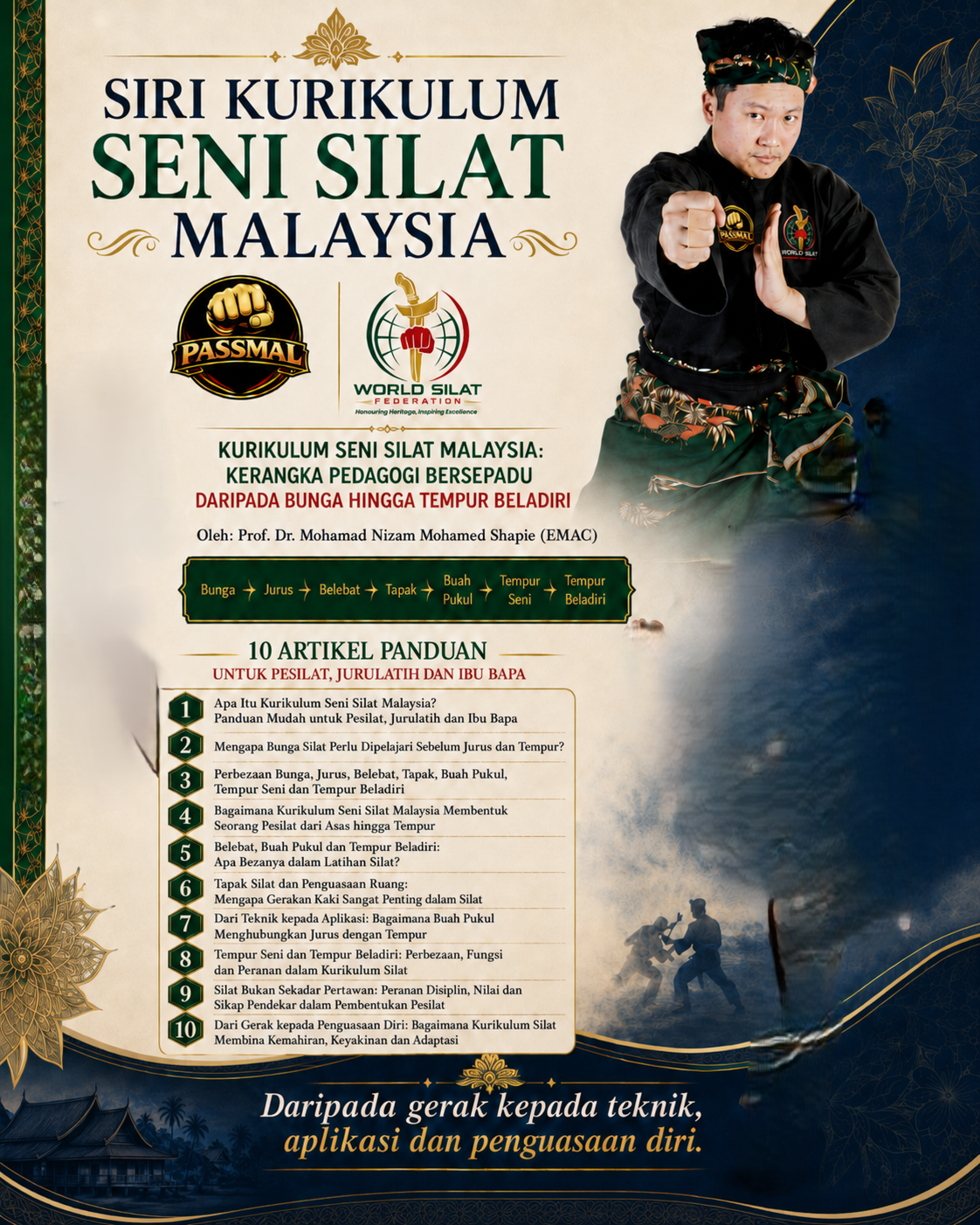
The Malaysian Organization of Authentic Malay Silat Arts (PASSMAL) has played a pivotal role in preserving and promoting Silat as a cultural expression. PASSMAL’s teachings emphasize that Silat is not just a skill—it is a moral compass, a source of pride, and a reflection of the Malay spirit. Through its structured curriculum, PASSMAL ensures that Silat remains rooted in tradition while adapting to modern educational standards (Shapie & Ramli, 2025a;b).
PASSMAL’s curriculum includes modules on technique, philosophy, history, and ethics. It teaches students to understand Silat not only as a combat system but as a cultural legacy. The manuals—Manual Kejurulatihan Seni Silat Malaysia Tahap 1 & 2—outline the pedagogical framework that integrates traditional wisdom with contemporary learning environments (Shapie & Ramli, 2025a;b).
Silat as a Moral and Cultural Education
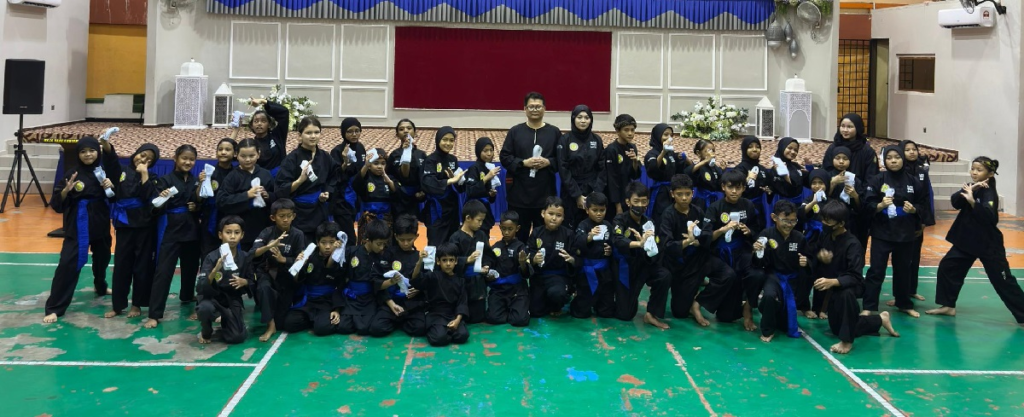
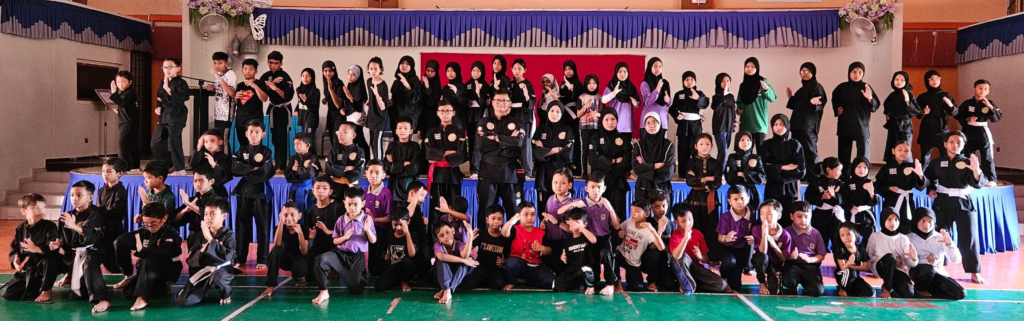
Silat is a tool for character development. It instills discipline, respect for elders, and a sense of responsibility. In a time when youth are increasingly disconnected from their heritage, Silat offers a meaningful path to rediscover identity and purpose. It teaches that every movement must be intentional, every breath aligned with values.
The integration of Silat into schools and universities has allowed young Malaysians to engage with their culture in a structured and empowering way. Research has shown that Silat enhances psychological resilience, emotional regulation, and leadership skills among youth (Rahim et al., 2022). These outcomes affirm Silat’s role as a holistic educational tool.
Global Recognition Through WSF
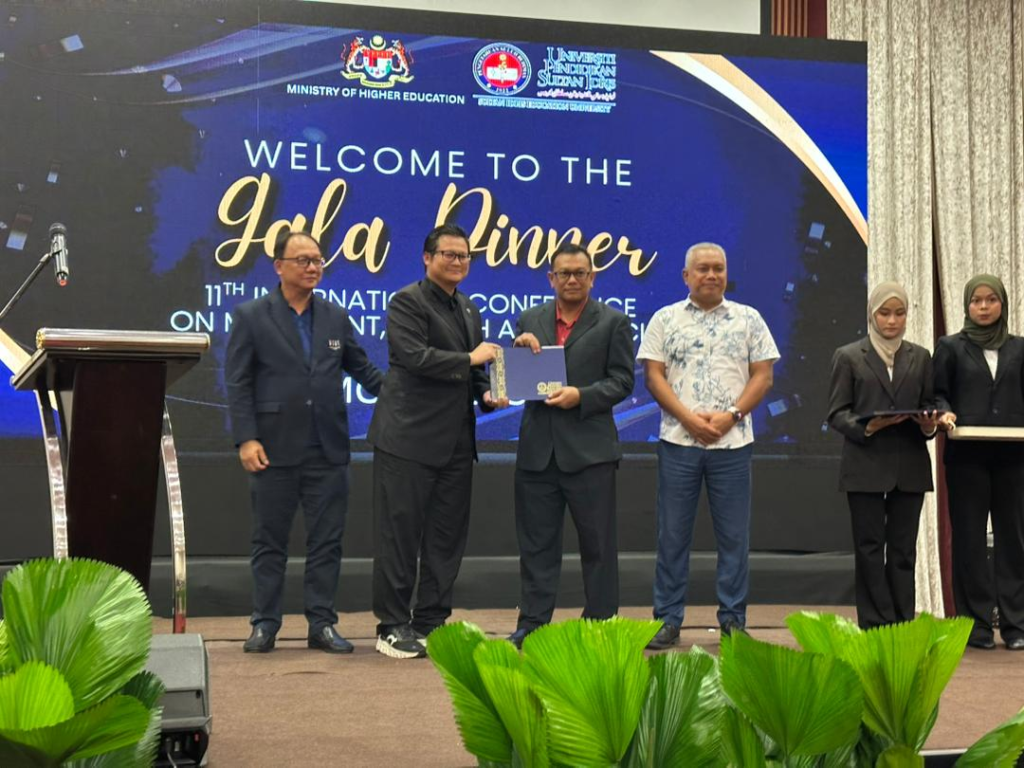
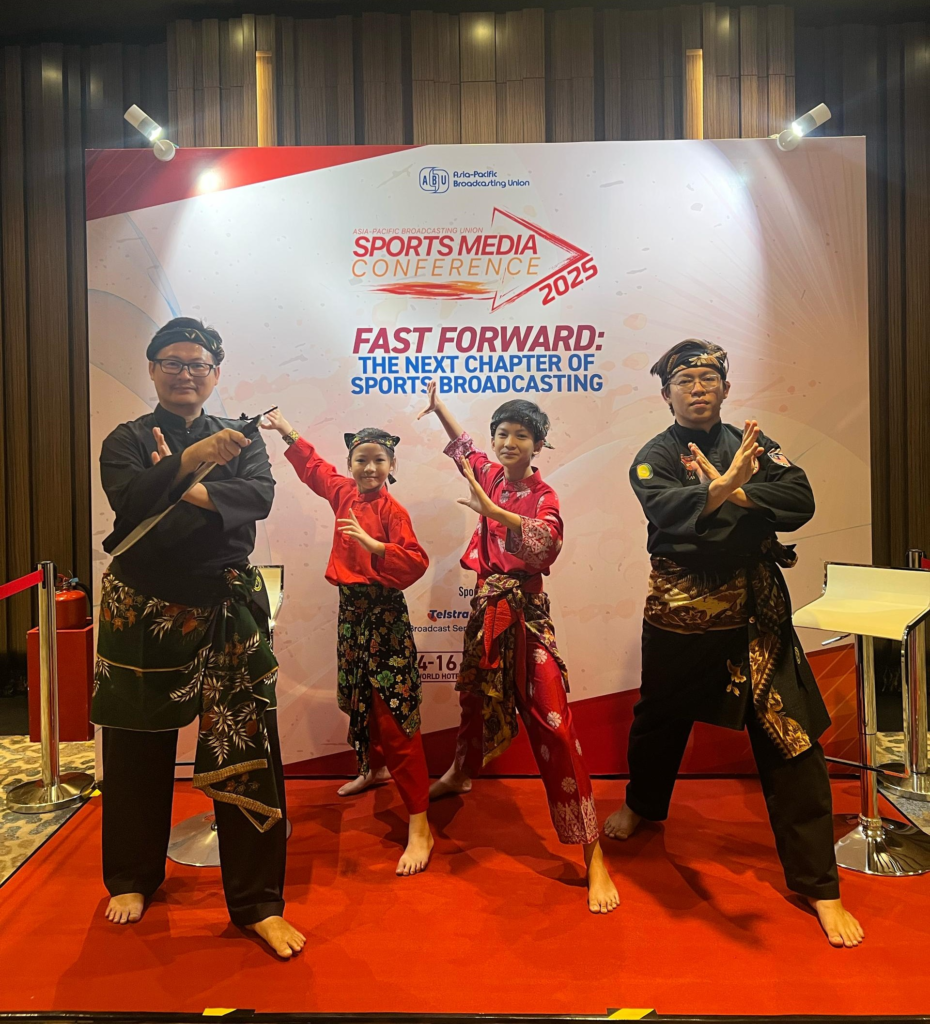
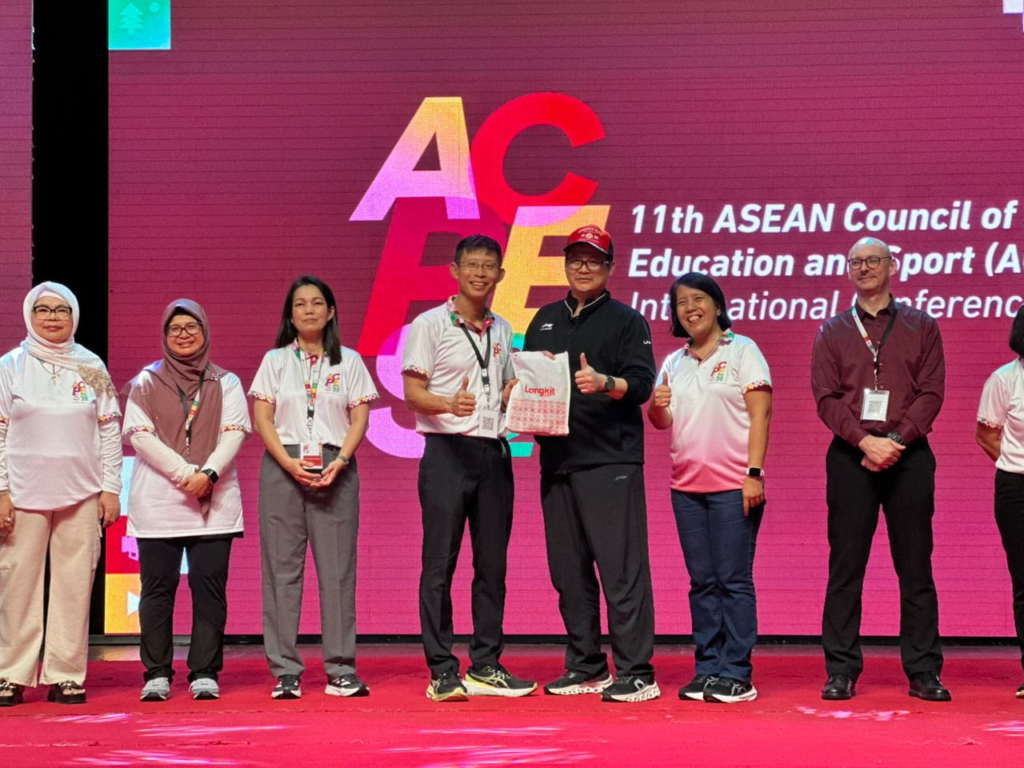
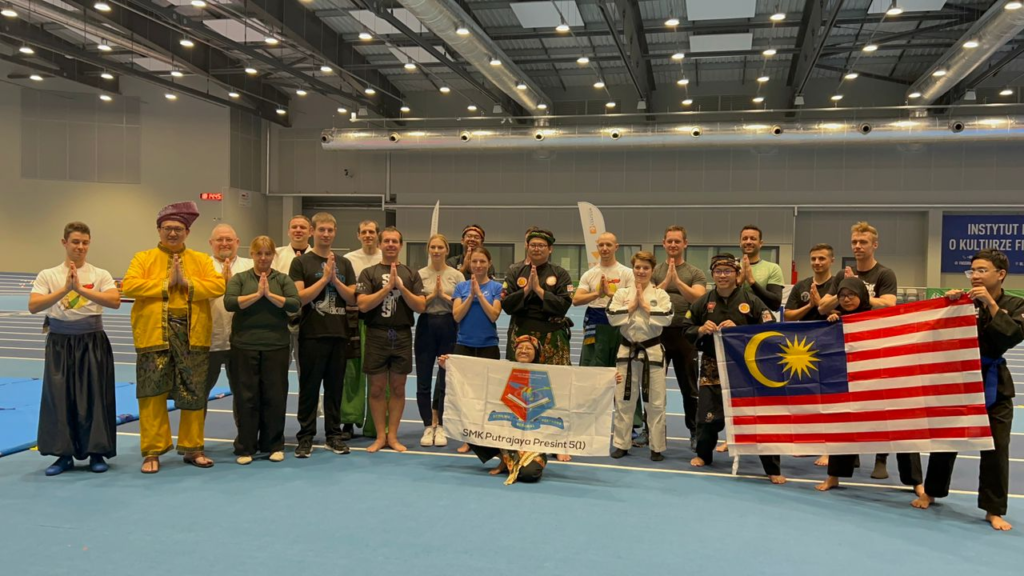
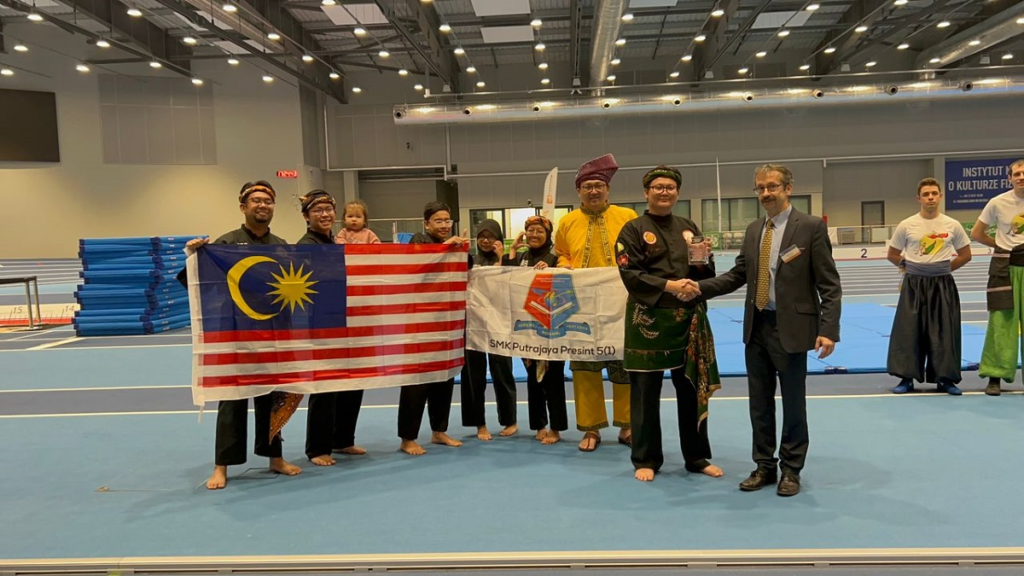
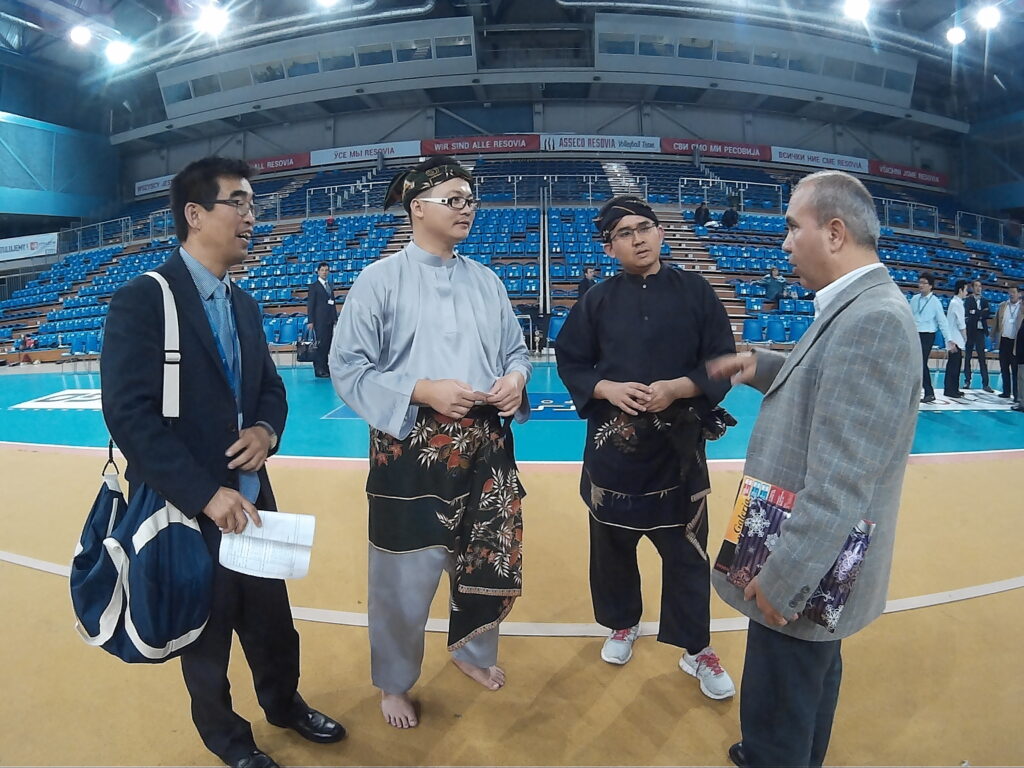
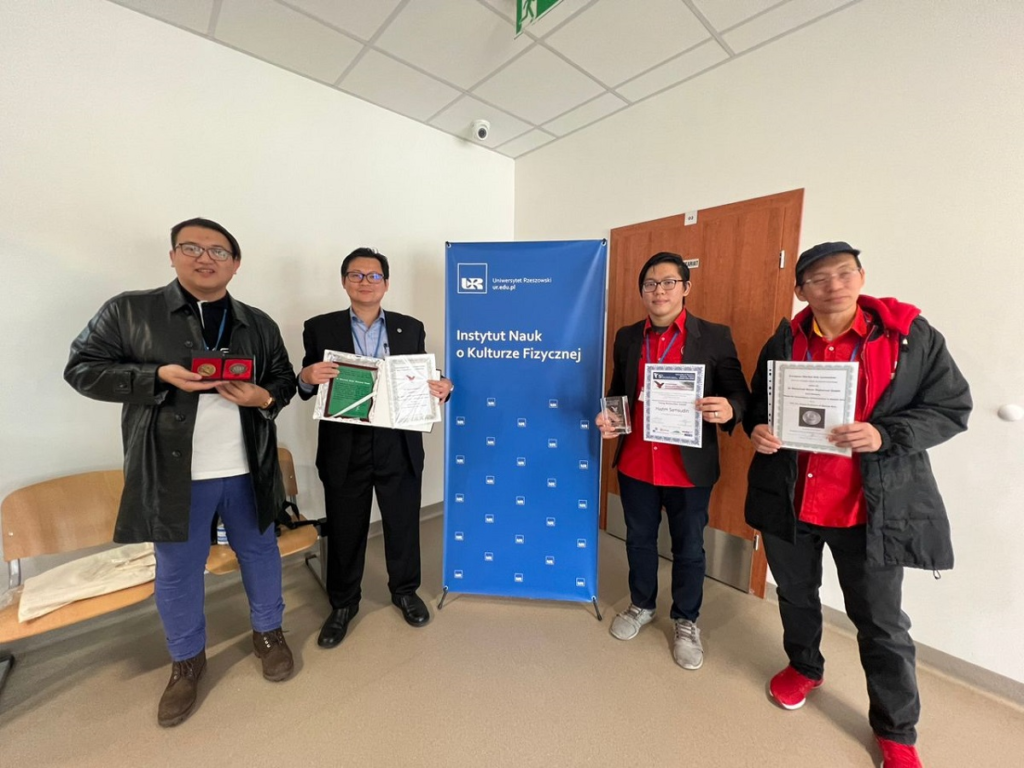
Through collaboration with the World Silat Federation (WSF), PASSMAL has elevated Silat to the global stage. Silat is now recognized internationally not only as a martial art but as a cultural treasure. Events such as the IMACSSS International Congress and the ACPES Conference have showcased Silat’s depth and dignity, allowing global audiences to witness the richness of Malay martial culture (Shapie et al., 2024).
This global recognition has empowered Malaysians to share their heritage with pride. Silat performances, academic presentations, and cultural exchanges have positioned Malaysia as a leader in martial arts diplomacy. Silat is no longer confined to village arenas—it is now part of international discourse on heritage, education, and identity.
Silat Tempur and Youth Engagement
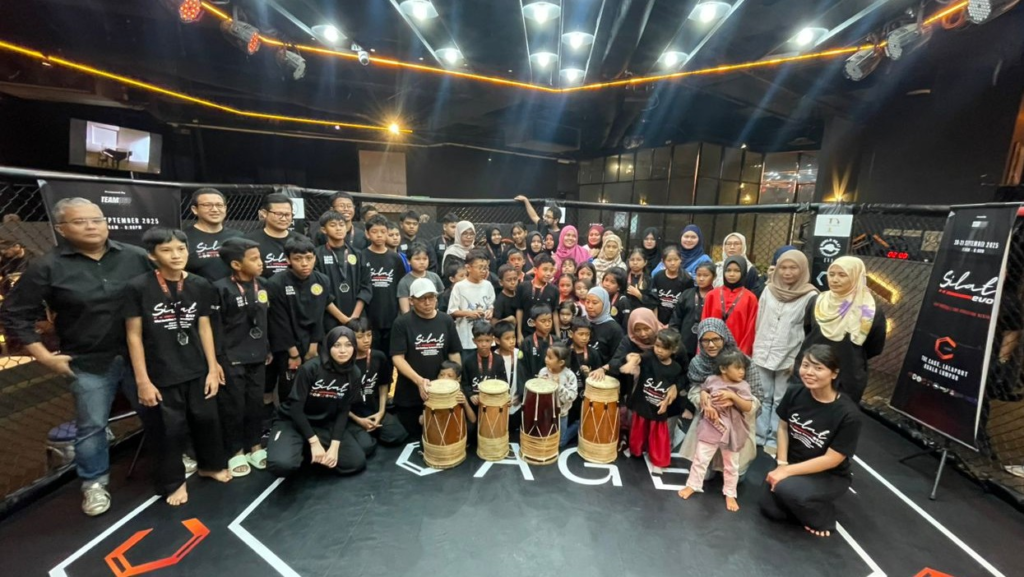
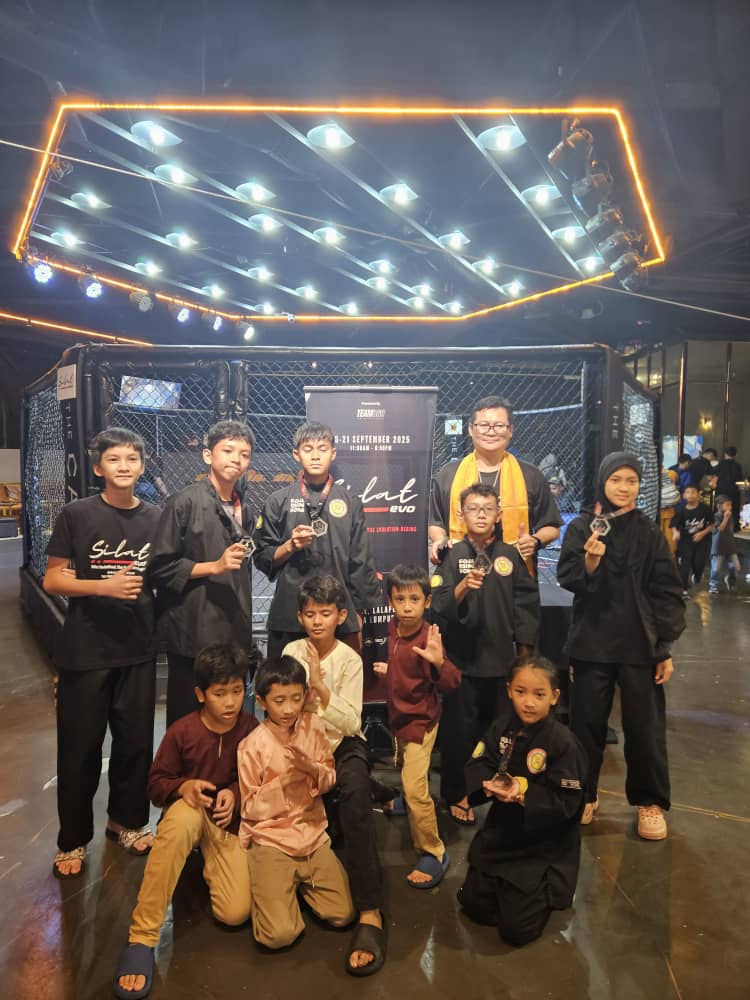
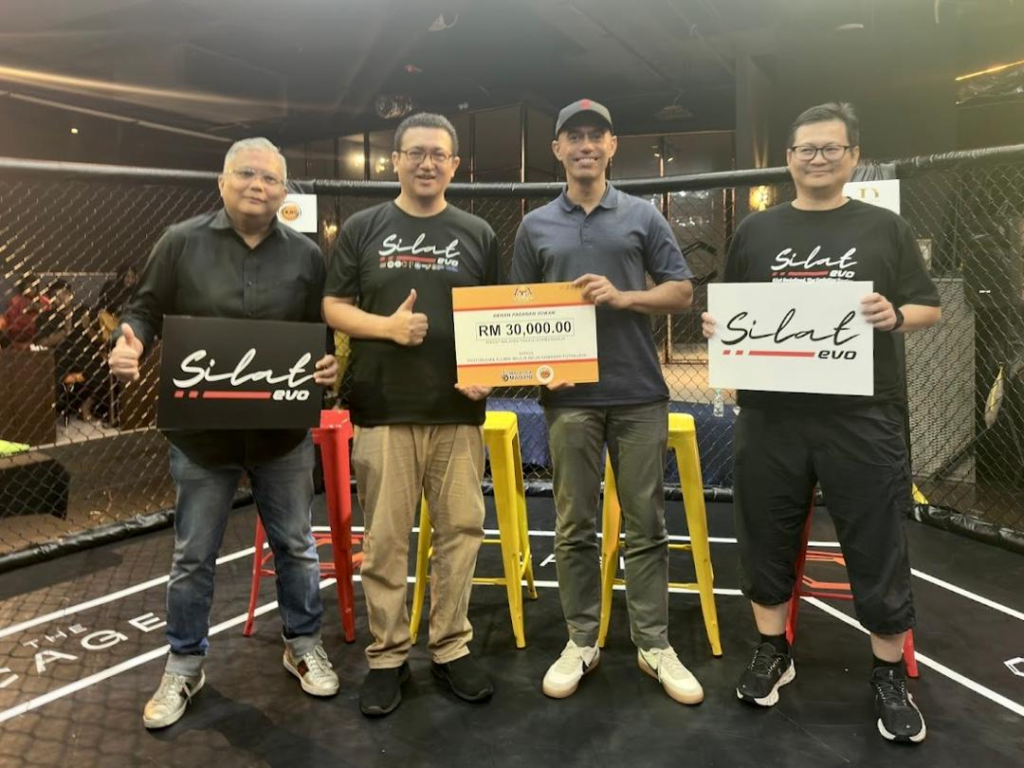
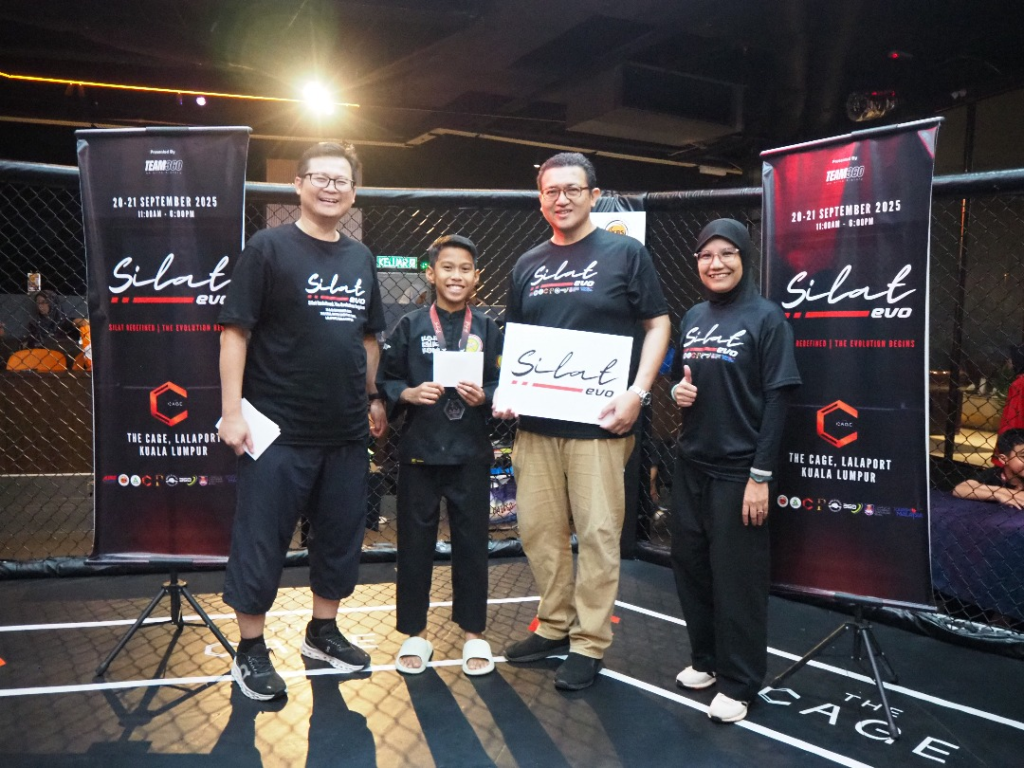
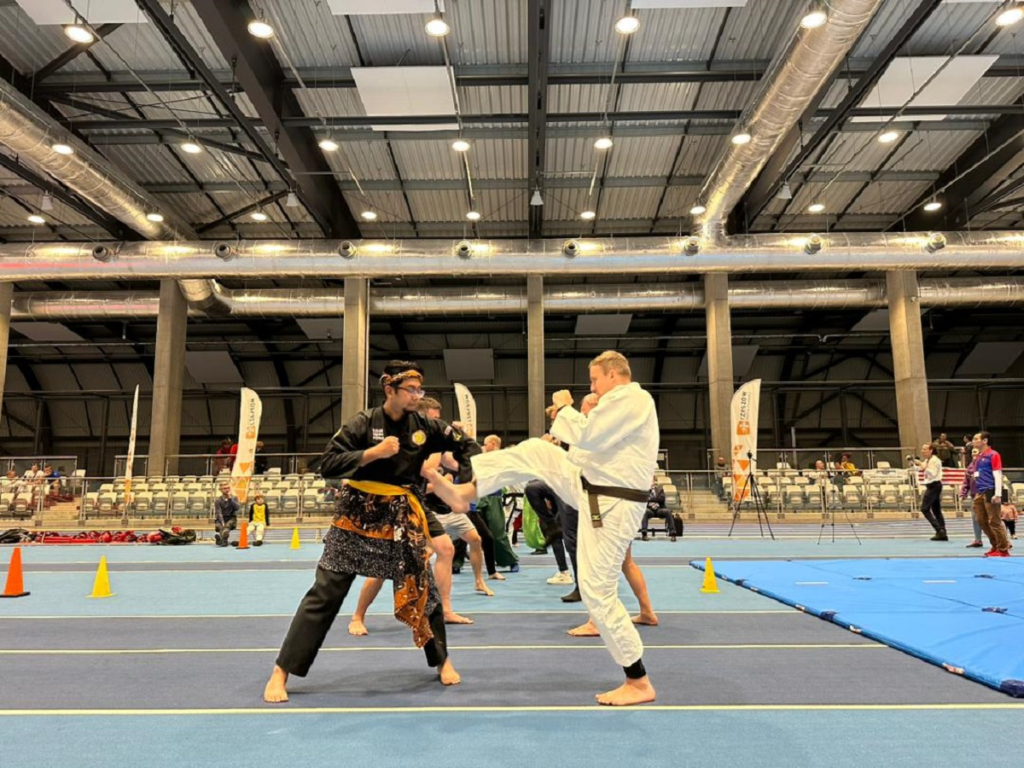
One of PASSMAL’s most impactful innovations is Silat Tempur, a youth-centric combat sport that adapts traditional Silat for competitive formats. Developed through years of research, Silat Tempur provides a safe and structured environment for children and teenagers to engage with Silat (Aziz et al., 2023).
The Silat Tempur League, launched in 2019, has become a national benchmark for youth development. It includes ranking systems, performance analysis, and coaching modules that align with sports science principles. Studies have shown that Silat Tempur improves physical fitness, mental focus, and social skills among young athletes (Shapie et al., 2023).
Academicisation and Cultural Sustainability
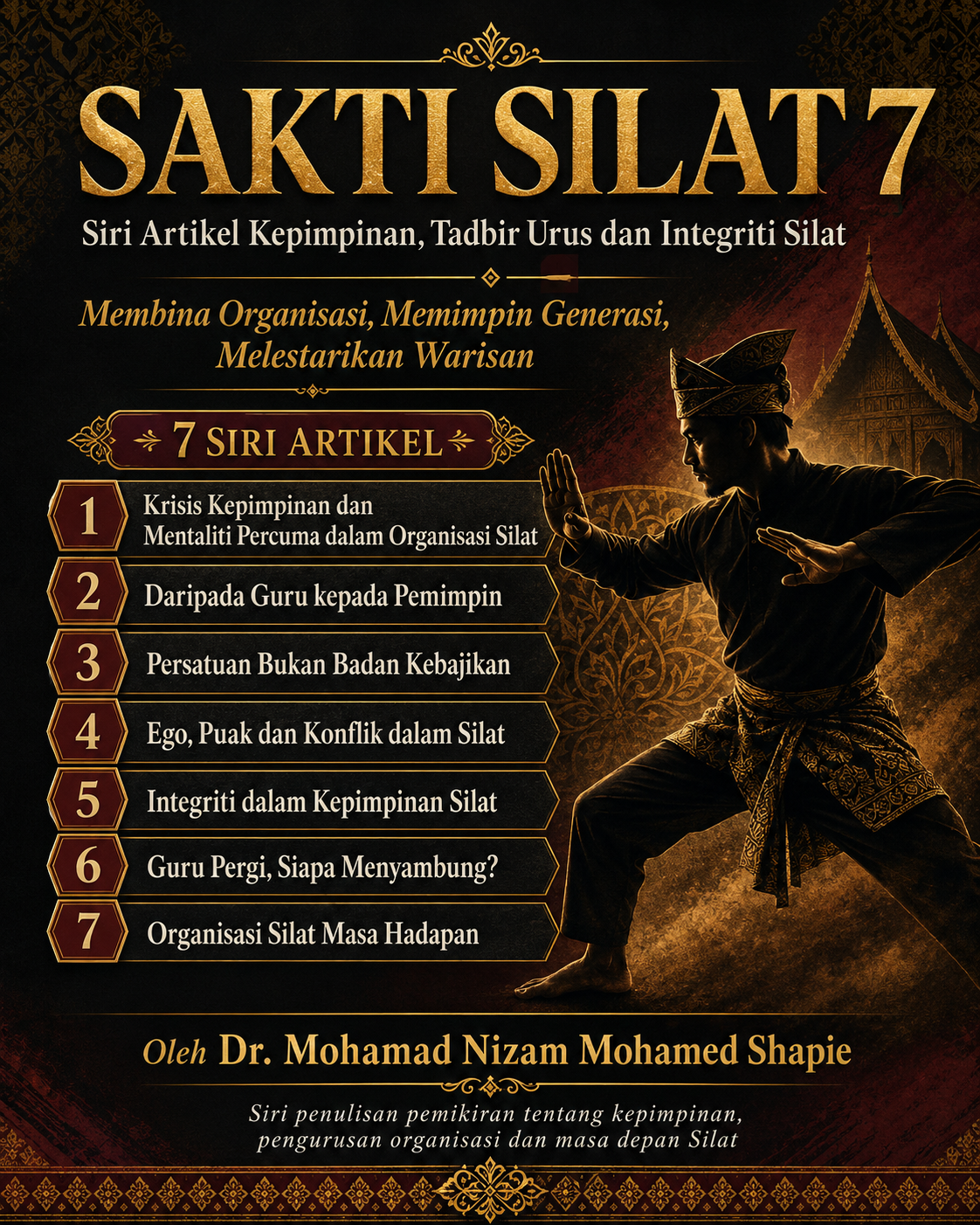
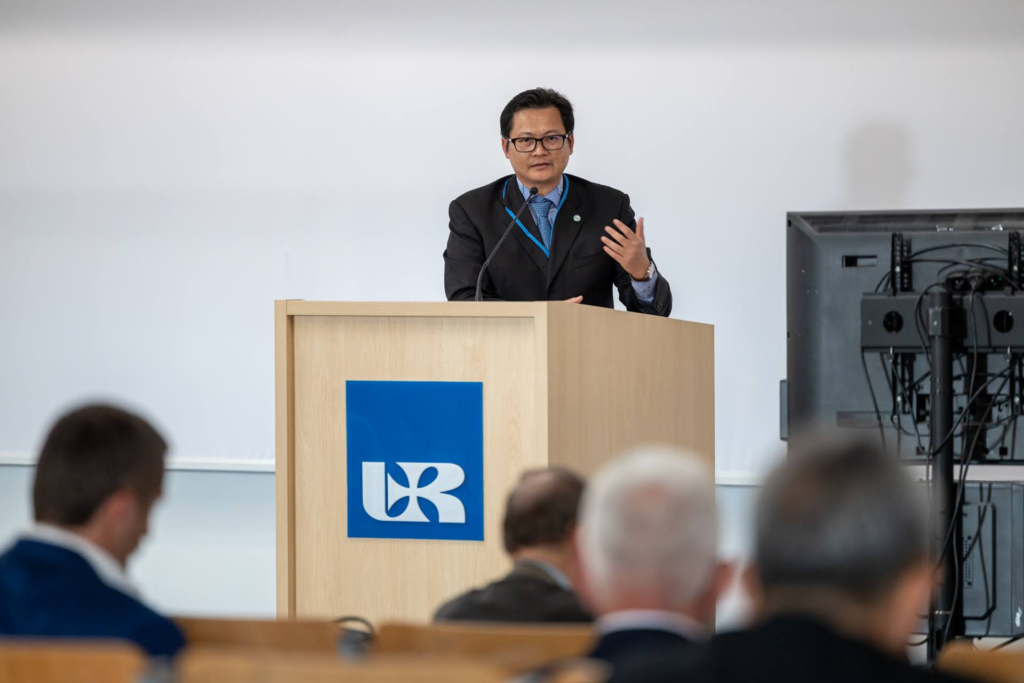
The academicisation of Silat has further legitimized its role in cultural preservation. Scholars such as Dr. Mohamad Nizam bin Mohamed Shapie have contributed significantly to this effort, producing research, monographs, and curricula that elevate Silat from practice to scholarship. The transformation of Silat education from tradition to academia ensures its sustainability and relevance in the modern world (Shapie et al., 2024).
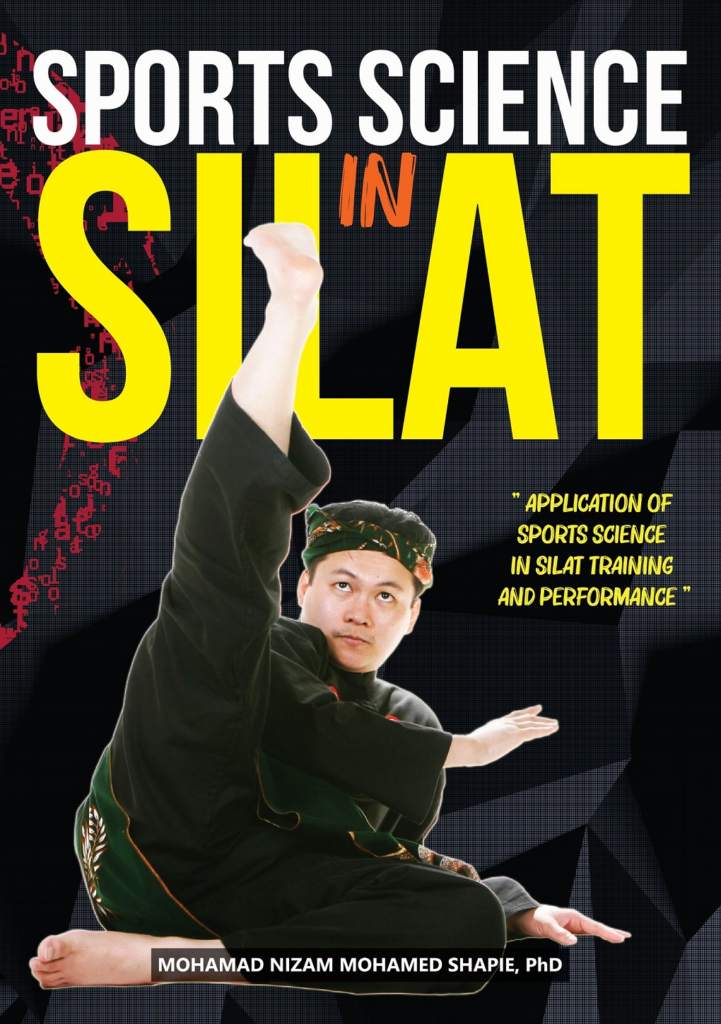
Silat is now part of university programs, research projects, and international publications. Studies on biomechanics, pedagogy, and performance analysis have enriched the understanding of Silat and its applications. This academic foundation supports the development of evidence-based training methods, coaching strategies, and policy frameworks for cultural education.
Silat as a Symbol of Resilience
In a rapidly changing world, Silat stands as a symbol of resilience. It reminds Malaysians of their roots, their values, and their role in preserving heritage. Silat is not just about fighting—it is about standing firm in one’s identity, honoring one’s ancestors, and contributing to the community.
PASSMAL’s vision for Silat includes continued innovation without compromising authenticity. By integrating Silat into formal education, youth programs, and international platforms, PASSMAL ensures that Silat remains a living tradition—one that evolves, inspires, and unites.
Conclusion
Silat and the Malay identity are inseparable. Silat is the embodiment of the Malay spirit—a martial art of meaning, dignity, and depth. Through PASSMAL’s teachings and the support of the World Silat Federation, Silat continues to thrive as a cultural expression, a moral compass, and a source of pride.
As Malaysia navigates the challenges of globalization, Silat offers a path to cultural sustainability. It empowers individuals to live with purpose, communities to connect through heritage, and nations to share their stories with the world. Silat is not just a martial art—it is a legacy.
References
- Shapie, M.N.M., & Ramli, M.S. (2025a). Manual Kejurulatihan Seni Silat Malaysia Tahap 1, Peringkat Kebangsaan, 2026–2030. ANS Diversified Sdn Bhd.
- Shapie, M.N.M., & Ramli, M.S. (2025b). Manual Kejurulatihan Seni Silat Malaysia Tahap 2, Peringkat Antarabangsa, 2026–2030. ANS Diversified Sdn Bhd.
- Shapie, M.N.M., Samsudin, H., Abdullah, N.M., Rahim, M.R.A., Ihsan, N., Nawai, N.S.N., & Padli. (2024). Tradition to Academia: The Transformation of Silat Education (2014–2024). In ACPES International Conference Proceedings, UiTM Malaysia.
- Aziz, N.A.A., Shapie, M.N.M., Indrayuda, I., Al-Syurgawi, D., Rahim, M.R.A., Abdullah, N.M., Parnabas, V., Nawai, N.S., Samsudin, H., Kassim, R.M., & Nor, M.A.M. (2023). Silat Tempur League: The Analysis of Athletes Performance in 2019 Competitions. International Martial Arts and Culture Journal, 1(1), 18–29.
- Rahim, M.R.A., Shapie, M.N.M., Abdullah, N.M., Parnabas, V., & Nor, M.A.M. (2022). Effects of Cross-Training Using Silat Practice on Psychological Profiles of Young Tennis Players. Ido Movement for Culture. Journal of Martial Arts Anthropology, 22(2s), 37–45.
- Shapie, M.N.M., Elias, M.S., & Anuar, A. (2016). Silat: The Heritage of Malaysia (Silat: Warisan Bangsa Malaysia). The National Department for Culture and Arts, Ministry of Tourism and Culture, Kuala Lumpur, Malaysia.