by
Assoc. Prof. Dr. Mohamad Nizam Mohamed Shapie
Leader, Combat Sports & Martial Arts Research Network (AIRBORNE)
Faculty of Sports Science & Recreation,
Universiti Teknologi MARA (UiTM)
In today’s fast-paced digital era, youth are increasingly distanced from their cultural roots. The allure of global entertainment, social media, and modern lifestyles often overshadows traditional values and heritage. Amidst this cultural dilution, Silat Melayu, Malaysia’s official martial art, offers a powerful antidote—a path for young people to reconnect with their identity, heritage, and purpose.
Silat: More Than Self-Defense
Silat is not merely a martial discipline; it is a cultural philosophy that embodies the spirit of the Malay world. Historically known as ilmu hulubalang or ilmu penjurit, Silat was the knowledge of warriors—defenders of the realm who upheld justice, honor, and spiritual balance (Shapie et al., 2016). It was practiced not only for physical protection but also as a means of cultivating character, discipline, and community values.
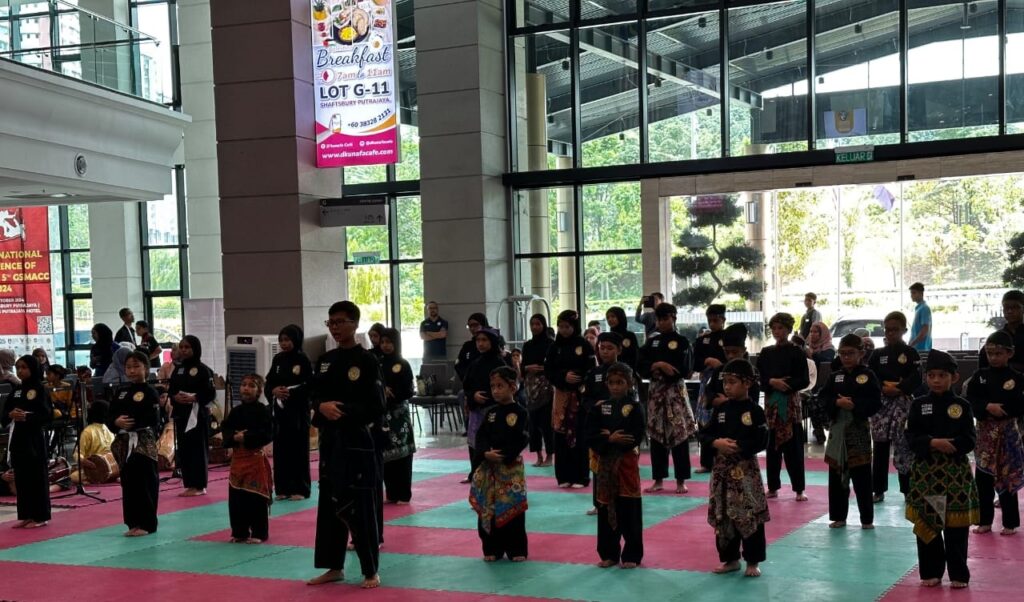
For youth, Silat offers a structured environment where they learn respect, humility, perseverance, and pride in their heritage. These values are increasingly absent in modern education systems, which often prioritize academic performance over character development. Silat fills this gap by offering a holistic approach to personal growth—one that integrates physical training with moral and spiritual education (Shapie & Elias, 2015).
PASSMAL’s Youth Empowerment Vision
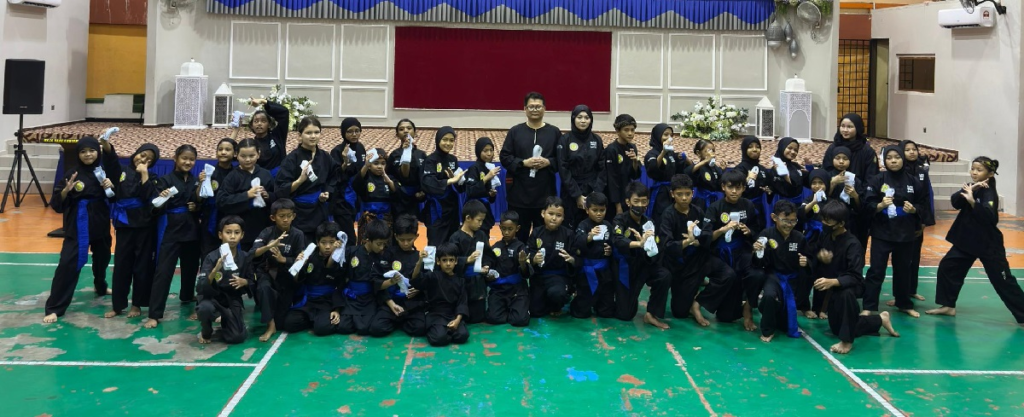
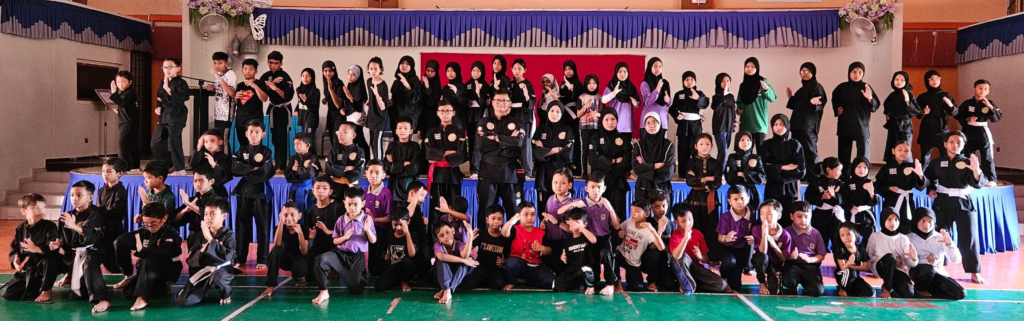
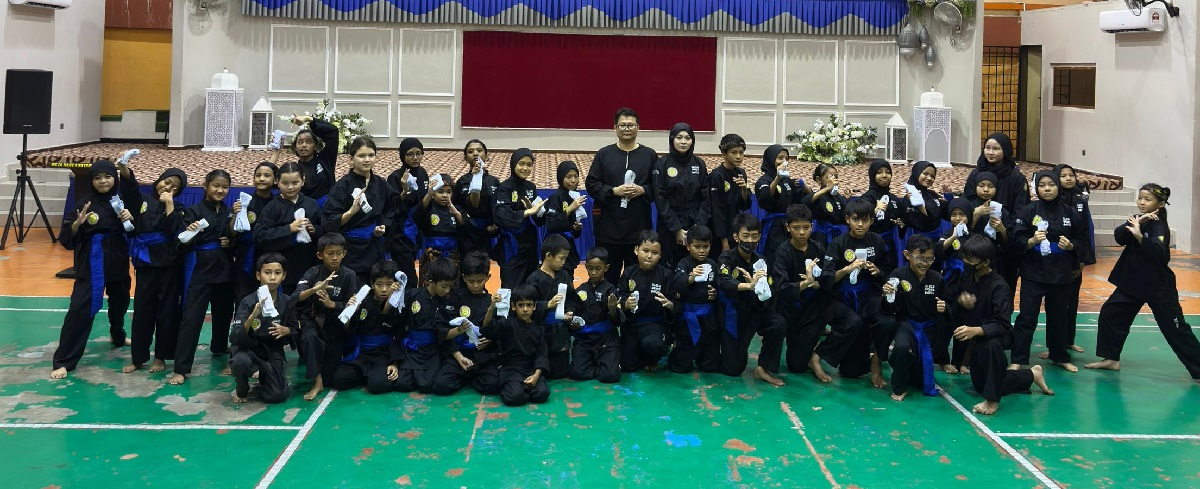
Recognizing the transformative potential of Silat, The Malaysian Organization of Authentic Malay Silat Arts (PASSMAL) has spearheaded youth-focused initiatives that are inclusive, empowering, and culturally enriching. These programs are designed to engage young Malaysians from all backgrounds, providing them with the tools to not only defend themselves but also to carry their culture with dignity.
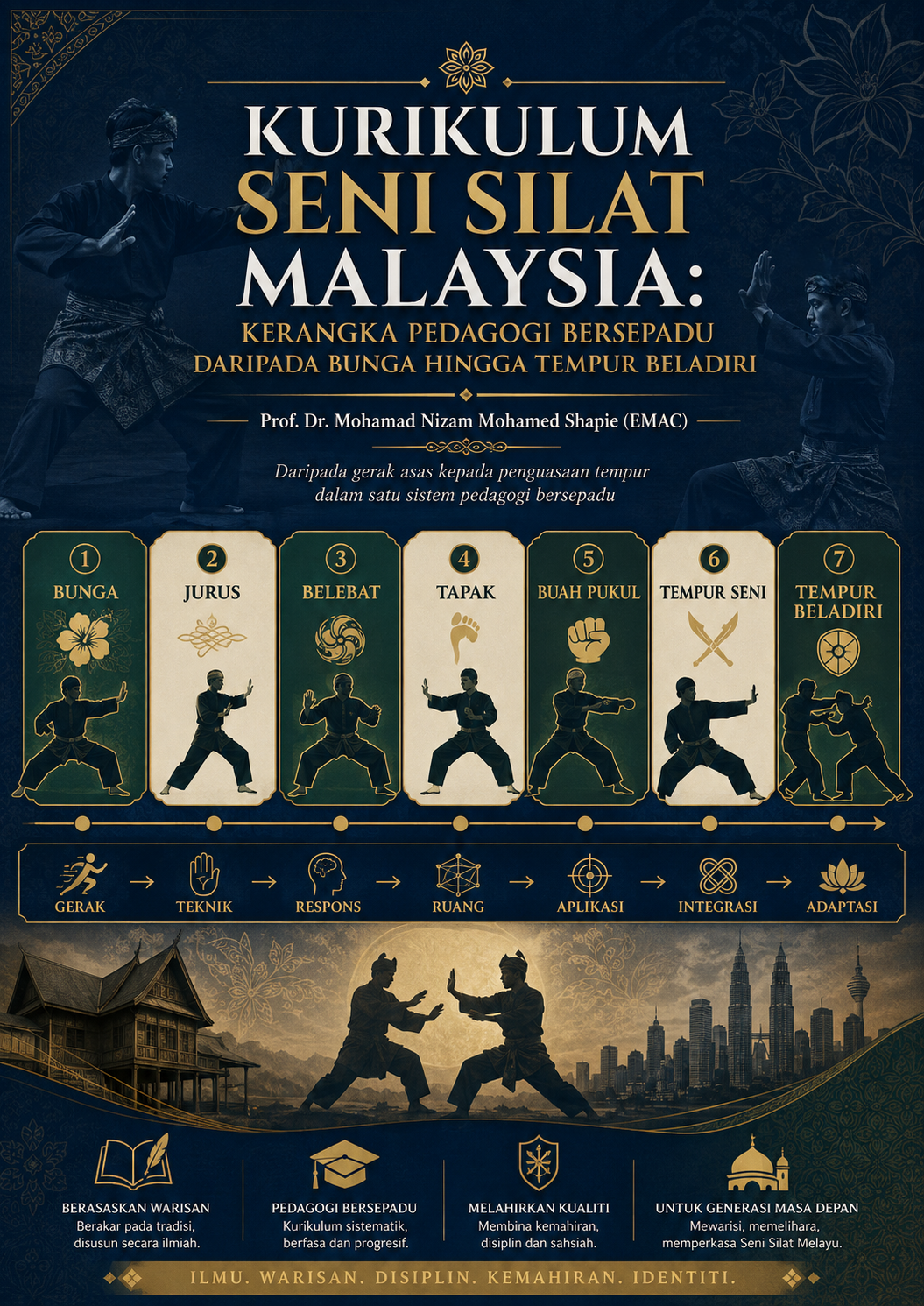
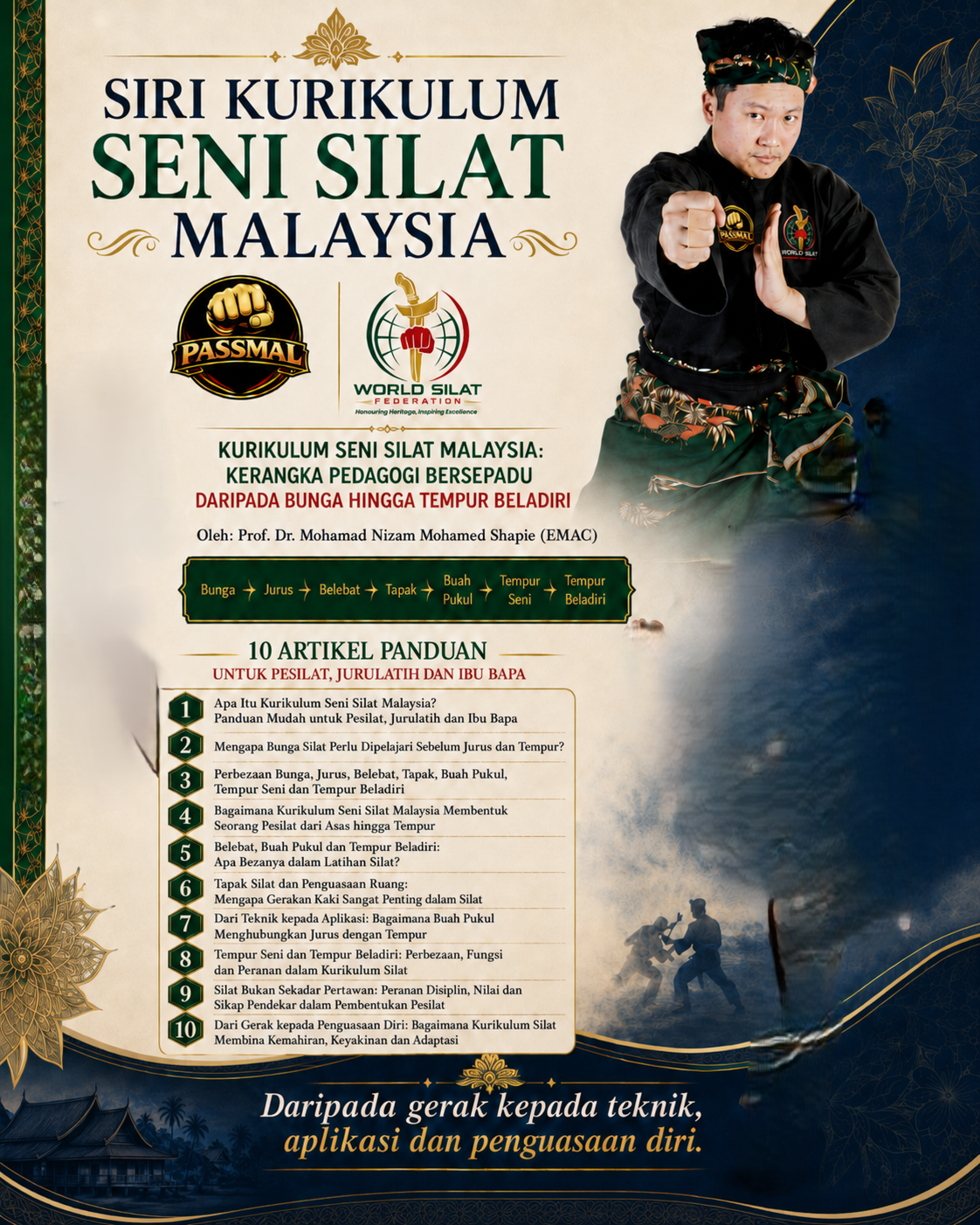
PASSMAL’s curriculum is rooted in the authentic teachings of Silat Melayu, free from foreign martial influences. It emphasizes learning from traditional masters and preserving oral traditions. As documented in the Manual Kejurulatihan Seni Silat Malaysia Tahap 1 & 2 (Shapie & Ramli, 2022; 2025), the curriculum is structured to be transparent, inclusive, and aligned with national and international standards.
Through these programs, youth are introduced to the Doa Pembukaan Gelanggang, a ritual prayer that invokes divine guidance and protection. This prayer is not a mere formality—it is a spiritual declaration that every movement, breath, and moment in training is sacred. It connects young practitioners to a lineage of warriors and teachers who upheld the values of Silat across generations.
Silat as a Bridge Between Generations
One of the most profound impacts of Silat is its ability to bridge generational gaps. In a society where elders and youth often live in separate worlds, Silat provides a shared space for connection. Grandmasters and instructors become mentors, passing down not only techniques but also stories, philosophies, and cultural wisdom.
This transmission of knowledge fosters a sense of belonging and continuity. Youth begin to see themselves as part of a larger narrative—one that stretches back centuries and is rooted in the struggles, triumphs, and values of their ancestors. Silat becomes a living archive, a way to embody history and carry it forward with pride (Shapie et al., 2024).
Global Recognition and Cultural Diplomacy
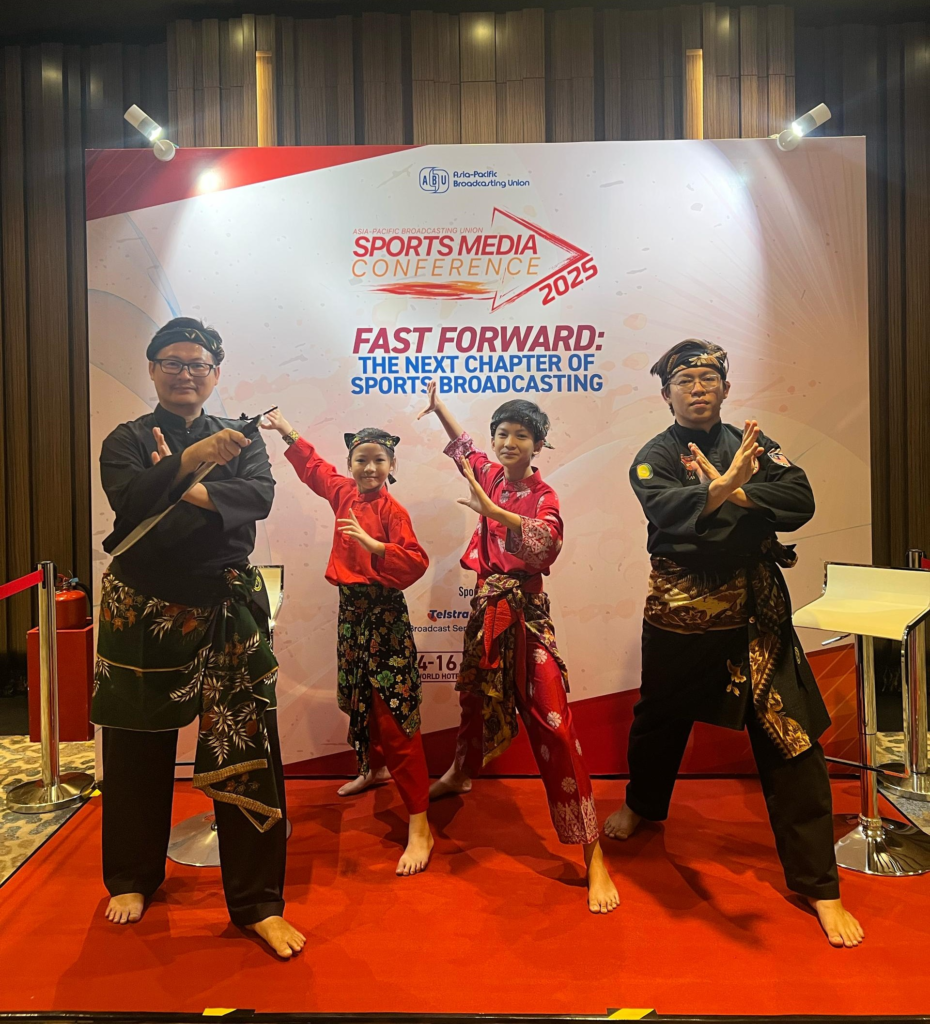
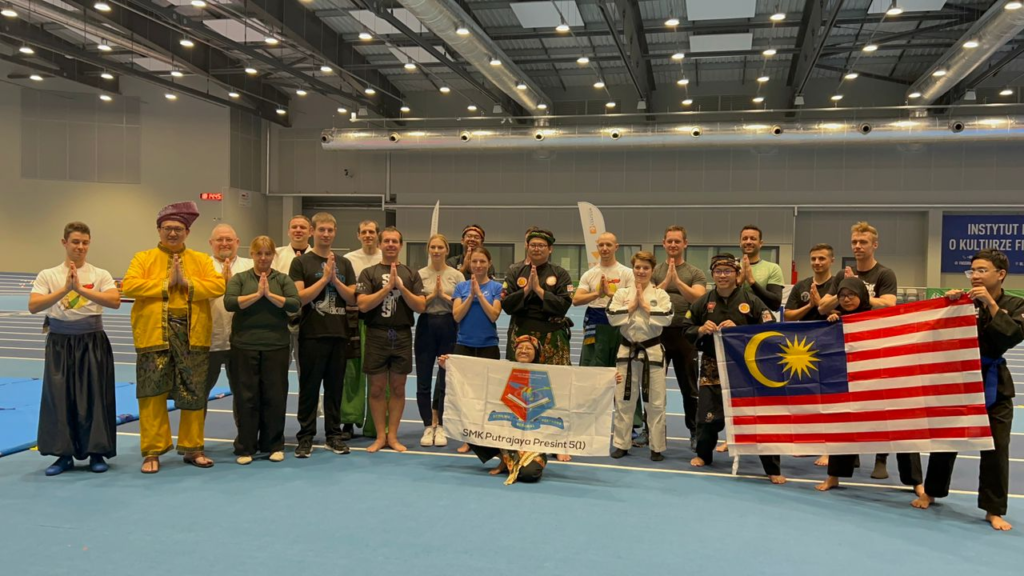
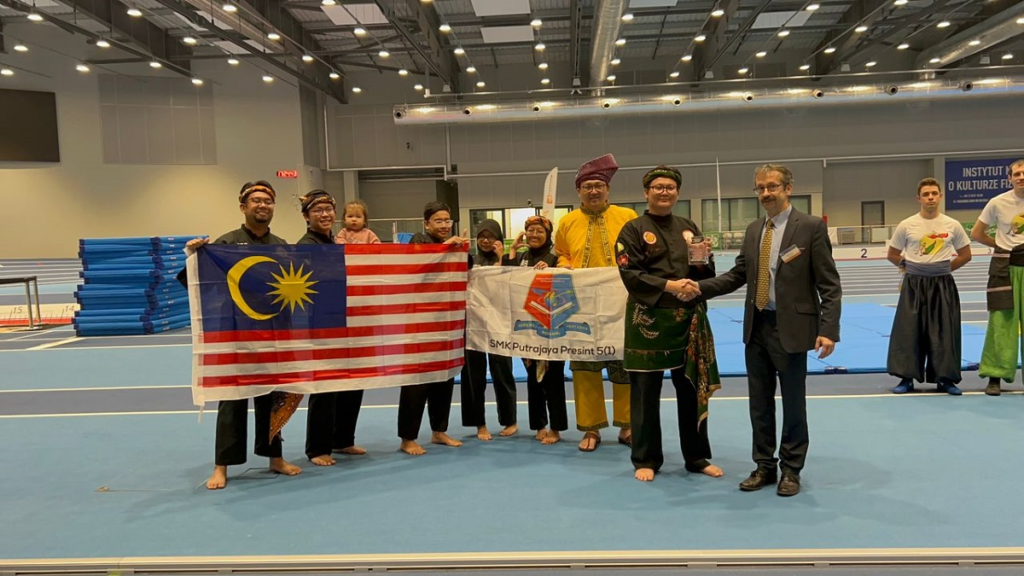
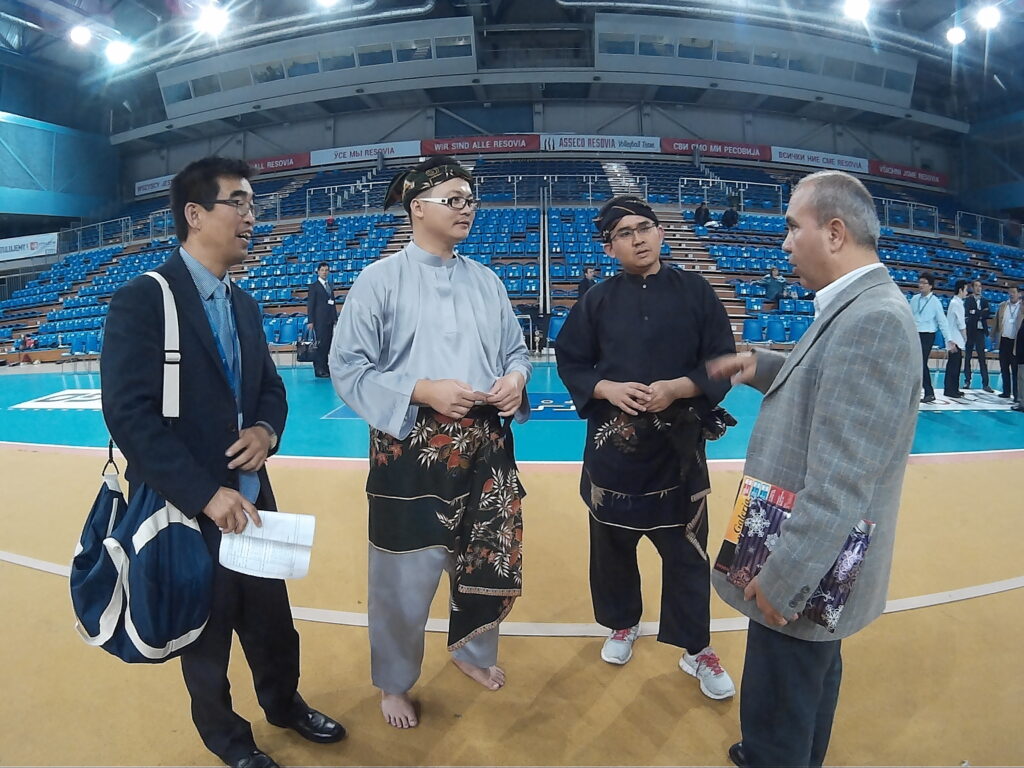
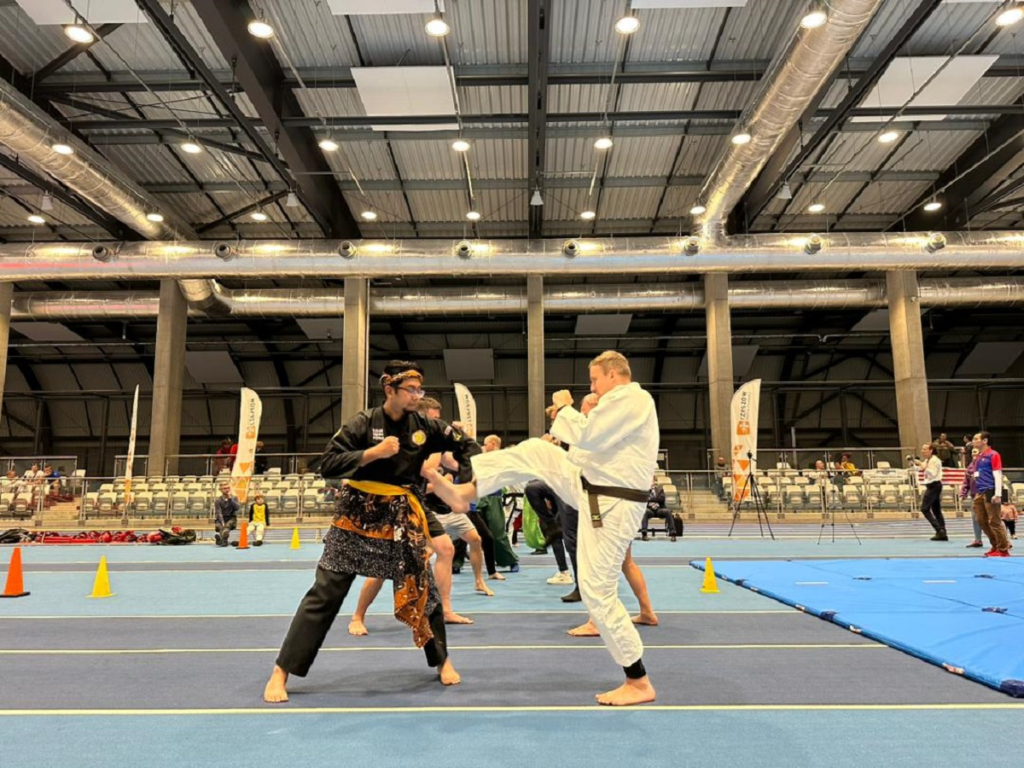
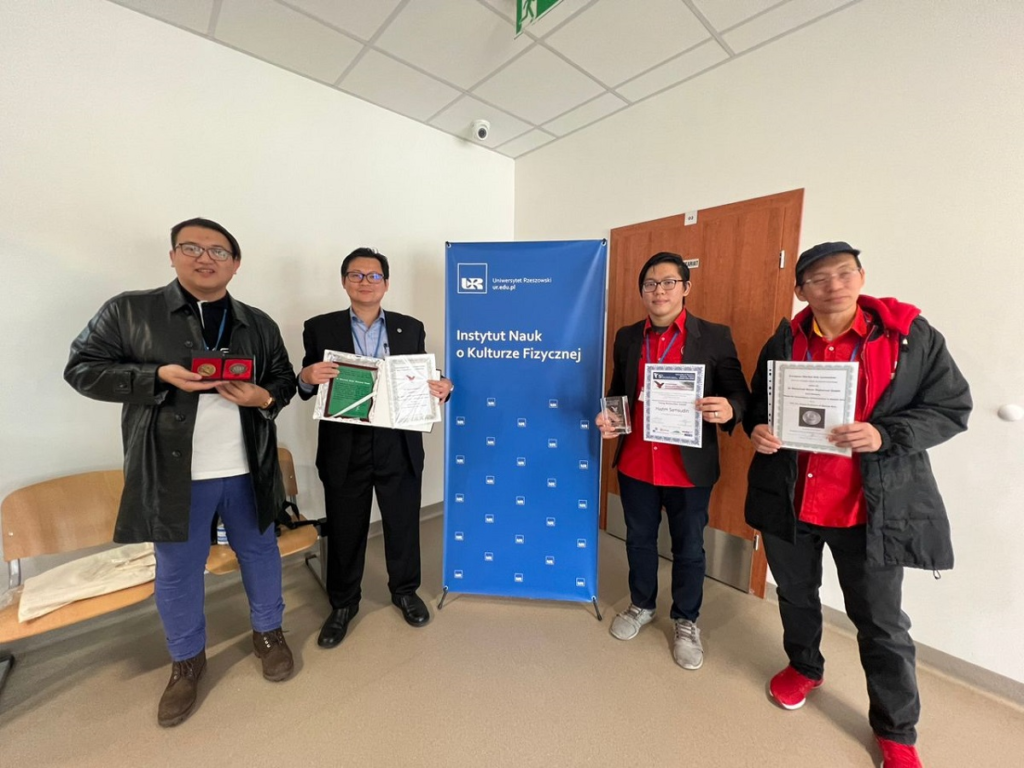
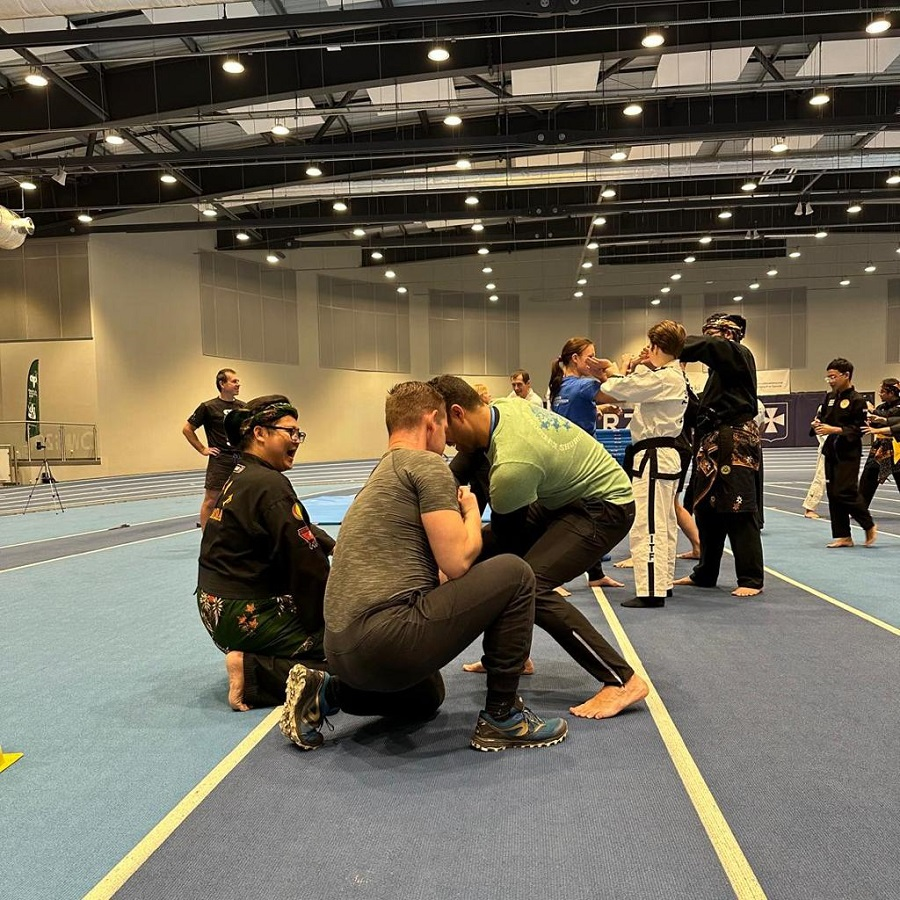
With support from the World Silat Federation (WSF), PASSMAL’s youth programs have expanded beyond Malaysia’s borders. International workshops, cultural exchanges, and academic conferences now feature Silat as a symbol of Malay resilience and wisdom. Young Malaysians have the opportunity to perform, compete, and share their heritage with global audiences.
These international platforms not only elevate Silat’s status but also empower youth to become cultural ambassadors. They learn to articulate the values of Silat, engage with diverse communities, and represent Malaysia with dignity. This global exposure reinforces their sense of pride and motivates them to deepen their understanding of their own culture.
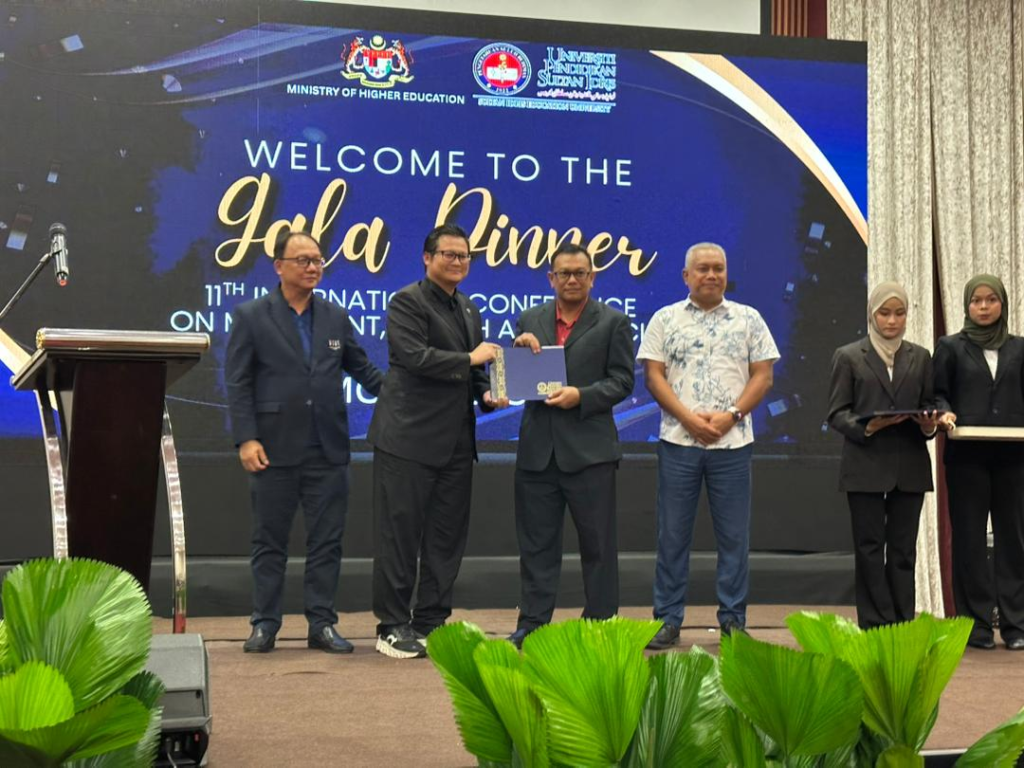
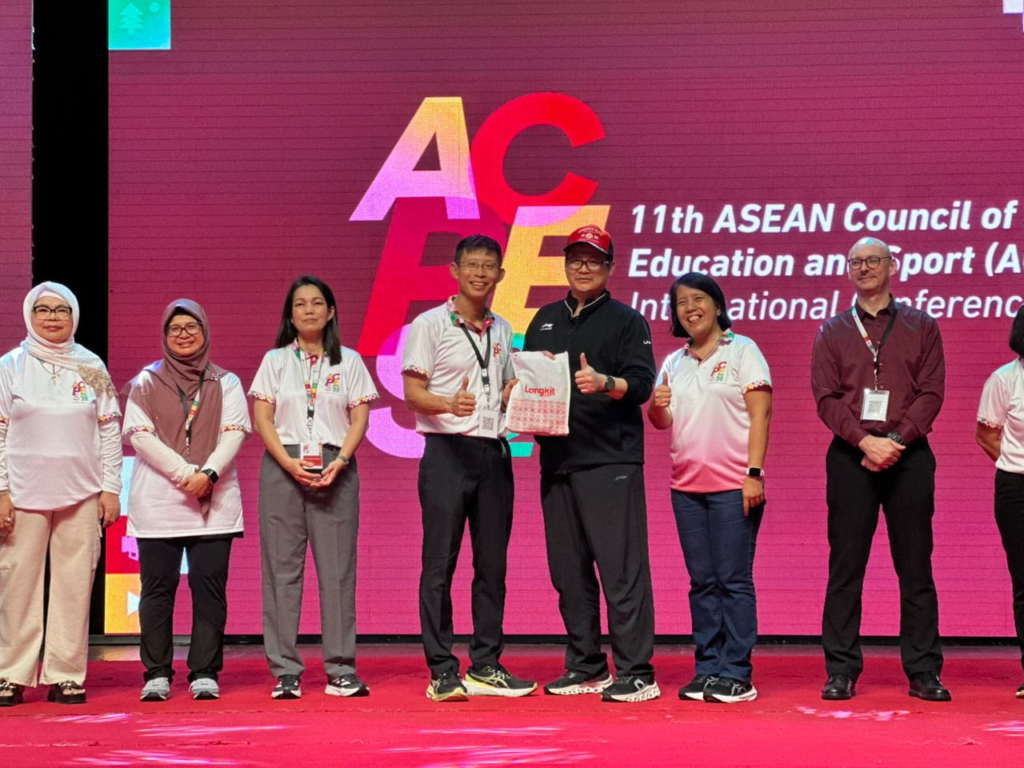
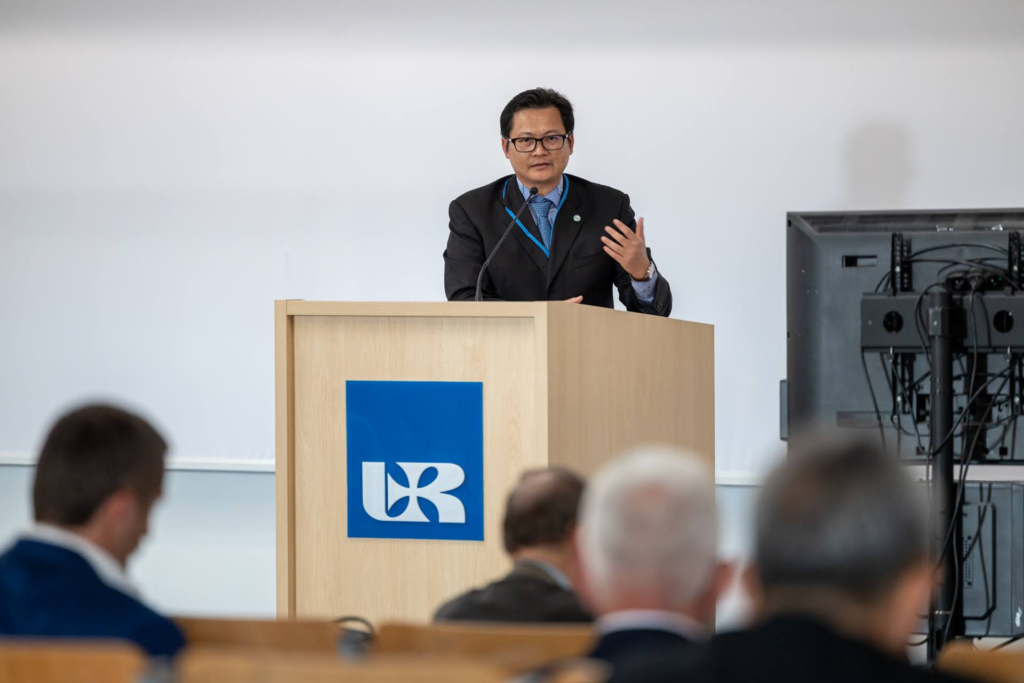
Silat’s presence at events such as the IMACSSS International Congress and the ACPES Conference has highlighted its role in youth development, cultural diplomacy, and academicisation (Shapie et al., 2024). These forums showcase Silat’s relevance in addressing contemporary challenges such as identity loss, social fragmentation, and youth disengagement.
Silat Tempur: A Youth-Centric Innovation
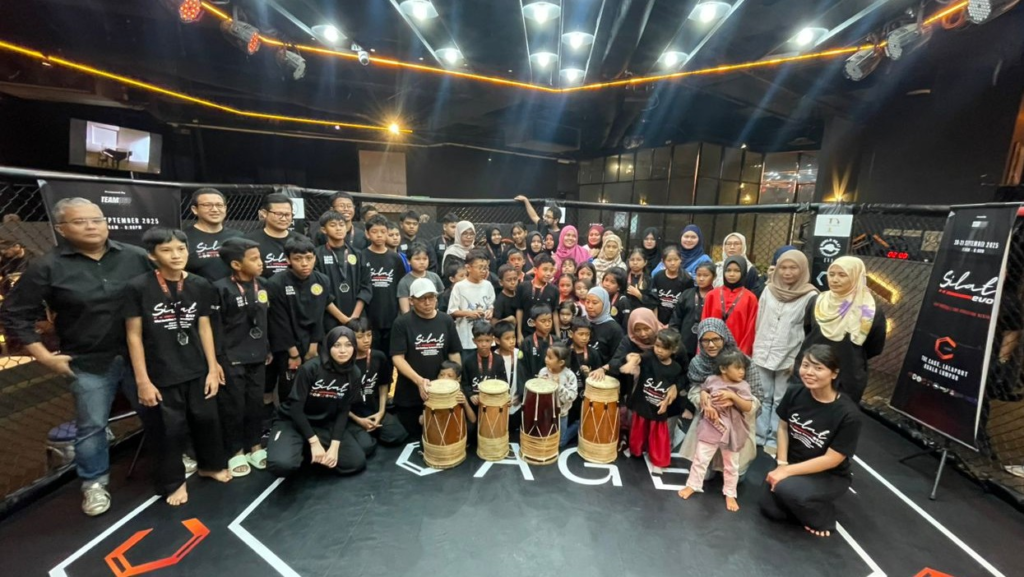
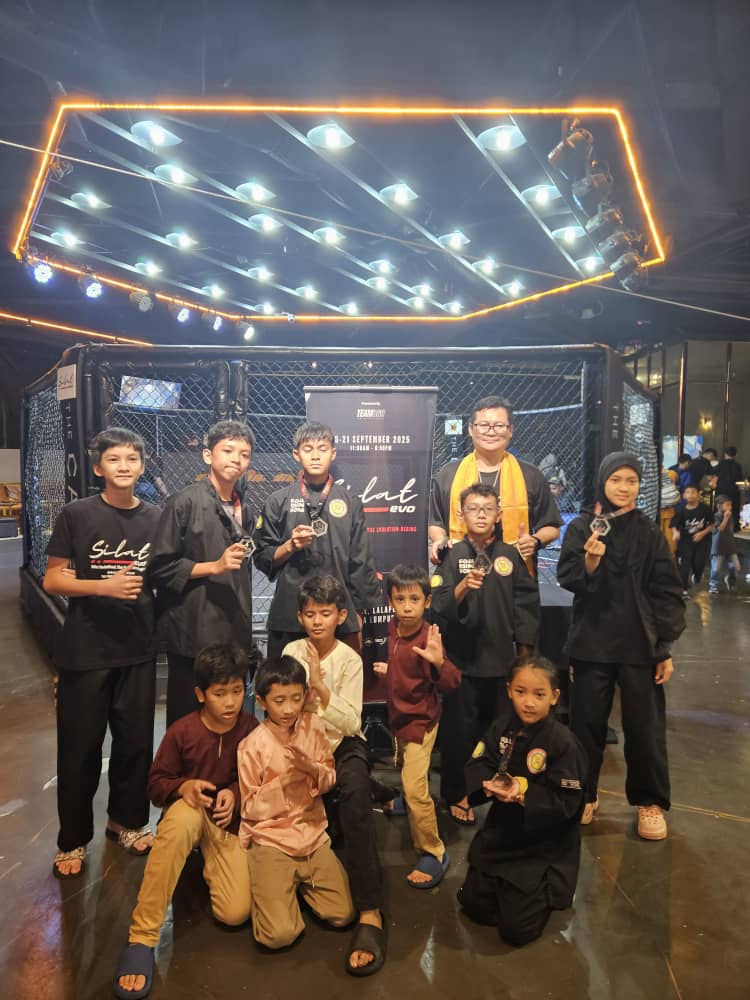
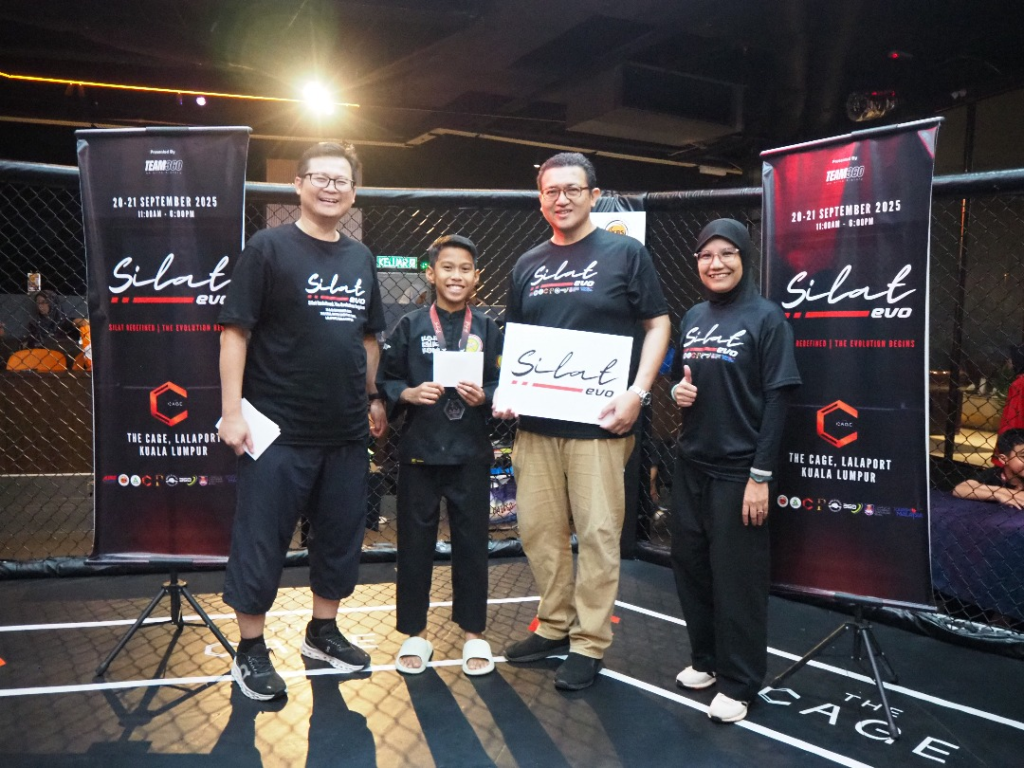
One of PASSMAL’s most impactful innovations is Silat Tempur, a combat sport designed specifically for children and youth. Developed through years of research and field testing, Silat Tempur adapts traditional Silat techniques into a safe, competitive format suitable for younger age groups (Shapie et al., 2023).
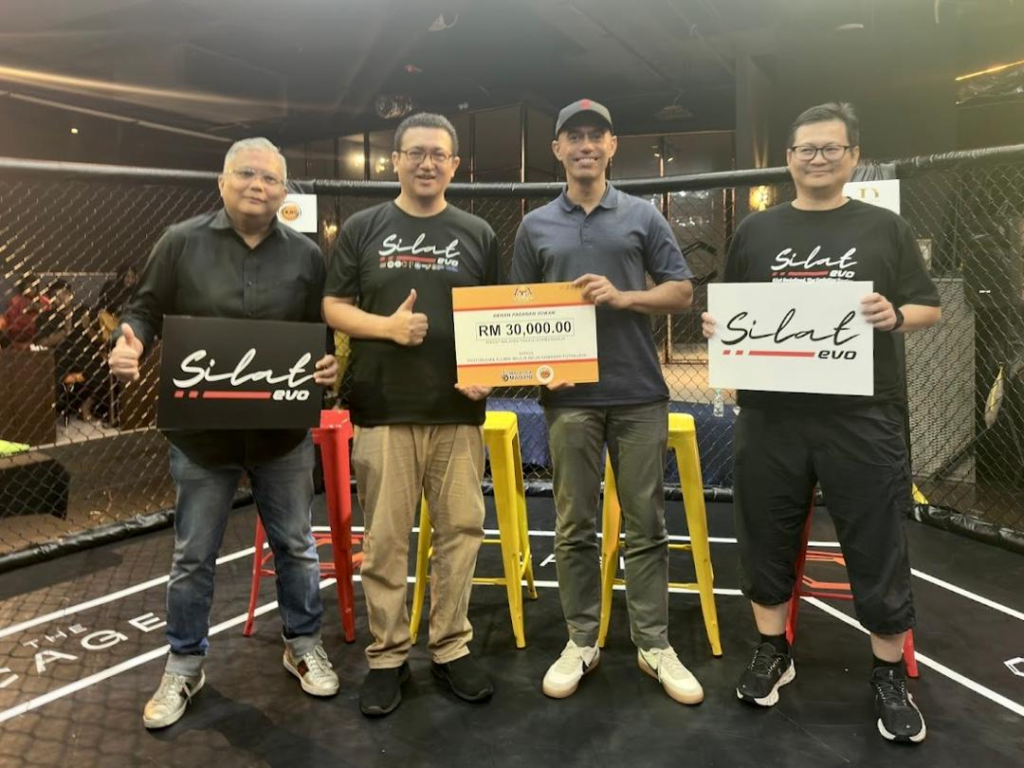
Studies have shown that Silat Tempur enhances physical fitness, mental focus, and emotional resilience among youth (Aziz et al., 2023). It provides a platform for young athletes to develop their skills, build confidence, and experience the values of sportsmanship and teamwork. The Silat Tempur League, launched in 2019, has become a national benchmark for youth Silat development, with ranking systems and performance analysis contributing to athlete growth and recognition.
Silat and Youth Psychology
Beyond physical benefits, Silat has a profound impact on youth psychology. Research by Rahim et al. (2022) demonstrated that Silat practice improves psychological profiles among young athletes, including enhanced self-esteem, emotional regulation, and resilience. These findings support the integration of Silat into school-based physical education and youth development programs.
Moreover, Silat has been used in anti-bullying campaigns and social empowerment initiatives. PASSMAL’s collaboration with the Ministry of Education for the M-MAF2025 program exemplifies how Silat can be leveraged to address social issues. By teaching youth to respect themselves and others, Silat becomes a tool for peacebuilding and community cohesion.
Academicisation and Future Directions
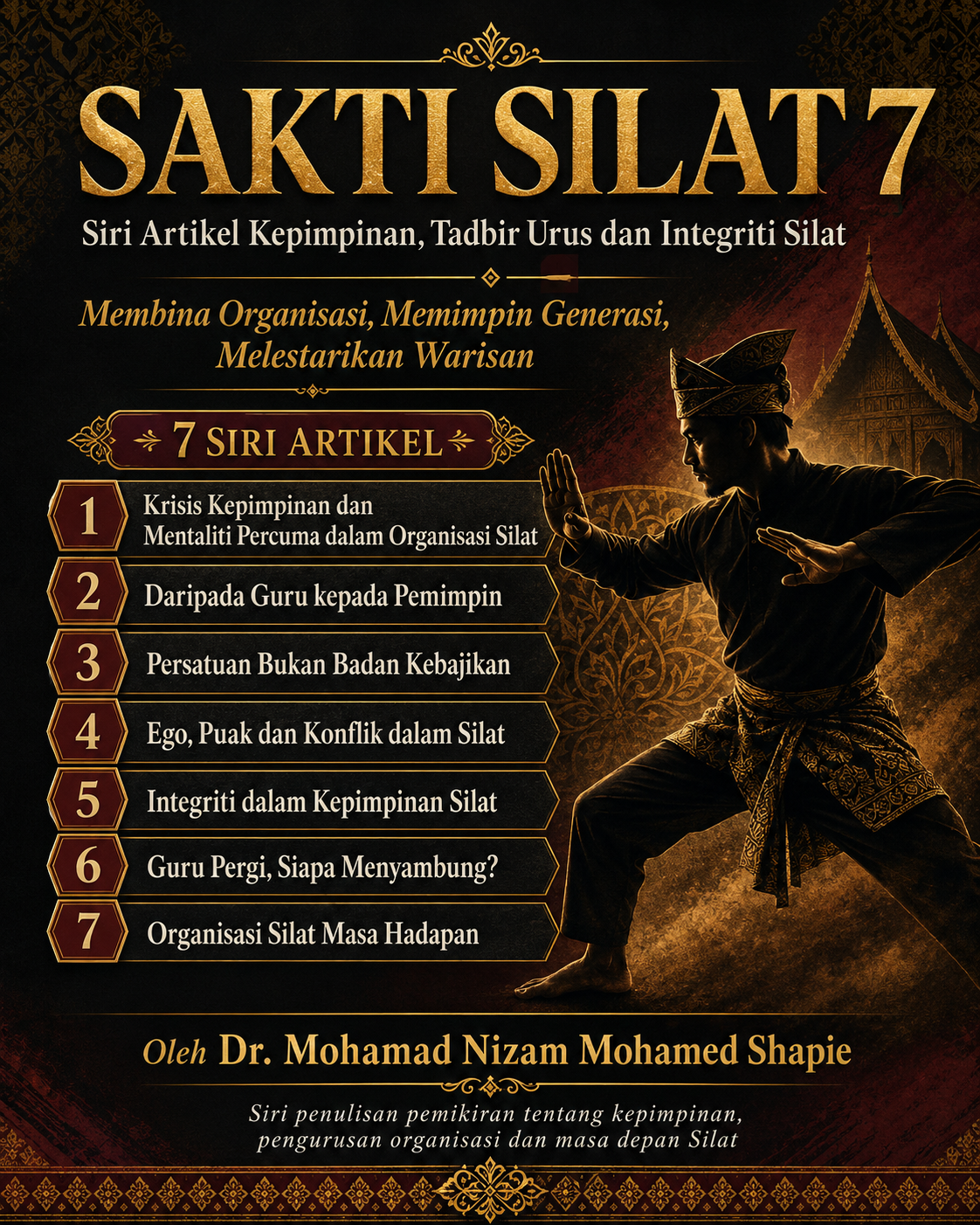
The academicisation of Silat has further legitimized its role in youth development. Scholars such as Dr. Mohamad Nizam bin Mohamed Shapie have contributed significantly to this effort, producing research, monographs, and curricula that elevate Silat from practice to scholarship. The transformation of Silat education from tradition to academia ensures its sustainability and relevance in the modern world (Shapie et al., 2024).
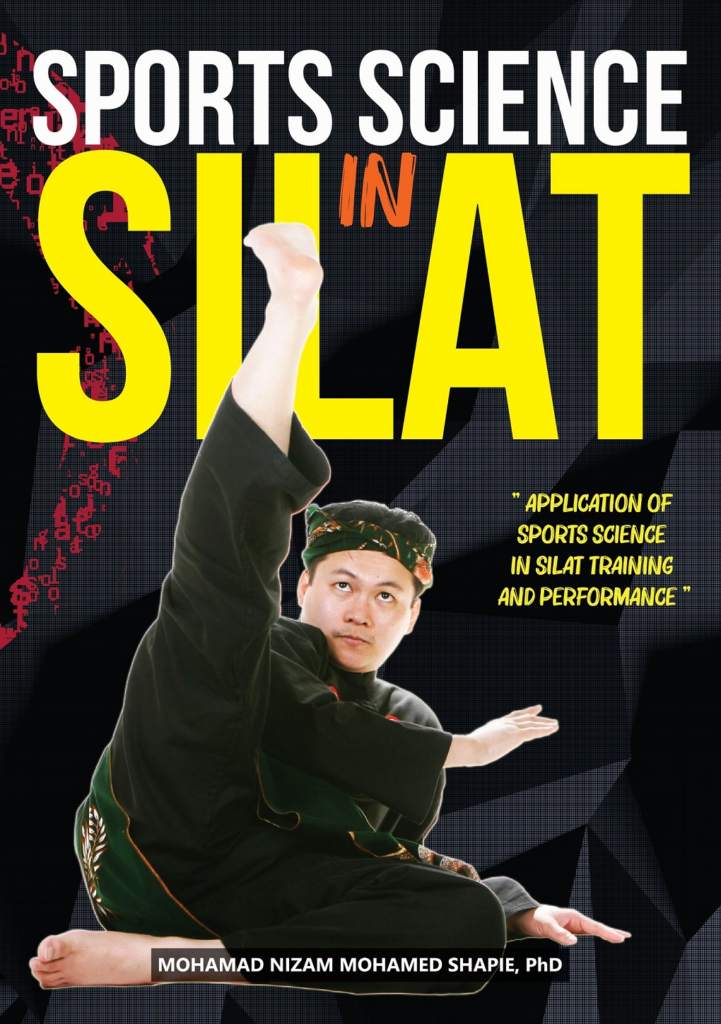
Silat is now part of university programs, research projects, and international publications. Studies on biomechanics, pedagogy, and performance analysis have enriched the understanding of Silat and its applications. This academic foundation supports the development of evidence-based training methods, coaching strategies, and policy frameworks for youth engagement.
Conclusion
In a rapidly changing world, Silat offers youth a meaningful path to rediscover who they are and where they come from. It teaches discipline, respect, and pride in heritage—values that are essential for building resilient individuals and cohesive communities. Through PASSMAL’s inclusive and visionary programs, Silat becomes more than a martial art—it becomes a movement for cultural revival, personal empowerment, and global connection.
As Malaysia continues to navigate the challenges of modernity, Silat stands as a beacon of tradition, identity, and hope. With the support of the World Silat Federation and the dedication of passionate educators, Silat will continue to inspire generations of youth to walk with dignity, fight with purpose, and live with pride.
References
- Shapie, M.N.M., Aminuddin, A., Elias, M.S., & Ramli, M.S. (2022). Manual Kejurulatihan Seni Silat Malaysia Tahap 1, Peringkat Kebangsaan, 2020–2025. Pertubuhan Seni Gayung Fatani Malaysia.
- Shapie, M.N.M., Samsudin, H., Abdullah, N.M., Rahim, M.R.A., Ihsan, N., Nawai, N.S.N., & Padli. (2024). Tradition to Academia: The Transformation of Silat Education (2014–2024). In ACPES International Conference Proceedings, UiTM Malaysia.
- Aziz, N.A.A., Shapie, M.N.M., Indrayuda, I., Al-Syurgawi, D., Rahim, M.R.A., Abdullah, N.M., Parnabas, V., Nawai, N.S., Samsudin, H., Kassim, R.M., & Nor, M.A.M. (2023). Silat Tempur League: The Analysis of Athletes Performance in 2019 Competitions. International Martial Arts and Culture Journal, 1(1), 18–29.
- Rahim, M.R.A., Shapie, M.N.M., Abdullah, N.M., Parnabas, V., & Nor, M.A.M. (2022). Effects of Cross-Training Using Silat Practice on Psychological Profiles of Young Tennis Players. Ido Movement for Culture. Journal of Martial Arts Anthropology, 22(2s), 37–45.
- Shapie, M.N.M., Elias, M.S., & Anuar, A. (2016). Silat: The Heritage of Malaysia (Silat: Warisan Bangsa Malaysia). The National Department for Culture and Arts, Ministry of Tourism and Culture, Kuala Lumpur, Malaysia.
- Shapie, M.N.M., & Elias, M.S. (2015). Seni Silat Malaysia: The Malay Arts of Self-Defence. In R.M. Kalina (Ed.), Proceedings of the 1st World Congress on Health and Martial Arts in Interdisciplinary Approach, pp. 213. Warsaw: Archives of Budo.