by
Assoc. Prof. Dr. Mohamad Nizam Mohamed Shapie
Leader, Combat Sports & Martial Arts Research Network (AIRBORNE)
Faculty of Sports Science & Recreation,
Universiti Teknologi MARA (UiTM)
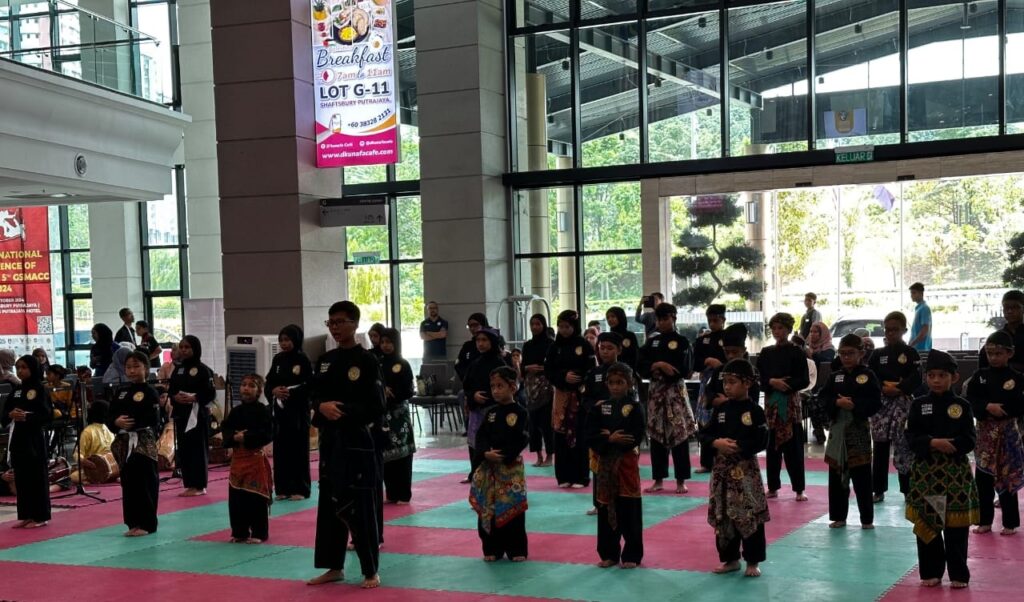
“By time, indeed mankind is in loss…” — this profound verse from Surah Al-Asr (103) is more than a spiritual reflection; it is a guiding principle in the practice of Silat Melayu. Within the tradition of The Malaysian Organization of Authentic Malay Silat Arts (PASSMAL), this verse is recited at the beginning of every training session, especially during the Doa Pembukaan Gelanggang. It sets the tone for discipline, humility, and purpose in every movement and breath.
Silat, as practiced in PASSMAL, is not merely a physical exercise—it is a spiritual and philosophical journey. The recitation of Surah Al-Asr reminds practitioners of the sacredness of time and the urgency to act with intention. It emphasizes that time is a divine gift, and its misuse leads to loss unless one lives with faith, performs righteous deeds, and encourages truth and patience (Anuar, 2002).
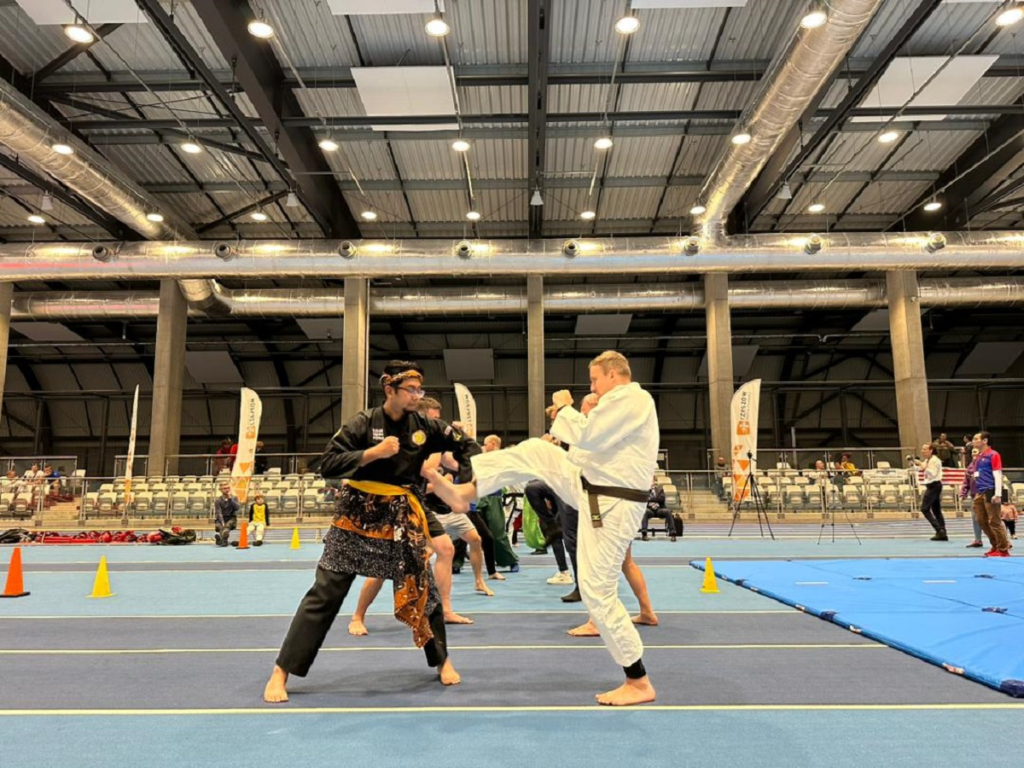
This philosophy is deeply embedded in the rhythm and structure of Silat. Every movement in Silat is deliberate, every stance purposeful. The flow of techniques mirrors the passage of time—graceful yet firm, fluid yet grounded. Practitioners are taught that mastery in Silat is not achieved through haste but through consistent, mindful practice. The emphasis on patience and perseverance aligns with the final verse of Surah Al-Asr, which calls for steadfastness in truth and endurance.
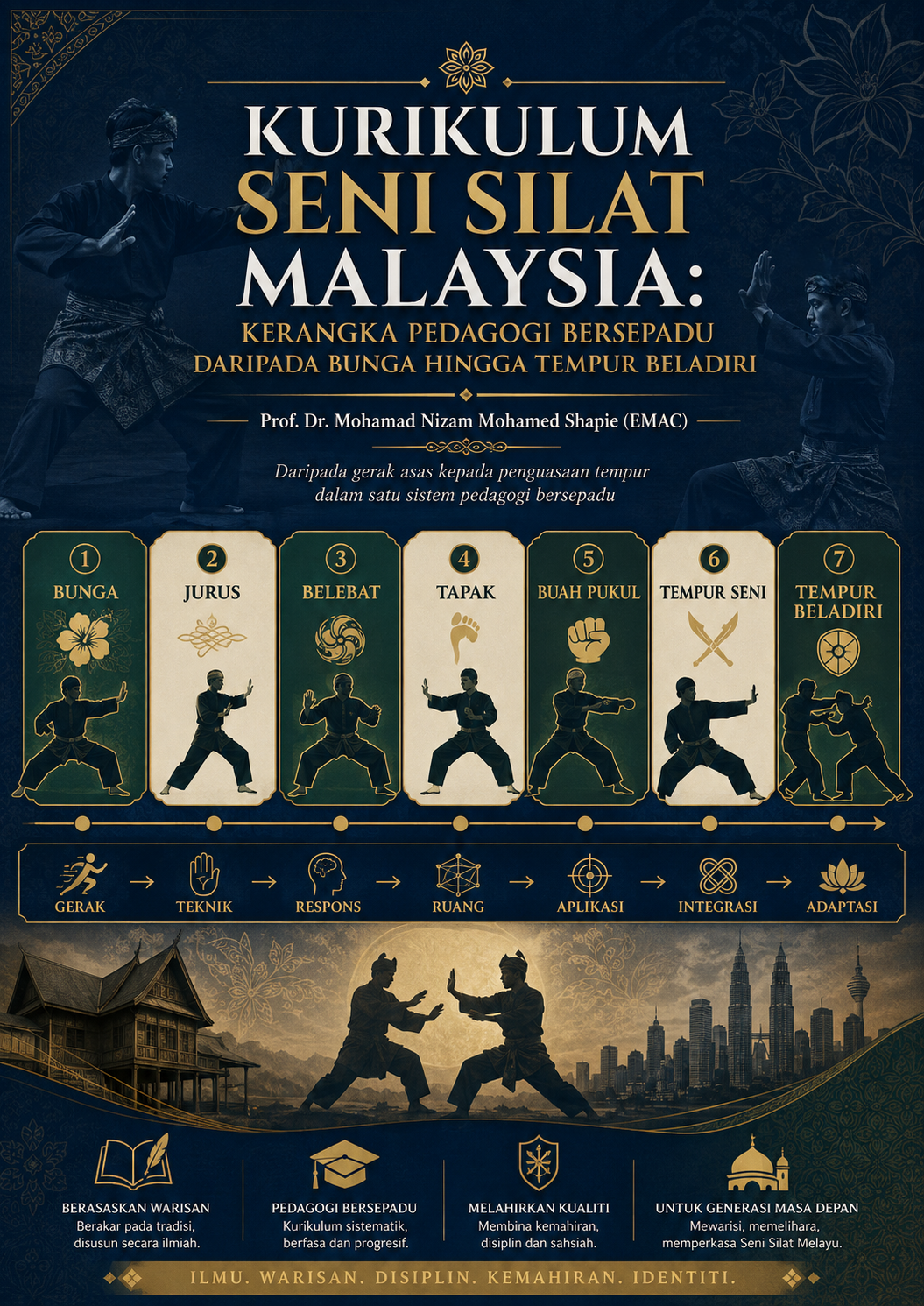
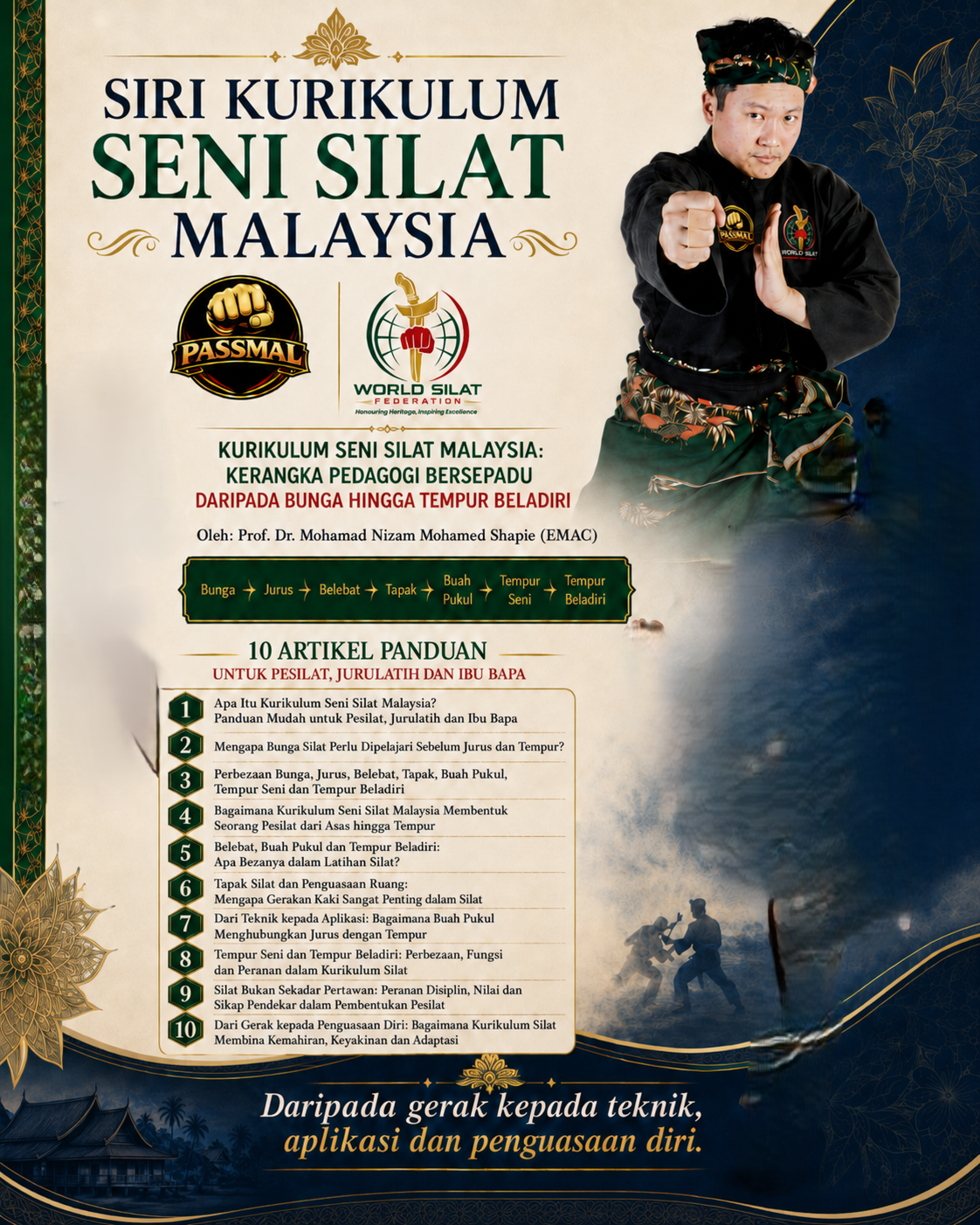
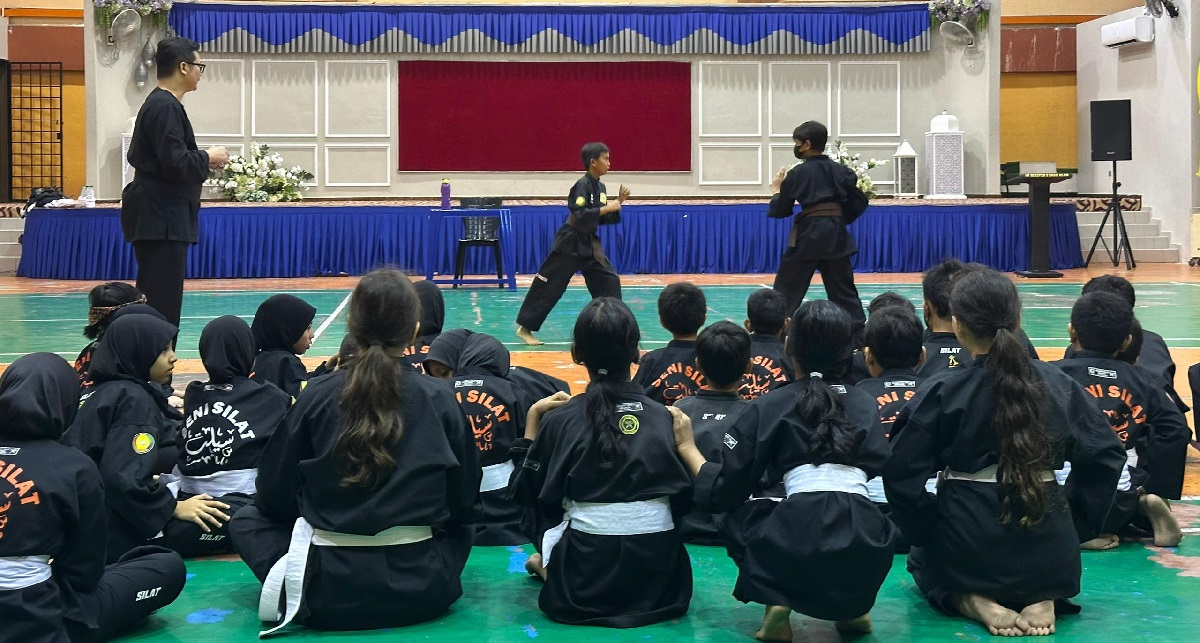
PASSMAL integrates this wisdom into its pedagogy. The organization’s curriculum is designed not only to teach combat techniques but also to instill values that reflect the Malay worldview. The Doa Pembukaan Gelanggang, as documented in PASSMAL’s teachings, is a poetic invocation that places every action—every breath, step, and glance—under divine observation. It reads: “Ya Allah, sesungguhnya aku persembahkan kepadamu di hadapanku antara kedua tangan ku, pada setiap nafas dan detik dan langkah dan kerlingan dan kelipanan mata…”. This prayer reinforces the idea that Silat is a sacred trust, and time spent in training must be meaningful and beneficial.
The spiritual framework of Silat is not unique to Malaysia. Across the Malay Archipelago, Silat is recognized as a martial art that transcends physical combat. It is deeply tied to the spiritual and philosophical elements of Malay culture, often embodying concepts like adab (etiquette), adat (traditions), and nilai (virtue). These principles form the “genetic code” of Silat, passed from teacher to student and infused into each individual’s practice (Paduka, 2025).
Academic studies further affirm this connection. Ediyono et al. (2023) argue that Silat, particularly in the Javanese tradition, is a form of self-reflection and spiritual education. Through rituals such as breathing exercises, fasting, and meditative movement, Silat practitioners engage in a spiritual quest known as ngelmu, seeking to understand themselves and their place in the universe.
The concept of time in Silat is not linear but cyclical and sacred. Training sessions are often aligned with spiritual calendars, and rituals such as the Sasahan and Slametan mark transitions in a practitioner’s journey. These rituals symbolize purification, readiness, and connection to ancestral wisdom. They reflect the belief that time is not just a measure of duration but a medium for transformation and spiritual elevation (Ediyono et al., 2023).
In PASSMAL’s teachings, time is also linked to responsibility. The opening of the Silat arena is not just a physical act but a spiritual one. It is a declaration that the space and time dedicated to training are sacred. The Doa Pembukaan Gelanggang invokes divine protection and guidance, ensuring that the knowledge imparted is used for good and that the training is conducted with sincerity and respect.
This spiritual grounding distinguishes Silat from other martial arts. While many systems focus on physical prowess and competition, Silat emphasizes inner strength, moral clarity, and spiritual alignment. According to Shapie & Elias (2015), Silat is a holistic discipline that nurtures the body, mind, and soul, and its pedagogy is deeply influenced by Islamic values and Malay ethics.
Moreover, Silat’s emphasis on time and discipline aligns with broader Islamic teachings. The Prophet Muhammad SAW emphasized the value of time and warned against its misuse. Silat, through its rituals and philosophy, becomes a practical embodiment of these teachings, encouraging practitioners to live with intention and strive for excellence in both martial and moral conduct.
In the context of modern Malaysia, where rapid development and digital distractions often challenge traditional values, Silat offers a counterbalance. It teaches that growth takes time, and that true mastery is achieved not through shortcuts but through consistent, mindful effort. The philosophy of time in Silat is not just about training—it is about life itself.
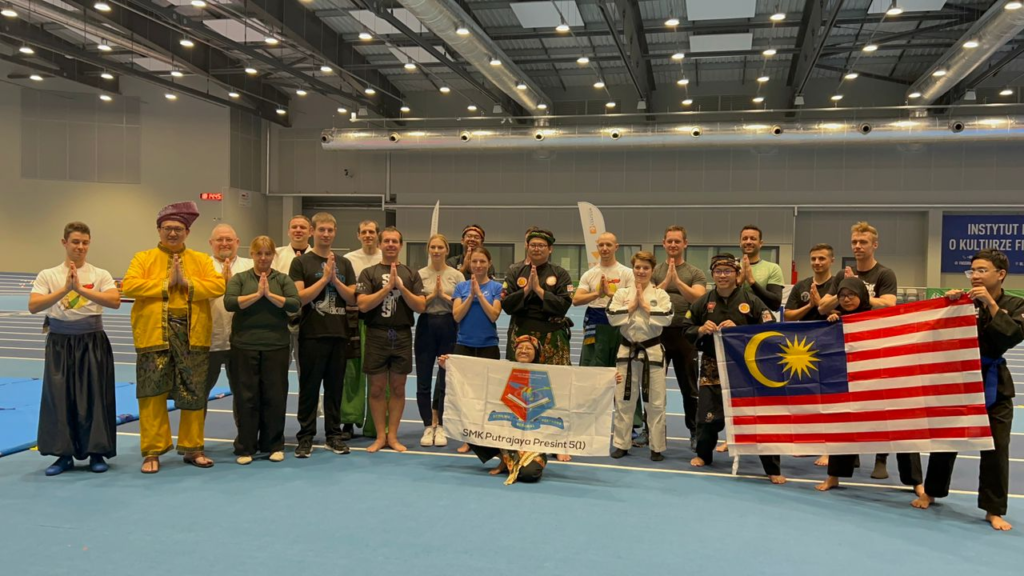
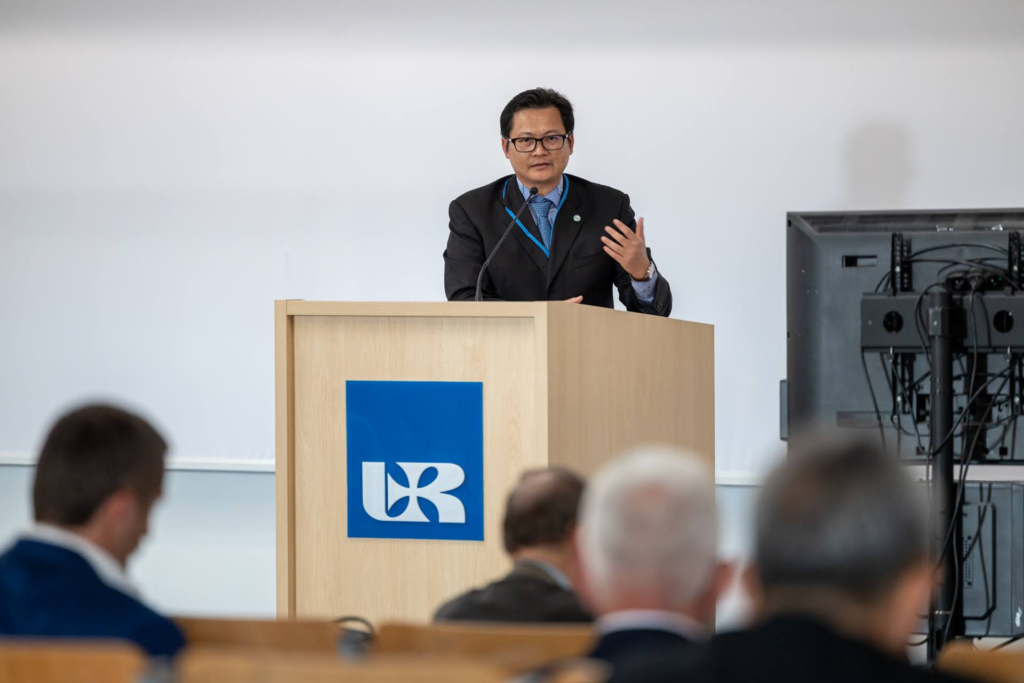
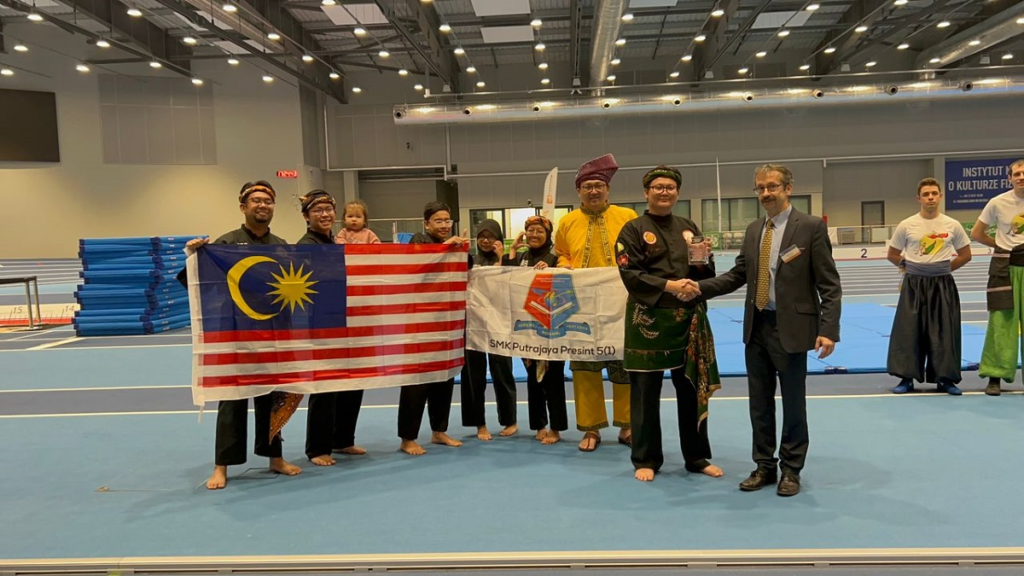
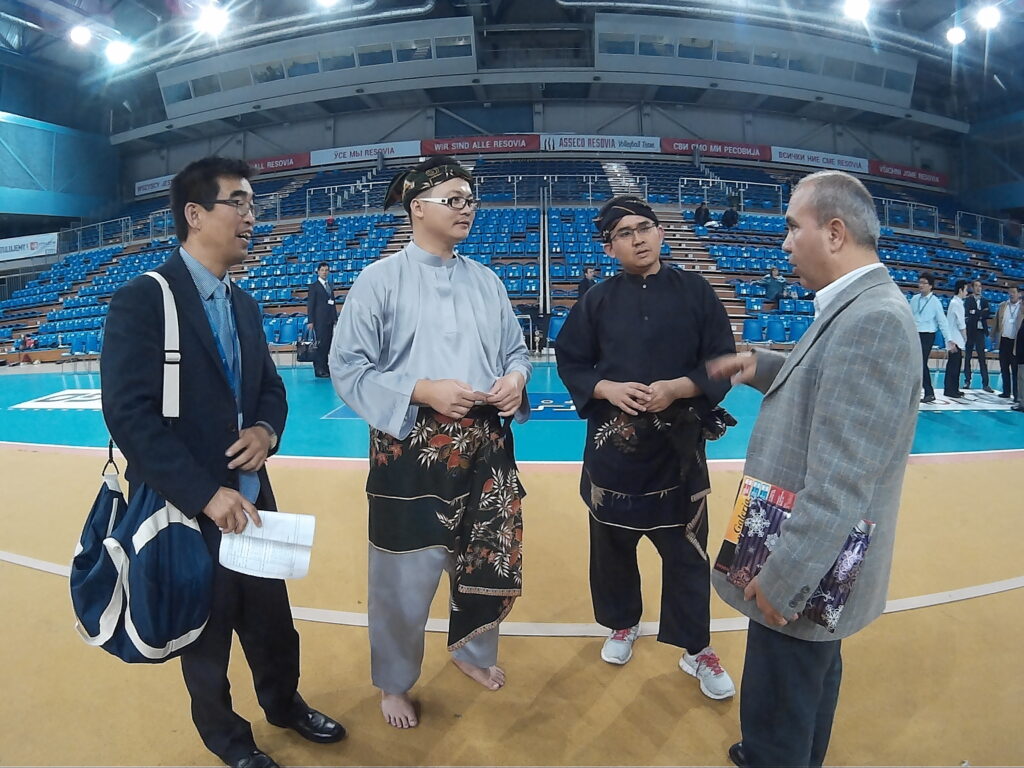
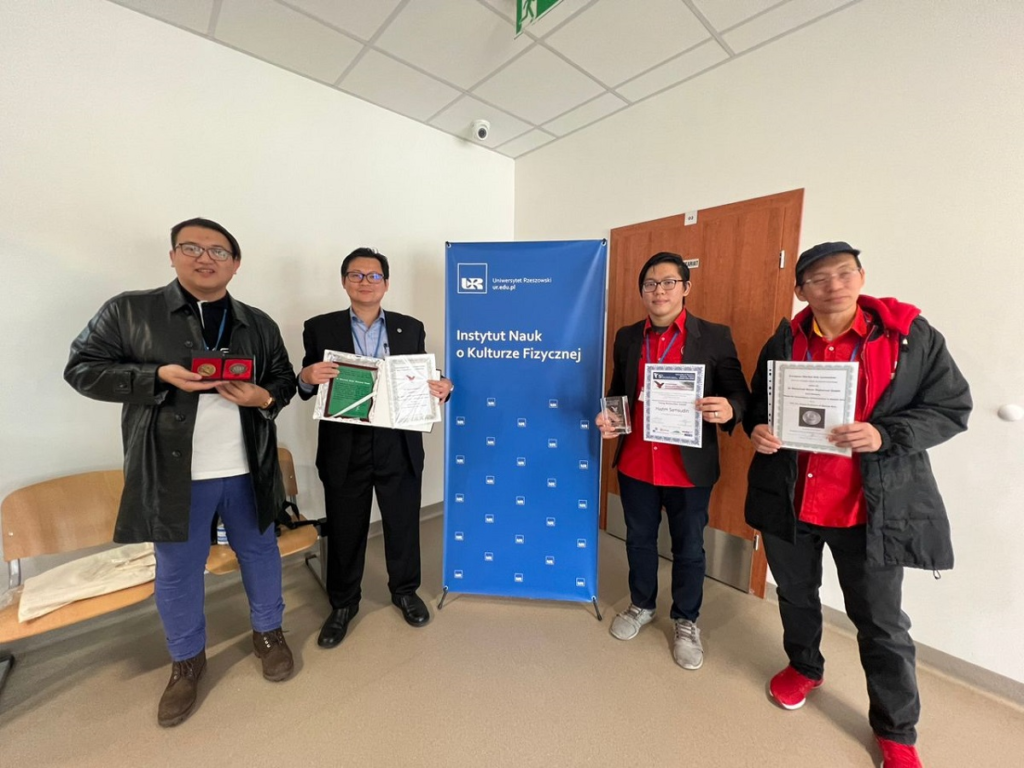
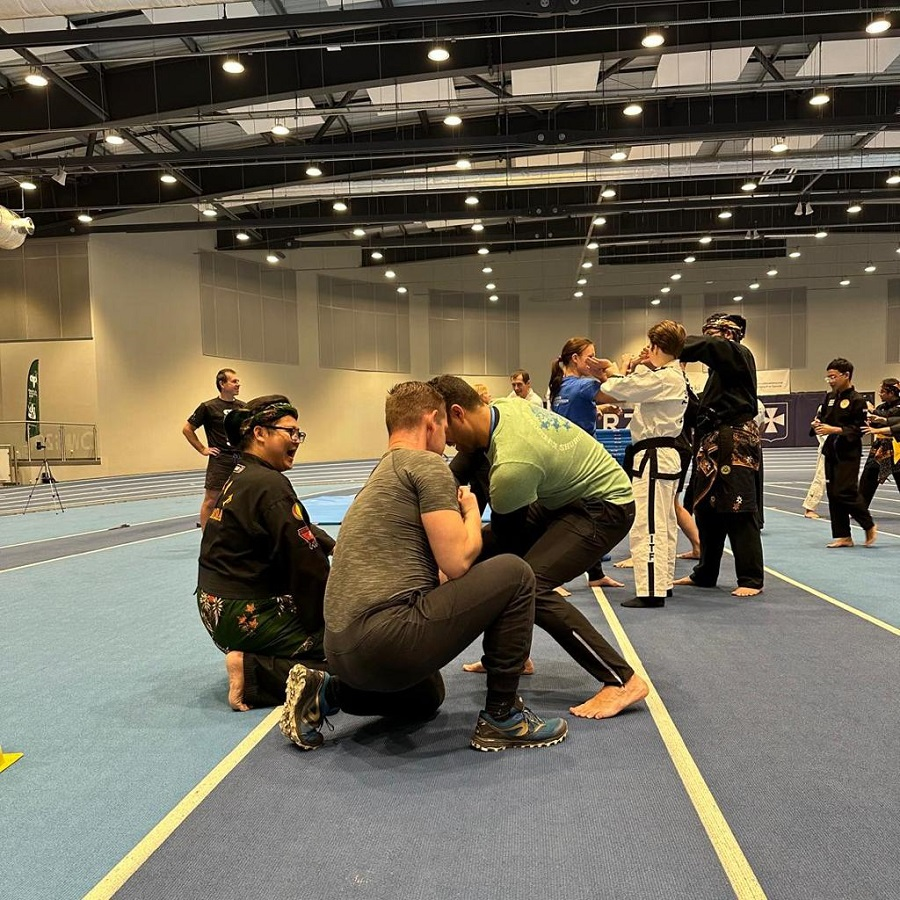
PASSMAL’s efforts to promote this philosophy extend beyond the training hall. Through cultural outreach, publications, and international collaborations, the organization shares the wisdom of Silat with global audiences. The inclusion of Surah Al-Asr in Silat pedagogy has been highlighted in academic forums such as the IMACSSS International Congress and the ACPES Conference, where scholars and practitioners discuss the spiritual dimensions of martial arts.
Furthermore, the World Silat Federation (WSF), in partnership with PASSMAL, has helped elevate Silat to a global platform. By emphasizing its philosophical and spiritual depth, Silat is now recognized not only as a martial discipline but also as a cultural and ethical system. This recognition strengthens Malaysia’s identity and showcases the richness of Malay heritage.
In conclusion, Silat and the philosophy of time, as taught through Surah Al-Asr, offer profound lessons for practitioners and society at large. It reminds us that time is a gift, and that every moment must be lived with purpose, discipline, and faith. Through PASSMAL’s teachings, Silat becomes more than a martial art—it becomes a way of life, a spiritual journey, and a timeless legacy.
References:
- Paduka, T. N. (2025). The DNA of Silat: More Than Just a Physical Art. Silat.net. Retrieved from https://silat.net/the-dna-of-silat-more-than-just-a-physical-art
- Ediyono, S., Nugraha, R. S., & Ahmad, A. A. H. (2023). Indigenous Knowledge and Philosophy in Pencak Silat Tradition. Proceedings of the 10th International Conference on Nusantara Philosophy. Digital Press Social Sciences and Humanities. https://doi.org/10.29037/digitalpress.49451
- Anuar, A. W. (2002). Pendidikan dan Nilai-nilai Murni dalam Seni Silat. Kementerian Kebudayaan, Kesenian dan Warisan.
- Shapie, M. N. M., & Elias, M. S. (2015). Seni Silat Malaysia: The Malay Arts of Self-Defence. In R. M. Kalina (Ed.), Proceedings of the 1st World Congress on Health and Martial Arts in Interdisciplinary Approach, pp. 213. Warsaw: Archives of Budo.
- Shapie, M. N. M. & Ramli, M. S. (2025). Manual Kejurulatihan Seni Silat Antarabangsa Tahap 1. PASSMAL.