Assoc. Prof. Dr. Mohamad Nizam Mohamed Shapie
Leader, Combat Sports & Martial Arts Research Network (AIRBORNE)
Faculty of Sports Science & Recreation,
Universiti Teknologi MARA (UiTM)
Silat is more than a martial art—it is Malaysia’s cultural signature. It embodies the values, history, and spirit of the nation. Recognized officially and practiced widely, Silat stands as a symbol of unity, pride, and resilience. From its ancient roots in the Malay archipelago to its modern-day institutionalization, Silat has evolved into a national identity marker, representing Malaysia on both local and global stages.
Historical Foundations of Silat in Malaysia
Silat, known by various names such as gayung, pencak, silek, and kali, has long been practiced across the Malay world. In Malaysia, the term Silat is most commonly used, referring to the indigenous martial traditions of the Malay people. Historically, Silat was not only a method of self-defense but also a way of life, deeply embedded in the social, spiritual, and political fabric of Malay society. It was once referred to as ilmu hulubalang, ilmu penjurit, or ilmu gagah berani, denoting the warrior knowledge of Malay nobility and defenders of the realm (Anuar, 2008).
The practice of Silat was central to the identity of Malay warriors and was often associated with the royal courts and village communities. As colonial powers disrupted traditional governance structures, Silat retreated from the palaces to the kampung, where it continued to thrive as a cultural and martial tradition. This grassroots resilience ensured its survival and eventual resurgence in the post-independence era.
Institutionalization and National Recognition
The formal recognition of Silat as Malaysia’s official martial art was not an overnight achievement. It was the result of decades of advocacy, documentation, and cultural preservation. Organizations such as PASSMAL—The Malaysian Organization of Authentic Malay Silat Arts—have played a pivotal role in this journey. PASSMAL has worked tirelessly to preserve the authenticity of Silat Melayu, resisting the dilution of its teachings by foreign martial influences and maintaining a curriculum rooted in traditional values (Shapie & Elias, 2015).
In the 1970s, Silat organizations were encouraged to register under the Societies Act 1966, leading to the formalization of various Silat schools and associations. PASSMAL emerged as a leading body, committed to safeguarding the original teachings of Silat Melayu. It became a founding member of Persekutuan Silat Kebangsaan Malaysia (PESAKA), further cementing its role in shaping national Silat policy and education (Anuar, 2002).
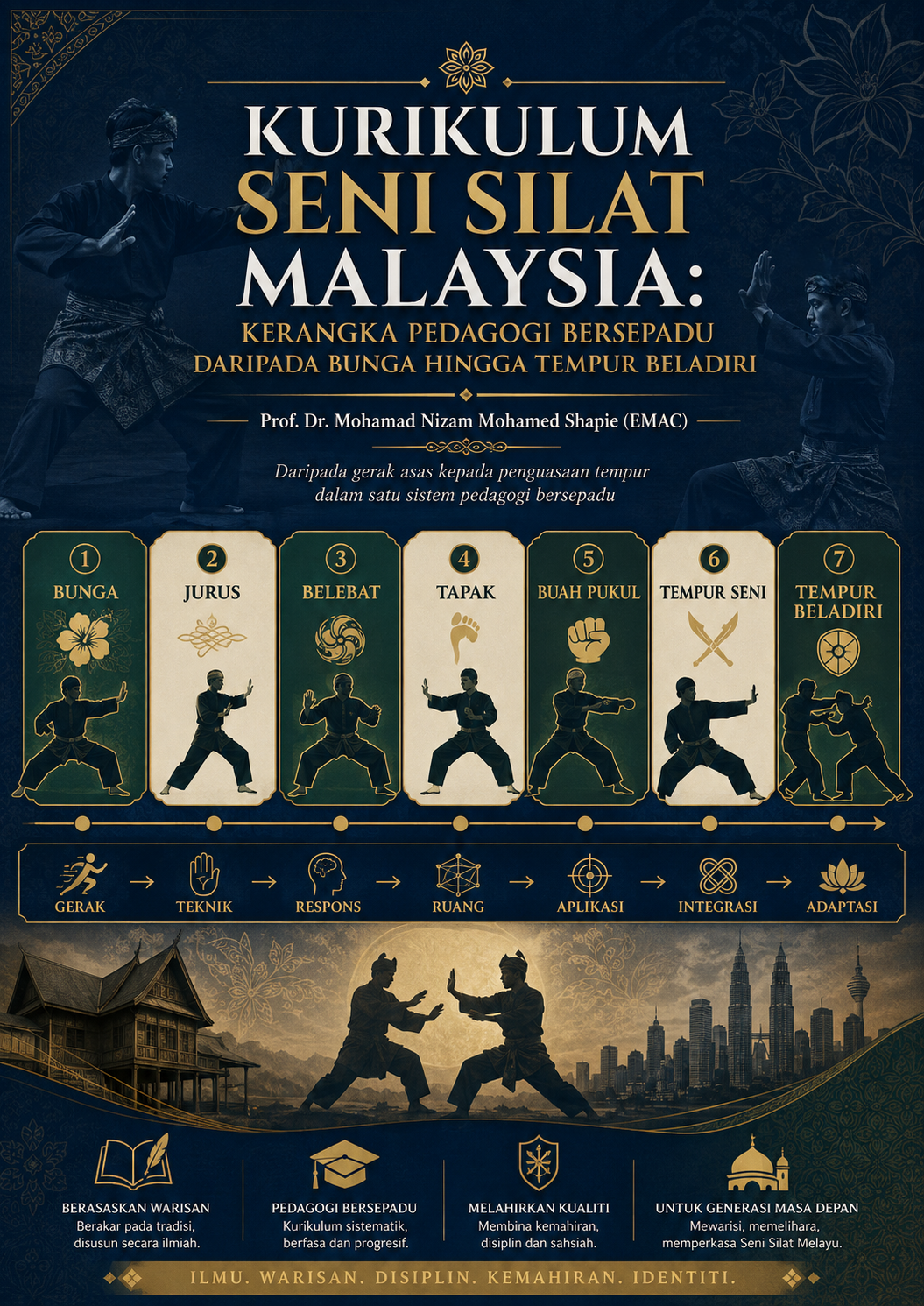
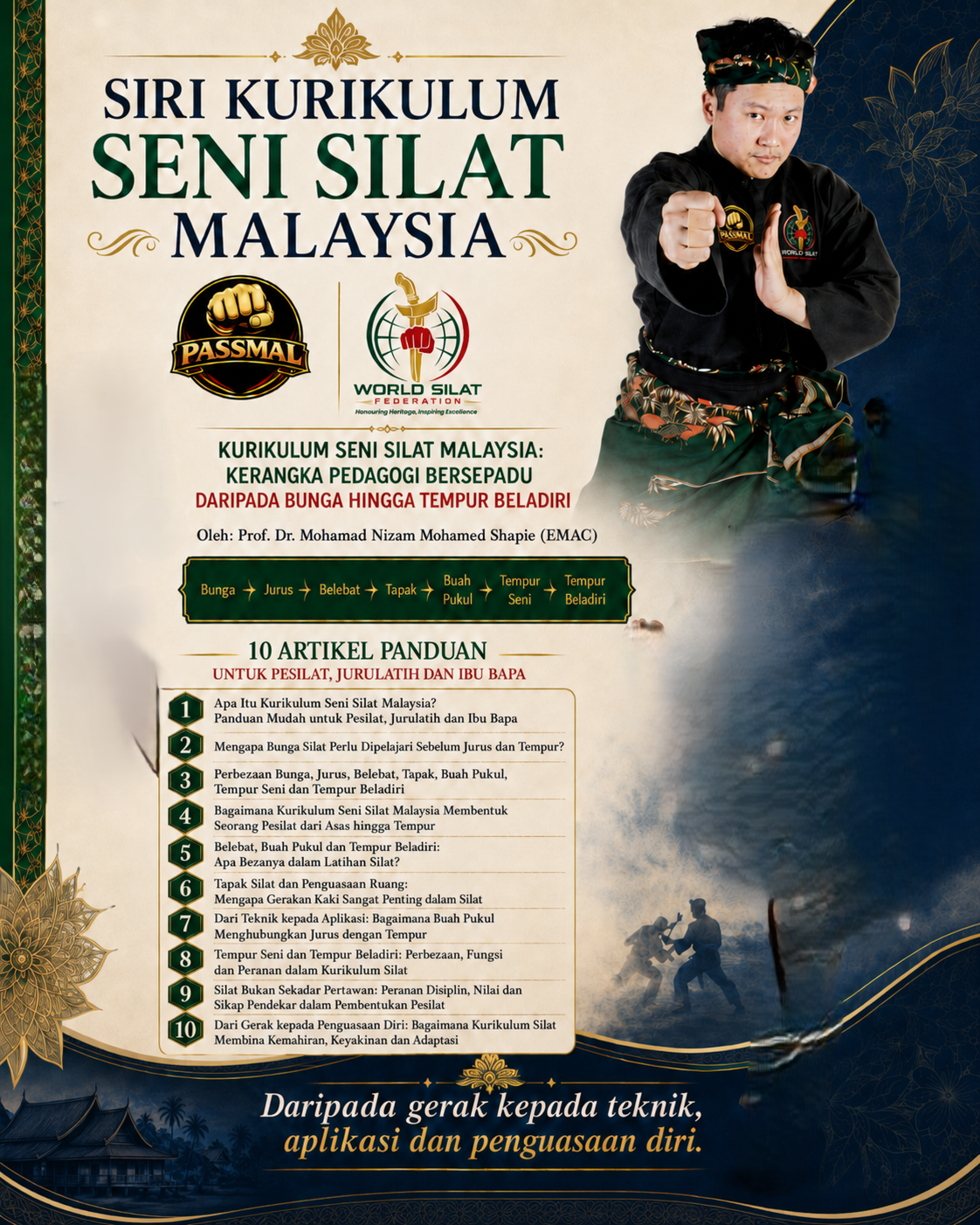
Through structured education, PASSMAL developed a transparent and standardized curriculum that translated oral traditions into written modules. This curriculum, free from external martial arts influences, ensures that Silat remains a pure representation of Malay martial heritage. The organization’s efforts have led to the integration of Silat into schools, universities, and national sports programs, making it accessible to Malaysians of all backgrounds (Shapie et al., 2022).
Silat as a Cultural Symbol
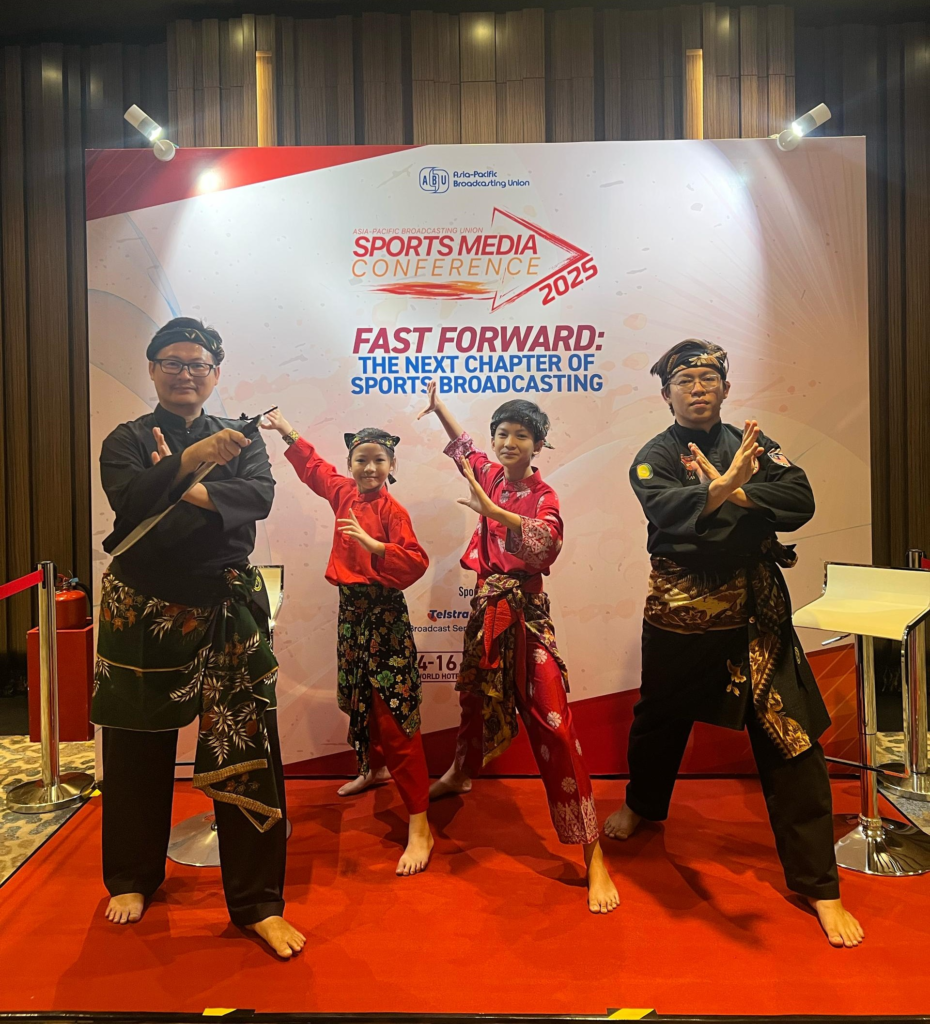
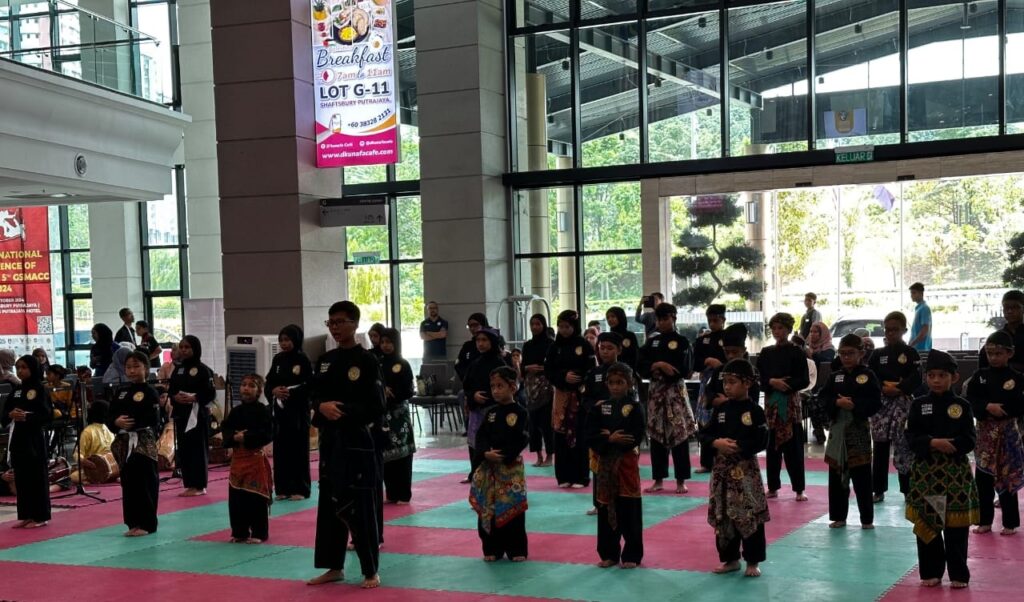
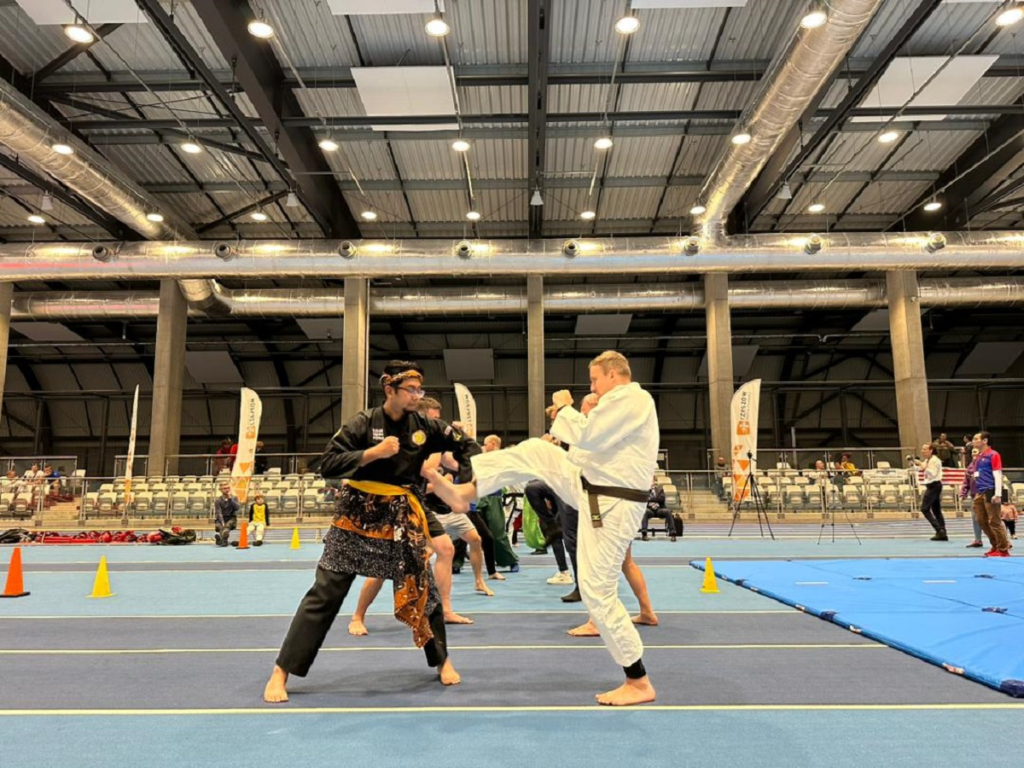
Silat is not merely a sport or combat technique—it is a cultural performance, a spiritual practice, and a communal ritual. Forms such as Silat Pulut, performed during weddings and festivals, showcase the aesthetic and ceremonial aspects of Silat. Accompanied by traditional music and graceful movements, Silat Pulut reflects the kampung spirit and the values of cooperation, respect, and celebration (Anuar, 2008).
These performances serve as living archives of Malay wisdom, preserving the teachings of elders and transmitting them to younger generations. PASSMAL continues to honor this legacy by documenting Silat’s rituals, philosophies, and techniques, ensuring that the soul of Silat is not lost in modernization (Shapie et al., 2024).
Silat in Global Diplomacy
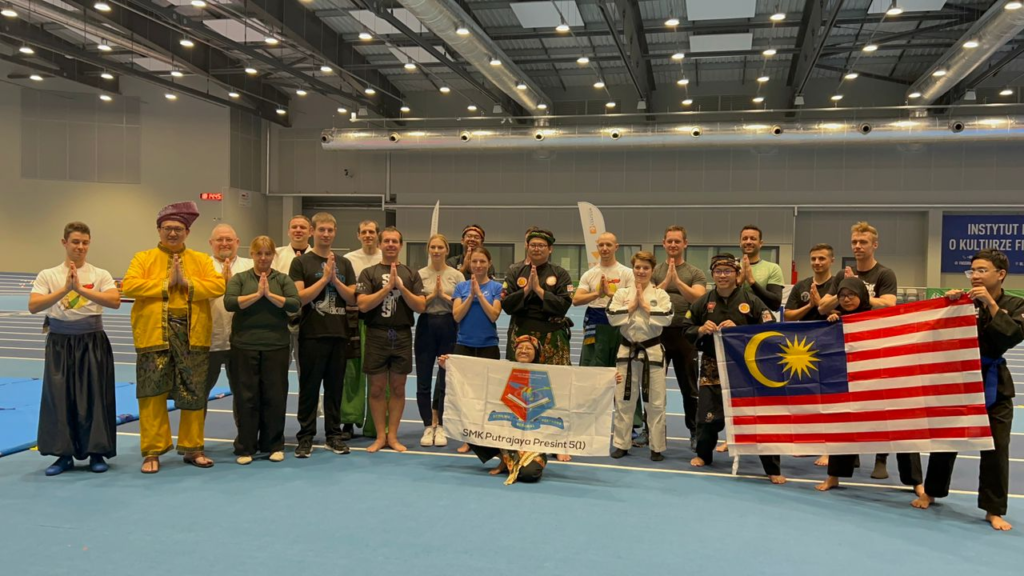
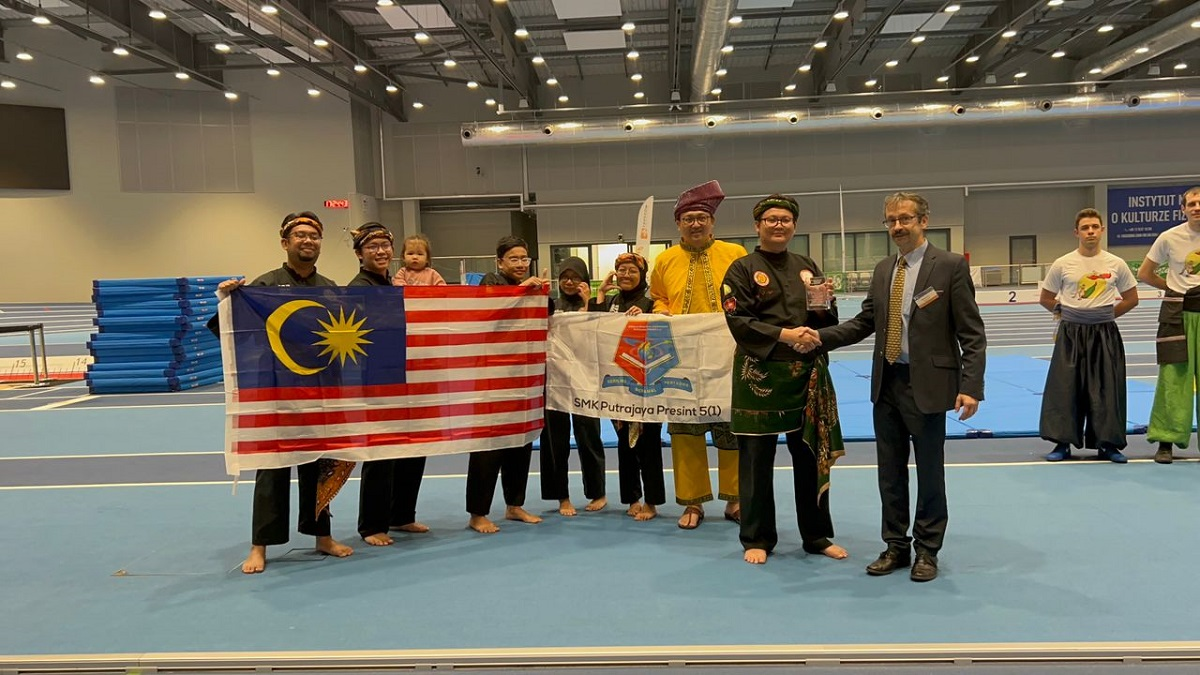
With the rise of globalization, Silat has transcended national borders. The establishment of the World Silat Federation (WSF) has enabled Malaysia to promote Silat as a global heritage. WSF, in collaboration with PASSMAL, has facilitated international workshops, academic conferences, and cultural exchanges, positioning Silat alongside other respected martial arts such as Taekwondo, Karate, and Judo (Shapie, 2021).
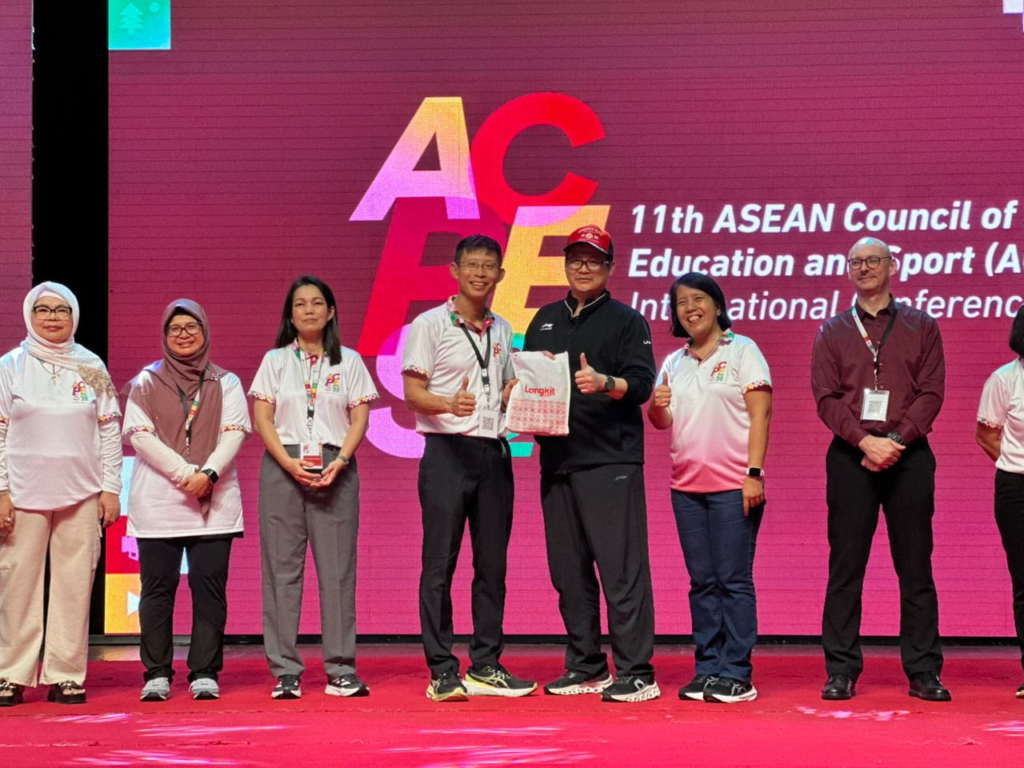
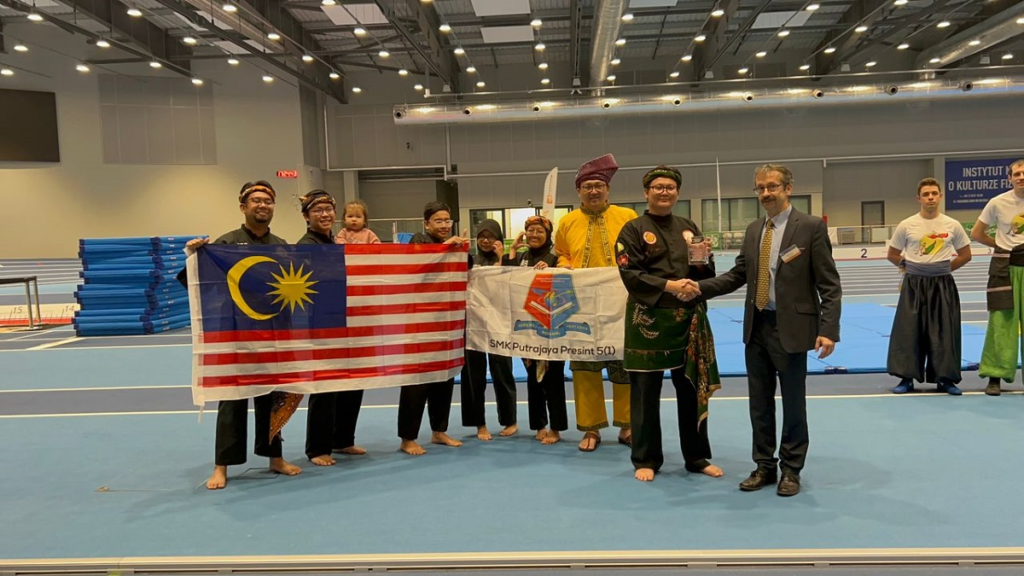
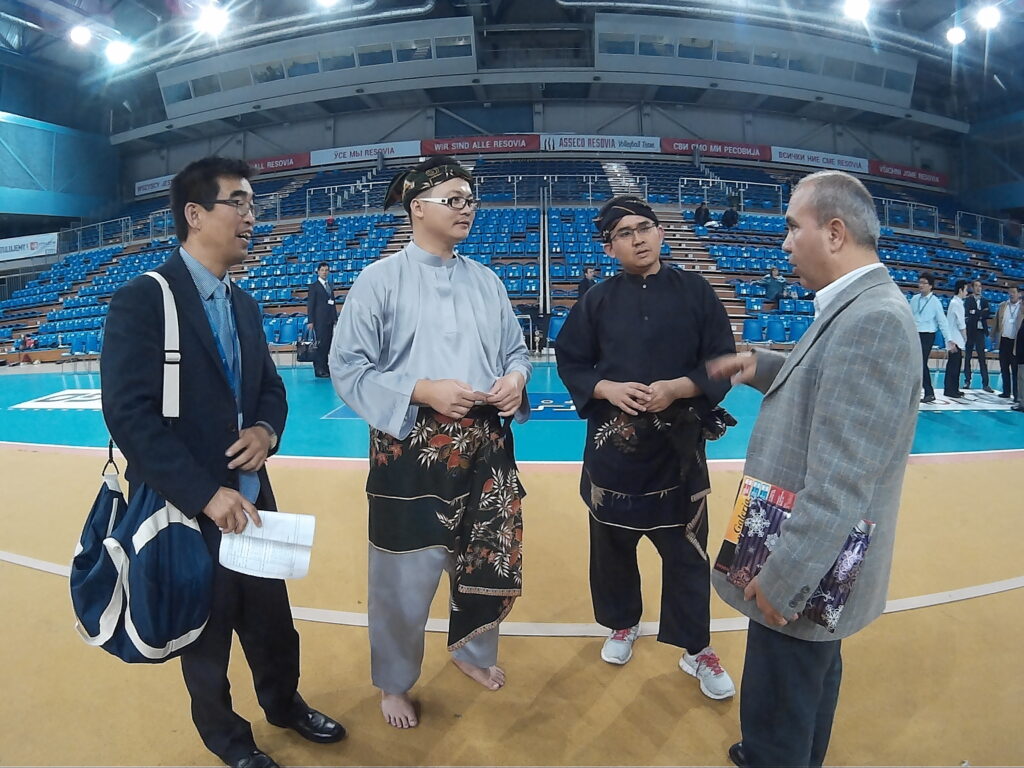
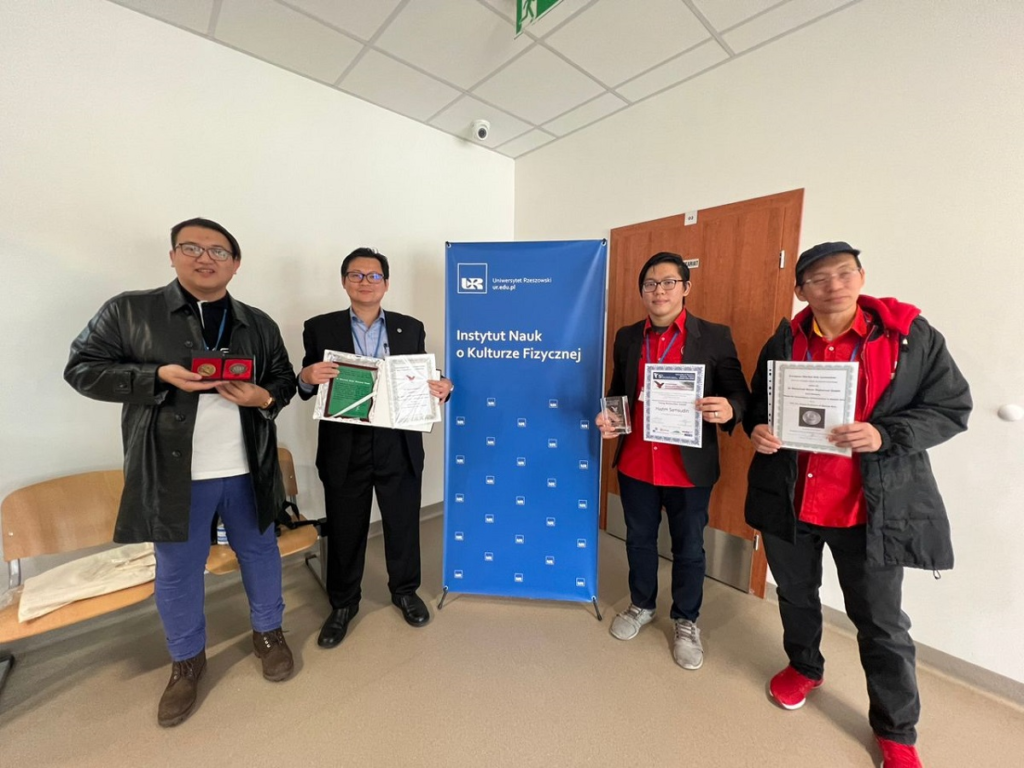
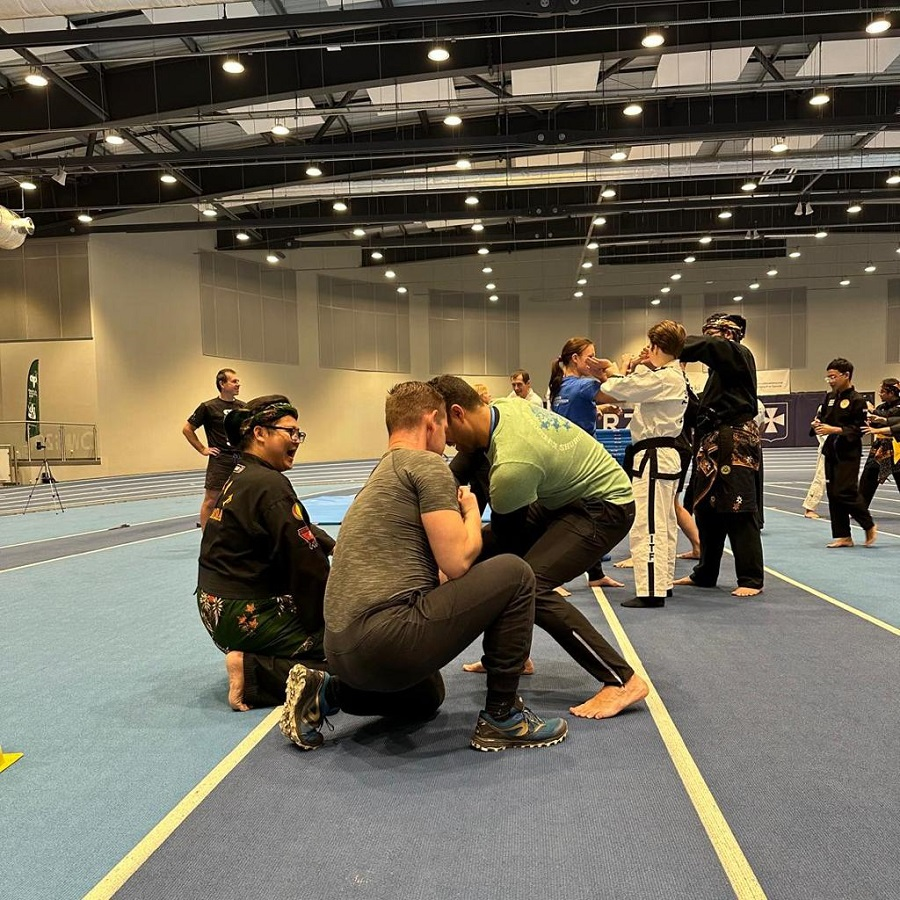
Silat’s recognition by UNESCO as an intangible cultural heritage further validates its significance (Poon, 2021). It is now seen not only as a martial discipline but also as a tool for cultural diplomacy. Through Silat, Malaysia communicates its values of peace, resilience, and unity to the world. International events such as the ACPES Conference and IMACSSS Congresses have featured Silat performances and research, showcasing Malaysia’s commitment to preserving and promoting its martial traditions (Shapie et al., 2023).
Silat and National Unity
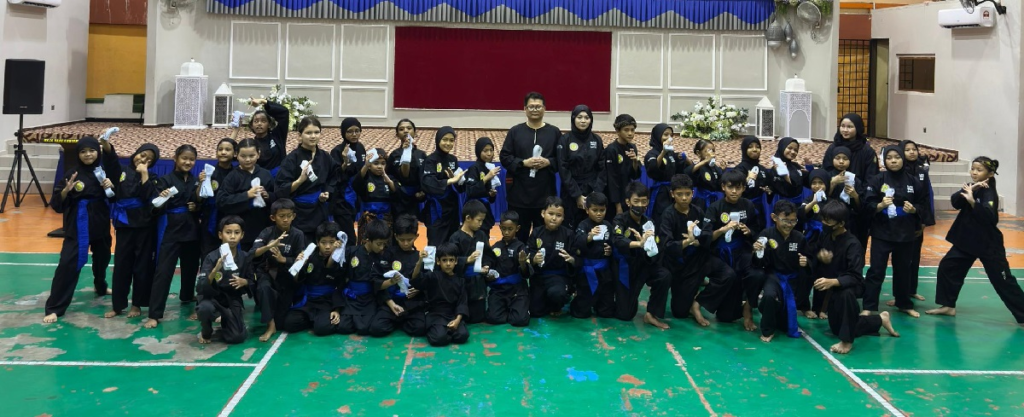
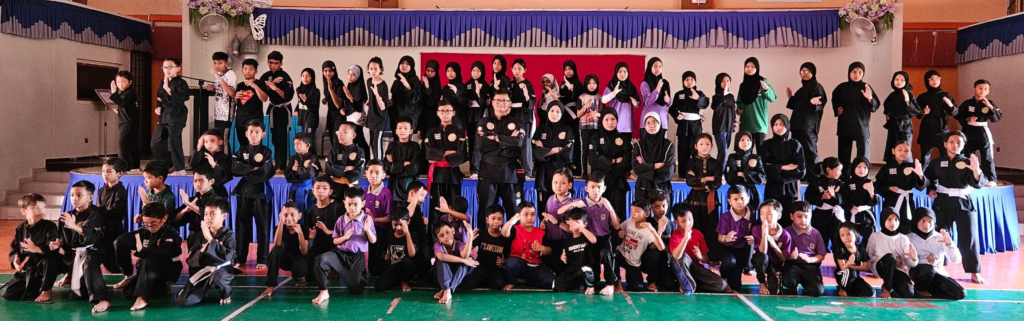
In a multicultural society like Malaysia, Silat serves as a unifying force. While rooted in Malay culture, Silat is practiced by Malaysians of various ethnic backgrounds. Its inclusive nature fosters mutual respect and understanding, bridging cultural divides and promoting national cohesion.
Silat also plays a role in youth development and social empowerment. Programs such as the M-MAF2025 anti-bullying initiative, supported by PASSMAL and the Ministry of Education, use Silat to instill discipline, confidence, and community values in young Malaysians (Shapie et al., 2020). These initiatives demonstrate how Silat can address contemporary social challenges while reinforcing traditional values.
Academicisation and Future Directions
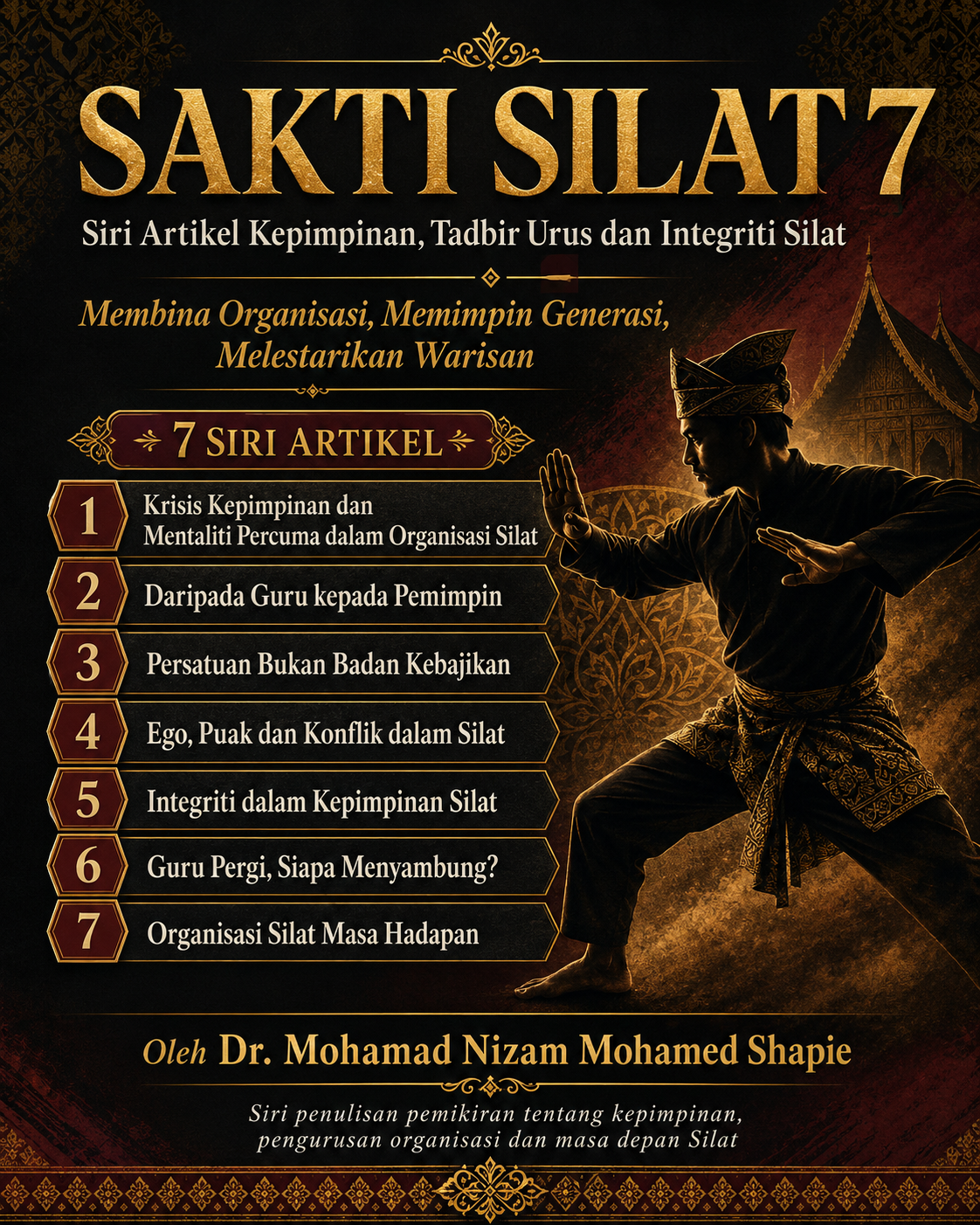
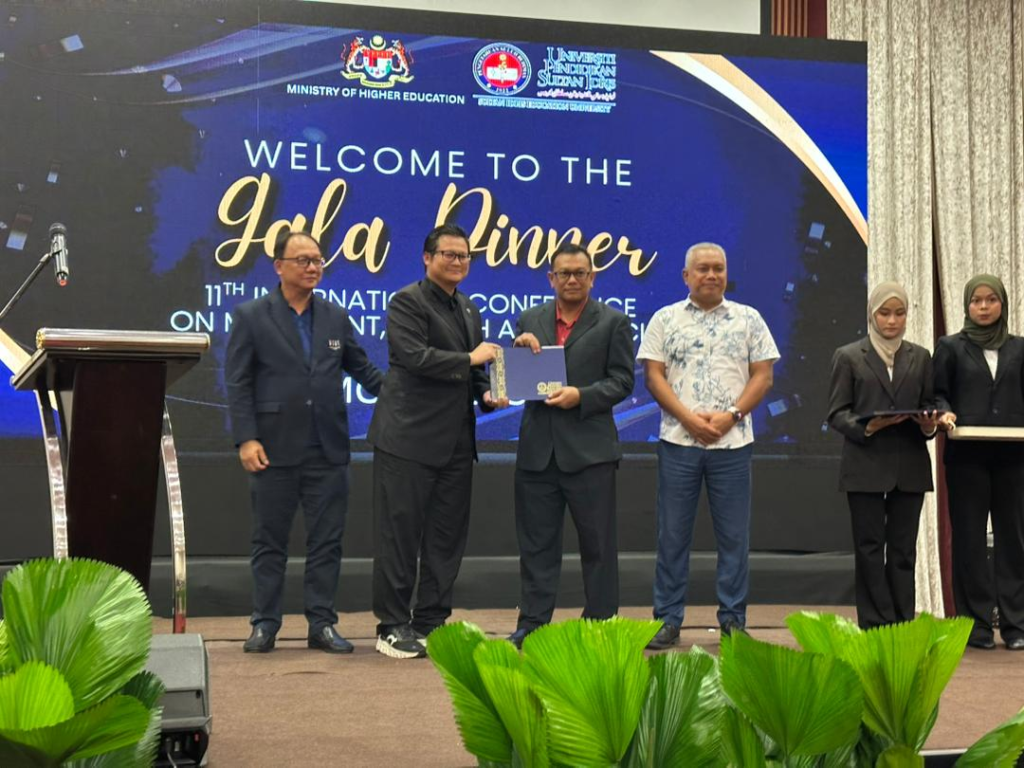
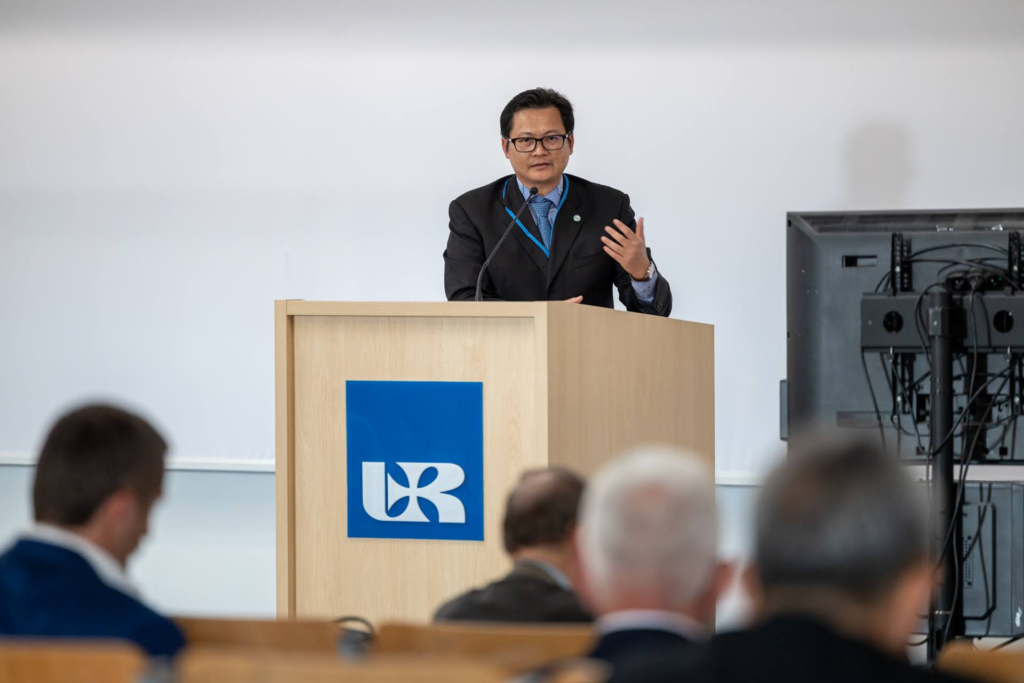
The academicisation of Silat is another milestone in its journey as a national identity. Scholars such as Dr. Mohamad Nizam bin Mohamed Shapie have contributed significantly to this effort, producing research, monographs, and curricula that elevate Silat from practice to scholarship. The transformation of Silat education from tradition to academia ensures its sustainability and relevance in the modern world (Shapie et al., 2024).
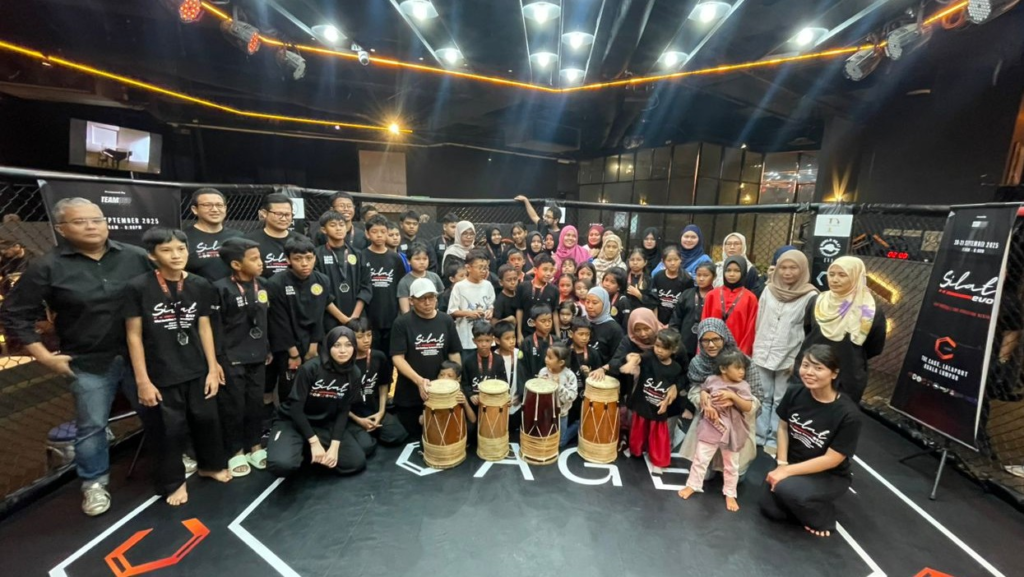
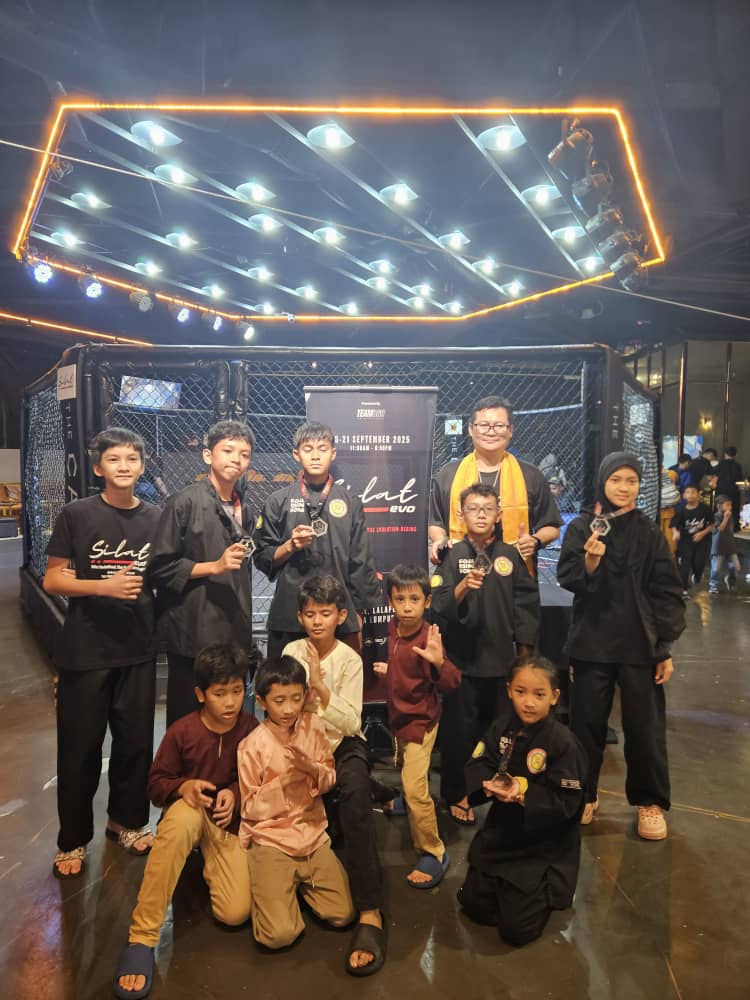
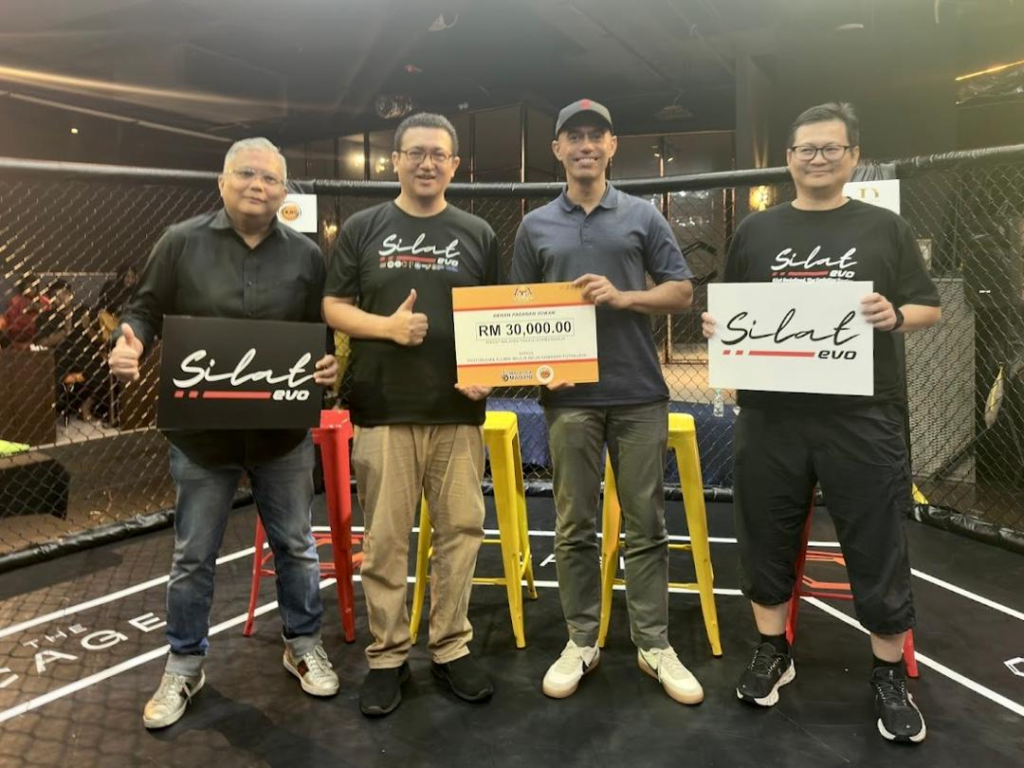
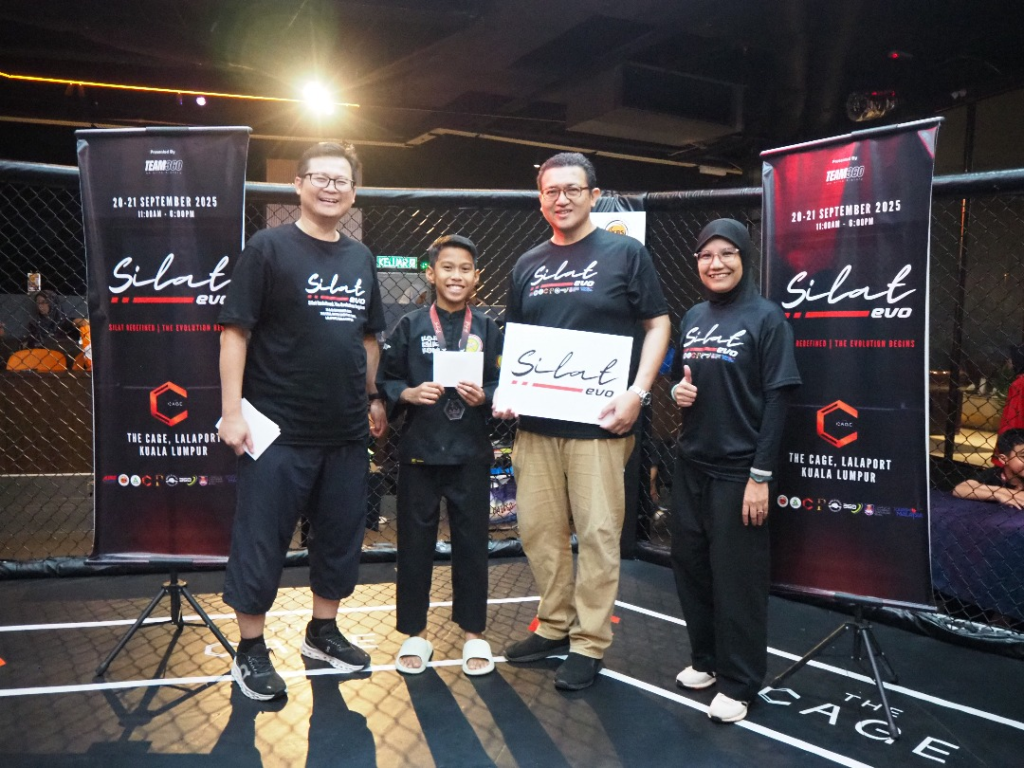
PASSMAL’s vision for Silat includes continued innovation without compromising authenticity. Initiatives such as Silat Tempur and Silat EVO represent modern adaptations of Silat for children and competitive sports, while still grounded in Malay martial philosophy. These innovations allow Silat to evolve while maintaining its cultural integrity (Shapie et al., 2023).
Conclusion
Silat’s journey from village squares to international arenas is a testament to its resilience and cultural depth. As Malaysia’s official martial art, Silat embodies the nation’s history, values, and aspirations. Through the efforts of PASSMAL and the World Silat Federation, Silat has become a symbol of national pride and a beacon of cultural diplomacy.
In a rapidly changing world, Silat offers Malaysia a unique platform to assert its identity, foster unity, and engage with the global community. It is not just a martial art—it is a living tradition, a scholarly pursuit, and a cultural treasure. As Malaysia moves forward, Silat will continue to play a vital role in shaping its national narrative and global presence.
References
- Anuar, A. W. (2002). Pendidikan dan Nilai-nilai Murni dalam Seni Silat. Kementerian Kebudayaan, Kesenian dan Warisan.
- Anuar, A. W. (2008). Silat: The Development History of Traditional Malay Silat. Hizi Print Sdn. Bhd.
- Poon, E. (2021). Malaysia’s Silat recognised by UNESCO as an intangible art form. Retrieved from https://www.thestar.com.my/lifestyle/culture/2019/12/13/malaysia039s-silat-recognised-by-unesco-as-an-intangible-art-form
- Shapie, M. N. M., & Elias, M. S. (2015). Seni Silat Malaysia: The Malay Arts of Self-Defence. In R. M. Kalina (Ed.), Proceedings of the 1st World Congress on Health and Martial Arts in Interdisciplinary Approach, pp. 213. Warsaw: Archives of Budo.
- Shapie, M. N. M. (2021). The Warrior Attitude (Sikap Pendekar) in Malay Silat Encouraging Malaysian Interest in Global Martial Arts and Combat Sports. In S. Ryu, K. Lee, & J. Hwang (Eds.), Southeast Asian Martial Arts: A Unique and Complex Cultural Phenomenon, pp. 26–95. Chungju-si, Korea: UNESCO ICM.
- Shapie, M. N. M., Aminuddin, A., Elias, M. S., & Ramli, M. S. (2022). Manual Kejurulatihan Seni Silat Malaysia Tahap 1, Peringkat Kebangsaan, 2020–2025: Persekutuan Silat Dunia “World Silat Federation”. Shah Alam, Selangor: Pertubuhan Seni Gayung Fatani Malaysia.
- Shapie, M. N. M., et al. (2023). Silat Tempur – The First World Silat Combat Sports Competition for Children. In Universiti Teknologi MARA (Ed.), IIDEX2023 Programme Book, p. 42. Universiti Teknologi MARA.
- Shapie, M. N. M., et al. (2024). Tradition to Academia: The Transformation of Silat Education (2014–2024). In N. Ruslan, A. Zid, R. Radeeuddin, & M. N. Fariduddin (Eds.), The 10th ASEAN Council of Physical Education and Sport (ACPES) International Conference 2024, pp. 478–482. UiTM Malaysia.