Assoc. Prof. Dr. Mohamad Nizam Mohamed Shapie
Leader, Combat Sports & Martial Arts Research Network (AIRBORNE)
Faculty of Sports Science & Recreation,
Universiti Teknologi MARA (UiTM)
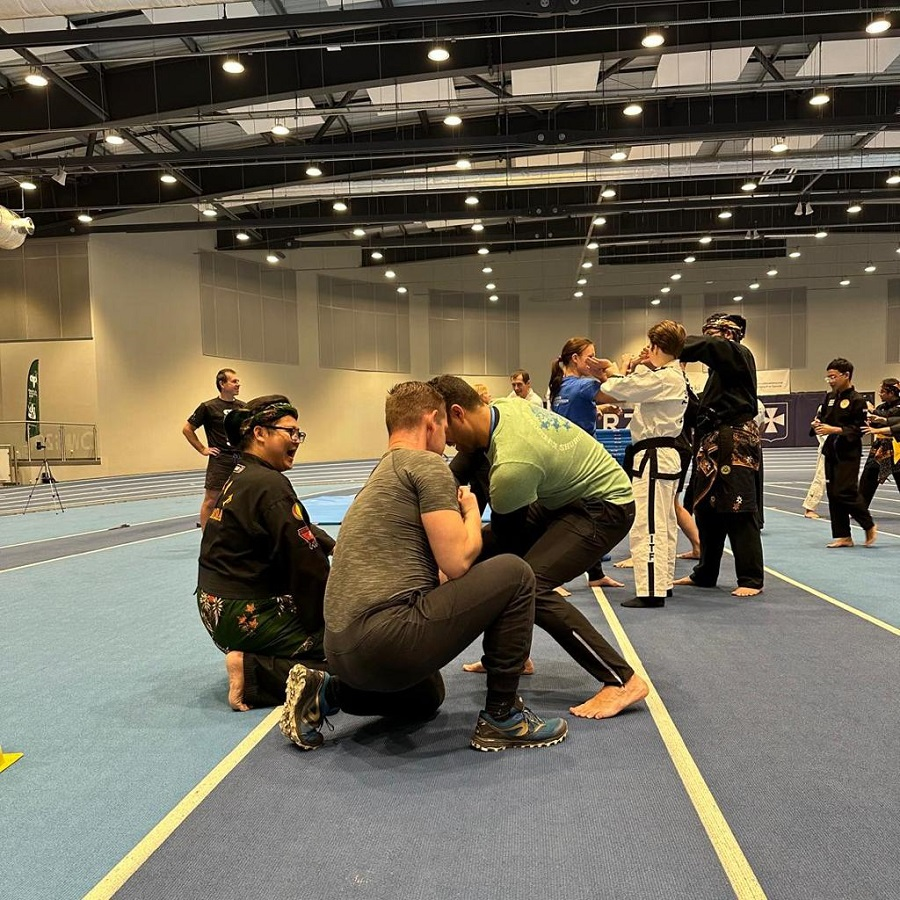
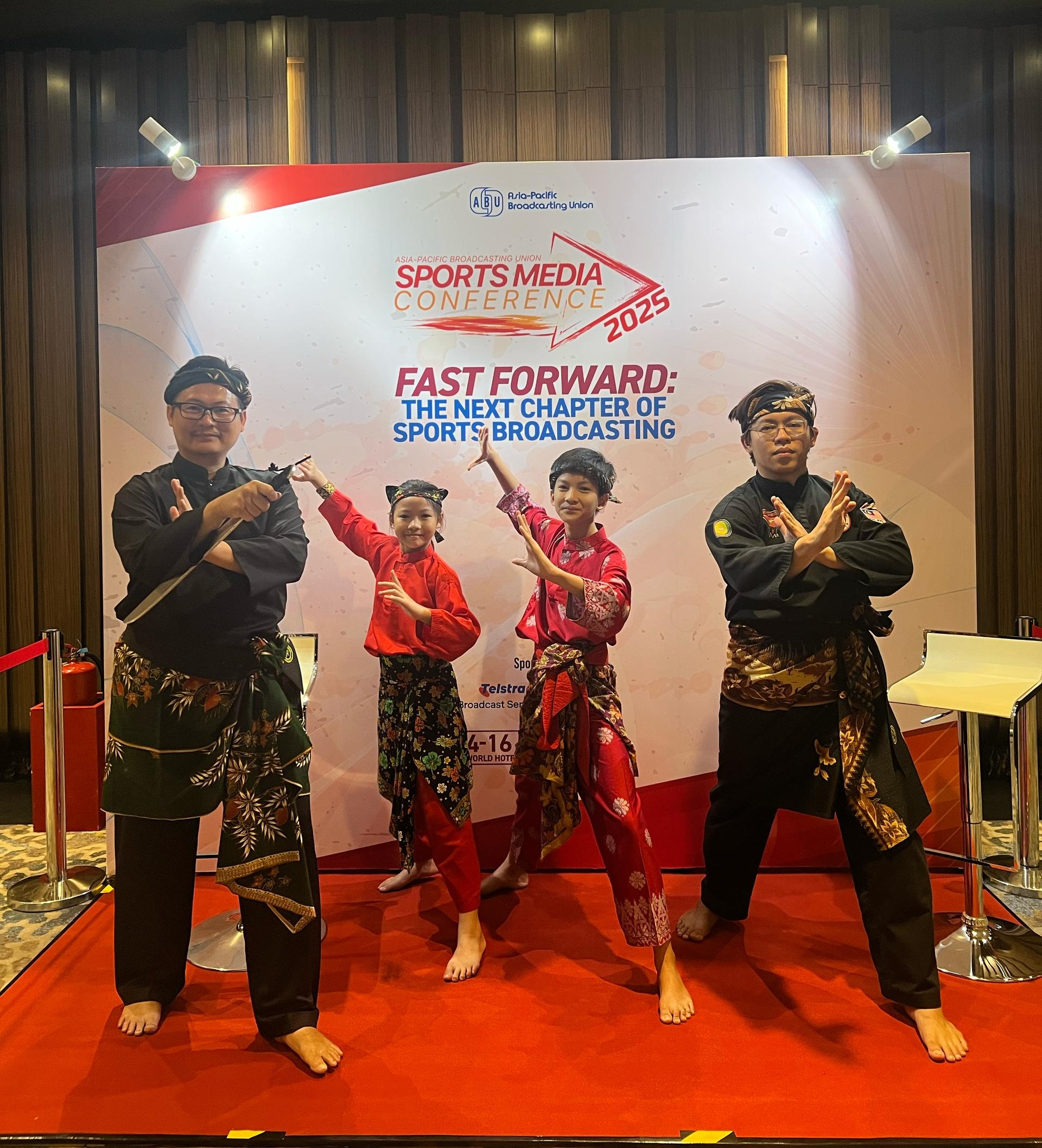
Silat is more than a martial art—it is a living archive of Malay wisdom. Every movement, ritual, and teaching carries the voice of the elders—those who preserved Silat through hardship, humility, and devotion. Their knowledge is not merely technical; it is philosophical, spiritual, and communal (Anuar, 2002; Shapie & Elias, 2015).
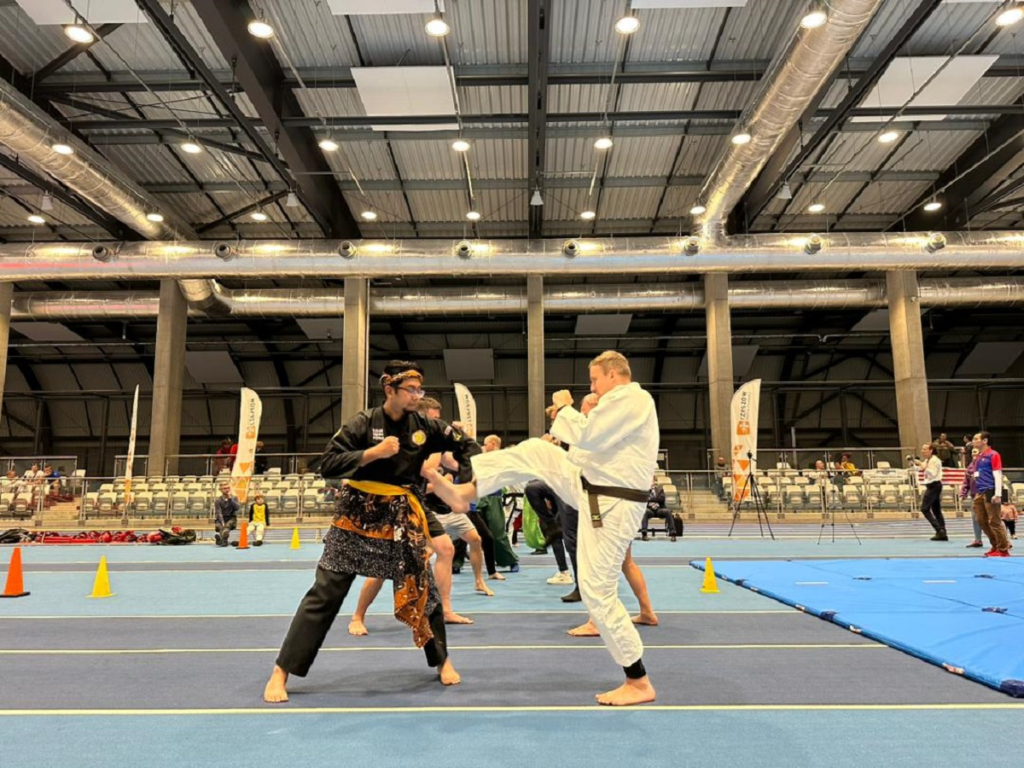
The oral traditions of Silat have long been safeguarded by village masters and pendekar, passed down through generations in kampung settings and traditional gelanggang. These teachings encompass not only combat techniques but also values such as respect, patience, and spiritual awareness. Silat, in this sense, becomes a vessel of cultural continuity, embodying the soul of the Malay warrior ethos (Shapie, 2021).
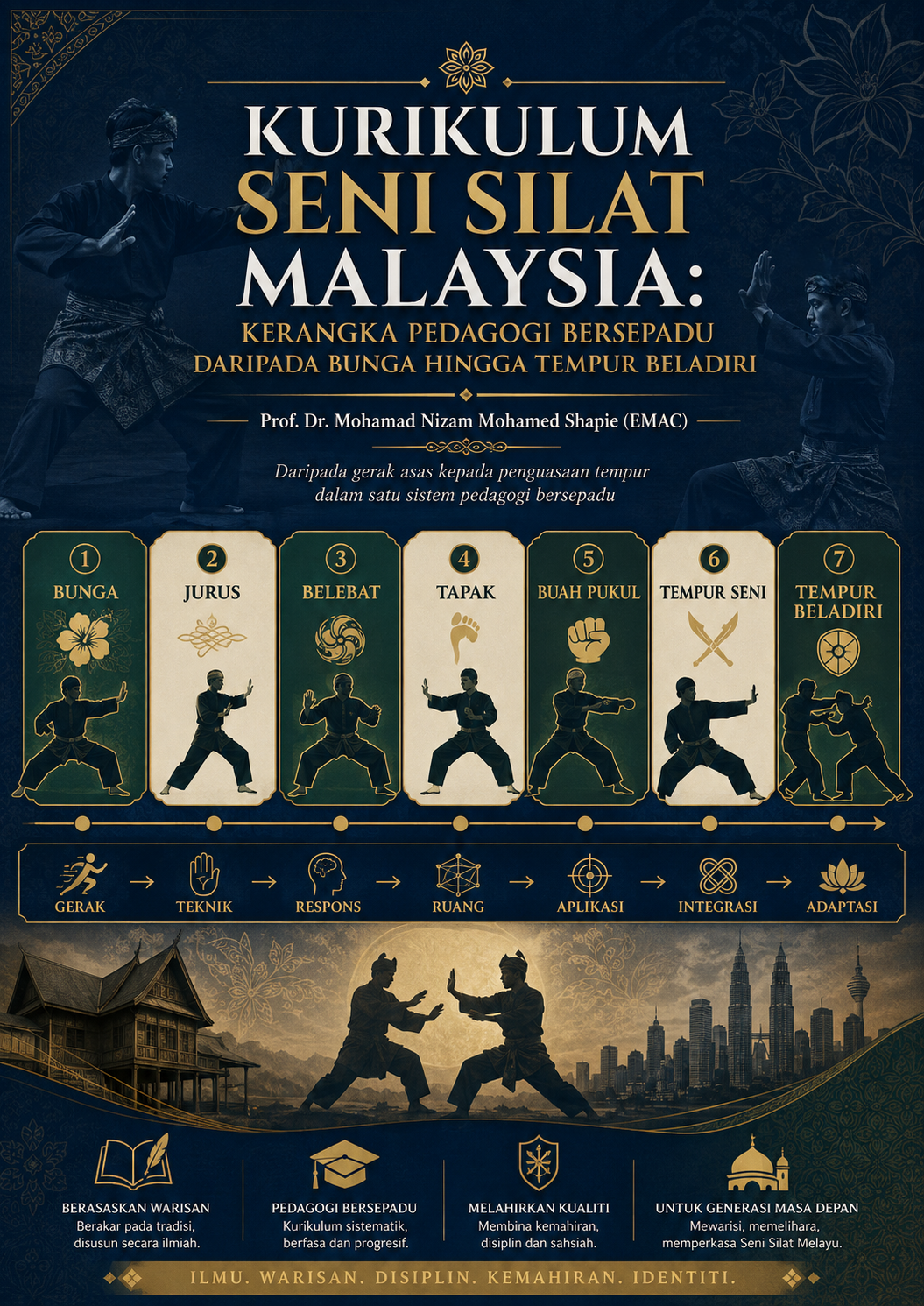
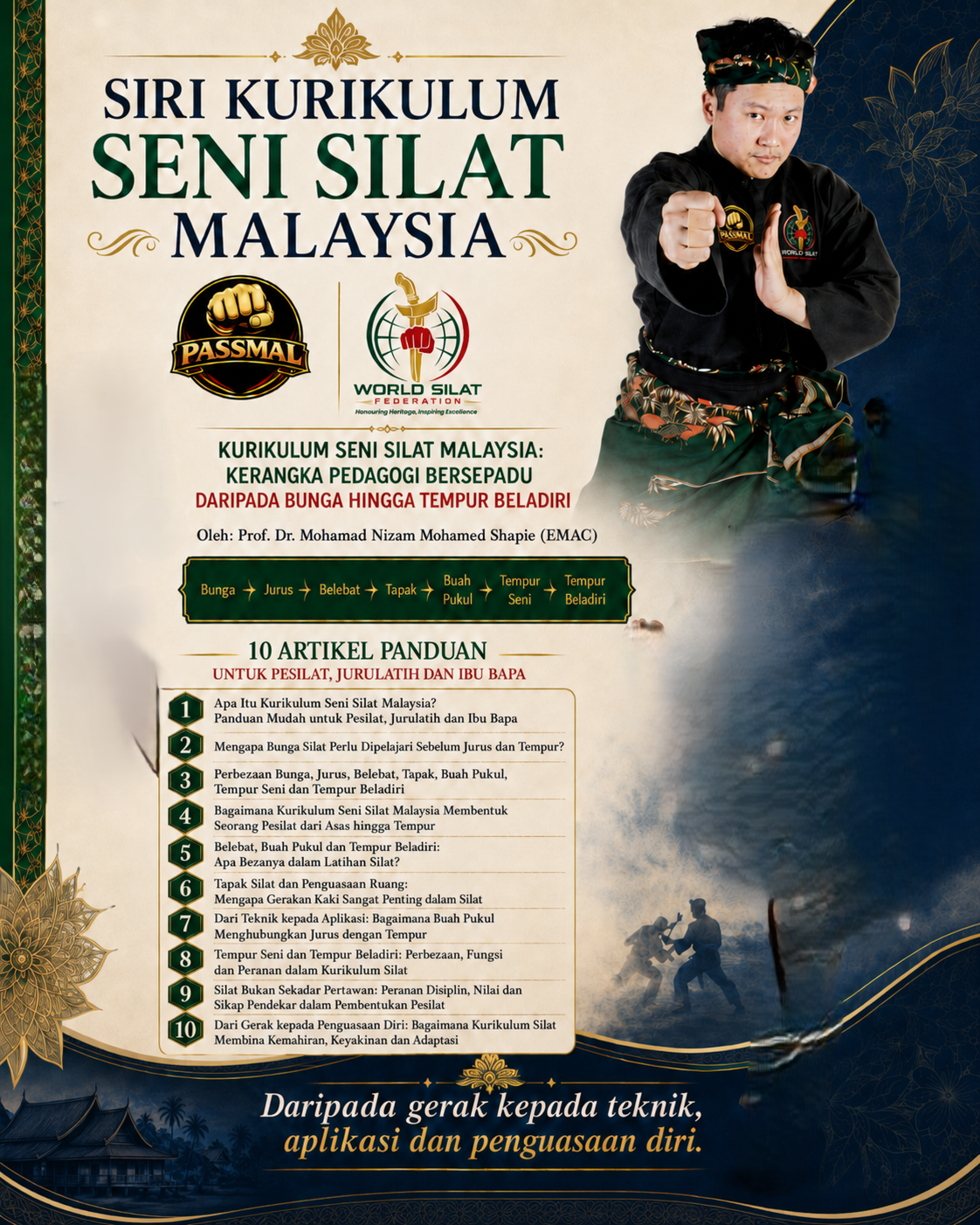
PASSMAL (The Malaysian Organization of Authentic Malay Silat Arts) plays a vital role in honoring this legacy. Through its structured documentation efforts, PASSMAL has translated oral traditions into written curricula, ensuring that the essence of Silat is preserved for future generations. This includes the development of manuals, syllabi, and scholarly publications that reflect both the technical and spiritual dimensions of Silat (Shapie et al., 2022).
The Manual Kejurulatihan Seni Silat Malaysia, for example, is a landmark effort in codifying Silat pedagogy. It not only outlines techniques but also embeds cultural and ethical teachings, making it a comprehensive guide for instructors and students alike (Shapie et al., 2022). This transformation from oral to written form is crucial in safeguarding Silat’s authenticity in an era of rapid modernization.
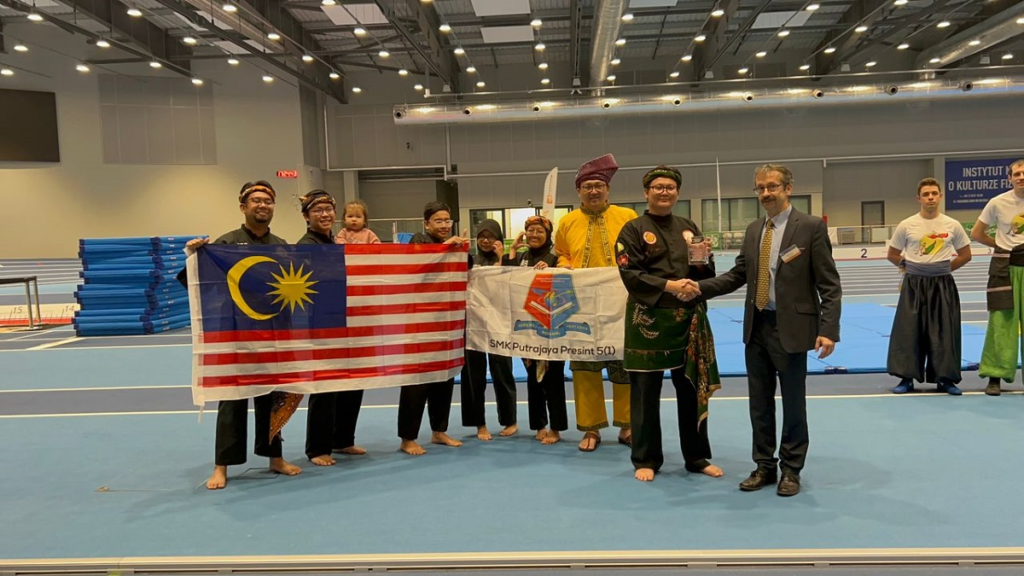
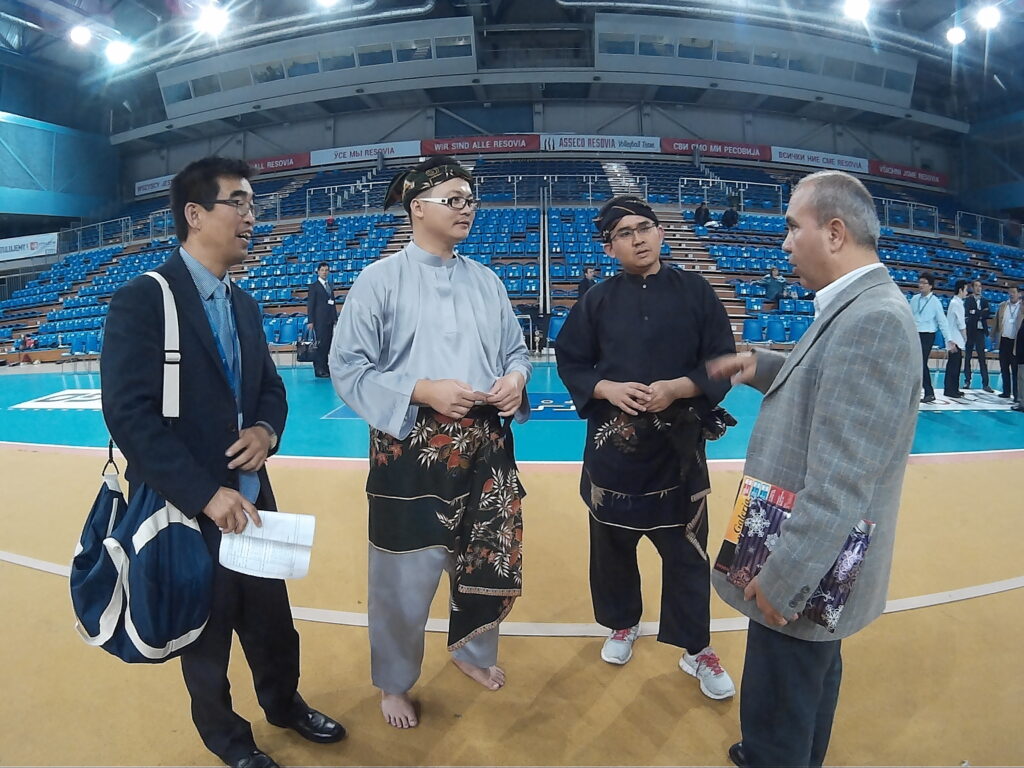
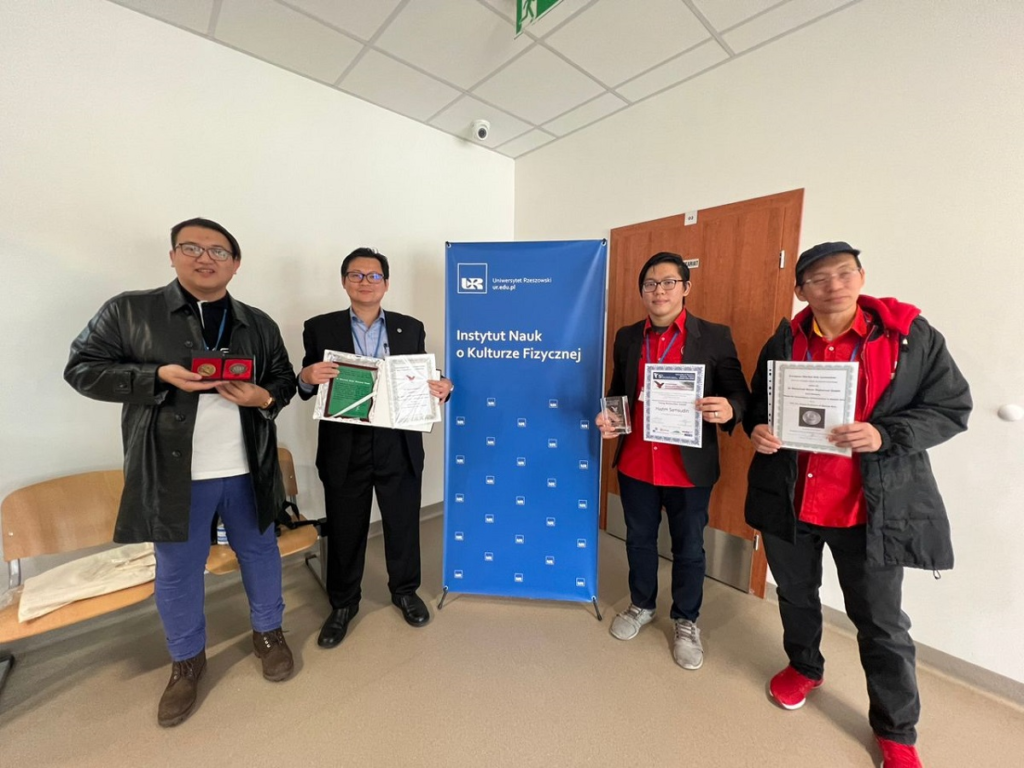
Moreover, PASSMAL’s collaboration with the World Silat Federation (WSF) has expanded the reach of this documentation. Through international conferences, publications, and digital platforms, Silat’s teachings now resonate with global audiences. This scholarly engagement elevates Silat from a regional practice to a recognized cultural and academic discipline (Shapie et al., 2024).
The academicisation of Silat is not merely about preservation—it is about evolution. By engaging with researchers, educators, and cultural institutions, Silat continues to grow while remaining rooted in its original values. This balance between tradition and innovation ensures that Silat remains relevant, respected, and resilient (Shapie, 2020).
In essence, Silat as a living archive reminds us that martial arts are not just physical systems—they are repositories of wisdom. The elders who shaped Silat did so with intention, embedding lessons of life, leadership, and spirituality into every gesture. PASSMAL’s efforts to document and disseminate these teachings ensure that Silat remains a vibrant, evolving tradition—one that continues to inspire pride and purpose across generations and borders.
References:
- Anuar, A. W. (2002). Pendidikan dan Nilai-nilai Murni dalam Seni Silat. Kementerian Kebudayaan, Kesenian dan Warisan.
- Shapie, M.N.M., & Elias, M.S. (2015). Seni Silat Malaysia: The Malay Arts of Self-Defence. Archives of Budo.
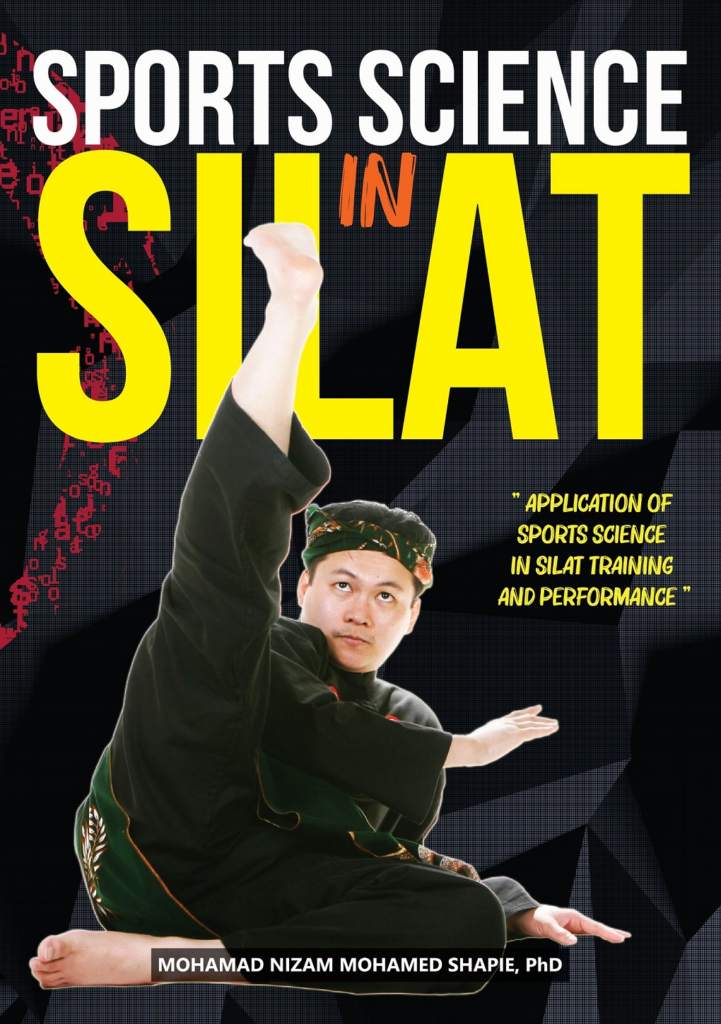
- Shapie, M.N.M. (2020). Sports Science in SILAT: Application of Sports Science in Silat Training and Performance. Pertubuhan Seni Gayung Fatani Malaysia.
- Shapie, M.N.M. (2021). The Warrior Attitude (Sikap Pendekar) in Malay Silat. UNESCO ICM.
- Shapie, M.N.M., et al. (2022). Manual Kejurulatihan Seni Silat Malaysia Tahap 1. Pertubuhan Seni Gayung Fatani Malaysia.
- Shapie, M.N.M., et al. (2024). Tradition to academia: The transformation of Silat education (2014–2024). UiTM Malaysia.