1. Introduction: The Essence of a Malay Warrior
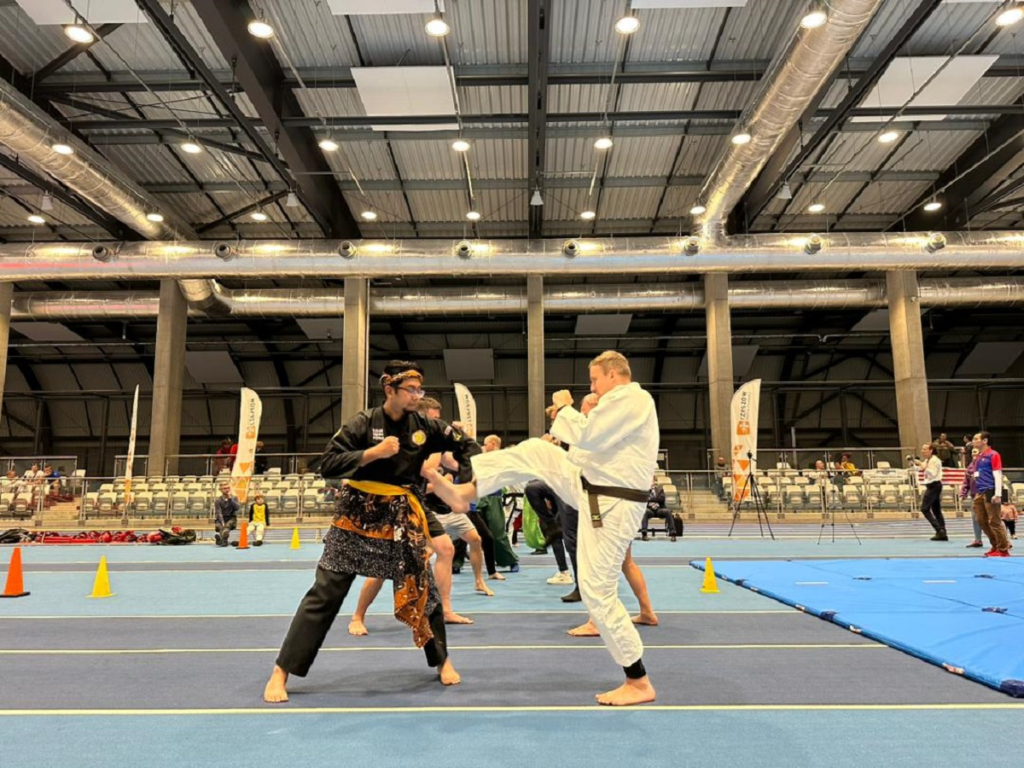
In the traditional world of Silat Melayu, a pendekar (warrior) was not simply measured by his combat skill—but by his character, restraint, and sense of purpose. Silat, unlike many modern combat sports, is not just about winning. It is a journey of the body, mind, and spirit rooted in Malay martial values passed down through generations.
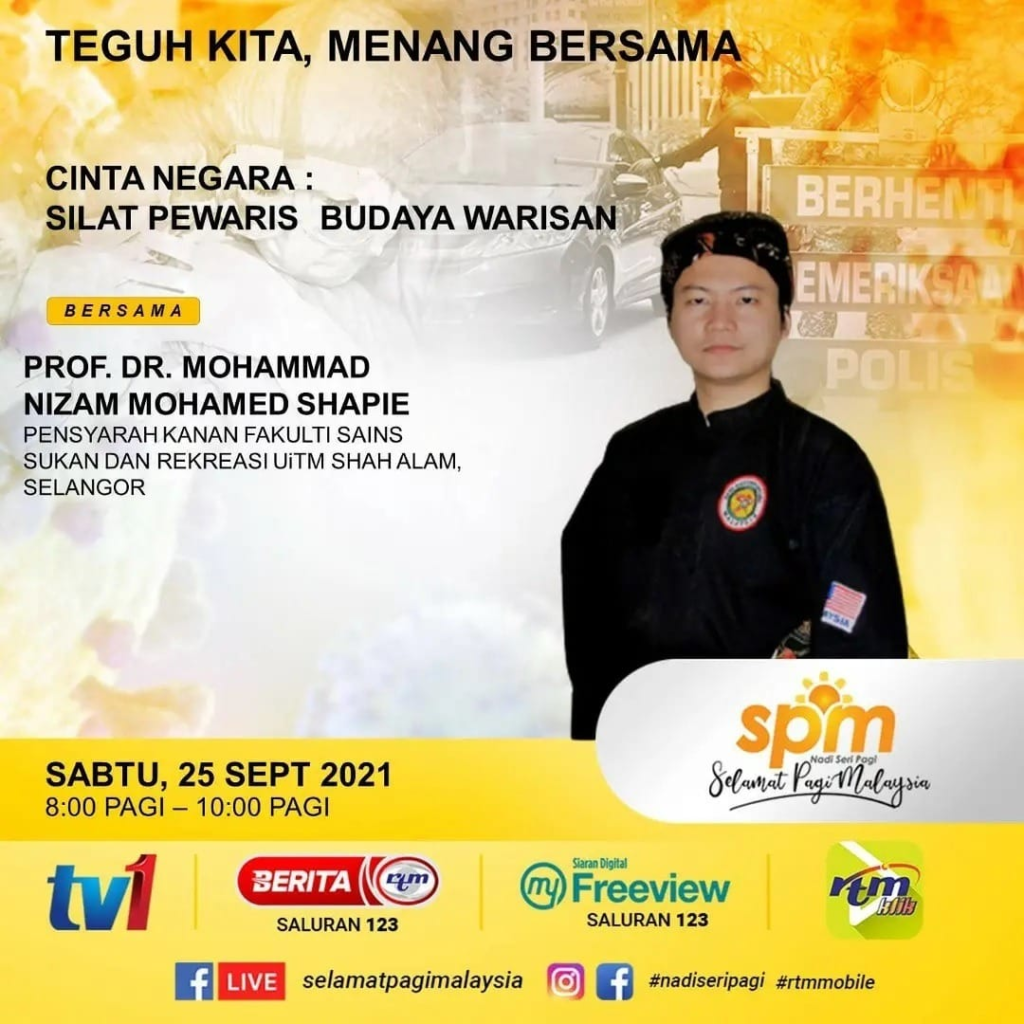
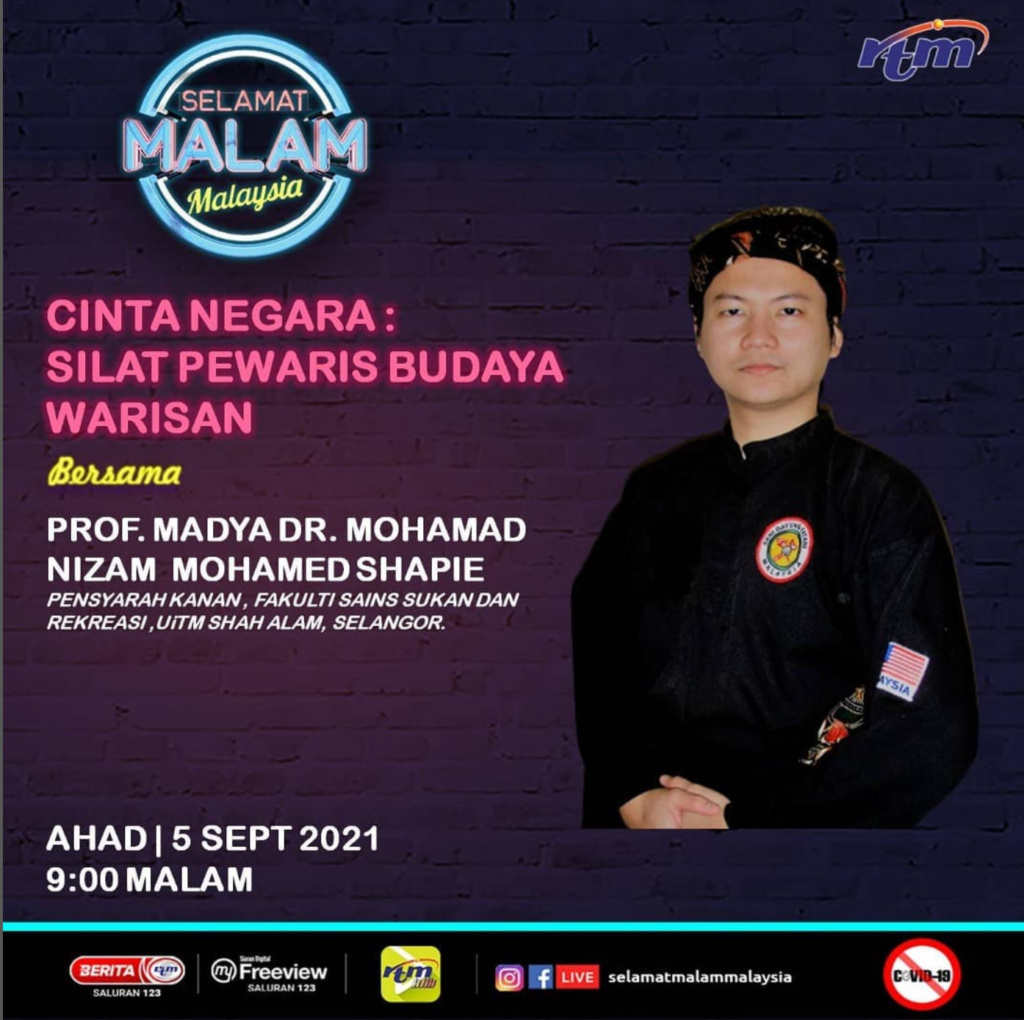
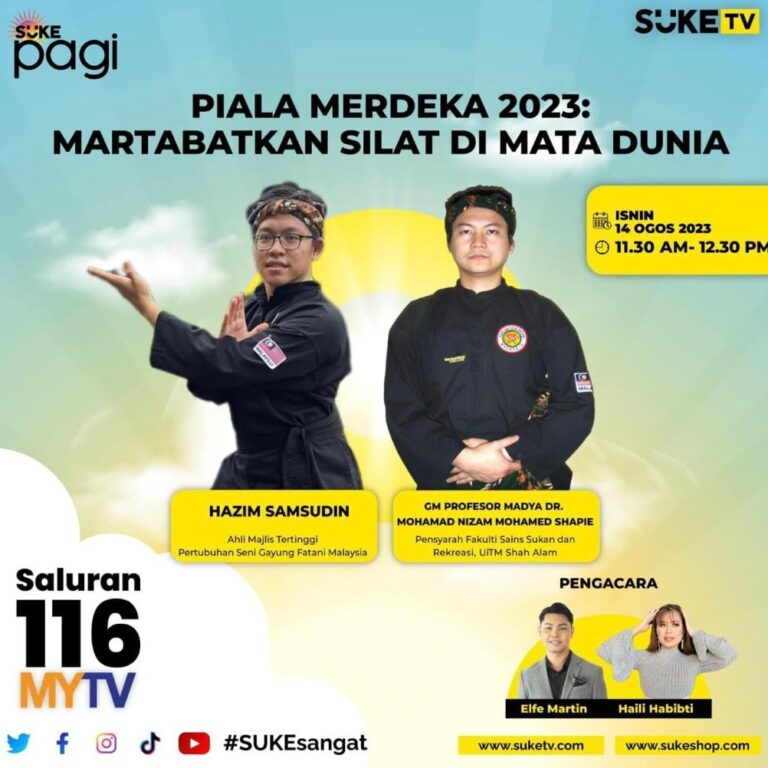
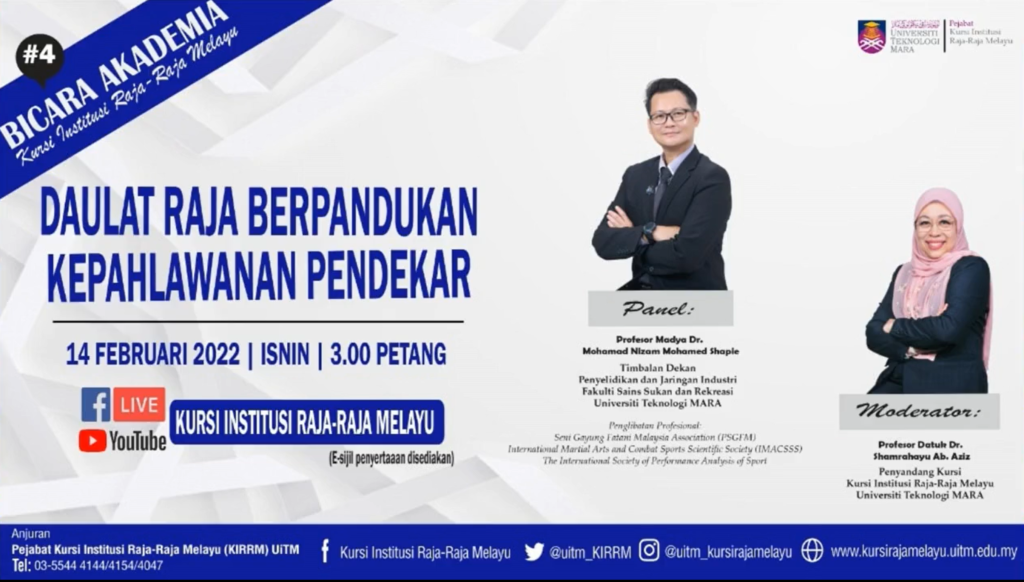
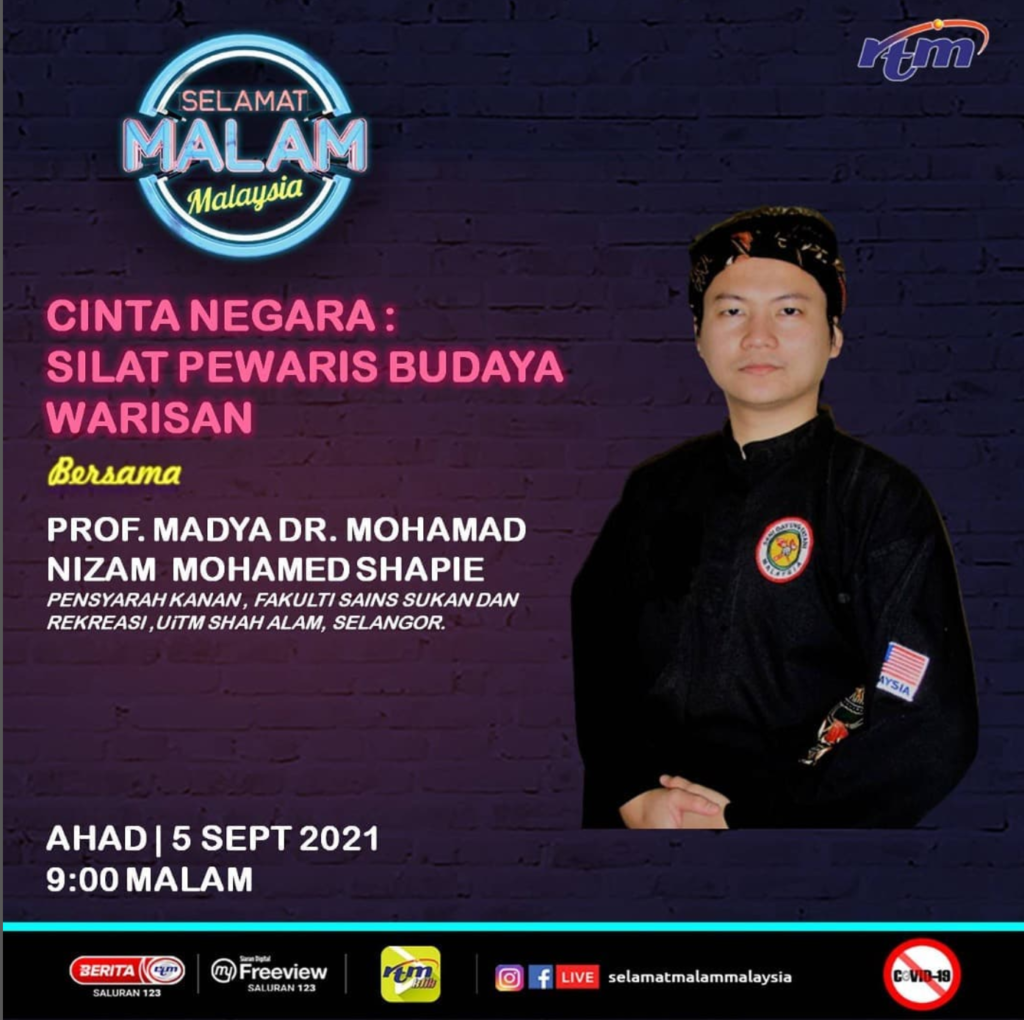
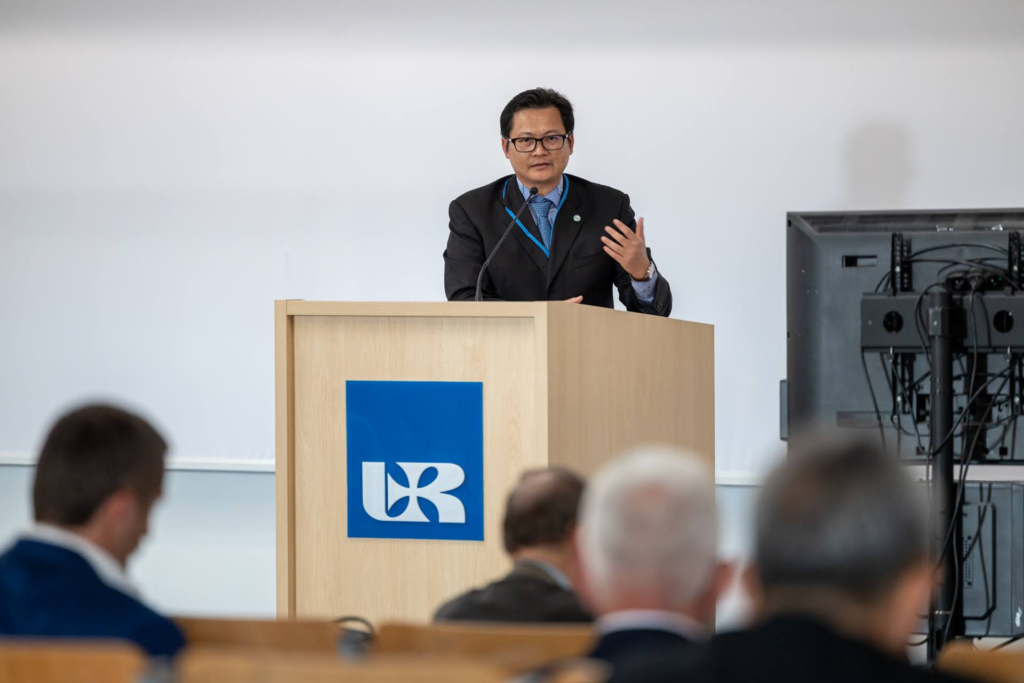
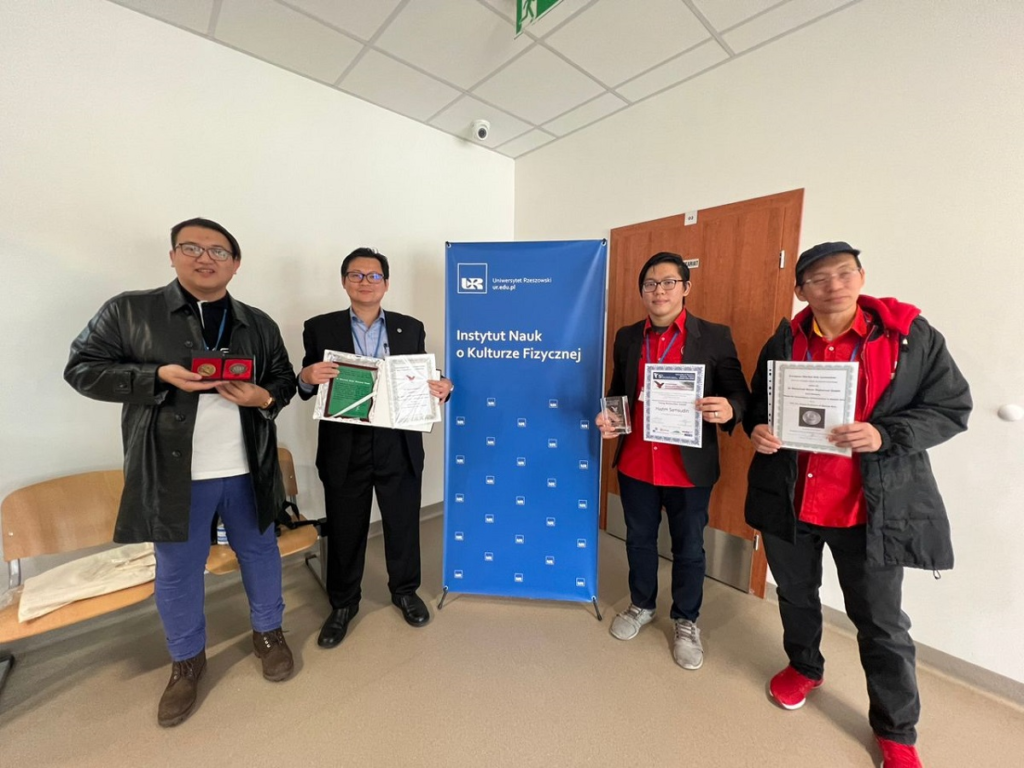
Today, these values continue to shape the identity of Silat practitioners across the globe. Among the torchbearers of this legacy is Prof. Dr. Mohamad Nizam Mohamed Shapie, whose work in martial arts education and international cultural diplomacy exemplifies what it means to be a modern Silat practitioner. Through his leadership and academic network, the timeless warrior code of Silat Melayu is being revitalized in research, practice, and pedagogy.
This article explores five enduring principles that every Silat Melayu practitioner—whether novice or master—must embody to truly walk the path of the warrior.
2. Principle 1: Jati Diri – Inner Identity and Cultural Pride
At the heart of Silat Melayu lies the concept of jati diri, or inner identity. It speaks of knowing one’s roots, embracing Malay heritage, and walking with dignity. A warrior must be firmly anchored in his cultural values before confronting the external world.
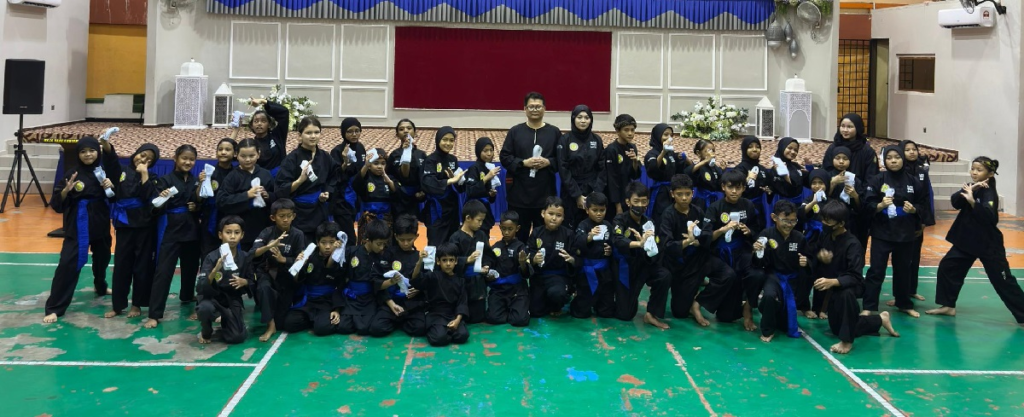
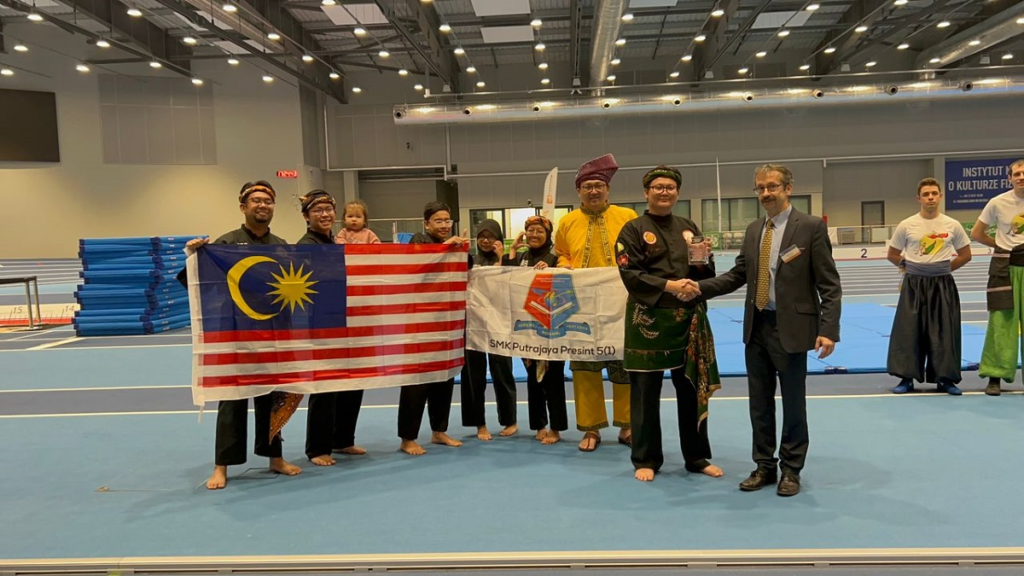
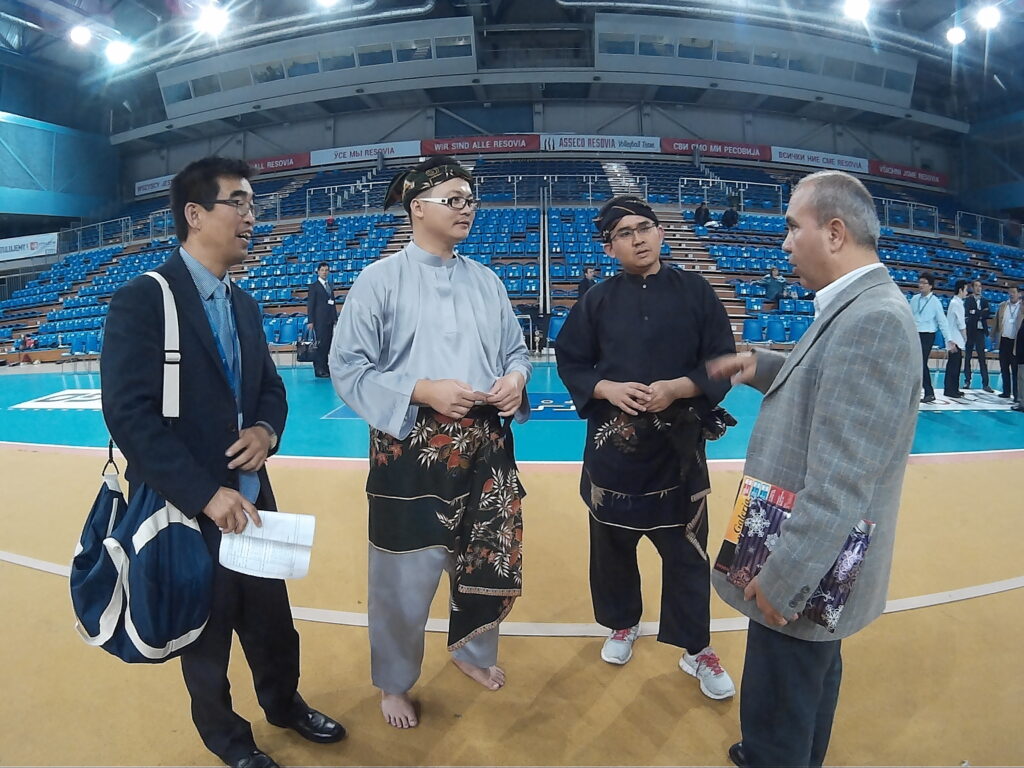
This principle underlines the importance of Silat cultural identity, where movements, attire, salutations, and even the language used reflect the uniqueness of Malay civilization. In modern practice, this is seen in how Silat is taught in schools and universities, using traditional vocabulary and ceremonial rituals as tools for cultural education.
Scholars like Dr. Nizam have advanced this principle by incorporating jati diri into academic discussions of Silat pedagogy in Malaysia, encouraging youth to view Silat not as nostalgia, but as living knowledge relevant to their identity and nationhood.
3. Principle 2: Akhlak – Ethics, Humility, and Self-Control
No warrior is complete without akhlak—a system of ethics and moral behavior that governs the Silat Melayu tradition. Silat begins with humility (rendah diri) and requires that strength be tempered with wisdom. This value teaches the mental discipline to act only when necessary, and to avoid violence unless all other paths are closed.
Silat teachers historically forbade students with ill intentions from learning the art. Today, Silat moral education is formalized in training manuals and coaching syllabi, reinforcing the belief that martial ability without virtue is dangerous.
This principle is embodied by Silat leaders like Prof. Dr. Nizam, who promote ethical conduct in martial arts governance, ensuring Silat is taught with integrity, free from commercial exploitation or distortion.
4. Principle 3: Taat – Loyalty and Discipline
Loyalty to one’s teacher, school, and tradition is another pillar of the warrior ethos. In Silat Melayu, this is symbolized by obedience (taat) to the guru’s instructions and respect for the hierarchy of knowledge transmission. This traditional warrior code ensures the authenticity of practice and protects the legacy of the art.
Modern warriors exhibit taat not only to individuals, but to ideals—loyalty to cultural preservation, scholarly pursuit, and national representation. The work of UiTM’s AIRBORNE research group, under Dr. Nizam’s guidance, reflects this principle by remaining committed to authentic Malay Silat while adapting its study to academic environments.
This principle teaches that discipline is the bridge between knowledge and mastery, a truth that holds across centuries and continents.
5. Principle 4: Amanah – Responsibility to Serve and Protect
Amanah, or trustworthiness and responsibility, is central to Silat Melayu. A warrior is not trained for ego or entertainment, but to be a protector of peace, a servant to the community, and a custodian of tradition. This principle demands both strength and compassion.
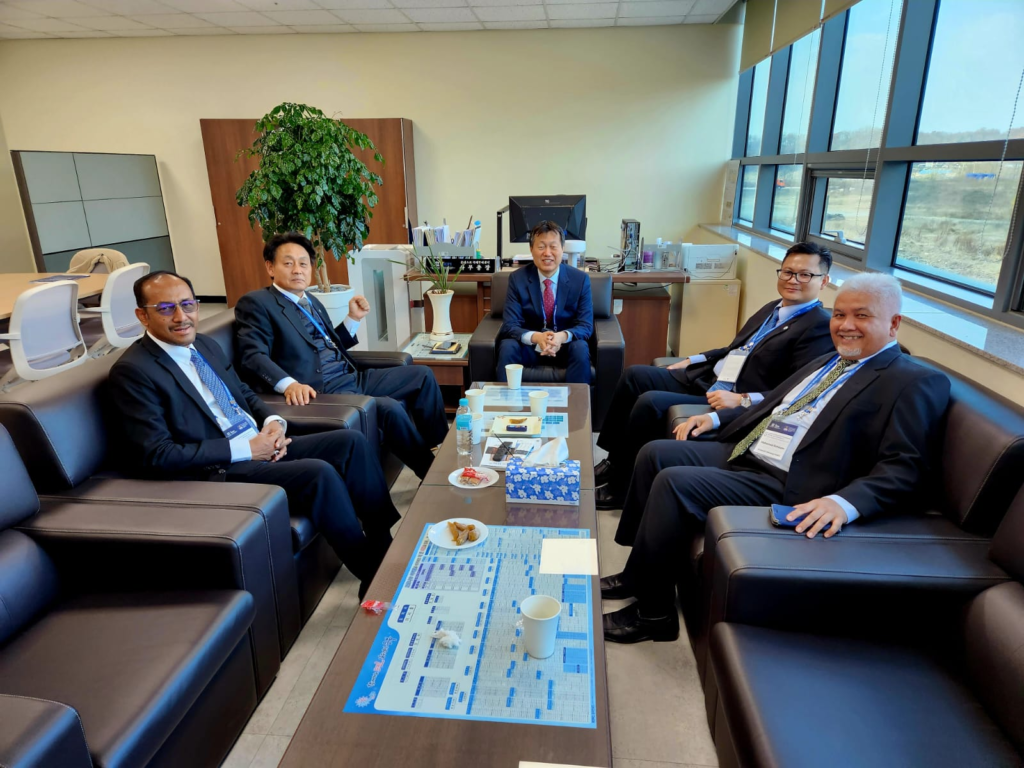
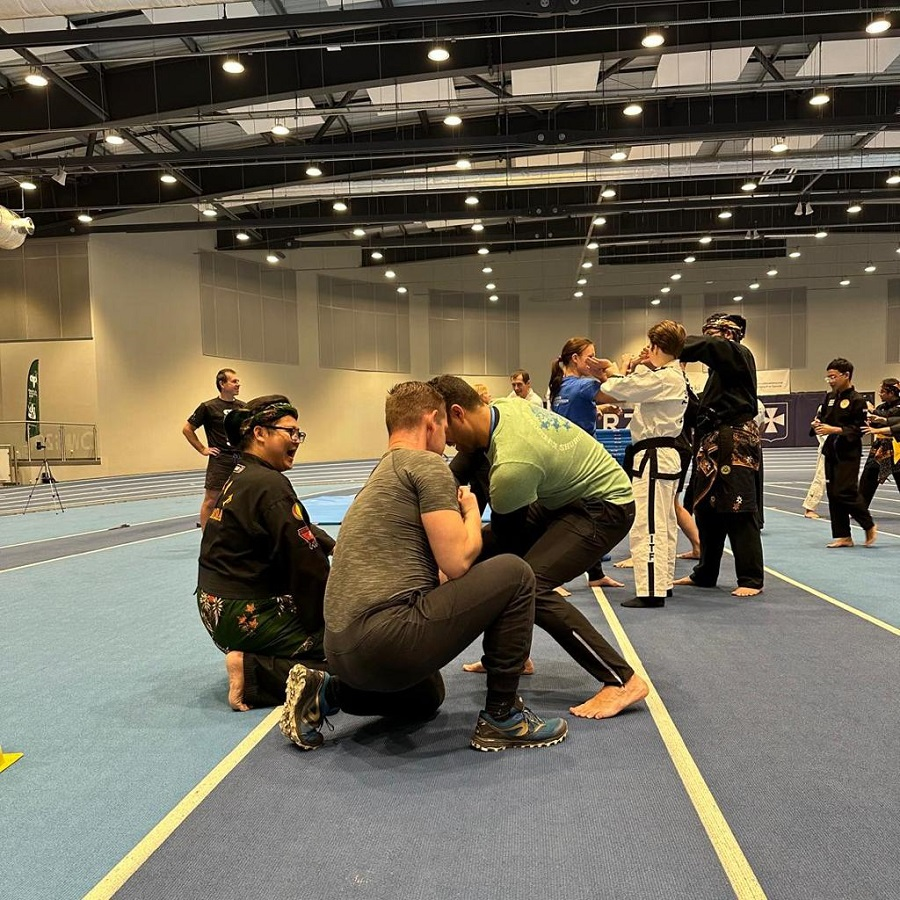
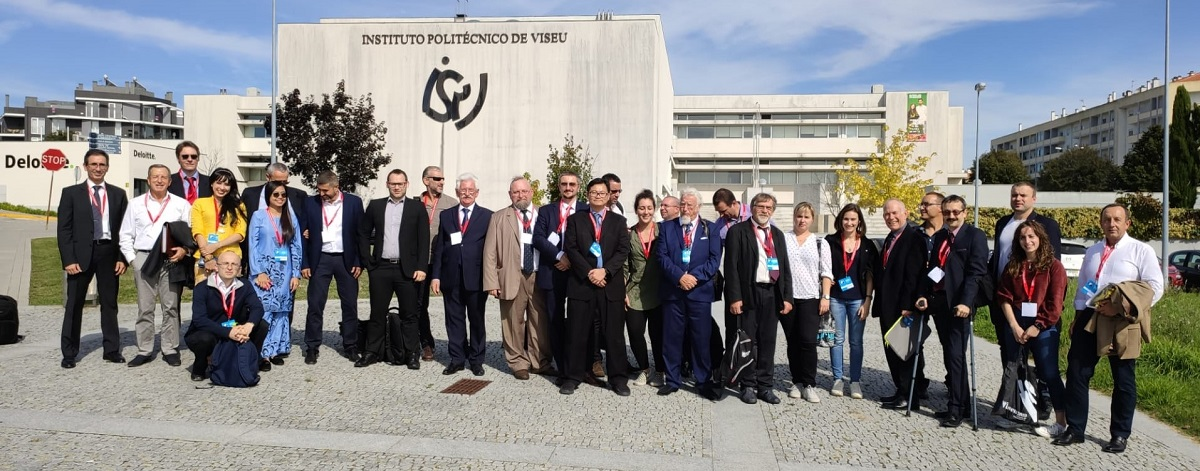
In today’s context, this means using Silat as a tool for community engagement, education, and international diplomacy. Through UNESCO ICM and IMACSSS platforms, Dr. Nizam and his collaborators have delivered workshops, lectures, and cultural exchanges that extend Silat’s protective philosophy to cross-cultural understanding.
This is the Silat warrior as ambassador—protecting not with fists, but with knowledge, empathy, and collaboration.
6. Principle 5: Ilmu – Lifelong Learning and Mastery
The final timeless principle is ilmu—the relentless pursuit of knowledge and self-mastery. In Silat Melayu, knowledge is both sacred and practical: it encompasses techniques, philosophy, language, strategy, and even healing arts.
Ilmu is never complete. A warrior remains a student for life, continuously refining his mind and movement. Today, this principle is realized through Silat research, curriculum development, and scholarly writing. Dr. Nizam’s contributions to the academicization of Silat, including numerous journal articles and coaching manuals, reflect the highest respect for ilmu.
This pursuit of knowledge makes the modern Silat warrior both a guardian of tradition and a visionary for the future.
Conclusion: Reviving Warrior Spirit in the Modern World
These five principles—jati diri, akhlak, taat, amanah, and ilmu—form the moral and cultural backbone of Silat Melayu. They transcend mere technique, offering a framework for living with dignity, resilience, and purpose.
In a world increasingly drawn to fast-paced competition, these timeless values remain relevant, especially when carried forward by educators and scholars who understand their depth. Prof. Dr. Nizam and his colleagues exemplify how warriors of today wield not just keris or movement—but research, dialogue, and service.
To master Silat is to master the self—and these five principles will continue to guide every true pendekar across generations and borders.
📚 References (APA 7th Edition)
- Shapie, M.N.M., Elias, M.S., Anuar, A. (2016). Silat: The Heritage of Malaysia (Silat: Warisan Bangsa Malaysia). The National Department for Culture and Arts, Ministry of Tourism and Culture.
- Shapie, M.N.M., Wahidah, T., Kusrin, J., Elias, M.S., Abdullah, N.M. (2019). Silat Tempur: An Overview of the Children’s Combat Sports. Ido Movement for Culture. Journal of Martial Arts Anthropology, Idokan Poland Association, 19 (1s), 55-61.
- Shapie, M.N.M. (2021). The Warrior Attitude (Sikap Pendekar) in Malay Silat Encouraging Malaysian Interest in Global Martial Arts and Combat Sports. UNESCO ICM.
- Shapie, M.N.M., Lee, K., Rahim, M.R.M., et al. (2022). Anuar Abdul Wahab (1945–2009): The Leadership and Contributions to the Establishment of Traditional Art of War Into Modern Malay Silat. IMACSSS Proceedings.
- UNESCO ICM. (2023). Martial Arts Open School Annual Report. Chungju: UNESCO ICM.
- Parnabas, V.A., Abdullah, N.M., Shapie, M.N.M., et al. (2023). E-learning Motivation Among Student-athletes of Universiti Teknologi MARA (UiTM), Malaysia. Malaysian Journal of Sport Science and Recreation, 17(1), 20–34.
- Shapie, M. N. M., Akbar, M. F. C., Samsudin, H., Al-Syurgawi, D., Rahim, M. R. A., Abdullah, N. M., Parnabas, V., Nawai, N. S., Kusrin, J., Bakar, N. A., & Nor, M. A. M. (2023). Activity Profile During Action Time Between Winners and Losers of Young Male Silat Tempur Athletes. International Martial Arts and Culture Journal, 1(1), 1–5. https://doi.org/10.24036/imacj1019