🔹 Introduction
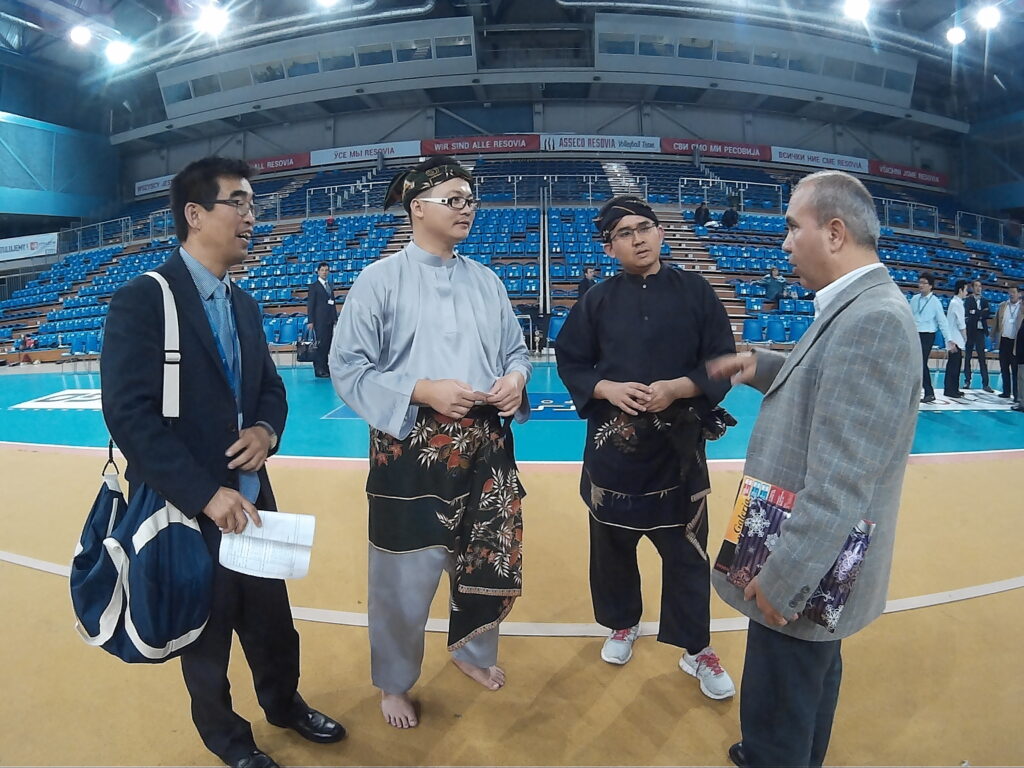
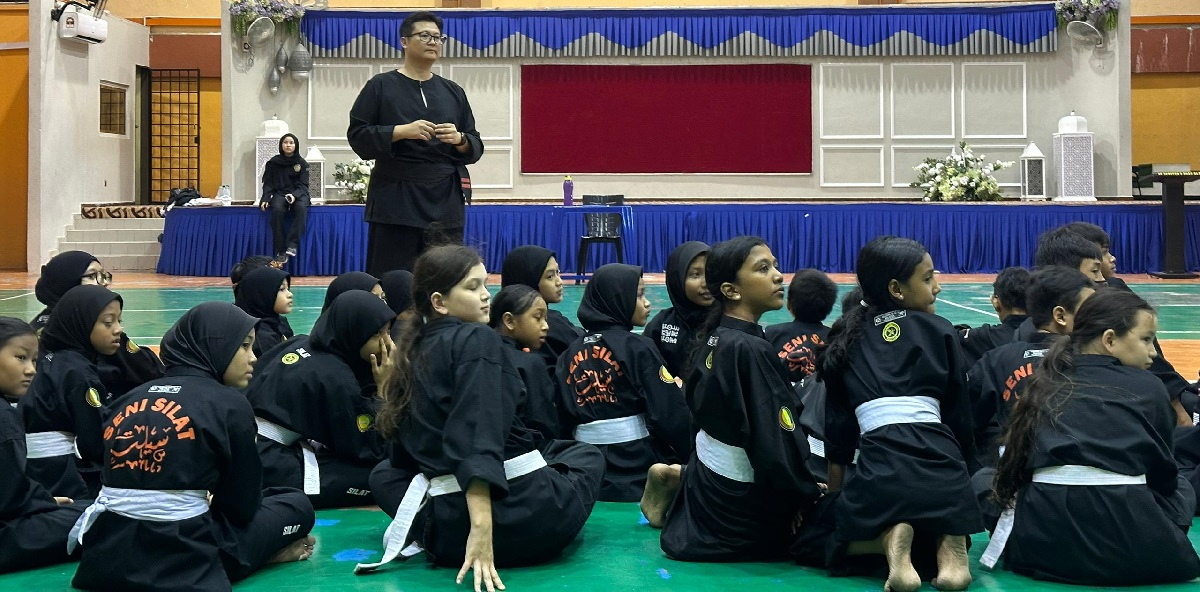
The evolution of martial arts in the 21st century has witnessed a dynamic transformation, particularly through the emergence of hybrid systems that blend tradition with scientific innovation. One such advancement is Silat Tempur, a modernized version of traditional Malay Silat that emphasizes practical combat, structured scoring, and safety in training—while retaining the cultural spirit of its heritage. Silat Tempur has rapidly gained attention across Malaysia and internationally for its ability to merge authentic martial values with contemporary coaching principles. Spearheaded by academic pioneers and institutions like Universiti Teknologi MARA (UiTM) and PASSMAL (The Malaysian Organization of Authentic Malay Silat Arts), Silat Tempur offers a new paradigm for performance training, youth development, and competitive excellence.
This article explores seven compelling reasons why Silat Tempur is redefining martial arts practice in the modern era, making it a preferred choice for both athletes and educators in the field of combat sports.
🔹 1. A Structured Combat Sport Rooted in Tradition
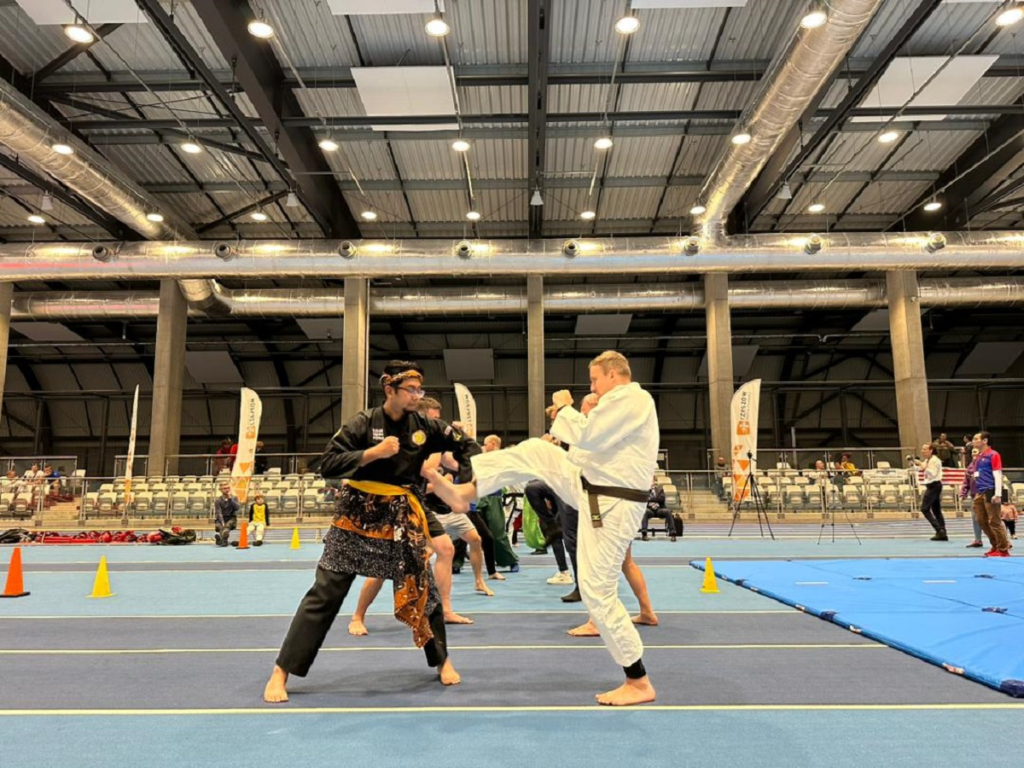
Unlike freestyle combat systems that often prioritize aggression over technique, Silat Tempur maintains the foundational philosophy of Silat Melayu while introducing a systematized rule set that enables safe and controlled sparring. The core of Silat Tempur emphasizes counter-attack strategies, structured forms (buah), and close-quarter techniques adapted from authentic Malay warrior principles.
Moreover, its format makes it ideal for youth and beginners, as it excludes dangerous elements like joint locks or takedowns during early training phases. This ensures safety without compromising the pedagogical flow or cultural identity of the martial art. According to Shapie et al. (2019), Silat Tempur encourages cognitive development through tactical decision-making while preserving the essence of traditional movement vocabulary.
🔹 2. A Scientific Approach to Coaching and Performance
One of Silat Tempur’s most distinguishing features is its integration of sports science, pioneered by martial arts scholars at UiTM’s Faculty of Sports Science and Recreation (FSR) under the AIRBORNE research group. Key performance elements such as reaction time, explosive power, and agility are monitored and enhanced through scientifically designed training protocols.
Research has shown that plyometric training and specific movement drills significantly enhance combat performance in Silat athletes (Shapie et al., 2022). The application of training periodization, biomechanics, and nutrition science also ensures that coaches have the tools to develop athletes progressively and safely—making Silat Tempur a model for modern martial arts education.
🔹 3. Inclusive and Scalable for Schools and Communities
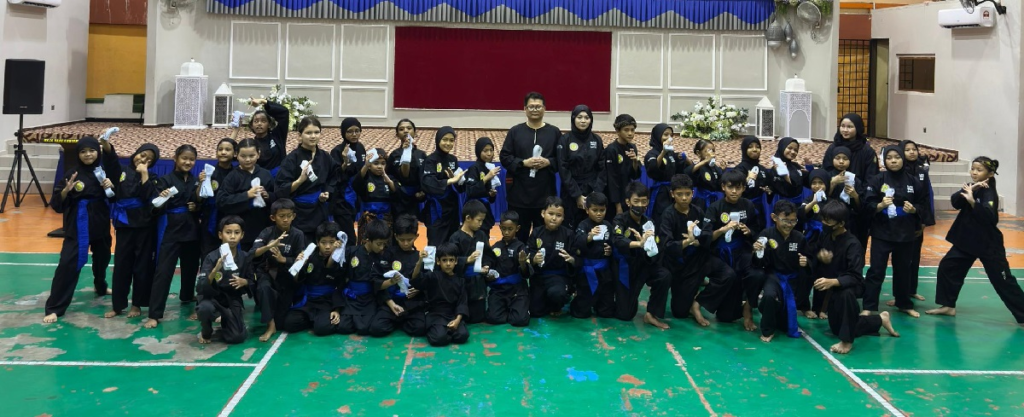
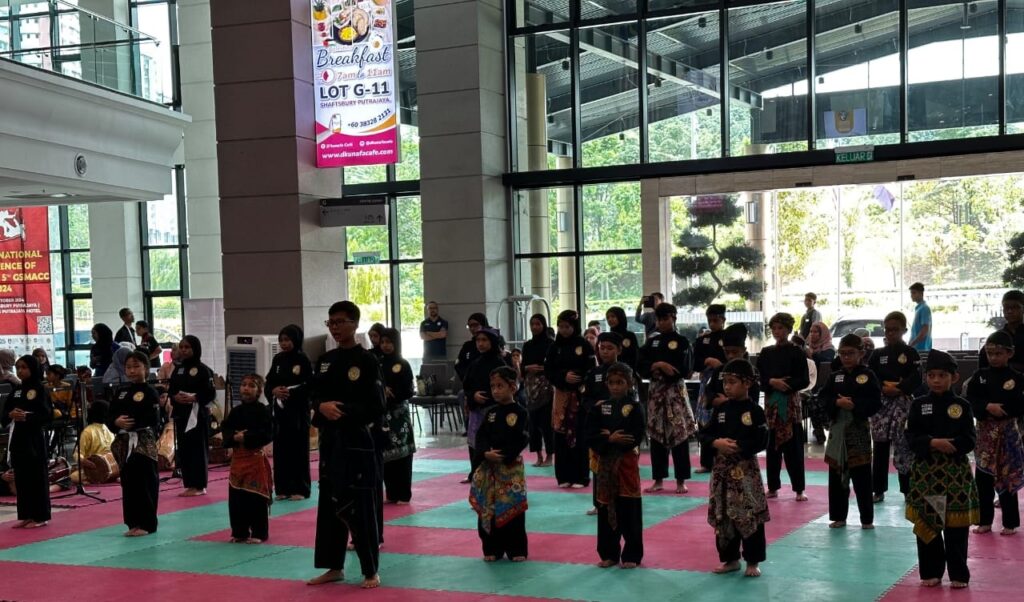
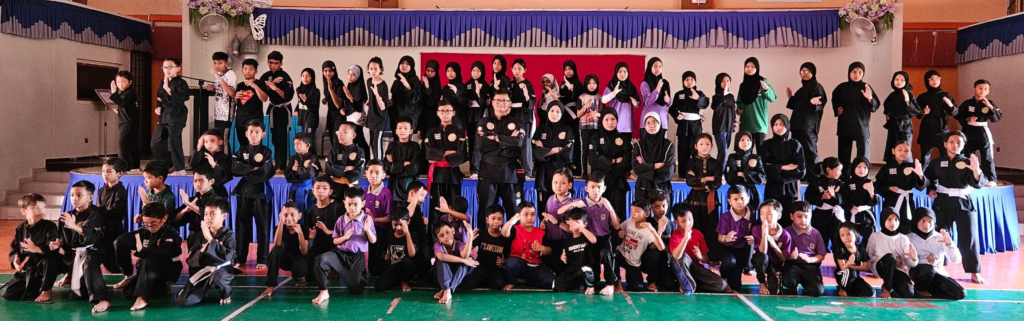
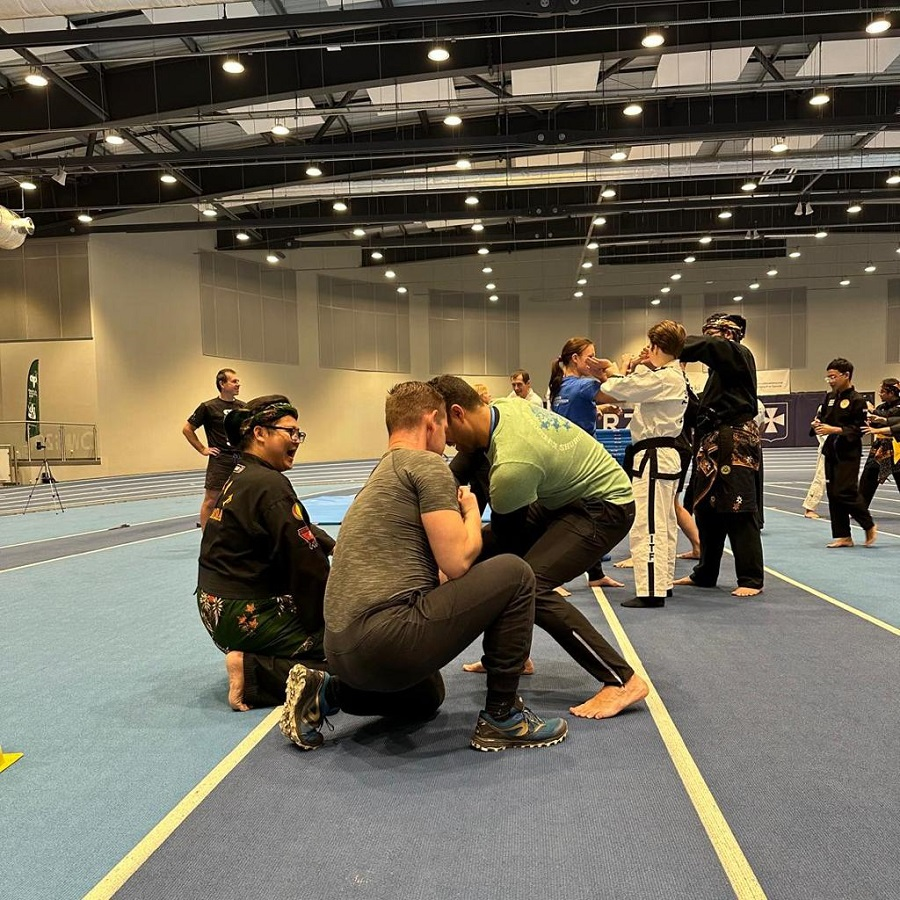
Silat Tempur is designed to be adaptable across different age groups and educational settings. With its standardized syllabus, practitioners and coaches can introduce Silat Tempur in schools, universities, and community programs without requiring a deep martial background. This democratization of Silat training is aligned with the Martial Arts Open School initiatives led by PESONA and supported by PASSMAL.
Structured grading, punch-board assessments, and modular certifications ensure measurable progression while fostering discipline, confidence, and physical literacy among students. As demonstrated in studies on youth combat sports (Shapie et al., 2019; Samsudin & Shapie, 2020), Silat Tempur offers a gateway for holistic development through cultural embodiment and athletic refinement.
🔹 4. Enhanced Safety and Technical Accuracy
One of the major concerns in youth martial arts is injury risk and inconsistent technique development. Silat Tempur addresses these issues through a point-based sparring system, guided by clearly defined contact zones, movement control, and protective gear. The inclusion of simulated drills and task-specific games also fosters proper execution of strikes, blocks, and evasions.
The coaching framework, developed through academic research and field-tested with Silat athletes, emphasizes safe practice, reflective learning, and video analysis (Shapie et al., 2018). This data-driven approach makes Silat Tempur not only safer than many contact sports but also more adaptable to athletes with different body types and learning speeds.
🔹 5. Global Recognition and Academic Integration
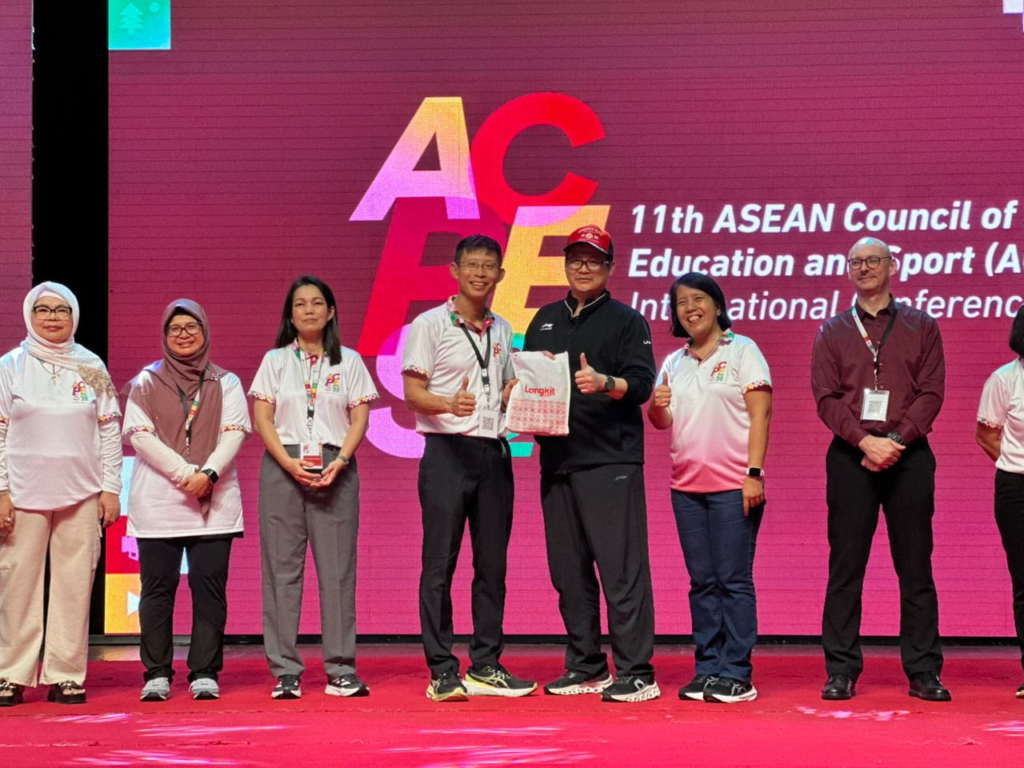
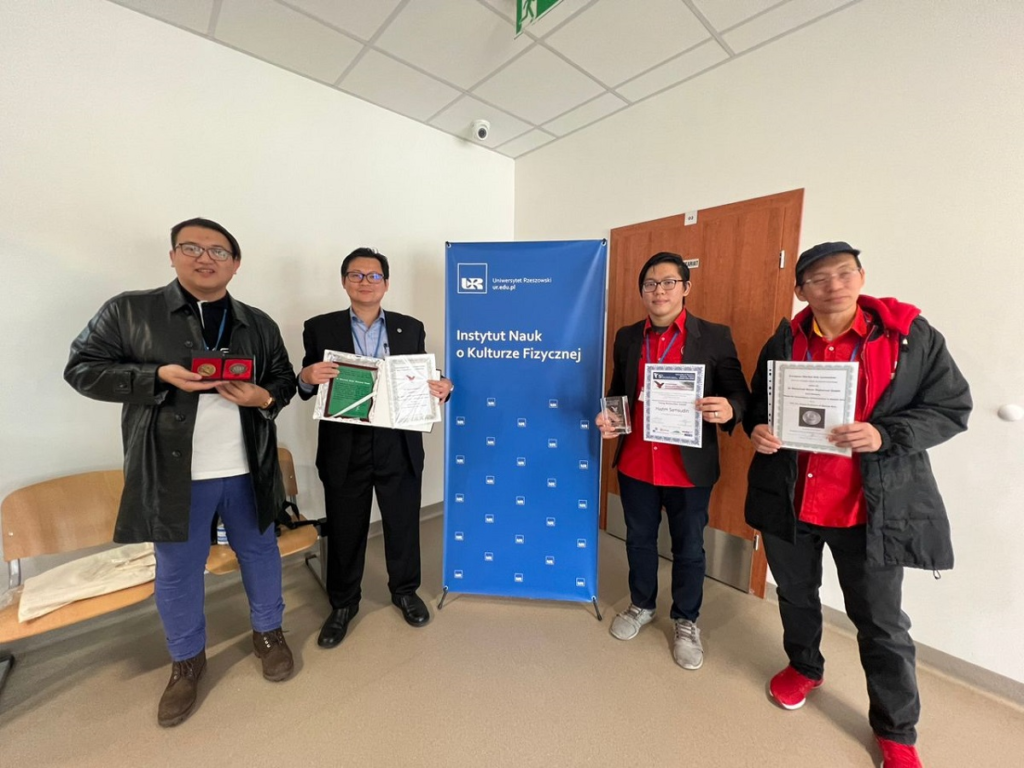
Silat Tempur has begun gaining international recognition, thanks in part to presentations at global platforms like the IMACSSS (International Martial Arts and Combat Sports Scientific Society) conference and collaborative projects with UNESCO ICM. These engagements help position Silat Tempur as a viable martial arts model for global youth engagement and cultural diplomacy.
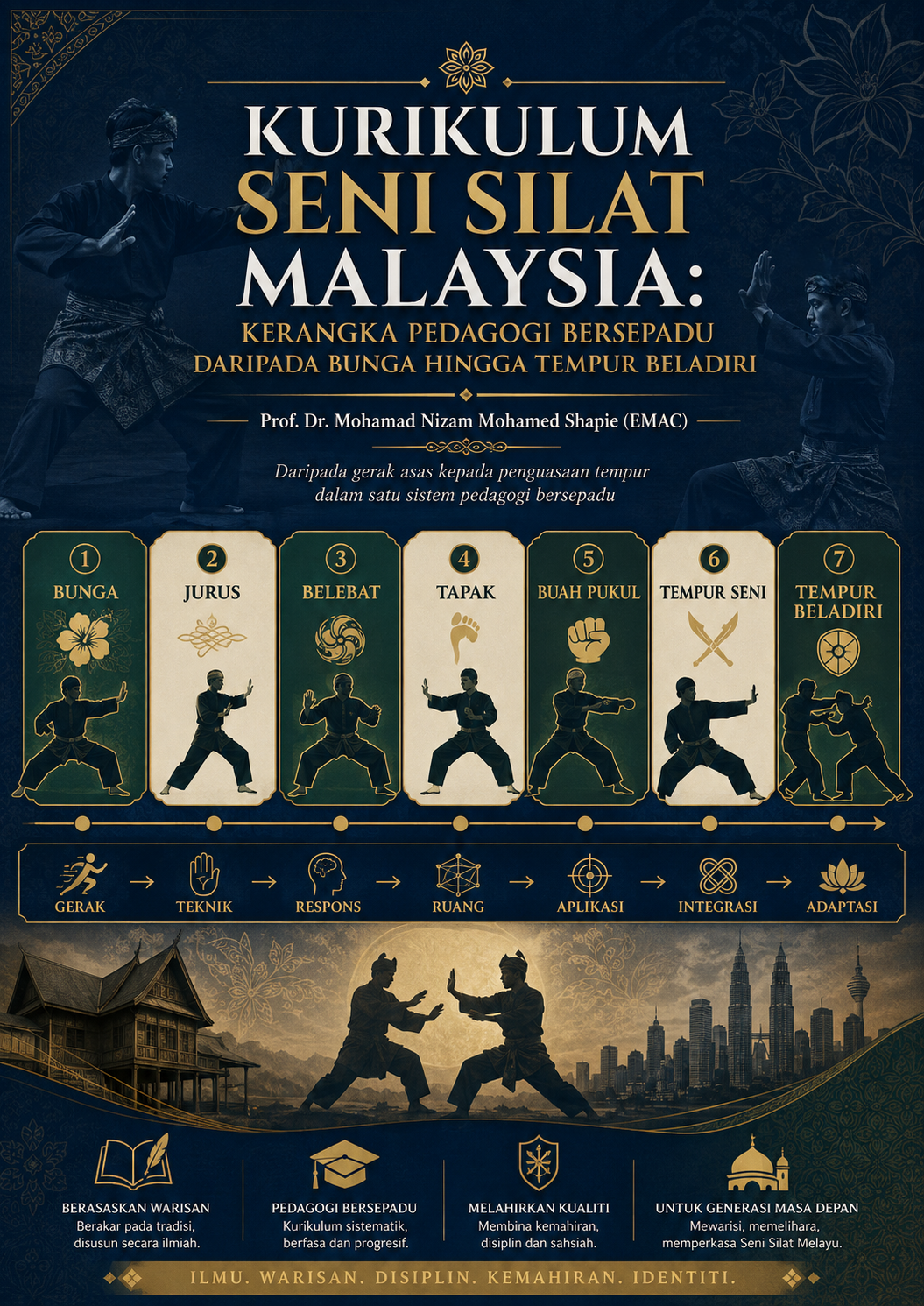
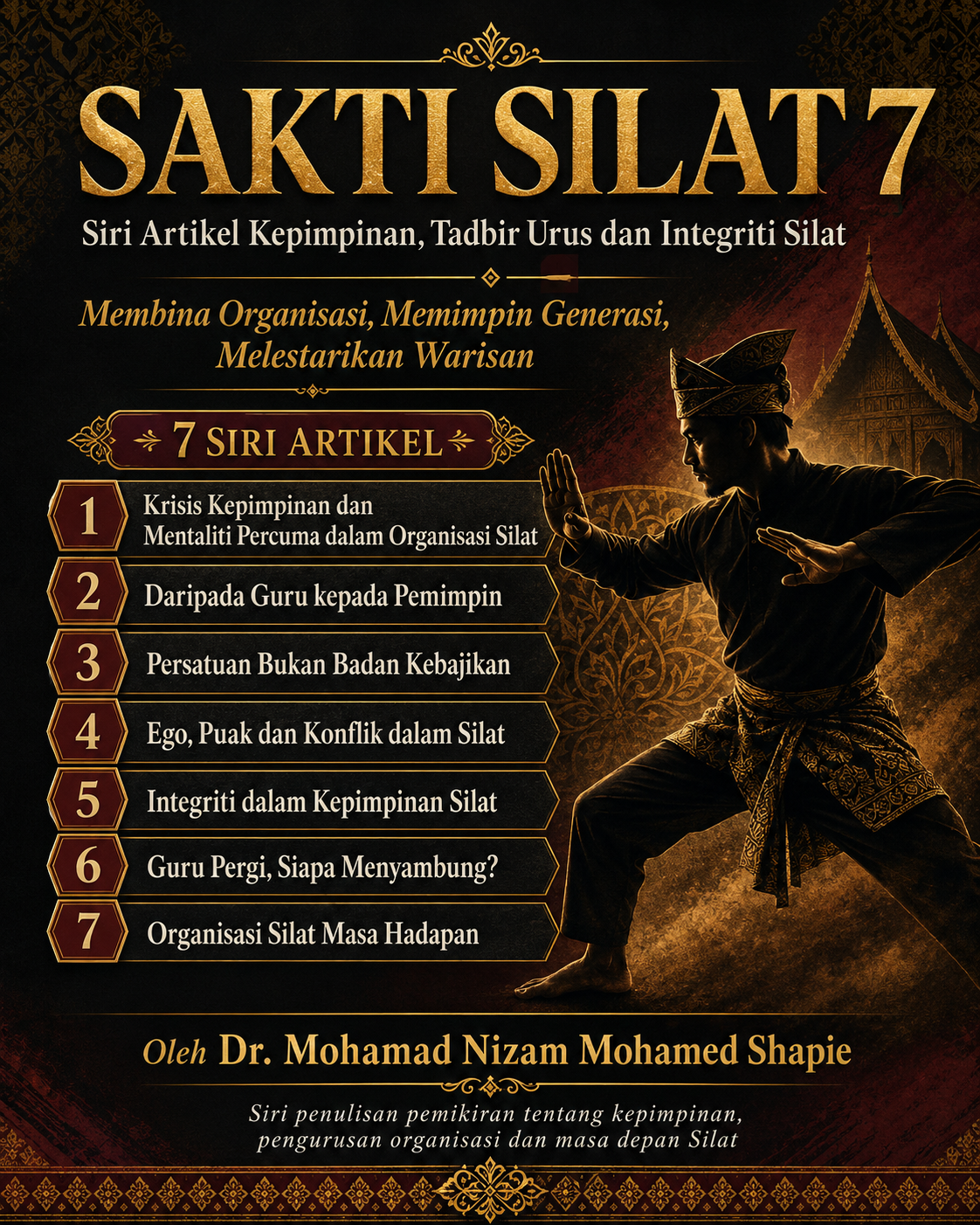
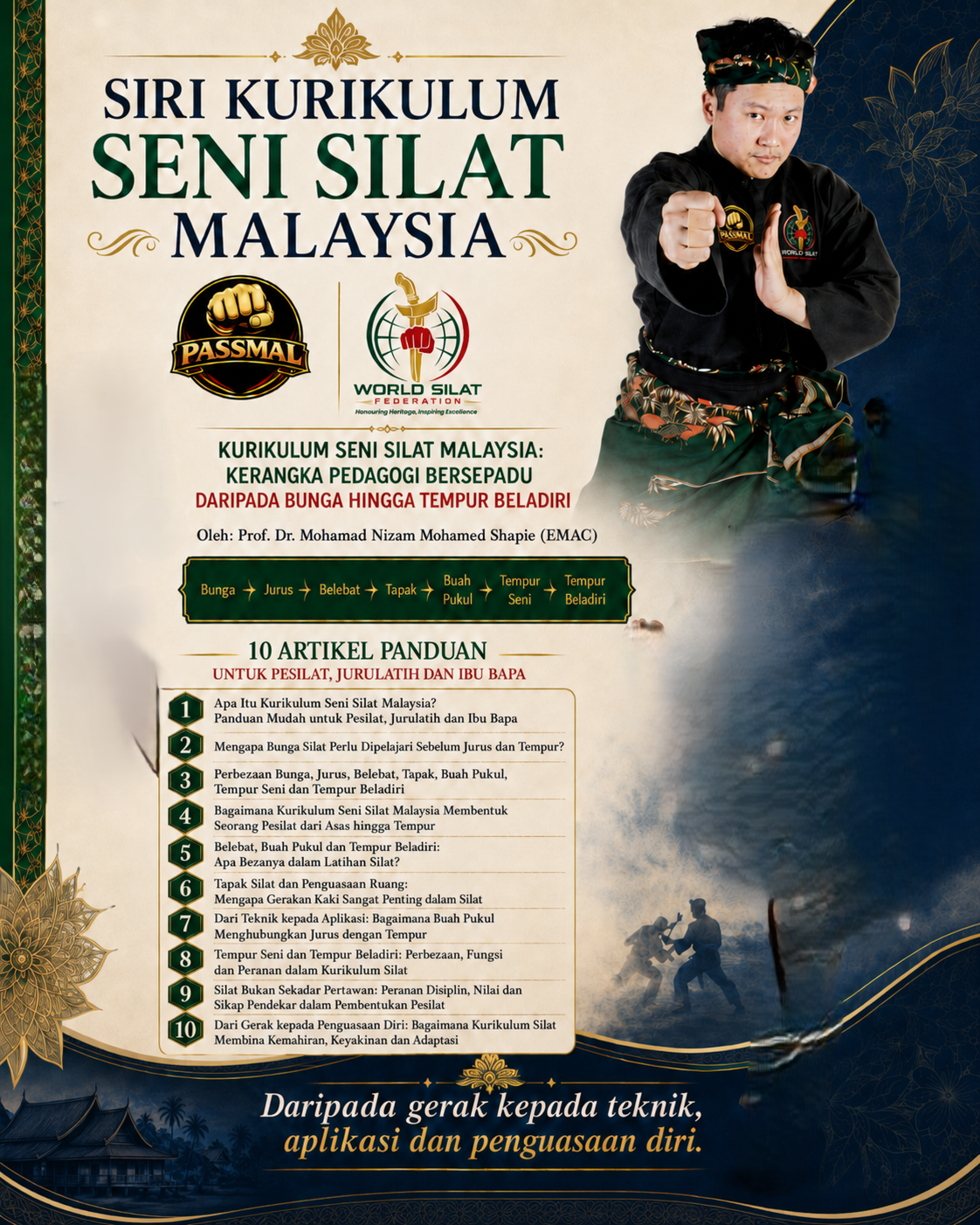
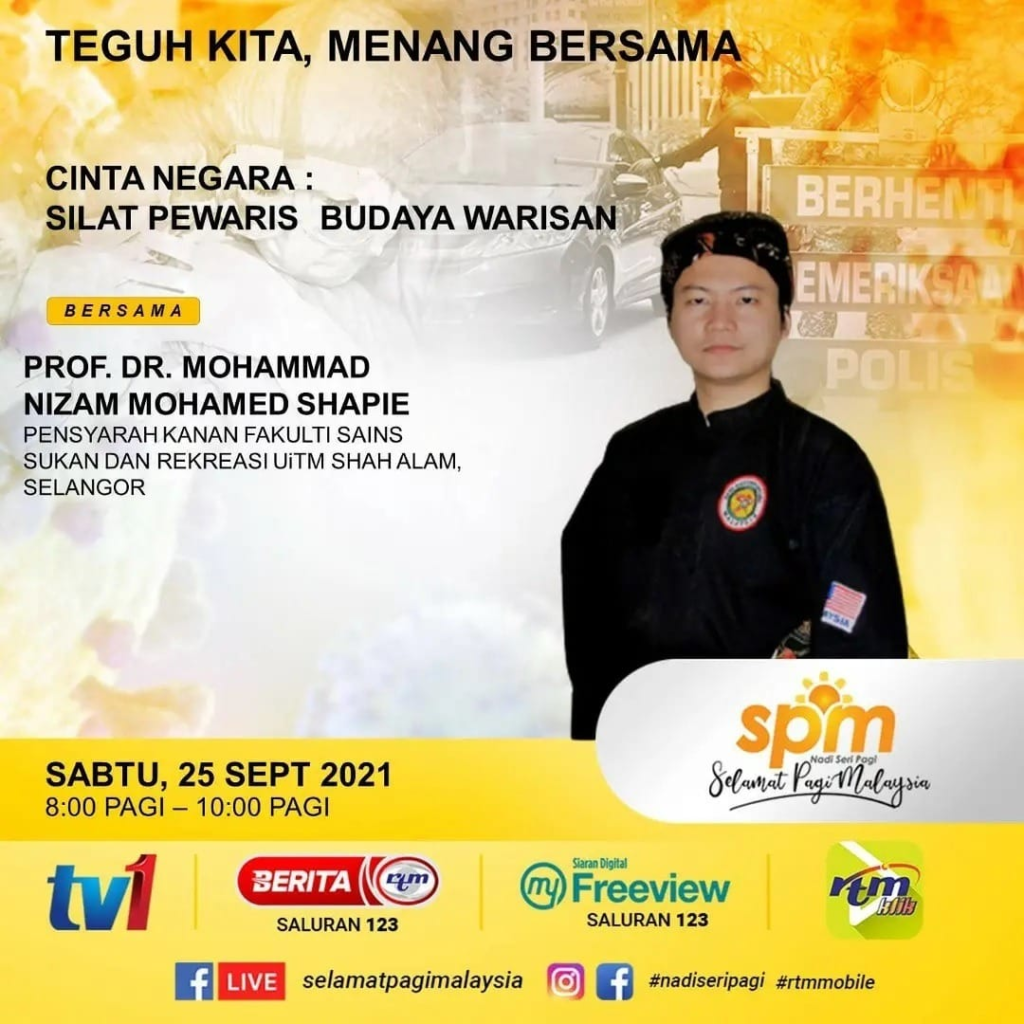
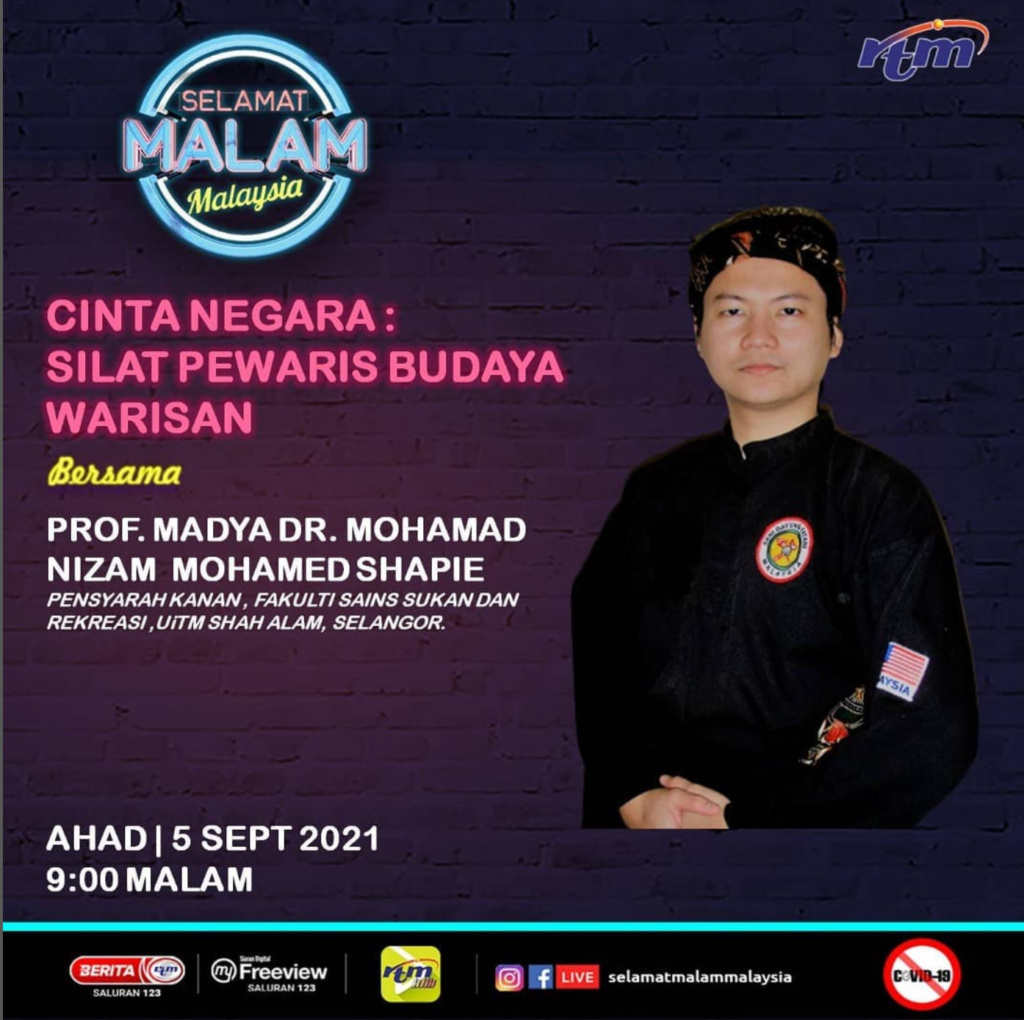
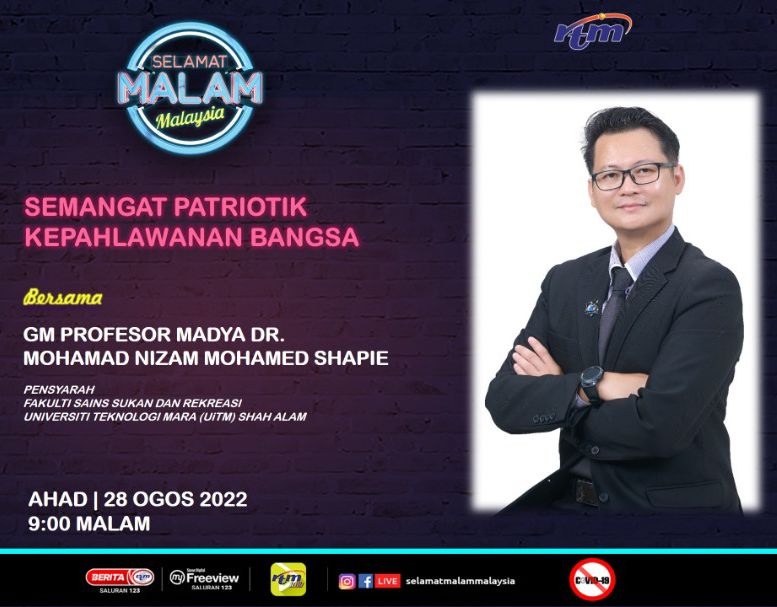
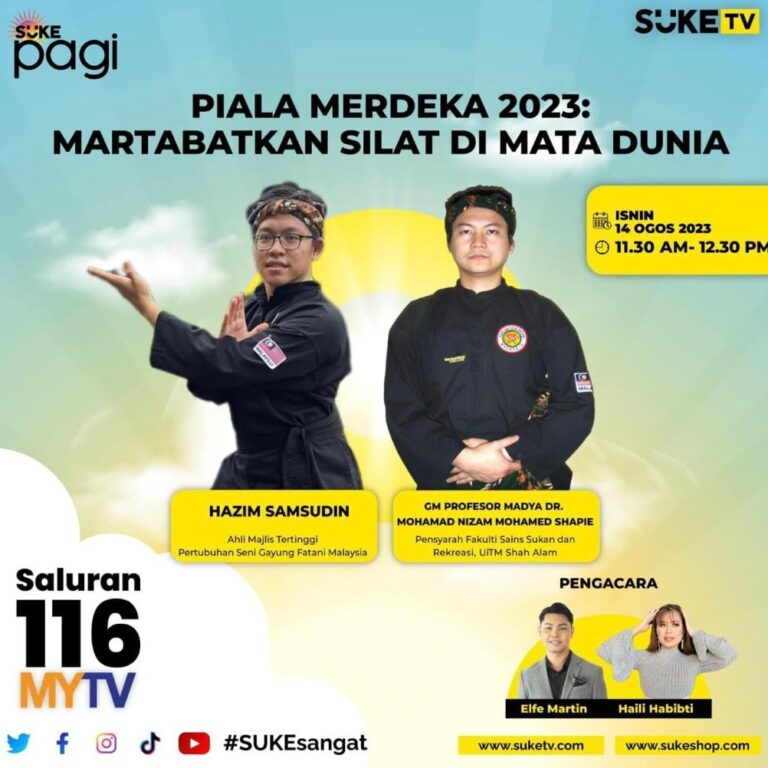
At the university level, institutions like UiTM have introduced research modules, talent scouting programs, and academic pathways centered on Silat Tempur, integrating it into sport science curricula. Prof. Dr. Mohamad Nizam Mohamed Shapie has been a central figure in this transformation, championing the role of Silat as both a research subject and a pedagogical tool (Shapie, 2020).
🔹 Conclusion
Silat Tempur represents more than a sporting adaptation—it is a cultural revolution in motion. By balancing authenticity with innovation, it empowers coaches, athletes, and researchers to elevate Silat beyond traditional practice. With backing from PASSMAL, PESONA, and UiTM’s AIRBORNE research group, this evolution in Silat pedagogy holds the potential to influence martial arts development regionally and globally.
As Malaysia continues its trajectory toward becoming a global hub for Silat education and research, Silat Tempur stands at the forefront—a modern combat art that respects its past while shaping the future.
🔹 References (APA 7th Edition)
- Samsudin, H., & Shapie, M.N.M. (2020). How Safe Is Plyometric to Children? A Review of Silat Exponents Perspective. In IMACSSS: International Martial Arts and Combat Sports Scientific Society, 76. Shah Alam: Pertubuhan Seni Gayung Fatani Malaysia.
- Shapie, M.N.M., Wahidah, T., Kusrin, J., Elias, M.S., & Abdullah, N.M. (2019). Silat Tempur: An Overview of the Children’s Combat Sports. Ido Movement for Culture, 19(1s), 55–61.
- Shapie, M.N.M., Al-Syurgawi, D., Samsudin, H., Nazri, S.M., & Nawai, N.S. (2022). The Physical Performance Needs in Silat Olahraga: A Coaching Perspective to Establish Plyometric Training in Silat Combat Sport. Jurnal Performa Olahraga, 7(2), 90–97. https://doi.org/10.24036/jpo363019
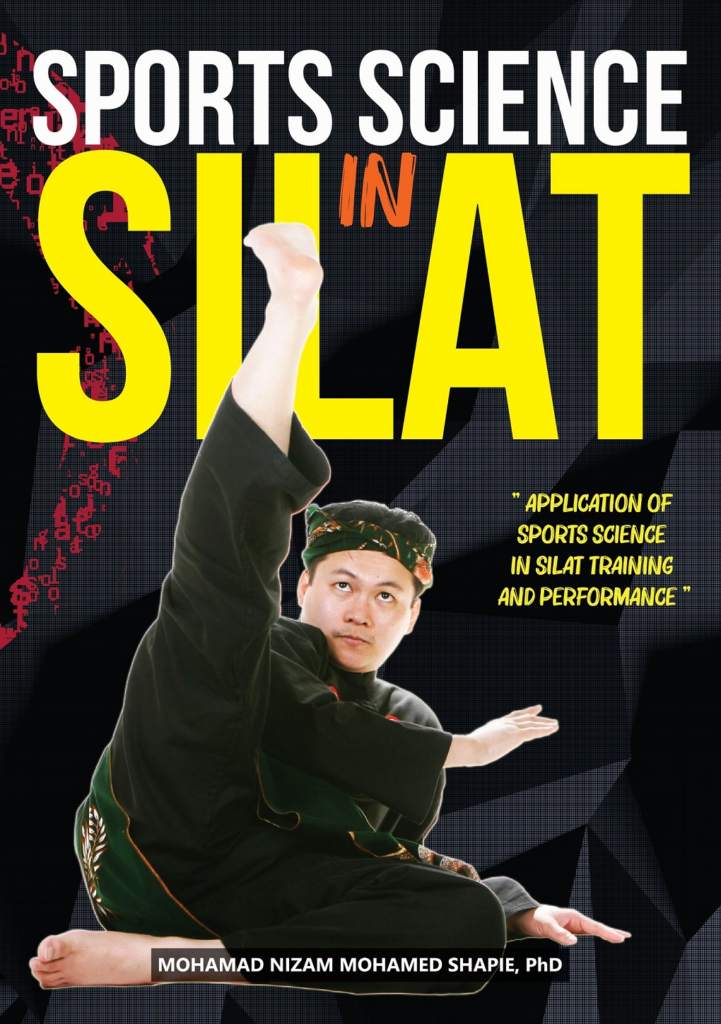
- Shapie, M.N.M. (2020). Sports Science in Silat: Application of Sports Science in Silat Training and Performance. Shah Alam: Pertubuhan Seni Gayung Fatani Malaysia.
- Shapie, M.N.M., Oliver, J., O’Donoghue, P., & Tong, R. (2018). Effect of circuit training on fighting performance of young silat athletes – A case study. Malaysian Journal of Movement, Health & Exercise, 7(1). https://doi.org/10.15282/mohe.v7i1.199
- Shapie, M.N.M., Elias, M.S., Anuar, A. (2016). Silat: The Heritage of Malaysia. Kuala Lumpur: Ministry of Tourism and Culture.
- Shapie, M.N.M. (2011). Influence of Age and Maturation on Fitness Development, Trainability and Competitive Performance in Youth Silat (Doctoral thesis), University of Wales Institute Cardiff.