🥋 Introduction: Why Certification Matters in Silat Today
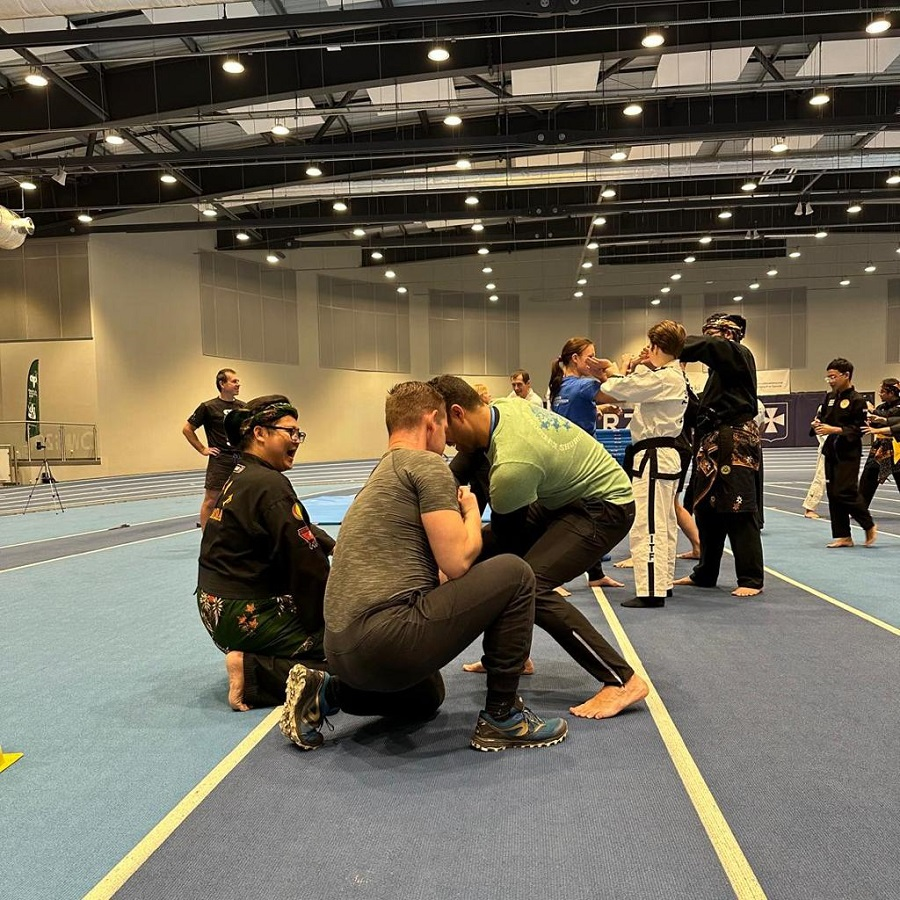
As Silat evolves from a community-based tradition into a national and international martial art, the need for certified, structured, and ethical coaching has never been greater. In Malaysia and beyond, martial arts are increasingly regulated and integrated into formal education and sports systems. Silat Melayu, rooted in centuries of wisdom and warrior ethics, is now part of this professional movement — thanks in large part to organizations like PASSMAL.
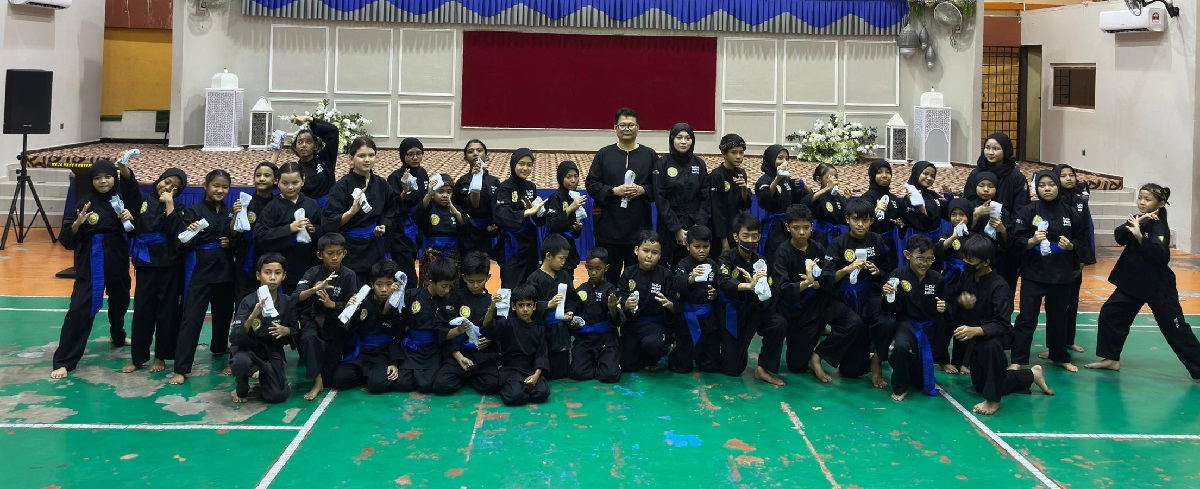
Through its tiered Silat Coaching Certification Programme, PASSMAL empowers practitioners to transition from students to instructors, and from tradition bearers to national and international ambassadors. Certification provides not just credentials, but clarity, confidence, and credibility.
Here are 9 key benefits of pursuing Silat coaching certification with PASSMAL.
1. Recognition of Professional Expertise
A certified Silat coach is not just a practitioner — they are a recognized professional. PASSMAL’s certification is aligned with national coaching frameworks and provides formal recognition that can be used in:
- Schools and university programs
- National martial arts federations
- International Silat seminars and collaborations
This professional legitimacy is essential for career progression and building trust among students, institutions, and partners.
2. Structured Understanding of the Silat Syllabus
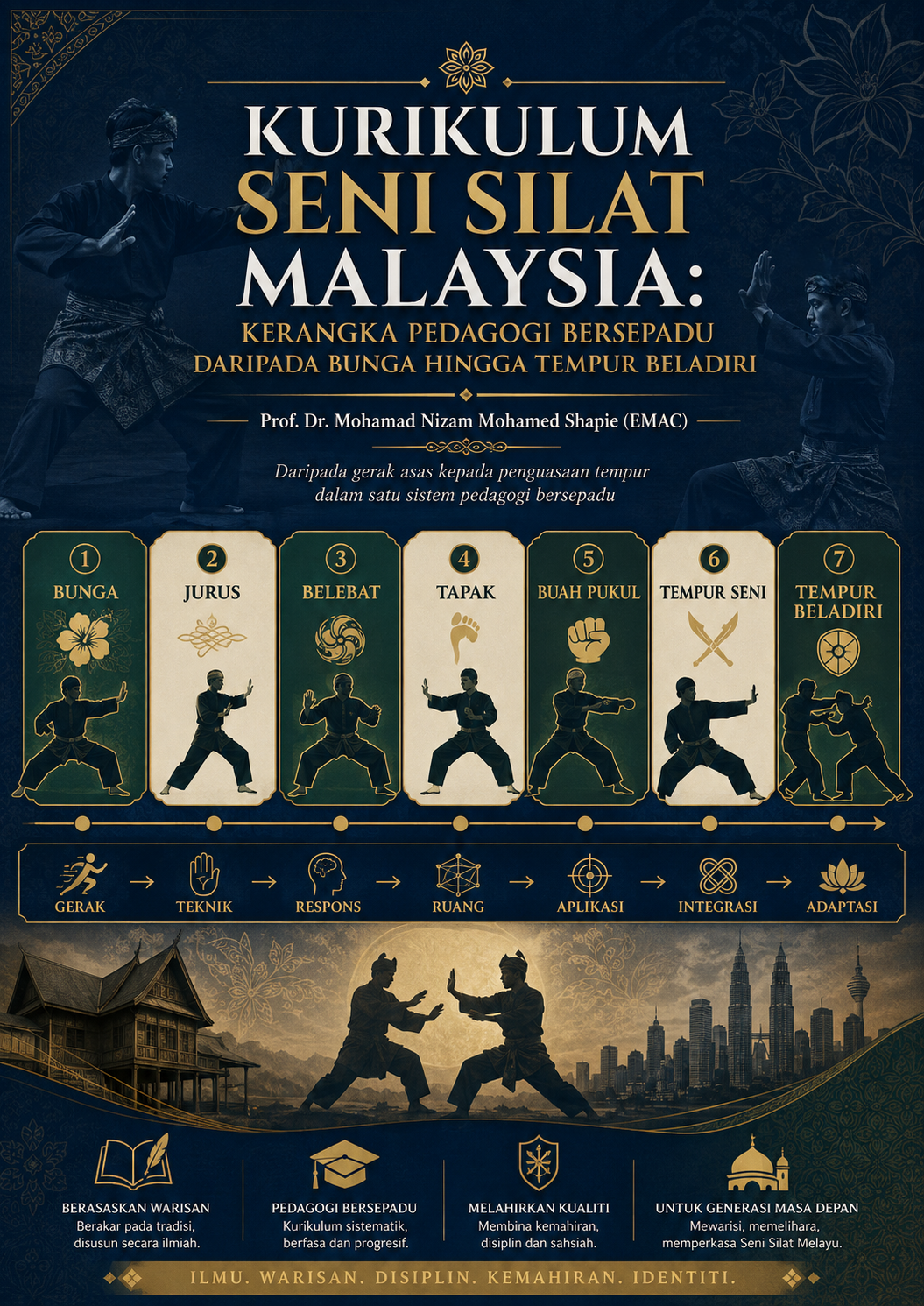
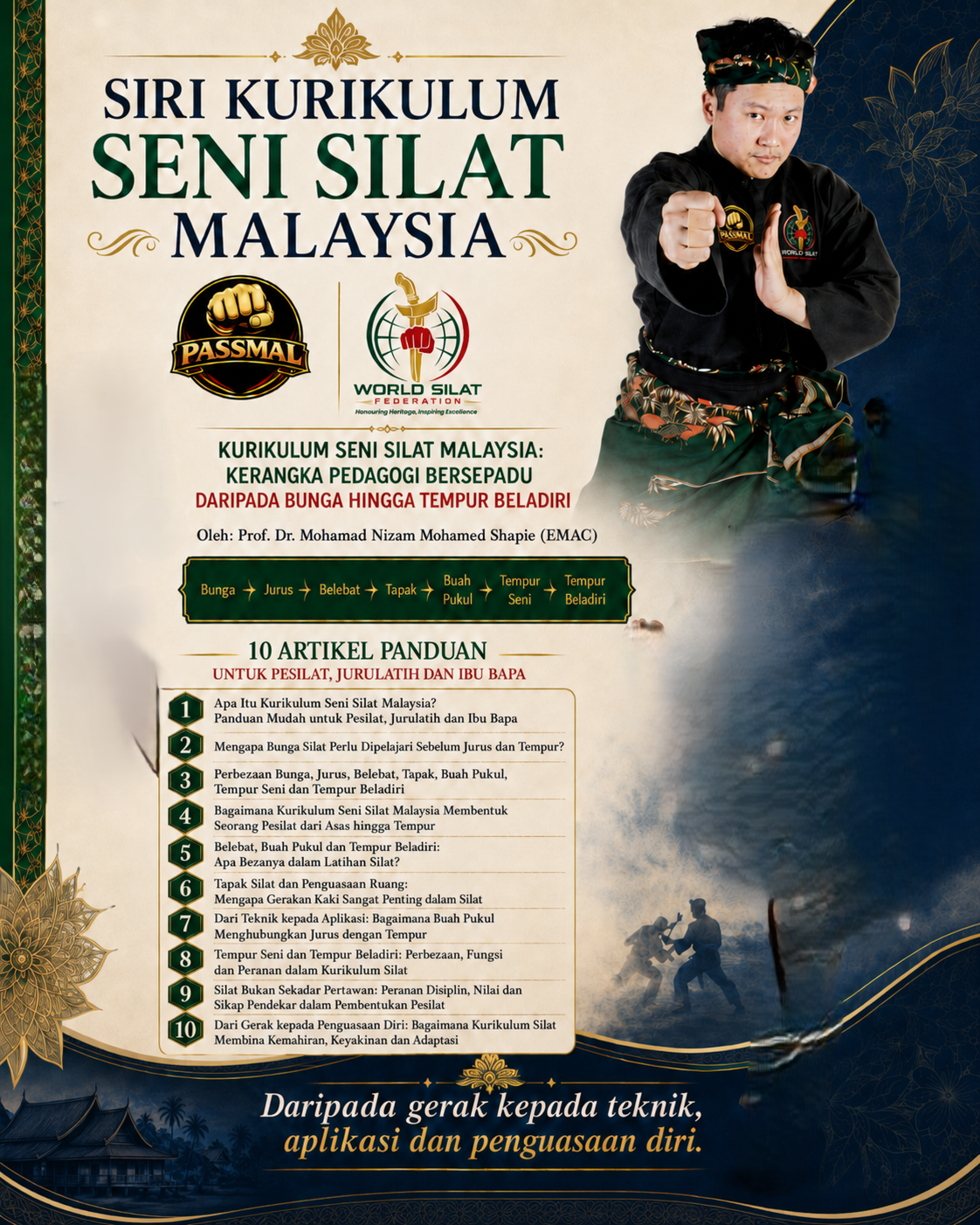
Certification involves mastery of PASSMAL’s Silat syllabus, which organizes the core elements of Silat Melayu — from Bunga Silat to combat strategies — into progressive levels.
This clarity enables coaches to:
- Deliver consistent instruction
- Ensure student progression and assessment
- Adapt the art responsibly for different learners (youth, adults, athletes)
It also prevents the fragmentation or distortion of authentic Silat knowledge.
3. Improved Teaching and Pedagogical Skills
PASSMAL’s coaching certification integrates principles of martial arts pedagogy, ensuring that instructors:
- Understand how students learn best
- Apply effective teaching methods
- Respect individual differences and learning stages
These skills are grounded in research from UiTM’s AIRBORNE Research Group, which has explored Silat pedagogy and coaching science since 2014.
4. Access to Updated Training Materials and Workshops
Certified coaches gain exclusive access to:
- Instructional manuals and performance checklists
- Updated syllabus sheets and grading rubrics
- National workshops and coaching clinics
This ensures coaches are never outdated — they evolve with the Silat training standard, supported by a network of fellow educators.
5. Alignment with Traditional Sports Science
PASSMAL incorporates sports science into its coaching framework, enabling instructors to:
- Teach proper biomechanics and injury prevention
- Integrate endurance and strength training
- Apply mental training strategies rooted in Silat’s meditative practices
This fusion of tradition and science is what makes PASSMAL’s program unique — balancing Malay heritage with modern methodology.
6. Pathways to Higher-Level Leadership and Representation
With each level of certification (e.g. Level 1, 2, 3), a coach unlocks the ability to:
- Grade students under PASSMAL supervision
- Lead local Silat schools or chapters
- Represent PASSMAL in national and ASEAN martial arts forums
This promotes not just individual growth, but community leadership and cultural diplomacy.
7. Opportunities for Academic and Research Engagement
Certified coaches are encouraged to collaborate on:
- Silat performance research projects
- Pedagogical innovation in martial arts teaching
- Academic writing and conference presentations
Through partnerships with UiTM, PESONA, and IMACSSS, PASSMAL-certified coaches become contributors to the intellectual development of Silat.
8. Increased Employment and Coaching Opportunities
Whether coaching in:
- Government sports programs
- Private martial arts academies
- Community outreach projects
Certification gives you a clear advantage. It provides a verified skillset, credibility for grant applications, and eligibility for inclusion in national martial arts panels or coaching rosters.
9. Cultural Responsibility and Ethical Leadership
Above all, certified coaches become guardians of Silat culture. They are trained in:
- Ethical codes of conduct
- Cultural sensitivity
- The role of Silat in personal development, identity formation, and community service
This moral and cultural foundation distinguishes Silat from many other combat arts — and it’s what PASSMAL seeks to preserve.
🔚 Conclusion: More Than a Credential — A Cultural Calling
In a time when authenticity is rare and cultural integrity is often lost, becoming a certified Silat coach is more than earning a credential — it is a responsibility to teach, preserve, and represent.
Through PASSMAL, coaches gain access to a nationally standardized system, academic support, international opportunities, and a network of practitioners committed to the true spirit of Silat Melayu.
Whether you’re a practitioner looking to teach, or a cultural advocate ready to make an impact, Silat certification through PASSMAL opens the door to excellence, heritage, and leadership.
📚 References (APA 7th Edition)
- Shapie, M. N. M., Al-Syurgawi, D., Samsudin, H., Nazri, S. M., & Nawai, N. S. (2022). The Physical Performance Needs in Silat Olahraga: A Coaching Perspective to Establish Plyometric Training in Silat Combat Sport. Jurnal Performa Olahraga, 7(2), 90–97. https://doi.org/10.24036/jpo363019
- Hassim, J.Z., Shapie, M.N.M., Razak, S.N.A., Kassim, R.-N.M., Meng, L.K. (2022). The Legal Aspects of Formalizing the Sportization Development of Martial Arts Societies in Malaysia. Ido Movement for Culture. Journal of Martial Arts Anthropology, Idokan Poland Association, 22 (2s), 1-12.
- Raimondo, S., Cynarski, W. J., Shapie, M.N.M. (2021). Training, fighting and fighting arts: Introduction for Volume 21. Ido Movement for Culture. Journal of Martial Arts Anthropology, Idokan Poland Association, 21 (4), 1-5.
- Al-Syurgawi, D., Shapie, M.N.M. (2019). The Effects of A 6-Week Plyometric Training on Muscular Strength Performance in Silat Athletes. Revista de Artes Marciales Asiáticas, 14(2s), 28-30. (
- UNESCO ICM. (2022). Global Guidelines on Martial Arts Education. https://unescoicm.org