Introduction
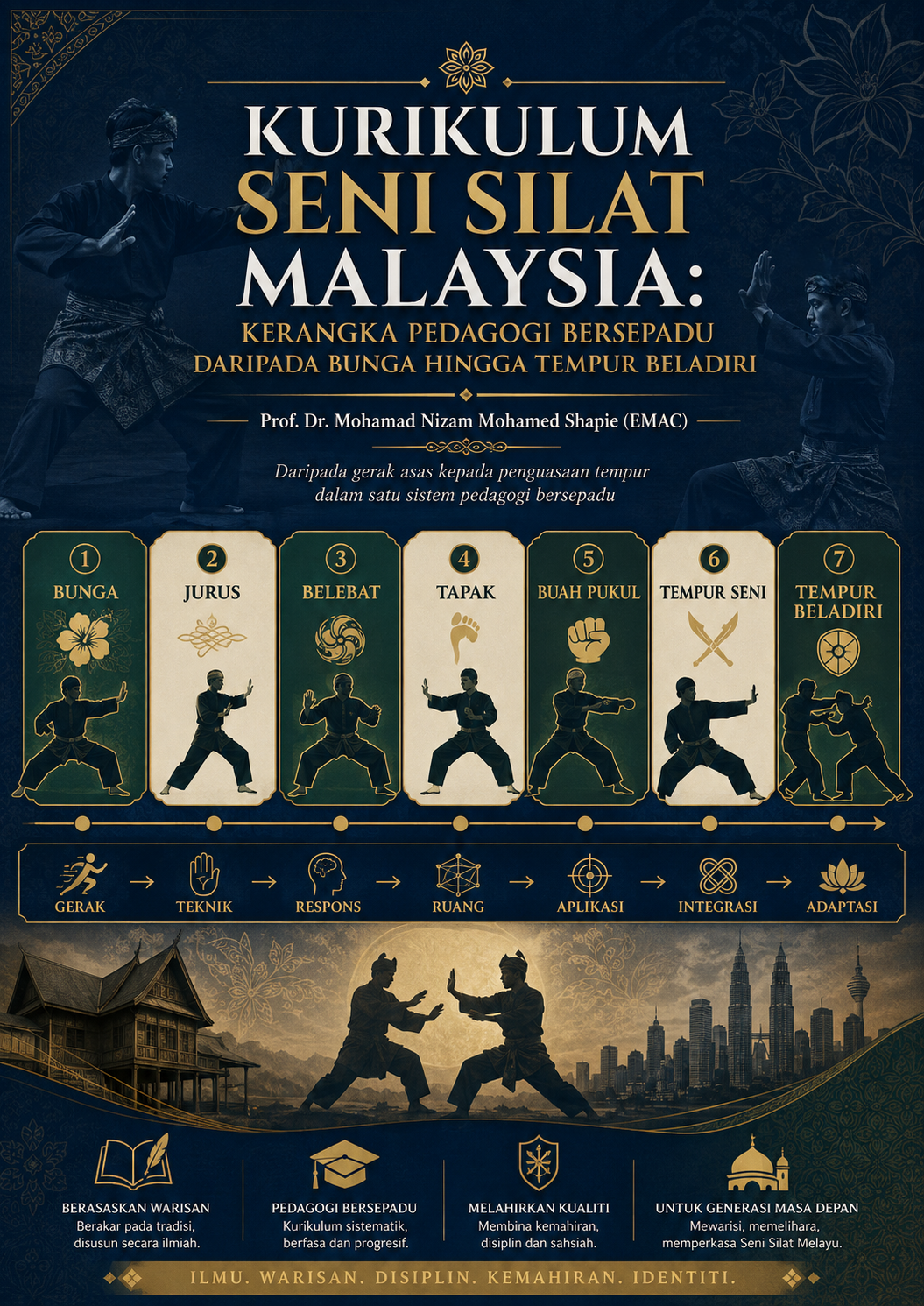
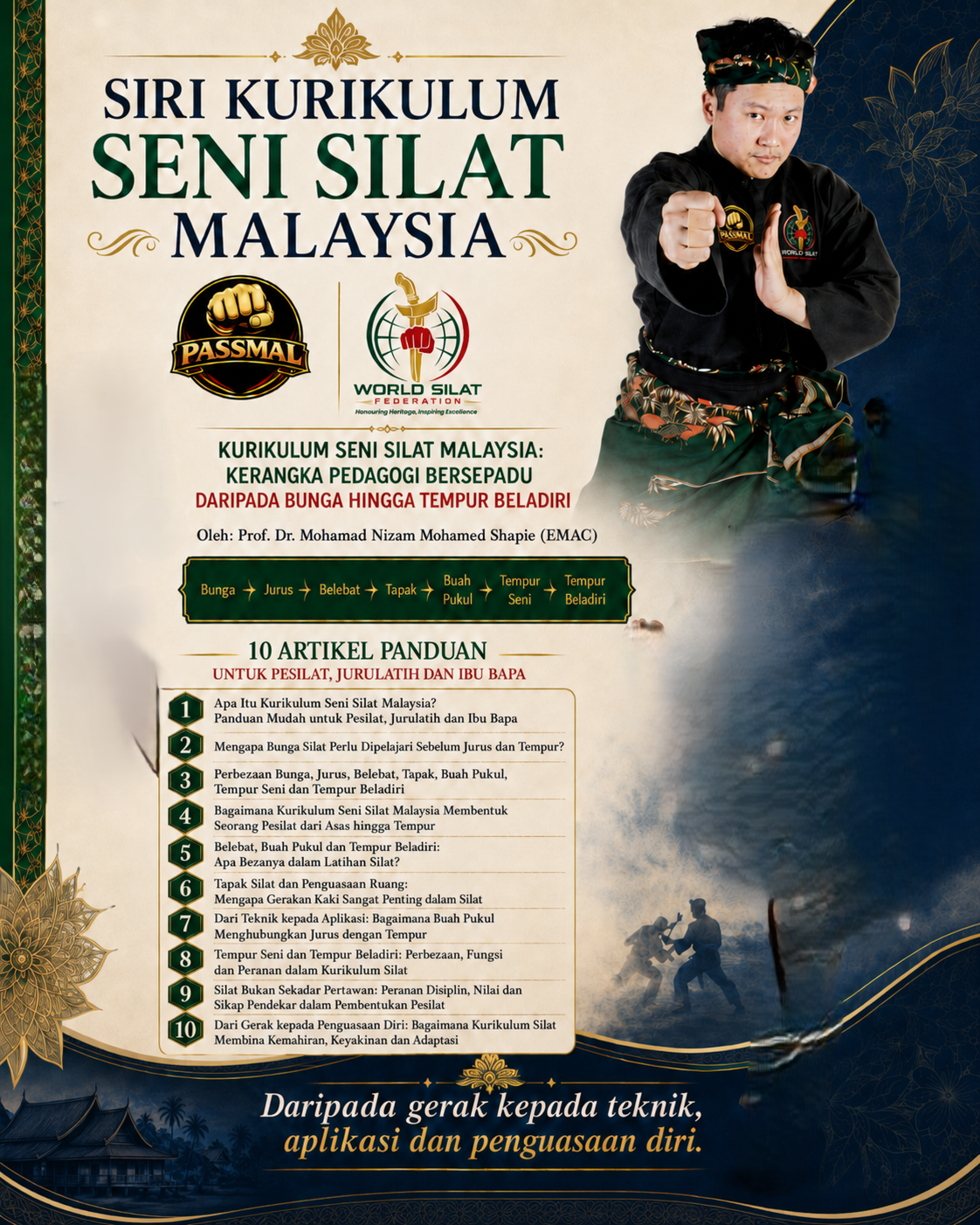
The emergence of Silat Tempur marks a pivotal shift in martial arts education, offering a structured, high-intensity, and sports-science-driven alternative to traditional training methods. Developed as part of Malaysia’s broader effort to internationalize Silat, Silat Tempur integrates performance metrics, tactical drills, and safe combat systems that appeal to both youth athletes and professional coaches. It stands as a unique innovation within the framework of Seni Silat Malaysia and is now promoted through institutions such as PASSMAL and FSR UiTM, supported by the AIRBORNE Research Interest Group. The system addresses the evolving demands of martial arts learners in the 21st century—blending tradition, competition, and pedagogy into a unified curriculum. This article explores seven compelling reasons why Silat Tempur is becoming a model for modern martial arts education globally.
1. A Safer Introduction to Combat for Youth Athletes
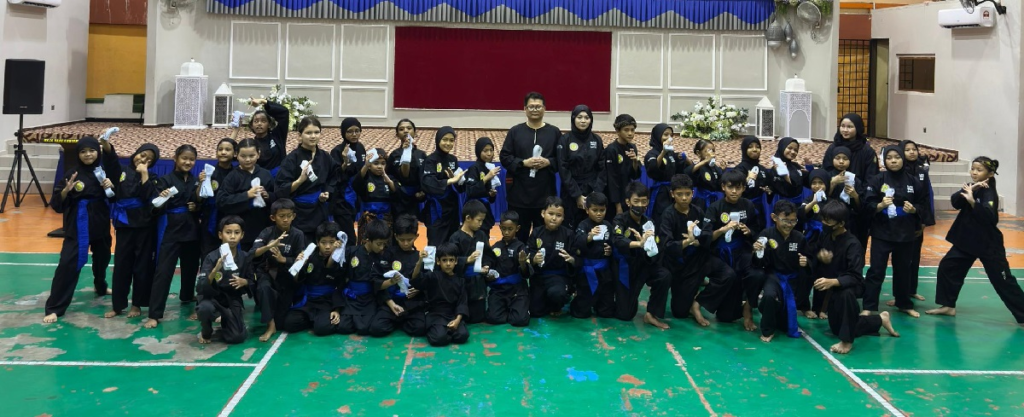
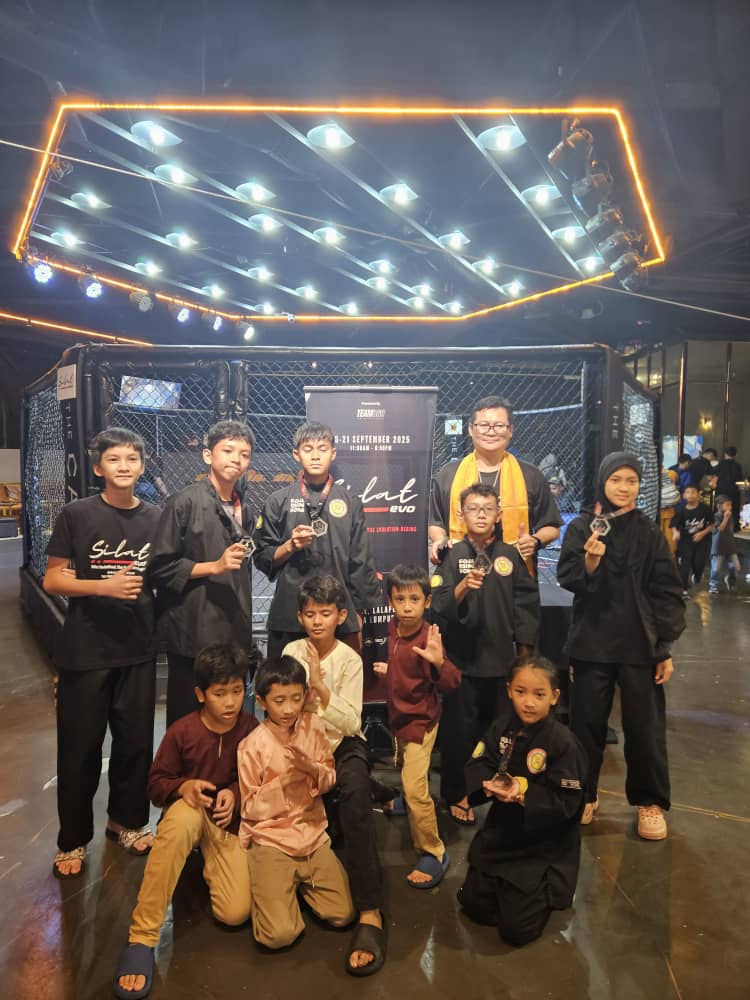
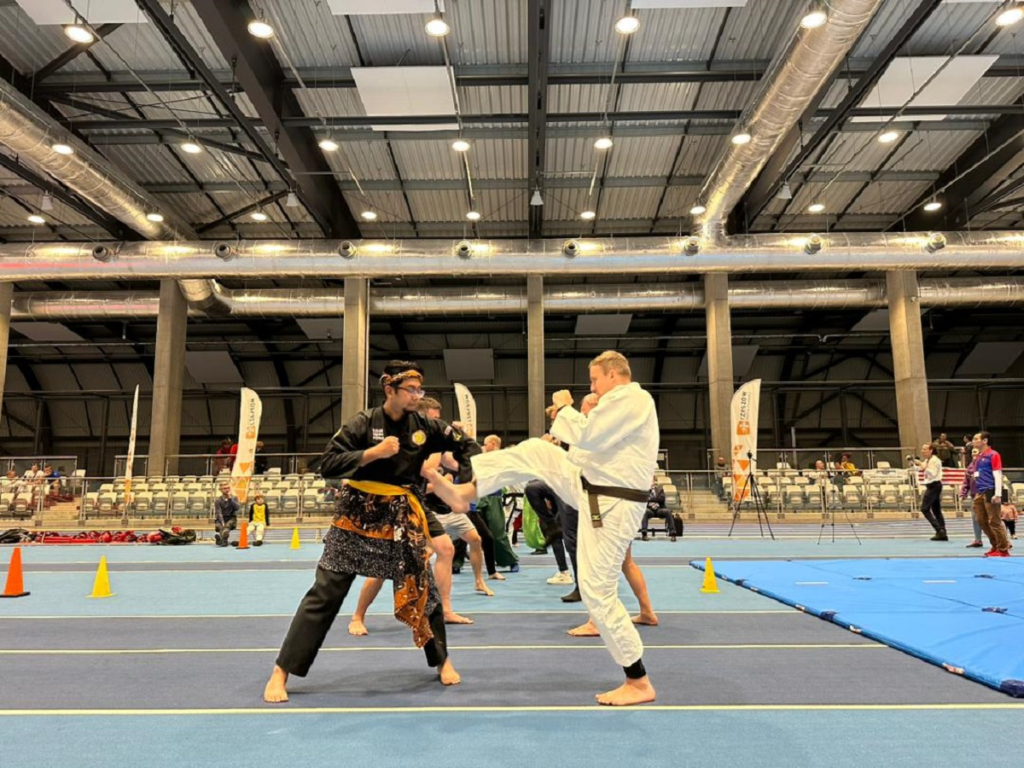
Unlike full-contact disciplines that often pose injury risks to beginners, Silat Tempur utilizes controlled sparring, precision movement drills, and protective gear to ensure safety in learning environments. This allows younger practitioners to develop confidence, coordination, and discipline without exposure to unnecessary harm. The scoring system emphasizes technique and timing rather than force, aligning with youth development frameworks in martial arts education (Shapie et al., 2023). Additionally, its rules are designed to mirror global standards in martial arts competitions, making it ideal for school-based programs and early talent identification.
2. Structured Progression Through Scientific Periodization
Silat Tempur incorporates periodization—a training concept long embraced by sports science—to allow structured progression in physical, technical, and tactical abilities. Athletes advance through defined stages aligned with curriculum benchmarks, reducing burnout and improving peak performance periods (Shapie, 2020). This evidence-based approach, adopted by FSR UiTM and reinforced in IMACSSS publications, helps instructors plan effective training cycles. Moreover, PASSMAL ensures that coaching certifications tied to Silat Tempur include modules on sports physiology, motor learning, and biomechanics, further professionalizing the martial arts education system.
3. Tactical Intelligence and Real-World Application
Combat strategy is a core pillar of Silat Tempur, with emphasis placed on counter-attacks, feints, timing disruption, and spatial control. The system trains practitioners to “read” their opponents, anticipate movement, and execute efficient responses—skills that are transferable across various martial arts and real-life self-defense situations. Unlike rigid kata forms, Silat Tempur simulates dynamic combat scenarios where decision-making under pressure is key. Tactical intelligence is assessed as part of athlete evaluations, reinforcing the art’s intellectual dimension (Shapie et al., 2022).
4. Inclusivity and Scalable Implementation
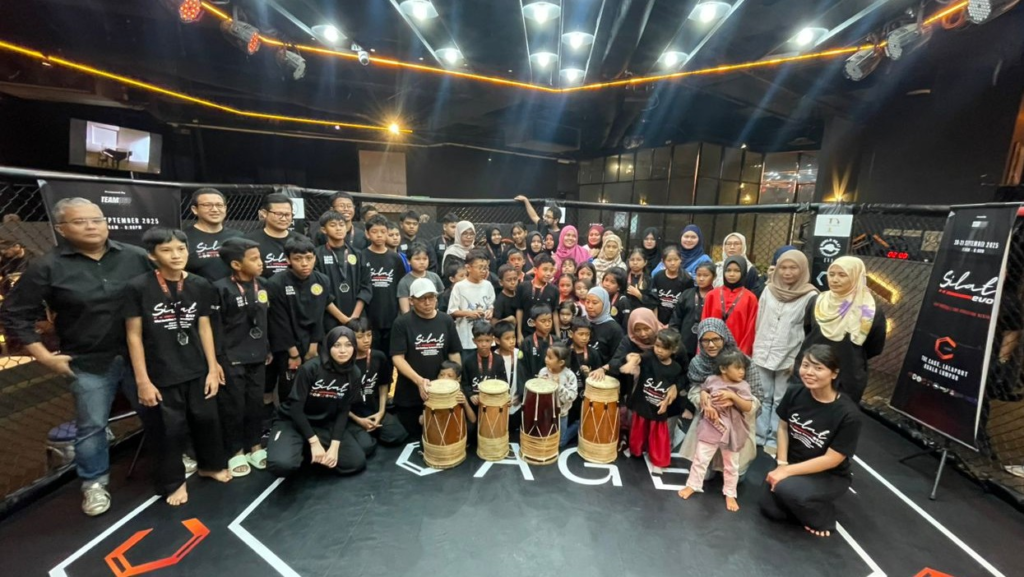
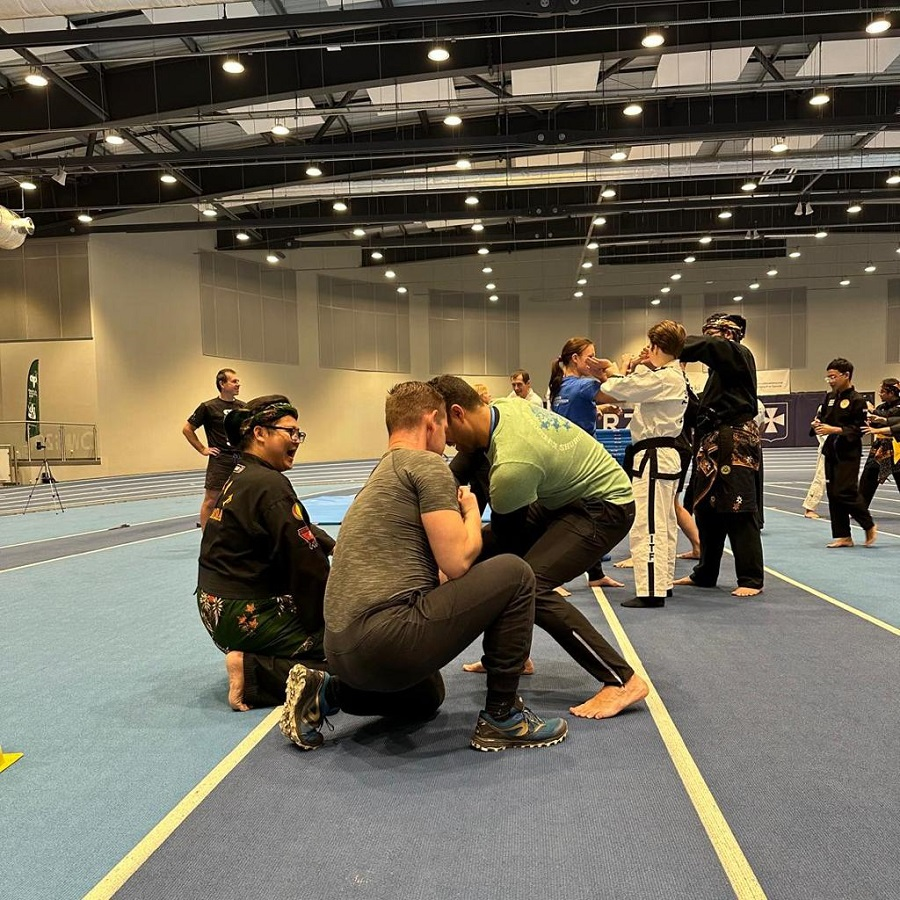
Silat Tempur is designed to be inclusive. With lightweight equipment and flexible facility requirements, it is easily implemented in schools, universities, community centers, and international martial arts programs. PASSMAL has championed this accessibility by training instructors who can deliver Silat Tempur across age, gender, and ability levels. The format is particularly popular in co-curricular university programs, including those led by UiTM and PESONA, fostering inter-varsity competitions and cultural showcases. These initiatives make Silat Tempur a scalable tool for education, recreation, and diplomacy.
5. A Bridge Between Tradition and Innovation
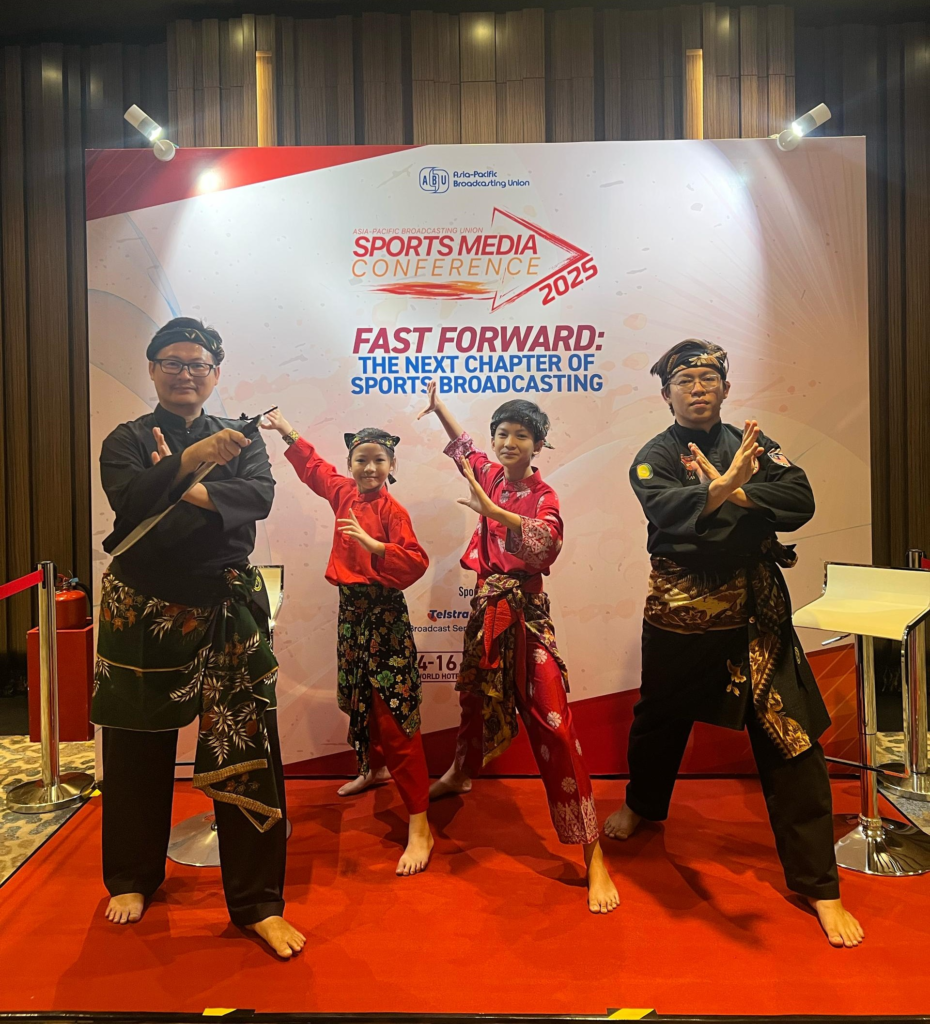
While the format modernizes combat practice, Silat Tempur retains core elements of Malay martial philosophy such as ethics, etiquette (adab), and movement aesthetics. This makes it a cultural bridge—connecting historical principles with contemporary application. As highlighted in research by Shapie and colleagues, traditional sikap pendekar (warrior attitudes) are woven into the performance criteria of Silat Tempur, ensuring cultural continuity while embracing global competitiveness (Shapie, 2021). The system promotes martial virtue, respect, and identity, positioning Silat as more than just sport—it becomes a way of life.
Conclusion
Silat Tempur is not merely a new rule set or training method—it is a paradigm shift in martial arts education. From safer youth entry points to scientific progression, and from cultural preservation to international adaptability, its seven key benefits demonstrate why it is gaining traction as a blueprint for the future. Through initiatives led by PASSMAL, PESONA, and AIRBORNE under UiTM, Silat Tempur is helping redefine how traditional martial arts can serve contemporary learners, institutions, and communities across Malaysia and beyond.
References (APA 7th Edition)
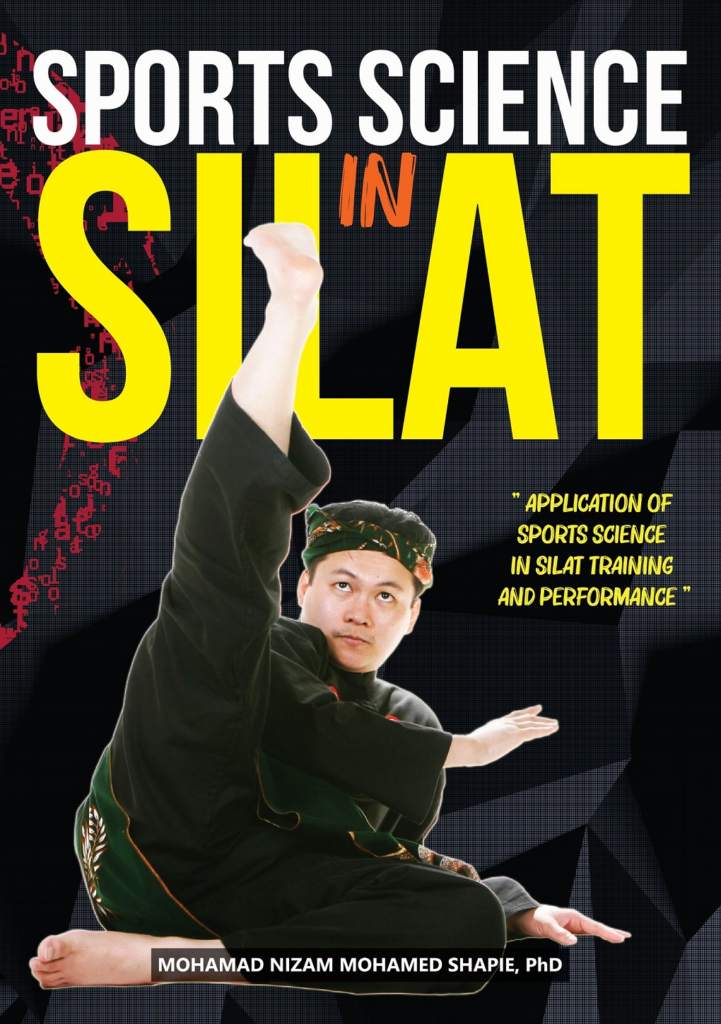
- Shapie, M. N. M. (2020). Sports Science in Silat: Application of Sports Science in Silat Training and Performance. Shah Alam: Pertubuhan Seni Gayung Fatani Malaysia.
- Shapie, M. N. M., Al-Syurgawi, D., Samsudin, H., Nazri, S. M., & Nawai, N. S. (2022). The Physical Performance Needs in Silat Olahraga: A Coaching Perspective to Establish Plyometric Training in Silat Combat Sport. Jurnal Performa Olahraga, 7(2), 90–97. https://doi.org/10.24036/jpo363019
- Shapie, M. N. M., Akbar, M. F. C., Samsudin, H., Al-Syurgawi, D., Rahim, M. R. A., Abdullah, N. M., … & Nor, M. A. M. (2023). Activity Profile During Action Time Between Winners and Losers of Young Male Silat Tempur Athletes. International Martial Arts and Culture Journal, 1(1), 1–5. https://doi.org/10.24036/imacj1019
- Shapie, M. N. M. (2021). The Warrior Attitude (Sikap Pendekar) in Malay Silat Encouraging Malaysian Interest in Global Martial Arts and Combat Sports. In Ryu, S., Lee, K., & Hwang, J. (Eds.), Southeast Asian Martial Arts: A Unique and Complex Cultural Phenomenon (pp. 26–95). Chungju-si: UNESCO ICM.
- Samsudin, H., Shapie, M. N. M. (2021). Silat Tempur vs Silat Olahraga: Which Is the Best Combat Sport for Children? In Cynarski, W. J., Pawelec, P., Swider, P., & Kulasa, J. (Eds.), 10th IMACSSS Conference 2021 (pp. 51–57). Southwest University, China.