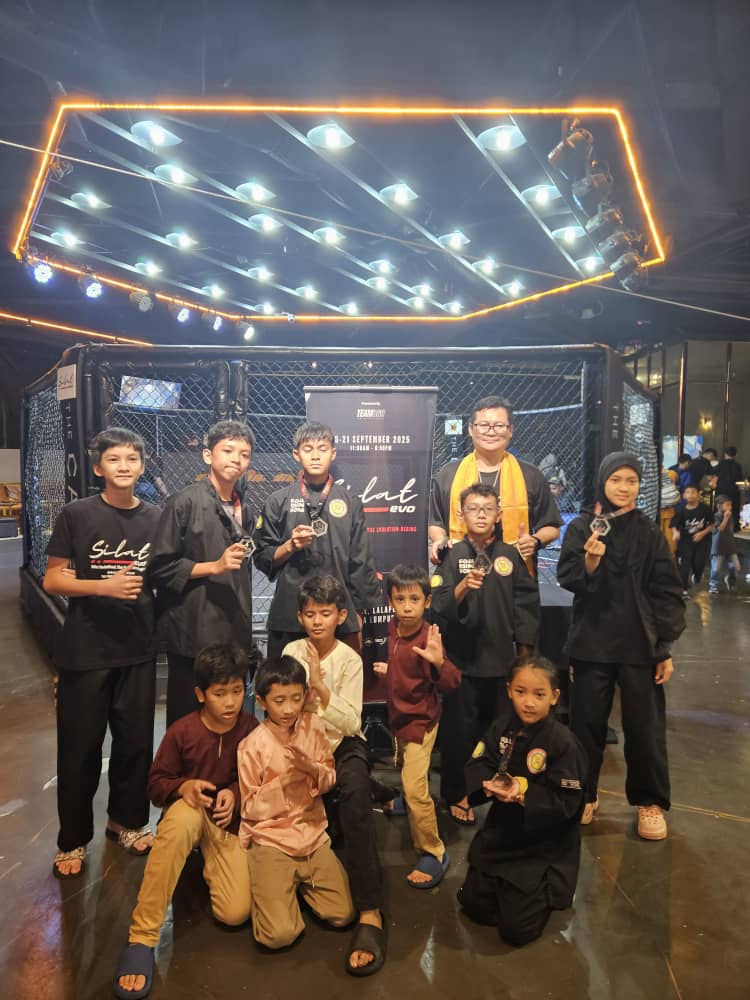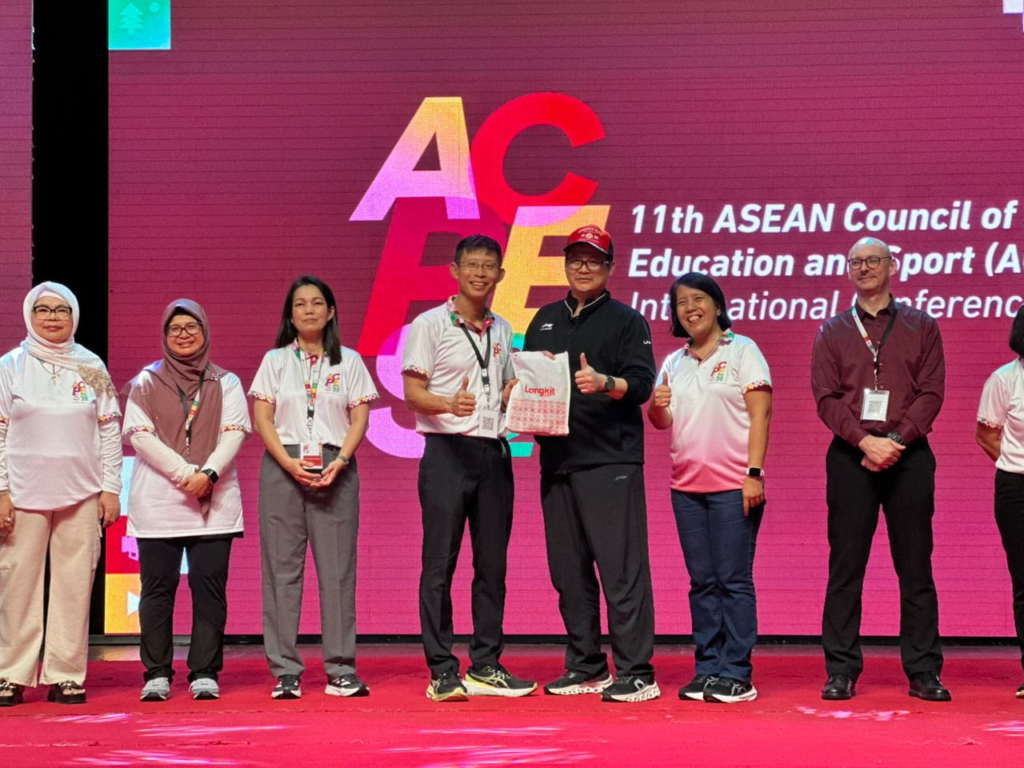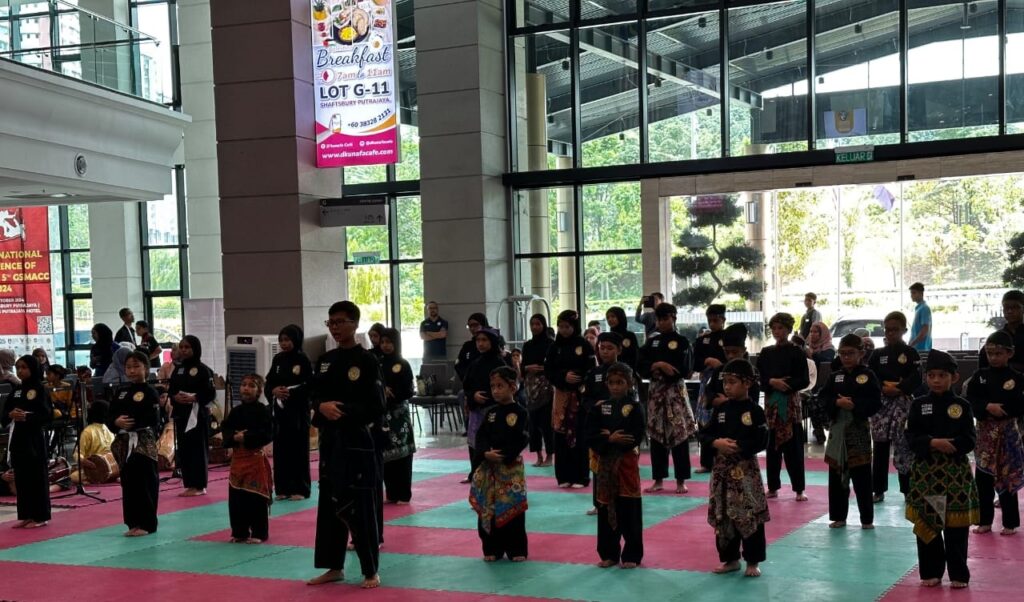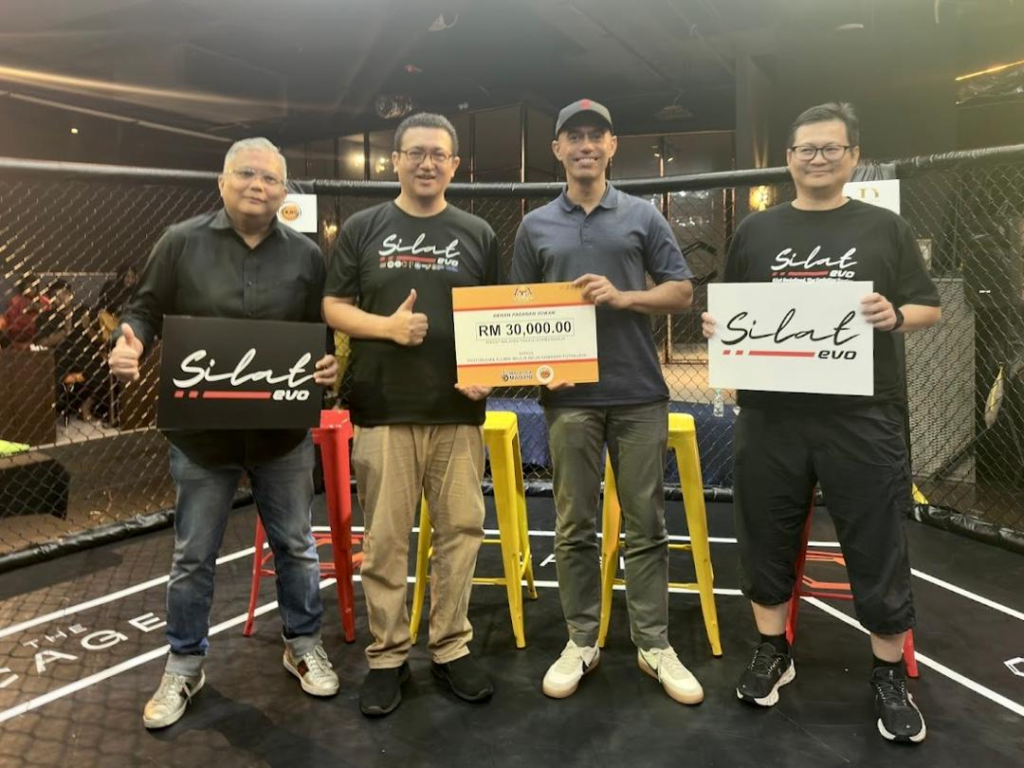
1. Introduction: Silat Melayu as a Legacy of War and Wisdom
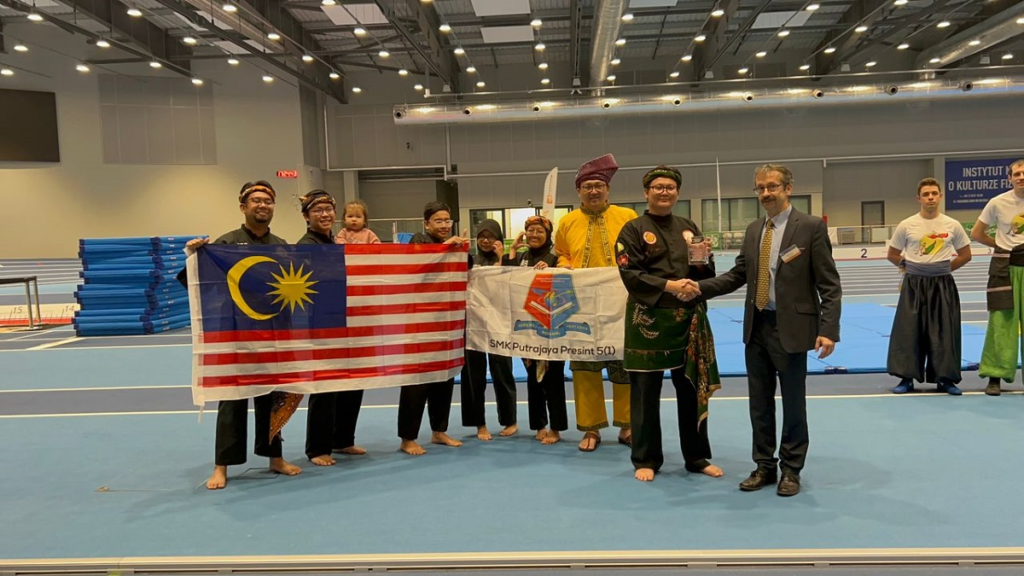
Silat Melayu is more than a martial discipline—it is a living tradition shaped by centuries of Malay history, resistance, and spiritual refinement. Evolved from indigenous self-defence systems of the Nusantara, Silat Melayu preserves the dual essence of cultural expression and combat readiness. Rooted in adat (custom) and adab (ethics), this art of war was once central to the life of Malay warriors (pahlawan), courtiers, and village protectors. Today, through the work of institutions like the Malaysian Organization of Authentic Malay Silat Arts (PASSMAL) and Universiti Teknologi MARA’s AIRBORNE research group, Silat Melayu is once again gaining recognition—not merely as sport, but as a rich philosophical, spiritual, and strategic discipline.
2. Philosophical Foundations of Silat Melayu: Adat, Adab, and Akhlak
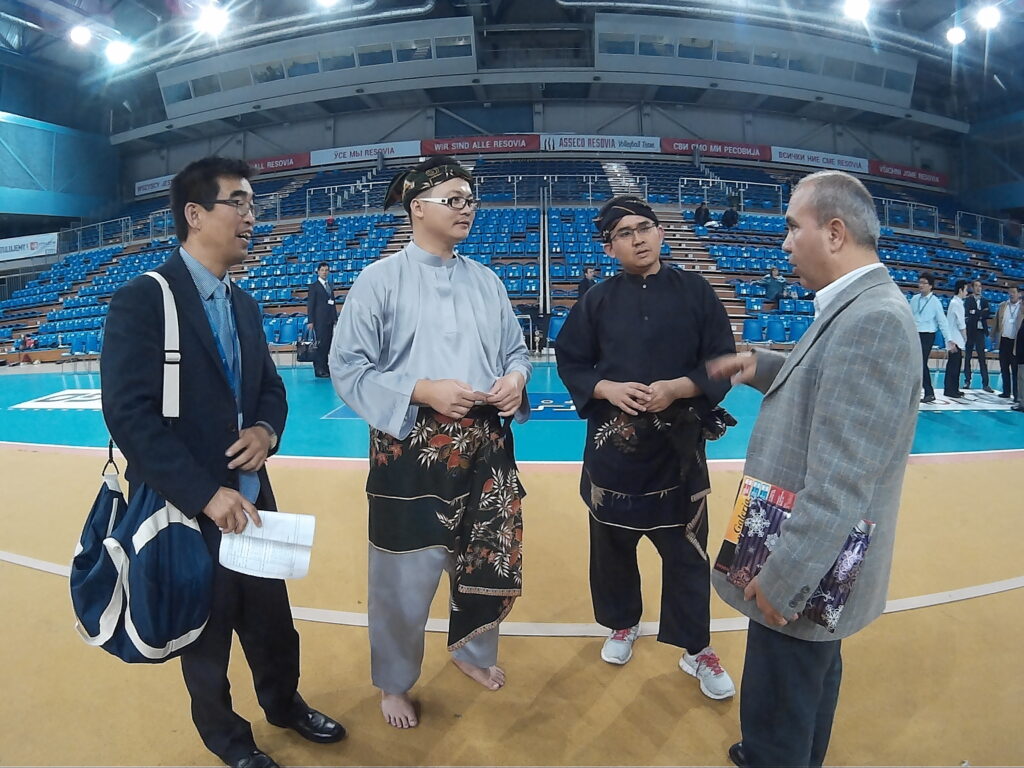
At the heart of Silat Melayu lies a triadic foundation: adat (social code), adab (personal etiquette), and akhlak (moral character). These are not mere customs but a blueprint for behavioural excellence. Every bunga (floral movement pattern), langkah (footwork), and kuda-kuda (stance) is infused with symbolic meaning—reflecting discipline, humility, and alertness. Unlike modern combat sports, Silat Melayu begins not with aggression, but with salam (greeting), do’a (invocation), and syahadah (profession of faith), affirming its roots in Malay-Islamic values. This embodiment of philosophy in motion distinguishes Silat Melayu as an “art of war” balanced by introspection and restraint.
Such traditional frameworks continue to be preserved through authentic teaching lineages and curricular reconstructions led by PASSMAL, who uphold Silat as an instrument of character development—not just self-defence. The bunga, often mistaken as mere choreography, in fact trains the mind to remain centred, the heart to stay humble, and the body to respond with grace.
3. Rituals and Symbolism: The Cultural Codes of Silat Melayu
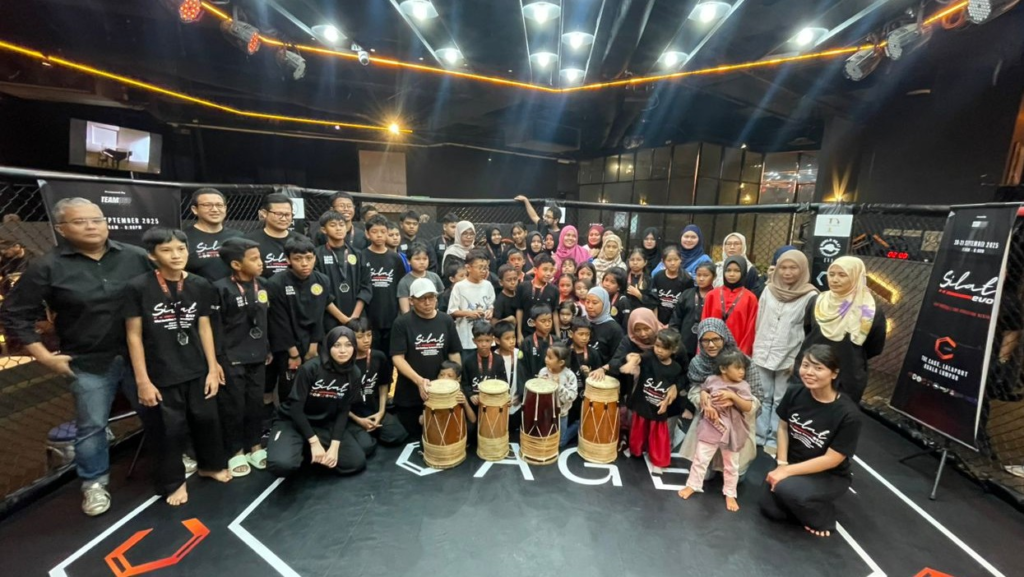
Silat Melayu cannot be separated from its ritual ecosystem. From the upacara buka gelanggang (opening ceremony of the training space) to the batin-led blessings and ceremonial duels, every stage of Silat practice is embedded in cultural codes passed down orally and performatively. Music, dress, and language are integral: the rebana, serunai, and gong form a rhythmic dialogue with the pesilat’s movements, reinforcing identity and spiritual consciousness.
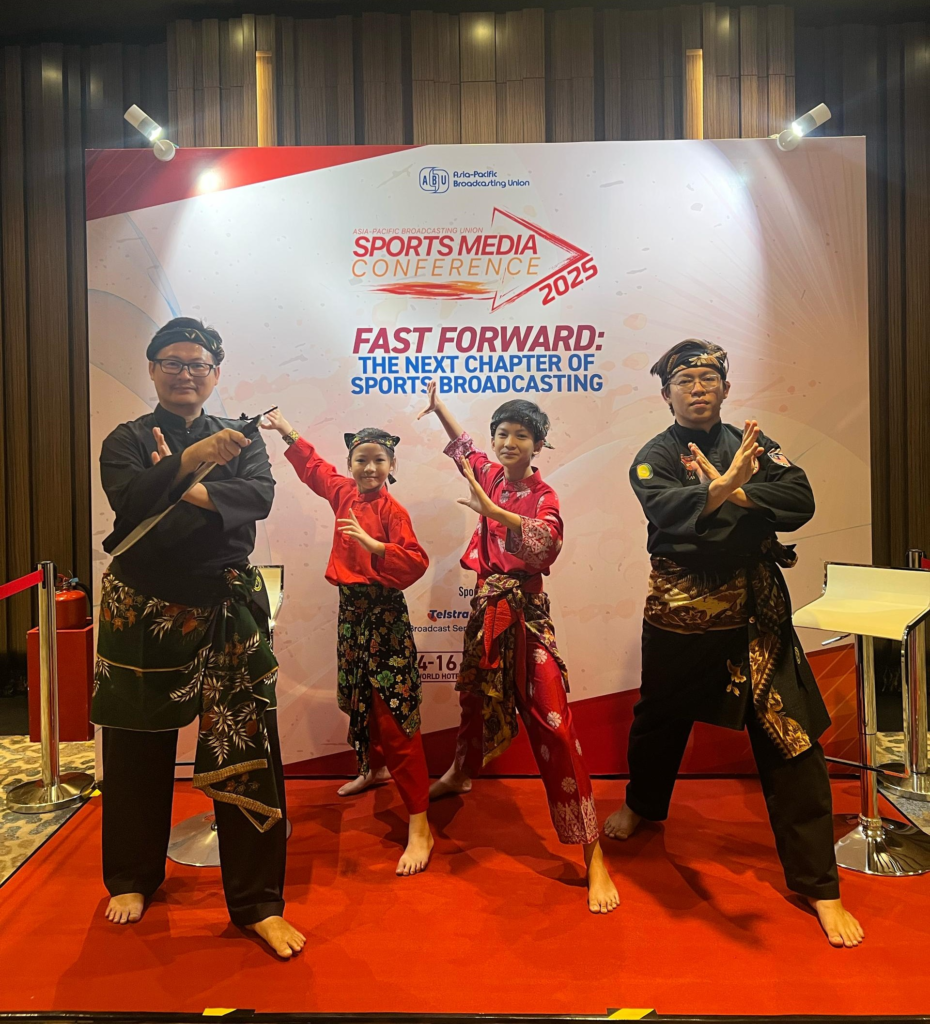
These rituals are not merely performative—they function as mnemonic devices to preserve historical memory. As highlighted in research by Shapie, Elias, and Anuar (2016), the intangible heritage of Silat encompasses not just movement patterns, but also oral texts, symbolic attire (baju silat, bengkung), and ceremonial roles. Through preservation efforts by PASSMAL and documentation supported by UiTM’s AIRBORNE, these practices are being archived, analyzed, and transmitted to new generations without compromising authenticity.
4. Silat Melayu as an Indigenous Art of War
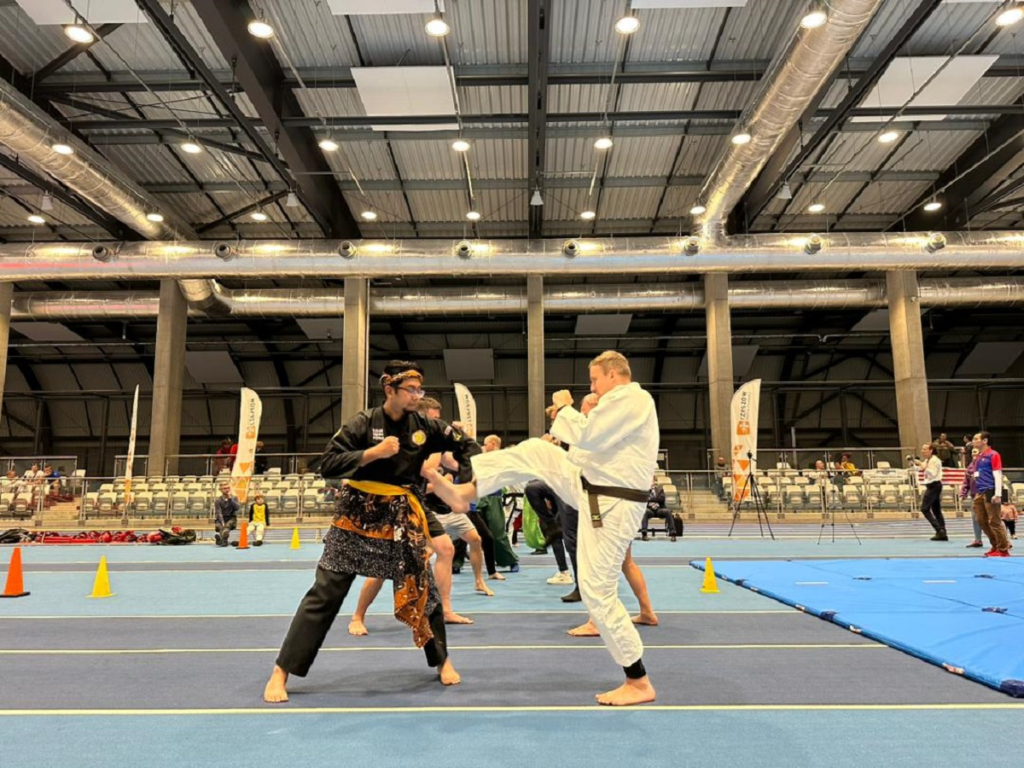
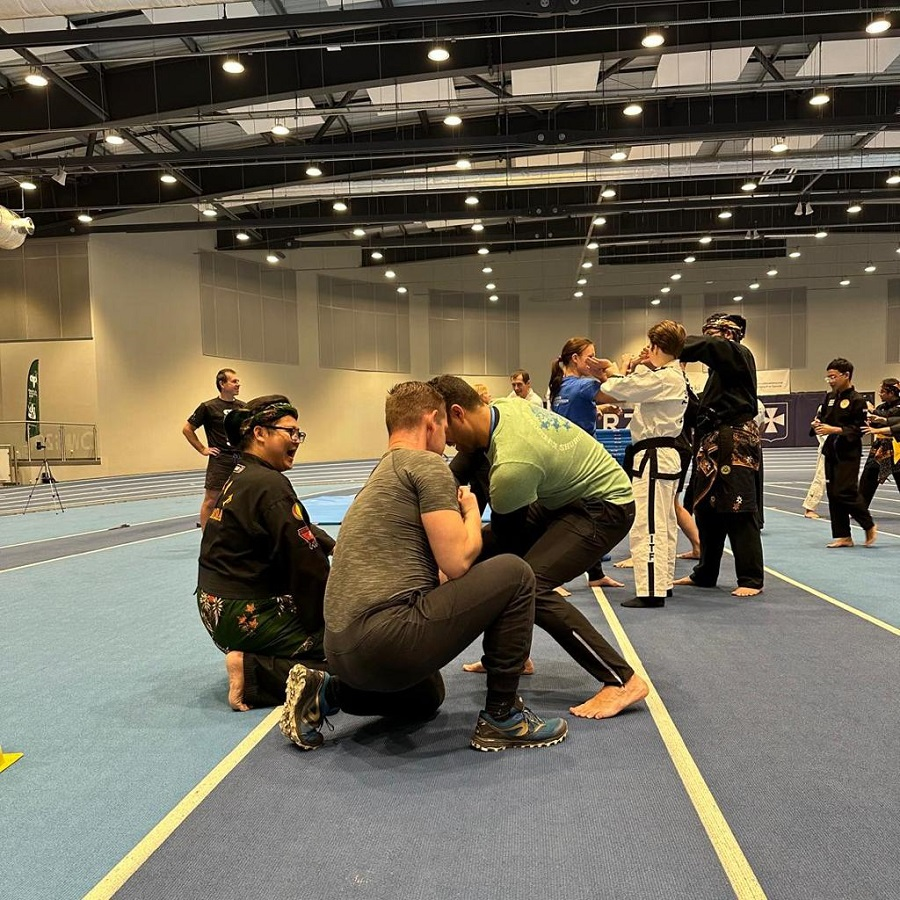
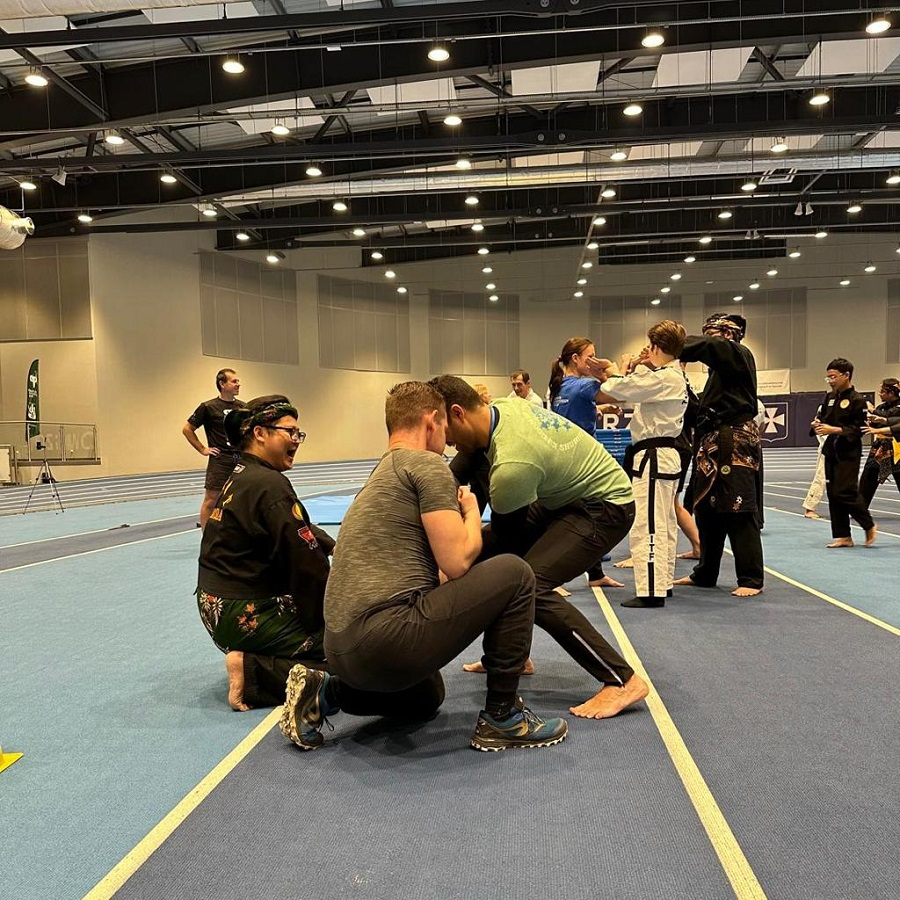
While Silat Melayu includes artistic and meditative dimensions, its roots lie in combat. Historically, the pesilat was a trained defender of family, village, and sultanate. Techniques such as buah pukulan (striking forms), kuncian (locks), and senjata (weapons) training were designed not for sport but survival. The use of kris, sundang, and kerambit in Silat Melayu embodies both symbolic and practical warfare knowledge. Unlike codified modern martial arts, Silat Melayu emphasizes deception, environmental awareness, and counter-attack strategies—hallmarks of guerrilla defence and jungle warfare.
This combat effectiveness is not anecdotal. Studies such as Shapie (2020) and Samsudin & Shapie (2021) trace the lineage of Silat combat techniques to battlefield tactics during the Melakan Sultanate and periods of colonial resistance. The pedagogical integration of traditional drills with modern sports science has allowed researchers at UiTM to develop performance-enhancing training models while preserving the integrity of traditional movement philosophy.
5. Preserving the Soul of Silat: From Oral Transmission to Academic Research
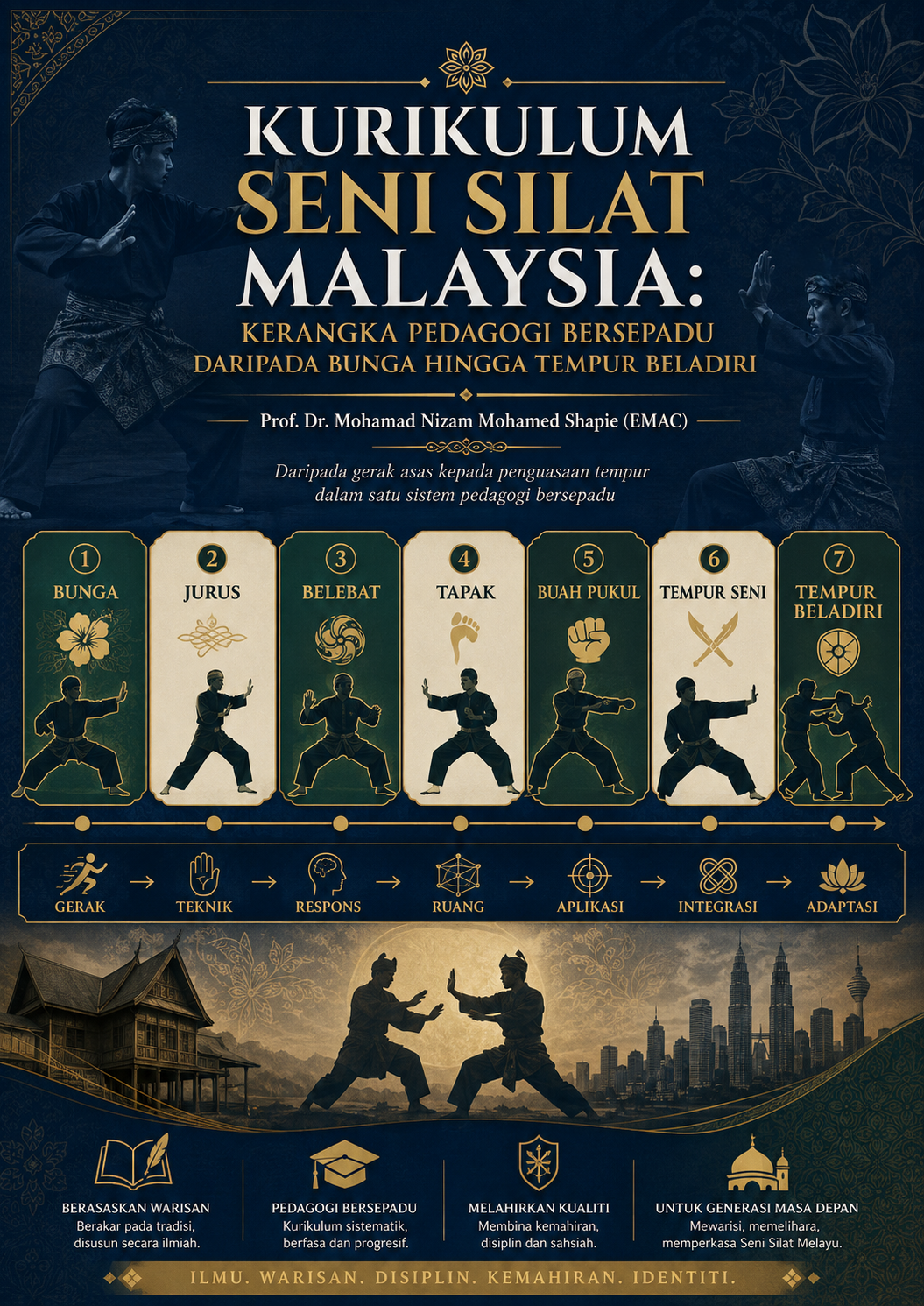
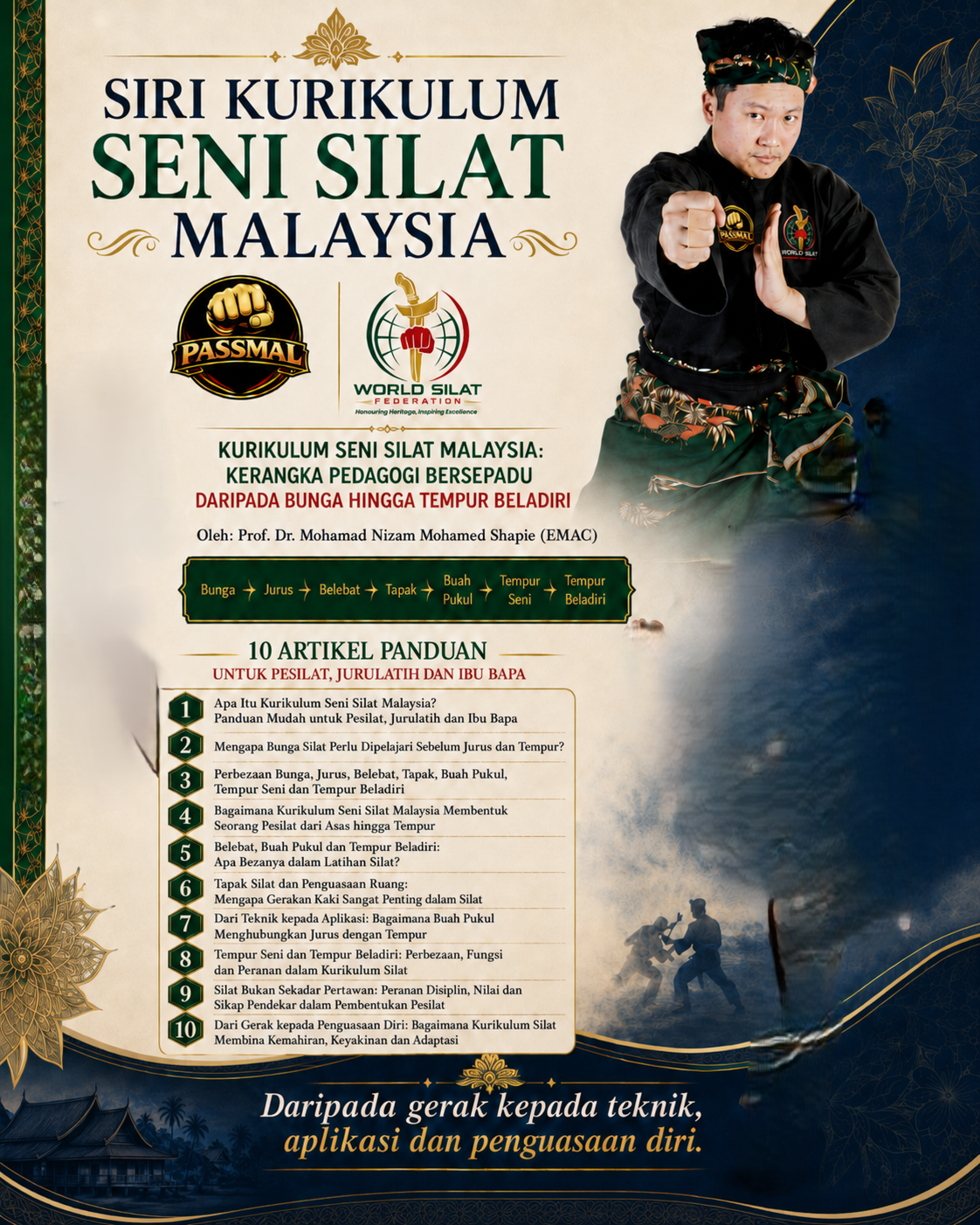
The transmission of Silat Melayu has historically depended on guru-murid relationships, secrecy, and trust. But in the face of globalization and digitization, traditional methods are at risk. PASSMAL’s role as a guardian body ensures that the soul of Silat is not lost in translation. By documenting regional variants, standardizing curriculum without diluting uniqueness, and creating authentic certification pathways, PASSMAL and PESONA are driving a new era of responsible preservation.
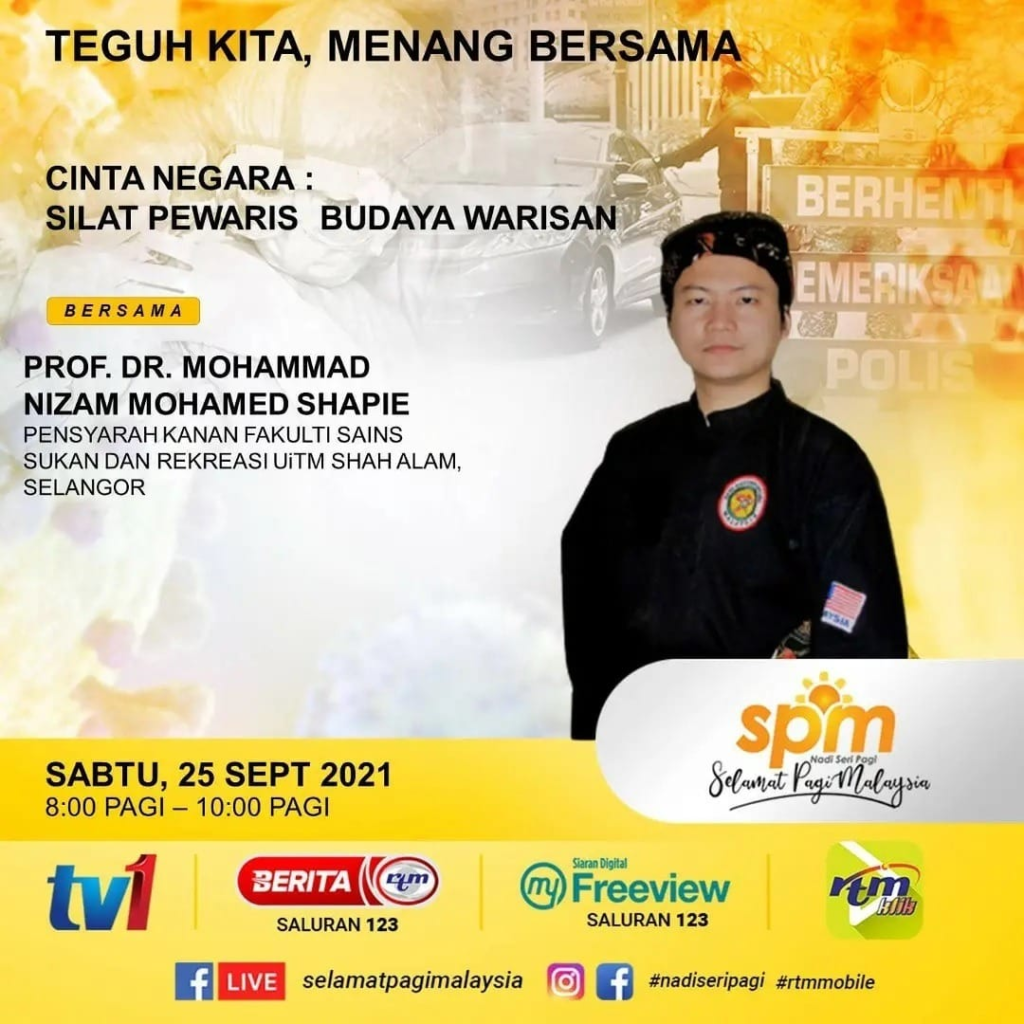
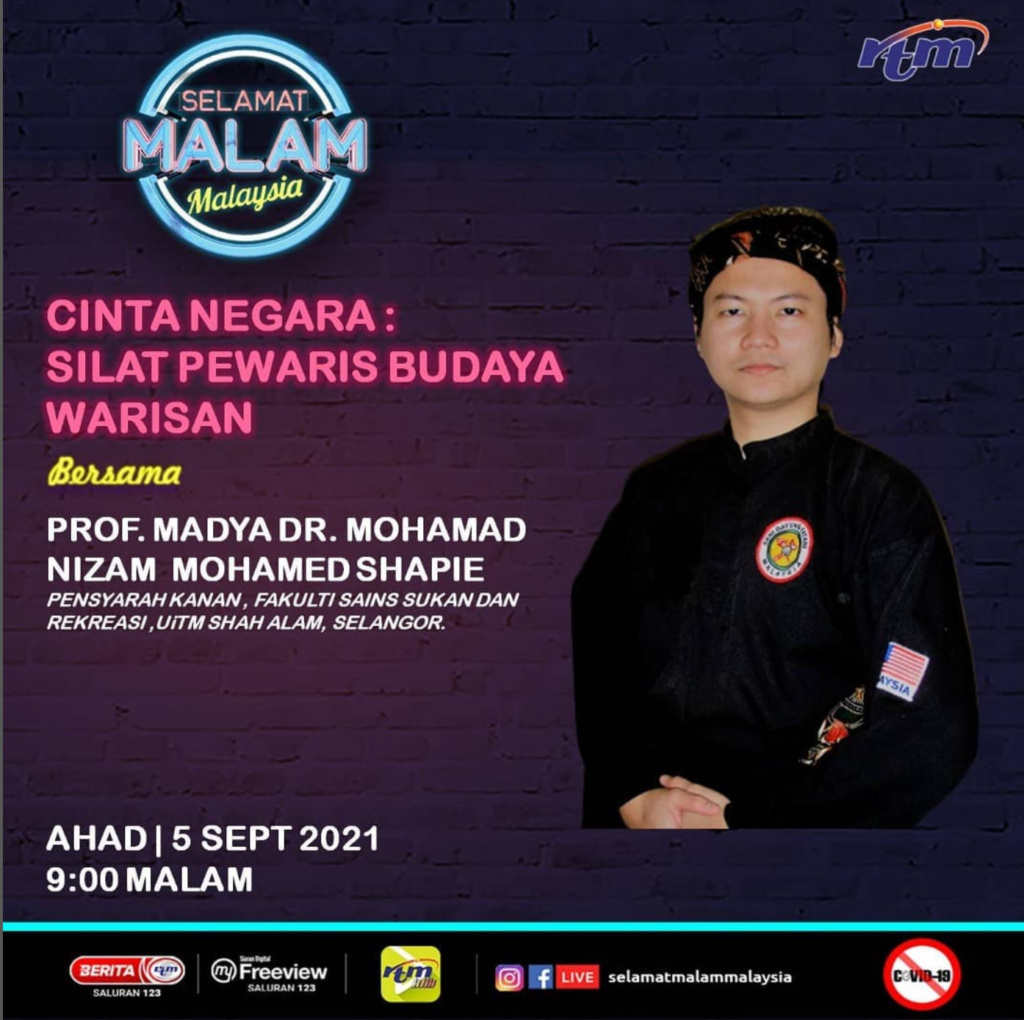
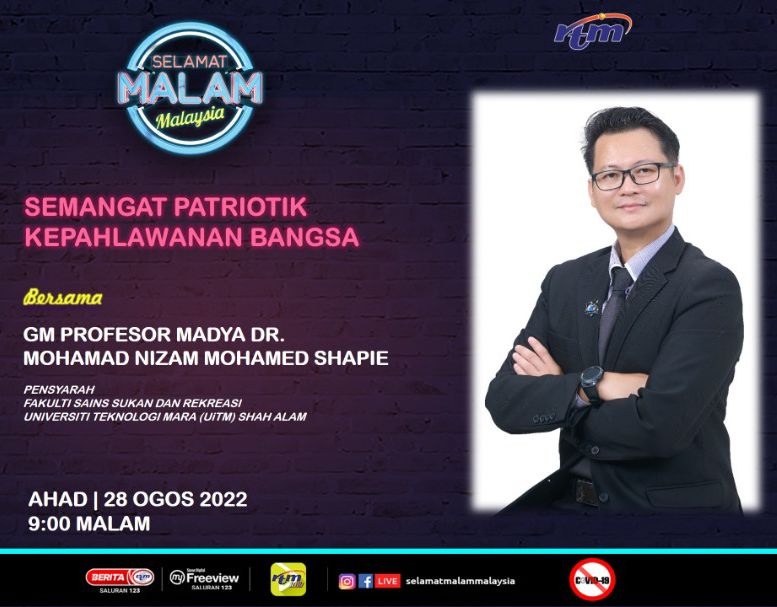
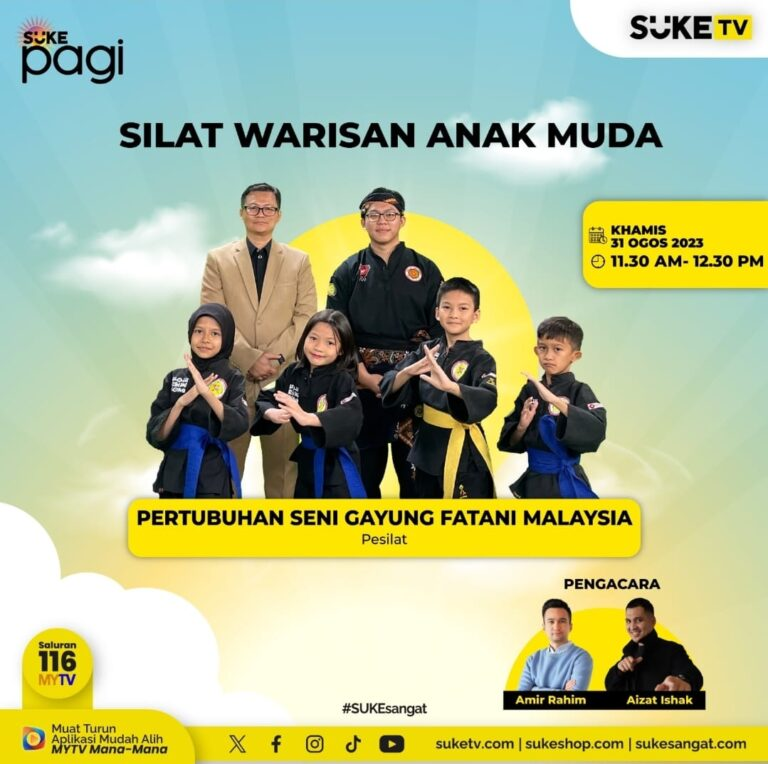
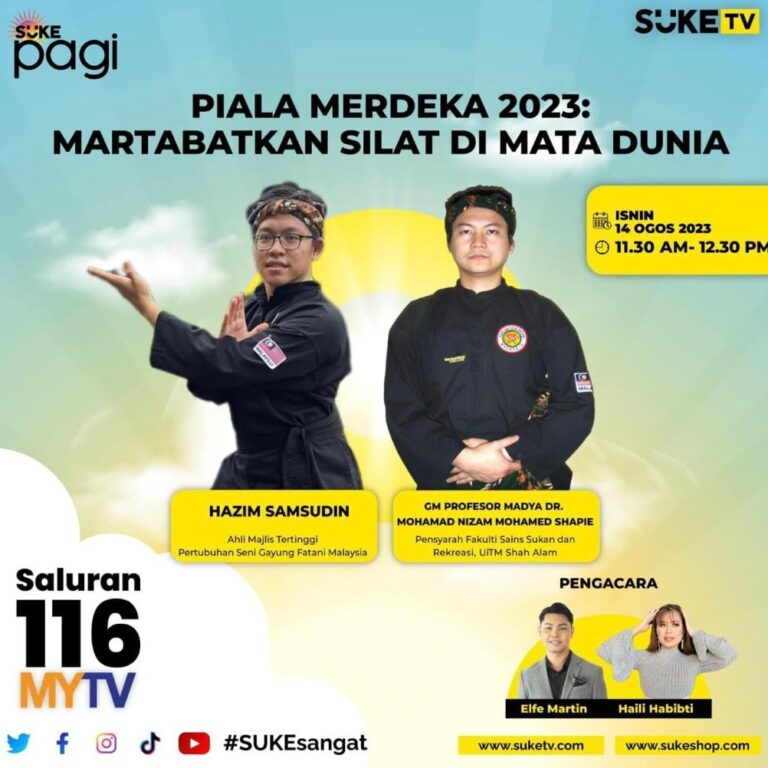
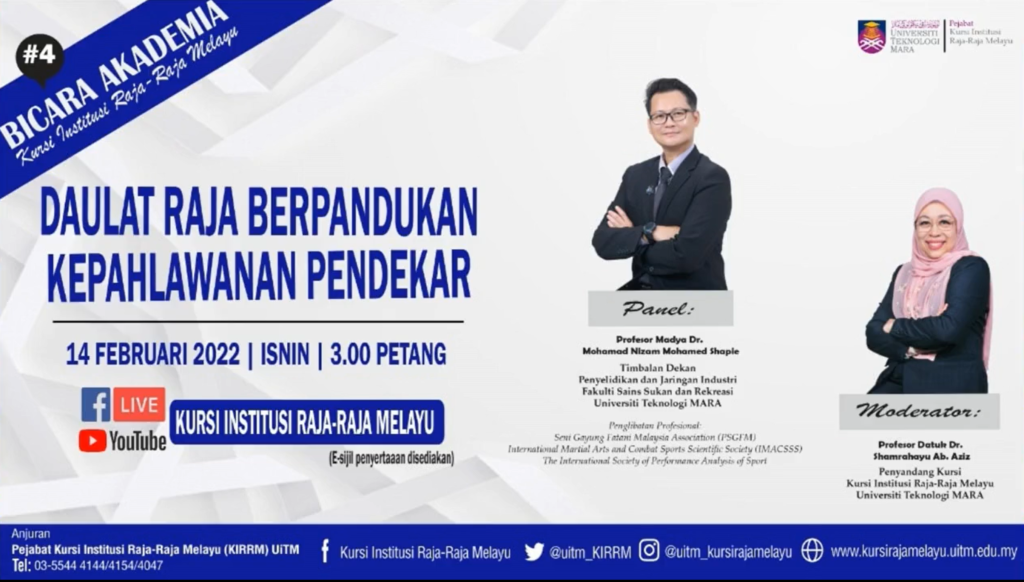
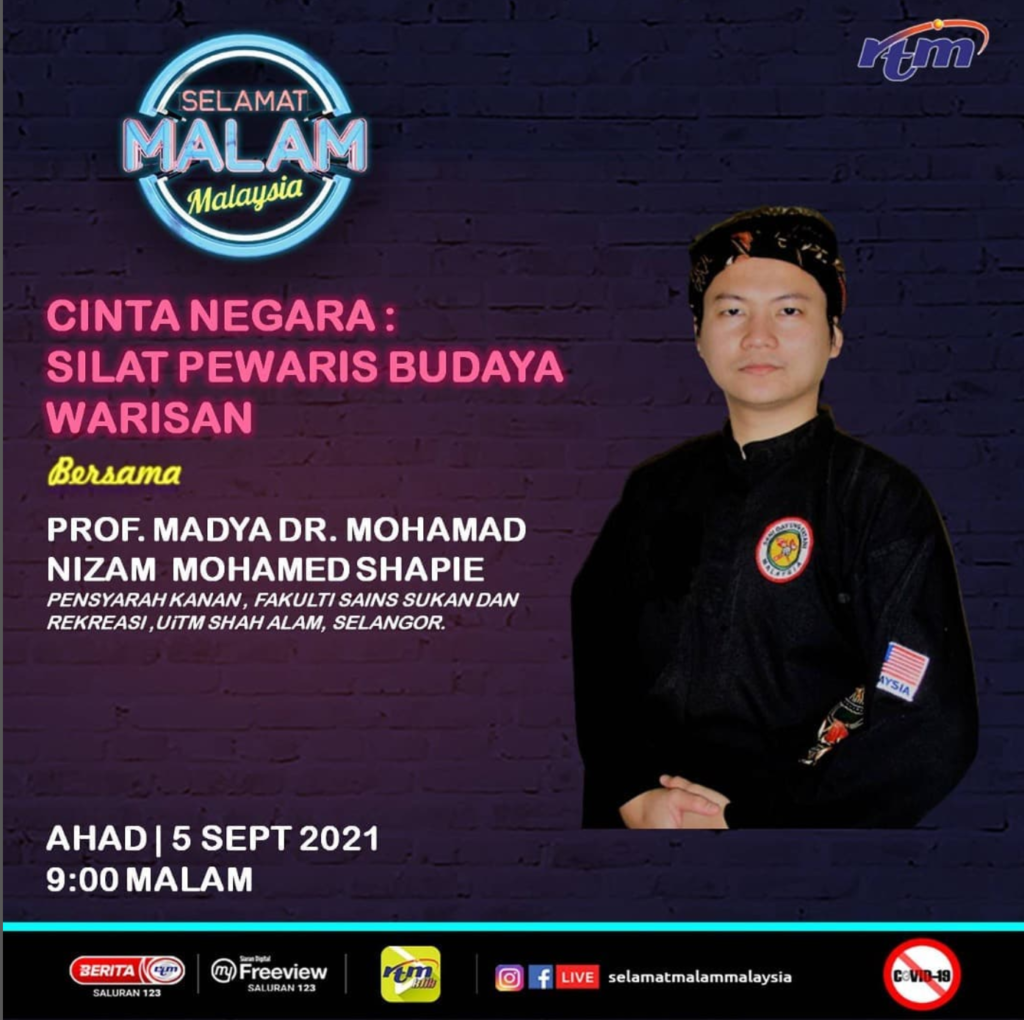
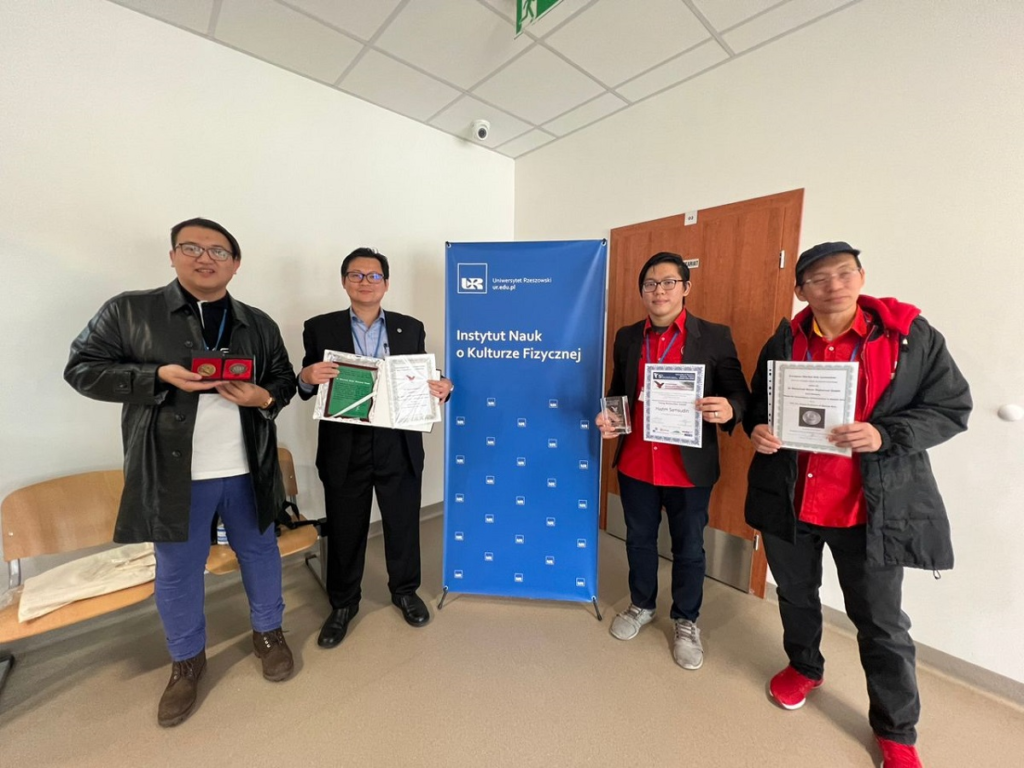
At the academic front, Prof. Dr. Mohamad Nizam Mohamed Shapie has been instrumental in bridging traditional Silat with formal research. His extensive work on Silat pedagogy, performance analytics, and martial arts philosophy has informed both national curricula and global recognition efforts. As part of UiTM’s AIRBORNE research platform, his team continues to map, measure, and elevate Silat Melayu beyond folklore into a field of scholarly inquiry. This dual pathway—of tradition and research—ensures Silat remains alive, relevant, and empowering.
Conclusion: Silat Melayu as a Living Heritage of Resistance and Wisdom
Silat Melayu is not a museum piece—it is a living system of knowledge, strategy, identity, and inner discipline. Its survival today is owed to the guardianship of cultural leaders, researchers, and institutions who view it not just as a martial art, but as a cultural right. From bunga to buah, ritual to rebellion, Silat Melayu embodies the soul of Malay resilience. Its future depends not only on practitioners but on scholars, teachers, and communities committed to its original spirit.
References (APA 7th edition):
- Shapie, M.N.M., Elias, M.S., Anuar, A. (2016). Silat: The Heritage of Malaysia (Silat: Warisan Bangsa Malaysia). The National Department for Culture and Arts, Ministry of Tourism and Culture.
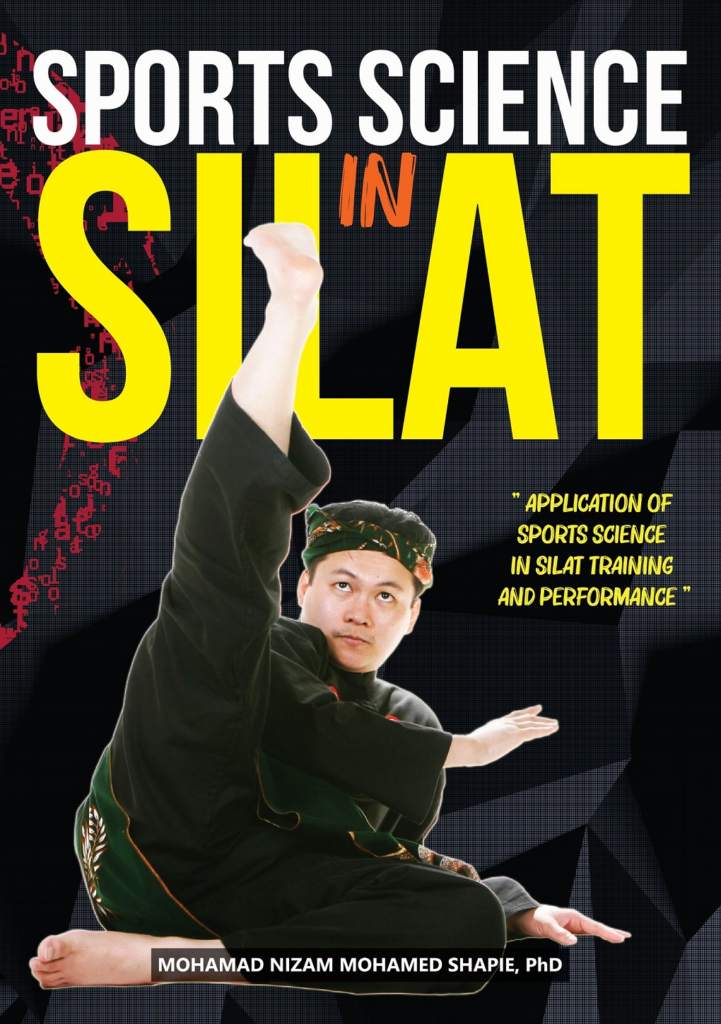
- Shapie, M.N.M. (2020). Sports Science in SILAT: Application of Sports Science in Silat Training and Performance. Pertubuhan Seni Gayung Fatani Malaysia.
- Samsudin, H., Shapie, M.N.M. (2021). Silat Tempur vs Silat Olahraga: Which Is the Best Combat Sport for Children? In 10th IMACSSS Conference Proceedings.
- Shapie, M.N.M. (2021). The Warrior Attitude (Sikap Pendekar) in Malay Silat Encouraging Malaysian Interest in Global Martial Arts and Combat Sports. UNESCO ICM.
- Shapie, M.N.M., Lee, K., Rahim, M.R.M., et al. (2022). Anuar Abdul Wahab (1945–2009): The Leadership and Contributions To The Establishment Of Traditional Art of War Into Modern Malay Silat. IMACSSS Proceedings.
- Parnabas, V.A., Abdullah, N.M., Shapie, M.N.M., et al. (2023). E-learning Motivation Among Student-athletes of Universiti Teknologi MARA (UiTM), Malaysia. Malaysian Journal of Sport Science and Recreation, 17(1), 20-34.
- Shapie, M.N.M., Nur, A.A.J., Kusrin, J., Wahidah, T., Elias, M.S. (2018). Activity Profile between Winners and Losers in International Silat Olahraga Matches. Journal of Physical Fitness, Medicine & Treatment in Sports, 2(4).