1. Introduction: Silat Melayu Beyond the Archipelago
The globalization of Silat Melayu over the past decade is no longer merely a matter of cultural outreach; it is an academic and institutional phenomenon. Once rooted in oral transmission and village tradition, Silat has now entered the realm of higher education, international collaboration, and scientific discourse. From classroom curricula in Malaysia to conference panels in Europe, Silat Melayu is steadily transforming into a subject of global Silat scholarship. Central to this evolution is the strategic academic leadership of figures like Prof. Dr. Mohamad Nizam Mohamed Shapie and institutions such as Universiti Teknologi MARA (UiTM) and the AIRBORNE Research Interest Group.
This article outlines seven academic milestones that have shaped the globalization of Silat Melayu between 2014 and 2024, underscoring its rise as a culturally-rooted, academically-recognized martial art.
2. Establishment of UiTM as an Academic Hub for Silat Studies (2014–2016)
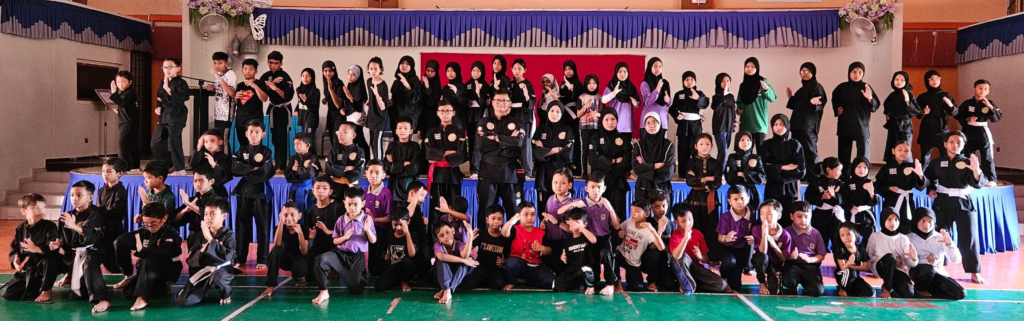
The first academic milestone occurred when UiTM’s Faculty of Sports Science and Recreation (FSR) formally incorporated Silat Melayu into its research and development agenda. Through undergraduate, postgraduate, and doctoral studies, UiTM began treating Silat not only as a sport but as a multidimensional subject intersecting with culture, pedagogy, and science.
This institutional commitment was reinforced with the creation of dedicated research clusters, such as the AIRBORNE (Martial Arts and Combat Sports Research Network), which laid the foundation for structured, peer-reviewed Silat Melayu studies. Topics ranged from biomechanical analysis and injury prevention to traditional movement philosophy and coaching science, establishing UiTM as the leading academic center for Silat research in Malaysia.
3. Launch of the World Silat Federation and Academic Standardization (2017)
In 2017, the formation of the World Silat Federation (WSF) marked a turning point in aligning Silat with international sport and educational governance. Spearheaded by Malaysian scholars and practitioners, including Prof. Dr. Nizam, the WSF promoted the codification of Silat’s curriculum, contributing to the Silat academic recognition process globally.
The development of standard syllabi, coaching manuals, and referee guidelines introduced academic rigor into Silat instruction, making it compatible with formal educational systems. These frameworks facilitated the creation of Silat certification programs, which were then benchmarked against global coaching standards, further enhancing Silat’s credibility.
4. Participation in IMACSSS Conferences and International Journal Publications (2018–2024)
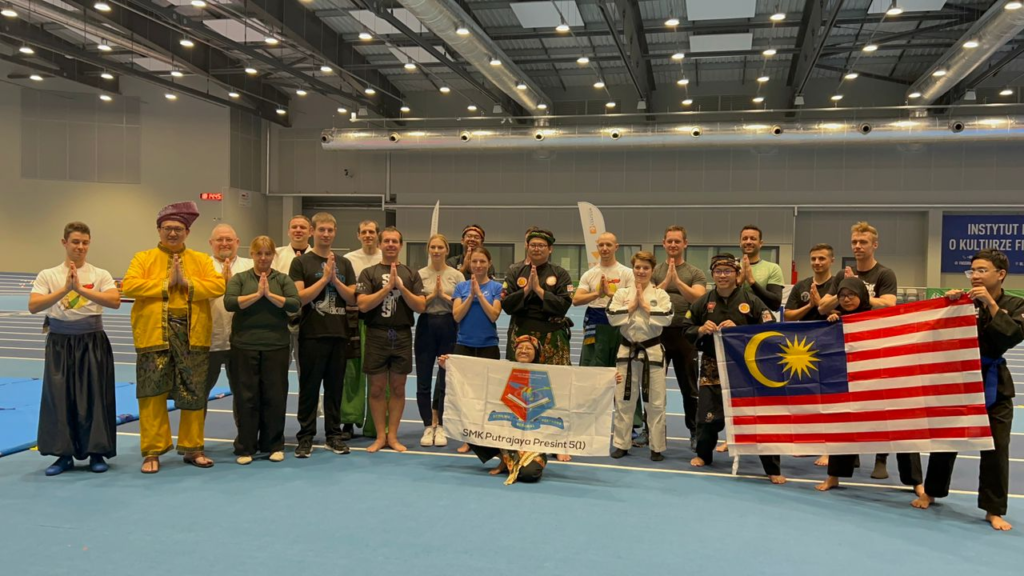
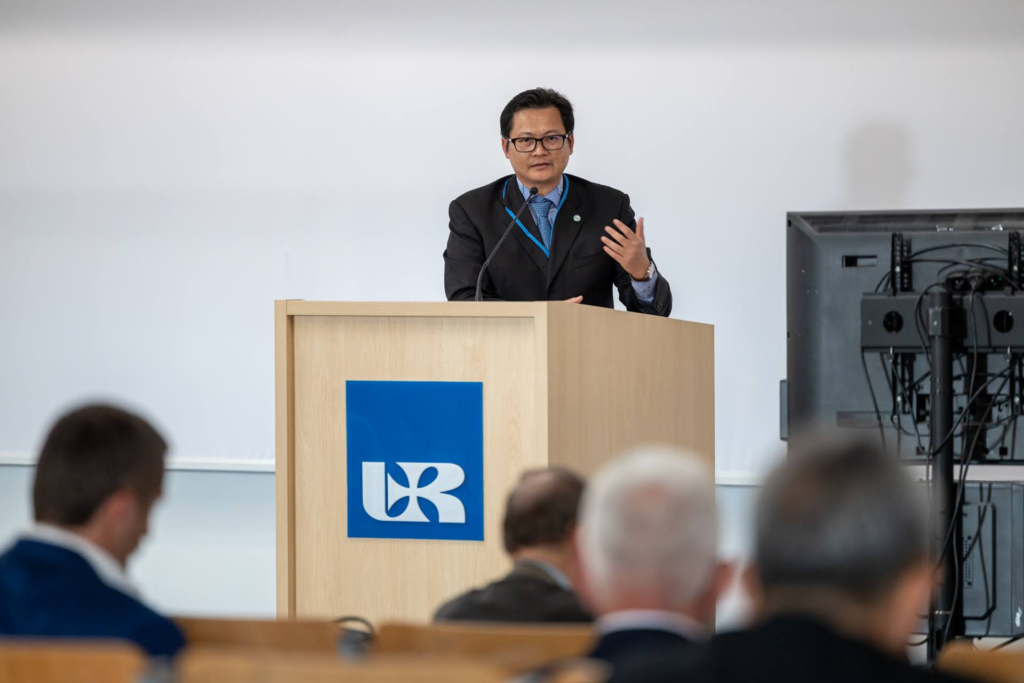
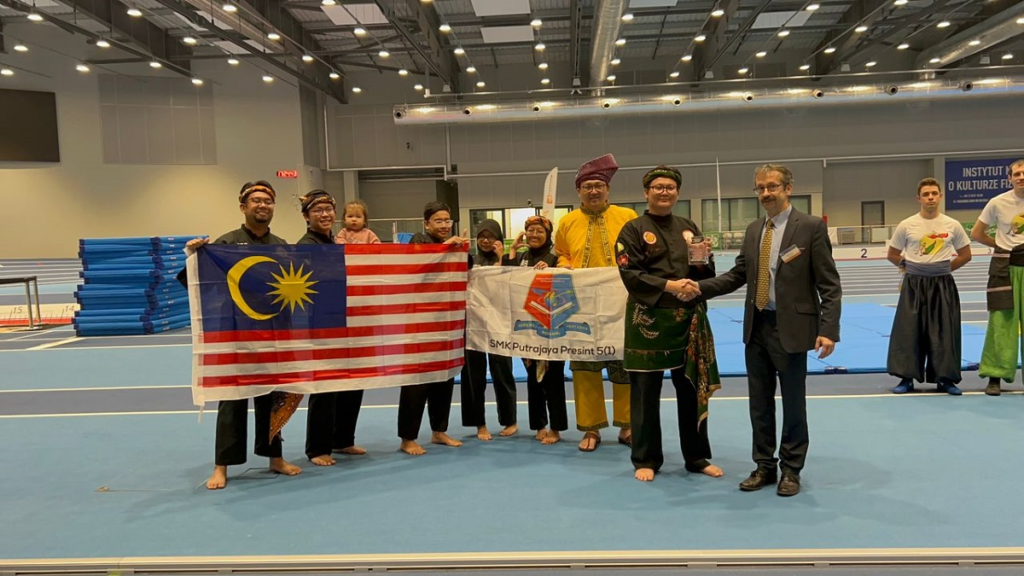
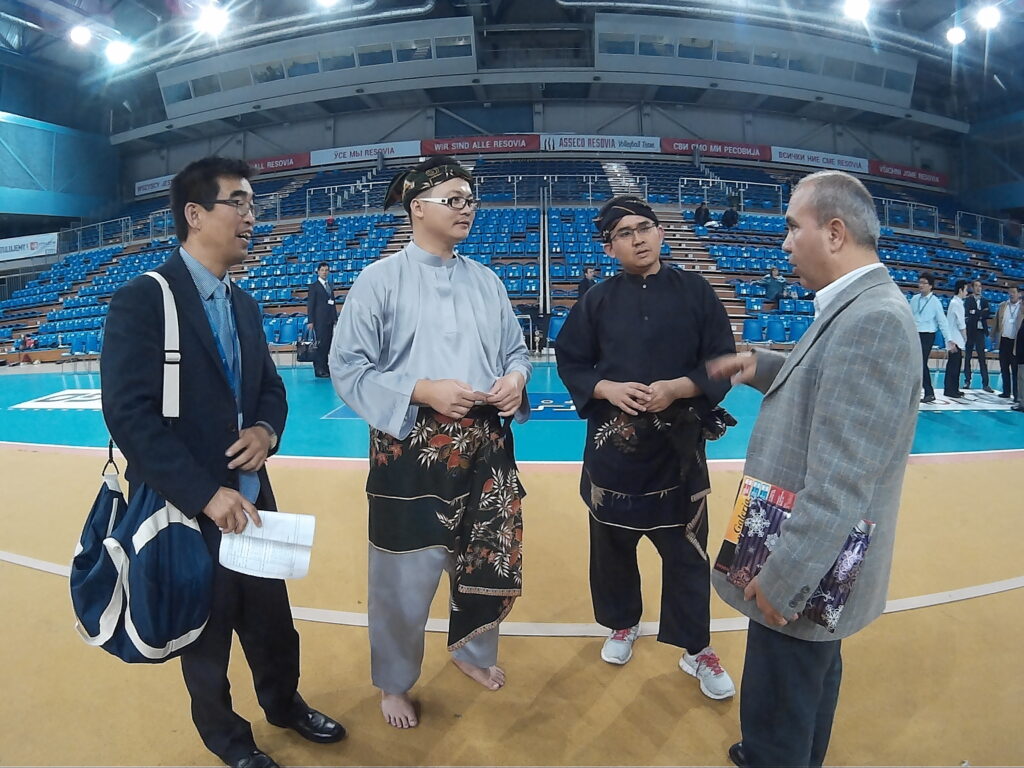
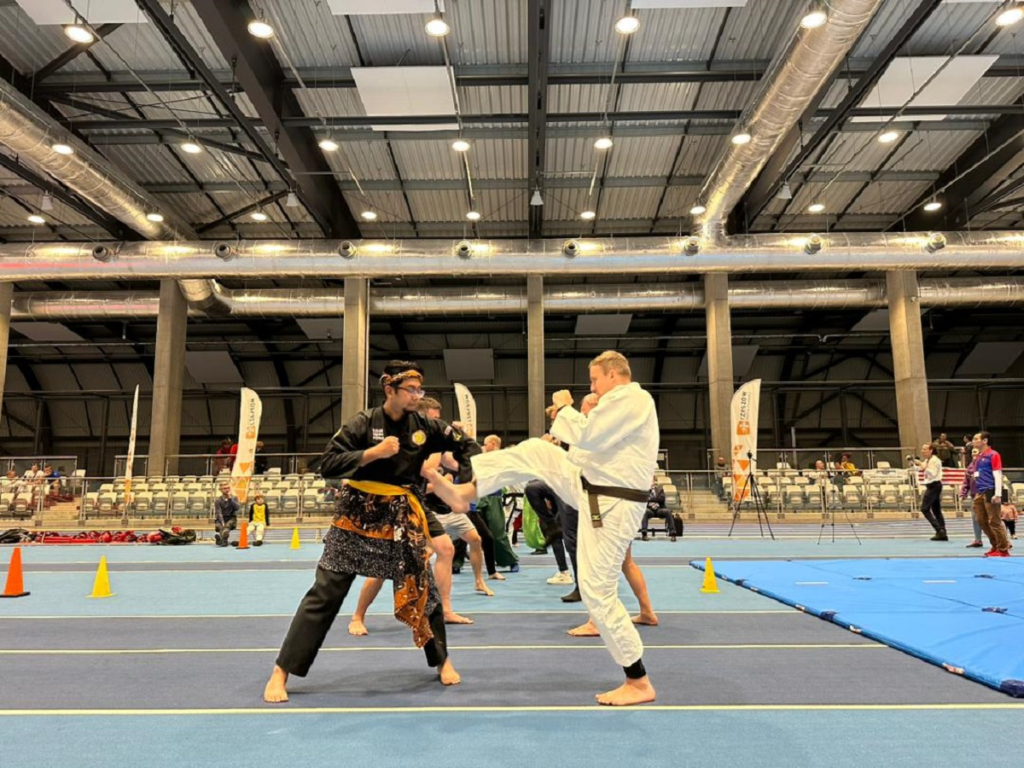
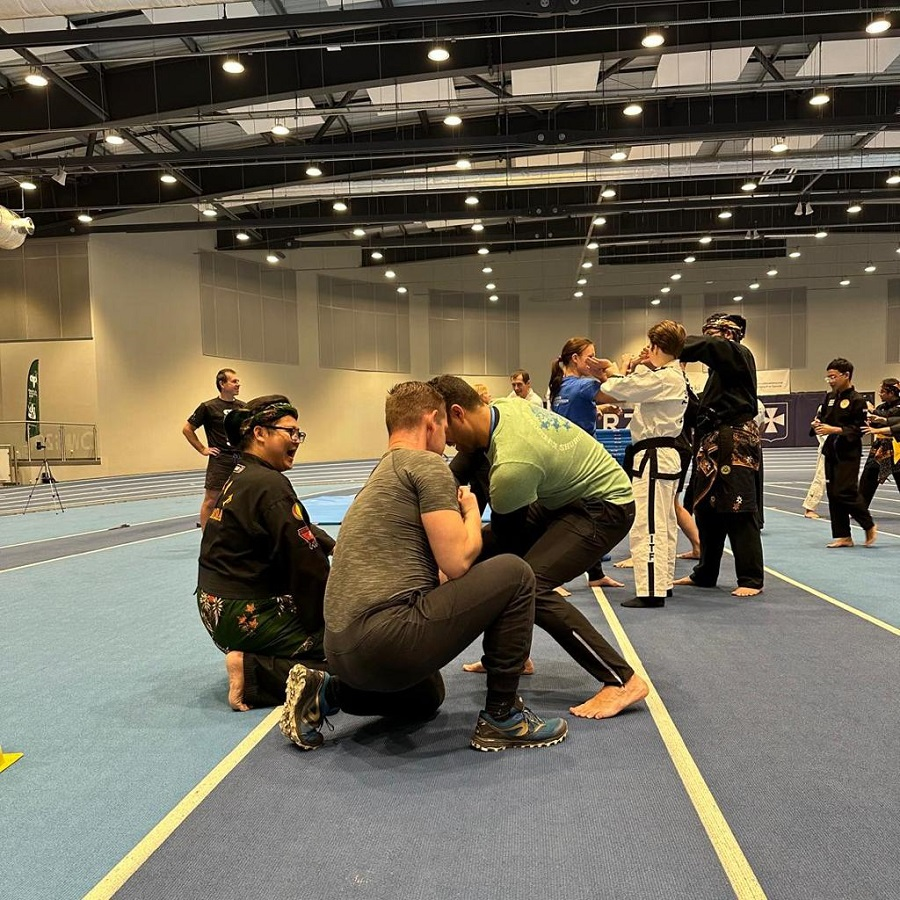
One of the most critical elements in the Silat cultural export has been Malaysia’s participation in the International Martial Arts and Combat Sports Scientific Society (IMACSSS) conferences. Between 2018 and 2024, UiTM researchers presented papers in Poland, Spain, Korea, and Hungary—covering themes such as the pendekar ethos, tactical evolution in Silat Olahraga, and Silat’s pedagogical relevance.
These engagements were accompanied by publications in journals like the International Martial Arts and Culture Journal (IMACJ) and Ido Movement for Culture, which placed Silat alongside other global martial systems. The academic presence of Silat in these platforms significantly advanced Silat academic networking, contributing to Silat internationalization through rigorous peer-reviewed dialogue.
5. Collaboration with UNESCO ICM and the Martial Arts Open School (2020–2023)
In collaboration with the UNESCO International Centre of Martial Arts (ICM) in Korea, Malaysian scholars introduced Silat to the Martial Arts Open School (MAOS) program, positioning Silat as a tool for youth development and intercultural understanding. This milestone reflected a global validation of Silat as not merely a martial art but a vehicle for peace, character education, and intangible cultural heritage.
Through MAOS, Silat was introduced to global youth, often for the first time, blending performance with cultural narratives. This initiative supported Silat curriculum development beyond Malaysia, encouraging countries such as Poland, Indonesia, and Korea to explore Silat in their martial arts education frameworks.
6. Integration into Malaysian National Education and TVET Systems (2021–2023)
Between 2021 and 2023, Silat began entering technical and vocational education and training (TVET) institutions in Malaysia, signaling a policy-level commitment to its professionalization. Through the support of the Ministry of Higher Education and the Ministry of Youth and Sports, Silat coaching modules were integrated into certified training programs, especially in collaboration with PESONA (Persekutuan Silat Olahraga Nasional Malaysia) and PASSMAL.
This integration positioned Silat as a viable career pathway for youth, not only as athletes but also as instructors, researchers, and cultural entrepreneurs. This marked a new era of Silat higher education, where traditional knowledge could align with national development agendas and professional goals.
7. Recognition of Silat Researchers and International Awards (2022–2024)
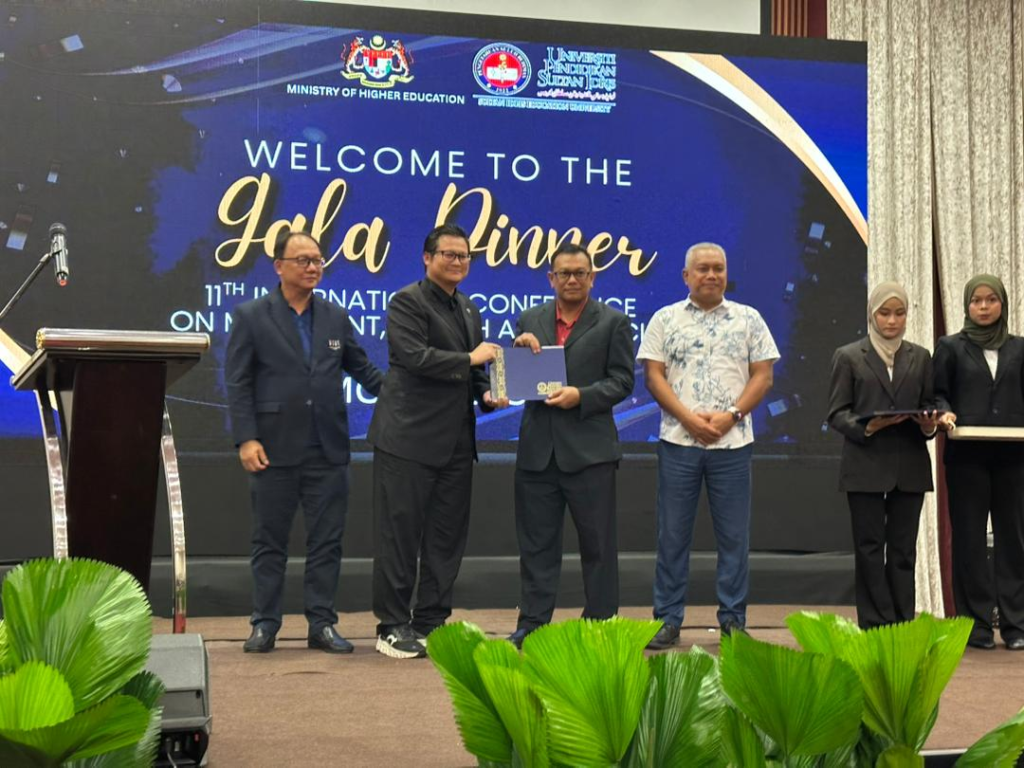
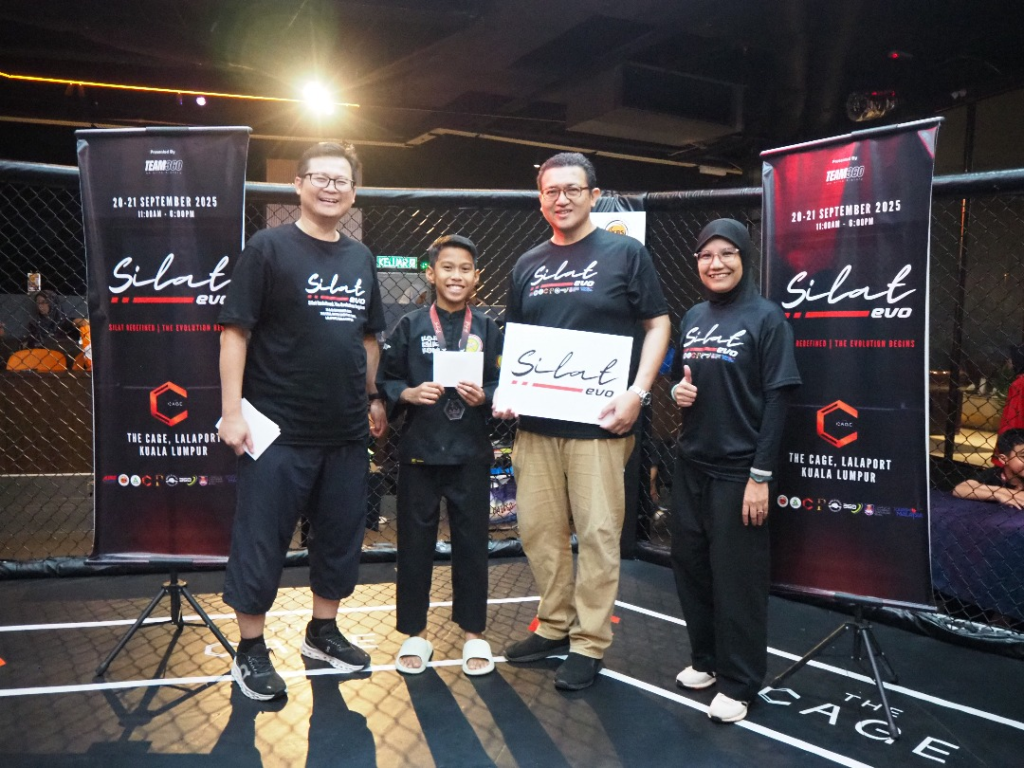
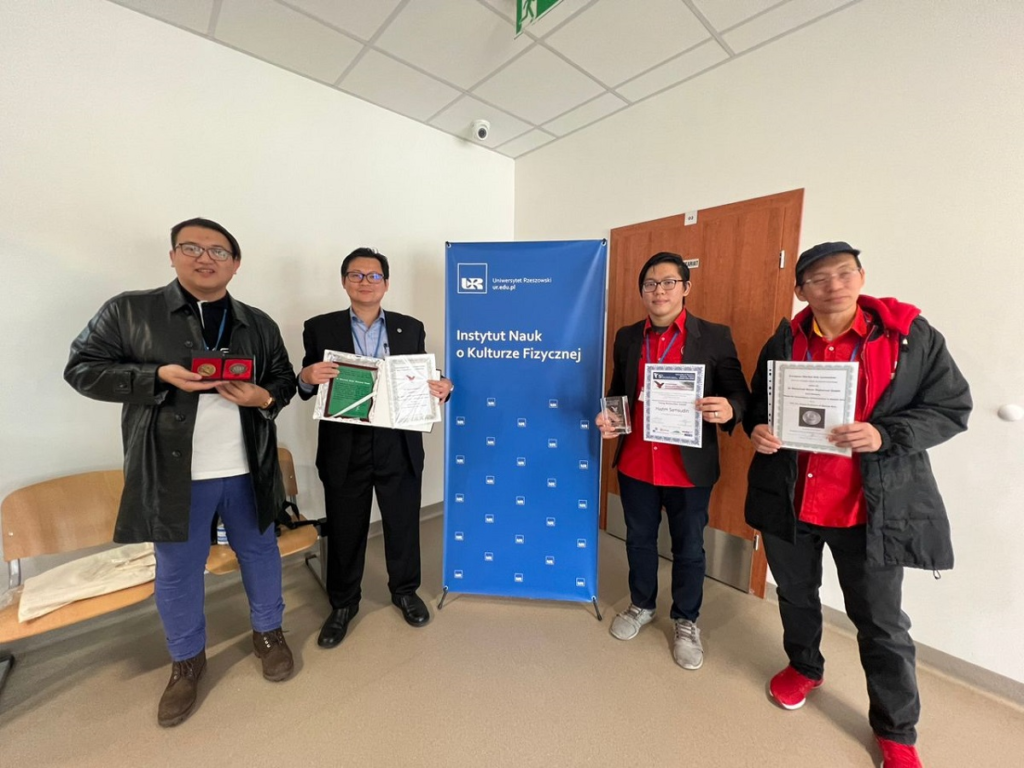
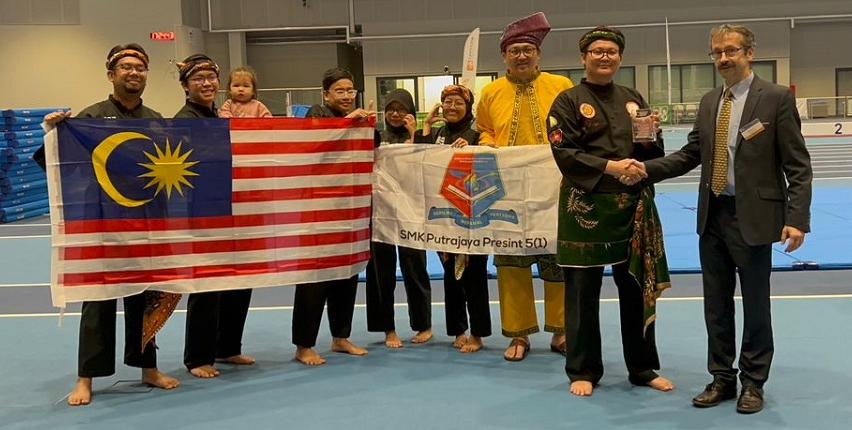
Perhaps the most symbolic milestone in the globalization of Silat was the international recognition of Malaysian researchers and practitioners. In 2022, Prof. Dr. Nizam was awarded the Golden Medal of Honour and Merit by IMACSSS for his leadership in martial arts research. That same year, he was also honored with the title of Expert Professor of Martial Arts by the European Martial Arts Committee.
These awards acknowledged the scholarly and cultural impact of Silat Melayu beyond the ASEAN region. Through leadership, publication, and mentoring, Malaysian researchers have emerged as global thought leaders, affirming the position of Silat Melayu in Silat institutional partnerships worldwide.
Conclusion: Silat as a Model of Cultural Knowledge in Motion
From its humble village roots to its current place in academic symposia and UNESCO programs, Silat Melayu has evolved into a martial art that represents Malaysia’s cultural identity, intellectual tradition, and global engagement. These seven academic milestones offer more than a timeline—they represent a strategy of scholarly diplomacy, a framework through which cultural traditions can thrive in modern contexts.
As Silat continues to be taught, researched, and performed worldwide, its future depends on how we nurture its academic pathways—linking tradition with theory, heritage with innovation, and community with the world.
📚 References (APA 7th Edition)
- Shapie, M.N.M., Elias, M.S., Anuar, A. (2016). Silat: The Heritage of Malaysia (Silat: Warisan Bangsa Malaysia). The National Department for Culture and Arts, Ministry of Tourism and Culture.
- Shapie, M.N.M., Nadzalan, A.Md., Azmi, N.F.M., Azmi, N.Z.M., Samsudin, H. (2024). IMACSSS: Unity in Diversity – The Future of Combat Sports Worldwide. Pertubuhan Seni Gayung Fatani Malaysia.
- Shapie, M.N.M., Lee, K., Rahim, M.R.M., et al. (2022). Anuar Abdul Wahab (1945–2009): The Leadership and Contributions to the Establishment of Traditional Art of War Into Modern Malay Silat. IMACSSS Proceedings.
- Shapie, M.N.M. (2021). The Warrior Attitude in Malay Silat: Encouraging Interest in Global Martial Arts and Combat Sports. UNESCO ICM.
- UNESCO ICM. (2023). Martial Arts Open School Annual Report. Chungju: UNESCO ICM.
- Parnabas, V.A., Abdullah, N.M., Shapie, M.N.M., et al. (2023). E-learning Motivation Among Student-athletes of Universiti Teknologi MARA (UiTM), Malaysia. Malaysian Journal of Sport Science and Recreation, 17(1), 20–34.
- Shapie, M. N. M., Akbar, M. F. C., Samsudin, H., Al-Syurgawi, D., Rahim, M. R. A., Abdullah, N. M., Parnabas, V., Nawai, N. S., Kusrin, J., Bakar, N. A., & Nor, M. A. M. (2023). Activity Profile During Action Time Between Winners and Losers of Young Male Silat Tempur Athletes. International Martial Arts and Culture Journal, 1(1), 1–5. https://doi.org/10.24036/imacj1019