🥋 Introduction: The Urgency of Preserving a Martial Legacy
In an age of digital disruption and cultural dilution, the soul of Silat Melayu—Malaysia’s indigenous martial art—faces a challenge. More than just a combat system, Silat Melayu carries centuries of Malay warrior philosophy, ritual, and identity. Yet without structured preservation, this heritage risks being oversimplified or forgotten.
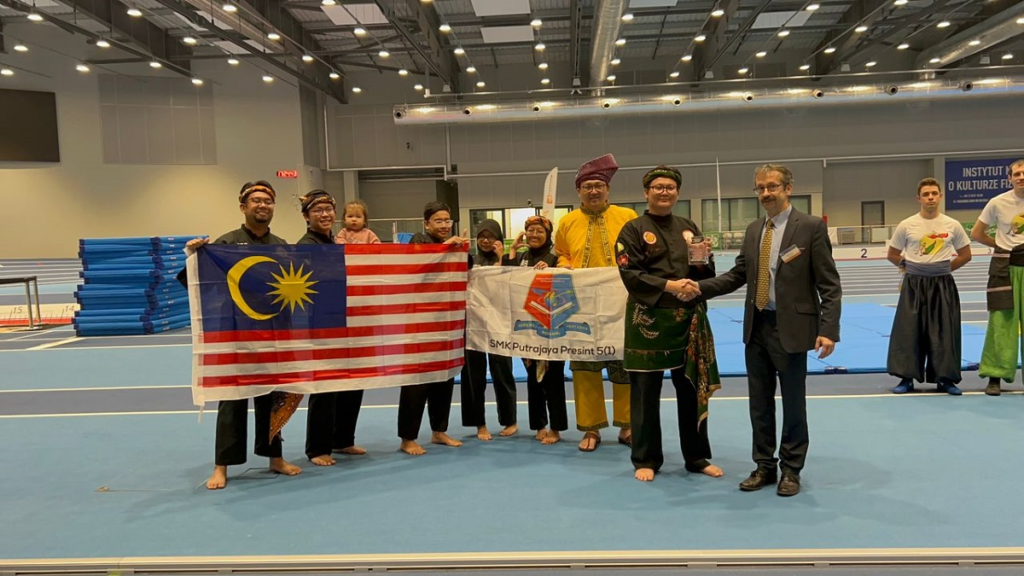
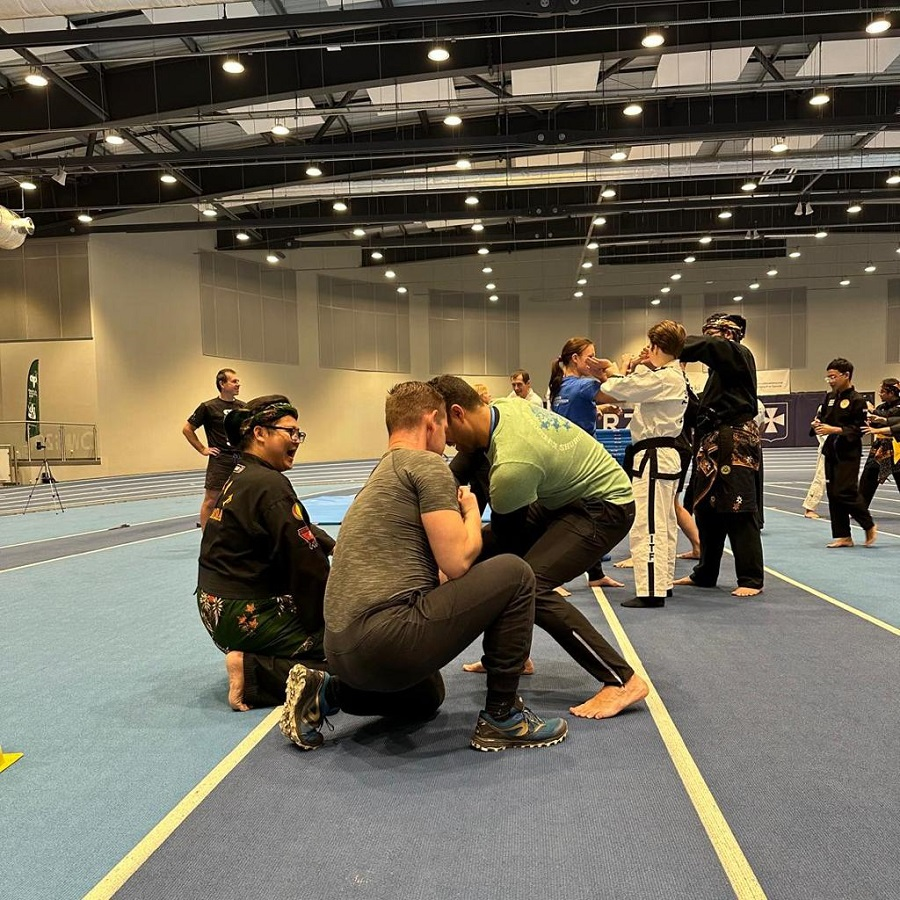
Enter PASSMAL — The Malaysian Organization of Authentic Malay Silat Arts. As a national movement, PASSMAL stands at the intersection of tradition, research, and education. Its mission is to preserve, professionalize, and promote authentic Silat Melayu through rigorous training, cultural documentation, and international engagement.
This article highlights five key strategies PASSMAL employs to ensure that Silat Melayu remains a living tradition, not just a historical footnote.
1. Reviving Traditional Knowledge Through Structured Curriculum
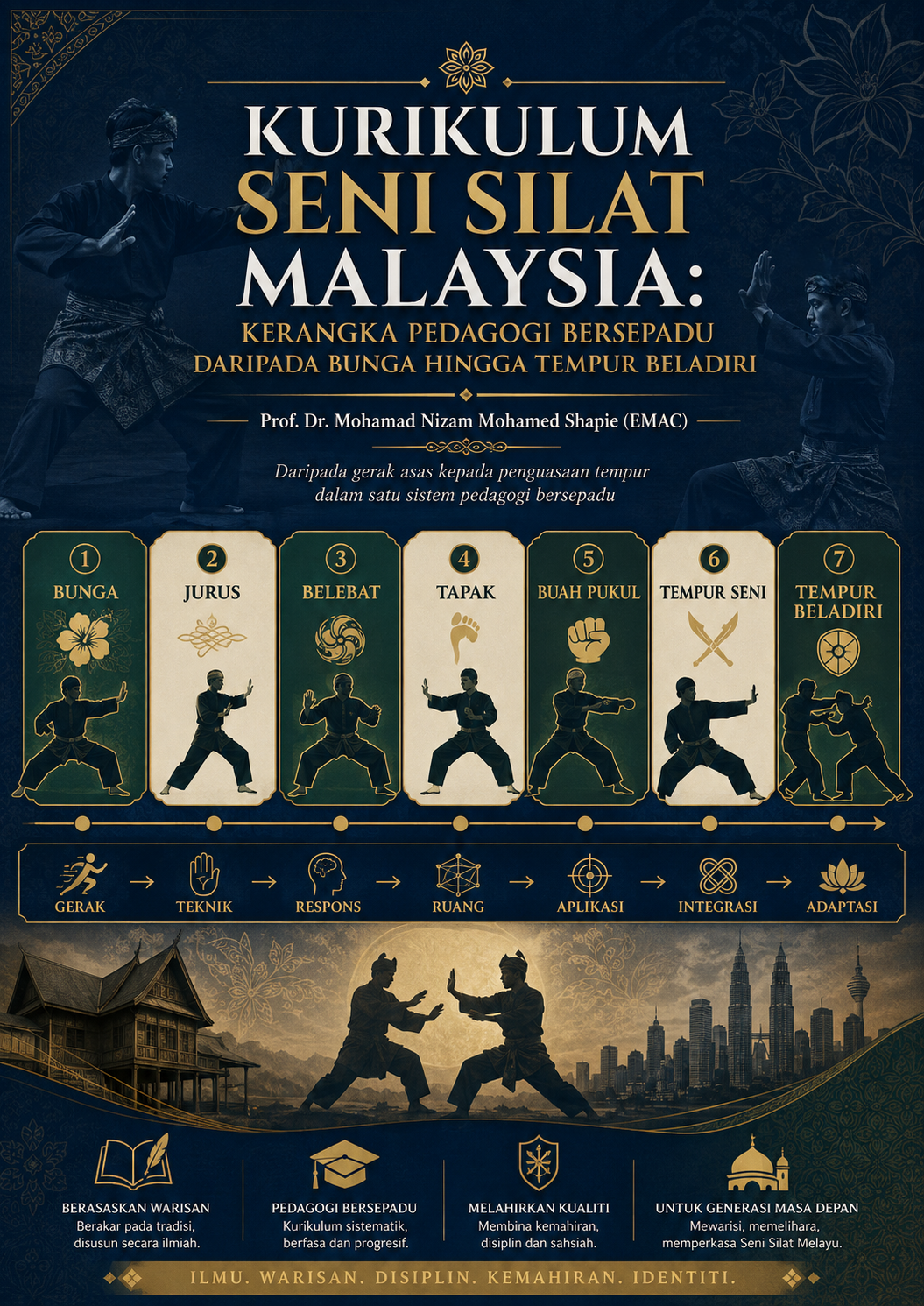
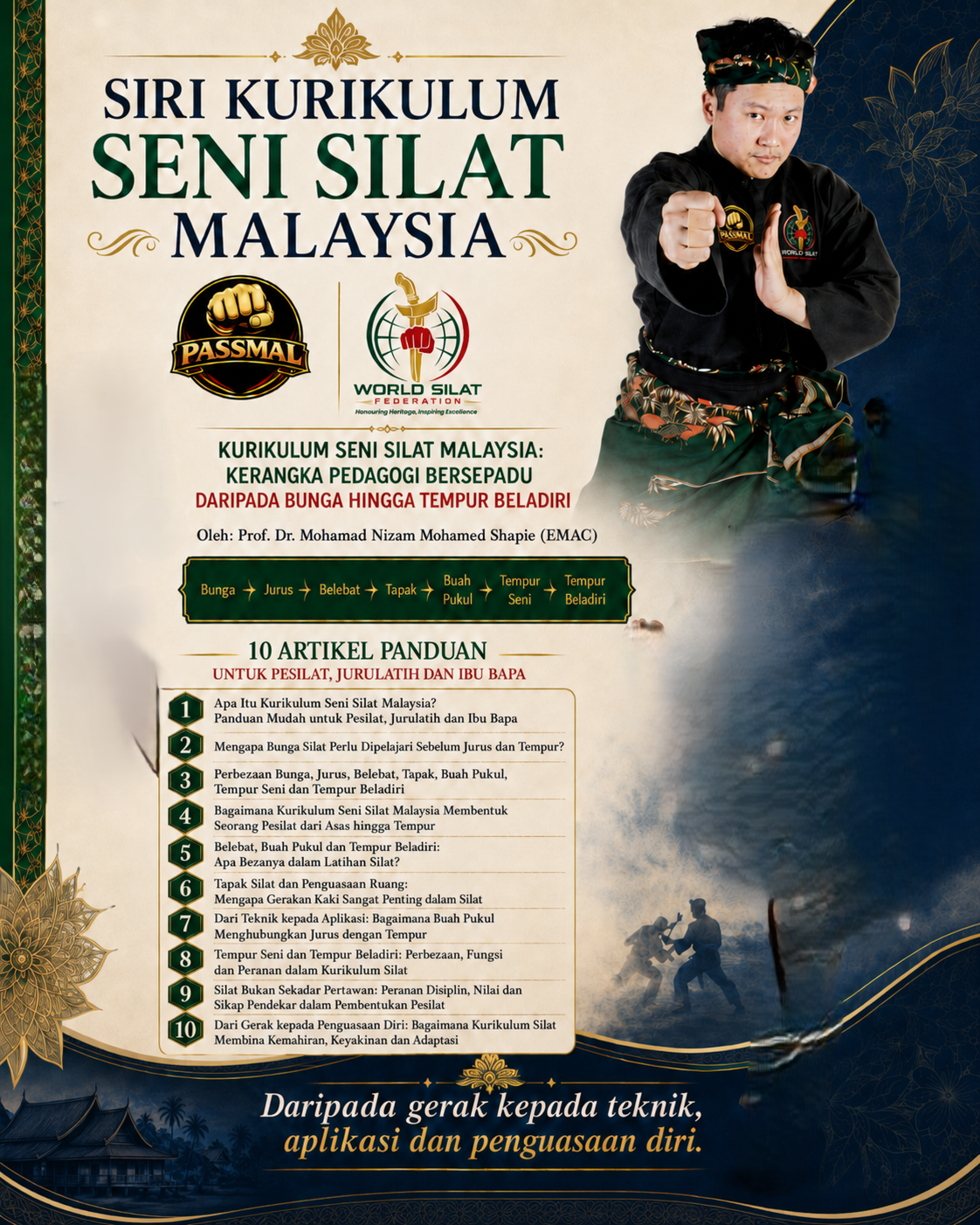
Preservation begins with codification. PASSMAL has systematized core components of Silat Melayu—including Bunga Silat, Langkah, Kuda-Kuda, and Adab Pesilat—into a progressive training syllabus. These modules are not invented or rebranded—they are curated based on interviews with masters, traditional manuscripts, and surviving lineages.
The curriculum is taught through certified coaching programs aligned with Malaysia’s national coaching standards. This ensures that Silat philosophy and movements are passed down consistently, without dilution or improvisation.
Most importantly, this curriculum is backed by academic analysis and ethnographic research, making it not only functional but pedagogically valid.
2. Championing Cultural Identity Through Performance and Ritual
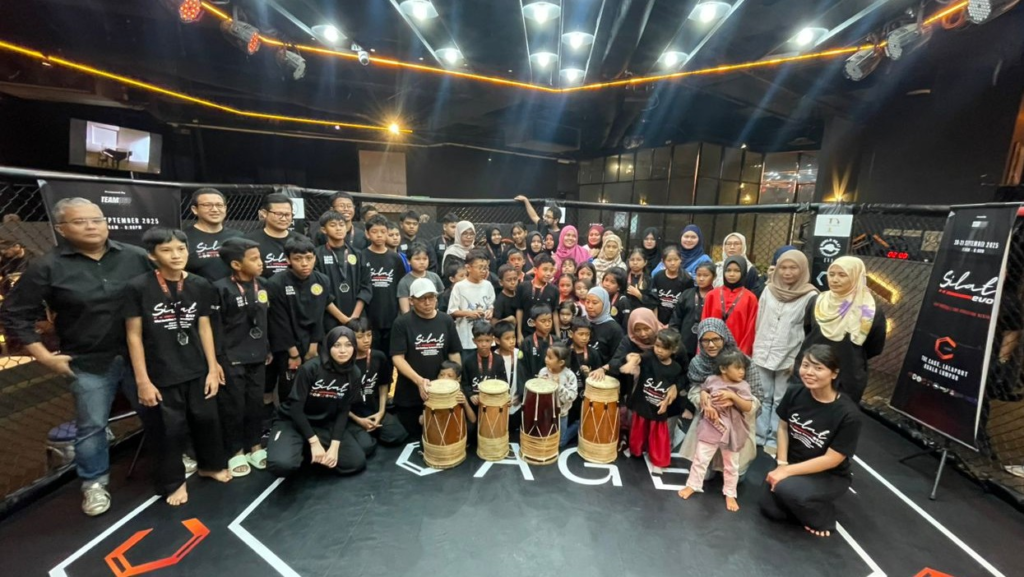
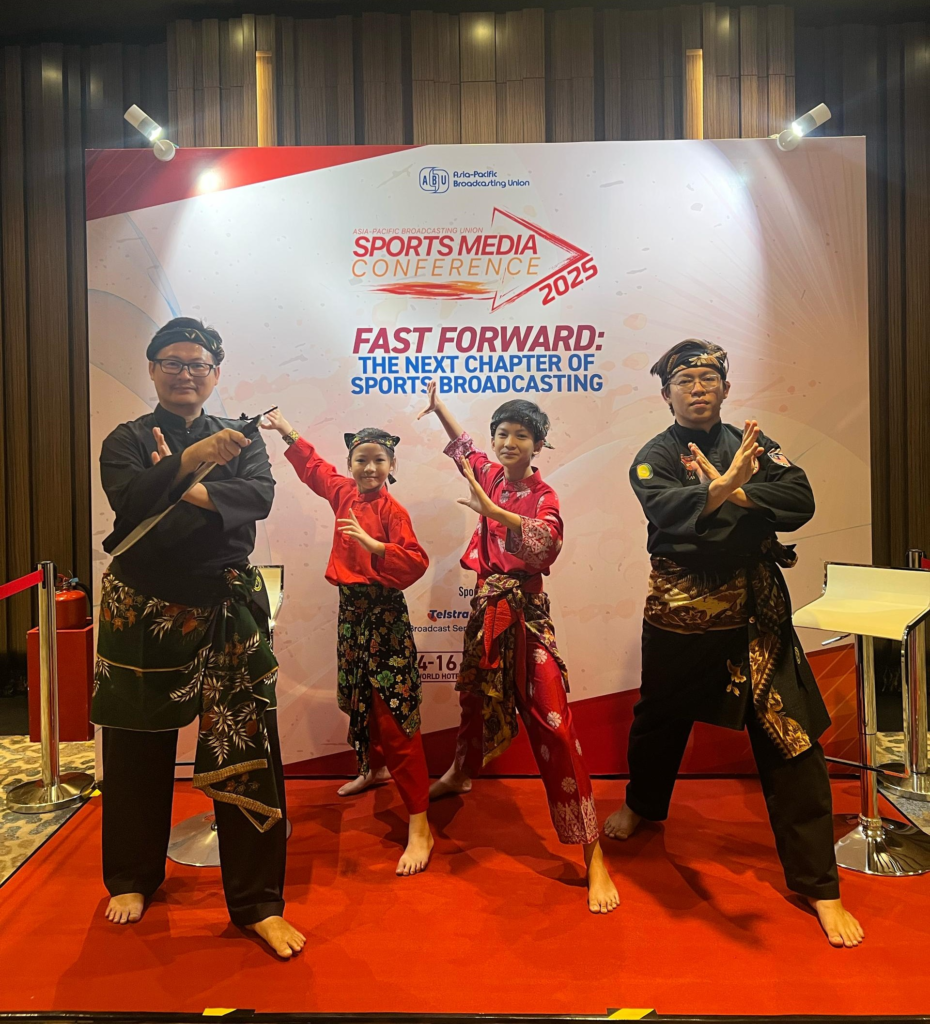
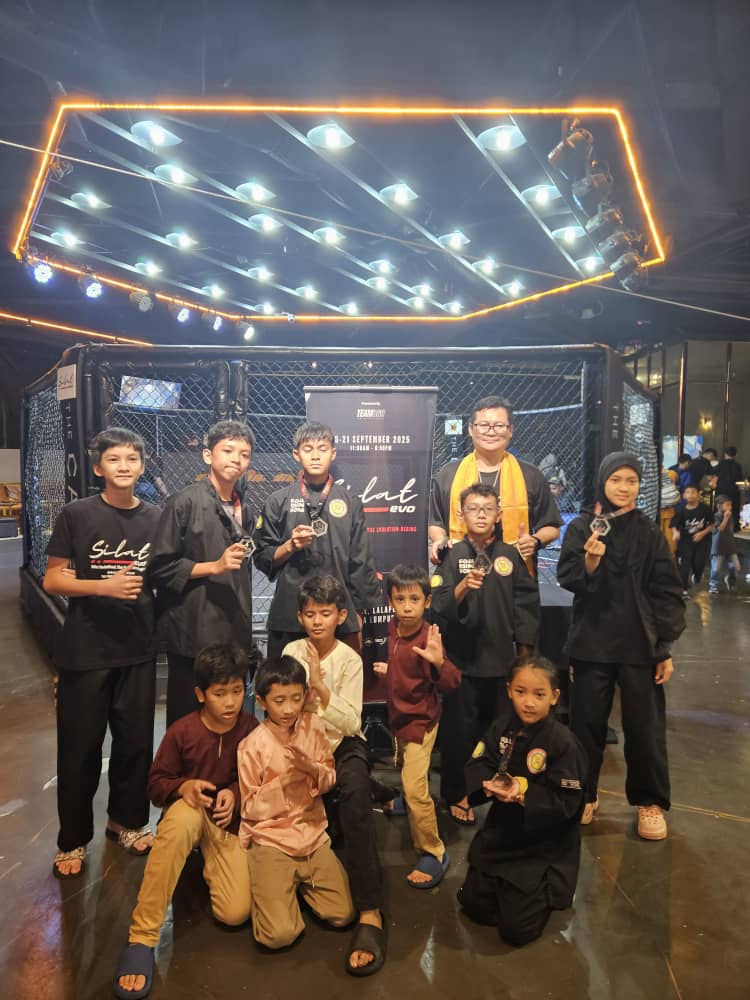
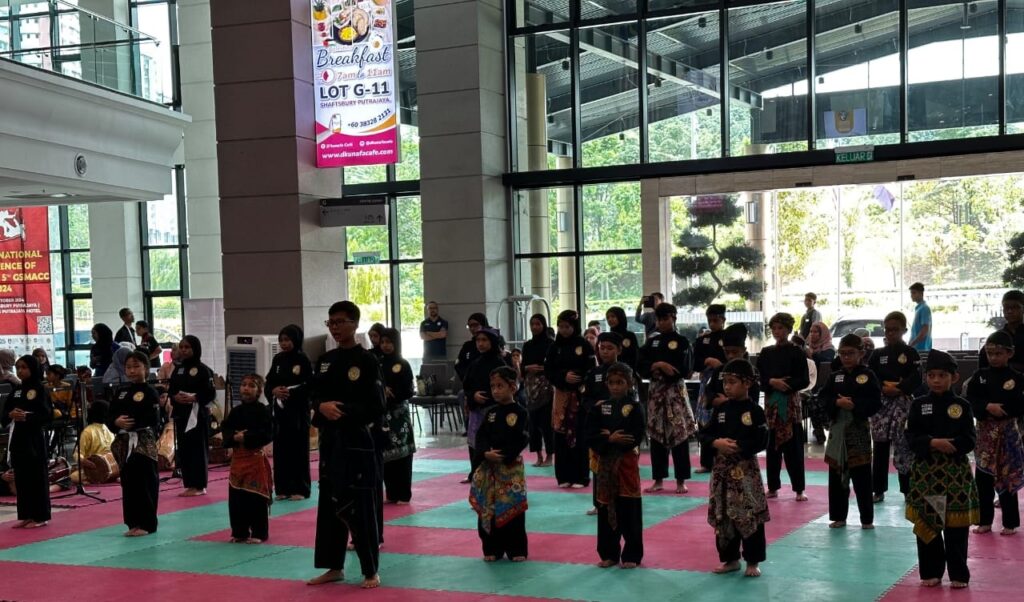
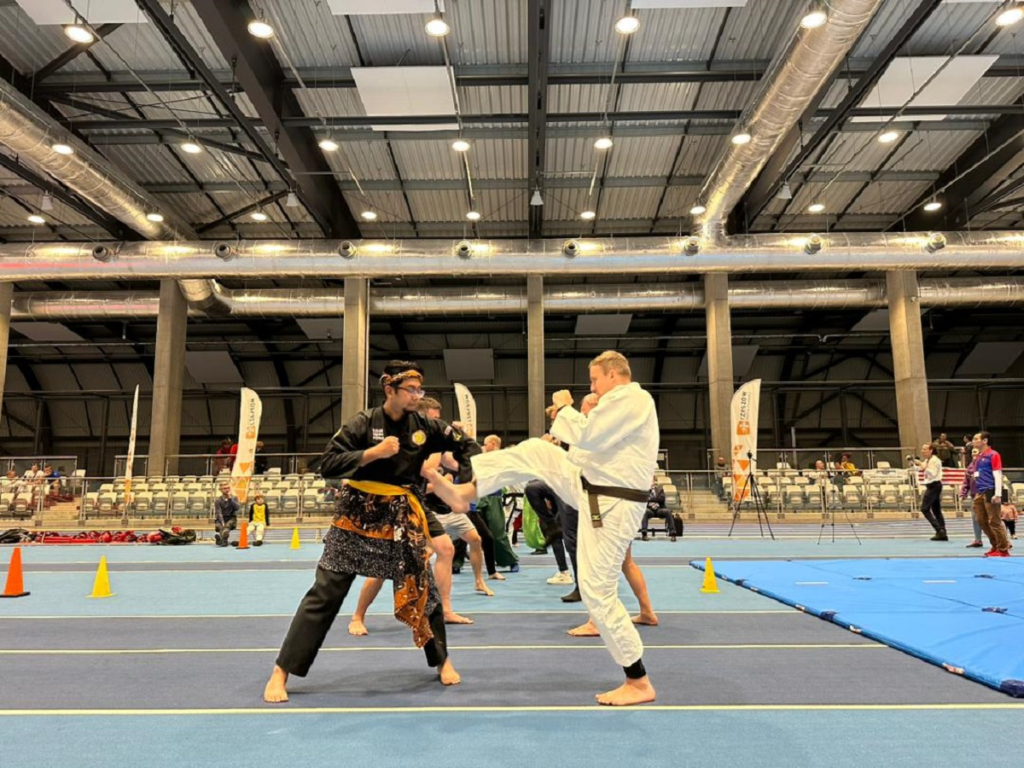
PASSMAL ensures that Silat Melayu is celebrated in its cultural completeness—including music (gendang silat), attire, rituals, and symbolic movements. Events often begin with Salam Hormat, Doa, and persembahan Bunga, emphasizing the ethical and spiritual foundation of Silat.
These performances are not mere shows. They are cultural reactivations—reminding both performers and audiences of the values embedded in Silat: humility, respect, self-discipline, and service to the community.
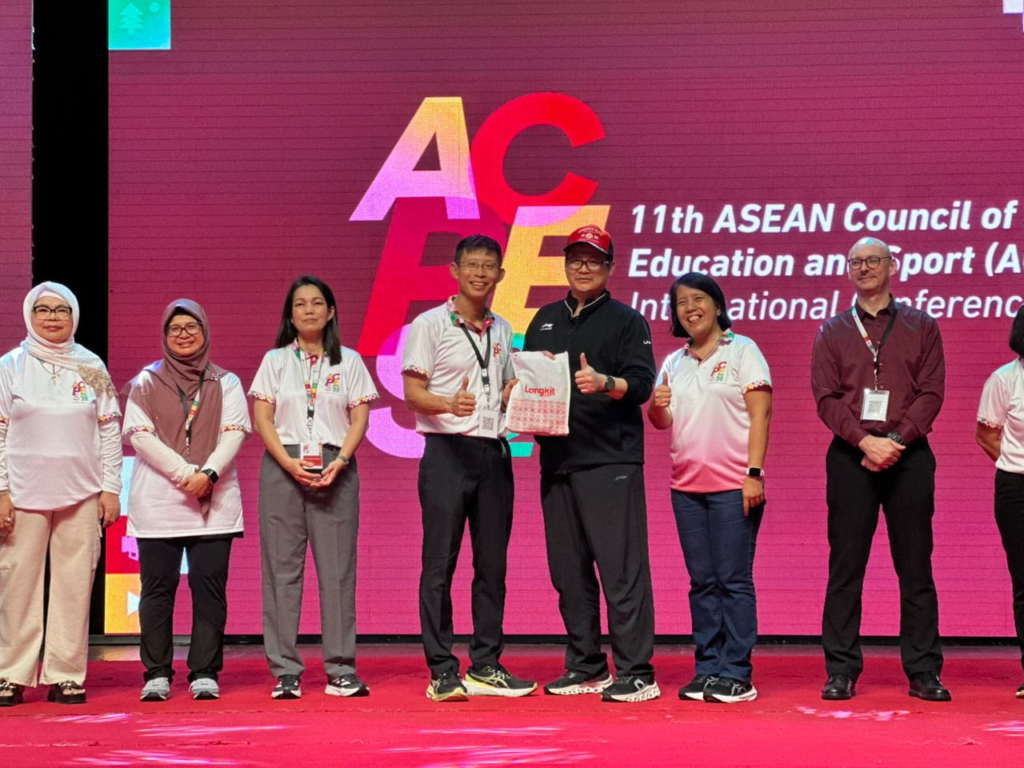
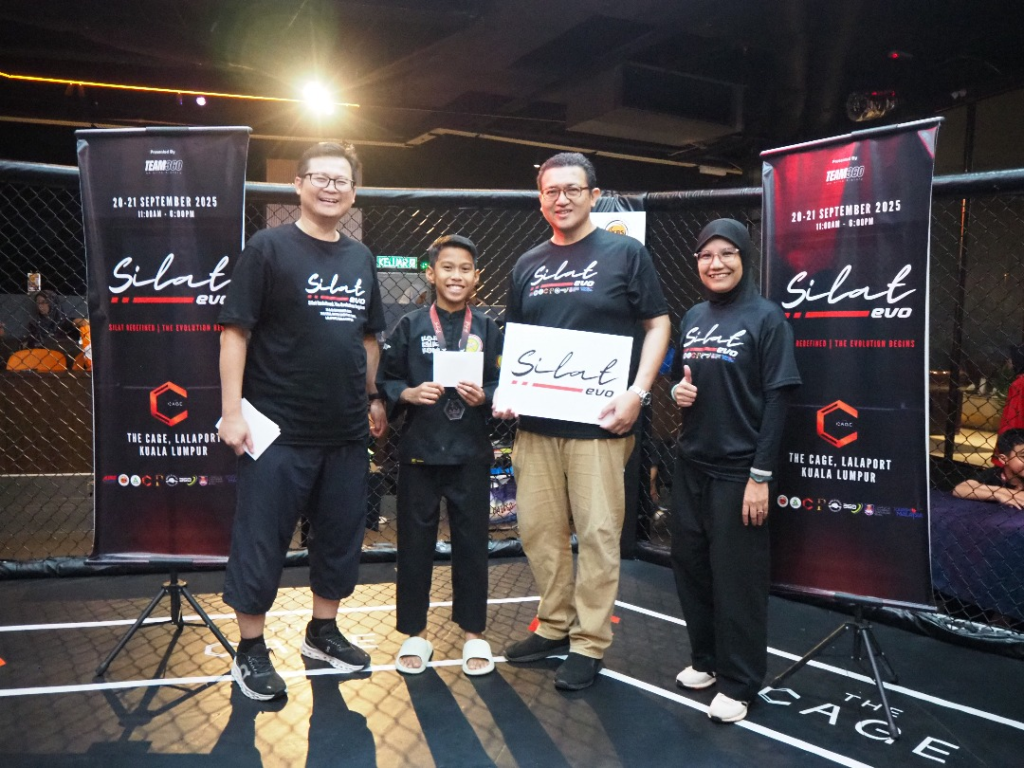
At festivals, state functions, and ASEAN showcases, PASSMAL promotes these traditions as living heritage that defines Malaysian identity.
3. Embedding Silat in Academic and Institutional Research
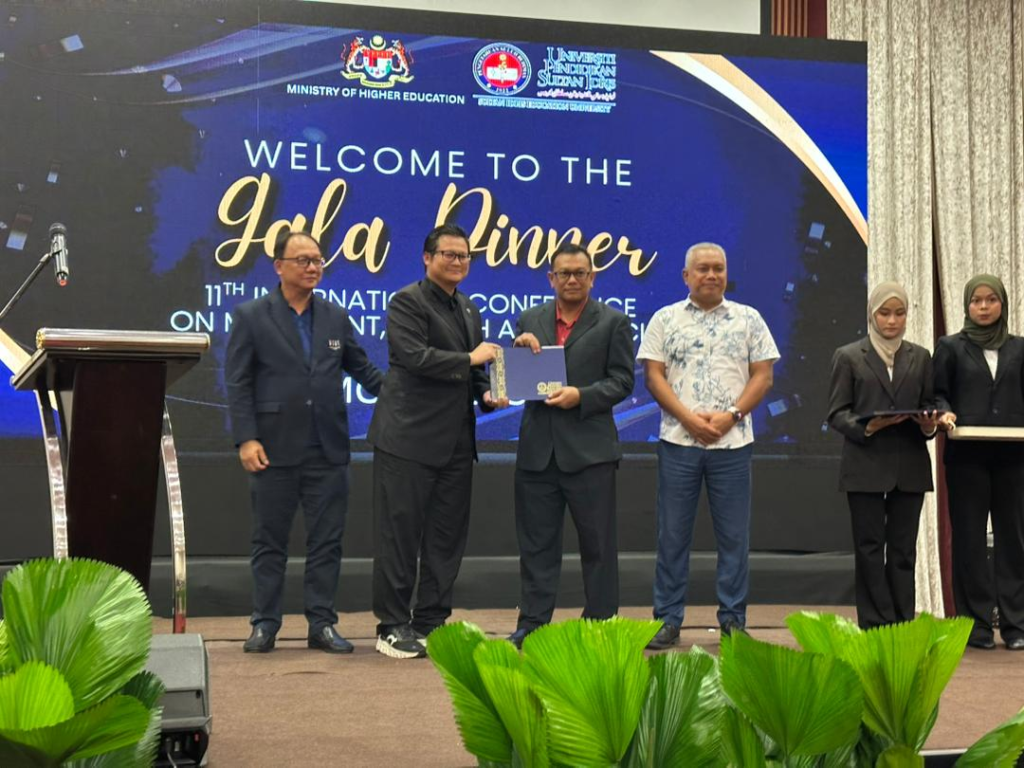
PASSMAL collaborates with Universiti Teknologi MARA (UiTM) and the AIRBORNE Research Interest Group to promote evidence-based Silat studies. Through scholarly articles, curriculum validation, and fieldwork, Silat Melayu is now recognized as a serious academic discipline.
This scholarly approach:
- Documents rare Silat lineages and terminology
- Examines Silat through the lens of biomechanics, psychology, and pedagogy
- Integrates Silat with Malaysia’s cultural policy and education framework
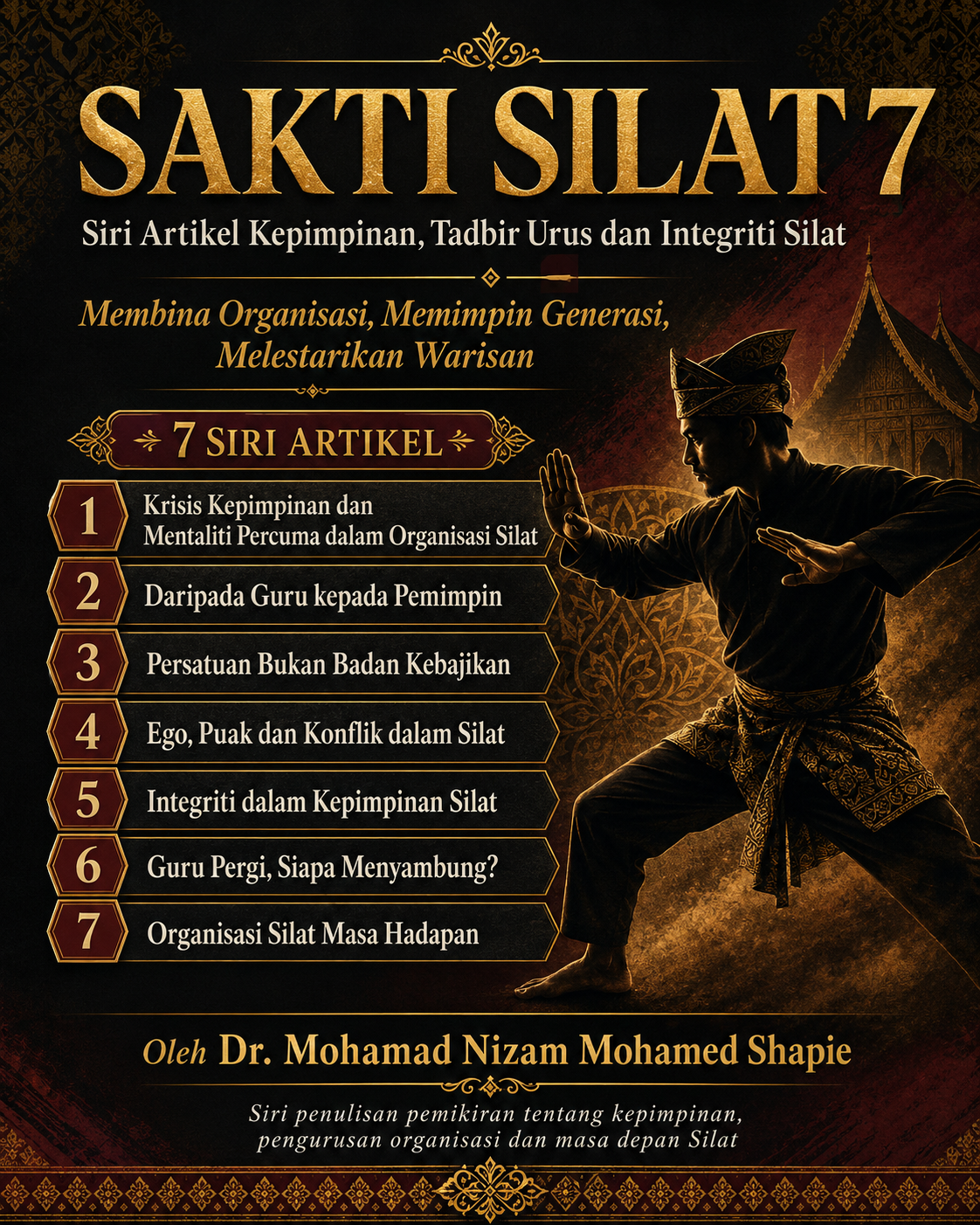
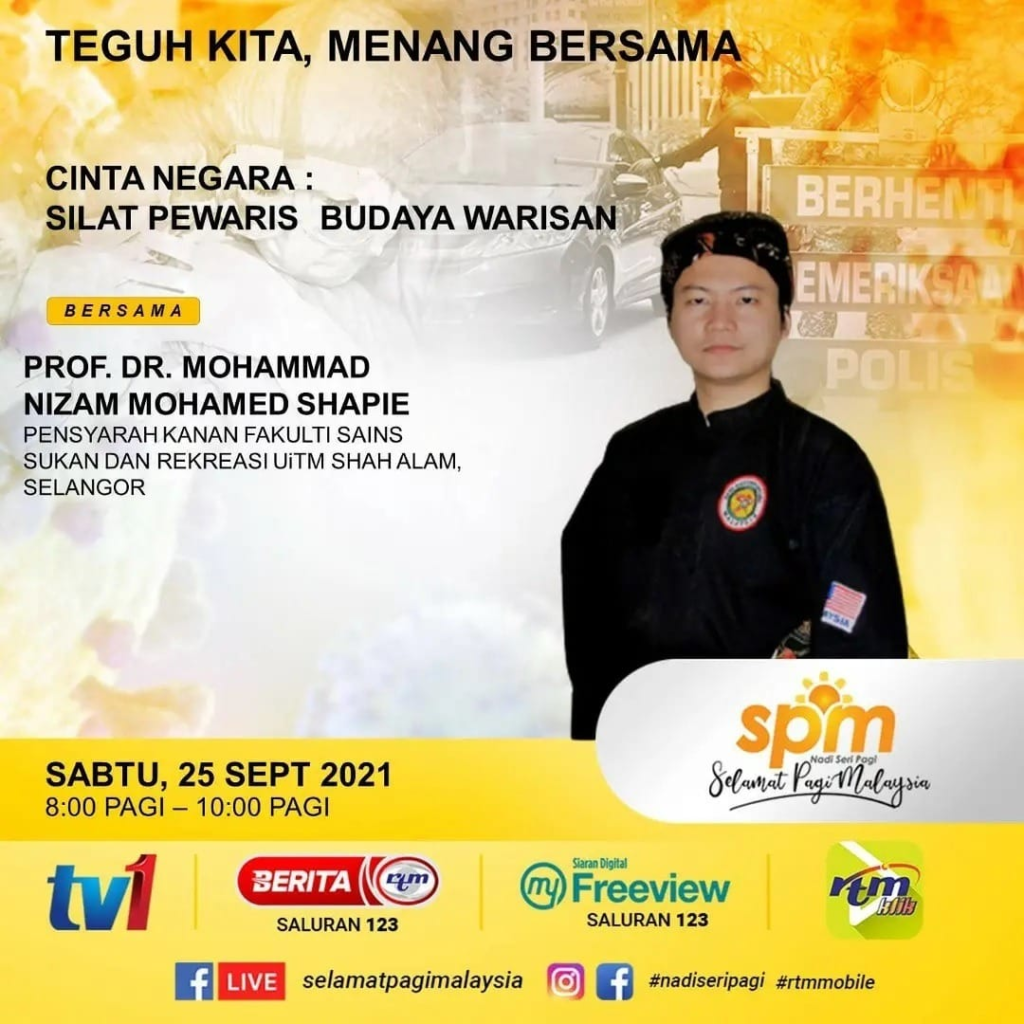
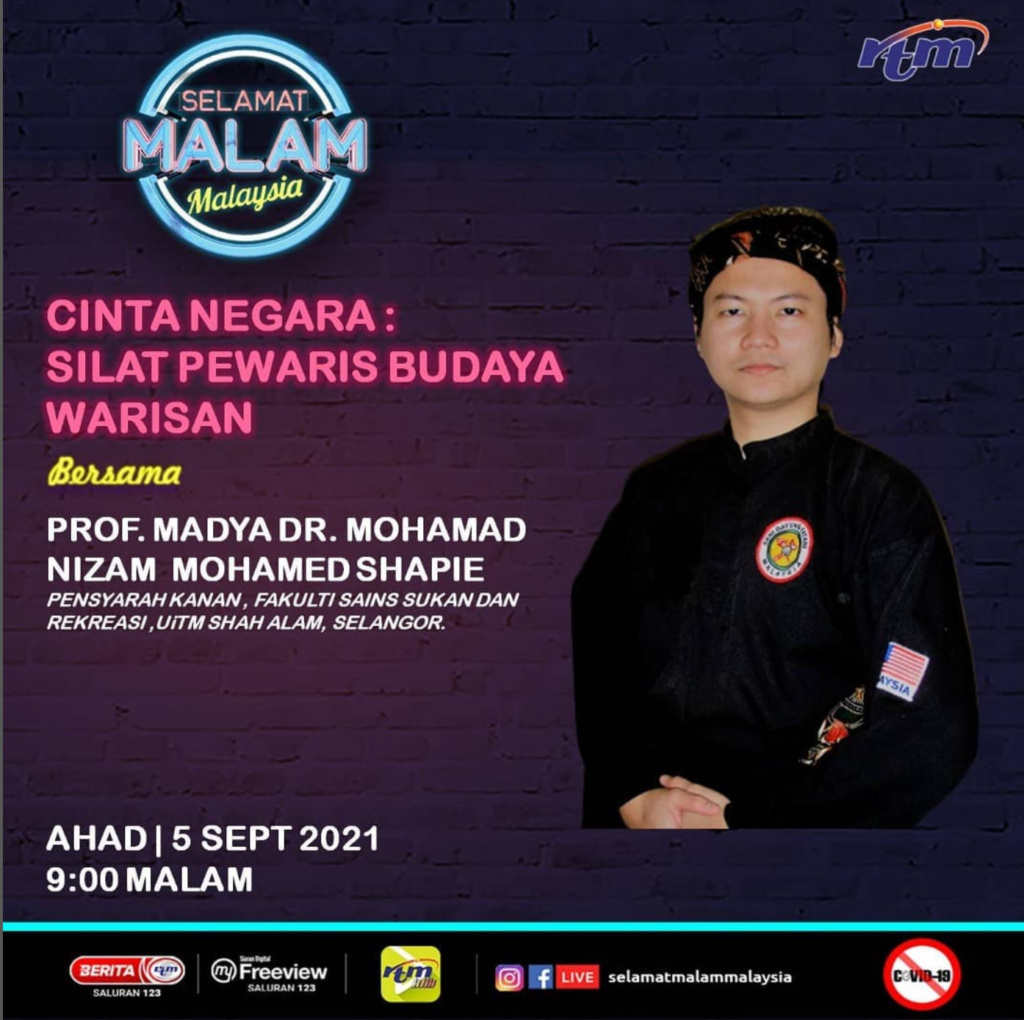
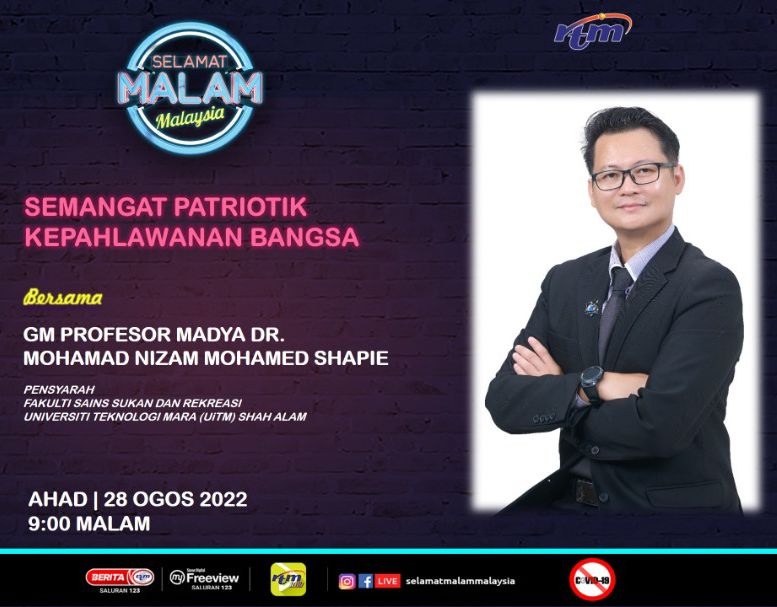
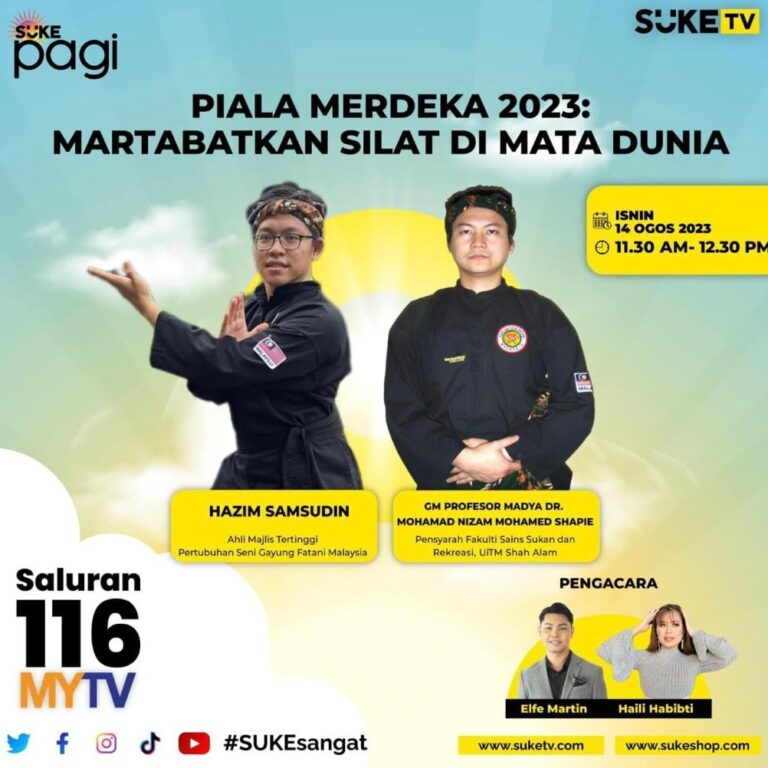
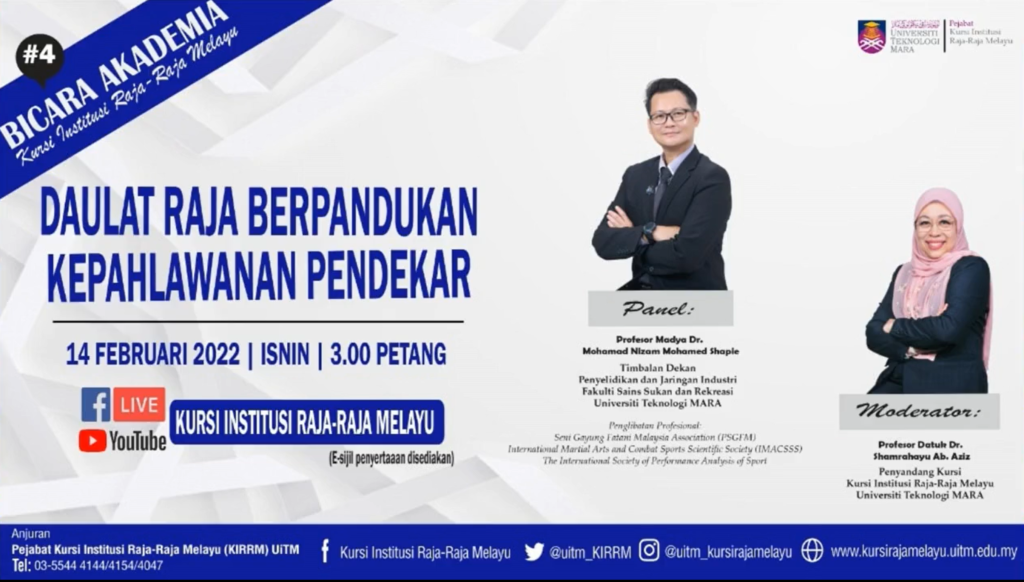
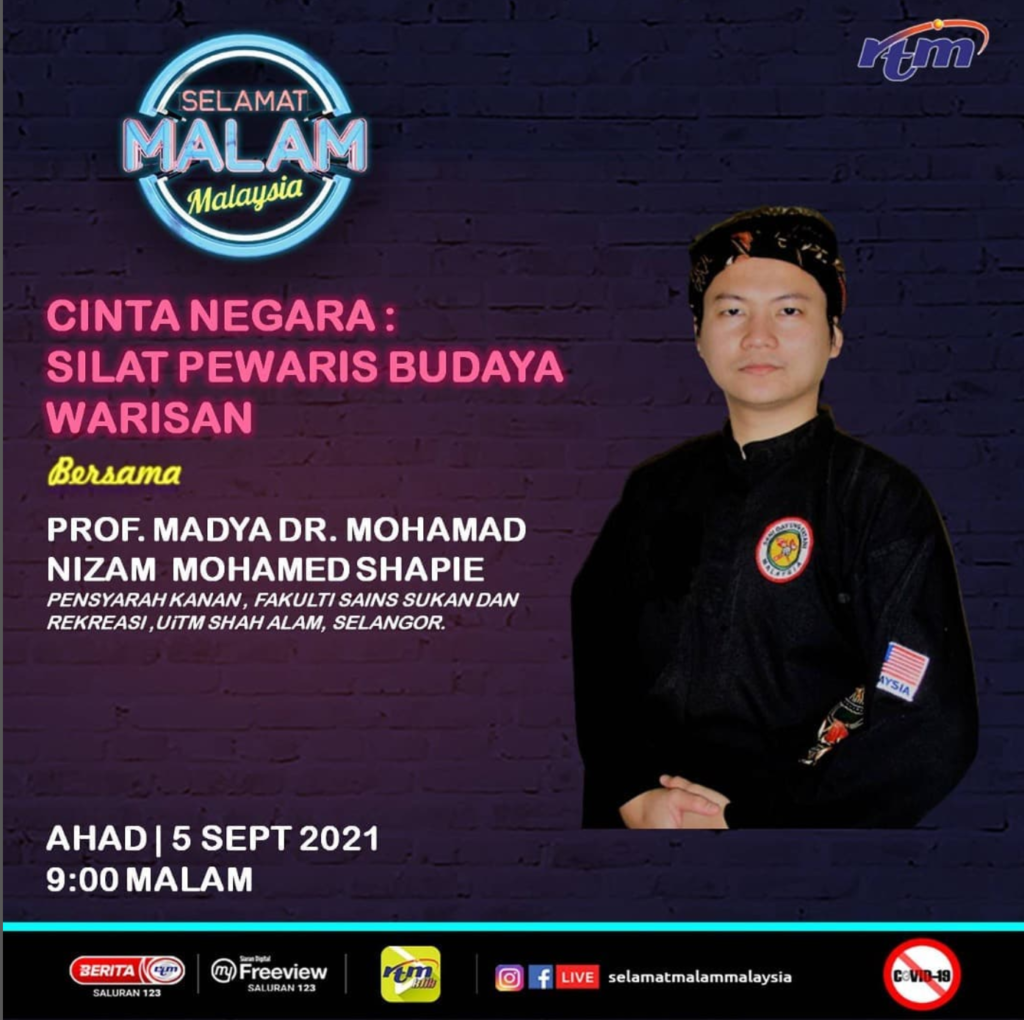
Prof. Dr. Mohamad Nizam Mohamed Shapie, a leading figure in Silat research, plays a central role in publishing studies and leading academic dialogues. This gives Silat credibility and permanence in both scholarly and cultural archives.
4. Training the Next Generation with Cultural Context
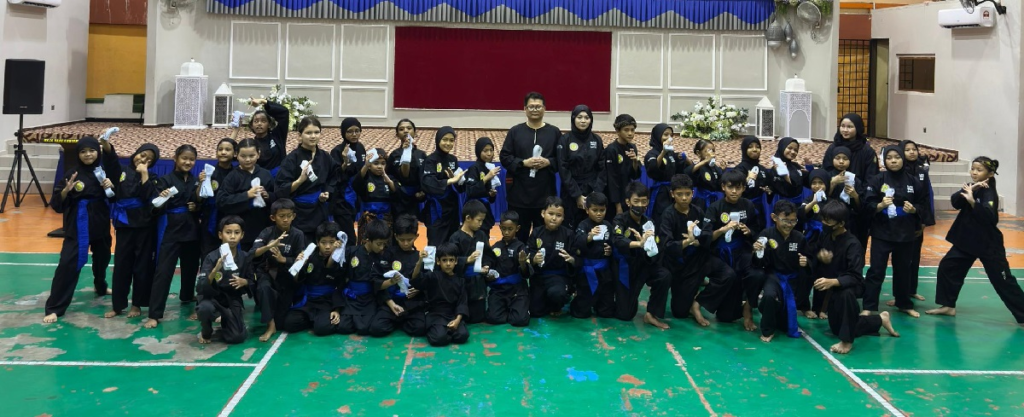
PASSMAL’s coaching and youth programs focus not only on physical training, but on cultural literacy. Every certified coach is expected to teach:
- The origin and philosophy behind each movement
- Malay terms and protocols
- The role of Silat in traditional society (as self-defense, social control, and ceremonial art)
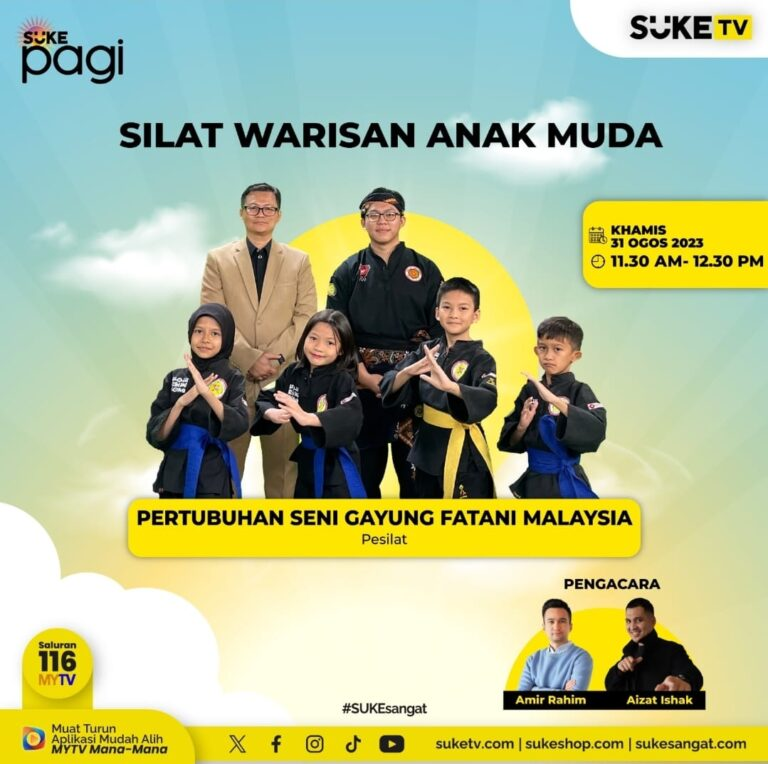
This holistic method prevents loss of meaning, which often occurs when martial arts are commercialized. Youths trained under PASSMAL are not just fighters—they are custodians of cultural wisdom.
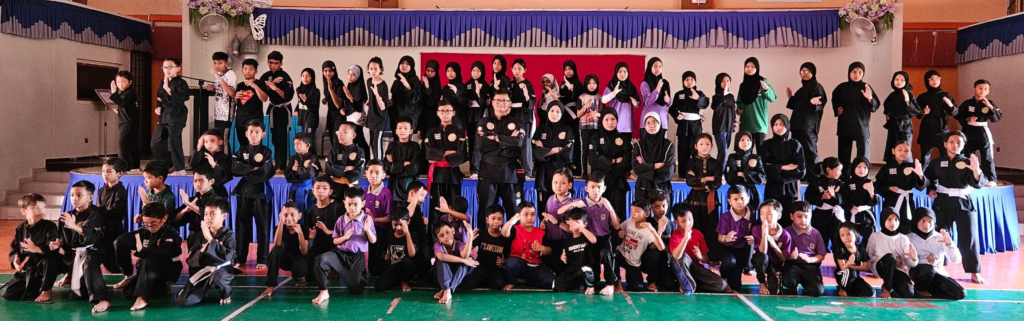
PASSMAL also reaches out to schools, colleges, and local communities, creating access points for young people to connect with Silat and, by extension, their heritage.
5. Positioning Silat Melayu as a Tool for Cultural Diplomacy
PASSMAL engages in international programs such as:
- IMACSSS (International Martial Arts and Combat Sports Scientific Society)
- Collaborations with UNESCO ICM
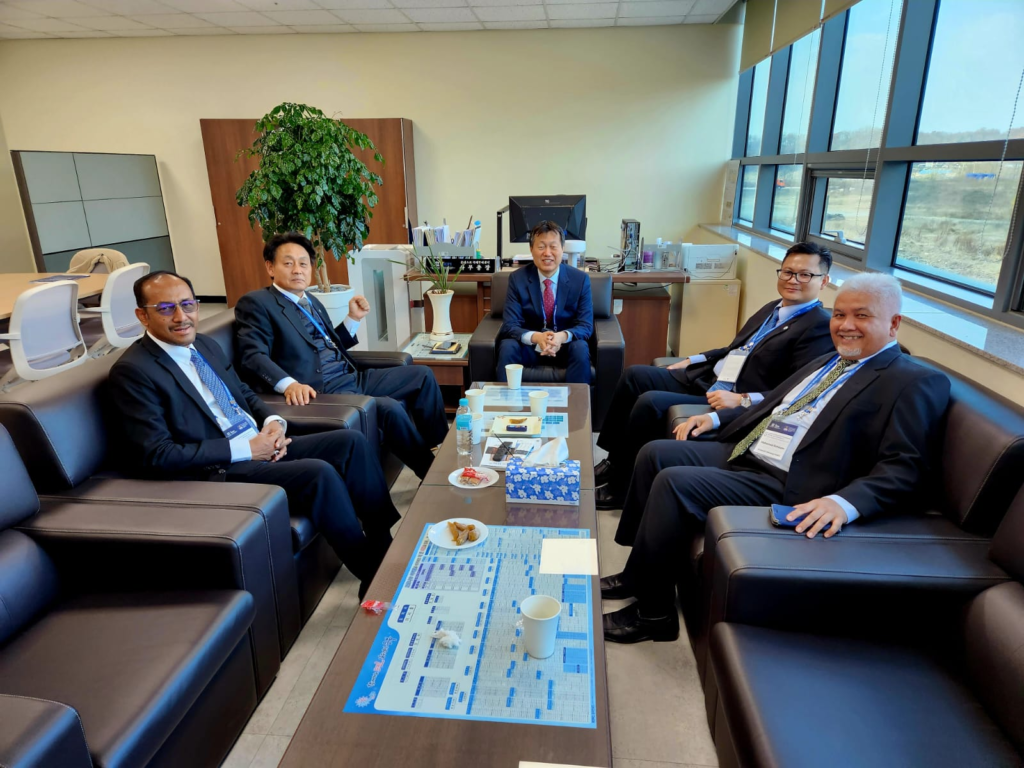
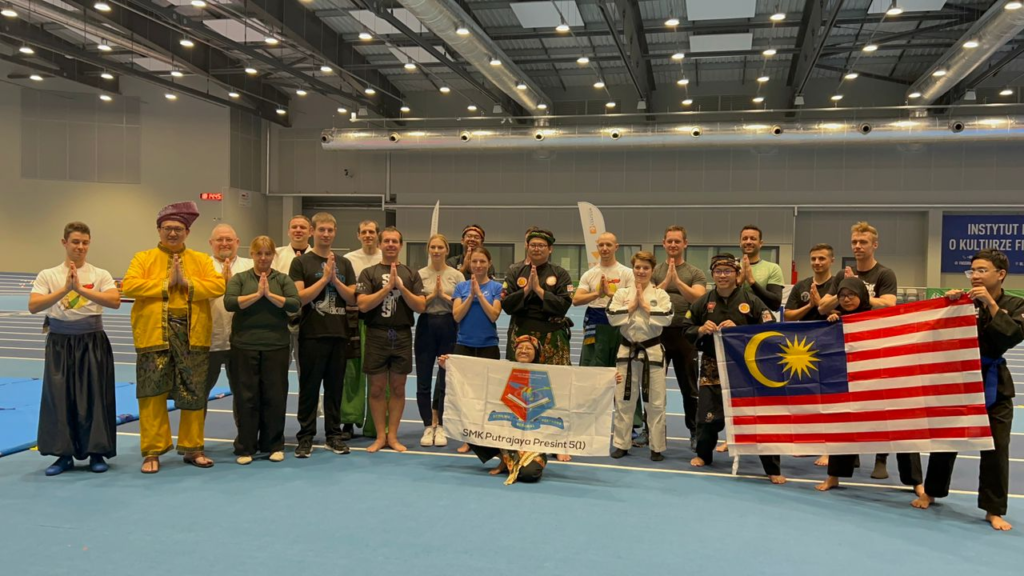
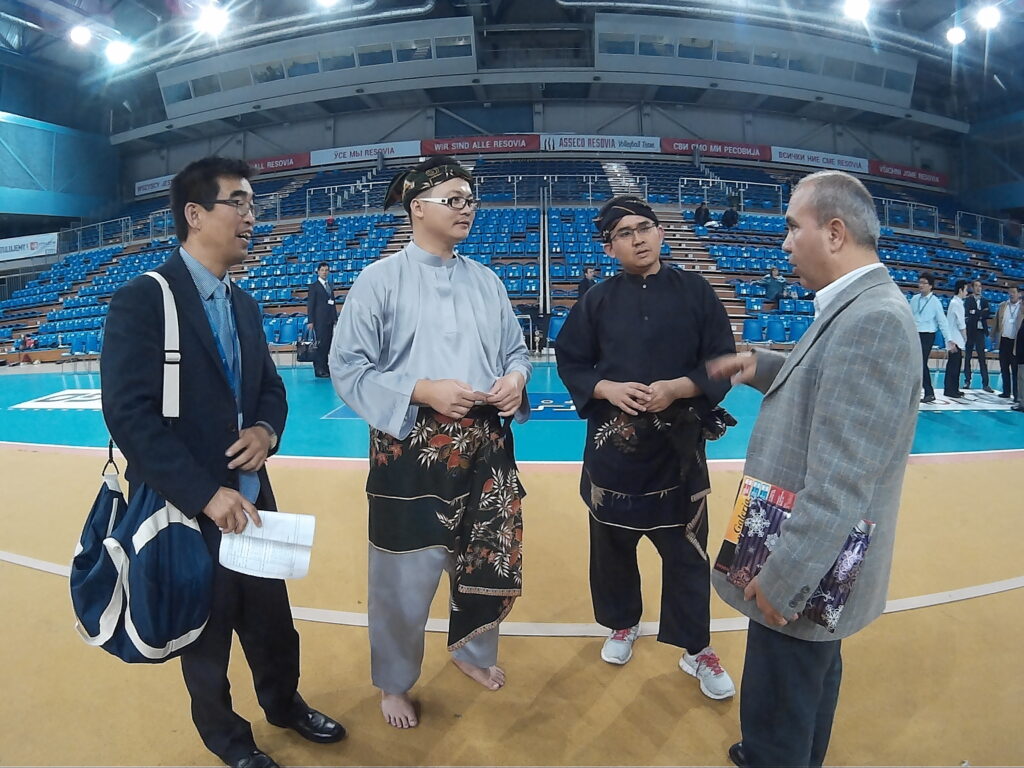
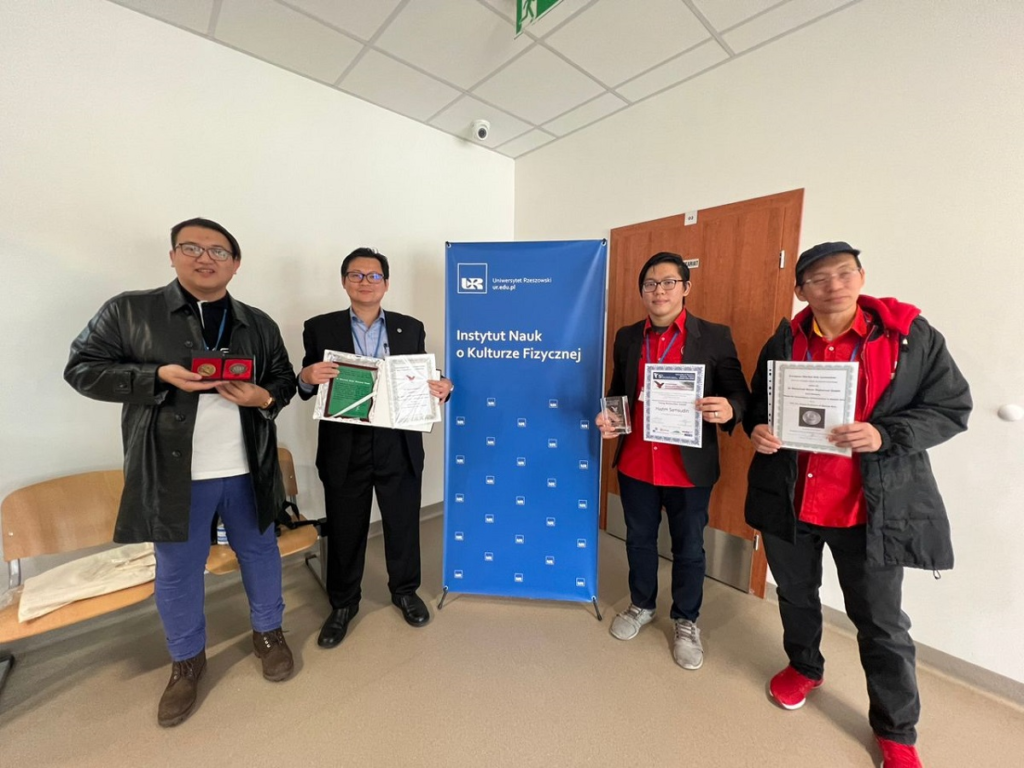
- Global martial arts symposiums in Korea, Poland, and Indonesia
These platforms allow Malaysia to project Silat not just as a sport, but as a cultural gift to the world. Practitioners from other countries learn the values of Malay etiquette, martial decorum, and cultural harmony through Silat.
As a result, Silat Melayu is gaining ground as an agent of cultural diplomacy—strengthening Malaysia’s soft power while reinforcing the cultural identity of its diaspora.
🔚 Conclusion: Silat Lives Where It Is Taught with Meaning
Preserving Silat Melayu is not about freezing it in the past. It’s about living it consciously. PASSMAL’s preservation strategy balances ritual and research, tradition and modernity, local wisdom and global networks.
With structured syllabi, cultural performances, academic partnerships, youth education, and global advocacy, PASSMAL ensures that Silat Melayu remains relevant — not only in Malaysia, but in the heart of every practitioner worldwide.
📚 References (APA 7th Edition)
- Shapie, M.N.M., Oliver, J., O’Donoghue, P.G. and Tong, R. (2013). Development of new field-based tests of kick and movement speed in martial arts. Journal of Combat Sports and Martial Arts, 2013; 4(2) 131–133.
- Shapie, M.N.M. and Elias, M.S. (2016). Silat Tempur: The Combat Sports for Children. In “Proceedings of the International Colloquium on Sports Science, Exercise, Engineering and Technology 2016,” N. Sulaiman, S.I. Ismail & R. Adnan (eds); p. 151-158. Singapore: Springer.
- UNESCO ICM. (2022). Preserving Martial Arts as Intangible Cultural Heritage. https://unescoicm.org
- Cynarski W.J., Kubala K. (2017), Congress in Rio Maior: the particular example of martial arts tourism and scientific tourism. Ido Movement for Culture. Journal of Martial Arts Anthropology, vol. 17 (2), pp. 34–40.
- Nawai, N.S., Shapie, M.N.M., Ramli M.S., Abdul Rahim M.R, Rohaizat N.H., Salman, N.W. (2022), Aminuddin Anuar (1979-Now): The Leadership and Contributions to the Globalization of Malay Silat, [in:] W.J. Cynarski, P. Pawelec, P. Swider, J. Kulasa [eds], 11th IMACSSS International Conference, 5th World Scientific Congress of Combat Sports and Martial Arts, October 13-15, 2022: University of Rzeszow, Poland. Rzeszow, pp. 71-72.