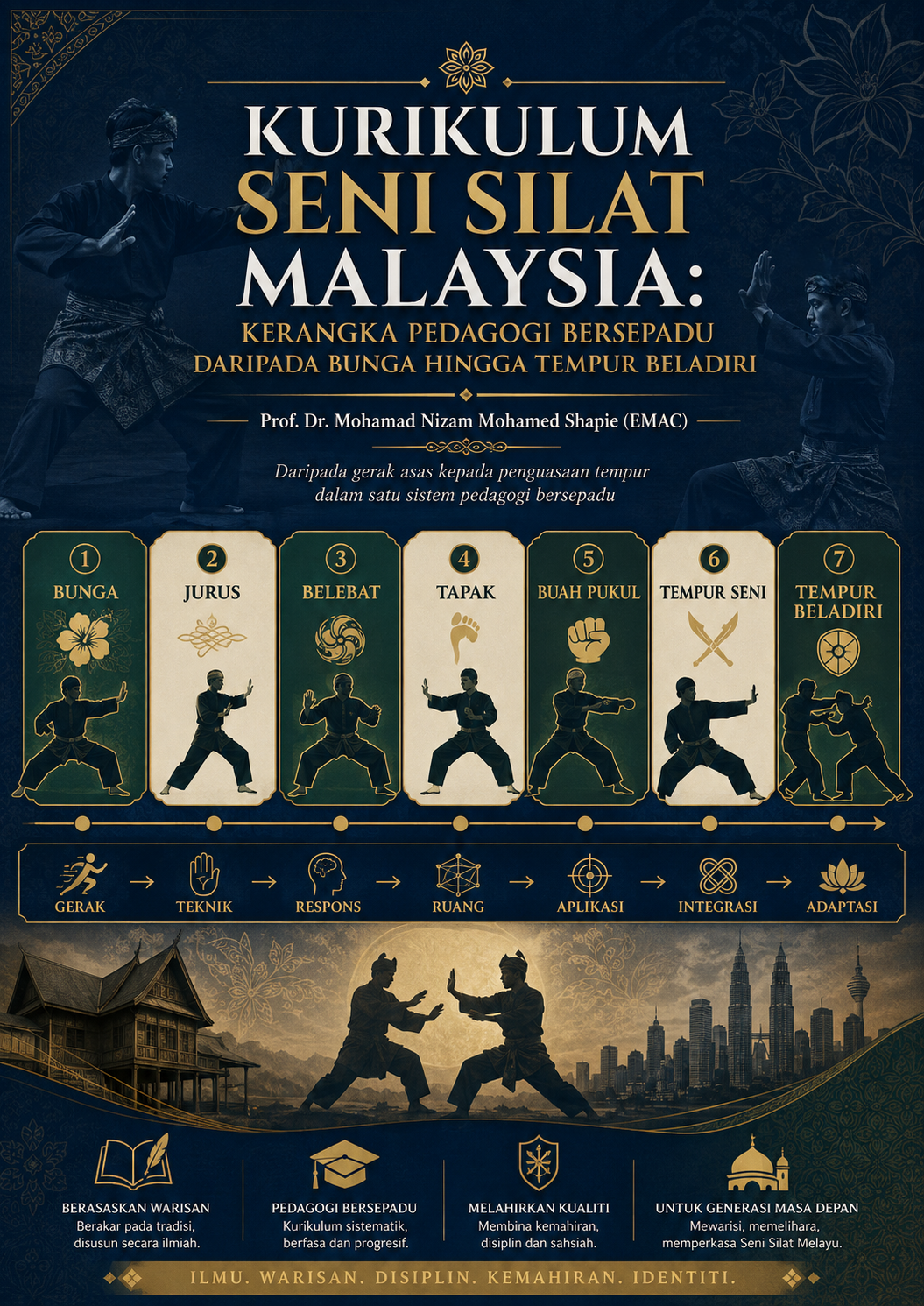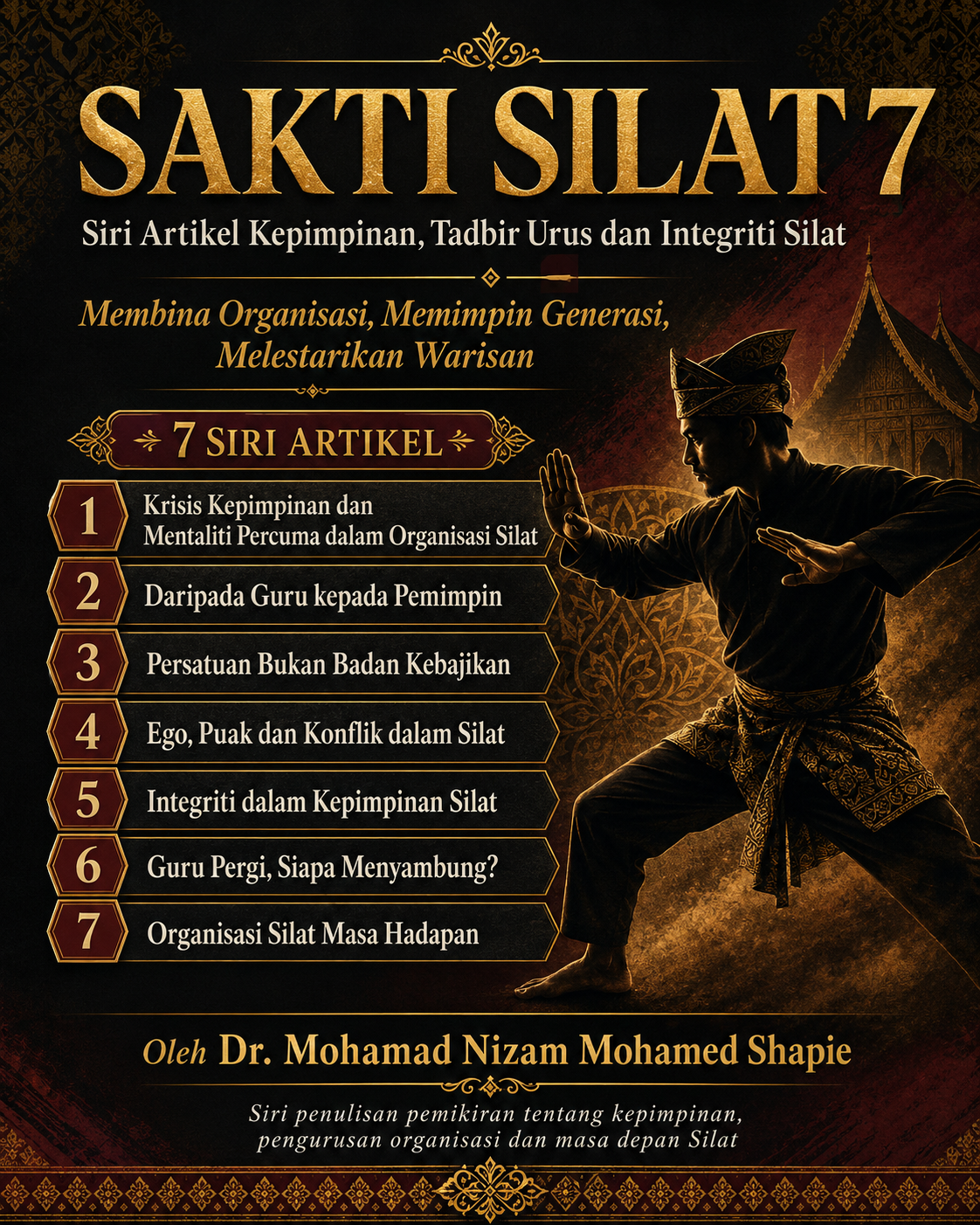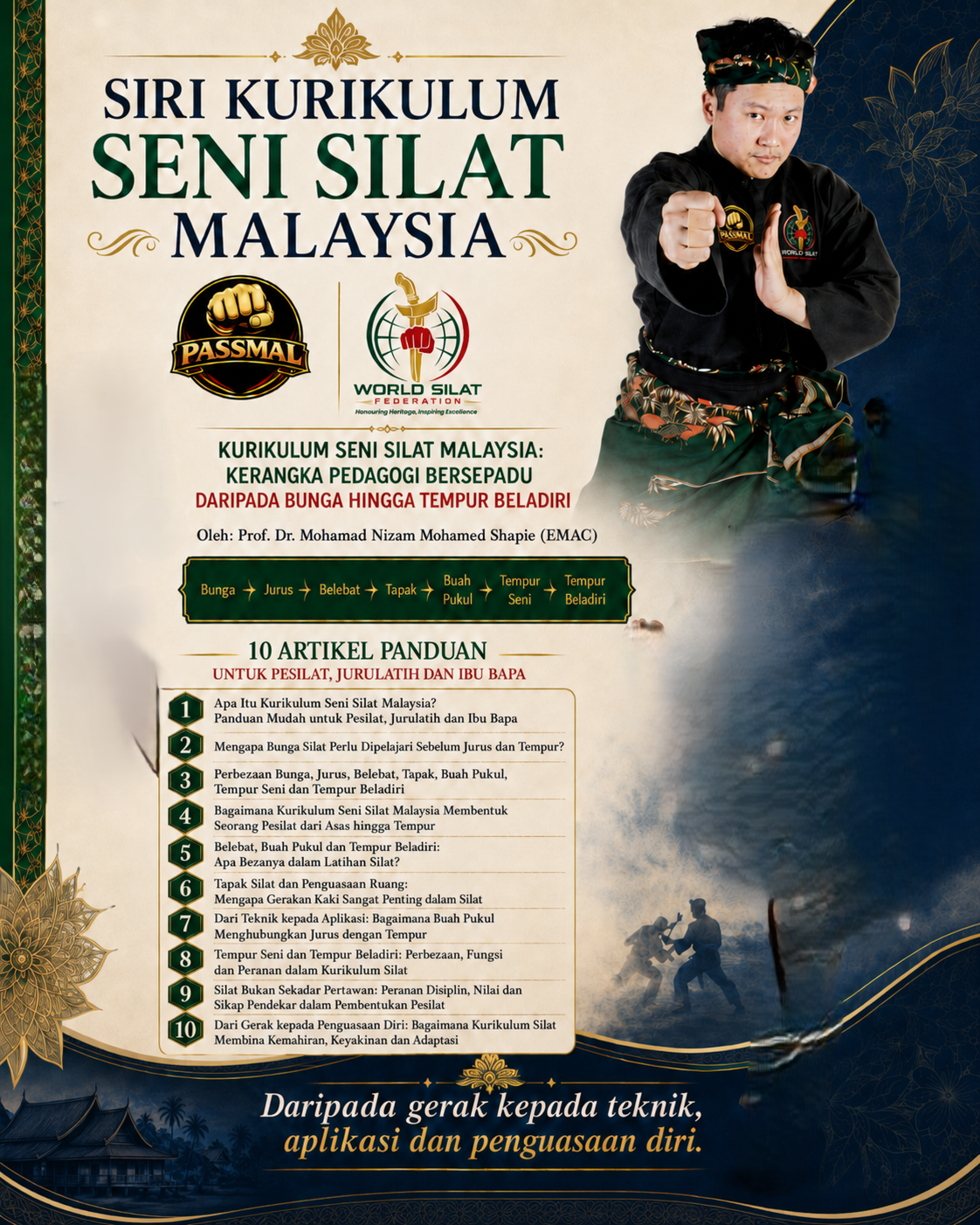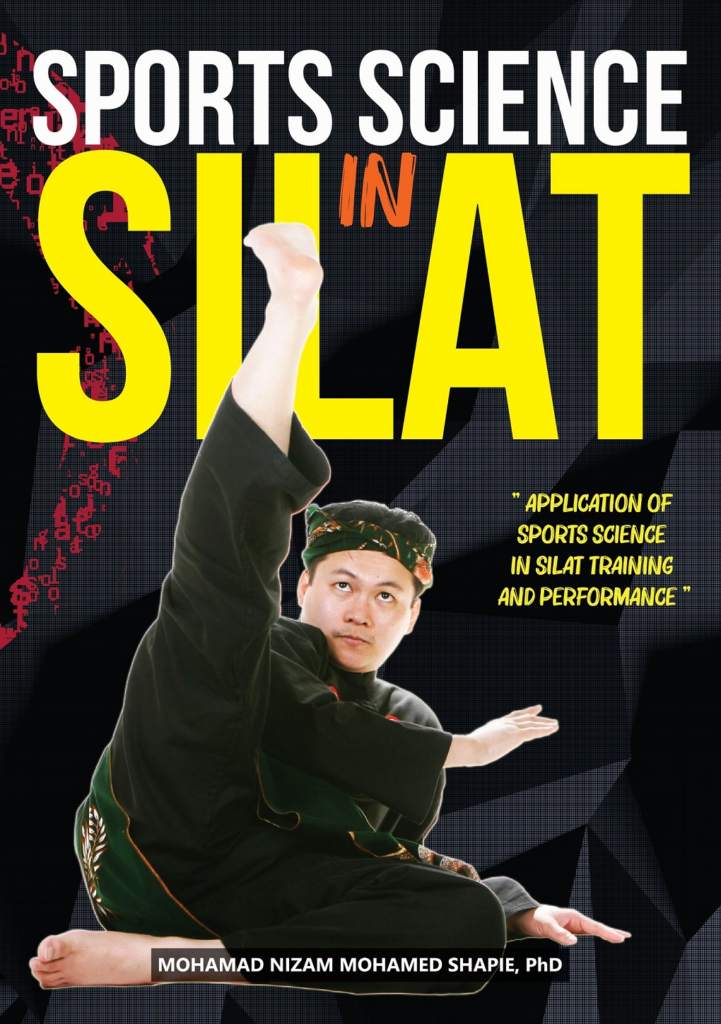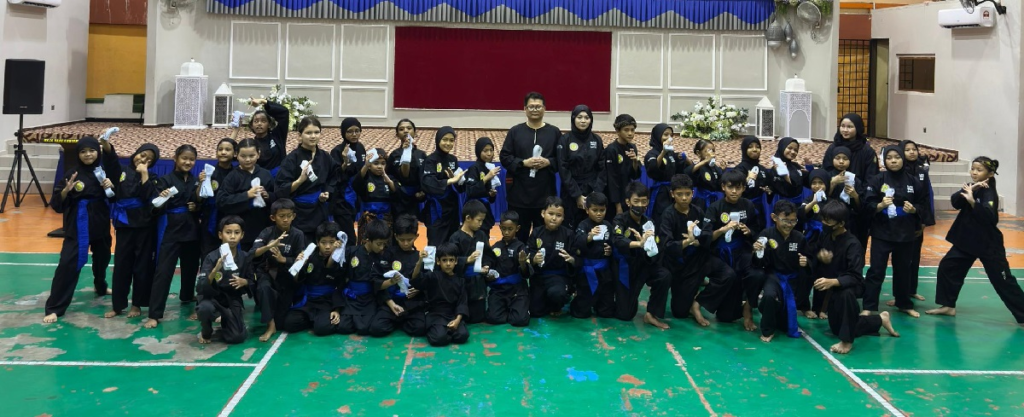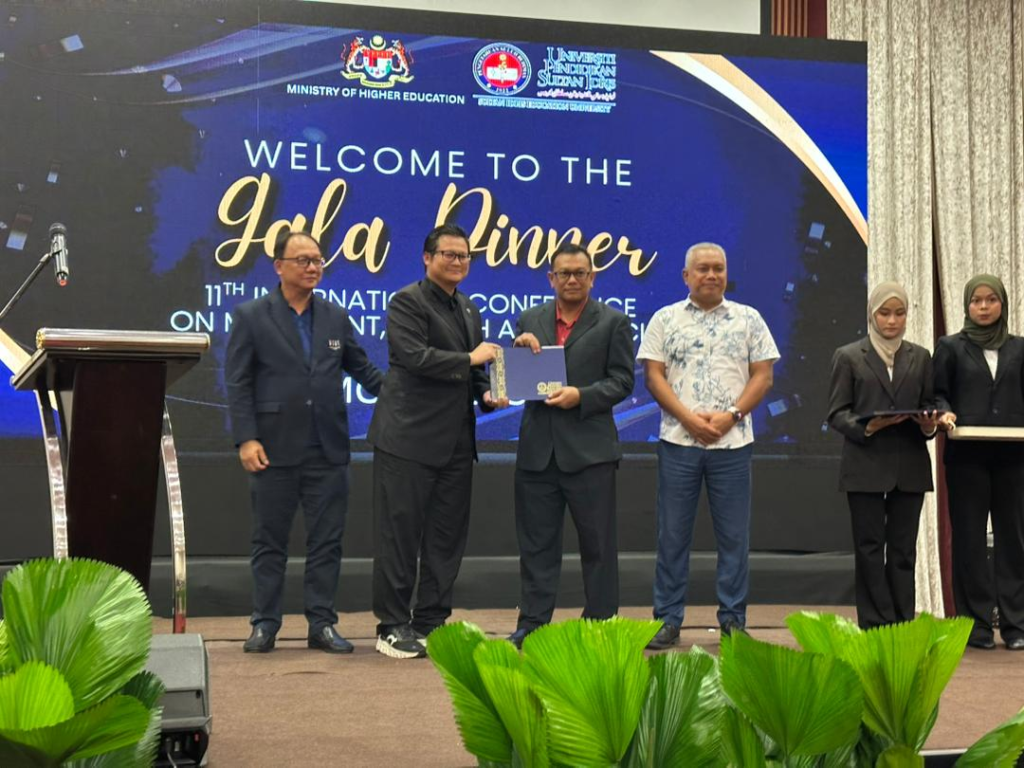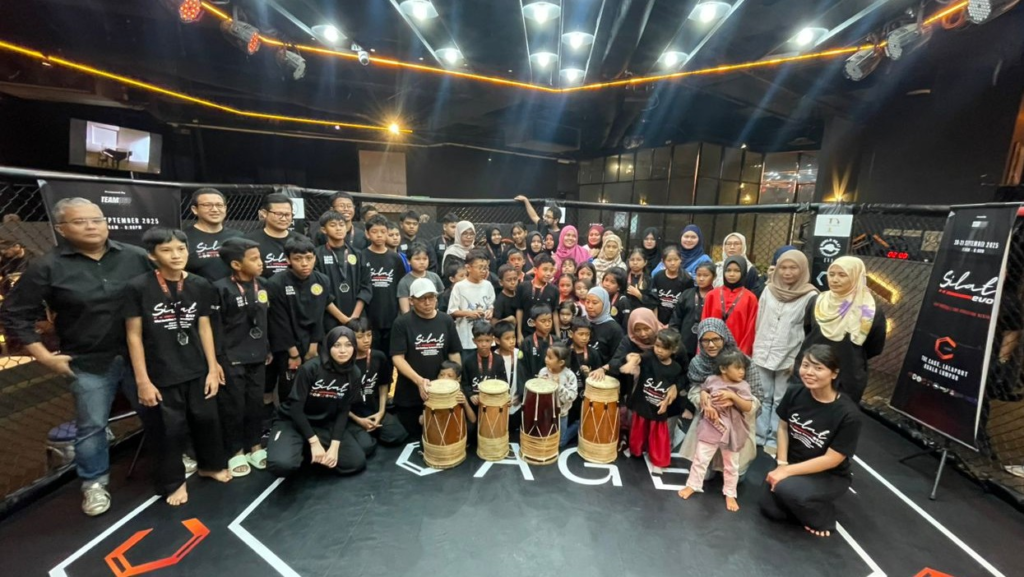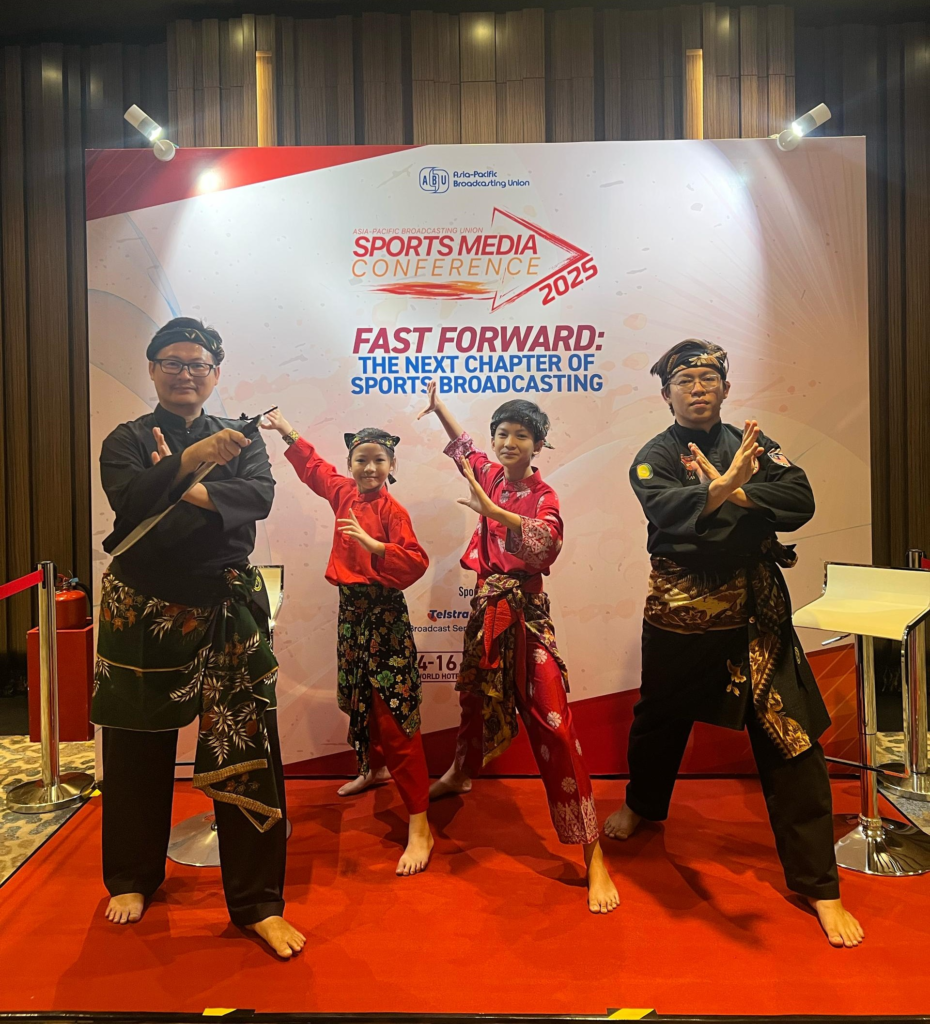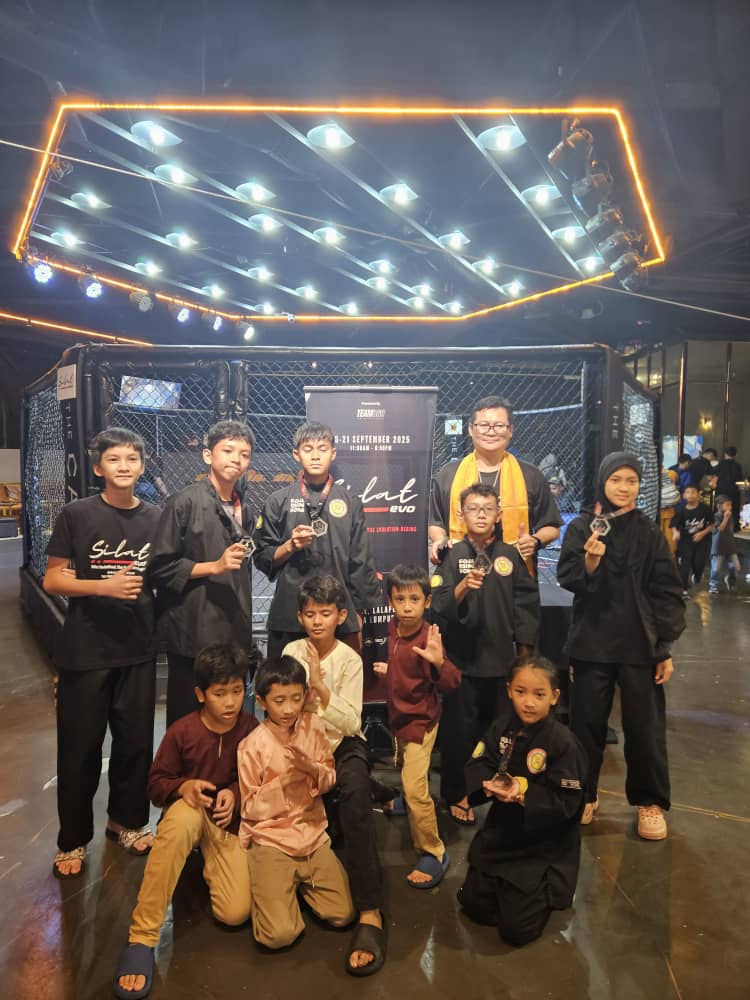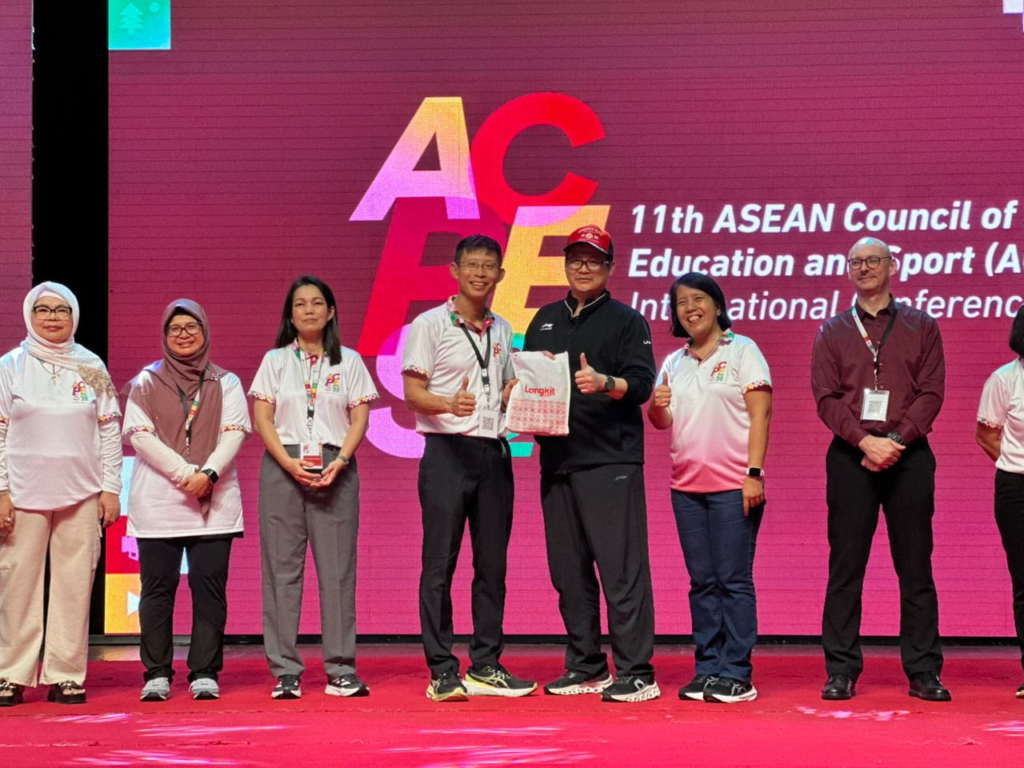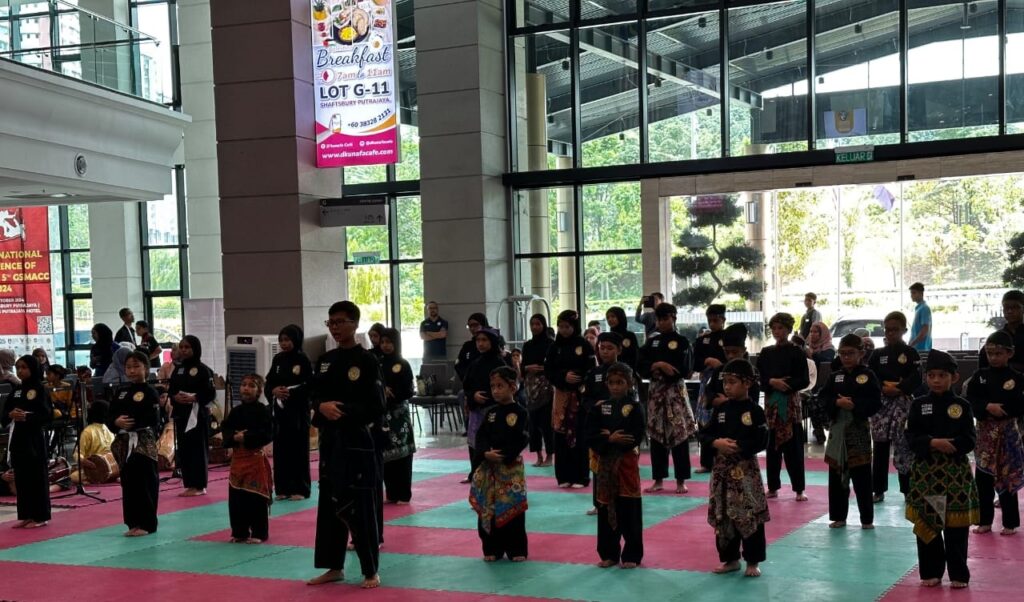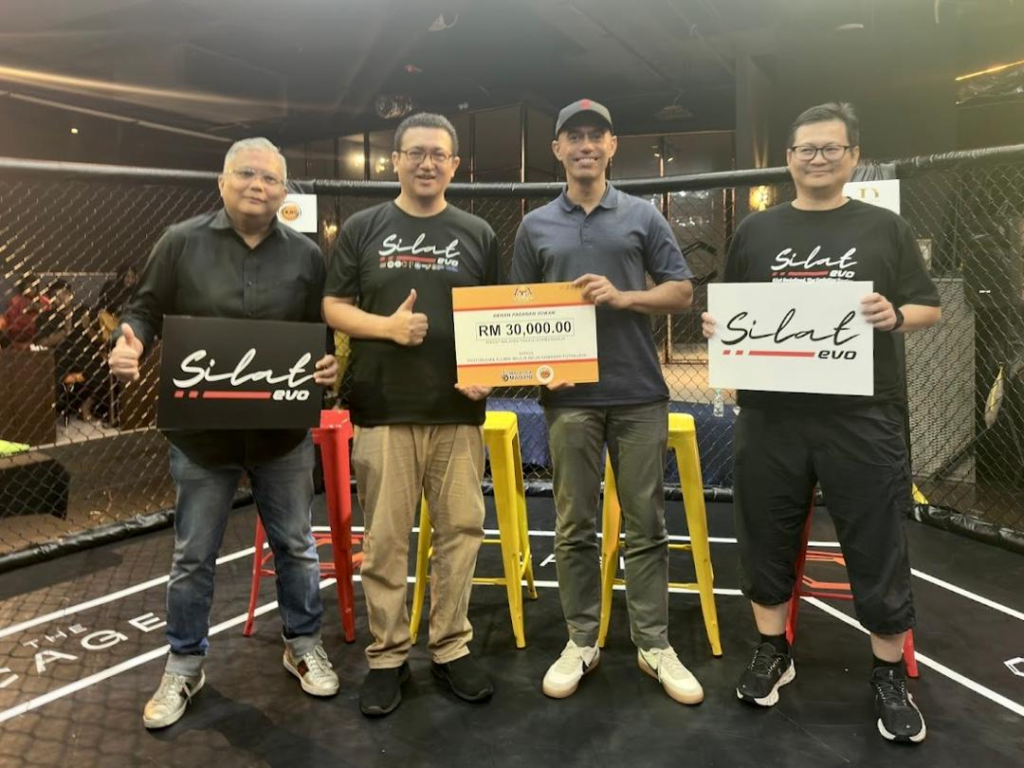
🥋 Introduction: Rediscovering the Soul of Silat Melayu
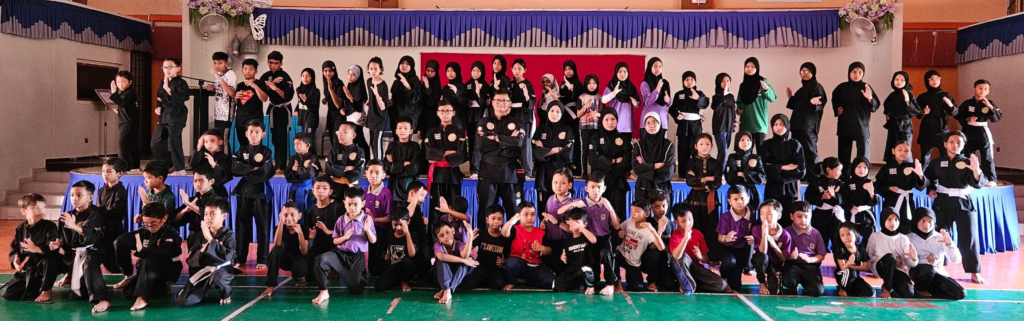
Silat Melayu is often misunderstood as merely a traditional martial art — a self-defense system practiced with elegant movements and ancient weaponry. But for those who have lived and breathed it, Silat is far more than that. It is a way of life, a cultural identity, and a system of moral education rooted in the values, rituals, and philosophies of the Malay world.
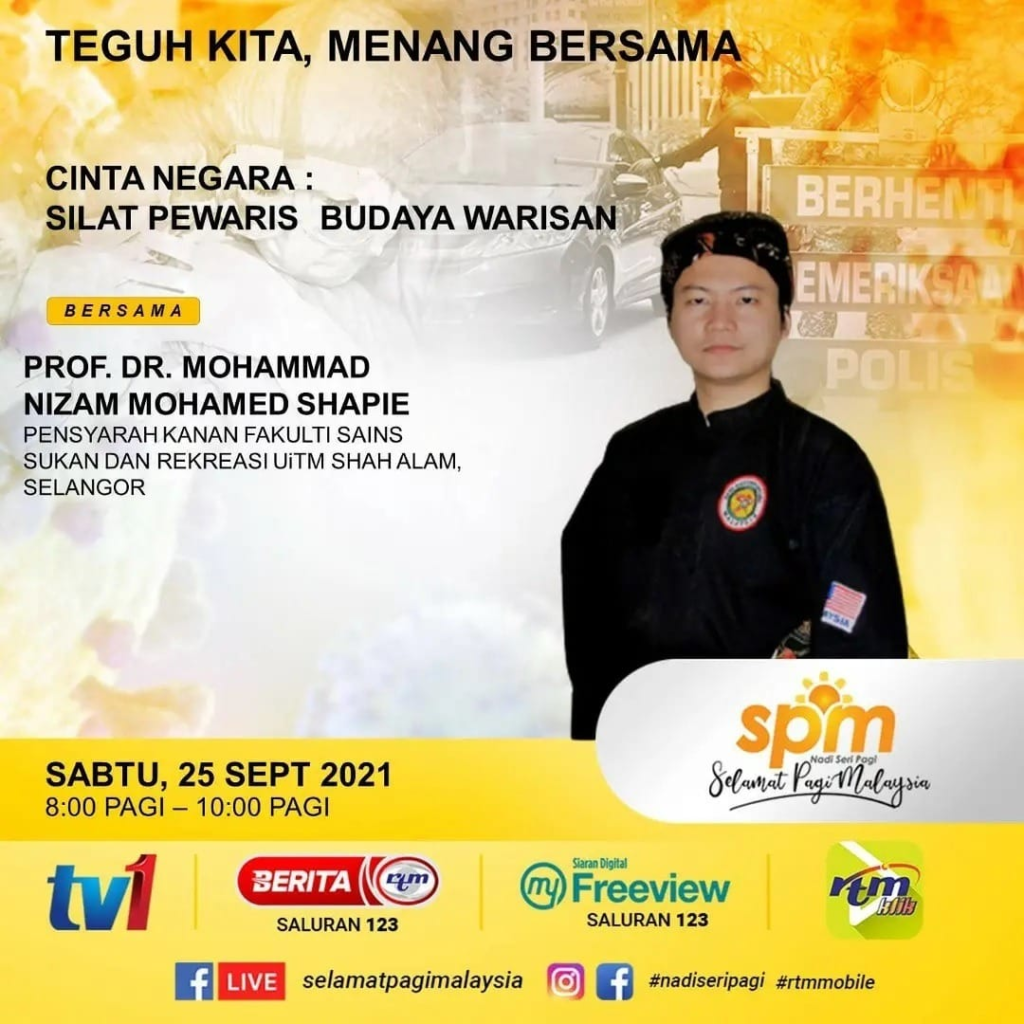
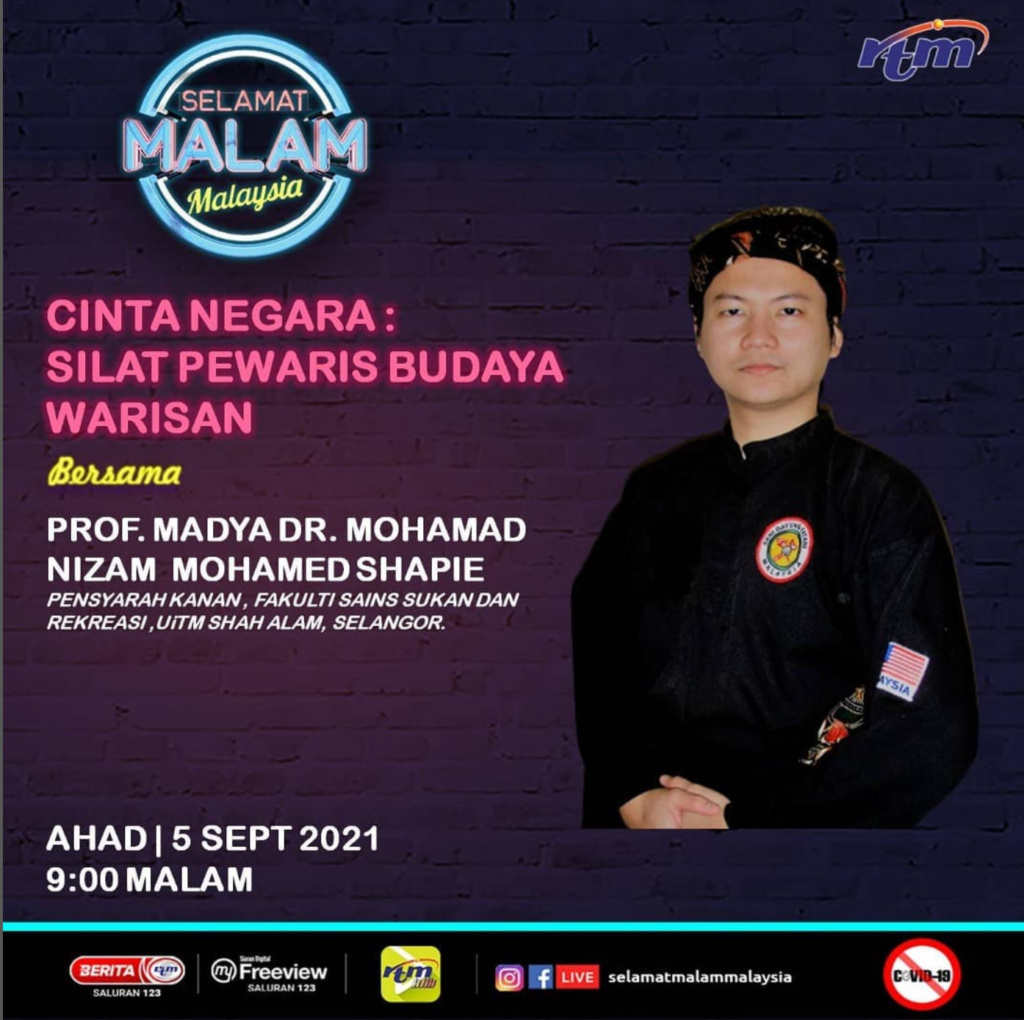
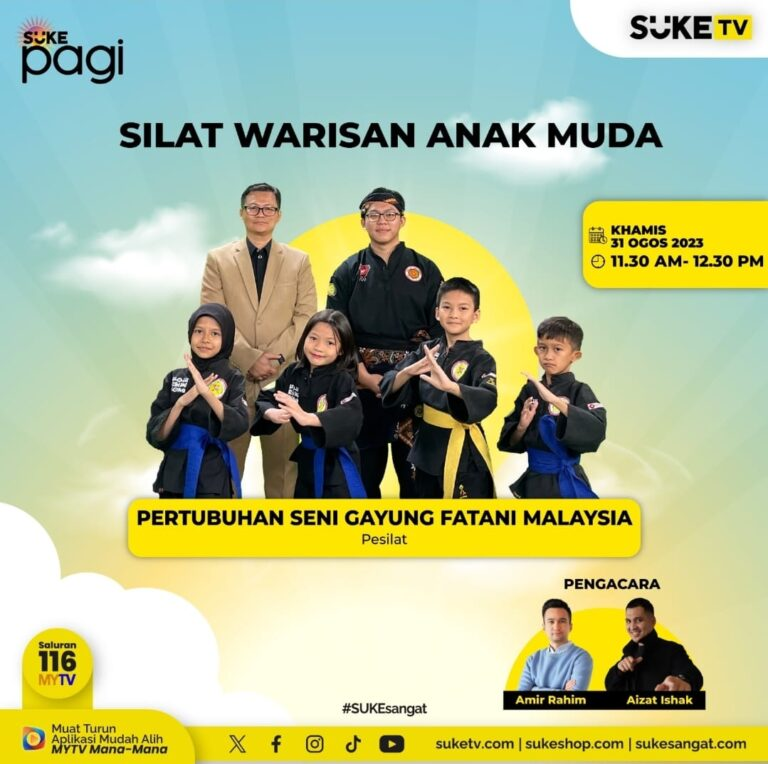
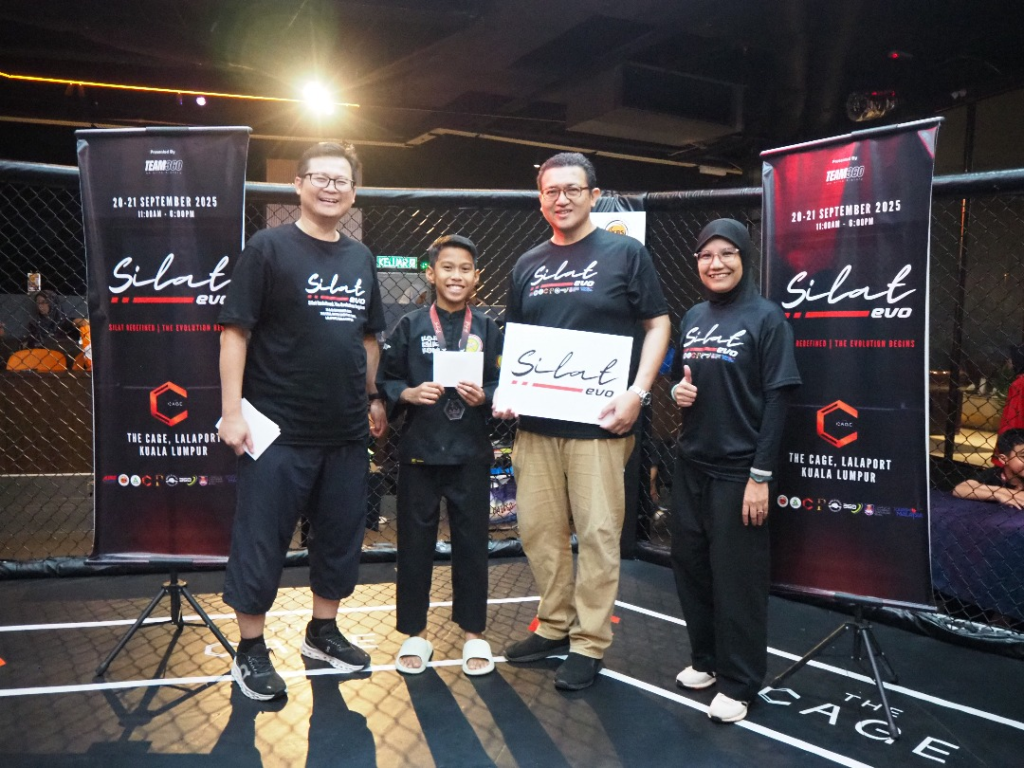
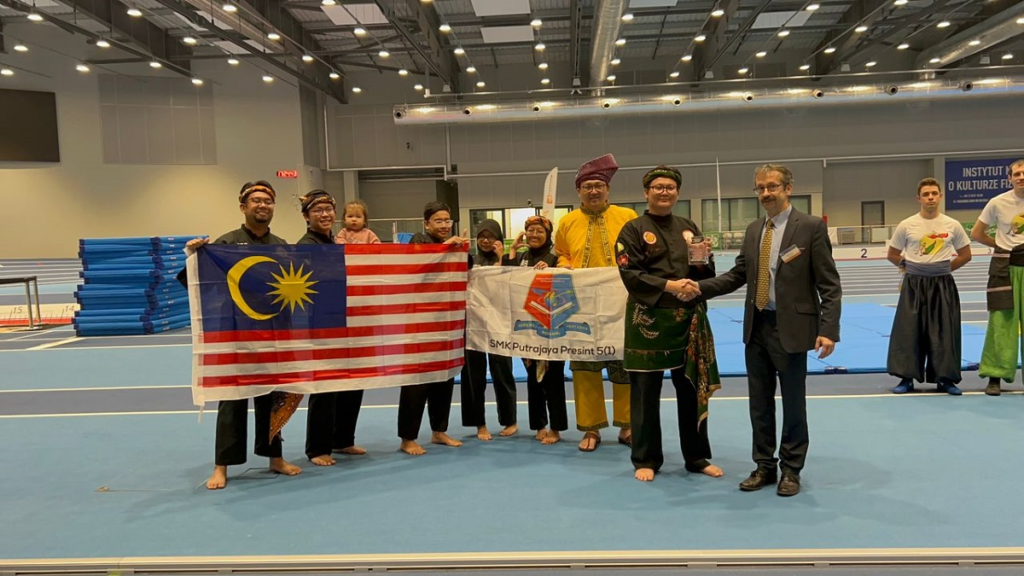
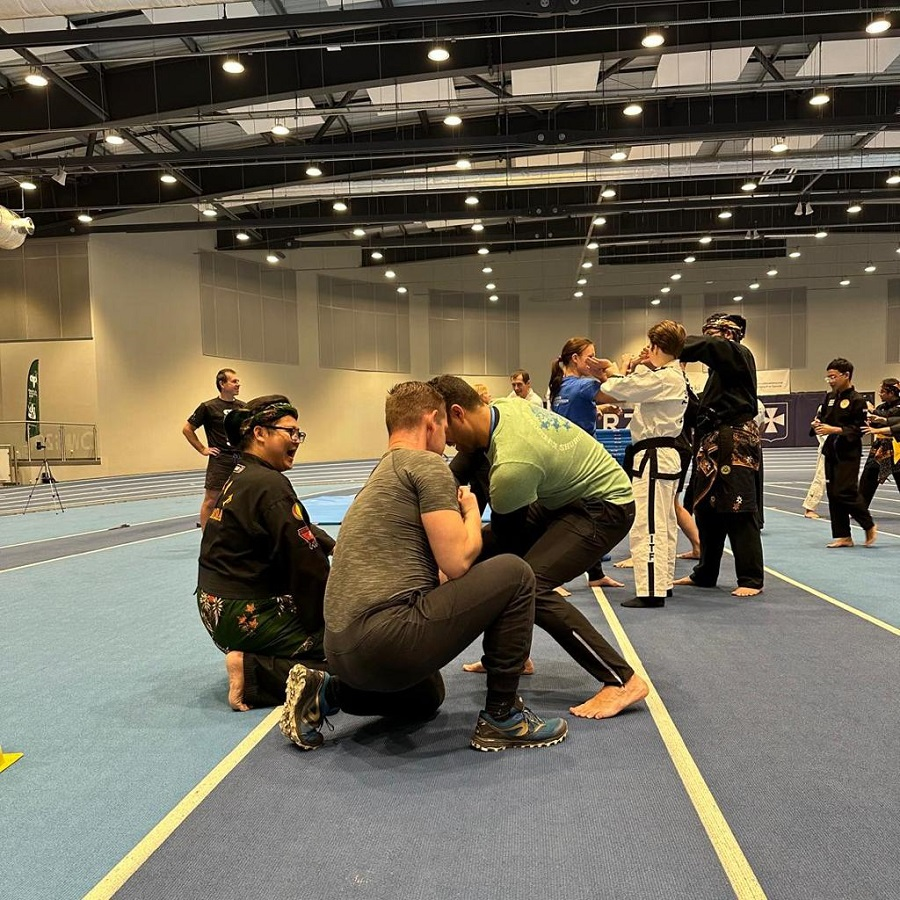
Through the committed efforts of organizations like PASSMAL (The Malaysian Organization of Authentic Malay Silat Arts), Silat is now being preserved and studied not only as a combat discipline, but as a heritage framework that influences education, psychology, community development, and international cultural diplomacy.
Here are 11 reasons why Silat Melayu is much more than just a martial art.
1. Silat Teaches the Ethics of Adab and Budi Pekerti
At the core of Silat is adab — refined etiquette, manners, and behavior. Practitioners are taught to act with humility, self-control, and respect. The values of budi pekerti (moral character) are deeply embedded in every greeting, bow, and stance, turning Silat into an educational system of character building, not just combat.
2. It Preserves the Warrior Philosophy of the Pendekar
Silat embodies the philosophy of the pendekar, the noble warrior who defends not for ego or fame, but for justice, family, and community. The Sikap Pendekar (Warrior Attitude) elevates Silat into a symbolic platform for nation-building and inner resilience (Shapie, 2021).
3. Silat Encodes Malay History, Identity, and Symbolism
Movements such as Bunga Silat are not arbitrary. They reflect cosmic, natural, and philosophical ideas rooted in Malay culture. Silat is a living text that records stories, rituals, and symbols—functioning as both performance and oral history (Shapie, Elias & Anuar, 2016).
4. Silat is a Pedagogical Tool for Youth Education
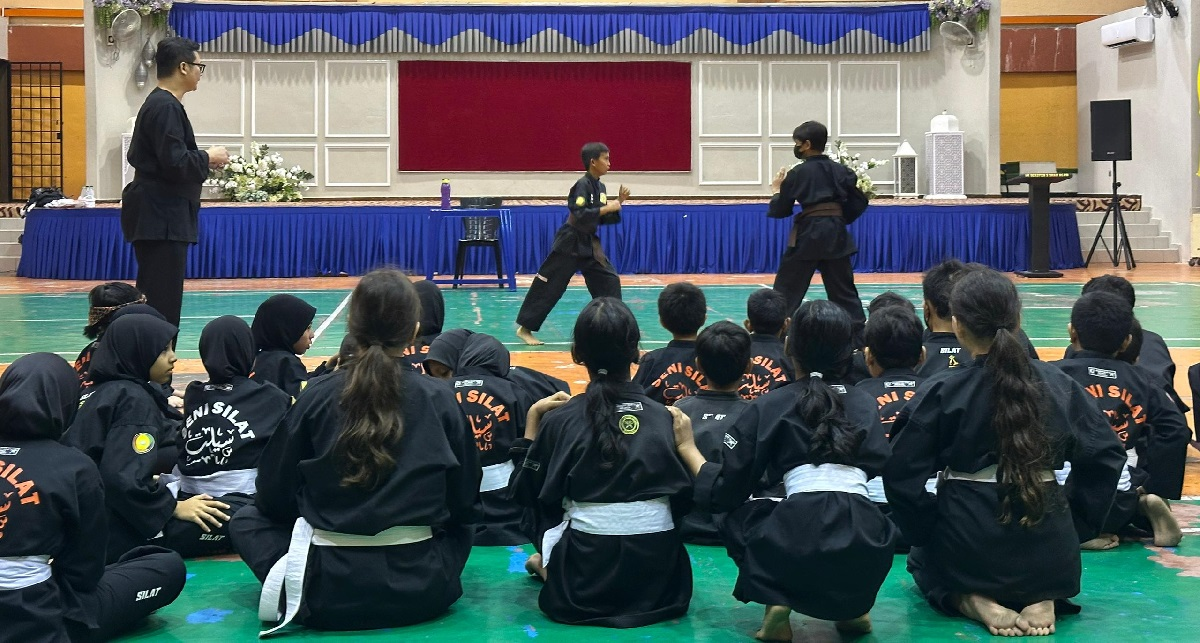
PASSMAL’s structured curriculum, especially through the Manual Kejurulatihan Silat Malaysia Tahap 1 & 2, includes principles of youth development, psychology, and teaching methodology (Shapie et al., 2022a; 2022b). It’s not just about physical training—it’s about learning values, discipline, and responsibility.
5. Silat Embodies the Malay Art of Movement and Aesthetics
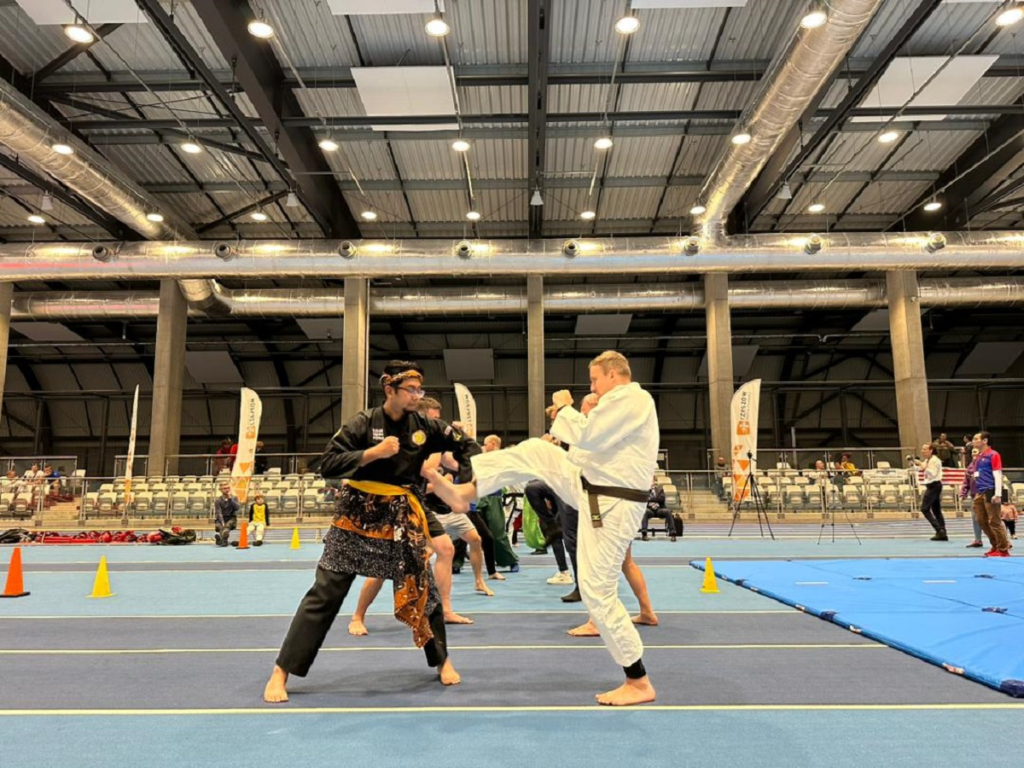
Each step, stance, and turn in Silat has rhythm, breath, and flow — qualities that reflect Malay aesthetics and spirituality. This is what differentiates Silat from other martial arts; it is both combat and cultural performance.
6. Silat Training Supports Physical and Psychological Wellness
Recent research confirms that Silat supports cardiovascular health, strength development, and mental well-being. Plyometric and circuit training models adapted from Silat have also been used successfully in multi-sport contexts (Shapie et al., 2018; Al-Syurgawi & Shapie, 2019).
7. Silat is Embedded in Scientific and Academic Research
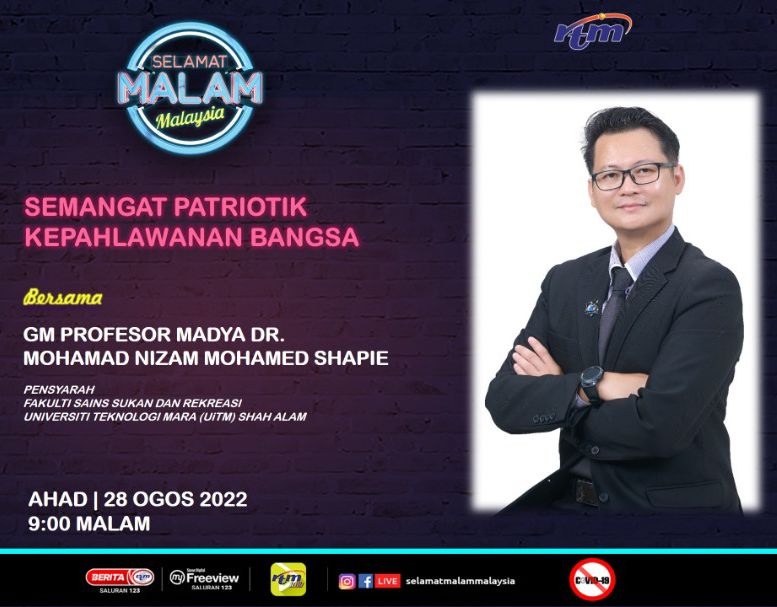
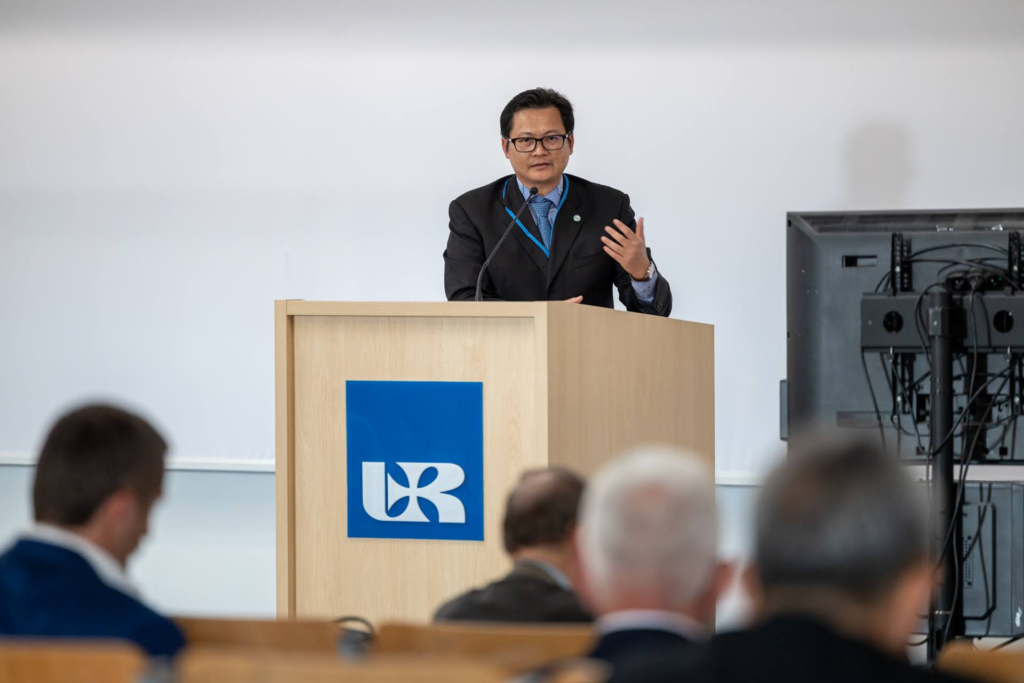
Thanks to scholars like Prof. Dr. Mohamad Nizam Mohamed Shapie and UiTM’s AIRBORNE Research Network, Silat is now studied using sports science, pedagogy, and performance analysis — elevating its credibility and global reach (Shapie et al., 2023a).
8. Silat Strengthens Intergenerational Knowledge Transfer
By training youth, PASSMAL ensures that cultural knowledge is passed down responsibly. Certification frameworks promote not only skill acquisition, but also the continuity of oral wisdom, language, and tradition (Shapie et al., 2020).
9. Silat Offers a Platform for Cultural Diplomacy
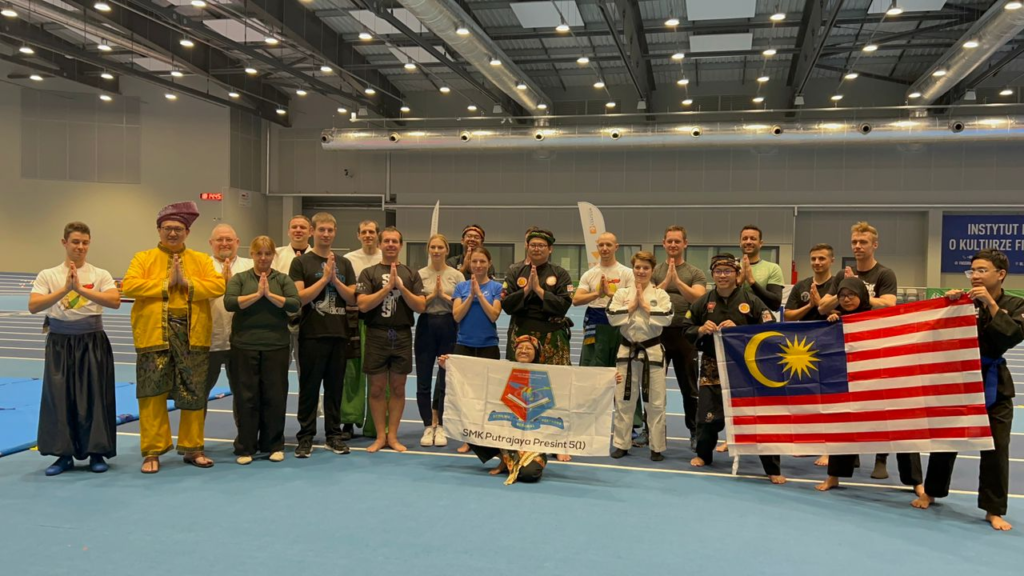
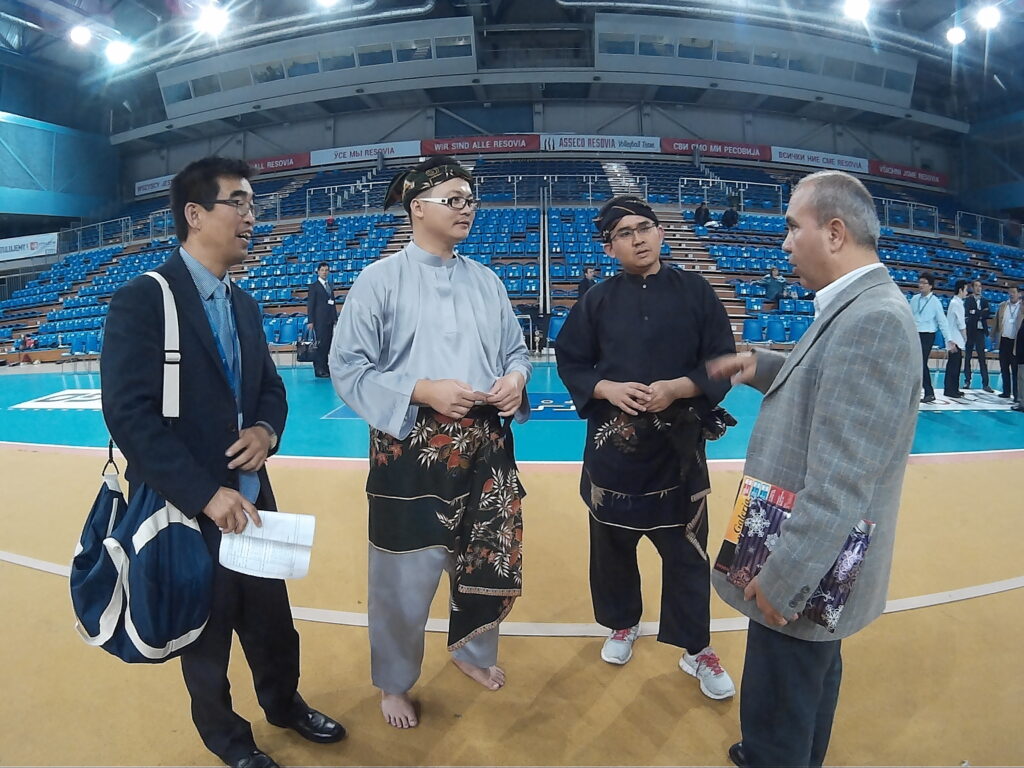
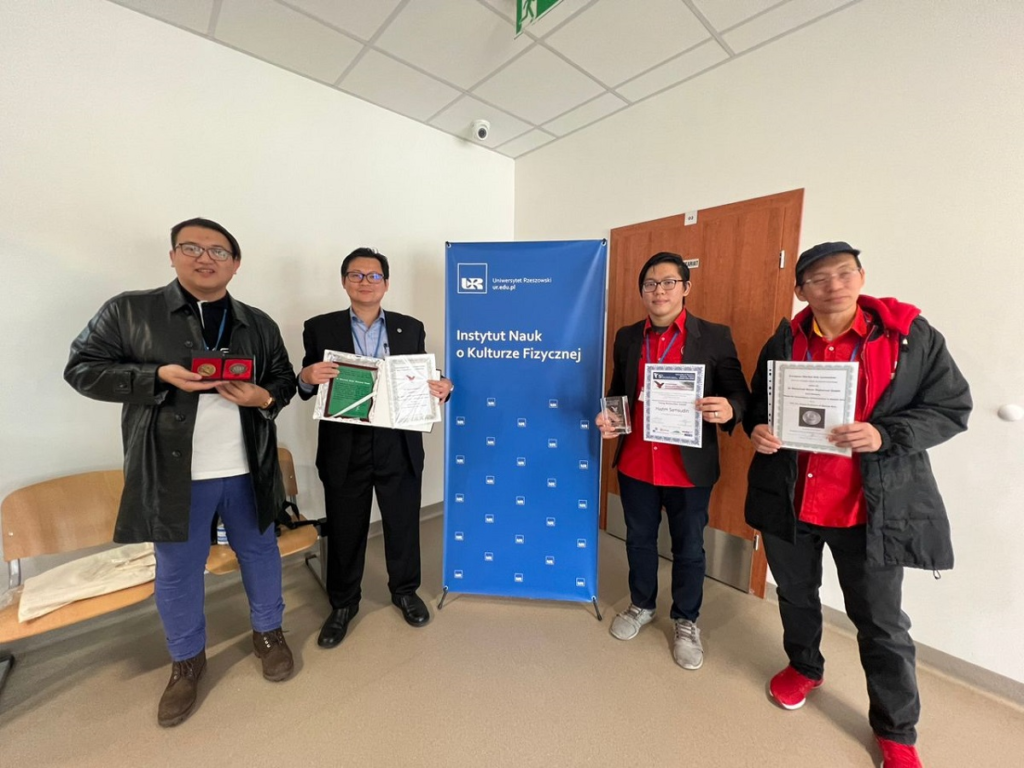
Malaysia promotes Silat as a UNESCO-recognized intangible cultural heritage, with PASSMAL participating in events organized by UNESCO ICM, IMACSSS, and other international bodies. Silat is not just a local treasure — it is Malaysia’s gift to the world (Shapie et al., 2020).
10. Silat Engages with Modern Technologies and Innovation
Projects like Virtual Silat Coaching and online training modules have expanded Silat’s accessibility, especially during the pandemic. PASSMAL’s adoption of these tools ensures adaptive growth without losing traditional roots (Shapie, Masron, Ismail, & Elias, 2015).
11. Silat Reconnects Malaysians to Their Cultural Roots
At a time when globalized identity threatens local wisdom, Silat provides a path to reconnection and reflection. Learning Silat is a way to understand one’s language, land, and legacy. It is heritage in motion.
🔚 Conclusion: A Living Heritage for the Future
Silat Melayu is not merely a martial art. It is a cultural archive, a moral compass, a national legacy, and a global bridge. With the guidance of institutions like PASSMAL, and the academic stewardship of researchers at UiTM, Silat is being safeguarded as a living tradition—ready to inspire generations ahead.
📚 References (APA 7th Edition)
- Shapie, M.N.M., Aminuddin, A., Elias, M.S., Ramli, M.S. (2022a). Manual Kejurulatihan Seni Silat Malaysia Tahap 1, Peringkat Kebangsaan, 2020–2025. Pertubuhan Seni Gayung Fatani Malaysia.
- Shapie, M.N.M., Aminuddin, A., Elias, M.S., Ramli, M.S. (2022b). Manual Kejurulatihan Seni Silat Malaysia Tahap 2, Peringkat Kebangsaan, 2020–2025. Pertubuhan Seni Gayung Fatani Malaysia.
- Shapie, M.N.M., Elias, M.S., Anuar, A. (2016). Silat: The Heritage of Malaysia. Ministry of Tourism and Culture, Kuala Lumpur.
- Shapie, M.N.M. (2021). The Warrior Attitude (Sikap Pendekar) in Malay Silat. In Ryu, S. et al. (Eds.), Southeast Asian Martial Arts. UNESCO ICM.
- Shapie, M.N.M., Oliver, J., O’Donoghue, P., Tong, R. (2018). Effect of circuit training on fighting performance of young silat athletes. Malaysian Journal of Movement, Health & Exercise, 7(1). https://doi.org/10.15282/mohe.v7i1.199
- Al-Syurgawi, D., Shapie, M.N.M. (2019). The Effects of A 6-Week Plyometric Training on Muscular Strength in Silat Athletes. Revista de Artes Marciales Asiáticas, 14(2s), 28–30.
- Shapie, M.N.M., Masron, M.Z., Ismail, S., Elias, M.S. (2015). Virtual Silat Web Based Coaching Service. Research Innovation Symposium & Exposition 2015, UiTM.