
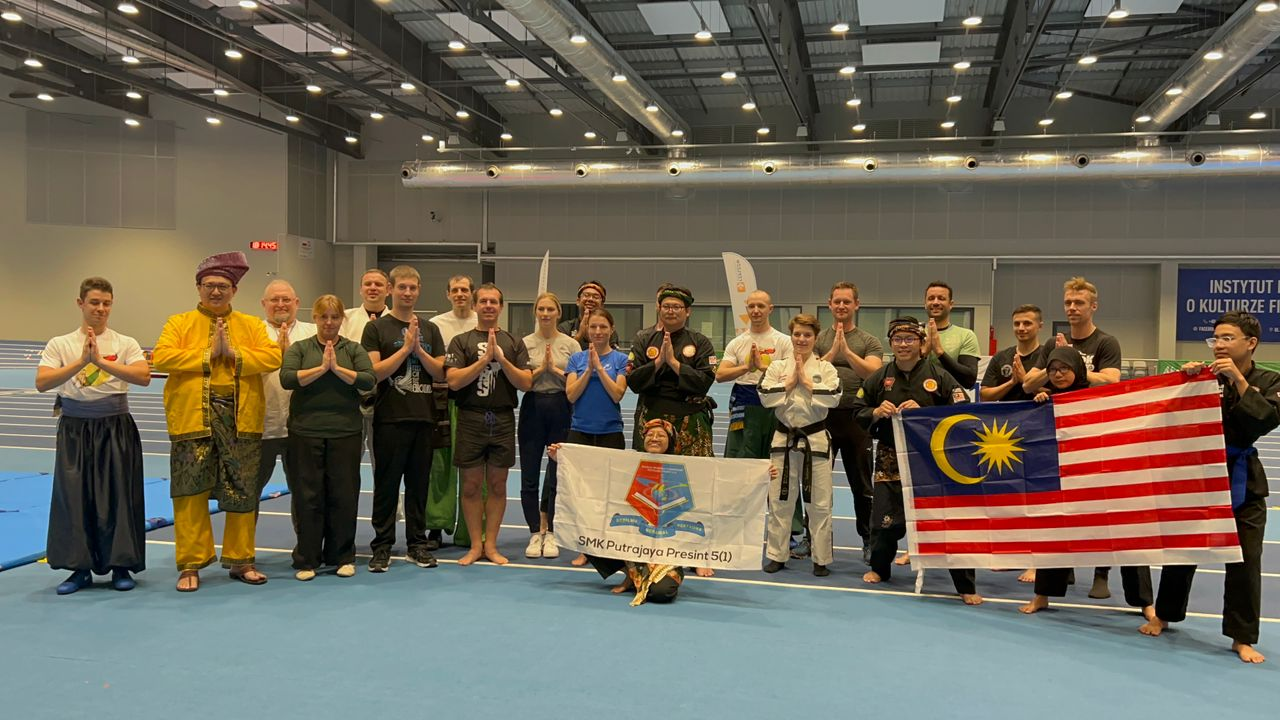
Silat Melayu: From Heritage to Innovation
Silat Melayu, the traditional martial art of the Malay world, is more than a combat system—it is a living embodiment of culture, philosophy, and identity. Rooted in centuries of oral transmission and ritual practice, Silat Melayu has long served as a vessel for discipline, respect, and spiritual growth. Today, it stands at the intersection of heritage and innovation, evolving into a structured, research-driven discipline that reflects Malaysia’s aspirations for cultural sustainability and global recognition.
The Traditional Foundations
Historically, Silat Melayu was taught in village gelanggangs (training arenas) by family masters, passed down through generations without formal documentation. Its techniques, rituals, and values were deeply embedded in the Malay worldview—emphasizing humility, honour, and the warrior’s attitude (Sikap Pendekar). The art was not merely about physical prowess but about cultivating moral character and spiritual awareness.
The traditional curriculum included elements such as Bunga Silat (floral movements), Tapak (stances), Belebat (defensive patterns), and Buah Pukul (striking techniques). These components were performed with rhythm and grace, often accompanied by gendang silat (traditional drums), reinforcing the cultural and ceremonial essence of the practice.
The Pioneer of Modernisation: Anuar Abd Wahab
The late Anuar Abd Wahab played a pivotal role in transitioning Silat Melayu from informal practice to formal sport. As a visionary leader and martial arts reformer, he introduced the Seni Silat Malaysia curriculum, which standardised techniques, grading systems, and ethical codes. His efforts laid the groundwork for Silat’s inclusion in schools, universities, and international competitions.
Anuar’s legacy includes the establishment of coaching manuals, national certification systems, and the integration of Silat into Malaysia’s cultural policy. His work ensured that Silat retained its philosophical roots while becoming accessible to a broader audience. Under his guidance, Silat gained recognition not only as a martial art but as a symbol of national identity.
The New Era: Dr. Mohamad Nizam Shapie and PASSMAL
Today, the torch of Silat modernisation is carried by Dr. Mohamad Nizam Shapie, the current General Manager of PASSMAL (The Malaysian Organization of Authentic Malay Silat Arts). A sports scientist, educator, and Silat exponent, Dr. Nizam has spearheaded a research-driven transformation of Silat Melayu, aligning it with Malaysia’s MADANI vision—emphasizing character, competence, and culture.
Under Dr. Nizam’s leadership, Silat has evolved into a structured academic discipline. Through UiTM’s Faculty of Sports Science and Recreation, and research networks like AIRBORNE, Silat is now studied using motion analysis, biomechanics, coaching psychology, and digital innovation. Over 47 peer-reviewed publications between 2014 and 2024 have documented this transformation, covering topics from injury prevention to curriculum integration.
Innovations in Silat Combat Sports
Dr. Nizam’s contributions include the development of three modern Silat formats:
- Silat Olahraga: A competitive sport format governed by international rules.
- Silat Tempur: A youth-friendly adaptation designed for safe, strategic learning.
- Silat EVO: A professional cage-style format that combines tradition with commercial appeal.
These formats reflect Malaysia’s commitment to sportifying Silat while preserving its cultural essence. Research has shown that structured Silat training improves agility, balance, and psychological resilience, making it a valuable tool for youth development and education.
Silat in Higher Education: The Madani Athlete Model
One of Dr. Nizam’s landmark initiatives is the Madani Athlete Model, introduced through the project “Silat and the Madani Athlete”. This model integrates Silat into university sports education, promoting holistic athlete development. It is built on three pillars:
- Character (Ihsan): Moral leadership and emotional discipline.
- Competence (Ilmu): Scientific literacy and athletic skill.
- Culture (Jati Diri): Heritage awareness and national pride.
Through this model, Silat becomes a form of character pedagogy, not just physical training. It aligns with the Ministry of Higher Education’s goals for ethical, high-performing university athletes and supports Malaysia’s broader MADANI framework.
International Recognition and Collaboration
Silat Melayu’s transformation has gained international attention. Malaysia now collaborates with global bodies such as:
- IMACSSS (International Martial Arts and Combat Sports Scientific Society)
- UNESCO ICM (International Centre of Martial Arts, Korea)
These partnerships have elevated Silat’s academic stature, leading to Scopus-indexed publications, joint conferences, and cross-cultural research. Silat is now recognised as a credible field within global sports science and martial arts education.
Challenges and Future Directions
Despite its progress, Silat faces challenges in standardisation, evidence translation, and technological integration. Research gaps remain in longitudinal studies, coaching impact, and youth safety protocols. Dr. Nizam’s roadmap for the future includes:
- Establishing a national Silat research consortium.
- Integrating AI-based video analytics and motion sensors.
- Expanding coach education through modular, digital courses.
- Promoting inclusive athlete pathways for children and women.
- Ensuring ethical governance in professional formats like Silat EVO.
These initiatives aim to position Malaysia as a regional hub for martial arts research and education by 2030.
Cultural Sustainability and Policy Alignment
Silat’s journey from tradition to academia exemplifies how cultural sustainability can coexist with innovation. Through PASSMAL, PESONA Malaysia, and UiTM, Silat retains its ceremonial elements—adat hormat, traditional attire, and musical accompaniment—within modern sport environments.
The proposed Majlis Seni Mempertahankan Diri IPT (National Martial Arts Council for Higher Education) seeks to unify Silat, Taekwondo, Karate, and other combat sports under one governance body. This council would promote research, athlete welfare, and policy alignment with the Ministry of Higher Education.
Conclusion: Silat Melayu as Malaysia’s Cultural Beacon
Silat Melayu’s evolution reflects Malaysia’s ability to merge heritage, science, and values into a unified framework for national development. From Anuar Abd Wahab’s pioneering curriculum to Dr. Nizam’s research-led innovation, Silat has become a model of cultural combat-sport excellence.
As Malaysia moves toward Vision 2030, Silat stands not only as a martial art but as a symbol of resilience, identity, and intellectual progress. It teaches that true strength lies in character, competence, and culture—values that define both the warrior and the nation.
Silat Melayu: From heritage to innovation, from Malaysia to the world.